
REVIEW · MAASAI MARA SAFARIS
3-Day Maasai Mara Joining Safari at Enkorok Luxury Camp
Maasai Mara starts before you even leave Nairobi. This 3-day joining safari pairs Nairobi pickup, a Rift Valley viewpoint stop, and day after day of game drives from a pop-up roof 4×4, plus luxury sleeping at Enkorok Safari Luxury Camp or a similar camp. It is the kind of trip where the schedule is simple, but the wildlife moments are not.
I especially like how much time you spend in the reserve with a professional guide who knows where animals show up, and how to read birdlife along the way. In the same spirit, I like the way the camp time feels well-managed, including the reports of Sopa-style comfort like evening turndown service and mosquito net coverage, so you can actually rest before another drive.
One thing to consider: timing can slip. One report points to late departures, a Land Cruiser breakdown on day two, and trouble with the promised drop-off on day three, which matters a lot when you are paying a premium for a tight 3-day window.
In This Review
- Key takeaways before you go
- Nairobi to Maasai Mara: Rift Valley views and fast transition
- Day 1 game drive: waterholes, mud baths, and the calm-before-lions feeling
- Day 2 full-day Maasai Mara: Big Five time, plus Mara River life
- Enkorok Luxury Camp (and Sopa-style nights): comfort that matters for early mornings
- Guides make or break it: English driving skill, bird knowledge, and close sightings
- Transport and how the 4×4 pop-up roof changes your day
- Park entrance fees: the extra cost that changes the real budget
- When the migration matters, and when it does not
- Who this safari fits best, and who should plan for alternatives
- Should you book the joining safari to Maasai Mara in 3 days?
- FAQ
- What is included in the 3-day joining safari package?
- What are the Maasai Mara park entrance fees, and are they included?
- What kind of accommodation do you stay in?
- Is there an option to visit a Masai village?
- Do you get guided game drives and what language is the guide?
- What vehicle is used for the safari drives?
- How is the day one schedule structured?
- When does the wildebeest migration happen in Maasai Mara?
Key takeaways before you go
- Pop-up roof 4×4 transport means you can spot and photograph without ducking down all day
- Big Five and serious birdlife focus, not just a quick drive-and-hope plan
- Afternoon drive plus a full day in the reserve, giving you more chances for different animals
- Luxury camp rhythm (dinner, overnight, then an early start) keeps the safari feeling smooth
- Park entrance fees are a big extra cost, and they vary by season
Other Mara operators, set against one another
Nairobi to Maasai Mara: Rift Valley views and fast transition
Your safari begins with an early pickup from your Nairobi hotel, or from the airport. Expect a quick stop at the Great Rift Valley viewpoint, where you get the classic over-the-edge views of the Rift, described as the largest valley in the world and said to be visible from outer space. It is a good mental reset before you trade city sounds for dry grass, scattered acacias, and the steady work of spotting wildlife.
Then it is straight toward Maasai Mara National Reserve, with arrival around lunch time. This lunch window is practical. You check into camp, eat something solid, then gear up for an afternoon drive rather than starting the wildlife day hungry and frazzled.
Day 1 game drive: waterholes, mud baths, and the calm-before-lions feeling
On day one, you head out for an afternoon game drive. The plan calls for departure around 3:30 pm, which lines up with the time many animals become easier to see and more active around waterholes. The goal here is not random driving. You spend your first hours moving where wildlife actually gathers.
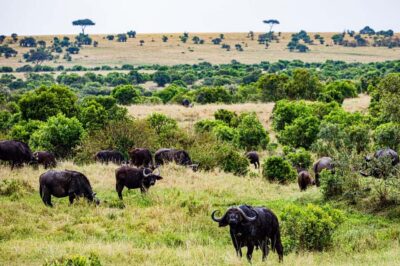
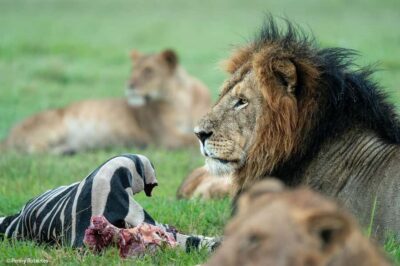
The route includes stops around waterholes, which is where you often find the large herbivores first. Expect to look for elephants, and possibly rhinos and buffaloes, with reports and itinerary notes about animals cooling off by getting in water and taking mud baths. Around them, the smaller drama starts too, with hyenas and wild dogs active during the day, and predators becoming easier to spot as light and temperature shift.
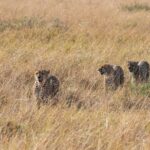
As the heat drops, the safari mood changes. The itinerary specifically calls out looking for lions in a pride resting in shade, plus cheetahs and leopards later in the drive. Even when you do not see every cat, the pattern is still useful. You are learning what the Mara does in a single afternoon: herbivores at water, then predators working the edges.
Do keep one logistics reality in mind. One account notes the day one start slipped, entering the park later than planned due to departure timing. If you are chasing a very specific animal window, that is the sort of detail that can affect your odds over only three days.
Day 2 full-day Maasai Mara: Big Five time, plus Mara River life
Day two is the heavy day. You spend a full day exploring Maasai Mara, with the plan focused on the Big Five and the reserve’s famously strong birdlife. The Mara is described as largely open grassland in the Great Rift Valley, with wildlife concentrated on the western escarpment. That matters because it means the game drive strategy is about moving through the right areas, not just driving until you get lucky.
You also get a picnic lunch inside the reserve. The setup is simple but memorable: a lunch under a tree with birds calling around. If you love bird spotting, this timing is a quiet win. Birds often show their personalities when the vehicles pause, and a picnic stop gives you a chance to look without rushing.
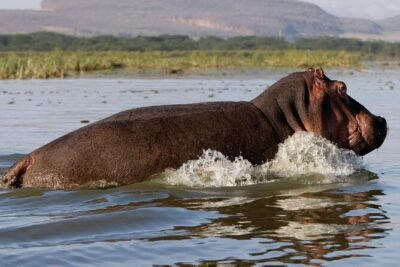
The day includes time around the Mara River, where you can expect to scan for hippos and crocodiles along the banks. This is a good reminder that the Mara is not only about the big chase. There is a whole side of the ecosystem that stays busy even when you are focused on the cats and elephants.
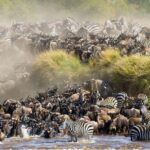
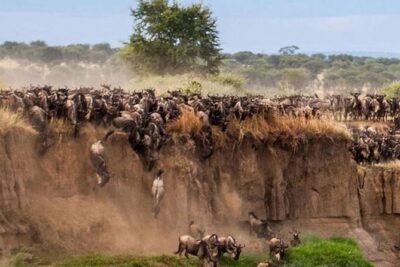
For wildlife context, the reserve is also famous for the wildebeest migration. The migration season is described as involving over 1.5 million wildebeest, with arrivals in July and departures in November. If you travel during those months, expect the Mara to feel more crowded with movement, and the action to be more about patterns and crossings than isolated animal moments.
Enkorok Luxury Camp (and Sopa-style nights): comfort that matters for early mornings
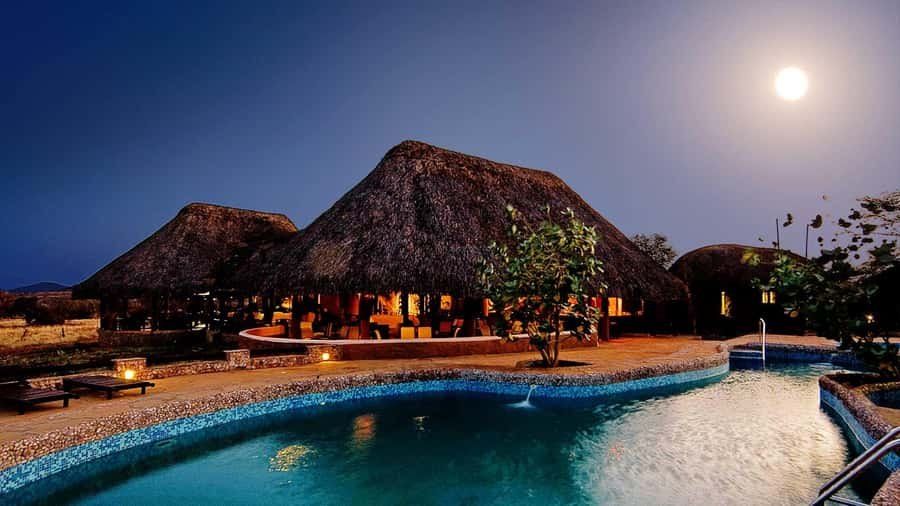
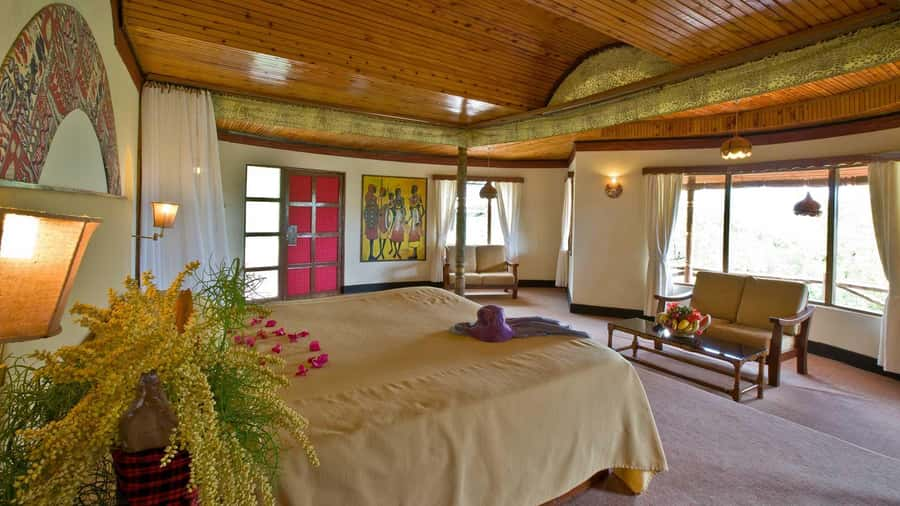
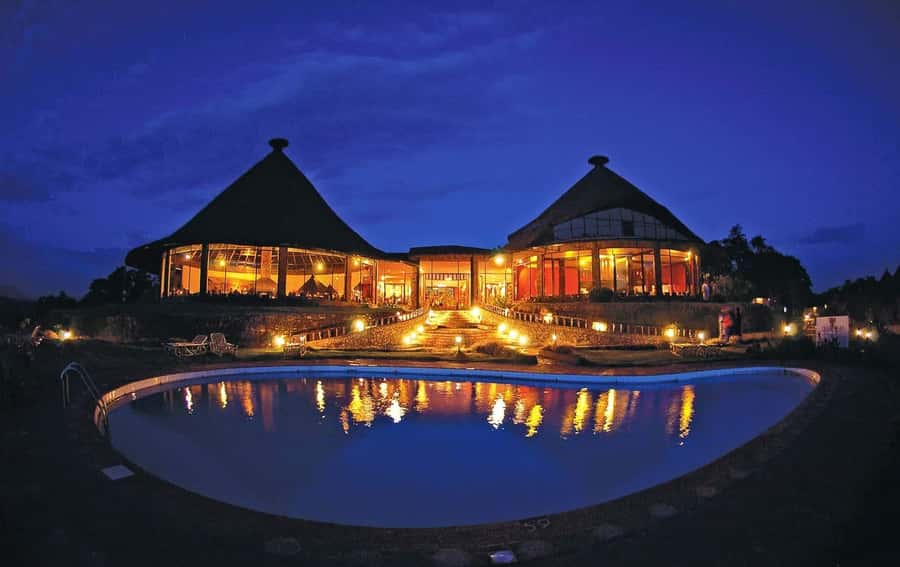
Where you sleep shapes how you experience the safari. This package is built around luxury camp or lodge time, with Enkorok Safari Luxury Camp as the star for many travelers, and Sopa or similar as the partner option noted in the inclusions.
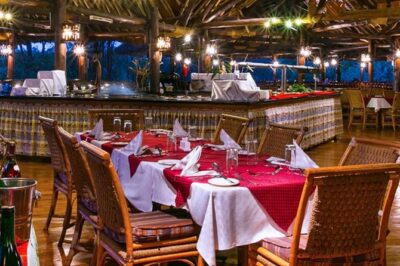
From the feedback you have here, Enkorok gets high marks for a newer, clean feel and friendly staff. Sopa also shows up in the mix as a premium option, with reports of clean rooms and a strong evening routine. One detail worth caring about: turndown service timed for the night, including housekeeping staff covering the bedding area with mosquito nets. On safari, that kind of small comfort can make the difference between waking refreshed and waking cranky.
You should also expect the daily rhythm: dinner after the game drives, then breakfast the next morning. That flow is part of the value of a joining safari, especially if you are doing only three days. You are not spending your limited time figuring out transfers or coordinating between camps. The logistics are supposed to be handled, so the wildlife time can stay the main event.
Other Kenya bookings that survived the same scrutiny
Guides make or break it: English driving skill, bird knowledge, and close sightings
This is where your experience can swing, for better or worse. The included focus is a professional tour guide and a live guide in English, and the reviews show why that matters.
One highlight is the guide Lulu (English name: Ron), described as excellent and experienced, with strong knowledge of both animals and birds. Another guide named Geoffrey is also praised as excellent, and Sam (Chiro) is called out as knowledgeable and helpful, making the trip feel more memorable. The common thread is that these guides do more than point. They read animal behavior and place you where sightings are more likely.
That said, there is also one cautionary note about the driver. One report criticizes repeated delays, a Land Cruiser breakdown, and a day three drop-off that did not match expectations. If you get a driver who stays on schedule, you will feel like you are getting full value from the hours. If not, the safari can start feeling rushed, even when the actual wildlife viewing is amazing.
Transport and how the 4×4 pop-up roof changes your day
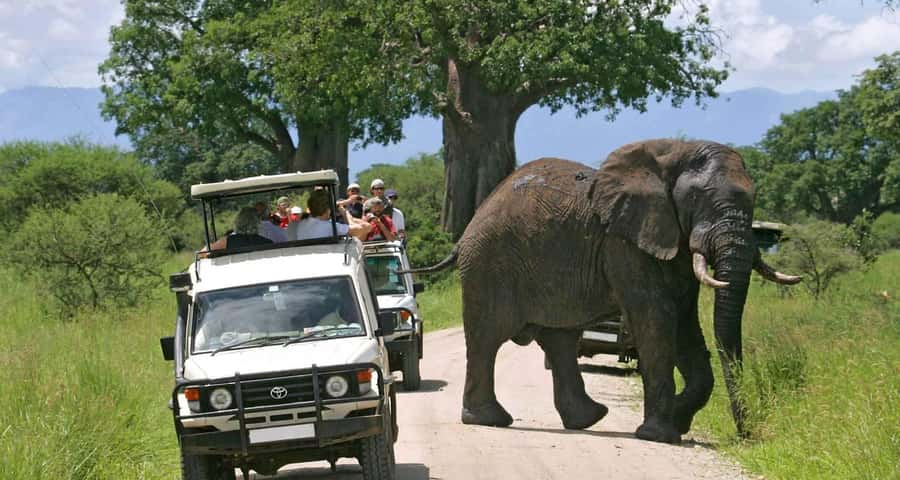
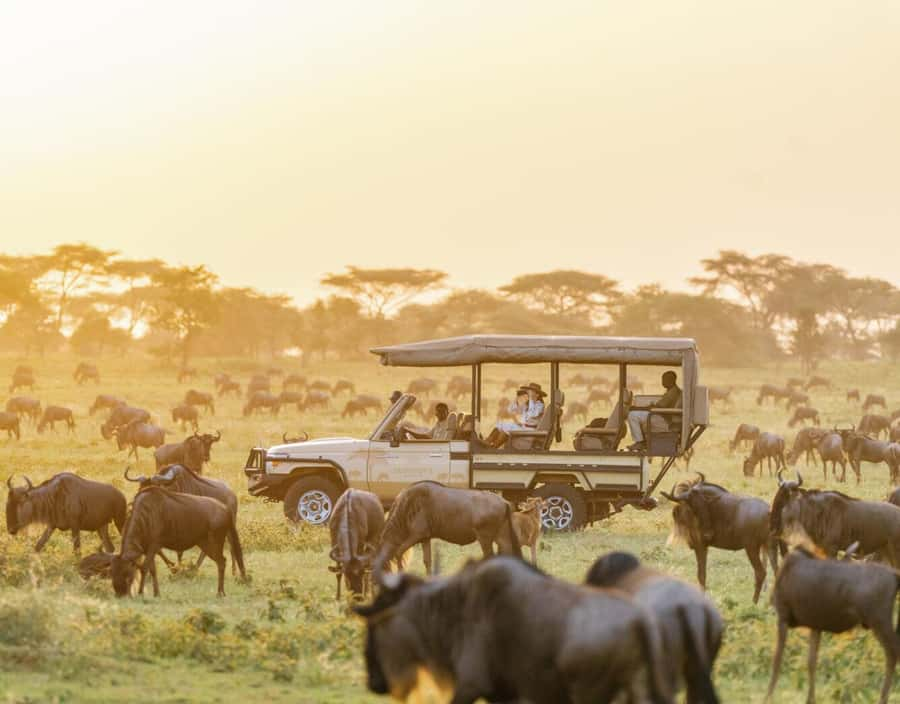
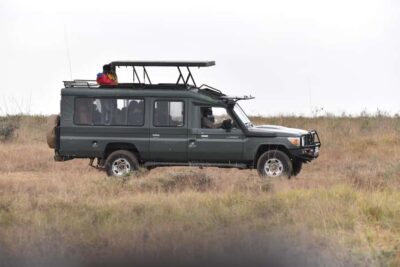
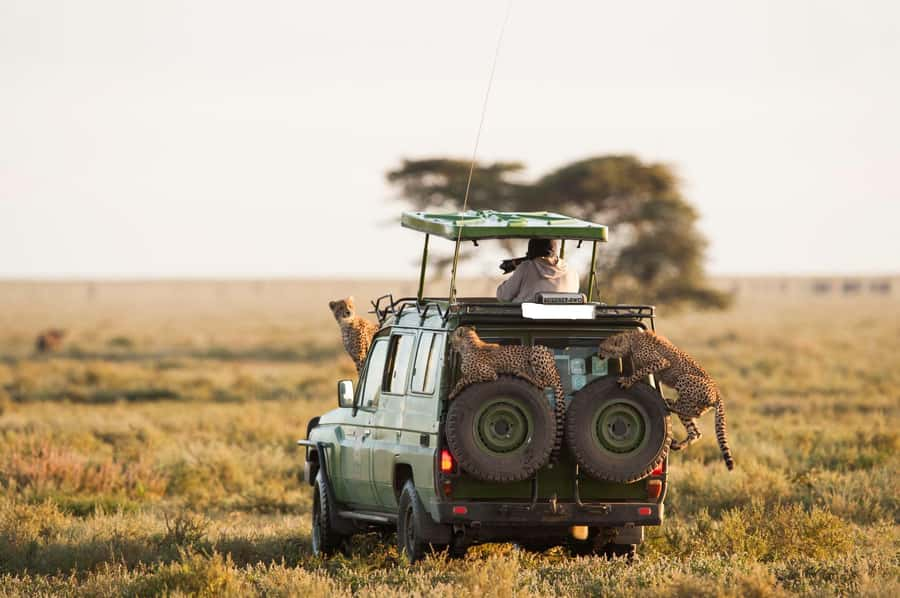
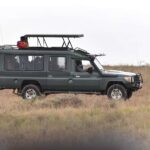
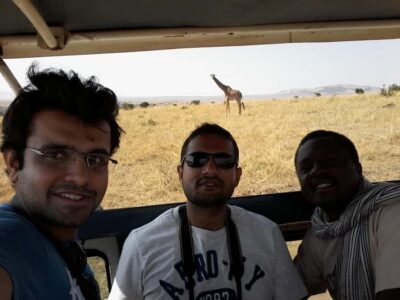
You ride in a 4×4 Land Cruiser with a pop-up roof. Practically, that means you can see over vegetation and often get better sightlines while seated and waiting for the guide to find the next animal action. It also makes it easier to look toward the horizon when herds move or when you spot a distant shape that might turn into something bigger once you angle the vehicle.
The package is set up for a joining format, which usually means you will follow a shared route and timings with others. That is helpful for not having to coordinate. The trade-off is that your pace is controlled by the day’s schedule and any real-world delays like road traffic or vehicle issues.
Park entrance fees: the extra cost that changes the real budget
The headline price is $995 per person for three days. That is for the safari package, including game drives with a professional guide, 4×4 transport, full board meals (breakfast, lunch, dinner), and camp accommodation at Sopa or similar per the inclusions.
But park entrance fees are not included, and they vary by season:
- January to June: $200 per person, noted as covering 2 entrances to Masai Mara
- July to December: $400 per person, also for 2 entrances to Masai Mara
On top of that, drinks and alcohol are not included, and there is an optional Masai village visit for $20 per person.
So here is how I think about value. You are paying for guide time, vehicle use, and lodging across the three days. The park fees are real and substantial, so your total cost will be higher during July to December. If you are traveling in high season, the biggest value driver becomes how smoothly the schedule runs and how well the guide gets you into the right viewing spots.
When the migration matters, and when it does not
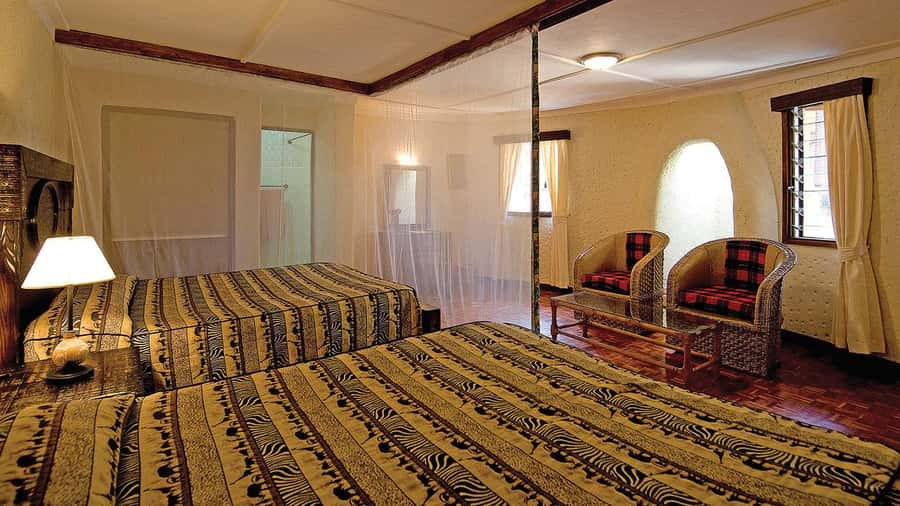
Maasai Mara can feel like two different places depending on the season. During July through November, the wildebeest migration window shapes where animals gather and how the reserve moves. The package description specifically highlights arrivals in July and departures in November, with large numbers mentioned.
Outside those months, you can still have incredible sightings. The difference is that the action is more dispersed. You may spend more time focusing on resident predators, waterhole routines, and river life like hippos and crocodiles, rather than mass movement events.
If your travel dates line up with migration season, plan for a different kind of safari. It is less about one perfect sighting and more about pattern hunting, where herds and predators are reacting to each other.
Who this safari fits best, and who should plan for alternatives
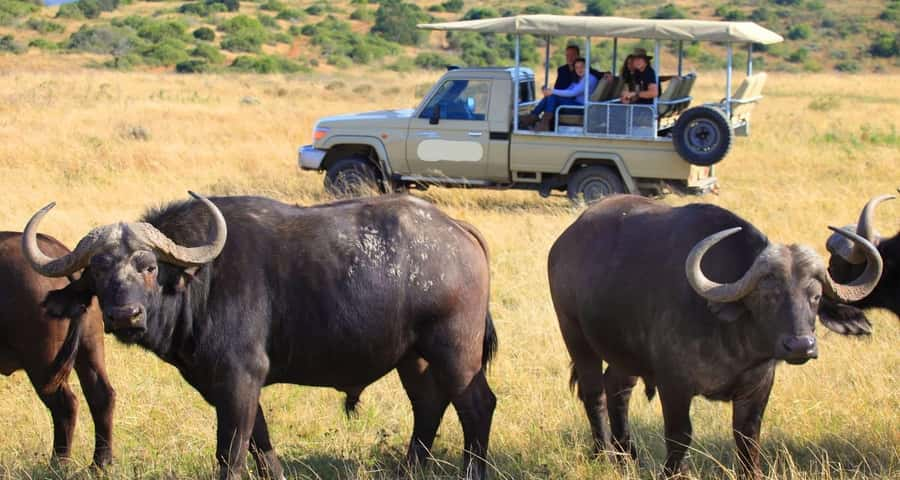
This experience is a good fit if you want a guided, structured Maasai Mara trip without the hassle of arranging transport, drives, and camp logistics yourself. It is also well-suited for solo travelers who want a joining format, as well as couples who value comfortable downtime between game drives.
You might want to think twice if you are extremely schedule-sensitive. With only three days, late departures or breakdowns can steal precious hours, even when the wildlife end result is great. The comfort level of the camps helps you reset, but it cannot bring back missed game drive time.
Finally, if you are a bird lover, this package has an advantage. The combination of full-day time, picnic breaks, and guides known for bird spotting gives you more opportunities to pay attention to what is flying and calling, not just what is walking past the road.
Should you book the joining safari to Maasai Mara in 3 days?
If you are looking for a high-output safari where you sleep in a luxury camp, eat well, and spend serious time in the reserve, this is a strong option. The biggest selling points are the game drive structure, the promise of Big Five plus birdlife, and the fact that camp comfort like Sopa-style turndown routines can help you enjoy each early start.
Just do your homework on the real total budget once park fees are added, and be prepared for the fact that wildlife happens on Mara time, not Nairobi time. If you want the trip to feel smooth from start to finish, choose dates when operations are reliable, and arrive ready for a few bumps, like any safari.
In short, book it if you want a guided Maasai Mara “greatest hits” plan with comfortable lodging. Skip it or adjust expectations if you need perfectly timed transfers every day, because the safari world can be messy.
FAQ
What is included in the 3-day joining safari package?
The package includes game drives with a professional tour guide, transport in a 4×4 Land Cruiser with a pop-up roof, meals on a full board basis (breakfast, lunch, and dinner), accommodation at Sopa or a similar camp, bottled drinking water, and hotel or airport pick up and drop off.
What are the Maasai Mara park entrance fees, and are they included?
Park entrance fees are not included. For January to June, the fee listed is USD 200 per person (2 entrances). For July to December, the fee listed is USD 400 per person (2 entrances).
What kind of accommodation do you stay in?
You stay in luxury camp or lodge accommodation. The experience description references Enkorok Safari Luxury Camp or similar, and the inclusions mention accommodation at Sopa or similar camp.
Is there an option to visit a Masai village?
Yes. A Masai village visit is listed as optional for $20 per person.
Do you get guided game drives and what language is the guide?
Yes. The trip includes live tour guiding in English.
What vehicle is used for the safari drives?
The safari uses a 4×4 Land Cruiser with a pop-up roof.
How is the day one schedule structured?
Day one starts with early pickup from Nairobi, includes a stop at the Great Rift Valley viewpoint, arrives around lunch time to check in and eat, then goes out for an afternoon game drive around 3:30 pm.
When does the wildebeest migration happen in Maasai Mara?
The information provided says wildebeest arrive in July and depart in November, with over 1.5 million animals mentioned.
More VIP in Kenya
More Tour Reviews in Kenya

Into the Mara Another Way
Everything else we hold on Kenya
- Shimba hills tropical rain forest day trip★ 4.6 · 3 reviews
- From Nairobi: Day Tour to Mount Longonot (Private)★ 4.6 · 3 reviews
- 4 Days wildebeest lake nakuru masai mara safari★ 5.0 · 3 reviews
- From Nairobi: Masai Mara 3-day Camping Safari by Jeep★ 4.0 · 3 reviews
- 12 Days wildebeest migration Masai Mara Nakuru Uganda gorilla trekking safari★ 4.5 · 3 reviews
- 12 Days Samburu Ol-pejeta lake Nakuru Masai Mara lake Naivasha Amboseli safari★ 5.0 · 3 reviews
Maasai Mara Safaris, compared.
 ★ 5.03 Days Masai Mara Group JoiningFrom $540486 reviews
 ★ 4.5From Nairobi: 3 Days, 2 Nights Maasai Mara Group SafariFrom $199394 reviews
 ★ 5.05 Days Masai Mara, Lake Nakuru & Naivasha Budget Joining SafariFrom $810229 reviews
 ★ 5.03 Days Gamedrive Safari In Masai Mara From NairobiFrom $555207 reviews
 ★ 4.6From Nairobi: 3 – Days Maasai Mara Group Safari by 4WDFrom $240205 reviews
 ★ 4.53 Days Maasai Mara Guided Safari from NairobiFrom $196195 reviews
 ★ 5.03 Day Masai Mara SafariFrom $929177 reviews
 ★ 5.03 days group joining safari to Maasai Mara with a Land Cruiser JeepFrom $221173 reviews
Appears in these lists