
REVIEW · TOURS
Swahili Carved Doors Tour by Woman Woodcarver: Lamu Island
Woodcut details, street-level stories.
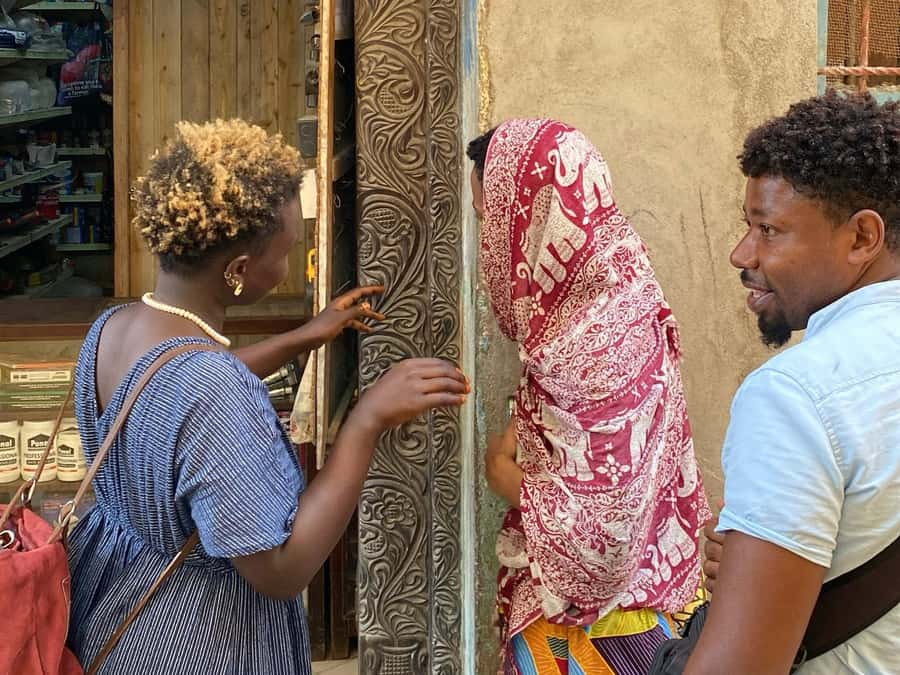
A guided walk through Lamu Old Town turns carved doors into a living lesson on Swahili design and community life. I especially like the chance to meet Almasi, Lamu’s only woman woodcarver, and have the styles explained right where you see them.
You’ll get a long, unhurried stroll through narrow lanes lined with carved masterpieces, with time to stop and look carefully at shapes, patterns, and workmanship. One possible drawback to plan for is that the tour is weather-dependent, and it runs in the afternoon, so you’ll want sun and water covered.
In This Review
- Key points at a glance
- Swahili Carved Doors in Lamu Old Town: Why This Walk Feels Different
- Meet Almasi, Lamu’s Only Woman Woodcarver
- The 3-Hour Walking Plan Through UNESCO Lamu Old Town
- Weather matters more than you might expect
- What You Learn as You Walk: Swahili Door Styles and Origins
- Turning Door Watching Into a Skill (Not Just a Photo Stop)
- Comfort Tips That Actually Matter in Lamu
- Wheelchair Access and Private Group Advantages
- Optional Door Hunting in Shela (3 km from Lamu Old Town)
- Value for Money: How $40 Works for This Kind of Tour
- Who This Tour Is Best For (And Who Might Skip It)
- Should You Book This Swahili Carved Doors Tour in Lamu?
- FAQ
- How long is the Swahili Carved Doors Tour in Lamu?
- What time does the tour start?
- How much does the tour cost?
- What languages does the guide speak?
- Where do I meet the guide or how does pickup work?
- Is the tour wheelchair accessible?
- Is this tour a private group?
- What is included in the price?
- What is not included?
- What should I bring?
Key points at a glance
- Meet Almasi for hands-on explanations from Lamu’s only woman woodcarver
- Lamu Old Town walking route through UNESCO World Heritage lanes
- Carving styles explained so you can tell designs apart as you go
- Private group pace for slower door-watching and good questions
- Optional Shela add-on for more Swahili carved doors about 3 km away
Shortlisting? These Kenya bookings went through the same checks.




Swahili Carved Doors in Lamu Old Town: Why This Walk Feels Different
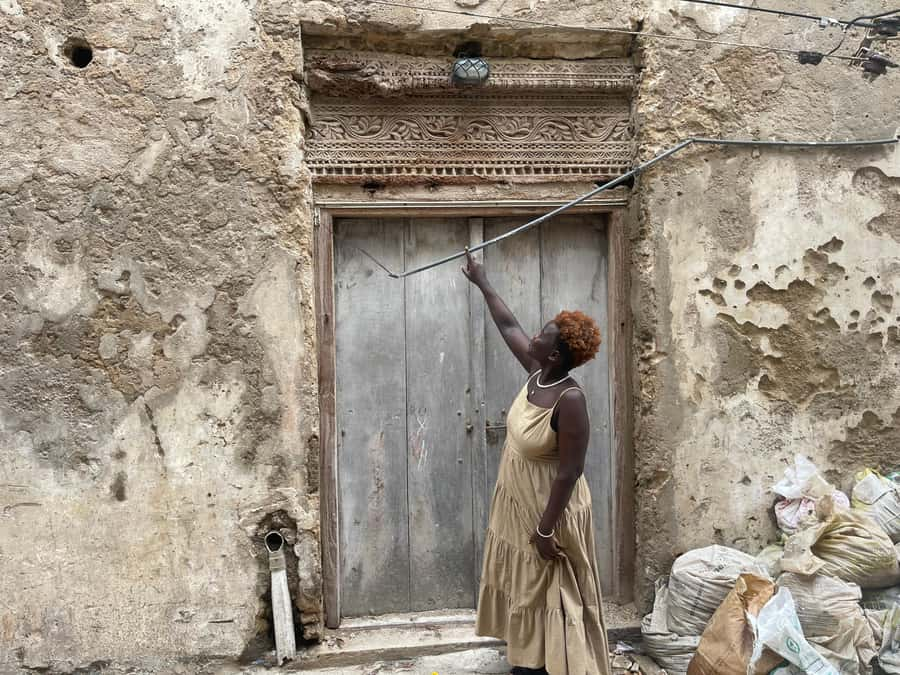
Lamu’s carved doors are not just pretty wood. They are part of how Swahili culture shows respect, identity, and history through craft. On this tour, you don’t view the doors from a distance. You move along the town’s lanes and learn how the designs connect to broader traditions in Swahili door-making.
I like how the tour frames the doors as a conversation across generations. You’ll hear stories tied to design choices and the way different door looks developed. It’s a simple idea with big payoff. Once you know what to look for, Lamu becomes a place where every turn can feel meaningful.
This is also a very practical tour for the kind of traveler who likes texture and detail. If you enjoy old work, careful making, and noticing differences, you’ll have a great time. If you want nonstop action, this won’t be your kind of day. It is a slow, watchful walk.
Meet Almasi, Lamu’s Only Woman Woodcarver
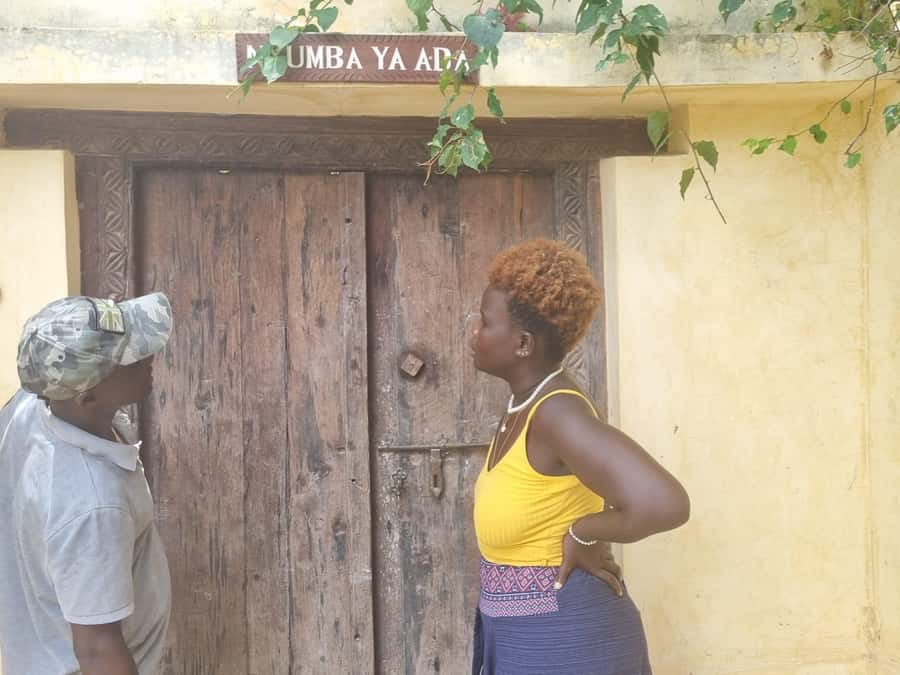
Your guide for the Swahili Carved Doors Tour is Almasi. Based on the experience description and the consistent feedback, she’s not just a guide who knows facts. She treats the craft as something alive. The result is that the doors stop feeling random, and the explanations feel personal.
What stands out most is her passion and clarity. People describe her as warm and easy to talk with, and she’s very good at connecting design to meaning. That matters, because carved doors can look similar at first glance. When you learn how to separate different carving styles and origins, the town starts to sort itself in your mind.
Almasi also has a knack for making the walk comfortable. One highlight that came up in feedback is how she brought a refreshing glass of sugarcane juice unprompted on a hot, long day. That kind of care may not be guaranteed every time, but it shows the tone of her guiding style: practical, attentive, and human.
The 3-Hour Walking Plan Through UNESCO Lamu Old Town
The tour is a walking route through Lamu Old Town, which is listed as a UNESCO World Heritage Site. Expect an afternoon start, with departures in the 3 p.m. time window. The total duration is 3 hours.
You will start from a meeting point that can be the town square, or wherever you prefer to be picked up. Hotel pickup and drop-off are not included, so you’ll want to plan your own way to the pickup location. On the plus side, you can choose where you start, which makes it easier to fit the tour into your day.
Time on your feet matters here. The tour description mentions a 2-hour walking experience off the beaten path within Old Town, while the full tour runs 3 hours. In practice, that usually means you’ll spend a good chunk of time strolling lane to lane, with stops for looking and learning.
The pace is described as leisurely. That’s intentional. You need time to study doors properly. The best part of this kind of tour is when you slow down enough to notice how the carvings are built and how the design patterns repeat or change.
Weather matters more than you might expect
Lamu weather is generally favorable most of the year, but the tour is still weather-dependent. In the rainy season, typically May, June, and July, the plan adjusts to times when there is no rain. If you’re visiting during those months, treat this tour as a flexible activity that works best when you’re prepared to shift timing slightly.
What You Learn as You Walk: Swahili Door Styles and Origins
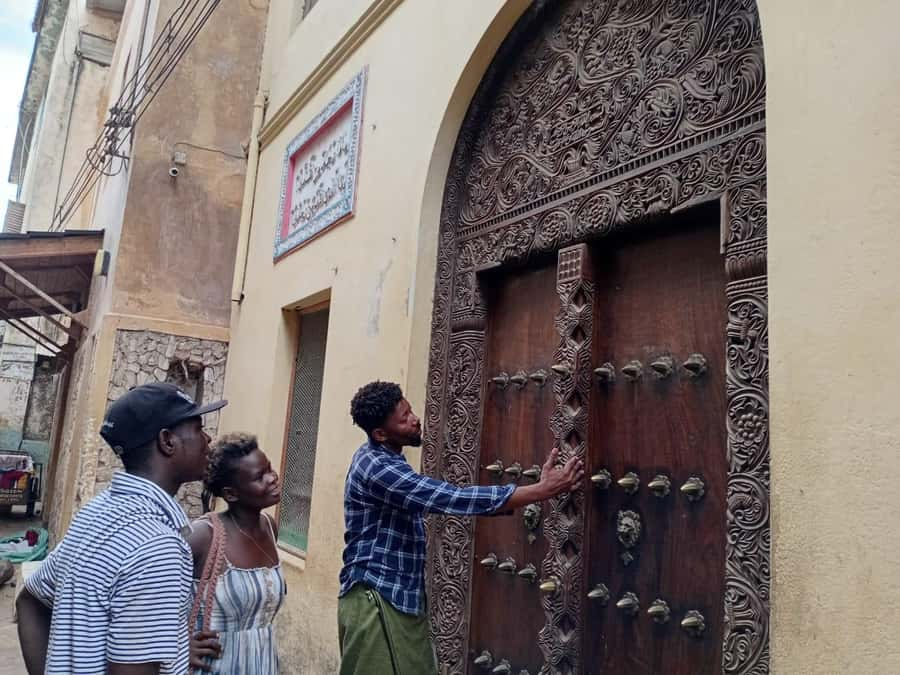
The core of the experience is the craft lesson, delivered through a real walking route. As you move down main streets and into back lanes, Almasi helps you appreciate the carved doors as works of traditional woodcarving.
You’ll learn about:
- Different door design histories
- Different carving styles
- The origins and design choices behind the world-renowned Lamu carved doors
The key value is that you’re not just taking photos. You’re learning how to interpret what you see. Carved door patterns can blend together if you’re not taught what to notice. With guidance, you start to differentiate designs as the walk continues.
This is especially good if you like architecture but don’t have technical training. Almasi teaches in a way that makes the craft understandable, so you can appreciate workmanship without needing a degree in woodworking.
Also, the route is described as off the beaten path. That matters because you’ll spend time seeing a wider range of doors, not just the most photographed ones. The more you walk, the more you realize how much variety there is.
Turning Door Watching Into a Skill (Not Just a Photo Stop)
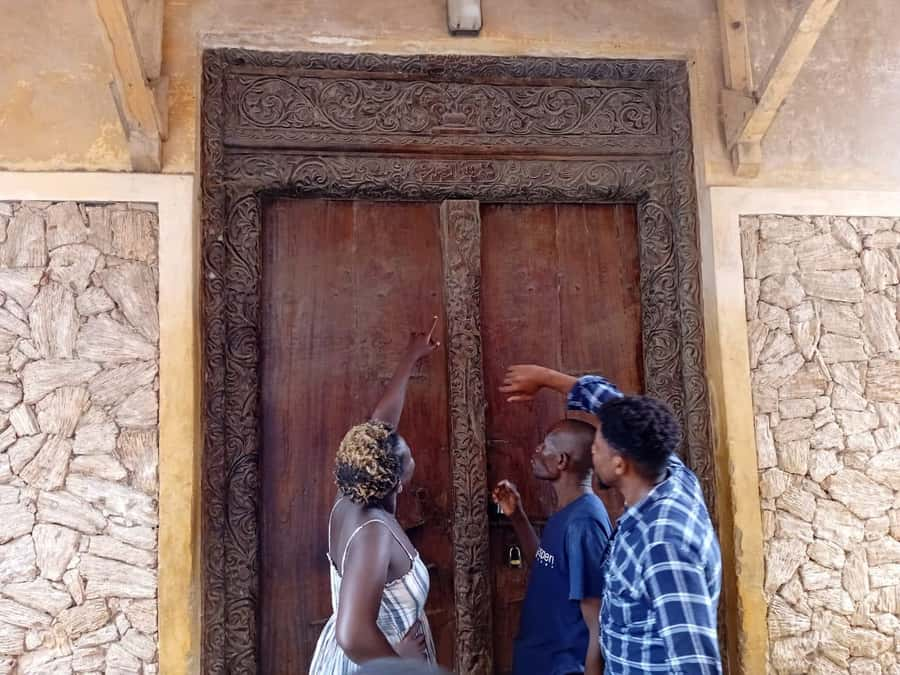
This tour is ideal for travelers who love old-world details and slow experiences. The description calls it excellent for the curious and adventurous type, especially those who want to admire how traditional craft gets made and preserved.
Here’s the practical angle: after a tour like this, you’ll likely spot differences on your own. You’ll be more likely to notice changes in:
- Motifs and repeated patterns
- How carvings are shaped and layered
- Differences in style across door fronts
- Work quality and finishing
You might also start to understand why certain door designs belong to specific cultural meanings. The explanations connect the art to Swahili culture and its interweaving stories through the generations. Even if you don’t remember every term, you’ll remember the feeling: these doors are not decoration only. They’re identity, craftsmanship, and continuity.
If you want to get even more out of it, bring a camera and plan to shoot slowly. Door carvings often reward close framing more than wide shots.
Comfort Tips That Actually Matter in Lamu
A walking tour is only as good as your comfort. This one is short enough to stay enjoyable, but you’ll still cover distance on uneven lanes and spend time outdoors.
Bring:
- Comfortable shoes
- A hat
- A camera
- Water
The sun in the afternoon can be intense, and door stops mean you’re standing still longer than you expect. A hat helps more than you think. Water matters, too, because the tour does not include food and drinks.
You’ll also find shops in the area where you can buy minor items at any time. That’s useful for small needs like water or a snack if you forgot something. Still, I’d treat it as a backup option rather than a plan. The safe bet is to bring your own water and a light snack if you know you get hungry.
Wheelchair Access and Private Group Advantages
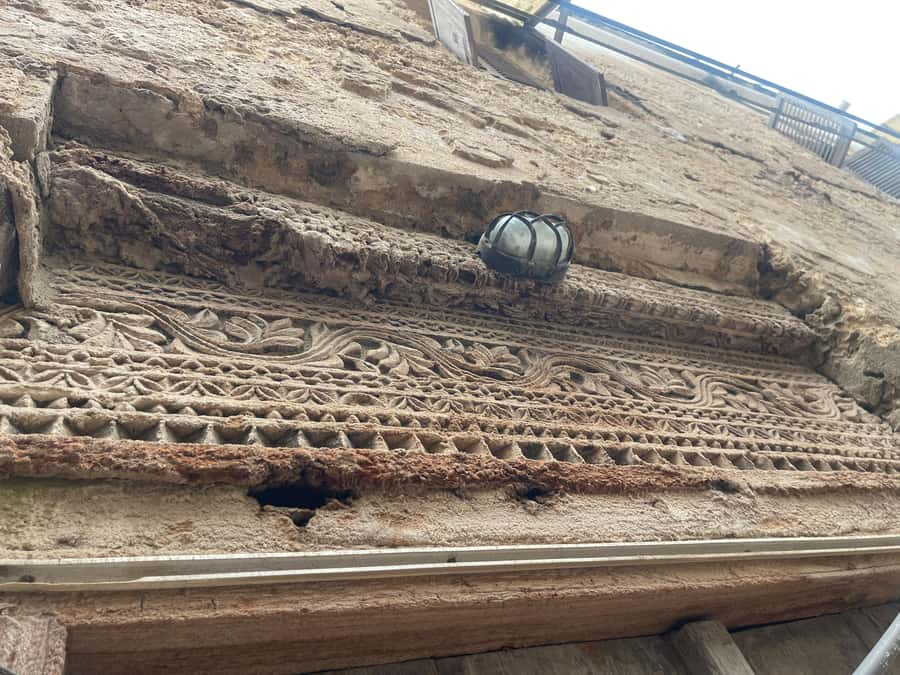
The tour routes are described as wheelchair accessible, which is a real plus for a walking tour. That means you can book without feeling like accessibility is an afterthought.
It’s also a private group experience. Private here matters because door tours can work better when you can control how long you linger at each doorway. In a group, you might feel rushed. With a private group, you can ask questions and pace yourself with Almasi.
Your tour guide will speak English and Swahili. If you prefer one language over the other, it’s worth mentioning your preference when you book, so you can make the most of the craft explanations.
Optional Door Hunting in Shela (3 km from Lamu Old Town)
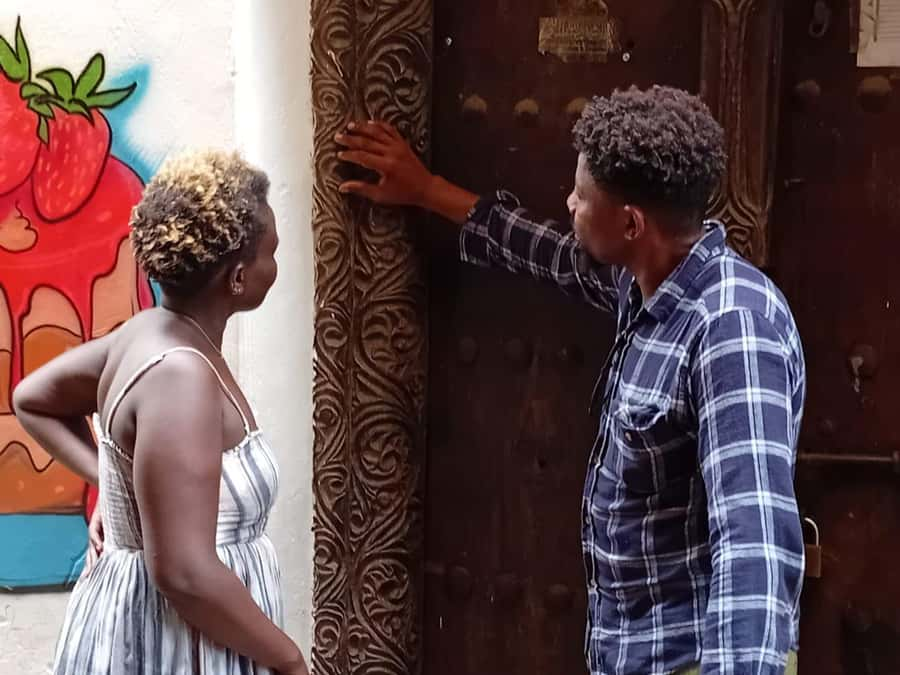
There’s an additional walking tour option in Shela, about 3 km from Lamu Old Town. If you want to see more Swahili carved doors beyond the main Old Town lanes, this add-on can extend the experience without turning it into a different kind of trip.
The idea is straightforward: more doors, more chance to compare styles, and another chance to slow down and look. If you’re the type who gets excited by architecture details, Shela may add value fast. If you’re already feeling door fatigue, you can keep it simple with Old Town only.
Value for Money: How $40 Works for This Kind of Tour
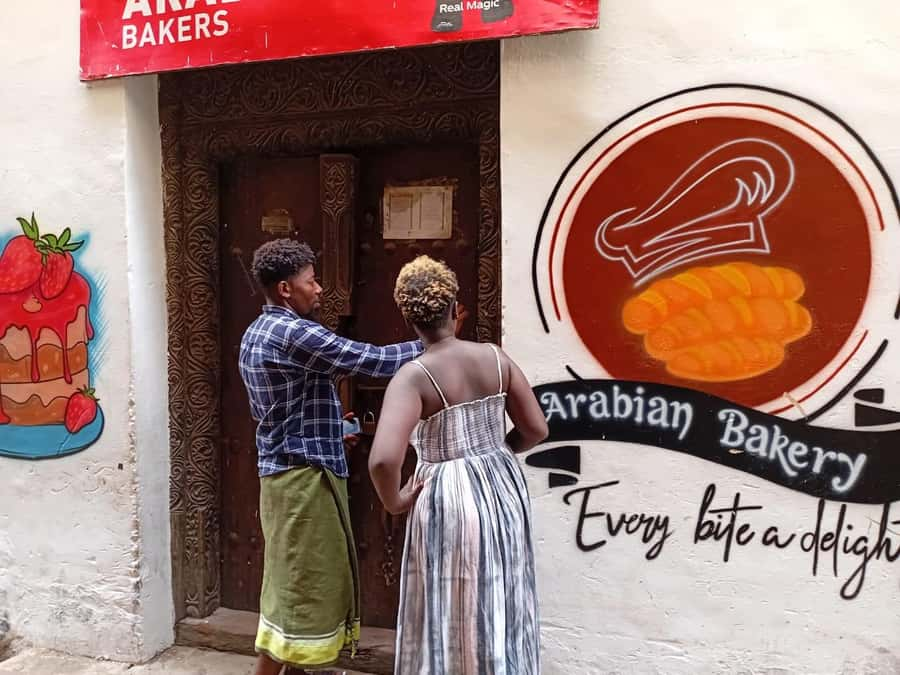
The price is $40 per person, and the duration is 3 hours. On paper, that sounds modest, but the real question is whether you’re getting more than a general stroll.
You are getting:
- A guided walking experience focused on Swahili door designs
- Time to view doors up close and learn how to differentiate carving styles
- Cultural context connected to Swahili craft traditions
- A private group setup with a specific craft specialist, Almasi
Hotel pickup and drop-off are not included, and food and drinks are not included either. That means you should plan your own start location and bring water.
Still, the craft-focused guidance is the value driver. Anyone can walk through Old Town. Not everyone can read the doors like a book.
Who This Tour Is Best For (And Who Might Skip It)
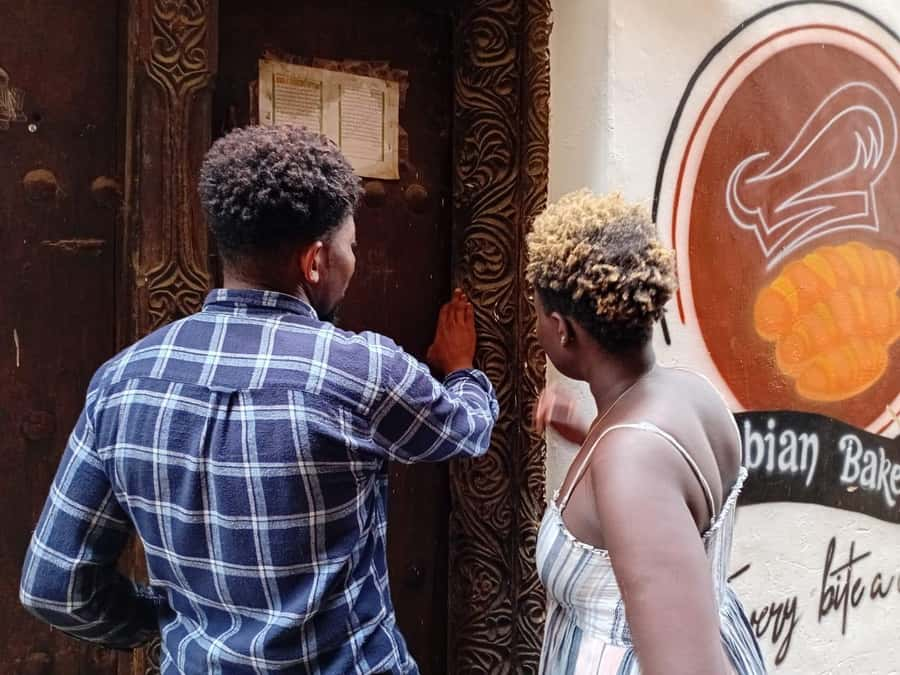
I’d say this tour is a strong match if you:
- Love architecture and details you can photograph
- Want to understand Swahili culture through craft
- Prefer slower, on-foot experiences over ticking off sights
- Enjoy learning directly from a maker, not just a lecturer
It’s also a good choice if you want a guided activity that feels authentic and local. You’re following a route through real neighborhoods, watching doors in context.
You might want to skip or reconsider if:
- You hate walking and long outdoor standing
- You need a very structured schedule with minimal flexibility
- Weather uncertainty would stress you out during your travel dates
Should You Book This Swahili Carved Doors Tour in Lamu?
If you’re going to Lamu and you want more than a standard sightseeing walk, I’d book it. The tour’s biggest strength is the combination of a real craft expert, Almasi, and a route through Lamu Old Town’s door-lined lanes where the lessons actually land.
Book it if you care about workmanship, design differences, and cultural meaning you can see with your own eyes. Skip it only if you’re looking for fast pace, heavy transportation, or a tour that focuses on food and beach time.
If you do book, show up with comfortable shoes, a camera, water, and a hat. Then slow down. This is one of those tours where the best moments happen when you stop moving and really look at what people made by hand.
FAQ
How long is the Swahili Carved Doors Tour in Lamu?
The tour lasts 3 hours.
What time does the tour start?
The tours are conducted in the afternoon time from 3 p.m. If you want a different time slot, you can contact the provider in advance to arrange it.
How much does the tour cost?
The price is $40 per person.
What languages does the guide speak?
The live tour guide speaks English and Swahili.
Where do I meet the guide or how does pickup work?
Hotel pickup and drop-off are not included, but the tour starts from the town square or wherever you would prefer to be picked up from. You can indicate your preferred pickup location while booking.
Is the tour wheelchair accessible?
Yes. The routes are wheelchair accessible.
Is this tour a private group?
Yes, it is offered as a private group experience.
What is included in the price?
It includes a 2-hour walking tour off the beaten path in Old Town, insight into Swahili culture through the stories behind the doors, viewing and learning about different histories and designs of Swahili doors in Lamu, plus an additional walking tour in Shela option (about 3 km from Lamu Old Town).
What is not included?
Hotel pickup and drop-off are not included, and food and drinks are not included.
What should I bring?
Bring comfortable walking shoes, a hat, a camera, and water.
More Tours in Kenya





More Tour Reviews in Kenya



Everything else we hold on Kenya
- Shimba hills tropical rain forest day trip★ 4.6 · 3 reviews
- From Nairobi: Day Tour to Mount Longonot (Private)★ 4.6 · 3 reviews
- 4 Days wildebeest lake nakuru masai mara safari★ 5.0 · 3 reviews
- From Nairobi: Masai Mara 3-day Camping Safari by Jeep★ 4.0 · 3 reviews
- 12 Days wildebeest migration Masai Mara Nakuru Uganda gorilla trekking safari★ 4.5 · 3 reviews
- 12 Days Samburu Ol-pejeta lake Nakuru Masai Mara lake Naivasha Amboseli safari★ 5.0 · 3 reviews
Tours, compared.
 ★ 5.0NAI NAMI: Nairobi Storytelling Tour with Street ChildrenFrom $45792 reviews
 ★ 4.8Nairobi: Historic and Modern Highlights Walking TourFrom $23703 reviews
 ★ 4.5Safari Tour; Nairobi National ParkFrom $43594 reviews
 ★ 4.5Elephant Orphanage and Giraffe Center Tour with OptionsFrom $35457 reviews
 ★ 5.0Walking Tour Through Old Town Mombasa and Fort JesusFrom $50393 reviews
 ★ 4.5Nairobi: Day Tour to Amboseli National Park & Maasai VillageFrom $75310 reviews
 ★ 5.0Tour: Giraffe Center and Nairobi National ParkFrom $176299 reviews
 ★ 5.0Masai village Day Tour ExperienceFrom $100284 reviews