

REVIEW · WALKING TOURS
Kisumu City Centre Walking Tour
Kisumu feels personal fast. On this Kisumu city centre walking tour led by Jack, you get a local guide’s pace, tastings of street food, and a real connection between your visit and schooling for orphans and vulnerable children. The main drawback is simple, it is an active 3 hours on foot, so comfy shoes matter.
What I like is the way the tour explains why Kisumu is the way it is, not just what it looks like. You start at United Mall Kisumu, then move through markets and parks while learning street-level details tied to the city’s nickname Mboka and its barter-trade roots.
You also get a satisfying change of scenery toward Dunga, with a motorbike ride and a stroll through the fishing village, then time to eat by the water at the Walk Board. If you are not a fish person, check what is on offer before you commit.
In This Review
- Key things to know before you go
- Kisumu City Centre on Foot, 3 Hours That Actually Make Sense
- Starting at United Mall Kisumu, Then Getting Oriented Fast
- Port Florence to Kisumu: The Railway Story You Can Feel in the Streets
- Lake Victoria Trade and the Caravan Routes Behind Today’s City
- Why Kisumu Is Called Mboka, and What Barter Means Here
- Getting the Colonial-Era Mix Right, Indigenous, European, and Asian
- Street Food Tastings That Turn the Walk into a Memory
- Markets and Parks: Where You Learn the City’s Daily Rhythm
- A Motorbike Ride to Dunga, Then the Fishing Village Walk
- Walk Board Time: Tilapia and Ugali by the Water
- Price and Giving Back: What $29 Buys You in Value
- Who This Tour Suits Best (and Who Should Rethink It)
- Should You Book the Kisumu City Centre Walking Tour?
- FAQ
- How long is the Kisumu City Centre Walking Tour?
- How much does the tour cost?
- Where do I meet for the tour?
- Who leads the tour, and what language is offered?
- What will we do during the tour?
- Do you visit Dunga and the fishing village?
- Is street food included?
- Does the tour support education for children?
- Can I reserve now and pay later?
- What is the cancellation policy?
Key things to know before you go
- Meet at United Mall Kisumu, by KFC, with Jack Williams and an English-speaking guide
- A focused 3-hour walk in the city centre, including markets and parks
- Kisumu context you can actually use, from Port Florence and the Uganda Railway to port life
- Street food tastings included, with a food stop featuring tilapia and ugali at the Walk Board
- A motorbike hop to Dunga, then walking the fishing village with friendly locals
- Part of the booking helps pay school fees and buy supplies for orphans and vulnerable children
Shortlisting? These Kisumu bookings went through the same checks.
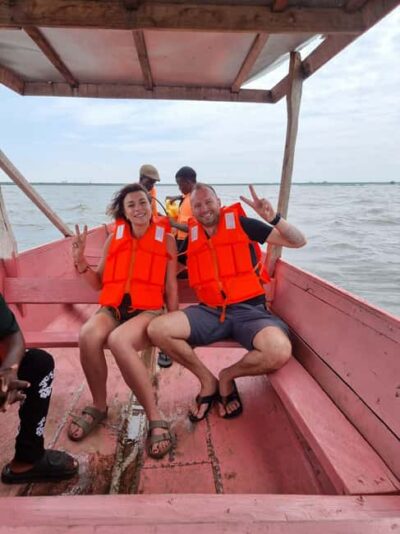
Kisumu City Centre on Foot, 3 Hours That Actually Make Sense

A walking tour works best when it helps you understand the place in layers, not when it just strings landmarks together. This one is built for that. You spend your time where Kisumu’s stories show up daily, the markets, the parks, and the everyday routes people take.
The schedule is tight for a reason. At 3 hours, you are moving enough to get a feel for the city’s rhythm, but you are not stuck on the road all day. That matters in Kisumu, because the city is active as a commercial and transport hub in the Lake Victoria basin, tied to fishing and trade as much as sightseeing.
Starting at United Mall Kisumu, Then Getting Oriented Fast

You meet at United Mall Kisumu, at the entrance by KFC, and that is a smart starting point. It is easy to find, and it keeps the beginning simple. From there, you set off on foot with Jack and a local guide who can slow things down when you have questions and speed up when you want to cover more ground.
Based on how the experience is described, the tour also has a friendly, flexible tone. Jack is the lead, and there is mention of his friend Marwa joining, which can make the energy feel more like a small group outing than a stiff guided lecture. If you like your tours with real conversation, that sort of setup is a big plus.
A practical note: you will be walking. Bring shoes that can handle uneven ground and crowded market edges. If you are the kind of person who hates being outside for more than a short burst, this may feel long.
Port Florence to Kisumu: The Railway Story You Can Feel in the Streets
One of the most useful things you can learn on a city walk is where the city’s momentum came from. Kisumu’s story starts with the Uganda Railway. The city was established in 1901 as an alternative terminus for the Uganda Railway, replacing Port Victoria as the rail endpoint.
Back then, it was called Port Florence. Then, in 1903, it reverted to Kisumu. Hearing that while you are walking helps it click, because rail terminus towns tend to develop specific patterns. You usually see a mix of commerce, transport, and land-based movement that grows around incoming travelers, goods, and mail.
This is not just trivia. It explains why Kisumu became a key connection point across Central and Eastern Africa. Even later, Kisumu’s role as a port on Lake Victoria built on that transport identity, so trade and movement became part of daily life, not a past event.
Lake Victoria Trade and the Caravan Routes Behind Today’s City

Kisumu’s port role was also central during the commonwealth of East Africa era. If you are wondering why Kisumu feels like a meeting place, this is one reason. The port connected routes that linked Lake Victoria to wider inland movement.
A detail that helps you picture how goods and people moved: Kisumu was tied to a caravan trail connecting Pemba, Mombasa, and Malindi to Uganda and Central Africa. That kind of route history is why cities like this can feel culturally layered. People arrive through transport corridors, and then those corridors keep shaping the city.
As you walk, you will likely notice how trade is not a side story. It is built into the way places work. The city’s main industries today still reflect that same engine: processing agricultural products, fishing, brewing, and textile manufacturing.
Why Kisumu Is Called Mboka, and What Barter Means Here
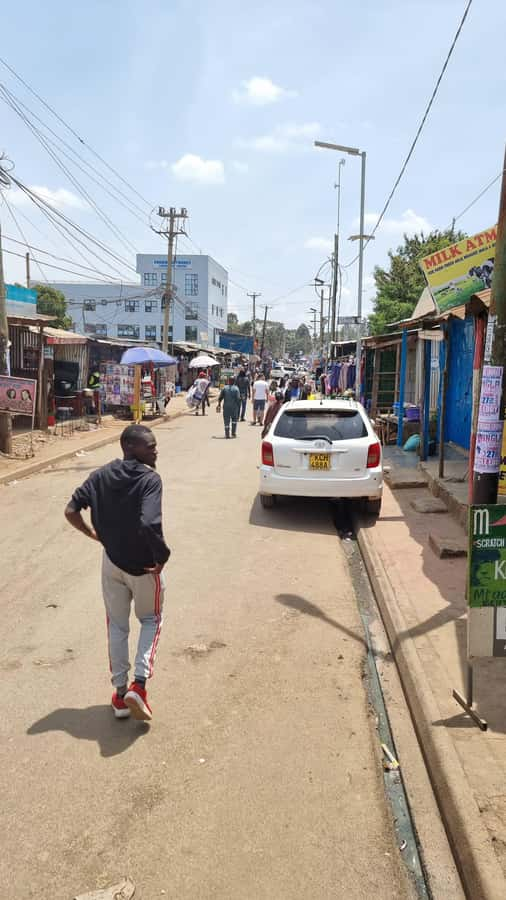
Kisumu is nicknamed Mboka. The name comes from the Luo word sumo, meaning a place of barter trade. Even if you never formally barter, this idea helps you read the city.
Barter-trade towns often develop a specific social feel. People learn each other’s preferences. Sellers and buyers learn the rhythm of negotiation. You do not just buy things, you exchange information, requests, and relationships.
That is why the Mboka detail is valuable on a walking tour. It gives you a lens for the markets and the street scenes you pass. You start to see why friendliness and quick exchanges matter here, and why the city’s identity is more about connections than about tidy tourist zones.
Getting the Colonial-Era Mix Right, Indigenous, European, and Asian
Kisumu’s identity also includes a cultural melting pot shaped by different groups coming through the railway. The city has indigenous African communities, European colonialists connected to the rail and transport era, and Asians who arrived with the railway line.
You do not need a museum for this to matter. When a guide explains the mix as you walk, it helps you understand why certain buildings, food habits, language pockets, and market styles might feel familiar even when you are far from home.
This is a tour that treats history as living context. When you understand that Kisumu was formed and reshaped by waves of movement, you stop expecting the city to look like a single era snapshot. It looks more like what cities usually are, a layering of arrivals.
Street Food Tastings That Turn the Walk into a Memory
Let’s talk food, because in Kisumu it is not an afterthought. The tour includes tasting some street food as part of the experience. That simple detail changes the whole texture of the day.
Street food also helps you break the silence that can happen during walking tours. You taste first, then you ask questions. It becomes easier to talk about ingredients, cooking methods, and how people eat day to day.
From the experience description, there is also a meal stop featuring tilapia and ugali at the Walk Board. Tilapia ties directly to the city’s fishing identity, and ugali is a staple that anchors the meal. Eating this way also fits the tour’s theme, Kisumu is a working city, so your food choices land in that real-world context.
If you have dietary restrictions, you should plan ahead. The tour description says you will taste street food and later eat tilapia and ugali, but it does not spell out alternatives. Ask before you go so you are not stuck negotiating in the moment.
Markets and Parks: Where You Learn the City’s Daily Rhythm
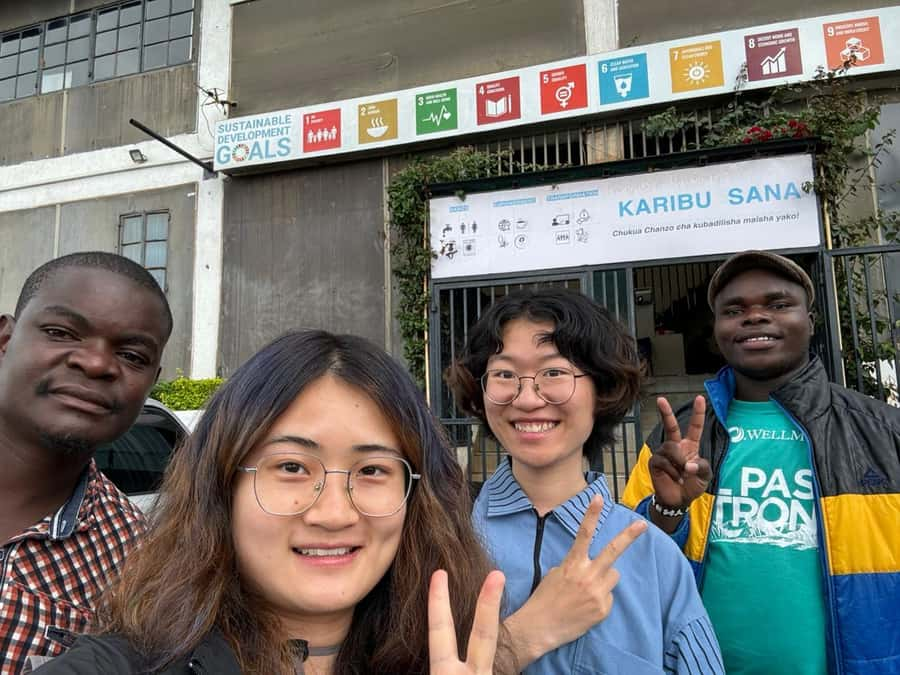
The route is described as a guided tour through markets and parks. That combination is more meaningful than it sounds. Markets show you commerce and social behavior. Parks show you how people take breaks, move around, and socialize outside the shopping rush.
This kind of pacing makes it easier to read Kisumu as a place where life continues, not a stage set for visitors. You are not only seeing what’s photogenic. You are noticing what people do when they are not performing for tourists.
One small advantage of this style: you get variety without needing long travel time. You keep your bearings while changing scenery, which makes the 3-hour window feel complete.
A Motorbike Ride to Dunga, Then the Fishing Village Walk
At some point, you move away from pure city-centre walking and head toward Dunga. The tour includes a motorbike to Dunga, then walking through the fishing village. That shift matters.
City centres can teach you about trade. Dunga and the fishing village teach you about labor and livelihood. It is one thing to hear that Kisumu’s industries include fishing. It is another to see a fishing village setting during your visit.
The experience description also points to meeting friendly locals as you walk through the area. That is usually where the tour earns its value, because a local guide helps you notice what you would otherwise miss, and also helps you handle the social side respectfully.
Walk Board Time: Tilapia and Ugali by the Water

The walk ends with a meal stop at the Walk Board, described as a boardwalk where you can enjoy tilapia and ugali. A boardwalk setting helps in two ways.
First, it gives you a natural pause. After moving through markets and then Dunga, you get a calmer stretch to sit, eat, and let your mind settle.
Second, it connects the food directly to place. Tilapia is not just a dish here, it is a message about what drives the area. You are eating what the lake economy can produce, and that brings the tour’s earlier history and industry themes full circle.
Price and Giving Back: What $29 Buys You in Value
The price is $29 per person for a 3-hour experience. For many city tours, that price would mostly cover the guide time. Here, it covers more.
You are getting:
- a live English-speaking guide (Jack leads, plus a local guide)
- walking and sightseeing in the city centre
- tasting street food
- a Dunga visit with a motorbike ride and walking time in the fishing village
- a meal stop that includes tilapia and ugali at the Walk Board
- and, importantly, a link between your booking and support for education
That last part is the heart of the value. Part of the booking fees helps pay school fees and buy some school supplies for orphans and vulnerable children in Jack’s community. Jack also works through a social enterprise, OAC Kenya (Tours and Crafts), and a nonprofit Community Based Organization called KCOOP. The description also notes that the social enterprise links volunteers with charity schools and orphanages, but your role today is simple, show up, explore, and contribute.
Is it a “cheap” tour? Not if you compare it to a self-guided map plus convenience store snacks. But if you compare it to a guided food-and-culture experience that also supports education, $29 looks like a fair deal.
Who This Tour Suits Best (and Who Should Rethink It)
This is a strong fit if you want a practical city tour with purpose. You will likely enjoy it if you:
- like walking and do not mind 3 hours outside
- want local context, including Kisumu’s rail and port origins
- enjoy street food and a real meal stop
- care about education support for orphans and vulnerable children
- prefer an English guide and a friendly, responsive group vibe
You may want to rethink if you:
- have mobility issues and cannot handle extended walking
- do not eat fish and might struggle with tilapia being the featured meal
- prefer a museum-style pace with minimal street time
Should You Book the Kisumu City Centre Walking Tour?
If you are choosing between a quick city walk and a tour that actually connects Kisumu’s past, present, and people, I think this one is worth your time. The mix of city-centre markets and parks, Kisumu’s Port Florence and Uganda Railway roots, street food tastings, and the Dunga fishing village visit makes the 3-hour format feel complete. Then you add the education support through OAC Kenya and KCOOP, and your day becomes more than sightseeing.
Book it if you want an honest local experience with Jack and practical cultural context. If food is a big concern, message ahead and confirm options.
FAQ
How long is the Kisumu City Centre Walking Tour?
The tour lasts 3 hours.
How much does the tour cost?
It costs $29 per person.
Where do I meet for the tour?
Meet at United Mall Kisumu, at the entrance where there is a KFC restaurant. The plan is to meet in front of the KFC.
Who leads the tour, and what language is offered?
Jack Williams leads the experience, and the live tour guide speaks English.
What will we do during the tour?
You will walk through Kisumu with a local guide for sightseeing, and the tour includes street food tastings.
Do you visit Dunga and the fishing village?
Yes, the experience includes a motorbike ride to Dunga and then a walking visit through the fishing village area.
Is street food included?
Yes, the tour includes tasting some street food.
Does the tour support education for children?
Part of the booking fees supports education by helping pay school fees and buying school supplies for orphans and vulnerable children in Kisumu through Jack’s community work.
Can I reserve now and pay later?
Yes, you can reserve now and pay later, meaning you can book your spot and pay nothing today.
What is the cancellation policy?
Free cancellation is available up to 24 hours in advance for a full refund.
More Tour Reviews in Kisumu
Everything else we hold on Kisumu
- Kisumu Lake Victoria Boat Ride and Hippo Hunt★ 5.0 · 5 reviews
Walking Tours, compared.
 ★ 4.8Nairobi: Historic and Modern Highlights Walking TourFrom $23703 reviews
 ★ 5.0Walking Tour Through Old Town Mombasa and Fort JesusFrom $50393 reviews
 ★ 5.0Nairobi Historical Walking City TourFrom $35258 reviews
 ★ 4.8Nairobi Walking tour:Explore History Culture and TraditionsFrom $22222 reviews
 ★ 4.7Nairobi Downtown Walking TourFrom $27208 reviews
 ★ 5.0Nairobi City Walking Tour with Traditional Kenyan LunchFrom $45106 reviews
 ★ 4.8Mombasa: Guided Nature Walk Amongst GiraffesFrom $3848 reviews
 ★ 4.8Nairobi Walking Tour: Downtown & City TourFrom $2032 reviews
Appears in these lists