
REVIEW · MAASAI VILLAGE VISITS
From Nairobi: Maasai Village Experience Day Tour
This day tour trades showmanship for real life. You spend a full day doing real Maasai daily activities like ugali and beadwork, guided by people praised for being friendly and down to earth, like Dennis or Simon.
The big tradeoff is time and practicalities: the drive can be long, about 2.5 hours each way, and the village has no toilets, so you need to plan for bathroom breaks.
In This Review
- Key things that make this tour worth your time
- From Nairobi to a Manyatta: what makes it feel different
- The long drive out of Nairobi is part of the experience
- Bissil Town and the rhythm of a real half-day
- Monday or Friday: the cattle market stop that gives context
- Arriving at the village: you get a briefing before you start
- Ugali, fire-starting, and beadwork: skills you can actually do
- Milking goats or sheep: the activity that makes it real
- Dancing, singing, and jumping: fun, but watch the pace
- The school visit adds meaning when it is handled right
- Crafts to buy, or donate if you want to help
- Price and logistics: is $117 good value for 8 hours?
- What to pack and how to behave to keep the day smooth
- Who should book this Maasai village day tour
- Should you book it, or choose another Kenya day trip?
- FAQ
- How long is the drive from Nairobi to the Maasai village?
- How much time do you spend in the village itself?
- Is food included in the tour price?
- Are there toilets at the village?
- Do you always visit the livestock market and the school?
- What activities do I do during the village visit?
- Can I use a drone or take professional photos?
- Is hotel pickup available anywhere in Nairobi?
- Can I buy crafts or donate money during the visit?
Key things that make this tour worth your time
- A longer, purposeful drive to reach a Maasai village that feels less like a photo stop
- Hands-on ugali, fire-making, and beadwork that teach daily skills, not just performances
- Language and culture in context, through conversation while you’re doing activities
- Livestock market timing on specific days (Monday or Friday) for a strong Kenya reality check
- School visit on request, adding meaning beyond the village activities
- Village payment approach via M-Pesa, aimed at supporting people directly and transparently
Maasai homestead visits reviewed elsewhere on this site
From Nairobi to a Manyatta: what makes it feel different
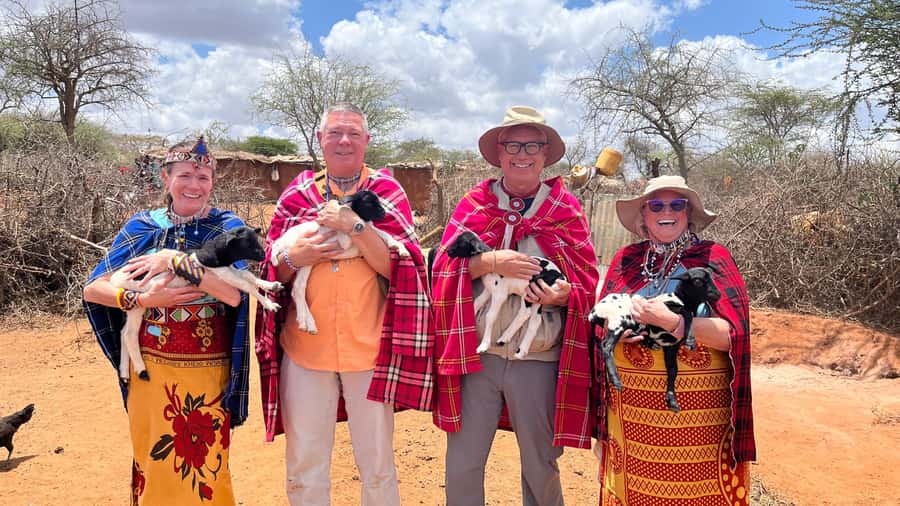
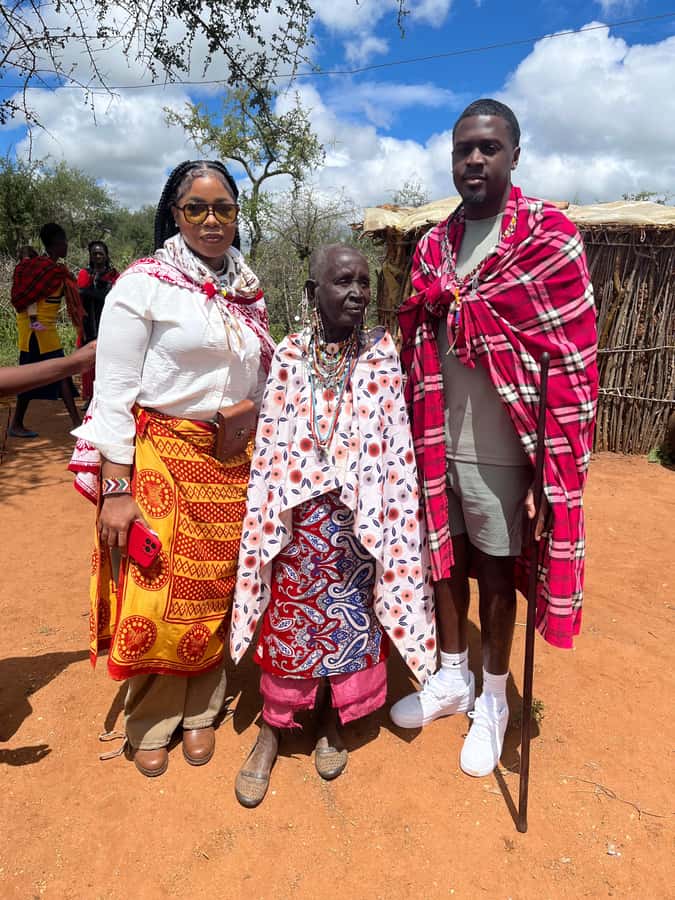
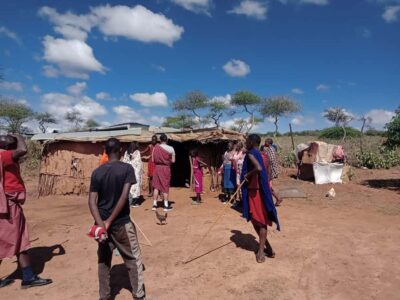
This is the kind of Maasai village visit that tries to keep things from turning into a scripted show. Instead of a quick walk-through, you’re given time to participate in daily routines, including cooking, crafting, and community life. That matters, because a staged village can feel like a set. A daily-life visit feels more human.
I also like the way the day is framed as something you can judge for yourself. You get a guide who stays with you during activities, and the group moves through what you’re doing, what it means, and how it fits together. In a lot of Kenya day trips, you see a lot of motion but learn little. Here, the pace is slower and your hands get involved.
Finally, the tour is explicit about responsible hosting. You’ll hear how villagers are registered and paid, and how individuals are remunerated using M-Pesa after the visit. Even if you never care about tourism ethics, that transparency changes how you look at the day.
The long drive out of Nairobi is part of the experience
You start in Nairobi with hotel pickup and drop-off within a 3 miles radius from Nairobi City. Then you head out, with about a 2.5-hour drive to reach the area where a more authentic Maasai village experience happens.
This drive is not wasted time. Along the way, you’ll see shifts in climate, and you’ll likely notice changes in work and daily routines as the city fades. Several guides are praised for good explanations during the drive, which is helpful because you arrive ready instead of confused.
Plan for fatigue. The trip is about 8 hours total, so bring water, use sunscreen, and wear comfortable shoes. If you know you get motion sickness, take it seriously, because there’s no way to make the road part shorter.
If you’re traveling on Sunday, expect an earlier start. You might be picked up around 7 a.m. so the day fits everything in.
Bissil Town and the rhythm of a real half-day
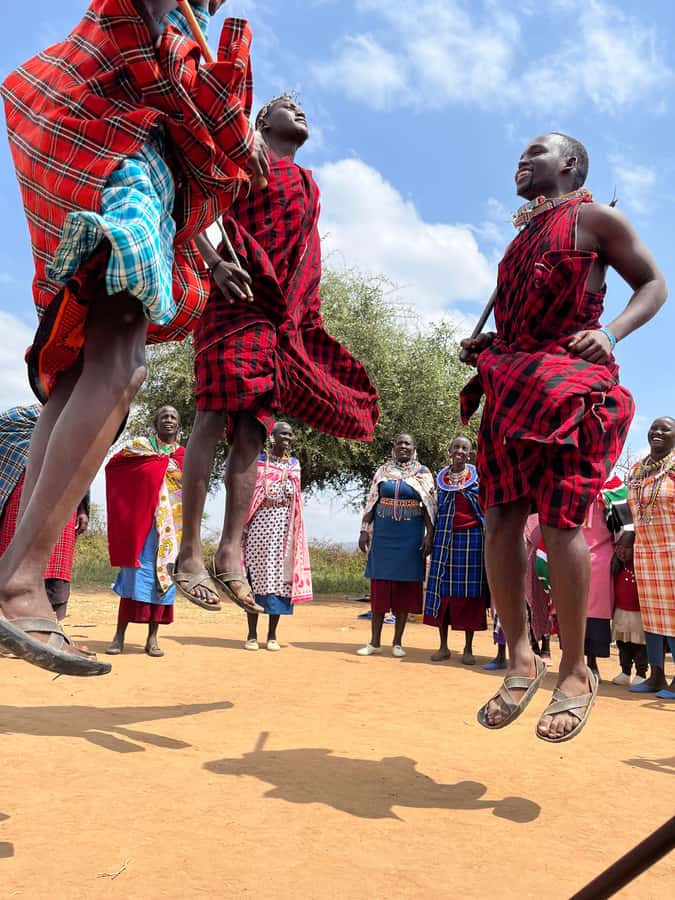
Midway through the day, you may stop in Bissil town for a guided visit. The time on this stop is about 2 hours, which gives you breathing room to stretch, ask questions, and understand how life looks outside the Nairobi bubble.
This is also where the tour can break the day up into manageable pieces. When you have a long drive, you want at least one chance to reset before the village.
One practical point: the tour notes there are no toilets at the village. So you should treat stopovers like Bissil town as more than sightseeing, they’re also about comfort and keeping the day smooth.
Monday or Friday: the cattle market stop that gives context
If you book the tour on Monday or Friday, you pass by a local livestock market. The tour describes it as the second biggest in Kenya, with livestock coming from far beyond Kenya’s borders, including from Tanzania.
This market stop can be a powerful context piece. It shows how livestock connects to the economy, food, and community life. It’s not just animals in a field. People are trading. Women run makeshift kiosks serving as restaurants for the traders, so you get a snapshot of daily work and social life around the market.
If you’re not visiting on Monday or Friday, you still get the village day, but without this market stop. Either way, the core of the experience is the village activities.
Arriving at the village: you get a briefing before you start
Before you step into the manyatta, you’ll get a briefing about what you’ll do while at the village. The guide is with you throughout, and that matters because it reduces awkward moments. You know what to expect, what’s appropriate, and how to participate in a respectful way.
This is also where you’ll feel the difference between a quick tourist village and a place that runs on routine. You’re not just walking. You’re joining.
You’ll spend about 2 hours in the village. That’s long enough to learn and try things, but not so long that the day collapses into fatigue.
Ugali, fire-starting, and beadwork: skills you can actually do
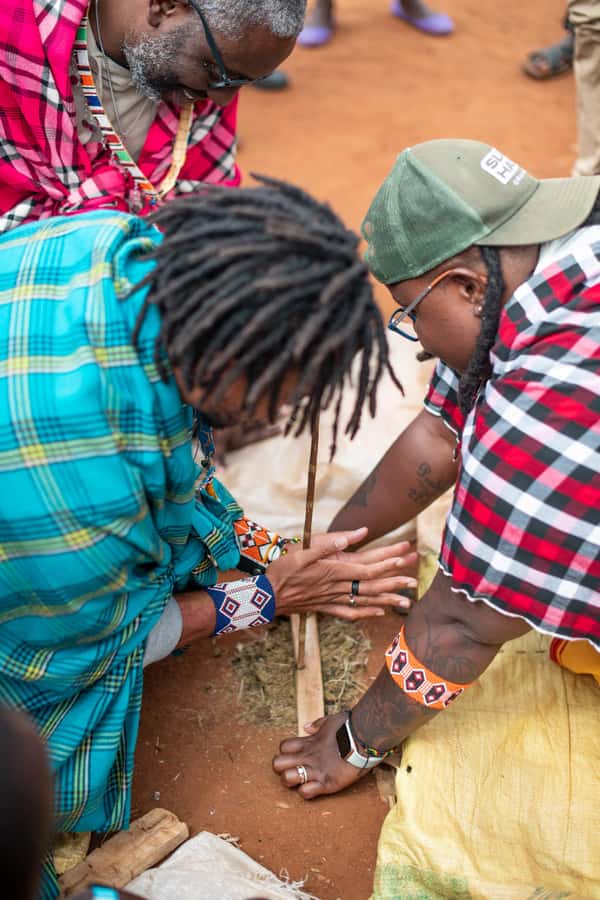
The centerpiece of the village visit is hands-on participation. You may cook ugali in a traditional setup, and you’ll learn how a simple staple is made and served. You’ll also do beadwork, which is a big part of Maasai craft tradition.
Fire-making is another highlight. You’re not just told to watch. You can be part of lighting a fire in the traditional way, as guided by community members.
A lot of visitors come for dancing and get those dance moments. But I think the best part is the work. Cooking, crafting, and fire-making give you something tangible to connect with what you’re seeing. It turns the visit from passive to active.
And yes, you’ll probably get photos at some points, but professional cameras are discouraged and drones are not allowed. The goal is to limit commercialization and keep the interaction centered on people, not gear.
Milking goats or sheep: the activity that makes it real
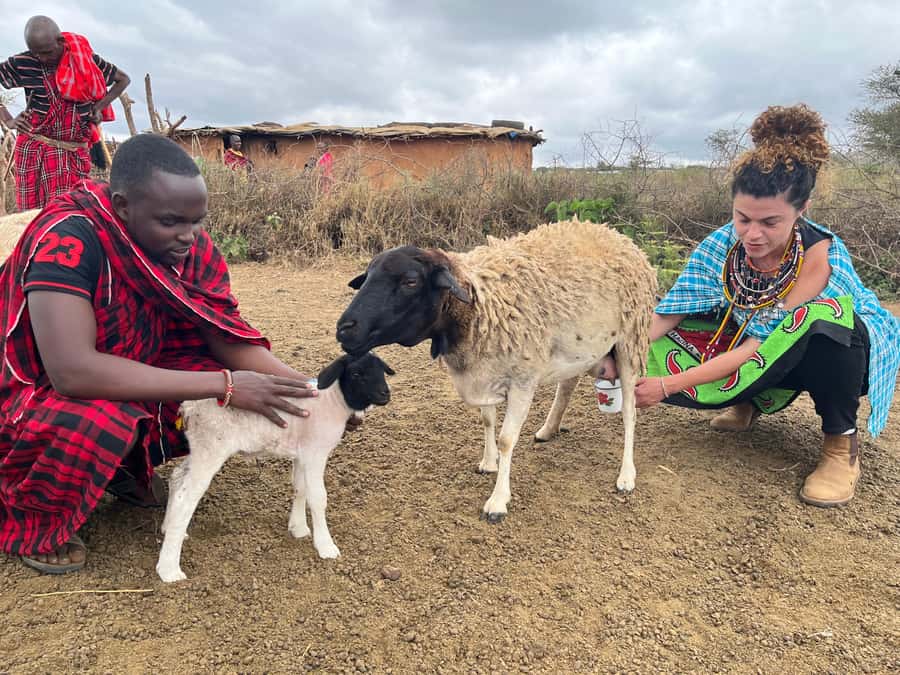
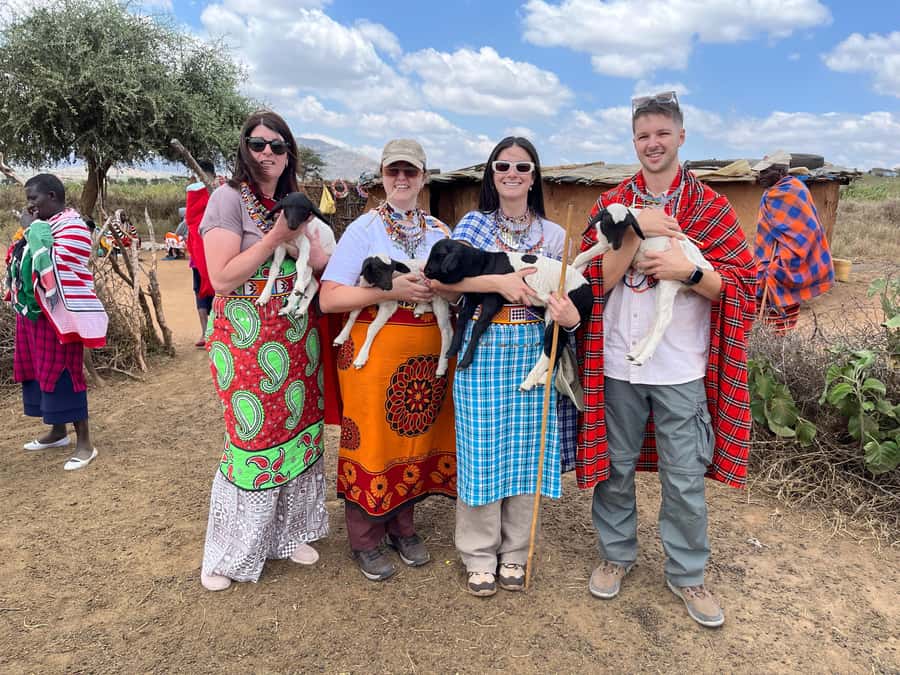
You’ll get to try milking a goat and the tour also references sheep in the milking context. Even if you’ve never handled livestock before, the guide and hosts show you what to do.
What I like here is that it’s not just touching an animal. You’re learning a task with a purpose. It gives you a clearer sense of why livestock matters to Maasai life beyond tourism.
Be practical about this part of the day. Wear shoes you can get dirty, and avoid anything that slips or restricts your movement. The tour also suggests bringing clothes that can get dirty for exactly this reason.
Dancing, singing, and jumping: fun, but watch the pace
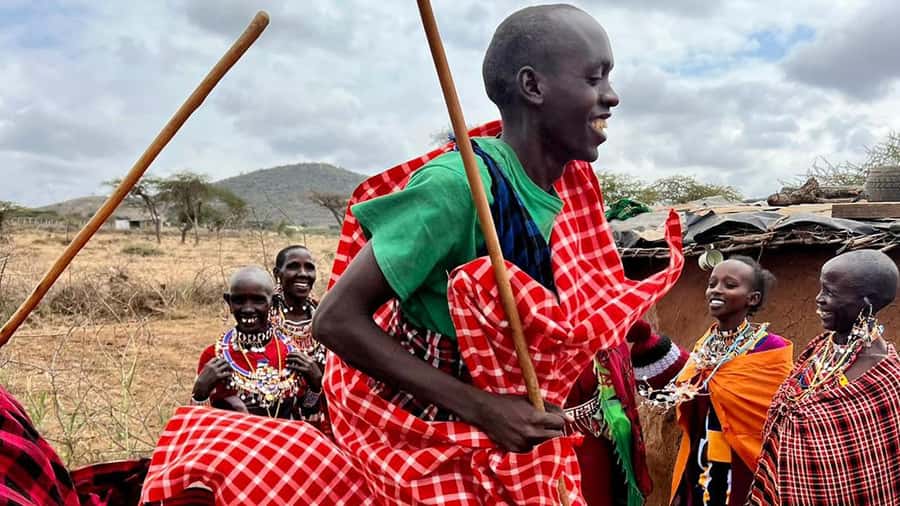
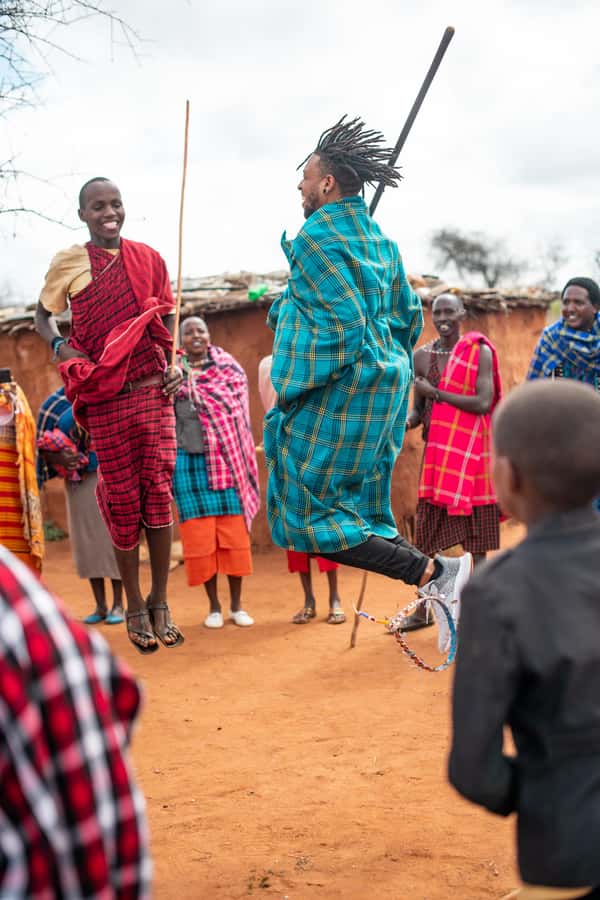
The village experience includes dancing, singing, and Maasai jumping. This part is often what makes people say it’s life-changing, because it feels like you’re joining a celebration rather than watching a performance.
Still, don’t treat it like a stunt. Follow the guide’s cues and the hosts’ rhythm. If you can, keep your energy steady rather than trying to copy every move instantly. The point is to participate with respect.
One small reminder from the broader experience theme: you may encounter everyday outdoor surprises. For example, one guest reported dealing with bees and taking shelter in a hut while things settled. You don’t need to panic about it, just be flexible and listen to your guide if conditions change.
The school visit adds meaning when it is handled right
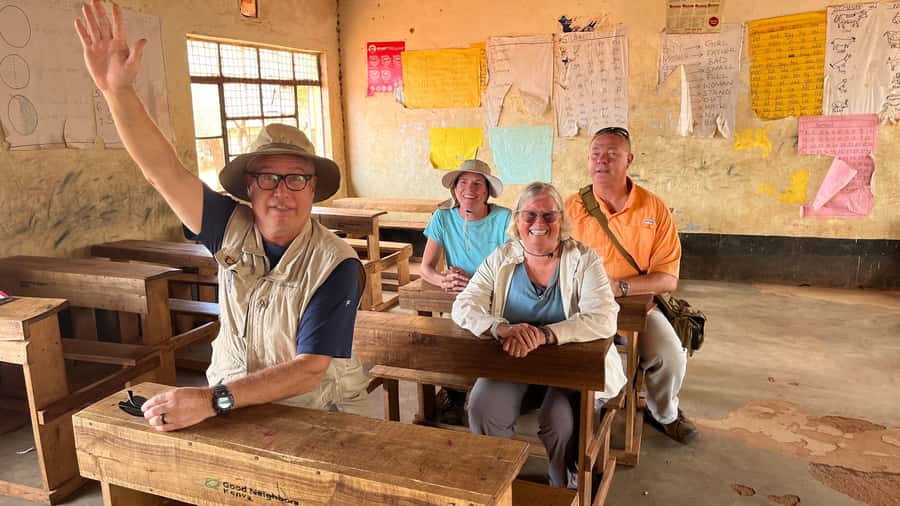
A local primary school stop is included on request. If you opt for it, you can visit the school during the day and become part of the learners’ experience in a positive way.
This isn’t about turning kids into entertainment. It’s about showing up with your attention, curiosity, and basic respect. If you have items to share, you can ask your guide what fits the day best, because the tour notes donations are optional and buying items is optional too.
Even if you skip the school request, the village day itself already includes cultural and practical activities. But the school stop can make the day feel less one-sided.
Crafts to buy, or donate if you want to help
After the activities, Maasai hosts display handmade items. Buying is optional, and the tour notes you can donate as well, but again, it’s optional.
I like that the day doesn’t force you into spending. You can participate fully and leave with memories, not guilt and purchases.
If you do want to buy or donate, keep it simple. Choose what you genuinely like, and treat it as supporting a craft tradition, not trying to collect souvenirs like trophies.
Also, because the tour emphasizes payment methodology and individual remuneration, your donation becomes extra, not the only way villagers benefit.
Price and logistics: is $117 good value for 8 hours?
At $117 per person for about 8 hours, the value depends on what you want from Kenya beyond ticking boxes.
Here’s what you do get:
- Hotel pickup and drop-off within a 3 miles radius from Nairobi City
- Entry fee to the village
- Bottled water
- Wi-Fi
- A day built around real activities: cooking, beadwork, fire-making, milking, dancing, singing, and learning through conversation
And here’s what you don’t get:
- Food and drinks are not included
The long drive is a real factor. You’re paying for transport and access, but the road time is also what makes the village feel less like a quick stop. If you dislike long days, it may not feel worth it.
Where the price feels more justified is the access model. The tour states it aims to limit how the specific village is exposed to frequent hourly tourist visits. It also describes a payment process that pays individuals via M-Pesa after an online register records presence or absence. That combination often makes the day feel more respectful and more grounded.
So yes, for people who care about authenticity and hands-on participation, $117 can feel fair. For people who want a short, low-effort cultural stop with a predictable schedule, it might feel steep.
What to pack and how to behave to keep the day smooth
This is a village day, not a museum visit. Pack like you’ll be in dust, sun, and sometimes close to animals.
What to bring:
- Comfortable shoes
- Sun hat
- Sunscreen
- Clothes that can get dirty
Not allowed:
- Drones
- Smoking in the vehicle
- Pets
- Alcohol and drugs
- Nudity
- See-through clothing
Photo note: professional cameras are discouraged to reduce commercialization. That doesn’t mean you cannot take pictures at all, but it does mean you should be mindful of how you use your phone camera and avoid turning people into a content shoot.
Also, bring patience for bathroom breaks. Since there are no toilets at the village, plan to use stopovers.
Who should book this Maasai village day tour
This tour fits best if you:
- Want a hands-on Maasai daily life experience rather than a quick staged visit
- Enjoy learning by doing, like cooking ugali, making beadwork, and starting fire
- Like cultural exchange with a guide who sticks with you and explains what’s happening
- Prefer a smaller-feeling day. Some bookings have been described as private or with very few people, which makes conversations easier.
It might not be the right fit if:
- You need wheelchair access, because the tour says it is not suitable for wheelchair users
- You have motion sickness concerns, because the road trip is part of the day
- You need a very short activity window, since the day is long and includes travel
Should you book it, or choose another Kenya day trip?
I’d book this if you want a day that feels like work and community, not a performance. The best moments are the ones where you cook, craft, and move with the group, guided by people praised for being friendly and responsive, including Dennis and Simon. The added context of the livestock market on Monday or Friday, plus the optional school visit, also helps the day feel bigger than one activity.
Skip it if you are mainly chasing a quick cultural photo stop or if long road time and basic village conditions will stress you out. Also, if you hate the idea of no toilets on site, you’ll need to be mentally ready for bathroom timing.
If you do book, go in with a curious attitude and keep your expectations grounded. You will be welcomed, you will participate, and you will leave with a clearer picture of Maasai daily life than you get from a short roadside stop.
FAQ
How long is the drive from Nairobi to the Maasai village?
The drive is about 2.5 hours one way to reach an area where you can experience a more authentic Maasai village visit.
How much time do you spend in the village itself?
You stay in the Maasai village for about 2 hours.
Is food included in the tour price?
No. Food and drinks are not included. The tour notes you can request a lunch stop on the way back.
Are there toilets at the village?
The tour says there are no toilets at the village, so you’ll have optional bathroom breaks at stopovers.
Do you always visit the livestock market and the school?
The livestock market stop happens on Monday or Friday. The local primary school visit is on request.
What activities do I do during the village visit?
You can expect activities like cooking ugali, beadwork, lighting a fire traditionally, milking a goat, and joining in dancing, singing, and jumping. You’ll also visit the local school and local market depending on the day and request.
Can I use a drone or take professional photos?
Drones are not allowed. Professional cameras are discouraged for this experience.
Is hotel pickup available anywhere in Nairobi?
Pickup and drop-off are free within a 3 miles radius from Nairobi City.
Can I buy crafts or donate money during the visit?
Buying handmade items and donating are optional, and you can choose what, if anything, you want to support.
More Tours in Nairobi






More Tour Reviews in Nairobi


Further Maasai Homestead Visits





Everything else we hold on Nairobi
- 7 Days Private 4 star lodges Safari by LandCruiser from Nairobi★ 5.0 · 3 reviews
- 5 Days/4 Nights Kenya Safari★ 4.5 · 3 reviews
- Safari Park Hotel Show & Dinner Experience In Nairobi Tour★ 3.6 · 3 reviews
- Day safari to Olpejeta Rhino conservancy★ 5.0 · 3 reviews
- 7 Days Breathtaking Kenya Wildlife Private Safari★ 5.0 · 3 reviews
- Overnight Amboseli National Park Safari from Nairobi★ 5.0 · 3 reviews
Maasai Village Visits, compared.
 ★ 4.5Nairobi: Day Tour to Amboseli National Park & Maasai VillageFrom $75310 reviews
 ★ 5.0Masai village Day Tour ExperienceFrom $100284 reviews
 ★ 5.0Maasai Village Experience Day TourFrom $10072 reviews
 ★ 4.4Day Trip: Amboseli National Park & Maasai Village – NairobiFrom $10069 reviews
 ★ 4.6Nairobi: Day Trip to Maasai Mara Reserve & Maasai villageFrom $18049 reviews
 ★ 5.03days/2nights group joining Masai Mara with Masai Village VisitFrom $25638 reviews
 ★ 4.6Maasai Village Visit with Traditional Dance ShowFrom $5024 reviews
 ★ 4.4Nairobi: visit Masai cultural Village guided TourFrom $4919 reviews
Appears in these lists