

REVIEW · MAASAI VILLAGE VISITS
Nairobi: visit Masai cultural Village guided Tour
Masai life in a single day. This Nairobi trip mixes a scenic drive with a guided visit to a Masai village, plus moments like a warrior welcome and time to browse local crafts. You get to see how the community presents daily life, traditions, and pride in their culture, all within a 7-hour window.
I really like two parts: the English-speaking guide who helps translate what you’re seeing, and the chance to interact face-to-face, not just watch from the sidelines. You’ll also have a handicraft market stop where shopping can feel like part of the visit, not an afterthought.
One thing to plan for is that the $30 village entry fee is not included and is payable by cash in Kenya shillings. Also, because it’s a group joining activity, your day can feel a bit paced, with multiple pickup and drop-offs.
In This Review
- Key things to know before you go
- Why this Nairobi Masai Village visit feels different
- 7 hours of driving, group pickups, and the rhythm of the day
- The welcome ceremony: what you’ll actually see and how to watch it
- Inside the Masai village: home visit, guided walking, and real interaction
- Traditional dances, concert time, and how to use the 7-hour schedule well
- Handicraft market time: good value shopping, plus one caution
- Price and real budget: the $49 tour plus the $30 entry fee
- Comfort, what to bring, and how to plan your day
- Who should book this Masai cultural village tour from Nairobi
- Should you book the Nairobi Masai Cultural Village guided Tour?
- FAQ
- FAQ
- Where is the hotel pickup for this Masai cultural village tour?
- How long is the tour?
- What is included in the price?
- What is not included?
- How do I pay the village entry fee?
- Does the tour have an English-speaking guide?
- Is the tour wheelchair accessible?
- Is this a private tour?
- What should I do when the driver arrives?
- Is there free cancellation?
Key things to know before you go
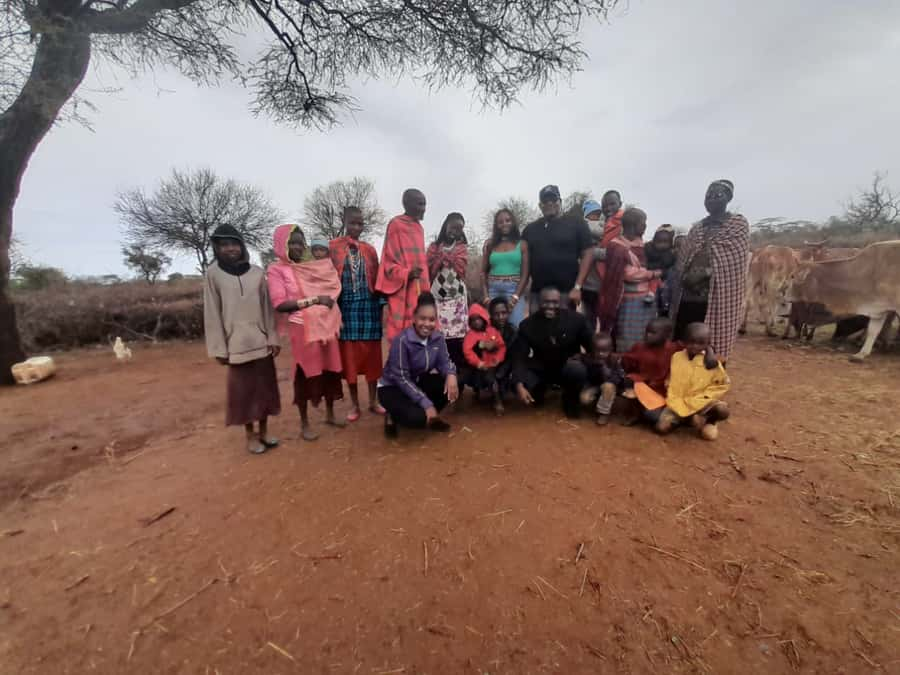
- Warrior welcome and traditional dance show give you a clear cultural “front door” to the visit
- Hotel pickup across many Nairobi areas makes it easier to join without planning your own transport
- Guided tour plus free time means you get both structure and a window to wander and shop
- Handicraft market time lets you spend directly with artisans, if you want souvenirs
- A $30 per person village entry fee is separate from the tour price, so budget cash
- 7 hours total is long enough to feel like a real day trip, but not long enough for endless lingering
Maasai homestead visits reviewed elsewhere on this site
Why this Nairobi Masai Village visit feels different

A cultural village visit can go one of two ways. Either it’s staged and rushed, or it’s thoughtfully guided so you actually understand what you’re seeing. This tour is built to give you the second version, with a mix of guided viewing, interactive moments, and performance time.
The biggest win is the format. Instead of only looking at photos or hearing facts from a distance, you get to be in the flow of a community presentation. Expect a structured tour of the village area, time for questions, and a welcome moment designed for visitors. That helps you connect the “what” and the “why” behind customs you may have only seen in books or documentaries.
I also like the way the day includes both “inside the village” time and “on the way” scenery. The scenic drive through the Masai region helps break up the day so it does not feel like you are trapped in a van until the show starts.
7 hours of driving, group pickups, and the rhythm of the day
This is a hotel pickup and drop-off day trip, and you’ll be picked up from one of the many Nairobi options listed, including Nairobi West, Gigiri, Embakasi, Parklands, Westlands, Lavington, Syokimau, and Nairobi National Park.
Because it’s a group joining activity, you may share the route with other travelers. That can mean multiple stops to pick people up and drop them off. It does not ruin the day, but it changes how to think about timing. You should assume your experience might not follow a perfectly private, no-wait schedule.
You’ll want to be ready when your driver arrives. The plan is to wait in your hotel lobby about 10 minutes before pickup. The driver will hold a sign with your last name, which makes it easier to find each other quickly.
Inside the experience, the order is designed to move you through a visitor flow: first get oriented, then meet the community, then enjoy performances and cultural demonstrations, then finish with shopping and free time. If you’re the type who likes to control your own pace, you may feel the group rhythm. If you’re happy to go with the flow and learn as you go, this format usually lands well.
The welcome ceremony: what you’ll actually see and how to watch it

One of the highlights promised is an authentic welcome ceremony by Masai warriors, and that sets the tone. In many cultural village experiences, the welcome can be a quick photo op. Here, it’s part of a longer village program, which usually makes it more meaningful.
Expect a performance moment with singing and movement, designed to show visitors how they greet, celebrate, and present themselves. Your guide should give context as it happens, and that matters because it helps you understand what you’re watching instead of just collecting images.
Here’s the practical way to watch this part. Look for the guide’s cues before you start taking photos. Pay attention to what the group is doing in real time, not just who is standing where for the best shot. If you enjoy learning, the welcome ceremony is often the moment where questions come naturally, and your guide can answer in plain English.
Also, don’t assume you’ll have the same view the entire time. Some performances involve movement or positioning, so be ready to adjust your angle. If you want photos, take a couple quick ones early, then put your phone away and watch for what the guide explains.
Inside the Masai village: home visit, guided walking, and real interaction

After the drive and initial orientation, you’ll reach the Masai village for the main visit. The program includes photo stops, a guided tour, free time, sightseeing, and time to walk around.
The home visit and guided tour are the parts that tend to stick with people. You’re not only seeing artifacts. You’re meeting the people, getting shown how a typical home works, and learning how daily rituals and customs fit together. Even if some details are simplified for visitors, the interaction can still help you understand life beyond stereotypes.
This is also where the “connection to the land” theme comes into play. The tour description points to indigenous knowledge and a deep link to the environment, including how the community talks about coexisting with wildlife. I find this kind of explanation more useful when you ask a simple question, like what they consider important in their day-to-day routines.
Two tips that keep this part respectful and enjoyable:
- Ask before you photograph individuals closely, especially during any demonstrations.
- If you want to shop later, do not rush the market stop. Use the village tour first so you have context for what you’re buying.
One more thing to keep in mind: the day is scheduled, so you might not get to linger in every spot. If your goal is maximum time for conversation, you should ask your guide during the village visit how the free time is likely to work.
Other Nairobi bookings that survived the same scrutiny
Traditional dances, concert time, and how to use the 7-hour schedule well
The itinerary includes a traditional dance show and also calls out a longer dance performance segment. That’s likely the core “show time” of the day, and it can take a significant portion of the visit.
I actually like this structure, because it gives you a predictable moment for the performance. It also helps you plan your attention. You do not need to wonder when the best part is coming. Your guide should keep the group together and move you through the flow.
Here’s how to make the dance show work for you:
- Watch first, then film. If you film the entire time, you often miss the guide’s explanations and the small details that make the performance more than entertainment.
- Be ready to stand and move a little. If the performers interact with the audience, your body position may matter.
- If you have motion sensitivity, take water breaks during transition moments rather than waiting until the dance segment ends.
And if you’re traveling with kids, the dance show is usually the easiest “everyone is engaged” element. Just keep expectations realistic. This is a village cultural program, not a theme park. The goal is presentation and interaction, not constant thrills.
Handicraft market time: good value shopping, plus one caution

The visit includes browsing the community handicraft market, plus free time for shopping. This is where you can potentially turn your visit into something you’ll keep and use.
I like the market part because it gives you a direct way to support the community. You can choose small items rather than committing to one big purchase. It also helps break the day into “learn, watch, then choose.”
But there is a caution to keep in mind. In any village visit that includes shopping, some people may feel the schedule includes sales pressure. Even if the intention is to share products and crafts, the visitor experience can depend heavily on how your guide manages expectations and time.
So, do this before you start buying:
- Decide your budget early.
- Ask your guide how much time you will have for shopping.
- If you are not interested in purchasing, communicate that calmly and early.
If you do want souvenirs, treat it like a cultural conversation. Learn what the item represents, not just what it costs. That turns shopping into part of the story you came for.
Price and real budget: the $49 tour plus the $30 entry fee

On paper, the price is $49 per person for a 7-hour day tour with hotel pickup, a driver/guide, bottled water, and an air-conditioned vehicle. That’s a fair base rate for Nairobi area transport plus a guided day trip.
The catch is important: the village entry fee of $30 per person is not included. It’s payable by cash in Kenya shillings. So your real per-person total will be higher once you arrive, and you should plan for that at booking time, not on the day.
Also, breakfast and lunch are not included. Drinks and alcohol are not included either. If you want a smoother day, eat before pickup. For midday comfort, carry water and snacks if allowed by your pickup schedule and personal preference. The tour does include bottled water, but having a little extra helps if you get stuck with traffic or group timing.
Value-wise, I think the tour is strongest if your priority is cultural interaction: the home visit, guided explanations in English, the warrior welcome, and the dance program. If your priority is a long, slow exploration with no performance element and lots of free roaming, then a 7-hour format with scheduled entertainment may feel tight.
Comfort, what to bring, and how to plan your day

This trip is designed for a full day, but it’s not structured like a full-day meal plan. Here’s how I’d prepare.
Wear: bring comfortable shoes, because the itinerary includes a walk and village touring. Choose light layers if you’re visiting in warmer months, and bring something for cooler mornings if your departure timing feels early.
Bring: a camera or phone, plus modest expectations about lighting and movement during ceremonies. Also bring cash in Kenya shillings for the $30 village entry fee. If you forget, you’ll lose time and flexibility.
Plan meals: since breakfast and lunch are not included, make sure you’re fed before pickup. If your schedule lines up with a sunrise moment and scenic drive, eating early helps you feel better during the drive and early village time.
Respect the setting: this is a community visit. Keep your behavior calm and curious. If you want to ask questions, ask your guide, not people informally in the middle of a demonstration. That keeps things smooth for you and for the host group.
Who should book this Masai cultural village tour from Nairobi

This is a good fit if you want a guided cultural day with clear highlights. You’ll likely enjoy it if you:
- like structured learning with a guide who explains in English
- want interaction and conversation, not just sightseeing
- enjoy traditional performances, especially welcome ceremonies and dances
- want a manageable 7-hour day trip with hotel pickup
It might be a weaker fit if you:
- hate group-paced schedules and multiple pickups
- dislike shopping stops or feel uncomfortable with sales pressure
- expect a long, independent exploration without a program structure
If you’re sensitive to the idea of being asked to buy souvenirs, decide in advance. You can still enjoy the cultural parts. Just keep your expectations clear before the market begins.
Should you book the Nairobi Masai Cultural Village guided Tour?
I’d book it if you want one focused day that combines transport, guidance, and the core cultural moments people remember: a village visit, a warrior welcome, and a traditional dance show, plus market time. The price is reasonable for the included transport and guidance, and the English guide helps you get more out of what you see.
I would not book it without planning for the extra $30 village entry fee in cash and without accepting that this is a group joining experience with a timed schedule. If that works for your style, you’ll probably feel satisfied with the value.
If you do book, your best move is to go in with a learning mindset. Ask your guide questions, watch the ceremonies with attention, and treat the market like a cultural conversation rather than a last-minute chore.
FAQ
FAQ
Where is the hotel pickup for this Masai cultural village tour?
Pickup is offered from several Nairobi-area locations, including Nairobi, Nairobi West, Gigiri, Embakasi, Parklands, Westlands, Nairobi National Park, Lavington, and Syokimau.
How long is the tour?
The tour duration is 7 hours.
What is included in the price?
The tour includes hotel pickup and drop-off, a driver/guide, bottled water, and an air-conditioned vehicle.
What is not included?
Breakfast, lunch, drinks and alcohol are not included. The village entry fee of $30 per person is also not included.
How do I pay the village entry fee?
The village entry fee is $30 per person and is payable by cash in Kenya shillings.
Does the tour have an English-speaking guide?
Yes, the tour includes a live tour guide who speaks English.
Is the tour wheelchair accessible?
Yes, it is wheelchair accessible.
Is this a private tour?
No. This is a group joining activity, and it may involve multiple pick and drop-offs.
What should I do when the driver arrives?
Please wait in your hotel lobby about 10 minutes before pickup. The driver will hold a sign with your last name.
Is there free cancellation?
Yes, you can cancel up to 24 hours in advance for a full refund.
More Tours in Nairobi






More Tour Reviews in Nairobi


Further Maasai Homestead Visits





Everything else we hold on Nairobi
- 7 Days Private 4 star lodges Safari by LandCruiser from Nairobi★ 5.0 · 3 reviews
- 5 Days/4 Nights Kenya Safari★ 4.5 · 3 reviews
- Safari Park Hotel Show & Dinner Experience In Nairobi Tour★ 3.6 · 3 reviews
- Day safari to Olpejeta Rhino conservancy★ 5.0 · 3 reviews
- 7 Days Breathtaking Kenya Wildlife Private Safari★ 5.0 · 3 reviews
- Overnight Amboseli National Park Safari from Nairobi★ 5.0 · 3 reviews
Maasai Village Visits, compared.
 ★ 4.5Nairobi: Day Tour to Amboseli National Park & Maasai VillageFrom $75310 reviews
 ★ 5.0Masai village Day Tour ExperienceFrom $100284 reviews
 ★ 5.0Maasai Village Experience Day TourFrom $10072 reviews
 ★ 4.9From Nairobi: Maasai Village Experience Day TourFrom $11770 reviews
 ★ 4.4Day Trip: Amboseli National Park & Maasai Village – NairobiFrom $10069 reviews
 ★ 4.6Nairobi: Day Trip to Maasai Mara Reserve & Maasai villageFrom $18049 reviews
 ★ 5.03days/2nights group joining Masai Mara with Masai Village VisitFrom $25638 reviews
 ★ 4.6Maasai Village Visit with Traditional Dance ShowFrom $5024 reviews
Appears in these lists