
REVIEW · BOMAS OF KENYA TOURS
Bomas of Kenya Cultural tour
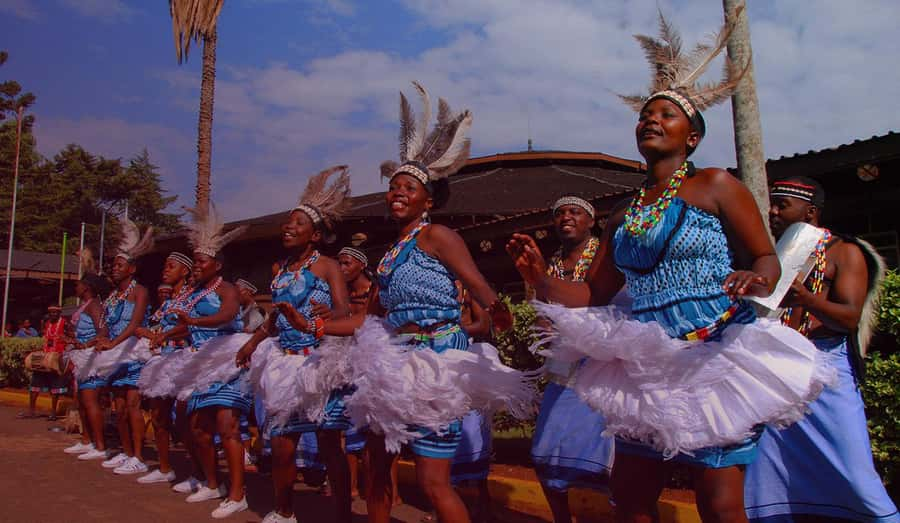
A tour of Kenya culture, in one focused stop. Bomas of Kenya is designed around traditional dancers and reconstructed homes from Kenya’s many communities. I especially like the family-friendly layout, with space for kids to move, and the fact that you get more than one type of cultural experience in a single visit. One watch-out: the homestead portion may be affected by restoration work, so you could end up seeing the dance show without the full village tour.
You’ll be picked up in Nairobi and driven to the Bomas, about 10 km from the city center. The program runs for about 3 hours total, so timing matters, especially if traffic is heavy or if the site’s schedule changes. The good news is that this is a straightforward outing with English-speaking guidance, and you can buy drinks and take photos if you want to add extras.
In This Review
- Key things to know before you go
- What Bomas of Kenya is built to show (and how it fits Nairobi)
- The traditional dance show: the part most people remember
- Traditional homesteads and mud huts: great when they’re open
- The kid-friendly advantage: play area, ladders, and built-in energy outlets
- Pickup, timing, and why “3 hours” can feel different on the ground
- Guides and English support: how to get more value from the time you have
- Price and value: when $48 makes sense, and when to adjust expectations
- What to bring, what to skip, and how to enjoy it more
- Who this tour is best for (and who might want a different plan)
- Should you book the Bomas of Kenya Cultural Tour?
- FAQ
- How long is the Bomas of Kenya Cultural tour?
- Where does the pickup happen?
- Is entry to Bomas of Kenya included?
- Do I need to buy tickets in advance?
- Are food and drinks included?
- Is there a snack or bar option onsite?
- Are there souvenir photos available?
- Is the tour guided in English?
- Is the tour wheelchair accessible?
- Is the tour refundable if plans change?
Key things to know before you go
- A 3-hour cultural package: dances and traditional homesteads, plus kid-friendly areas.
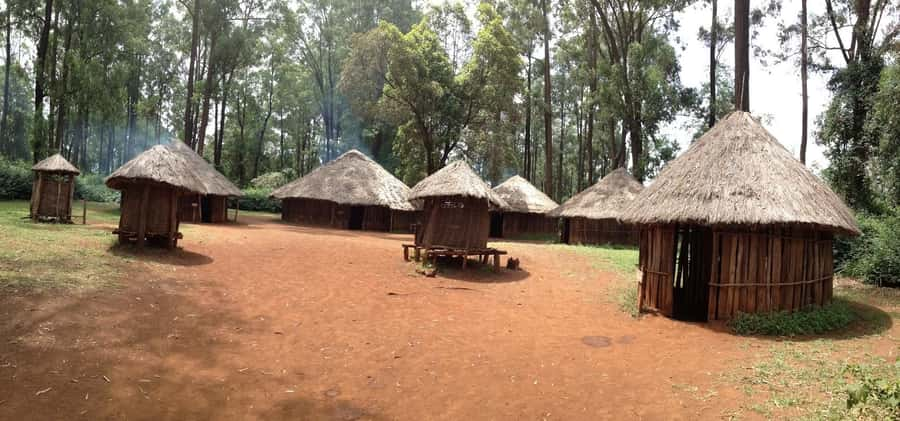
- Traditional houses representing Kenya’s diversity: homes tied to 42 different tribes.
- Kids can actually be active: there’s a wooden play area for young children.
- Craft shops are a low-pressure bonus: you can browse without feeling rushed.
- Check that homesteads are operating: restoration has affected what some visitors see.
- Pickup makes it easy: hotel or airport pickup, then return to Nairobi.
Bomas afternoons we also wrote up
What Bomas of Kenya is built to show (and how it fits Nairobi)
Bomas of Kenya is one of those places that’s easy to understand fast. You’re not trying to guess where to go or what to look at. The venue is set up as a cultural village, where traditional performances and village-style buildings are the main event.
The pitch is simple: traditional dances, and traditional homesteads representing a broad mix of Kenya’s communities, including homes built to reflect 42 different tribes. That scale is a big part of the value. In a short visit, you can get a sense of how Kenya’s cultures vary in dress, movement, and settings, without needing a multi-day itinerary.
The other big reason this works in Nairobi is logistics. It’s located about 10 km from the CBD, and your tour includes pickup and drop-off. That means you’re spending your time at the venue, not negotiating transport or hunting for directions.
The traditional dance show: the part most people remember
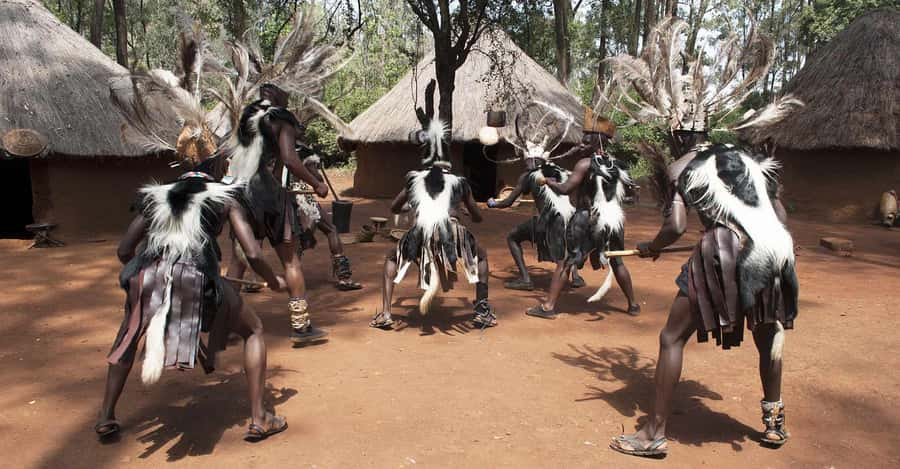
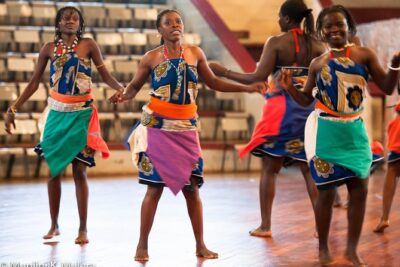
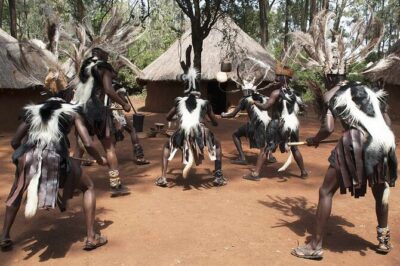
If you like performance, you’ll likely enjoy the core show. The experience centers on traditional dancers, with a lively atmosphere that works whether you’re coming as a couple or with kids.
What makes the dance portion especially satisfying is that it’s immediate. You arrive, you settle in, and the cultural storytelling starts right away. It’s also the safest bet if anything else is limited. Even when the homestead touring is affected by maintenance, the dance show is often what still runs.
From what you can reasonably expect, the show is the anchor. If you only have half a day and you want a cultural hit you can plan around, this is the segment to prioritize in your expectations.
Traditional homesteads and mud huts: great when they’re open

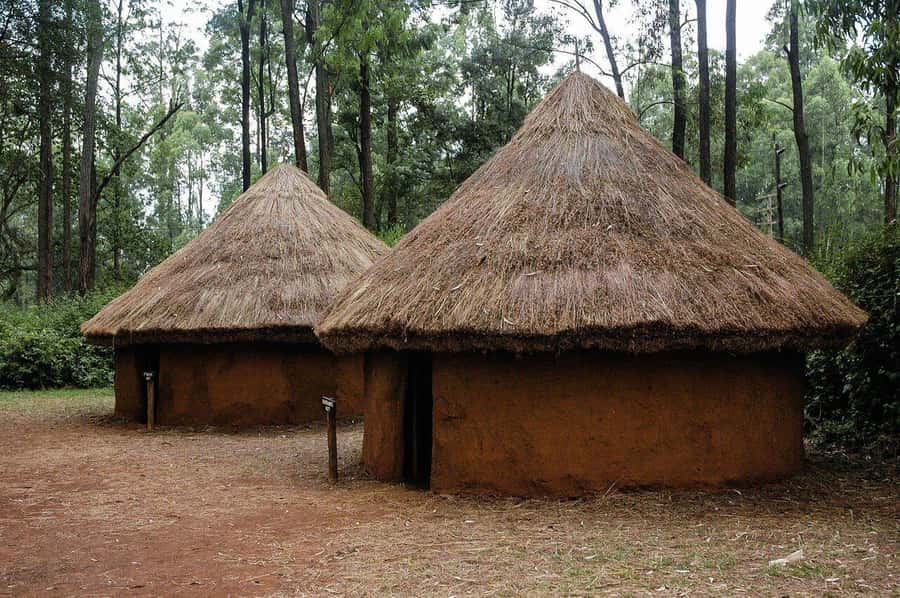
The homesteads are the second pillar of the experience. The venue includes traditional houses and mud huts, and the idea is that you can walk around and see how these structures fit into village life.
This is where you need to use a little common sense before you go. There have been cases where Bomas was undergoing restoration, and the homestead tour was not available. In those situations, the experience can shift from a full village visit to something closer to a dance-only outing.
So here’s my practical advice. Before you lock in, make sure you confirm that the homestead viewing portion is running on your date. Ask directly what’s open that day and whether you’ll be able to walk through the traditional structures, not just watch a performance. If the homesteads are closed, you can decide whether that still fits what you want from the experience.
When everything is operating, though, this is the part that adds depth. Watching dancers is engaging, but walking through a traditional homestead gives you context for how the performance connects to daily life and community settings.
The kid-friendly advantage: play area, ladders, and built-in energy outlets
If you’re traveling with energetic kids, Bomas of Kenya is one of those rare attractions that seems designed for real child energy, not just adult sightseeing.
The setup includes a large wooden play area for young children. That matters because it gives kids somewhere appropriate to burn energy while you take in the cultural program. There are also traditional houses where kids can freely move in and out, and even climb ladders. That type of active play can make the whole visit feel less like a long performance and more like a place children can explore.
The venue is also well suited to families because there are additional layers beyond the main show. There’s a small, low-key section of craft shops, which you can use as a calm moment when the kids need a reset. In other words, it’s not only about sitting still and watching.
Other Nairobi bookings that survived the same scrutiny
Pickup, timing, and why “3 hours” can feel different on the ground
The tour is listed as 3 hours total, and it includes pickup from your hotel in Nairobi, plus drop-off back in Nairobi. The venue is around 10 km from the CBD, but anyone who has driven in a capital knows that distance is only half the story. Traffic can stretch everything, especially during peak hours.
Here’s the key timing reality to plan around: even if the cultural program is shorter, transport time can still take a big chunk of your outing. Some visitors have reported spending a lot of time on travel for a relatively short show. I can’t promise your experience will match that, but it’s a real consideration.
What you should do:
- Choose a pickup time that avoids the busiest traffic windows if you can.
- Keep expectations realistic. If your goal is a full village walk, confirm homesteads are open so your time at the venue matches what you’re buying.
- If you’re working with a tight schedule, treat this as a planned half-day, not a quick in-and-out.
Guides and English support: how to get more value from the time you have
A major part of the tour’s usefulness is that it includes professional English-speaking guides. That matters because cultural performances can be fun, but the context helps them click.
When a guide is good, you’ll understand what you’re seeing beyond costumes and choreography. You’re more likely to notice meaningful details, like how different communities present themselves and how movement and rhythms connect to cultural identity.
Also, the tour includes skip-the-ticket-line, which reduces friction on arrival. When you’re traveling in a group or with children, small delays add up. Cutting that wait can keep the day feeling smooth.
One more practical note. In at least some past experiences, visitors reported confusion because a venue-side guide was not aware they had already paid for a guide as part of the tour. That doesn’t mean it will happen to you, but it’s a reminder to keep your booking details handy and make sure the guide arrangement is clear when you arrive.
Price and value: when $48 makes sense, and when to adjust expectations
At $48 per person for a 3-hour cultural tour, the price feels reasonable for Nairobi if you actually get the full package: the dance show plus access to the traditional homesteads.
But value is conditional here. If restoration limits the homestead portion, the tour may feel overpriced for what’s left, because the core promise becomes less complete. Some visitors have described paying the full amount only to see the dances, without the traditional house walkthroughs.
So I’d frame it like this:
- If homesteads are open, you’re paying for performance plus on-site village viewing, and that can be strong value.
- If homesteads are closed, you’re paying for a shorter experience centered mainly on dancing, and you may feel less satisfied.
Before you go, do one simple thing: confirm the homestead tour is operating. If it is, this looks like a good cultural stop. If it isn’t, you might want to choose a different option that matches what you’re expecting to see.
What to bring, what to skip, and how to enjoy it more
This tour includes entry and pickup, but it does not include food and drinks. Alcoholic drinks are available to purchase, so if that’s your thing, plan on paying onsite. If you want snacks, bring them only if the venue rules allow, and keep it simple.
A few practical tips that can improve the experience:
- Wear comfortable shoes. You’ll be walking around, and if kids are climbing ladders, adults often end up doing the same kind of careful stepping.
- Bring water. Even if it looks like a short outing, you’ll be spending time watching and moving between areas.
- If you care about photos, note that souvenir photos are available to purchase. Decide in advance if you want that, because photo add-ons can creep up fast.
- Keep some patience for the performance schedule. In live cultural programs, timing can vary slightly, especially if the site is managing maintenance issues.
Who this tour is best for (and who might want a different plan)
This is a strong choice if you want:
- A cultural activity in Nairobi that doesn’t require lots of planning
- Traditional dances and traditional homesteads in one place
- A venue that works well with kids, thanks to the play area and interactive zones
It may not be the best match if:
- Your top priority is walking through the traditional homes, and you hate the idea of that portion possibly being unavailable
- You’re extremely time-sensitive and can’t handle traffic-related delays on the way to and from the venue
- You want a deep, multi-stop cultural route across several sites, because this is a single-stop experience
Should you book the Bomas of Kenya Cultural Tour?
I’d book it if you confirm the homestead touring is operating and you’re happy with a 3-hour cultural stop anchored by traditional dance. The mix of performers, traditional structures, and a kid-friendly play area makes it a practical choice, especially for families. The English-speaking guides and skip-the-line help the day move along smoothly.
I would hesitate if your main goal is specifically to see the traditional village houses and you’re visiting at a time when restoration is affecting the grounds. In that case, ask hard questions before paying, and treat the booking as conditional on what’s actually open on your date.
If you want one simple checklist item: before you commit, confirm that the homesteads are available for viewing during your visit. If they are, this tour can deliver what you want in a neat, Nairobi-friendly package.
FAQ
How long is the Bomas of Kenya Cultural tour?
The duration is listed as 3 hours total.
Where does the pickup happen?
Pickup is included from your hotel in Nairobi (and pickup from the airport is also mentioned).
Is entry to Bomas of Kenya included?
Yes. Entry or admission to Bomas of Kenya is included.
Do I need to buy tickets in advance?
No. The tour includes skip the ticket line.
Are food and drinks included?
No. Food and drinks are not included. Alcoholic drinks are available to purchase, but they are not included in the price.
Is there a snack or bar option onsite?
The tour info specifically notes drinks for purchase, but it does not list food inclusion. So you should plan on bringing or buying what you need onsite.
Are there souvenir photos available?
Yes. Souvenir photos are available to purchase.
Is the tour guided in English?
Yes. The tour includes a live tour guide in English, with professional English-speaking guides.
Is the tour wheelchair accessible?
Yes. The tour is listed as wheelchair accessible.
Is the tour refundable if plans change?
There is free cancellation up to 24 hours in advance for a full refund, and you can also reserve now and pay later.
More Tours in Nairobi






More Tour Reviews in Nairobi


More at Bomas of Kenya






Everything else we hold on Nairobi
- 7 Days Private 4 star lodges Safari by LandCruiser from Nairobi★ 5.0 · 3 reviews
- 5 Days/4 Nights Kenya Safari★ 4.5 · 3 reviews
- Safari Park Hotel Show & Dinner Experience In Nairobi Tour★ 3.6 · 3 reviews
- Day safari to Olpejeta Rhino conservancy★ 5.0 · 3 reviews
- 7 Days Breathtaking Kenya Wildlife Private Safari★ 5.0 · 3 reviews
- Overnight Amboseli National Park Safari from Nairobi★ 5.0 · 3 reviews
Bomas of Kenya Tours, compared.
 ★ 4.5Giraffe Centre, Elephant Orphanage, and Bomas of Kenya Day Tour from NairobiFrom $11596 reviews
 ★ 5.0Giraffe Center, Elephant Orphanage, Beads Center & Bomas of Kenya Tour NairobiFrom $13595 reviews
 ★ 4.5Half-Day Cultural Tour to Bomas of Kenya in NairobiFrom $9523 reviews
 ★ 5.0Half-day tour Bomas of Kenya with Pick-upFrom $7019 reviews
 ★ 5.0Nairobi city sights, Giraffe Encounters and Bomas Kenya TourFrom $9519 reviews
 ★ 4.7Nairobi National Park, Elephants, Giraffes & Bomas Day TripFrom $10010 reviews
 ★ 5.0Nairobi 3 Museums and Bomas of Kenya day tour.From $13010 reviews
 ★ 4.5Nairobi park, steamark birds, Girraffe center & bomasFrom $558 reviews
Appears in these lists