
REVIEW · MAASAI MARA SAFARIS
5 days Masai Mara Wildebeest migration safari
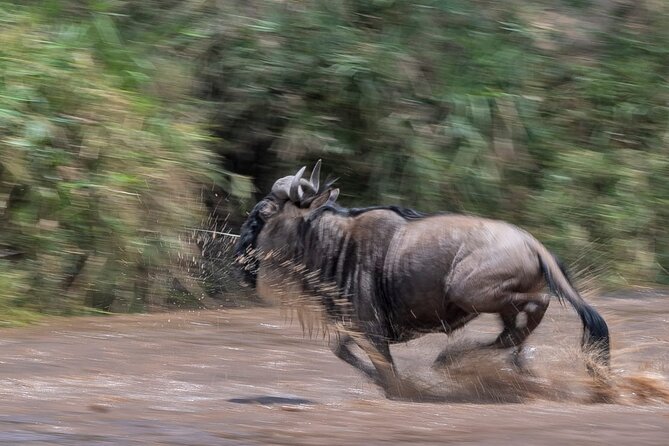
Wildebeest crossings make time feel slow. This 5-day Masai Mara safari is built around the wildebeest migration and the kind of savanna action where days feel short and sightings feel big. It’s also a private setup, so your game drives and timing can feel more like a focused hunt than a bus tour.
I especially like the smooth start and planning help: you get meet-and-assist at Jomo Kenyatta International Airport, then a proper safari briefing before you head into the reserve. The main drawback to think about is physical pace. You’re up early for a 07:30 pickup and you’ll spend long hours in the vehicle, so moderate fitness matters.
In This Review
- Key highlights worth planning around
- Entering the Masai Mara, where migration is the headline
- Day 1 in Nairobi: landing, settling at Best Western Meridian, and getting your bearings
- Day 2: 07:30 pickup, Rift Valley views, and your first Maasai Mara game drive
- Day 3: Mara River breakfast and the river-crossing payoff you can hope for
- Day 4: two game-drive sessions and the Big Five plus migration predators
- Day 5: back to Nairobi, Rift Valley viewpoints, and an optional Carnivore lunch
- Price and value: what $2,660 buys you in 5 days
- Timing, comfort, and what to pack for this kind of safari rhythm
- Guide support and how to get more out of every drive
- Who should book this Masai Mara migration safari?
- Should you book? My decision guide
- FAQ
- What city does the safari start from?
- How long is the Masai Mara wildebeest migration safari?
- What is the price per person?
- Is pickup included?
- Is this a private safari?
- Is there a safari briefing before entering the reserve?
- Does the trip include time at the Mara River?
- What lodge options are mentioned for the Masai Mara stay?
- Is admission included?
- What if the safari can’t run due to weather?
- If you want a meal in Nairobi on the last day, is it optional?
Key highlights worth planning around
- Airport meet-and-assist plus Nairobi hotel night so day one feels organized, not chaotic
- 07:30 departure and Rift Valley drive for that first productive game-drive window
- Mara River picnic with a real shot at dramatic river crossings
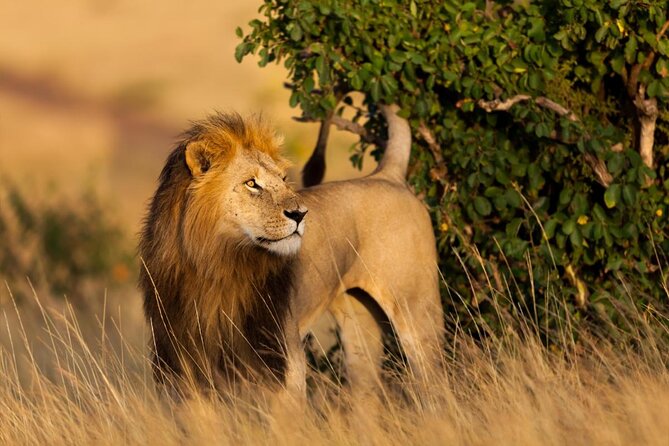
- Morning and afternoon game drives in search of Big Five sightings and predators
- Sundowner-style timing to catch the light when animals look their most active
Other Mara operators, set against one another
Entering the Masai Mara, where migration is the headline
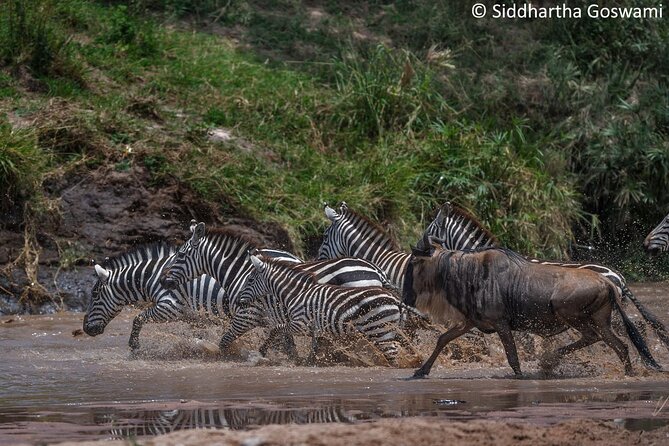
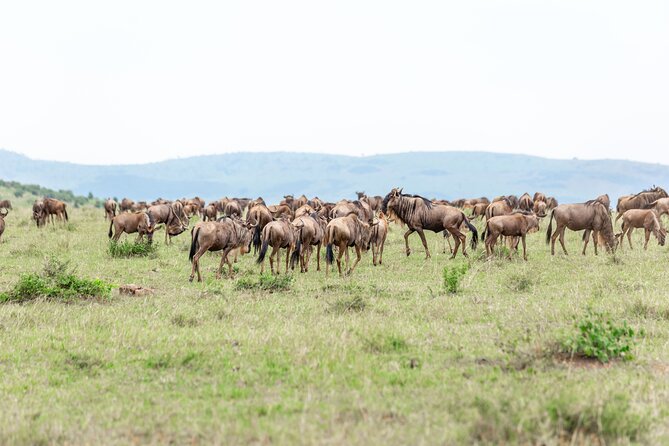
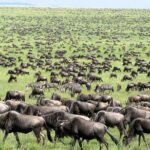
The Masai Mara is famous for one reason: when the wildebeest and zebras move, the whole ecosystem follows. Lions, hyenas, crocodiles, and other predators line up their opportunities around those changes in timing. On this kind of safari, you’re not just doing sightseeing. You’re trying to be in the right place when animal behavior turns from routine to intense.
What makes this trip smart is that it doesn’t treat the migration like a vague hope. It gives you dedicated time along the Mara River for the crossing chance, then it gives you more full game-drive days inside the reserve for the rest of the story: predators chasing, herds reacting, and the general chaos of the savanna.
I also like that the plan includes both the natural drama and the classic safari goal. You’re set up for Big Five possibilities, and you still get space to watch migration behavior unfold instead of rushing everything into one “checklist” day.
Day 1 in Nairobi: landing, settling at Best Western Meridian, and getting your bearings
Your journey begins when you land at Jomo Kenyatta International Airport. You’re met and assisted, then transferred to Best Western Meridian for your overnight. This matters more than it sounds. Kenya after a flight can feel like a mental fog. Having someone meet you and handle the first transfer keeps day one from turning into a logistics project.
Once you check in, you can reset, freshen up, and get an early night. That hotel night is practical for two reasons. First, it helps you handle the early start on the next day. Second, it lets you sleep in Nairobi’s rhythm before trading city time for the reserve.
If you arrive with extra energy, Nairobi is a good place to walk off jet lag slowly. But don’t overdo it. Your real “wake up call” is coming soon.
Day 2: 07:30 pickup, Rift Valley views, and your first Maasai Mara game drive
The next morning starts with a 07:30 pickup from your Nairobi hotel. You then get a safari briefing session with a tour consultant. I like this step because it reduces guessing. Even basic guidance on how to interpret animal movement, where to look, and how the day typically flows helps you feel confident faster.
After the briefing, the drive heads into Maasai Mara National Reserve. The plan includes scenic Rift Valley views on the way, which is a nice break from sitting in a vehicle with nothing to look at. Once you’re inside the reserve, your afternoon game drive focuses on big-game viewing, including the chance to spot the Big Five: lions, elephants, buffalo, leopards or rhinos, plus plenty of plain game.
There’s also a sundowner-style component built into the day. Translation: your schedule is set to catch the light and temperature shift when animals often become more visible and more active. That’s when the savanna stops looking like scenery and starts looking like a living system.
One more note on value: admission is listed as free for this day. That’s a big deal for budgets, since park entry fees can add up quickly on safaris.
Day 3: Mara River breakfast and the river-crossing payoff you can hope for
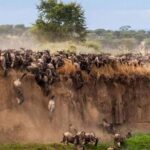
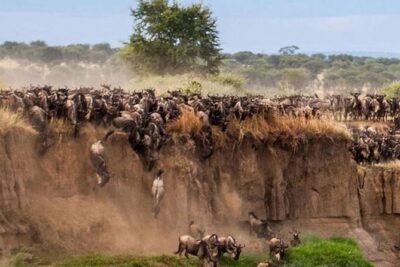
Day 3 is where the migration story gets dramatic. You start with breakfast, then head out with a picnic lunch for time at the Mara River, aiming for a dramatic crossing or two.
This is the kind of moment that makes people plan safaris in the first place. When massed herds move into the water, they do it with tension, momentum, and a lot of risk. And yes, there are crocodiles. The plan explicitly mentions Nile crocs lying in wait in the rivers, so you’re going in with your eyes open.
Practically, what you’ll get from this day is patience plus a good vantage. You’ll likely spend hours watching herds approach the water, then waiting for the decision point, then reacting as crossings happen. It’s not guaranteed on any single day, but having it scheduled makes the whole trip feel purposeful.
After the river time, you return to the lodge for dinner and overnight. That recovery time matters. A river day is long, and even if the sightings are intense, you’ll be glad to have a proper base afterward.
Crossing season is narrow. Other migration departures
Day 4: two game-drive sessions and the Big Five plus migration predators
Day 4 is another full day in Maasai Mara National Reserve, with the emphasis on game drives and predator action. The plan offers morning and afternoon drives, which is the sensible way to do this park. Morning often brings stronger animal activity and better visibility. Afternoon can shift the scene, sometimes concentrating action near water and frequently giving you different hunting moments.
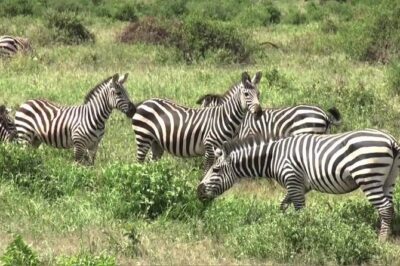
You’ll be trailing the migration too, not just sitting near a single point. That matters because wildebeest and zebra movement is not one straight line. It’s a shifting pattern driven by water and pasture. Following it keeps your chances alive.
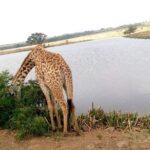
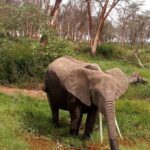
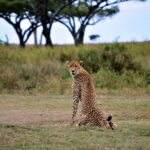
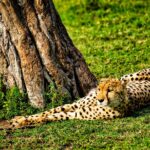
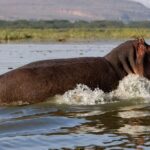
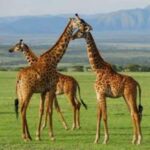
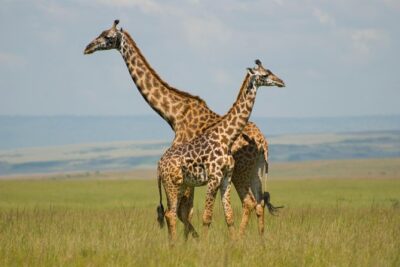
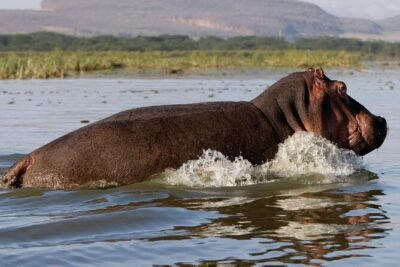
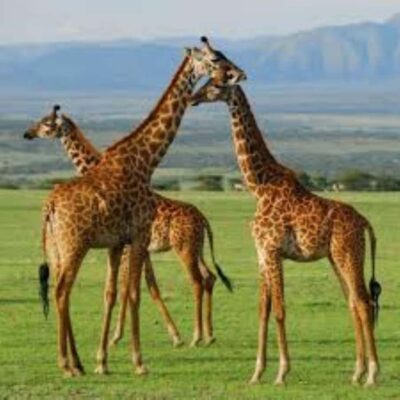
The day’s animal possibilities are broad. You can look out for lions in prides, rhinos, hippos, crocodiles, giraffes, wildebeest, zebras, buffalo, warthogs, hyenas, jackals, wild dogs, leopards, elephants, and multiple antelope types. That list is long because the Mara is known for high variety, and the reason you feel it on safari is simple: you don’t need one perfect sighting to enjoy a drive. The savanna offers options.
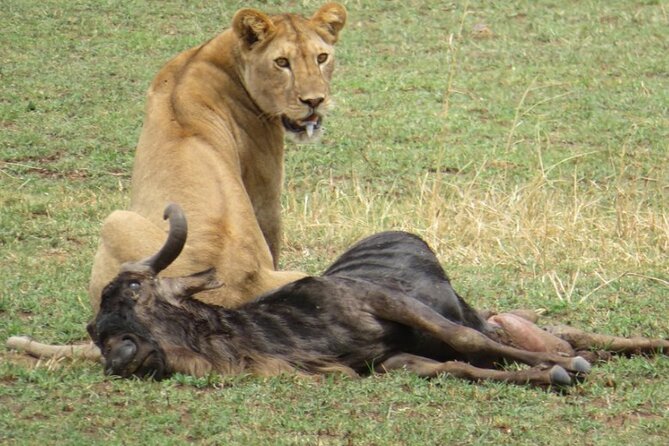
This is also a great day for predator watching. Predators tend to track herd movement. So even when you’re not staring at a Big Five headline moment, you might catch the smaller story: stalking behavior, chasing breaks, and sudden changes in herd direction that show a hunt is underway.
For where you sleep, the plan names Mara Leisure Lodge or Sopa Lodge. Either way, you’re in the park ecosystem and not wasting time commuting.
Day 5: back to Nairobi, Rift Valley viewpoints, and an optional Carnivore lunch
After breakfast, the safari drive returns to Nairobi. There’s an en route stop at a viewpoint for panoramic Rift Valley views, which is a nice way to close out the trip. You arrive around 1300 hours, so this isn’t a late-afternoon slog.
There’s also an optional lunch at the Carnivore Restaurant for US$45 per person. That’s helpful if you want a strong meal right away without hunting for a place after a long day in the vehicle. If you have your own plans in Nairobi, you can skip it and use the time however you like.
One small practical point: because you’re leaving the reserve after a full safari experience, pack your day-of-travel essentials in your day bag. You’ll want water, sun protection, and anything you’ll want for the viewpoint stop.
Price and value: what $2,660 buys you in 5 days
At $2,660 per person for about 5 days, you’re paying for more than vehicle time and wildlife viewing. You’re paying for access, planning, and the rhythm that makes a migration safari work.
Here’s how the price looks through a value lens, using only what’s stated in the plan:
- Private safari format: only your group participates, so you’re not squeezed into a shared schedule.
- Airport meet-and-assist and transfers: that reduces stress on day one.
- Nairobi hotel night: you have a named overnight at Best Western Meridian.
- Park admission listed as free on key days: admission is marked free for Day 2 and Day 4, and included for Day 3.
- Safari briefing: it helps you understand what you’re seeing and what to expect.
- Lodge base time: you return to the lodge for dinner and overnight after the river day, and Day 4 references lodge options.
What the price does not automatically cover, based on the details provided, is your airfare to Kenya from home. The plan talks about getting you in Nairobi via Jomo Kenyatta International Airport and then working locally. You’ll still need your flights handled separately unless your overall package includes them.
Also, meals are partly covered by the plan and partly optional:
- Day 3 includes breakfast and a picnic lunch, plus dinner at the lodge.
- Day 5 includes breakfast, and lunch at Carnivore Restaurant is optional.
So the real question is not only cost. It’s fit. If you want migration time plus classic big-game drives, and you prefer a private group pace, the price can feel fair.
Timing, comfort, and what to pack for this kind of safari rhythm
This trip runs on safari clocks, not city clocks. You have an early pickup, then long drives and game drives, then full days with morning and afternoon sessions. That’s why it’s tied to moderate physical fitness. You don’t need to be an athlete, but you should be comfortable with a full day outdoors and lots of time sitting.
Comfort tips that actually help:
- Bring layers. Even in warm places, early mornings can feel cooler once you’re out on the reserve.
- Pack sun protection and something for dust. The Mara can be dry and the wind can carry grit.
- Bring a small day bag so you don’t keep opening the main bag during drives.
- Have a quick plan for charging and power. Your days are long, and you’ll likely use your phone camera more than you expect.
If you’re sensitive to long sitting, plan for it mentally. A safari vehicle is not a couch, even when it’s comfortable.
Guide support and how to get more out of every drive
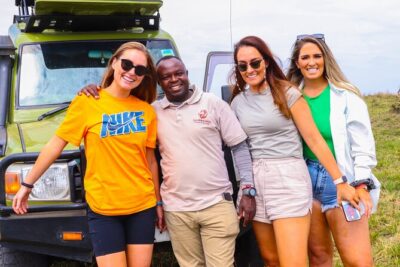
One of the best parts of a guided safari is that you don’t need to guess. You can focus on scanning, watching behavior, and enjoying the moments. This operator is described as responsive and organized, and names you may see connected with the service include Monica as a tour manager and Ben as a guide in some experiences.
For the safari guide role, Martin is one name that comes up for strong guiding support. If you end up with a similar guide, it’s smart to ask simple questions in the first hour of each day: where are they likely to find activity, what to watch for in herd behavior, and which animals are usually more visible at that time of day.
Even with a great guide, you get the best experience when you stay alert and patient. Migration safaris can be unpredictable. Your job is not to force luck. Your job is to be ready when luck shows up.
Who should book this Masai Mara migration safari?
This safari makes sense if you want:
- A structured 5-day plan with multiple game-drive opportunities
- Migration time on the Mara River for the crossing chance
- Big Five viewing goals alongside the migration story
- A private group format where your schedule does not feel like a shared checklist
It’s also a good match for people who want a mix of comfort and adventure. You get a hotel night in Nairobi before heading into the reserve, and you spend the river day returning to lodge for dinner and overnight.
This may be less ideal if you dislike long drives or you know you struggle with early starts. The plan asks for moderate physical fitness, and the schedule is built around early access and sustained time outdoors.
Should you book? My decision guide
Book it if you care about doing migration-focused safari time with real river-day planning, plus additional reserve drives before and after. The schedule is built for sightings: a briefing day into the reserve, a dedicated river day with picnic lunch, and then more drives where predators and herd movement keep the action moving.
Don’t book it if your main goal is only guaranteed wildlife, with zero waiting. Migration safaris are living wildlife events, not theme parks. You’re there for chances. This plan gives you several chances, not just one.
FAQ
What city does the safari start from?
The safari starts in Nairobi, Kenya, with meet-and-assist at Jomo Kenyatta International Airport.
How long is the Masai Mara wildebeest migration safari?
It runs for about 5 days.
What is the price per person?
The price listed is $2,660.00 per person.
Is pickup included?
Yes. Pickup from your Nairobi hotel is included, and you also receive meet and assist services at the airport.
Is this a private safari?
Yes. Only your group will participate.
Is there a safari briefing before entering the reserve?
Yes. On the route to Maasai Mara, there is a safari briefing session with a tour consultant.
Does the trip include time at the Mara River?
Yes. Breakfast is followed by time at the Mara River with a picnic lunch, aiming to see possible river crossings.
What lodge options are mentioned for the Masai Mara stay?
The plan names Mara Leisure Lodge or Sopa Lodge.
Is admission included?
Admission is listed as free for Day 2 and Day 4, and included for Day 3.
What if the safari can’t run due to weather?
This experience requires good weather. If it’s canceled because of poor weather, you’ll be offered a different date or a full refund.
If you want a meal in Nairobi on the last day, is it optional?
Yes. There is an optional lunch at the Carnivore Restaurant, listed at US$45 per person.
More Tour Reviews in Nairobi


Chasing the Migration
Into the Mara Another Way

Everything else we hold on Nairobi
- 7 Days Private 4 star lodges Safari by LandCruiser from Nairobi★ 5.0 · 3 reviews
- 5 Days/4 Nights Kenya Safari★ 4.5 · 3 reviews
- Safari Park Hotel Show & Dinner Experience In Nairobi Tour★ 3.6 · 3 reviews
- Day safari to Olpejeta Rhino conservancy★ 5.0 · 3 reviews
- 7 Days Breathtaking Kenya Wildlife Private Safari★ 5.0 · 3 reviews
- Overnight Amboseli National Park Safari from Nairobi★ 5.0 · 3 reviews
Maasai Mara Safaris, compared.
 ★ 5.03 Days Masai Mara Group JoiningFrom $540486 reviews
 ★ 4.5From Nairobi: 3 Days, 2 Nights Maasai Mara Group SafariFrom $199394 reviews
 ★ 5.05 Days Masai Mara, Lake Nakuru & Naivasha Budget Joining SafariFrom $810229 reviews
 ★ 5.03 Days Gamedrive Safari In Masai Mara From NairobiFrom $555207 reviews
 ★ 4.6From Nairobi: 3 – Days Maasai Mara Group Safari by 4WDFrom $240205 reviews
 ★ 4.53 Days Maasai Mara Guided Safari from NairobiFrom $196195 reviews
 ★ 5.03 Day Masai Mara SafariFrom $929177 reviews
 ★ 5.03 days group joining safari to Maasai Mara with a Land Cruiser JeepFrom $221173 reviews
Appears in these lists