
REVIEW · MAASAI MARA SAFARIS
3-day Masai Mara Safari Tour to see the big five and wildebeest migration
Wildlife wakes you up at dawn. This 3-day Masai Mara safari is built for real sightings, with a small group and overnight tented camp stays inside the reserve so you hear the bush after dark. You are coming from Nairobi by vehicle, then spending your days on guided game drives in Kenya’s classic Big Five country.
What I like most is how the small group size keeps your day feeling personal, not chaotic. The other standout is sleeping in a camp inside the park, where the experience does not stop when the sun goes down.
One thing to keep in mind: three days is tight for chasing the full Big Five and the wildebeest migration at the same time, so you should treat any single animal sighting as a bonus, not a guarantee.
In This Review
- Key safari takeaways before you go
- Nairobi-to-Masai Mara: a fast route to real safari time
- Small-group days that feel less like a bus tour
- Day 1: Rift Valley drive, Narok lunch, and your first Masai Mara game drive
- Day 2: Mara River full-day game drives and orange-tinged sunsets
- Day 3: early morning cat-spotting drive, then back to Nairobi
- Staying in a budget en-suite camp inside the reserve
- What is actually included, and what you should plan for
- Who this tour fits best, and who should think twice
- Notable guide and service signals from the feedback
- Should you book this 3-day Masai Mara Big Five safari?
- FAQ
- What is the start time for the tour?
- How many people are in the group?
- What does the price include?
- Where do you sleep during the safari?
- Is the wildebeest migration included?
- Can I cancel for a refund?
Key safari takeaways before you go
- Max 7 travelers means more flexibility for spotting and fewer people competing for the best angles
- Camp inside the park so you get that true night-in-the-wild feeling, with animal sounds right from your tented campsite
- Big Five focus with full-day game drives and early starts for the best odds on cats
- Migration season timing (July to October) if you want wildebeest action, plan around the calendar
- Pro driver-guide support and strong organization, with guide names like Steve, Daniel, and Albert showing up in the feedback
Other Mara operators, set against one another
Nairobi-to-Masai Mara: a fast route to real safari time
This tour is designed for people who want Masai Mara without a long, complicated chain of transfers. You start in Nairobi, get picked up in the morning, then head down through the Great Rift Valley escarpment. That drive matters because it gets you into safari territory with enough time to actually do your first game drive and settle into camp the same day.
Once you are in the reserve, the rhythm is simple and effective: early viewing, lunch and breaks built around the day, then more game drives when animal activity is strongest. You do not have to guess what to do next. The professional driver-guide runs the day and handles the driving logistics, including park entry and the basic safari schedule.
Small-group days that feel less like a bus tour
A cap of 7 travelers changes the whole vibe. In a smaller group, you tend to get:
- Easier conversations with your driver-guide while you are waiting for animals
- Fewer eyes staring at the same spot, which helps you spot movement sooner
- More patience when the game-drive flow slows down, because you are not trying to herd a crowd
You also get a better chance at repeat viewing. Big cats can be unpredictable. Herd movement can shift by the hour. In a small group, you are less likely to feel like you are rushing through wildlife.
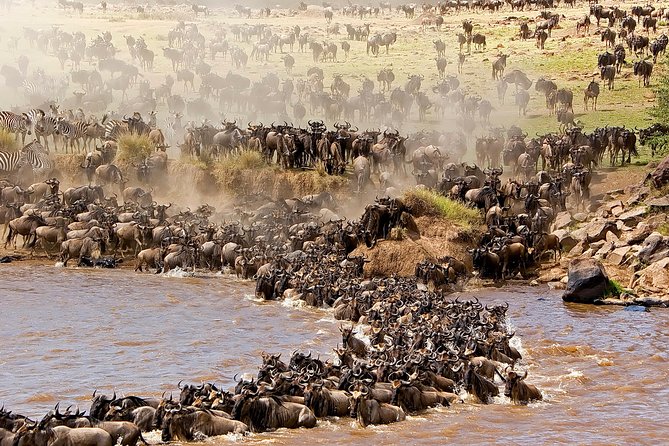
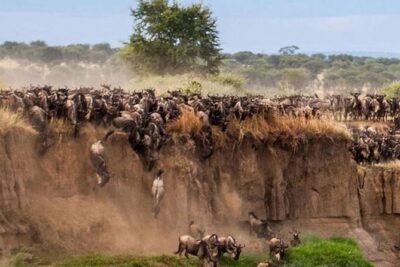
The other big reason this setup works is how it matches the migration period. The wildebeest migration runs from July through October. During that window, the animals are the headline, but your schedule is what determines whether you catch the moment. Here, you are out on drives on multiple days, which is exactly what you want when timing is everything.
Day 1: Rift Valley drive, Narok lunch, and your first Masai Mara game drive
Day 1 starts with hotel pickup around 8am (with a stated start time of 8:30am), so you do not lose half a day to slow mornings. After leaving Nairobi, you drive down toward Narok for lunch. The route goes through the Great Rift Valley floor, and even if your main focus is wildlife, this part is more scenic than you expect. It also helps you ease into Kenya’s big-sky feel before you hit the reserve.
Then you proceed into the Masai Mara for check-in at a tented camp. You have dinner and relax under the stars, with the day ending in the most safari way possible: falling asleep to the sounds of the bush.
Your first game drive is the real kickoff. You are not just driving around the park entrance area. You are in Masai Mara game reserve right away, and that matters because animals often make appearances when you arrive, not hours later. This early push sets up the tone for the rest of the safari.
Practical note: because you are getting in and out of the vehicle multiple times over the three days, bring a day bag you can keep close, plus a warm layer for evenings. Nights in a tented camp can feel cooler than you expect after a warm drive.
Day 2: Mara River full-day game drives and orange-tinged sunsets
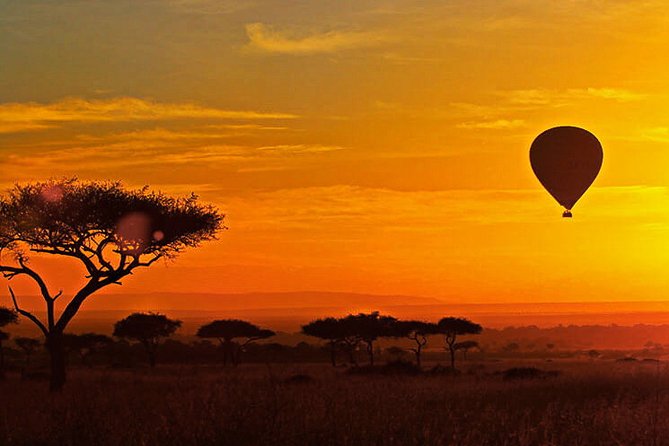
Day 2 is your longest stretch of wildlife time. After an early breakfast, you head out for a full day of game drives. The goal is Big Five sightings, plus everything else the Mara throws onto the plains.
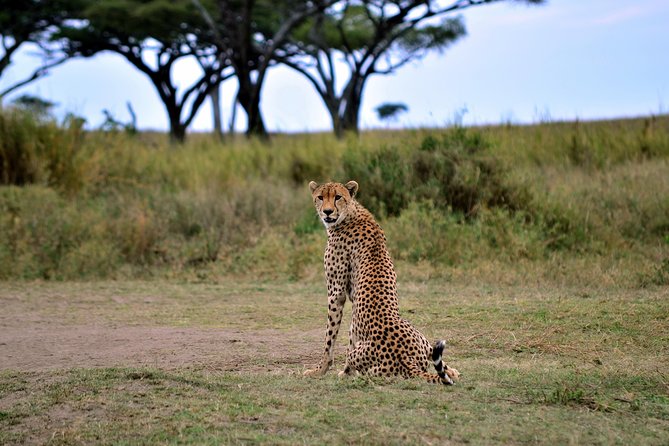
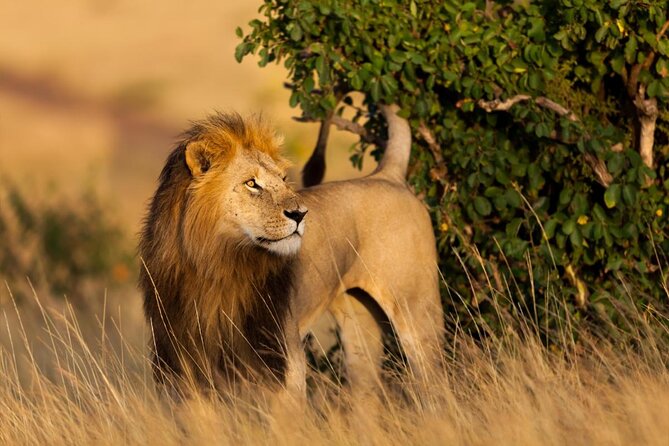
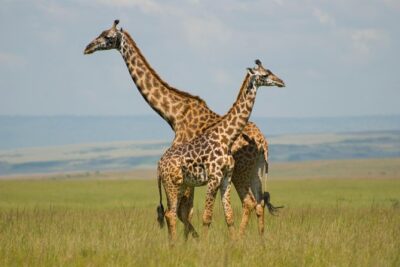
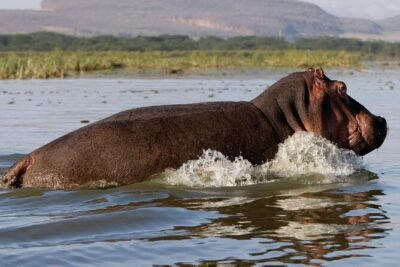
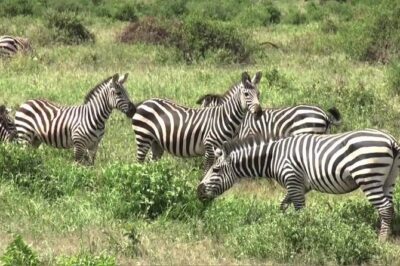
You are also given a clear sense of what the drive is like in this region. The Mara is described as offering frequent wildlife sightings, including giraffes, elephants, zebras, hippos, and more. You are also likely to run into lions lounging after meals or scanning the plains for the next opportunity. The cheetah activity is mentioned too, which is why your early timing later on matters.
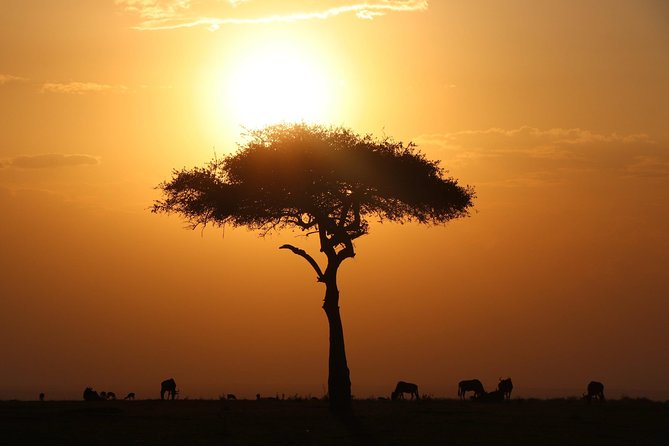
One of the nicest details from the day is the light. The sunsets here can be orange tinged, and that is a real mood changer on safari. If you are into photos, you will want to keep your camera ready at the edges of the drives, not just in the exact middle of an animal encounter.
Even when the Big Five are not all lined up on one day, the value of this full-day format is that you get pattern recognition. You start to see where animals hang out, how herds move, and what to watch for when you are scanning the grass and trees.
Crossing season is narrow. Other migration departures
Day 3: early morning cat-spotting drive, then back to Nairobi
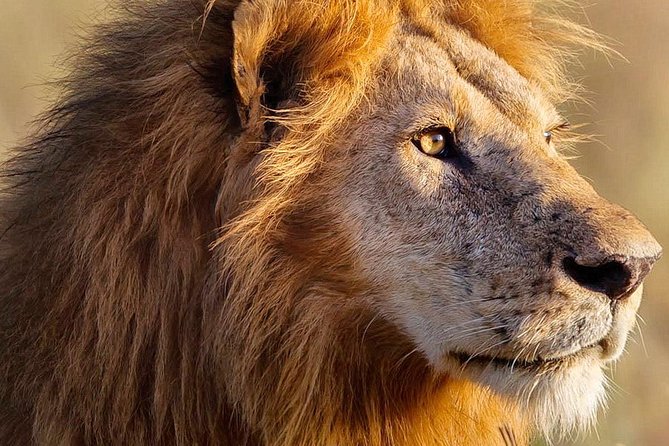
Day 3 starts early with a morning game viewing drive right after you wake up and have breakfast later. The timing is not random. It is described as being the best time to spot cats hunting. That detail matters because cats tend to move and hunt when conditions feel right, and you are being pushed into the earlier window to improve your odds.
After the morning drive, you return to camp for breakfast and check-out. Then you drive back to Nairobi, a 5 to 6 hour ride, arriving around 4pm. That return timing is good for two reasons. First, it keeps you from ending the safari in the middle of the night. Second, it gives you a reasonable landing point for your next day plans.
If you are trying to stitch your safari onto a broader Kenya trip, this is also handy: you start in Nairobi and end back there the same afternoon, so you can connect to city time or flights without a big extra logistics headache.
Staying in a budget en-suite camp inside the reserve
Your home base is an en-suite budget camp in the Masai Mara for 2 nights, with a tented setup. This is one of those choices that hits the sweet spot for many first-time safari travelers.
You get:
- Real overnight time in the park, not just a day-trip drive and back
- The soundscape of the bush from the campsite, which is one of the highlights
- En-suite comfort, so you are not dealing with the most basic and uncomfortable version of camping
At the same time, it is not a luxury lodge experience. That can be a positive. You are out in the field all day. Your goal is to spend money on time with animals and a well-run day plan, not on lavish indoor amenities you barely use.
What is actually included, and what you should plan for
This tour prices at $700 per person and includes the basics that usually sneak up on you in safari budgets.
Included:
- Hotel pickup and drop-off
- Transport in a private vehicle with a professional driver-guide
- Park fees and handling charges (so you are not paying separately at the gate)
- 2 nights accommodation in an en-suite budget camp
- Meals: 2 dinners, 3 lunches, 2 breakfasts (drinks not included)
Not included:
- Drinks, gratuity, laundry, and personal effects
- Optional activities not mentioned in the plan
Value check: at this price point, what you are really buying is access plus time. You get multiple drives over three days, and you stay inside the reserve for two nights. That combo is why this feels budget-friendly rather than cheap. If you try to piece together transport and entry fees yourself, you often lose the convenience and the scheduling.
For budgeting, plan to add:
- A reasonable amount for drinks
- Tips for your driver-guide, since gratuity is not included
- Any camera supplies, chargers, and snacks you want outside the meal plan
Who this tour fits best, and who should think twice
This safari is a strong match if you want:
- A shared tour that still stays small (max 7)
- A classic Masai Mara experience focused on Big Five wildlife
- A realistic starter safari from Nairobi, without chaining extra hotel nights in between
- A chance at wildebeest migration viewing during July to October
It is also a good option for families, because the tour says most travelers can participate, and there is a child rate when sharing with two paying adults. Just remember the standard rule listed here: children must be accompanied by an adult.
Who might think twice:
- If you are extremely strict about seeing all Big Five in one trip, remember three days is short. Your odds are helped by early starts and multiple drives, but it still depends on where animals are when you are there.
- If rhinos are your top must-see, plan carefully. One person noted seeing pretty much all the animals they hoped for except rhinos, and they suggested that a longer option that includes Lake Nagu could improve the situation. That is a good clue to consider a longer itinerary if rhinos are non-negotiable for you.
Notable guide and service signals from the feedback
While the schedule is the backbone, your driver-guide shapes the experience day to day. The feedback highlights consistent professionalism and comfort. Names like Steve, Daniel, and Albert come up in the comments, and the common thread is smooth communication and early starts.
For you, that means less uncertainty:
- You are picked up reliably
- You get clear help during game drives
- You can ask questions and get straightforward answers
- The day runs on time, so you are not wasting safari hours
And yes, it also matters for stress. Safari days are long. When the vehicle and driver are solid, you have more mental energy to focus on spotting movement in the grass.
Should you book this 3-day Masai Mara Big Five safari?
I would book it if you want a well-priced Masai Mara introduction with real time in the reserve and the best chance at migration season energy between July and October. The small group size, tented camp inside the park, and the multi-day driving plan are the strongest reasons.
I would hesitate if you are chasing one very specific outcome, like a guaranteed full Big Five checklist in exactly the same places and same days. Three days can deliver an unforgettable safari, but it cannot control where the animals decide to be.
If you are flexible, camera-ready, and excited by the idea of waking up to the bush, this tour is a smart way to spend a few days in one of Africa’s most iconic wildlife zones.
FAQ
What is the start time for the tour?
The tour starts in the morning, with a stated start time of 8:30am, and pickup from your hotel is listed as around 8am.
How many people are in the group?
This safari is capped at a maximum of 7 travelers.
What does the price include?
The price includes transport, park fees and handling charges, hotel pickup and drop-off, accommodation for 2 nights in an en-suite budget camp, and meals including 2 breakfasts, 3 lunches, and 2 dinners. Drinks and gratuity are not included.
Where do you sleep during the safari?
You sleep for 2 nights in a tented camp located within the Masai Mara National Reserve (Lenchada Tourist Camp or similar camp is mentioned).
Is the wildebeest migration included?
The tour is designed for wildebeest migration season viewing from July through October.
Can I cancel for a refund?
Free cancellation is available up to 24 hours in advance for a full refund.
More Tour Reviews in Nairobi


Chasing the Migration
Into the Mara Another Way

Everything else we hold on Nairobi
- 7 Days Private 4 star lodges Safari by LandCruiser from Nairobi★ 5.0 · 3 reviews
- 5 Days/4 Nights Kenya Safari★ 4.5 · 3 reviews
- Safari Park Hotel Show & Dinner Experience In Nairobi Tour★ 3.6 · 3 reviews
- Day safari to Olpejeta Rhino conservancy★ 5.0 · 3 reviews
- 7 Days Breathtaking Kenya Wildlife Private Safari★ 5.0 · 3 reviews
- Overnight Amboseli National Park Safari from Nairobi★ 5.0 · 3 reviews
Maasai Mara Safaris, compared.
 ★ 5.03 Days Masai Mara Group JoiningFrom $540486 reviews
 ★ 4.5From Nairobi: 3 Days, 2 Nights Maasai Mara Group SafariFrom $199394 reviews
 ★ 5.05 Days Masai Mara, Lake Nakuru & Naivasha Budget Joining SafariFrom $810229 reviews
 ★ 5.03 Days Gamedrive Safari In Masai Mara From NairobiFrom $555207 reviews
 ★ 4.6From Nairobi: 3 – Days Maasai Mara Group Safari by 4WDFrom $240205 reviews
 ★ 4.53 Days Maasai Mara Guided Safari from NairobiFrom $196195 reviews
 ★ 5.03 Day Masai Mara SafariFrom $929177 reviews
 ★ 5.03 days group joining safari to Maasai Mara with a Land Cruiser JeepFrom $221173 reviews
Appears in these lists