
REVIEW · OL PEJETA AND SAMBURU SAFARIS
3-Day Samburu safari from Nairobi
Samburu starts before sunrise. This 3-day safari heads north from Nairobi into Samburu, where you’ll look for rare species like reticulated giraffes and long-necked gerenuk. You also get time by the Ewaso Nyiro River, the one associated with crocodiles in this region.
I love the wildlife mix here, especially the chance to see animals you do not get on every Kenya itinerary. And I like that you travel with a professional English-speaking driver and guide, with air rescue arranged through AMREF.
One thing to weigh: this is an active, game-drive-heavy route with early starts, and drinks (including alcohol) cost extra. If you want a slow, lounge-only pace, this one may feel a bit full-on.
In This Review
- Key things I’d plan around
- Why Samburu feels different from most Kenya safari stops
- Day 1: Nairobi to Samburu via Mount Kenya, Nanyuki, and the Equator
- Samburu National Reserve on Day 1: your first dusk sightings
- Day 2: Full morning game drive, sunset light, then Shaba National Reserve
- Day 3: Rugged Samburu morning, breakfast, then the long return to Nairobi
- Transport, guides, and the small-group advantage
- Value check: does $630 buy you a smart 3-day safari?
- Timing and what to expect from the day-to-day rhythm
- Who this safari is best for
- Should you book this 3-day Samburu safari from Nairobi?
- FAQ
- What is the duration of the 3-day Samburu safari?
- How much does the safari cost per person?
- What’s included in the price?
- Are beverages or alcohol included?
- Do I get hotel pickup and airport transfer?
- How many people are in the group?
- Is there mobile ticketing?
- What time does the tour start in the morning?
- What happens if weather conditions are poor?
- Is there free cancellation?
Key things I’d plan around
- Small group cap (max 6 travelers) means you typically get more attention during spotting time
- Pop-up roof safari minivan keeps game viewing easy from your seat
- Samburu plus Shaba gives you two different reserve vibes in just 3 days
- AMREF air rescue is included for peace of mind
- Meals and entry fees are covered, so your budget stays simpler
Further inland still, Ol Pejeta and Samburu
Why Samburu feels different from most Kenya safari stops
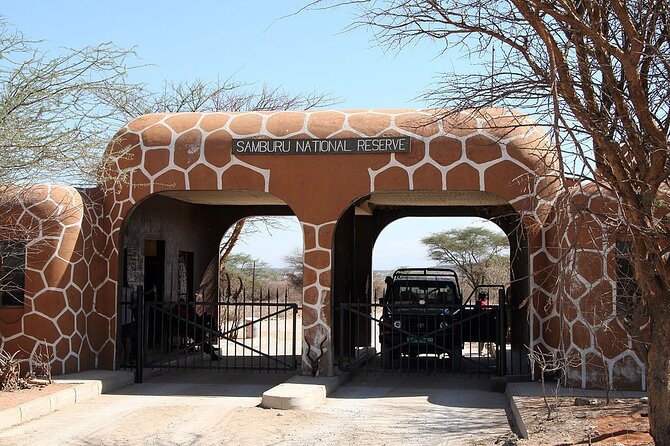
Samburu is not the same kind of wildlife country as the green, river-laced parks you may picture first. Here, the scenery tends to look tougher, more dramatic, and more open, which changes how you spot animals. The big payoff is that Samburu is known for rare or easily missed species, like reticulated giraffes and long-necked gerenuk. If you care about variety, not just the same few animals in the same order, this is a strong match.
You also get a chance to connect the dots between geography and wildlife behavior. Northern Kenya’s river systems, including the Ewaso Nyiro River area, are the kind of place where you can understand why predators and reptiles hang around water. Even when the sightings are not guaranteed, the setting helps you read what you’re seeing.
And yes, it’s a safari. Meaning you’ll spend lots of time scanning, waiting, and then suddenly getting rewarded. Expect dust on your shoes and a very real urge to take one more photo.
Day 1: Nairobi to Samburu via Mount Kenya, Nanyuki, and the Equator
Your day starts early. You’ll be picked up from your hotel after an early breakfast around 6:30 am, then transfer north toward the Mount Kenya area. The drive includes a stop in the agricultural region around Mount Kenya, where you can see the Del Monte pineapple connection.
You’ll also cross the equator shortly before reaching Nanyuki. It’s one of those quick moments that makes the trip feel real, not just a checklist of parks. In Nanyuki, lunch is served at a budget hotel, so you get a basic break from the road before continuing onward.
From there, you head to Samburu via Isiolo, check in at camp, and then shift into safari mode. Day 1 includes an afternoon arrival, so you may have time for a swim or a siesta before the evening drive. That matters. When you arrive late in the day, it’s nice to have the option to reset instead of rushing straight into a full night drive.
That first game drive is designed to get you close to wildlife action right away. You’ll be out for about two hours and you may go near an area referred to as the elephant bedroom tower. Even if the label is playful, the intent is serious: find elephants and other common Samburu mammals early, while daylight is still usable.
Samburu National Reserve on Day 1: your first dusk sightings
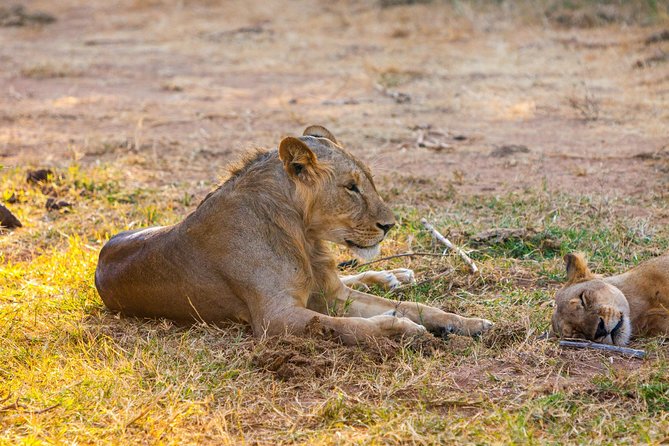
Once you’re in Samburu, the best part of the first evening is rhythm. You’ll drive, stop, scan, and then watch the landscape for signs of movement. This reserve is known for clear viewing in many areas, so your driver and guide can set you up for the right angles.
On the animal side, the day 1 plan calls out sightings like elephants, cheetah, cape buffalo, hippo, olive baboon, and warthogs. If you’ve never watched hippos in a more rugged setting, it can feel oddly out of place, like they do not belong anywhere except water. Cheetah sightings are also possible here, which is always a thrill because cheetah are often moving and not always easy to spot.
Practical note: on an evening drive, the light changes fast. That means you’ll want to keep your camera ready, but do not burn all your time photographing everything. Sometimes the best viewing happens in that calm moment right before the next animal moves.
Day 2: Full morning game drive, sunset light, then Shaba National Reserve
Day 2 is a classic safari pattern: breakfast, then straight into a morning game drive. The morning plan is built around broad wildlife chances, including leopards, hippos, elephants, lions, and giraffes. Morning is often when you’re most likely to get movement. It’s also when eyes tend to adjust fastest, since the light is not yet harsh.
After the morning drive, you return for lunch at the lodge. Then you get relaxation time. This is not wasted downtime. It lets you recover from the “always scanning” part of safari life, and it helps you enjoy the afternoon drive more, instead of just rushing through it.
In the afternoon, the plan shifts back to another evening game drive, with sunset viewing. Sunset drives can be magical because you get long shadows, warmer tones, and often a calmer mood on the roads. The key is to stay patient. Animals know the schedule too, just in their own way.
Then, part of day 2 focuses on Shaba National Reserve. The Shaba portion is aimed at prowling predators and rare Samburu-area wildlife, including Blue-Necked Ostrich and Grevy’s zebra. Even if you do not see every listed species, Shaba’s goal is clear: chase the rarities and the action, not just the common animals.
Other Nairobi bookings that survived the same scrutiny
Day 3: Rugged Samburu morning, breakfast, then the long return to Nairobi
On your final day, you get another morning in Samburu, designed around discovering the rugged terrain and getting one last round of sightings. The idea is simple: use the morning energy while the day is still fresh, then tie it all together with breakfast.
After that, you depart for Nairobi. The time estimate for day 3 includes a long travel day, so build in the expectation that this is not a quick drop-off. You’ll be spending the day transitioning back from reserve time to city life.
This last day is where a lot of safari trips either feel rushed or feel satisfying. With this setup, you at least get a proper morning in the field before the drive back, instead of just a checkout scramble.
Transport, guides, and the small-group advantage
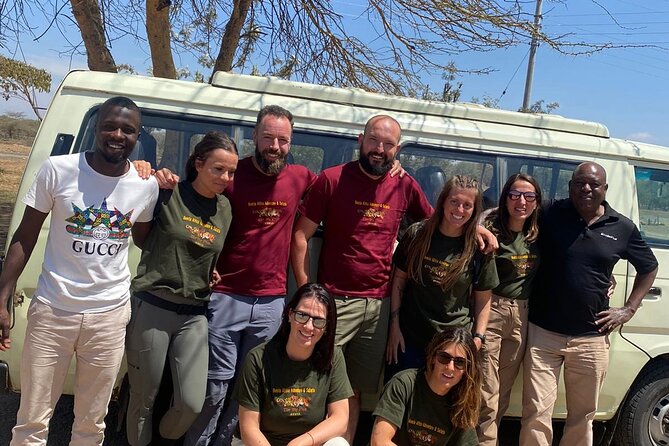
This tour runs in a safari-modified minivan with a pop-up roof. That single detail changes the whole experience. You’re not stuck peering through glass. You can spot animals more easily, and you can keep your viewpoint stable when something appears at a distance.
The tour also includes a professional English-speaking driver and guide, plus air rescue by AMREF. That is a real inclusion, and it matters if you are the kind of traveler who likes knowing help exists when you need it. Safety and organization are not “extras” on a safari. They directly affect how much you can relax.
You’re capped at a maximum of 6 travelers, and that small-group size tends to make the experience feel less chaotic. You also typically get more flexibility in where the guide spends time when an animal appears.
In the broader Bencia Africa Adventure & Safaris experience, owner Alfred is described as patient and responsive with questions, and Joseph is mentioned for clear explanations and strong guidance. When a team communicates well about what you’re seeing, your whole safari becomes more than the photos.
Value check: does $630 buy you a smart 3-day safari?
At $630 per person for about 3 days, the value comes down to what’s covered. Here, you get a lot included: transport in the safari-modified minivan, all entry fees and taxes, game drives as per the itinerary, two breakfasts, two lunches, and two dinners. Pickup and drop-off at hotels and the airport are also included, plus AMREF air rescue coverage.
That means you are not paying separately for most of the main costs that usually add up during a safari. The only clear extra listed is beverages and alcohol drinks, which you can purchase.
So the real question is fit. If you want a structured route from Nairobi with guides handling the driving, fees, and game-drive access, this price structure is practical. If you already have your own guide and vehicle, then the deal might feel less special. For most people starting from Nairobi with limited time, it’s a straightforward way to buy the big safari pieces without the headache.
Timing and what to expect from the day-to-day rhythm
This itinerary is designed around daylight, and it keeps you moving. You’ll start early on at least two days. You’ll likely spend time in the field in both morning and evening drives, then return for meals and downtime.
That rhythm is exactly what most safari travelers want, but it does come with a tradeoff: you do not get long, slow afternoons with nothing planned. On day 1, you do get the option for swim or a siesta before the evening drive, which helps. On day 2, you get a relaxation window after lunch before heading out again.
If you pack for a “go-go” schedule, you’ll enjoy the trip more. Think layers for cool morning air, a hat for sun, and a camera strategy that does not require constant fiddling.
Who this safari is best for
This 3-day Samburu experience is a strong choice if you want:
- Rare northern Kenya wildlife like reticulated giraffes and long-necked gerenuk in a tight timeframe
- A mix of reserves, including Shaba for rare species chances
- A small-group safari with a pop-up roof vehicle
- Peace of mind from included AMREF air rescue coverage
It’s also ideal if you want a guided, low-planning safari from Nairobi. You get pickup, meals, and fees handled, so you can focus on spotting.
Should you book this 3-day Samburu safari from Nairobi?
If your priority is wildlife variety, rare species, and real game-drive time without spending days on logistics, I’d book this. The value is solid because entry fees, meals, and game drives are included, and you’re not guessing how the trip will run.
I would reconsider if you:
- Hate early starts or want a slower pace
- Do not want a schedule built around morning and evening drives
- Assume drinks are included, since they are not
Bottom line: if you want northern Kenya safari energy, with a small group, strong guiding, and a practical price that covers the core costs, this is an easy yes.
FAQ
What is the duration of the 3-day Samburu safari?
It runs for 3 days (approximately). The itinerary includes drives from Nairobi into Samburu, game drives across Samburu and Shaba, and a final return day back to Nairobi.
How much does the safari cost per person?
The price is $630.00 per person.
What’s included in the price?
Pickup and drop-off (hotel and airport), transport in a safari-modified minivan with pop-up roof, a professional English-speaking driver and guide, AMREF air rescue, all entry fees and taxes and game drives as per the itinerary, plus meals: breakfast (2), lunch (2), and dinner (2).
Are beverages or alcohol included?
No. Alcohol drinks and beverages are not included and can be purchased.
Do I get hotel pickup and airport transfer?
Yes. The tour includes hotel and airport pickup and drop-off.
How many people are in the group?
The maximum group size is 6 travelers.
Is there mobile ticketing?
Yes. Mobile ticket is included.
What time does the tour start in the morning?
The listed start time is 7:30 am. Pickup is described as starting around 6:30 am after an early breakfast.
What happens if weather conditions are poor?
The experience requires good weather. If it is canceled due to poor weather, you will be offered a different date or a full refund.
Is there free cancellation?
Yes, free cancellation is offered if you cancel at least 24 hours in advance of the experience start time. If you cancel less than 24 hours before, the amount paid is not refunded.
Other Kenyan Safaris We Rated

More Tour Reviews in Nairobi



North to Ol Pejeta and Samburu


Everything else we hold on Nairobi
- 7 Days Private 4 star lodges Safari by LandCruiser from Nairobi★ 5.0 · 3 reviews
- 5 Days/4 Nights Kenya Safari★ 4.5 · 3 reviews
- Safari Park Hotel Show & Dinner Experience In Nairobi Tour★ 3.6 · 3 reviews
- Day safari to Olpejeta Rhino conservancy★ 5.0 · 3 reviews
- 7 Days Breathtaking Kenya Wildlife Private Safari★ 5.0 · 3 reviews
- Overnight Amboseli National Park Safari from Nairobi★ 5.0 · 3 reviews
Ol Pejeta and Samburu Safaris, compared.
 ★ 5.0Samburu, Lake Nakuru & Masai Mara 6 Days Private 4×4 Jeep SafariFrom $5,98048 reviews
 ★ 5.0Samburu/ Aberdare/ Lake Nakuru/ Masai Mara 7 Days SafariFrom $1,93537 reviews
 ★ 5.0Olpejeta, Lake Naivasha, Masai Mara 5 Days Private Kenya Jeep tourFrom $2,88034 reviews
 ★ 5.07-Days Kenya Safari Samburu, Aberdare, Lake Nakuru, & Maasai MaraFrom $4,99029 reviews
 ★ 4.5Ol Pejeta Conservancy Day Tour from NairobiFrom $38018 reviews
 ★ 5.0Day Tour to Ol Pejeta ConservancyFrom $38316 reviews
 ★ 5.05 Days Maasai mara, Lake Nakuru, samburu private lodge safariFrom $4,14215 reviews
 ★ 4.5Day trip to Ol Pejeta conservancy from NairobiFrom $16314 reviews
Appears in these lists