
REVIEW · MAASAI MARA SAFARIS
Samburu, Lake Nakuru & Masai Mara 6 Days Private 4×4 Jeep Safari
Wild Kenya in one tight week. This private 4×4 Jeep safari strings together three top reserves, so you switch ecosystems fast and keep the sightings rolling. I like the mix of Samburu river country, Lake Nakuru’s bird life, and Maasai Mara’s open savannah, plus the fact that you travel with a driver-guide who can explain what you are seeing.
I also love how the days are built around real game-viewing time, not just check-the-box stops. From the afternoon drives in Samburu and Shaba/Buffalo Springs to the full-day unlimited game viewing in Maasai Mara, you spend your effort where wildlife actually shows up. Lodging and meals are pre-booked and handled, which makes this feel like a smooth package at a very “hands-off” level.
One drawback to consider is the sheer amount of time in the jeep. Even in a well-run safari, you can feel it in your body, so plan for long seating stretches. And I would also pay attention to serious complaints about payment problems, since that can affect how parks and bookings get handled before you arrive.
In This Review
- Key things that matter on this Samburu, Nakuru, and Maasai Mara route
- A private 4×4 Jeep safari that actually changes habitats
- Day 1 through Samburu: the drive in, Mount Kenya views, then first game sightings
- Day 2 in Samburu: dry-country wildlife around the Ewaso Nyiro River
- Day 3 to Lake Nakuru: birds, rhinos, and the Nyahururu Thompson Falls stop
- Day 4 to Maasai Mara: Rift Valley to savannah, plus your first Mara afternoon drive
- Day 5 in Maasai Mara: unlimited game drives, big cats chances, and the Mara River
- Day 6: one last pre-breakfast drive, then out to Nairobi by late afternoon
- Value and the real question: is this $5,980 per person worth it?
- What the best drivers do: finding animals and keeping it safe
- Lodges, tented camps, and meals: the comfort side of a long jeep week
- Logistics you should plan for on a 6-day Kenya route
- Should you book this Samburu, Lake Nakuru, and Maasai Mara safari?
- FAQ
- What time does the safari start?
- Do you offer pickup in Nairobi or from the airport?
- Is this safari private, or do I share it with strangers?
- Which national parks and reserves are included?
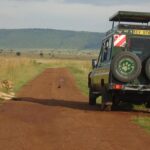
- Are the safari drives done in a 4×4 Jeep?
- Are accommodation and meals included?
- Are admission tickets included for the parks?
- Is there an option to visit a Maasai village?
- What is the cancellation refund schedule?
Key things that matter on this Samburu, Nakuru, and Maasai Mara route
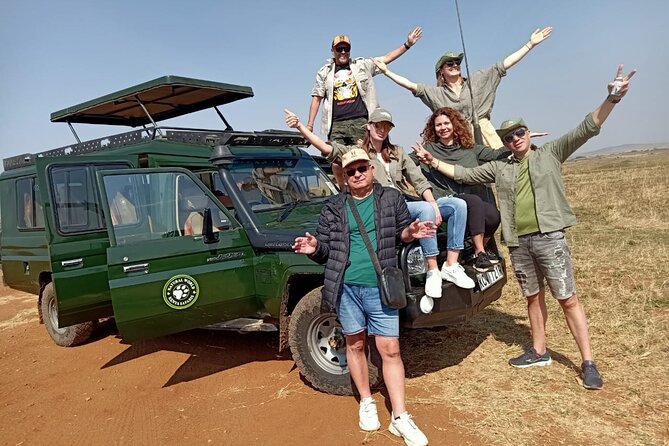
- Private jeep time across three ecosystems, so the scenery and animal behavior change day to day
- Samburu game viewing focused along the Ewaso Nyiro River, where wildlife concentrates
- Lake Nakuru bird focus plus rhinos, with a stop for Nyahururu’s Thompson Falls
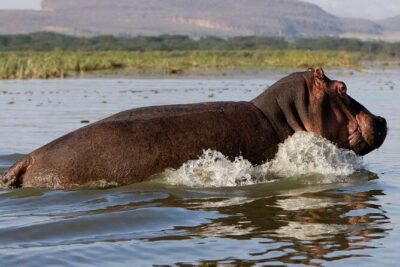
- Maasai Mara full-day unlimited game drives, plus chances around the Mara River for hippos and crocodiles
- Guide-led context that helps you read tracks, habitats, and animal behavior
- Private-group travel, so your schedule stays with your party instead of a big shared group
Other Mara operators, set against one another
A private 4×4 Jeep safari that actually changes habitats
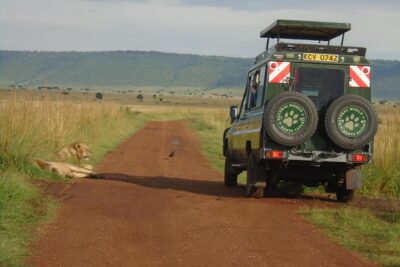
This is a straightforward safari concept, and I like it: you move through three major Kenya wildlife areas in six days, instead of staying put in only one. That matters because animals do different things in different places. In Samburu you get the dry, scrubby feel and river edges. In Lake Nakuru you hit the Great Rift Valley and the bird-and-wildlife zone around the lake. Then you land in Maasai Mara’s savannah, where you can spot more wide-ranging movement.
Because this is private, you also control your experience in a practical way. The schedule is still set, but game drives and pacing are adjusted to your group. That can mean better use of the daylight, less waiting around, and fewer compromises. You’re not stuck watching animals through someone else’s pace.
You should also know what “private” means here: only your group participates, so there’s no mixed group dynamic. That’s good for comfort and decision-making, especially on a route with early starts and long drive days.
Day 1 through Samburu: the drive in, Mount Kenya views, then first game sightings
You start early, with pickup arranged from Nairobi (airport or hotel) and a morning start around 7:00 am. The first day is not only about reaching Samburu. It’s about setting the Kenya scene as you drive through the central highlands.
On the way, you pass agricultural areas with coffee, tea, sisal, and pineapple, plus the smaller-scale subsistence farming you see around local homesteads. It gives you context for what Kenya’s landscapes are doing when they are not full of zebra.
If the weather cooperates, you also catch views of Mount Kenya with snow-capped peaks along the safari route. Even if you only see it briefly, it tends to set the tone: this is a high-country beginning to a wildlife-focused week.
Once you settle into Samburu, the afternoon drive kicks off your first real game viewing. You’ll be in the broader Samburu area with drives that include the Samburu, Shaba, and Buffalo Springs zones. The big practical value on day one is momentum. You get light hours for wildlife before you even fully “learn” the route.
What to watch for on day one: river-edge activity tends to matter here, and Samburu’s animals often show up in recognizable patterns near water and cover.
Possible tradeoff: day one includes travel and settling in, so you may feel a little travel-fatigue even if the first game drive goes well.
Day 2 in Samburu: dry-country wildlife around the Ewaso Nyiro River
Day 2 is one of the best “wildlife efficiency” days on the whole trip. You’re still in Samburu National Reserve, and the game viewing is concentrated along the banks of the Ewaso Nyiro River.
That single detail changes your odds. In dry-season country, animals do not spread out randomly. They gather where water and shade exist, so river-adjacent drives often feel like the safari equivalent of showing up at the right place at the right time.
You also get a more relaxed structure on paper, with time for game drives and downtime. That balance is practical. If you go hard every day from start to finish, your energy runs out. A slower interlude helps you stay sharp for the next wildlife push.
Overnight is again in the Samburu lodge or tented camp setup, so you don’t have to pack and move again immediately.
The biggest win here: you are not constantly changing locations. That improves your concentration during drives, and it can make it easier to spot animals that appear close to the same waterlines and thickets.
The physical consideration: you’re still in a jeep a lot. One review note that time in the jeep can be tough on the body, so take that seriously and plan accordingly.
Day 3 to Lake Nakuru: birds, rhinos, and the Nyahururu Thompson Falls stop
Leaving Samburu early makes sense because it gets you to the Rift Valley in time for day viewing. You start with a scenic drive out of the reserve, and there’s a scheduled stop at Nyahururu to see the Thompson Falls.
That stop is a nice reset. You get a water feature and a chance to stretch before you shift into Lake Nakuru’s special brand of wildlife viewing.
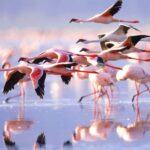
Lake Nakuru is often described as a bird paradise, and this plan leans into that. You’ll be in the Great Rift Valley with birdlife doing its thing, and the lake itself can bring flamingos (described as appearing in small groups) plus pelicans and other bird species.
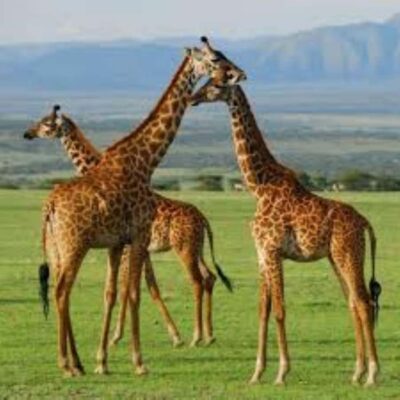
Then you have the part that many people come for: Lake Nakuru can host both black and white rhinos, along with lions, zebras, giraffe, warthogs, and even hippos. That range of species matters because it increases your chance of having a good day even if one group is quiet.
What this day feels like: different from Samburu. Samburu is dry-country drama and river edges. Lake Nakuru adds birds and denser lake-area activity, so your eyes get a new kind of work.
Day 3 drawback to plan for: bird and lake viewing can be slower than open-sight savannah viewing. You might have long stretches where you are scanning more than you are sprinting to the next animal.
Nakuru appears on many routes. Others listed below
Day 4 to Maasai Mara: Rift Valley to savannah, plus your first Mara afternoon drive
After the Lake Nakuru morning time, you head toward Maasai Mara National Reserve. This day is about transition, but it still includes wildlife time. You arrive in Mara with enough daylight for an afternoon game viewing drive.
Maasai Mara is famous for a reason, and the practical reason is habitat. The savannah and the open visibility make it easier to pick up movement and animal groups across distance. It also sets you up for the next day’s full-day drives when you’re ready to spend longer on spotting and positioning.
Overnight is in the Mara lodge or tented camp style accommodations. The goal is a rested start, because the next day runs hot.
Why I like the Mara pacing: you get one drive to get your bearings in the reserve, then you go all-in the following day.
Day 5 in Maasai Mara: unlimited game drives, big cats chances, and the Mara River
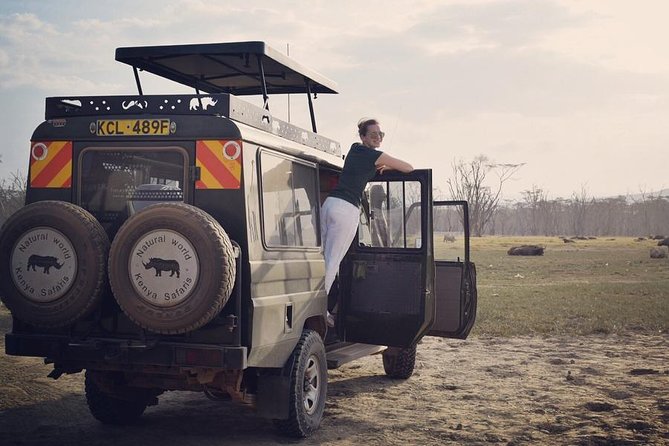
If you are hoping for the classic safari feeling, day 5 is the day. This is your full day of unlimited game viewing inside Maasai Mara, and it’s built around the reserve’s reputation for high wildlife concentration.
The plan also explicitly calls out the Big Five, plus “and more” of the lesser game. Even if every sighting doesn’t line up perfectly, the value here is that you are not locked into a short game drive window. You’re given time to wait, scan, and reposition, which is often what turns a decent drive into a great one.
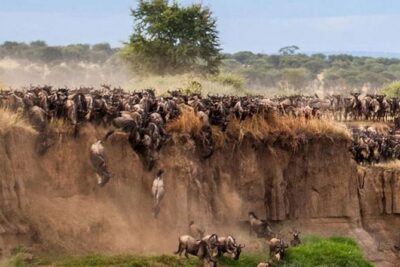
You’ll also visit the Mara River area. That matters because the river can bring animals that spend their time near water. The plan calls out hippos and crocodiles, and it also notes the possibility of the great migration from July to October.
That migration detail is worth taking seriously if your travel dates line up. The ecosystem changes when those herds move, and your scanning becomes more focused on patterns and crossings.
Possible reality check: migration season can be a show, but it can also mean the animals are moving constantly. That can reduce your “stationary” viewing time. It’s still a win, just a different kind of experience.
Practical tip from the way this day is set up: expect a long day. This is not the one where you should plan to do extra side activities. Let the jeep time be the whole event.
Day 6: one last pre-breakfast drive, then out to Nairobi by late afternoon
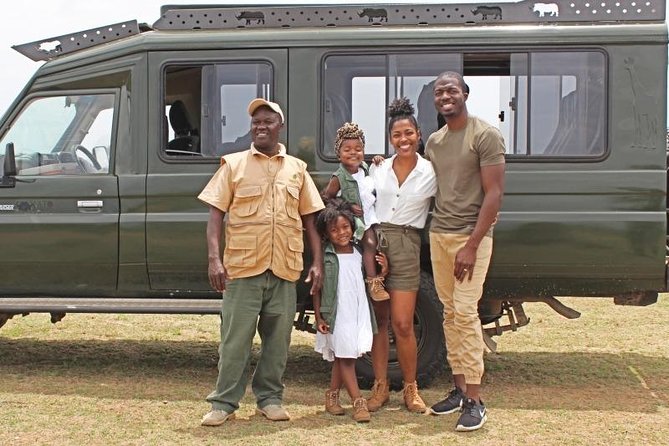
On your final day, you start with an early pre-breakfast game viewing drive. That early start is a standard safari move for a reason. Morning activity often brings action when animals are moving more and temperatures are lower.
After that, you do a final drive as you exit Maasai Mara, then depart for Nairobi. The plan is to arrive in the late afternoon, with safari finishing at approximately 4:30 pm.
This timing is actually helpful. You are not stuck in transit all night, and you have a cleaner sense of when you can expect the trip to wrap.
If you’re the type who likes closure: day 6’s structure makes it easier. You squeeze in one last wildlife window before leaving, rather than ending the safari with only driving.
Value and the real question: is this $5,980 per person worth it?
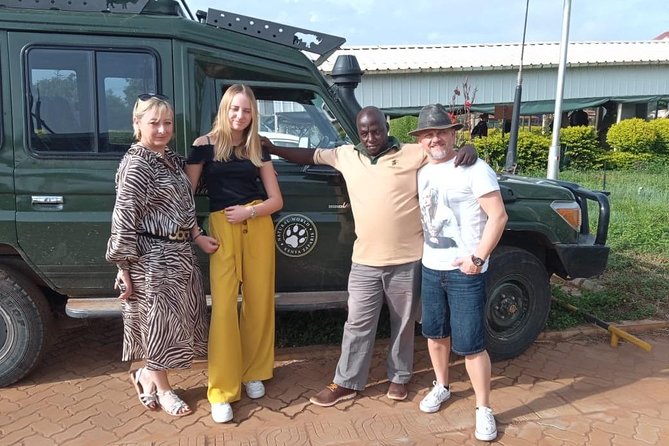
Let’s talk money without pretending it’s small. At $5,980 per person, you are paying for a private, multi-park, multi-day operation across Samburu, Lake Nakuru, and Maasai Mara, including accommodation, all-inclusive meals, comfortable ground transfers, and admission tickets.
That package can be good value compared to piecing things together yourself, especially when you factor in:
- A private jeep operation for days of driving
- Lodges or tented camps booked in advance
- Meal planning handled
- Park admission covered
- A driver-guide doing both driving and interpretation
Where people often get burned on expensive safaris is with “cheap” add-ons. Here, the structure is set up to avoid that kind of risk on paper, because admission tickets and meals are included and the accommodations are pre-booked.
Still, there is one caution I would treat like a flashing light: I saw serious complaints about payment issues and access problems linked to the tour company. I am not saying your experience will match that. But if you are spending at this level, you should do due diligence. Ask how park payments and tickets are confirmed, request clear written confirmation, and make sure you can verify your bookings are secure before you travel.
If you do that, the price looks more rational. You are paying to reduce friction and maximize time in the parks.
What the best drivers do: finding animals and keeping it safe
On safari, a good driver-guide turns a random drive into a targeted one. This tour specifically highlights that you get background information from your private driver and guide, and that can make a big difference in how rewarding the sightings feel.
In the experiences I saw reflected in guide names across similar trips, drivers and guides like Peter, Joseph, Caleb, Michael, Ben, Fred, Ken, and Kim Ngare came up with praise for safe driving, strong navigation in the parks, and staying on top of where animals were likely to be. That pattern matters because in a reserve, timing and positioning can be everything.
Also, the safety and rules aspect is real. You want a driver who knows where you can be, when you can stop, and how to keep things smooth around animals. Even when you see big cats or rhinos, the best outcome is often the one where nobody gets reckless and everyone gets respect from the driver’s discipline.
Another value point: a private guide can adjust pace and attention. If someone wants extra scanning for birds at Lake Nakuru, or extra focus on river activity at Mara, you can shape the day to match your group.
Lodges, tented camps, and meals: the comfort side of a long jeep week
This safari includes pre-booked accommodation and all-inclusive meals, which is a big deal over six days. It means you spend fewer mental cycles on food planning, timing meals, and figuring out what’s nearby.
The accommodations are described broadly as safari lodges or tented camps depending on the stop. In past feedback attached to this type of safari, people praised the service and food, and described lodges as characterful with scenic views.
One realistic note: your comfort can never fully “erase” the jeep time. At the same time, decent meals and good rest can help you handle it better. Since this route has long days, the lodging quality can quietly make or break your mood.
Logistics you should plan for on a 6-day Kenya route
This trip is built around early starts and multiple full or partial drive days. That works best if you travel with the mindset of safari rhythms, not city rhythms.
Here are the logistics points I’d actually plan around:
- Expect a 7:00 am start and early viewing mornings
- You’ll spend a lot of time in the jeep, and that can be physically tough for some people
- You will change locations across the trip, with overnight stops in Samburu, Lake Nakuru, and Maasai Mara
- You may have an optional visit to a Maasai village, which can add cultural depth without changing the wildlife focus too much
- You can count on included admission tickets, so you are not scrambling for park entry during the week
Should you book this Samburu, Lake Nakuru, and Maasai Mara safari?
I’d book it if you want a private, high wildlife concentration week that moves across Kenya’s three most famous nature areas, with your time placed where it matters, in game drives.
I would hesitate, or at least slow down and do extra homework, if you are sensitive to peace-of-mind issues around payments and operational follow-through. With premium pricing, you should confirm written details early and make sure your bookings and park access are secure before you leave home.
If you handle that risk check well, the format makes sense: Samburu for dry river wildlife, Lake Nakuru for birds and rhinos, then Maasai Mara for long drives and the Mara River connection. It’s an efficient safari plan, and for many people it feels like getting a lifetime highlight reel in just six days.
FAQ
What time does the safari start?
The start time is 7:00 am.
Do you offer pickup in Nairobi or from the airport?
Yes, pickup is offered from the Nairobi airport and from Nairobi hotels.
Is this safari private, or do I share it with strangers?
This is a private tour/activity, so only your group participates.
Which national parks and reserves are included?
You’ll visit Samburu National Reserve, Lake Nakuru National Park, and Maasai Mara National Reserve.
Are the safari drives done in a 4×4 Jeep?
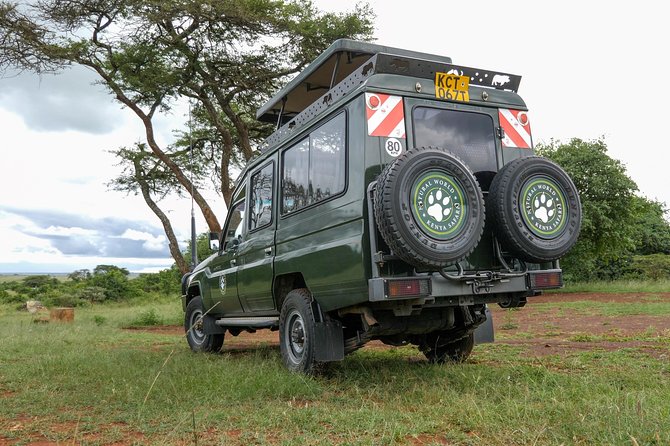
Yes, it’s a private 4×4 Jeep safari.
Are accommodation and meals included?
Yes, it includes pre-booked accommodation and all-inclusive meals.
Are admission tickets included for the parks?
Yes, admission tickets are included.
Is there an option to visit a Maasai village?
Yes, there is an optional visit to a Maasai village.
What is the cancellation refund schedule?
You can cancel up to 6 days in advance for a full refund. Cancelling 2 to 6 days before the experience start time gives a 50% refund. Cancelling within 2 days of the start time means no refund.
North to Ol Pejeta and Samburu
Around Lake Nakuru

Into the Mara Another Way
Everything else we hold on Maasai Mara National Reserve
- 2 days Amboseli National Park Safari★ 5.0 · 3 reviews
- Balloon Safari in Maasai Mara★ 4.5 · 3 reviews
- 3 Days Amboseli National Park★ 5.0 · 3 reviews
- Lake Naivasha Private Day Tour with Boat Ride from Nairobi★ 4.5 · 3 reviews
- Group Joining Nairobi National Park and Giraffe Center★ 5.0 · 3 reviews
- Hell’s Gate National Park Private Bike Tour from Nairobi★ 5.0 · 3 reviews
Maasai Mara Safaris, compared.
 ★ 5.03 Days Masai Mara Group JoiningFrom $540486 reviews
 ★ 4.5From Nairobi: 3 Days, 2 Nights Maasai Mara Group SafariFrom $199394 reviews
 ★ 5.05 Days Masai Mara, Lake Nakuru & Naivasha Budget Joining SafariFrom $810229 reviews
 ★ 5.03 Days Gamedrive Safari In Masai Mara From NairobiFrom $555207 reviews
 ★ 4.6From Nairobi: 3 – Days Maasai Mara Group Safari by 4WDFrom $240205 reviews
 ★ 4.53 Days Maasai Mara Guided Safari from NairobiFrom $196195 reviews
 ★ 5.03 Day Masai Mara SafariFrom $929177 reviews
 ★ 5.03 days group joining safari to Maasai Mara with a Land Cruiser JeepFrom $221173 reviews