
REVIEW · SAFARI
Vegans special safari
A vegan safari sounds unlikely, then it clicks fast. I love vegan meals built around local flavors, and I love the unlimited game drives that keep your camera busy in Kenya’s top parks. One thing to consider is the packed pace, with long days of driving between regions.
This is a private tour with pickup offered, and it starts on an arrival day that can run late. If you like a plan that stays organized, the operator’s leadership is known for keeping groups moving smoothly, with Andrew and his team often leading the charge.
At $3,076.93 per person, you’re paying for a full, high-comfort wildlife circuit, not just game drives. You get park and conservation entry fees, meals as indicated, double-room accommodation, and the local flight from Mombasa to Nairobi, but drinks during meals are not included.
In This Review
- Key highlights worth your attention
- Why this vegan safari in Kenya feels different
- Price and what you get for $3,076.93
- Nairobi first night, plus an instant taste of Kenya wildlife
- Day in Nairobi National Park and David Sheldrick Elephant Trust
- Maasai Mara game drives and the Mara River story
- Lake Naivasha boat tour and Crescent Island movie magic
- Lake Nakuru: rhinos, flamingos, and Masika waterfall
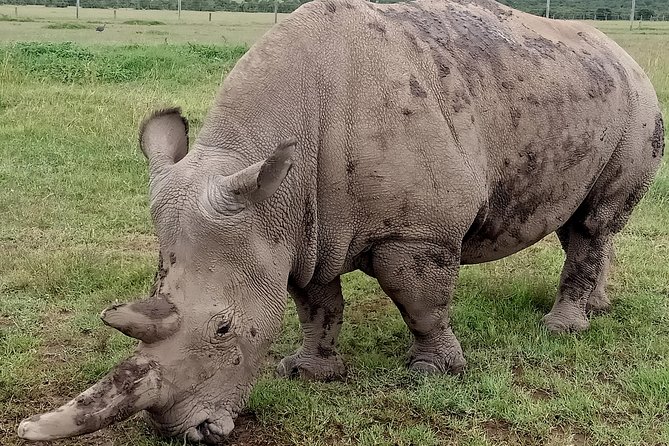
- Ol Pejeta Conservancy: rhino protection and a rhino grave yard visit
- Amboseli and Mount Kilimanjaro views
- Tsavo East: red elephants and a coastward finish
- How the vegan meal plan works in real safari life
- Conservation pieces that turn sightseeing into action
- Who should book this vegan safari
- Should you book this vegan wildlife safari?
- FAQ
- How many days is the vegan special safari?
- Where does the safari start?
- Is pickup offered?
- Is this tour private?
- Are meals included, and is the trip vegan?
- What is included in the price besides meals?
- Are drinks during meals included?
- Which animal and conservation experiences are included?
- How does the route end?
- What is the cancellation rule?
Key highlights worth your attention
- Vegan meals with a social mission, built for people who travel with plant-based diets
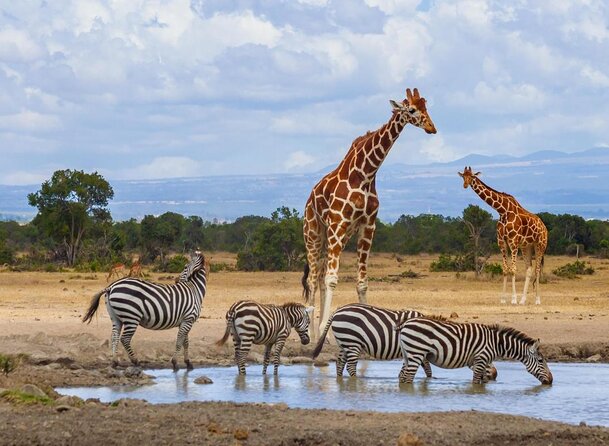
- Unlimited game drives across multiple world-famous parks and conservancies
- Elephant learning at David Sheldrick Elephant Trust, with baby elephants mud bath and feeding
- Big migration country in Maasai Mara, including the Mara River crossing area
- Rhino-focused conservation in Lake Nakuru and Ol Pejeta, plus a visit to a rhino grave yard
- A wide Kenya circuit, ending at the coast with a flight back from Mombasa
Other Nairobi bookings that survived the same scrutiny
Why this vegan safari in Kenya feels different
Most safaris are built around wildlife, full stop. This one adds a second mission, keeping the experience vegan and social, so you can spend the day spotting lions without having to hunt for safe food at night. The tour also leans into local flavors rather than treating vegan food like an afterthought, which is a big deal when you’re far from grocery stores.
I also like the way the trip is structured around repeated chances to see animals, not just a single “wildlife day.” You get plenty of time in the bush across several ecosystems, and that matters because sightings depend on time of day, weather, and where animals are moving. For you, it usually means more chances at the animals you came for, and more chances to nail photos.
The only drawback I’d flag is the rhythm. You’re spending a lot of time in vehicles over 12 days, and you’ll want a mindset that enjoys the journey. If you get grumpy about sitting in a car, build in patience, hydration, and a good playlist.
Price and what you get for $3,076.93
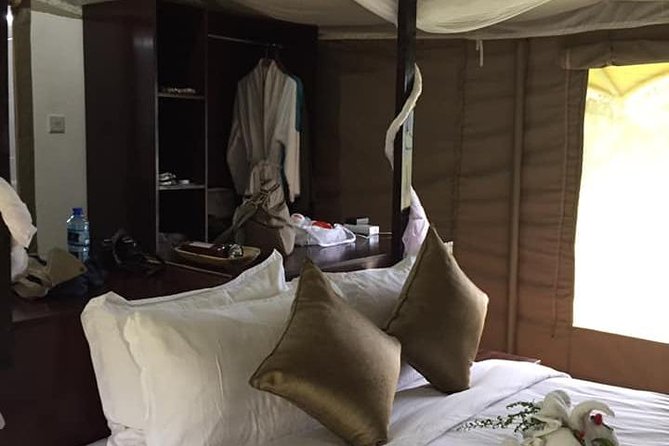
This price is not cheap, but it’s also not only a “vehicle plus driver” cost. You’re paying for a package that covers the expensive parts of an authentic Kenya wildlife circuit: park and conservation entry fees, government taxes, and all meals as indicated. You’re also getting accommodation based on two people sharing a double room, plus the internal flight from Mombasa to Nairobi.
Here’s how I think about the value: if you tried to build this yourself, the hard costs would add up fast. Entry fees and conservancy fees are real, and travel time between regions can mean extra nights. Bundling those pieces into one guided plan is where you usually feel the cost makes sense.
Do notice what’s not included. Drinks during meals are not covered, so budget for bottled water, soft drinks, or anything you like to sip with dinner and lunch. Also, the tour requires moderate physical fitness, which is important for boat time, walking around lodges, and being present for long days.
Nairobi first night, plus an instant taste of Kenya wildlife
Your trip begins with arrival at Jomo Kenyatta International Airport. You’ll be greeted and transferred to your hotel for dinner and overnight, which is a practical start when your first day is already long with travel.
One clever touch is the quick pass by the fence of Nairobi National Park. Even if you do not go deep on a full safari day here, you get the idea fast: wildlife can be close to the city. That sets the tone for the whole adventure, because you’re about to move from the urban edge of nature to remote conservancies and national parks.
If you’re thinking about timing, the tour’s start time is listed as 9:00 pm. Plan for an evening rhythm on your first day, because dinner and settling in will likely come later than a typical morning start. It’s not a problem, just something to plan around.
Day in Nairobi National Park and David Sheldrick Elephant Trust
Nairobi National Park is one of the easiest places in Kenya to do a solid “starter safari.” After breakfast, you drive in and go searching for animals like lions, cheetah, buffalo, zebras, giraffes, leopard, and topi. The exact mix varies by day, but the point is you’re not waiting until the far reserves to begin the wildlife spotting.
Then you shift from wildlife viewing to wildlife protection at David Sheldrick Elephant Trust. The experience centers on baby elephants, including a mud bath and feeding. You’ll also hear their plight, and that part is meaningful. It’s one thing to watch animals, it’s another to understand why rescue and care matters.
You also get a city-center tour that includes stops such as the touristic market and Parliament buildings. For me, this balances the trip. After days of dust, grass, and long game drives, a bit of city context helps you feel like you’re seeing Kenya as a whole, not just the inside of a safari vehicle.
Maasai Mara game drives and the Mara River story
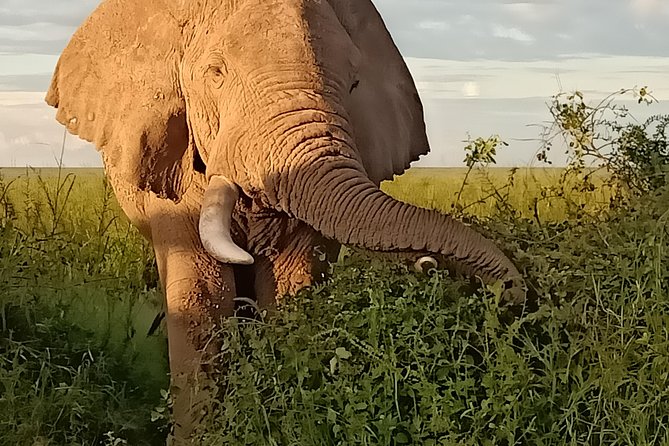
Maasai Mara is where Kenya safaris turn cinematic. You travel there via the Great Rift Valley, with a viewpoint stop for sightseeing and photography on the way. Arriving for lunch keeps the day from feeling rushed, then you head out on an evening game drive.
Evening drives often work well because animals are active as the heat eases. That timing is baked into how the day is planned, and it’s a smart way to raise your odds without stretching your body into exhaustion.
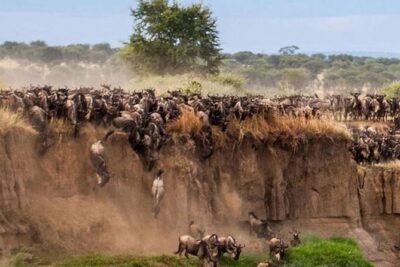
On the following full day in Maasai Mara, you get a longer window to look for lions, leopard, cheetah, buffalos, hyena, and rhinos. You also have time near the Mara River crossing point, which is especially important during the yearly wildebeest and zebra migration. Even if you’re not there during peak numbers, the Mara River area is still a prime wildlife corridor, so it’s worth your attention.
Lunch is planned under tree shade. That detail matters more than you’d think. When you’re in the bush all day, a break from the sun and a stable spot for food helps everyone stay sharp for the next sighting.
Lake Naivasha boat tour and Crescent Island movie magic
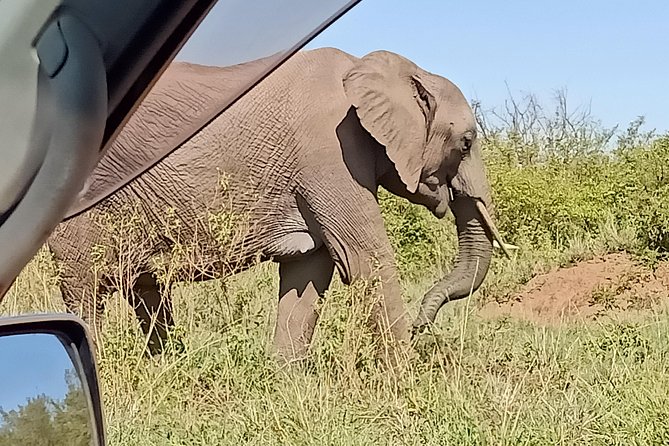
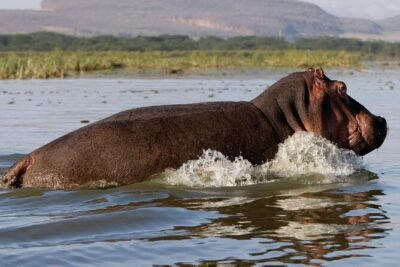
Lake Naivasha is a different kind of day. Instead of chasing the largest predators across grasslands, you’re on water and edges of habitat, where hippos often grab the spotlight. After checking out, you head to the lake and join a boat tour.
On the boat, you can see hippos, giraffes, zebras, and water-buck among other animals that use the lake’s shoreline. There’s also birdlife, including species like fish eagles, cormorants, and pelicans. That bird component makes the day feel fuller, because wildlife viewing is not only about mammals.
The boat tour includes Crescent Island, a site known for being used in famous movies such as Out of Africa and Born Free. That’s a fun layer to add, because it turns a natural reserve into a recognizable place, even if your focus stays on animals.
After the boat time, you have late lunch and then leisure. I like this day because it gives your body a break from long drives and constant spotting pressure. If you’re carrying camera gear, it’s also a good day to organize memory cards and recharge batteries.
Lake Nakuru: rhinos, flamingos, and Masika waterfall
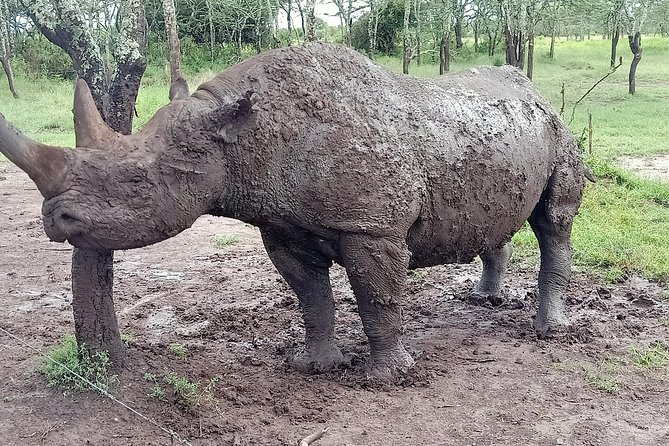
Lake Nakuru National Park is a strong match for anyone who wants rhinos and birds in one place. You’ll depart after breakfast with a packed lunch, then game drive as you search for rhinos, especially since this is known as the first rhino sanctuary in Kenya.
Besides rhinos, the drive can include lions and buffalo, plus giraffes and other animals. If you’re into birdwatching, this is one of the better days for it. Flamingos are a key star, and you may also spot pelicans and cormorants.
Then there’s Masika waterfall. It’s not the core of the safari like a river crossing, but it adds a scenic reset from the animal search. Paired with lunch and more game drive time, it keeps the day from feeling like one long, repetitive loop.
As a planning note, Lake Nakuru days can feel warm and busy in the sun, so bring what you need for comfort. Your comfort will directly affect how much you enjoy the spotting.
Ol Pejeta Conservancy: rhino protection and a rhino grave yard visit
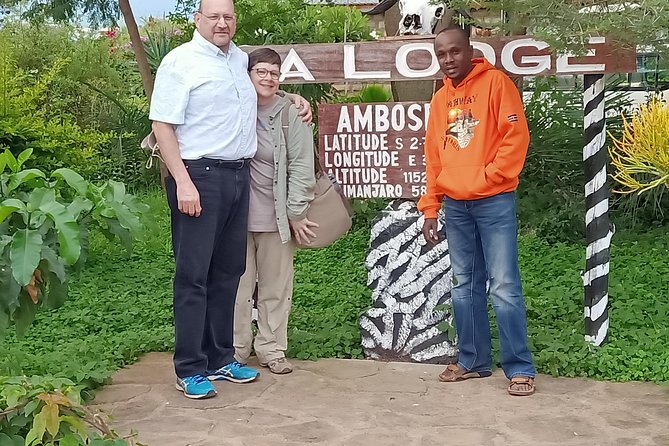
Ol Pejeta Conservancy is conservation with real teeth. You drive in after breakfast, stop for lunch at your arrival lodge, then enter the conservancy for game drives.
This area is known for strong rhino presence, and you’ll be in prime territory for rhinos, lions, elephants, buffalo, giraffes, and cheetah. The conservancy setting often feels different from a big national park, because the focus is not only on tourism, it’s on protection and management.
You also have a second day here with another full day game drive. In addition to more chances at wildlife sightings, you visit the rhinos grave yard and learn more about rhinos’ plight. That kind of stop can be heavy, but it also explains why conservation matters beyond the photo.
If you care about impact, Ol Pejeta is one of the best places on the route to connect the animals you see with the effort it takes to keep them alive.
Amboseli and Mount Kilimanjaro views
Amboseli is famous for two things: elephant herds and views tied to Mount Kilimanjaro. You depart after breakfast for Amboseli, arrive for lunch, and then go out on an evening game drive. That gives you both light periods across the day.
The landscape here can be stunning when conditions line up. The key practical part is that you’ll be hunting for animals like elephants while also having chances for a broad ecosystem view, which is a big part of why Amboseli is a bucket-list stop.
A second day gives you a full day game drive with a packed lunch and time at viewpoints around the ecosystem. This repetition is valuable. Elephants and big mammals often move, so having two days helps.
Also, two different drive styles help you adjust. If your first day is intense with spotting, you’ll likely feel calmer on the second. If your first day is slower, the second day can feel like a catch-up mission that still stays fun.
Tsavo East: red elephants and a coastward finish
Tsavo East National Park is where the route shifts again. You drive there after breakfast and go for an evening game drive. The focus includes the red elephants of Tsavo, along with lions, cheetah, leopard, and giraffes.
That red elephant nickname is one of those safari details people talk about for a reason. The combination of soil colors and light gives the elephants a distinctive look. It’s not guaranteed, but when you see it, it becomes the kind of photo you remember for years.
On the final morning, you take a morning game drive, then exit the park and head to the coastal town of Mombasa. After arriving, you go to the airport for your flight back via Nairobi.
This is a smart way to end. After 11 days of inland wildlife viewing, the coast gives you a sense of closure. Even if you do not spend much time in Mombasa on the ground, the transition from savanna to sea is psychologically satisfying.
How the vegan meal plan works in real safari life
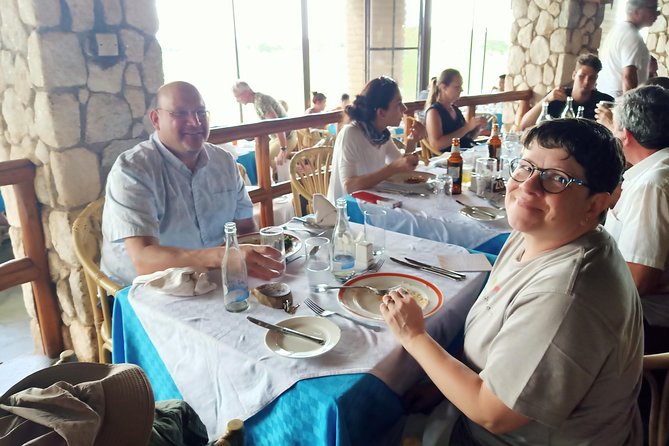
A vegan safari lives or dies by the food. If your meals are bland, repetitive, or hard to manage, it chips away at the joy of the day. Here, the tour is built around vegan meals, including local options, so you are not stuck with generic substitutions.
The trip also promises opportunities to meet fellow vegans across the globe. That matters because safari days can be long, and shared food and shared sightings create an easy conversation loop. You end up talking about animals, yes, but also comparing notes on what worked for your diet during travel.
One practical consideration is that drinks during meals are not included. That means you’ll likely want to plan for water and any non-alcoholic drinks you prefer. If you use any supplements, bring them, because safari time can make it harder to improvise.
Overall, I like that the vegan angle is not treated as a side quest. It’s integrated into the day structure, which is what you want when you’re traveling with dietary needs.
Conservation pieces that turn sightseeing into action
The tour doesn’t sell wildlife viewing as the only goal. It also states that you’ll engage in wildlife conservation projects and help create impact. Even without a full breakdown of each conservation stop, the route includes conservation-focused experiences that support that mission.
A clear example is the elephant protection stop at David Sheldrick Elephant Trust. Another is the rhino-centered focus in both Lake Nakuru and Ol Pejeta, including the visit to a rhino grave yard. When you see those elements paired with actual animal sightings, the conservation message lands harder and feels more real.
This matters if you want your trip to feel like more than entertainment. You do not have to turn your safari into activism, but you do want a tour that connects what you see with why it matters.
Who should book this vegan safari
This trip fits well if you:
- want a plant-based safari where food is handled for you
- care about rhinos and elephants as much as big cat country
- like a busy route with multiple ecosystems, not just one reserve
- enjoy group energy and possibly meeting other vegans during the journey
- can handle long driving days and have moderate physical fitness
It might be less ideal if you want a slow, luxury, low-motion holiday. With repeated travel between major parks, the schedule is meant to maximize wildlife opportunities, not to minimize time on the road.
Also, this is a private tour, so it is a good match if you want your plans kept together. Just know that private does not mean silent or minimal. Your day is still structured around game drive timing, meals, and park days.
Should you book this vegan wildlife safari?
I’d book it if your priority is a full Kenya wildlife circuit built around vegan meals and frequent game drives, and if you want meaningful conservation moments along the way. The park variety, from Nairobi’s urban wildlife edge to Maasai Mara migration country, then out to Naivasha and Nakuru, and into rhino and elephant heavy conservancy time, is a strong recipe for memorable sightings.
I would pause before booking if you dislike long days of transit or if you’re the type who needs lots of downtime. Also, because this is weather dependent and the schedule includes multiple outdoor drives, you should be flexible in your expectations.
If you’re excited by animals plus a food plan that fits your lifestyle, this is the kind of safari that makes the whole trip feel intentional.
FAQ
How many days is the vegan special safari?
It’s listed as 12 days (approx.).
Where does the safari start?
It’s based in Nairobi, Kenya, with arrival at Jomo Kenyatta International Airport.
Is pickup offered?
Yes, pickup is offered.
Is this tour private?
Yes, it’s a private tour, and only your group will participate.
Are meals included, and is the trip vegan?
All meals as indicated are included, and the experience is described as vegan, including vegan meals.
What is included in the price besides meals?
The package includes all park and conservation entry fees and government taxes, accommodation for 2 people sharing a double room, and the local flight fare from Mombasa to Nairobi.
Are drinks during meals included?
No, drinks during meals are not included.
Which animal and conservation experiences are included?
The trip includes game drives in multiple parks and conservancies, and a visit to David Sheldrick Elephant Trust to see baby elephants mud bath and feeding.
How does the route end?
It ends with travel to Mombasa and then an airport transfer for your flight back (via Nairobi airport).
What is the cancellation rule?
Free cancellation is available up to 24 hours in advance for a full refund, and if canceled due to poor weather you’ll be offered a different date or a full refund. If it’s canceled because a minimum number of travelers is not met, you’ll also be offered a different date or a full refund.
Other Kenyan Safaris We Rated
More Tour Reviews in Nairobi


Everything else we hold on Nairobi
- 7 Days Private 4 star lodges Safari by LandCruiser from Nairobi★ 5.0 · 3 reviews
- 5 Days/4 Nights Kenya Safari★ 4.5 · 3 reviews
- Safari Park Hotel Show & Dinner Experience In Nairobi Tour★ 3.6 · 3 reviews
- Day safari to Olpejeta Rhino conservancy★ 5.0 · 3 reviews
- 7 Days Breathtaking Kenya Wildlife Private Safari★ 5.0 · 3 reviews
- Overnight Amboseli National Park Safari from Nairobi★ 5.0 · 3 reviews
Safari, compared.
 ★ 4.5Safari Tour; Nairobi National ParkFrom $43594 reviews
 ★ 4.5From Nairobi: 3 Days, 2 Nights Maasai Mara Group SafariFrom $199394 reviews
 ★ 4.5Half-Day Nairobi National Park Safari from Nairobi with Free PickupFrom $44264 reviews
 ★ 5.05 Days Masai Mara, Lake Nakuru & Naivasha Budget Joining SafariFrom $810229 reviews
 ★ 5.03 Days Gamedrive Safari In Masai Mara From NairobiFrom $555207 reviews
 ★ 4.6From Nairobi: 3 – Days Maasai Mara Group Safari by 4WDFrom $240205 reviews
 ★ 4.53 Days Maasai Mara Guided Safari from NairobiFrom $196195 reviews
 ★ 5.03 Day Masai Mara SafariFrom $929177 reviews