
REVIEW · MOMBASA CITY TOURS
MOMBASA:FortJesus,OldCity,GiraffeOstrich,Oryx,Eland,WildTour
Mombasa packs a lot into one day. I love the mix of Fort Jesus and Old Town sights with the hands-on feeling of a wildlife walk at Nguuni. It is the kind of itinerary that helps you understand why Mombasa matters, and you get enough time in each place to actually notice details, not just tick boxes.
Two things I especially like: the way Fort Jesus connects Portuguese, Omani, British, and East African stories in one standing stone structure, and the chance to watch giraffes and other animals up close at Nguuni. One thing to plan for is cost and pace, since Fort Jesus entry and Nguuni Nature Sanctuary entry are not included, and the day involves walking in the sun.
In This Review
- Key takeaways before you go
- Fort Jesus and the Old Town streets, where Mombasa’s story shows up in real stone
- Nguuni Nature Sanctuary walk, seeing giraffes and other wildlife up close
- Old Town Mombasa, cobbled lanes, mosques, and markets that teach you how people live
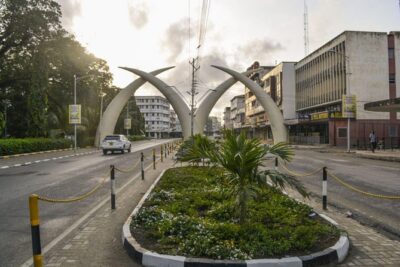
- Moi Avenue Elephant Tusks, a quick landmark that actually connects to the city vibe
- What you pay, and how to budget when entry fees are separate
- The guide makes the difference, and John David Mwangi Irungu is doing real work here
- How to handle the rules, and what to pack so the day feels easy
- Who this full-day Mombasa tour fits best
- Should you book this Mombasa Fort Jesus and Nguuni day tour?
- FAQ
- Is Fort Jesus entry included?
- Is Nguuni Nature Sanctuary entry included?
- What is included in the tour price?
- What should I bring for the day?
- Are there restrictions on footwear or clothing?
- What rules apply during the visit?
- Is the tour language in English?
- Will I be able to take photos?
- Does the tour include transport back to the hotel?
Key takeaways before you go
- Fort Jesus, a UNESCO site, with layered history from Portuguese rule to later use as barracks and a prison
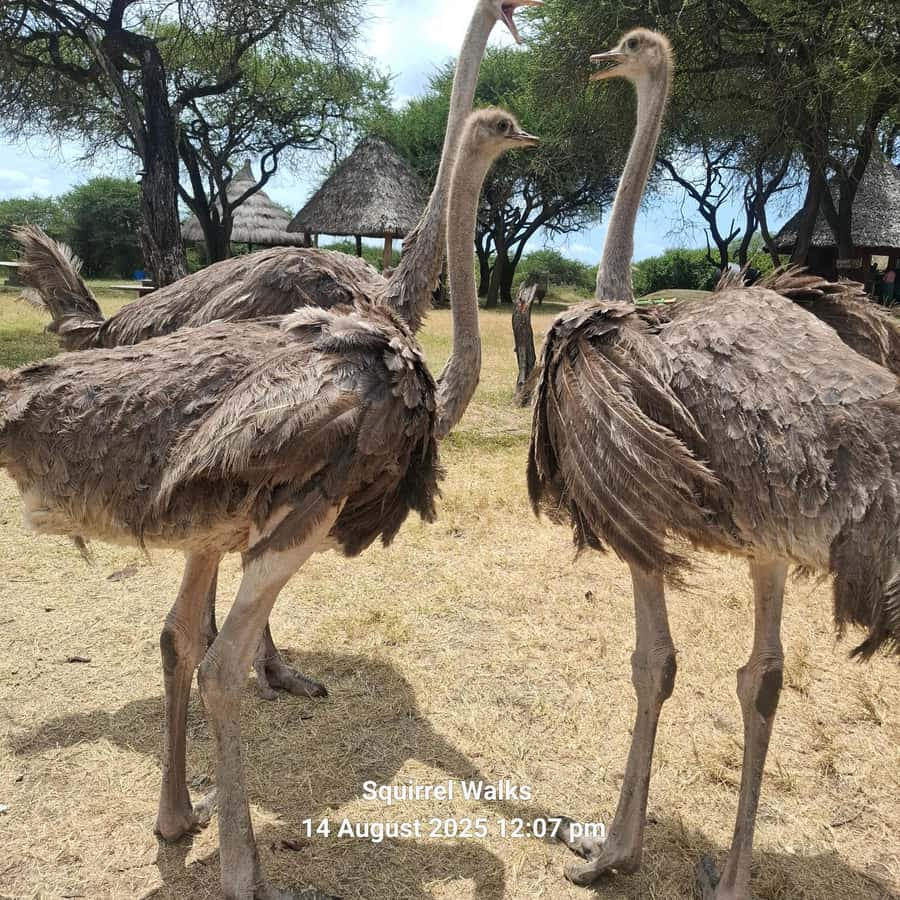
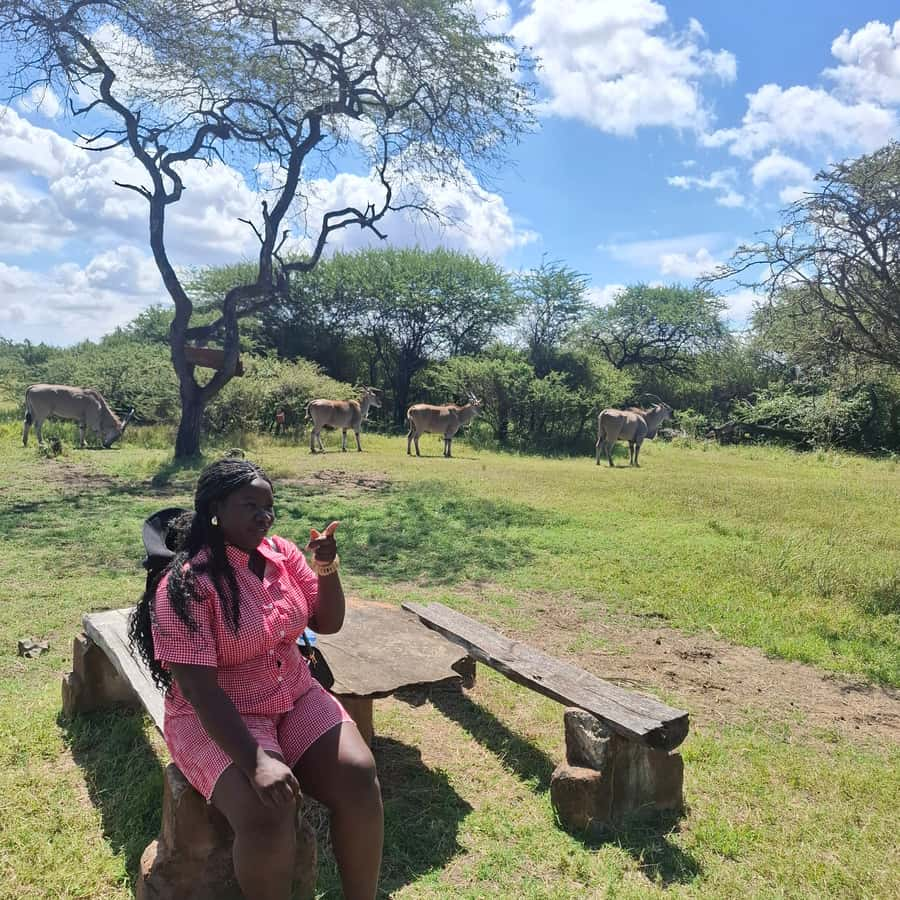
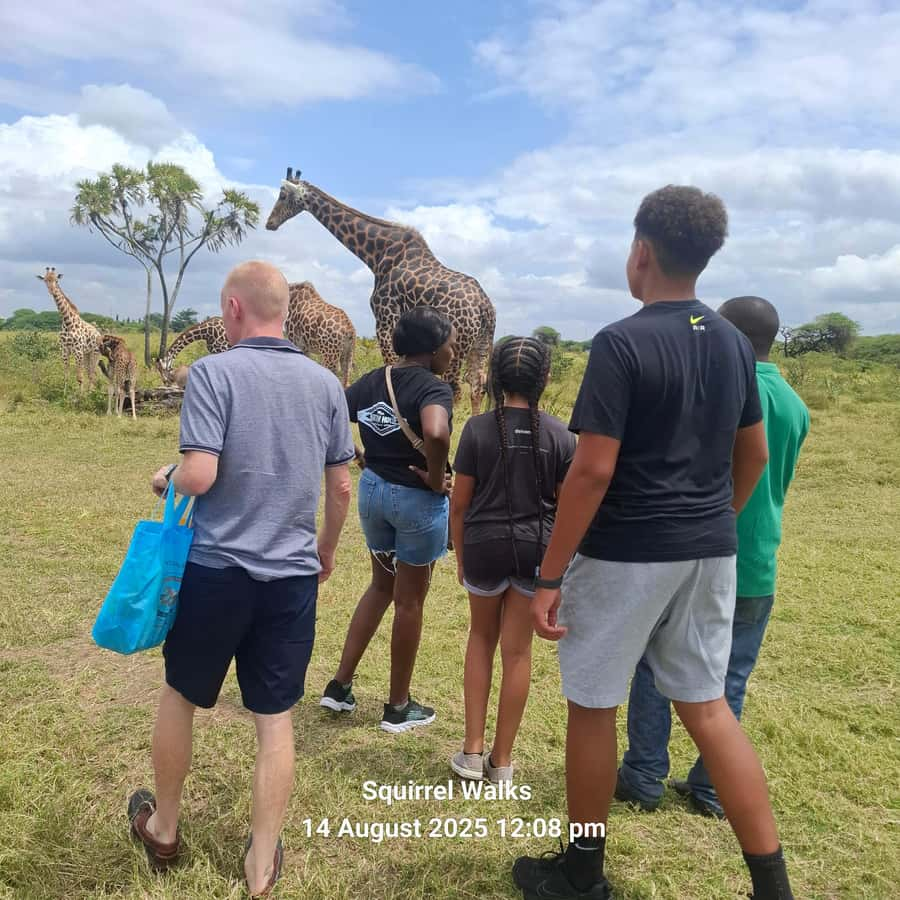
- Nguuni Nature walk close-up wildlife, including giraffes, ostriches, antelopes, and more
- Old Town maze effect, cobbled lanes, mosques, and markets that help you get oriented fast
- Moi Avenue Elephant Tusks, a quick but memorable city landmark stop
- Practical guide support, including help with photos and videos during key moments
Mombasa itineraries, short ones and long ones
Fort Jesus and the Old Town streets, where Mombasa’s story shows up in real stone
If you want a fast, clear introduction to Mombasa, Fort Jesus is a strong starting point. You are looking at a coral-ridge fortress built by the Portuguese in the 16th century. The location mattered, because it sits near the harbor entrance, where power and protection were the whole point.
What I find great is how Fort Jesus acts like a timeline you can walk through. The Portuguese built it to secure Portuguese living on the East Coast of Africa. Later, the fort faced conflict too, including an Omani Arab attack in 1696 to 1698, which is the kind of detail that makes the building feel far less distant.
Then the story shifts again. Between 1837 and 1895, the fort was used as soldiers barracks. When the British protectorate was proclaimed on 1 July 1895, Fort Jesus became a prison. Standing there, you get why this site is considered an important historical landmark in the East African region.
A practical note: entry to Fort Jesus is not included. So if you are budgeting tightly, add that cost to your plan before you go. Also, you will want comfortable shoes, since you will be moving and standing more than you might expect.
Nguuni Nature Sanctuary walk, seeing giraffes and other wildlife up close
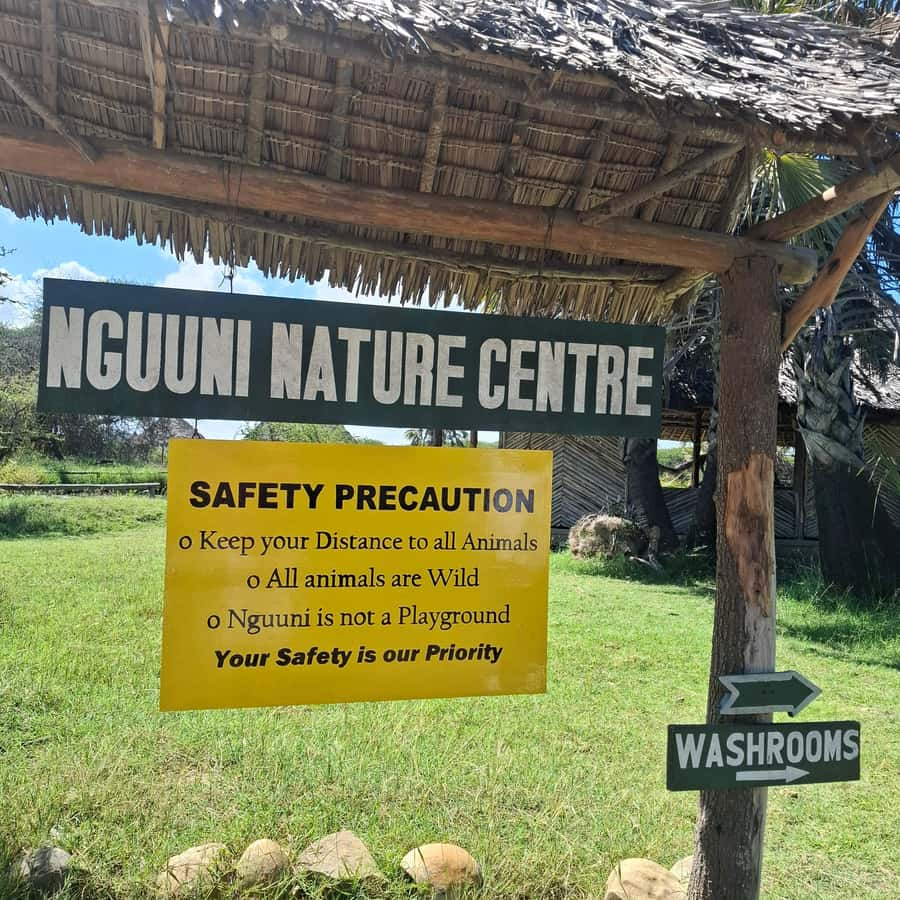
After the fort, the day pivots into nature and it works well. Nguuni Nature Sanctuary started as former quarries, and over time it was reforested. The result is a space where you can walk near animals in a setting that explains how landscapes recover, not just where animals live.
The guide portion here is key. You get context about how the sanctuary formed, including the challenge of limestone desert conditions and intense tropical sun. They planted 26 pioneer plant species at first, and only three survived: damas, coconut palm, and casuarina. From there, other tree species were carefully selected until the quarry slowly became a refuge for endangered species of plants.
That plant story matters because it is directly connected to what you might see. Over the years, more than 180 species of indigenous trees and bushes were planted. Succession is the theme, and you hear how animals, insects, and birds participate by feeding and dispersing seeds.
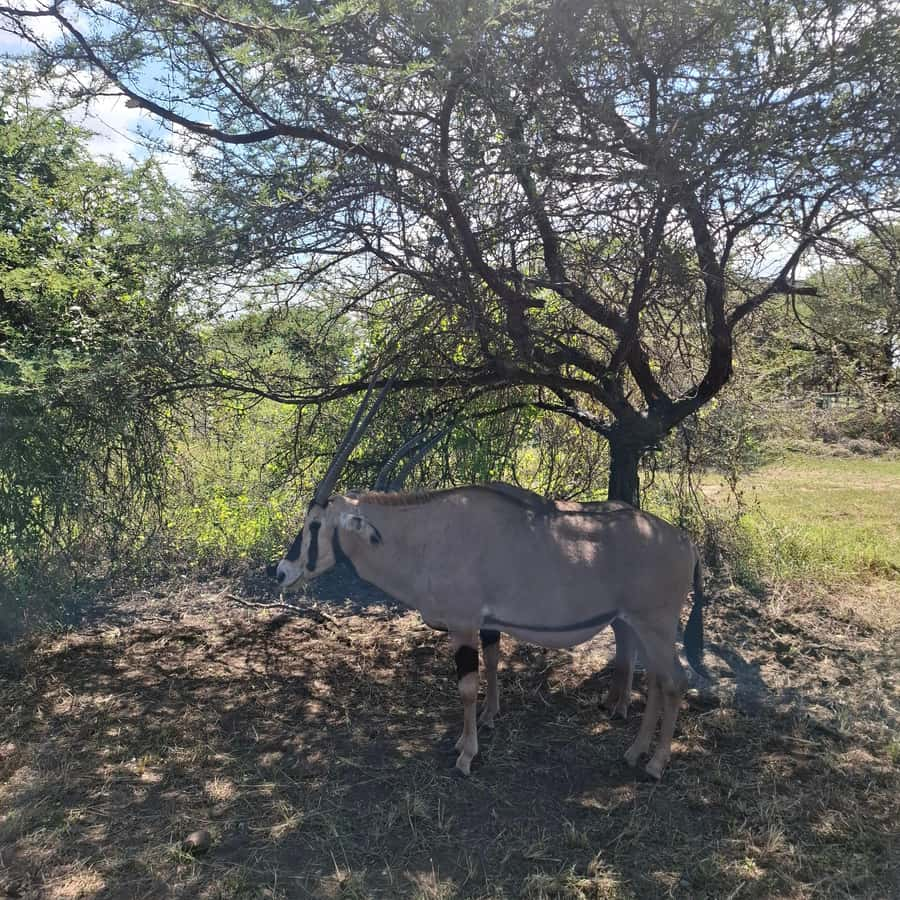
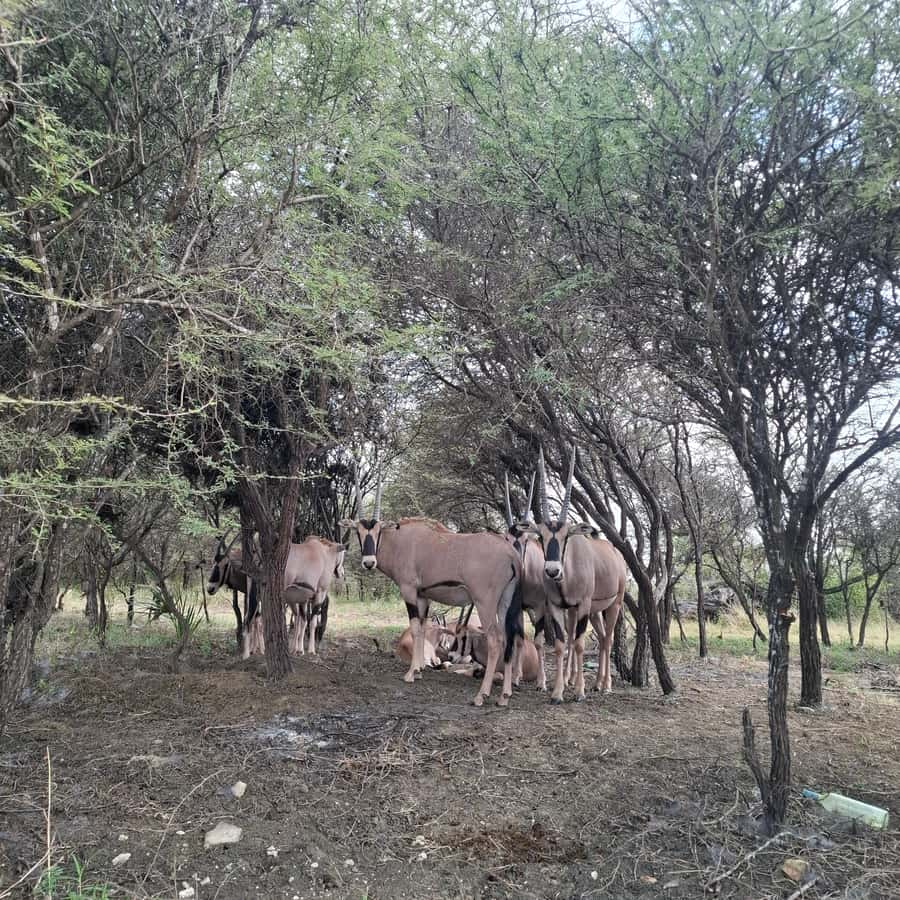
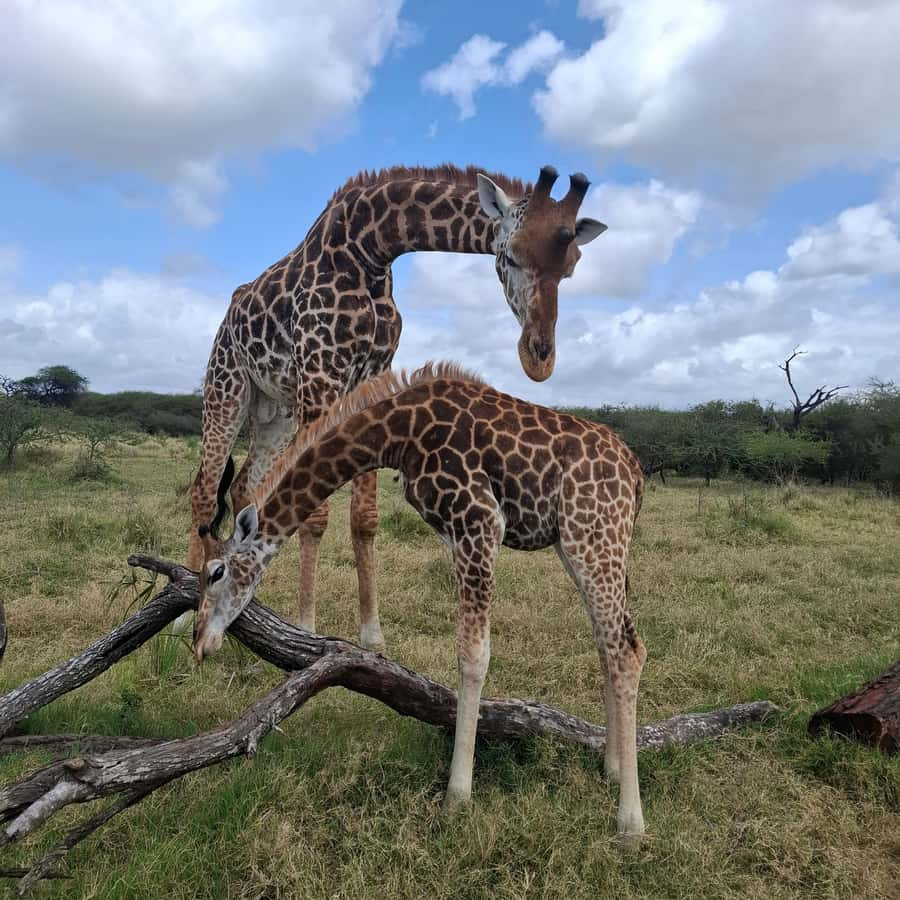
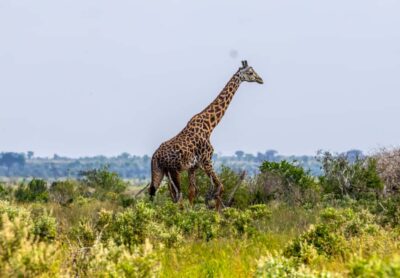
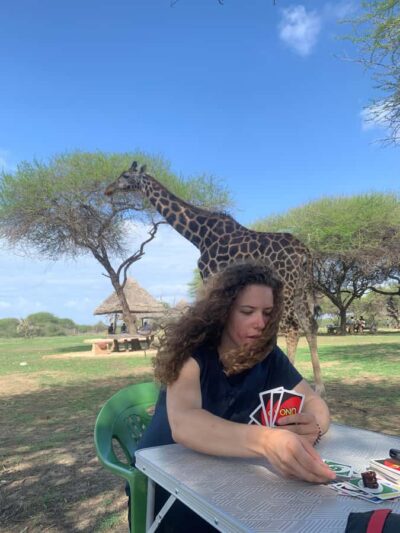
When the walk happens, this is where you feel the best payoff. Nguuni is home to wildlife including giraffes, buffalos, and antelopes, plus crocodiles and smaller mammals and birds. You can also expect ostriches as part of the wildlife experience. Whether you get a perfect photo moment depends on the day, but the setting is built for close viewing.
One more thing: entry fees for Nguuni Nature Sanctuary are not included. Bring cash or be ready to pay on site, and plan your timing so you do not feel rushed at the entrance.
Old Town Mombasa, cobbled lanes, mosques, and markets that teach you how people live
Once you head into Mombasa Old Town, you stop seeing the city as a single place and start seeing it as a network of communities. Narrow cobbled streets, ancient mosques, and older residential houses show up with overhanging balconies and small doorways that feel secret until you are standing right in front of them.
This is also a great time to pay attention to textures. Markets here are described as busy with spice, fruit, and colorful fabrics. That matters because Mombasa is not just historic, it is still working. You are not only looking at the past, you are watching daily life in action.
You may also pass stops like the Shiva Temple and the city centre areas that sit inside the older fabric of the town. The mix of religious sites and street activity helps you understand how different communities shaped the city, especially along trade routes.
There is a small, honest reality to keep in mind: Old Town walking can be hot and sometimes crowded, especially around market areas. Your best move is simple, keep water handy, wear breathable clothing that still respects the rules, and take slow pauses when the sun hits hard.
Moi Avenue Elephant Tusks, a quick landmark that actually connects to the city vibe
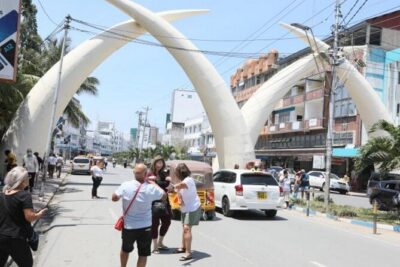
Moi Avenue is one of those places where your eyes start following landmarks. The Elephant Tusks monument stop is short, but it is a useful punctuation point in the day. It gives you a reference point for the city, then you move back into Old Town and the wildlife sanctuary without your brain feeling scrambled.
It also helps the itinerary feel balanced. Fort Jesus and Old Town can be very intense in history and walking, so this quick landmark moment is a breather that still feels like part of Mombasa, not an optional add-on.
Old Town streets and the fort, further walks
What you pay, and how to budget when entry fees are separate
This tour is priced at $40 per person, which is a solid starting point for a full-day guided experience that includes pickup and transportation to tour sites. The big catch is that entry tickets are not included for Fort Jesus and Nguuni Nature Sanctuary.
So the real question is value, not sticker price. You are paying for the guide, the old-town orientation, and the movement between sites. You are also paying for the conservation context at Nguuni, not just a simple animal encounter. If you are the type of traveler who wants the story behind what you see, that is where your money goes.
Two more practical logistics points matter for budgeting:
- Transportation back to your hotel is not included, so you need a plan for getting home after the day ends.
- The tour includes pickup transportation available to the tour sites, which helps you avoid stress while you are in unfamiliar areas.
If you like a day that is efficient but not chaotic, this format makes sense. If you prefer to pay one all-in price with zero surprises, you might need to be a little more organized with the two separate entry fees.
The guide makes the difference, and John David Mwangi Irungu is doing real work here
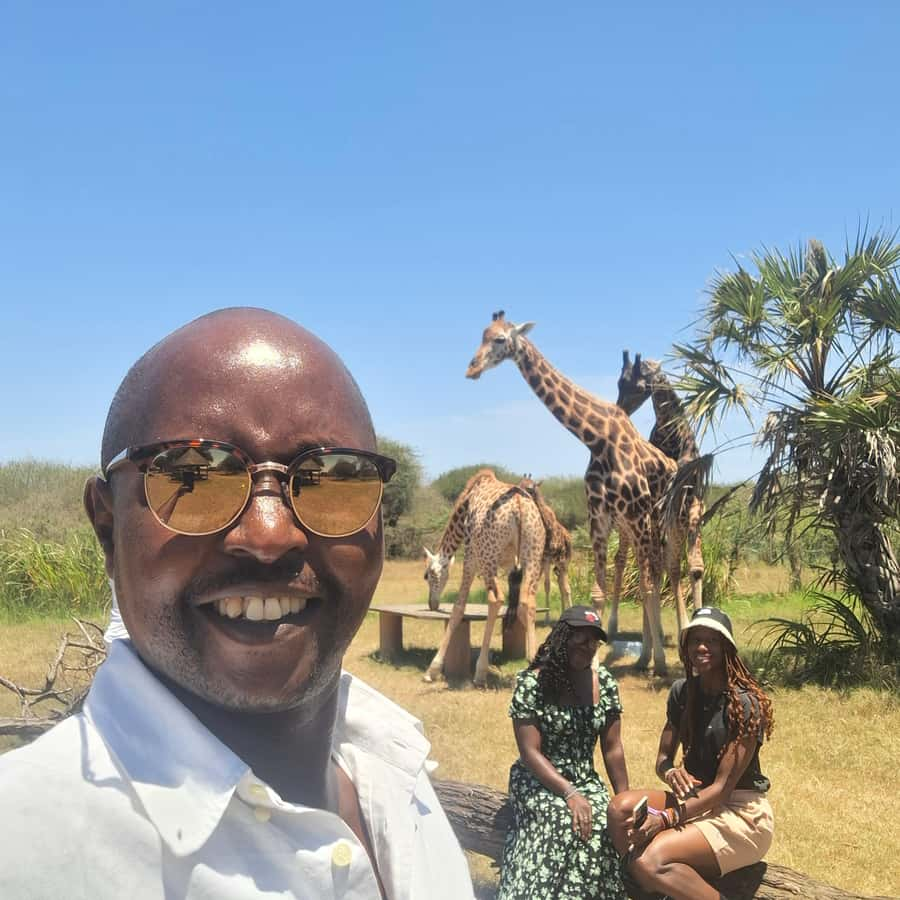
The experience runs smoother when your guide can connect facts to what you are seeing. John David Mwangi Irungu is listed as the provider, and the feedback points to a guide who slows down when it matters. That shows up in two ways: history explanations that feel connected to the streets and a lot of hands-on help for photos and videos during key moments.
One thing I like about that style is practical focus. When you are navigating narrow lanes and moving through different sites, you do not just need facts, you need timing and guidance. A guide who can help with pictures without making you feel awkward makes the day easier.
Also, there is a difference between a guide who reads facts off a wall and one who explains why the details matter. In this tour, the history of Fort Jesus is not presented as a list. It is tied to who held the fort, what they used it for, and how that changed over time.
How to handle the rules, and what to pack so the day feels easy
This tour is built around walking and animal viewing, so the packing list is not just “nice to have.” For what to bring, the basics are:
- Comfortable shoes
- Hat
- Camera
- Sunscreen
- Water
The tour also lists rules that are worth reading. High-heeled shoes are not allowed. Intoxication is not allowed. Smoking indoors is not allowed, and alcohol and drugs are not allowed. Littering is also out, and you should expect rules about clothing, including no ripped clothing and no loose clothing.
At the sanctuary, the rules are more about respect for wildlife and safety. Making noise and making fire are not allowed, nudity is not allowed, and riding animals is not allowed.
Flash photography may be restricted at certain sites, so if you rely on flash, assume you might have to switch to ambient light modes. A camera is allowed, but your best shots will come from steady hands and patience, not from blasting flash.
One last tip for your comfort: Old Town and the sanctuary are both sun-related. Your hat and sunscreen will do more work than you think.
Who this full-day Mombasa tour fits best
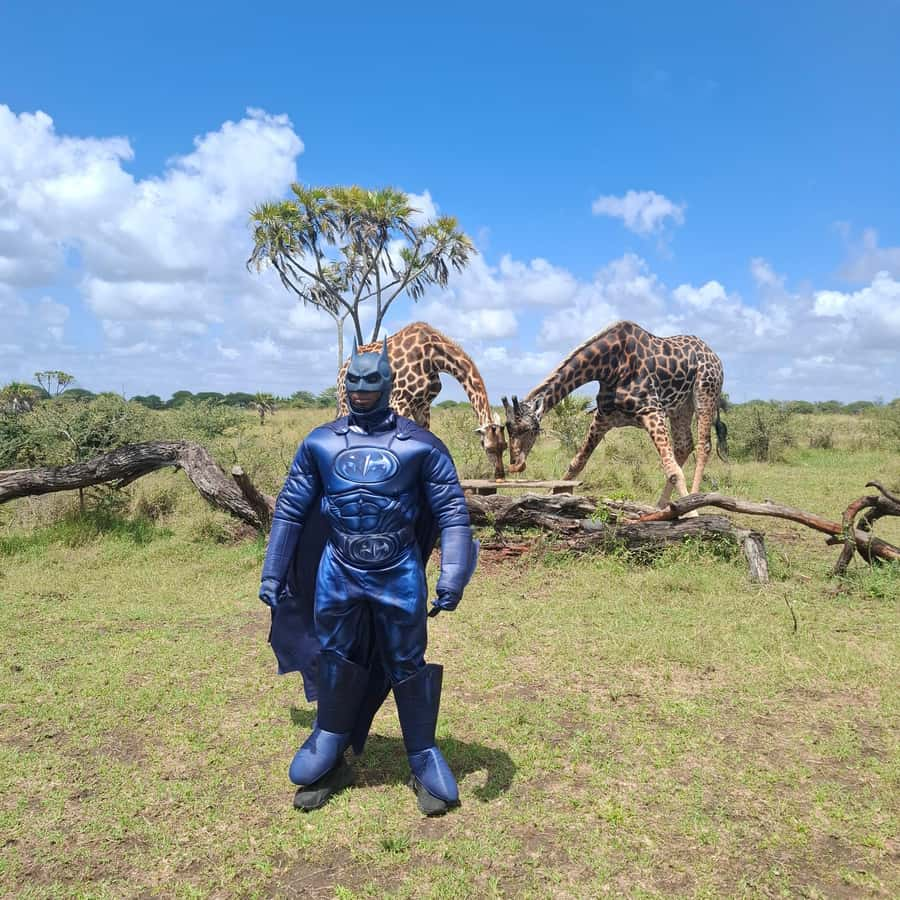
This is a good match if you want a single day that covers three themes: history, city life, and wildlife conservation. It also suits solo travelers who want structure and who like a guide to help with timing and photos.
It may not be a fit if you need low walking time, since the day includes Fort Jesus, Old Town lanes, markets, and a wildlife walk. The tour is not suitable for people over 70 years, based on the provider notes.
If you are visiting Mombasa for the first time, this tour helps you get oriented quickly. You see the harbor-side fortress, then the maze of Old Town, then you get a conservation-focused wildlife experience at Nguuni, and you finish with a city landmark stop on Moi Avenue.
Should you book this Mombasa Fort Jesus and Nguuni day tour?
Book it if you want a full-day guided plan that connects Mombasa’s history to how the city still functions today, and you want an animal experience with context at Nguuni. The guide style and the way the day is structured are big parts of why this tour works well.
Skip or rethink it if you dislike pay-as-you-go entry fees, since Fort Jesus and Nguuni entry are not included. Also, if you struggle with long walks and hot sun, you may want a different itinerary with less moving time.
If you do book, go in with the right mindset. Wear your walking shoes, carry water, and let the day unfold at a calm pace. This is not a speed-run of Mombasa. It is a story you can walk through.
FAQ
Is Fort Jesus entry included?
No. Entry tickets for Fort Jesus are not included, so you will need to pay that separately.
Is Nguuni Nature Sanctuary entry included?
No. The tour does not include entry fees for the Nguuni Nature Wildlife Sanctuary.
What is included in the tour price?
You get a guided full-day tour experience that includes pickup transportation to the tour sites, information about wildlife and conservation, Old Town and market area time, and the Elephant Tusks monuments stop. Swahili coffee or Swahili tea is included for afternoon tours only.
What should I bring for the day?
Bring comfortable shoes, a hat, a camera, sunscreen, and water.
Are there restrictions on footwear or clothing?
Yes. High-heeled shoes are not allowed, and ripped clothing and loose clothing are also not allowed.
What rules apply during the visit?
The tour notes restrictions like no intoxication, no smoking indoors, no alcohol and drugs, no littering, no making noise, no making fire, no nudity, and no riding animals.
Is the tour language in English?
Yes. The tour language is listed as English.
Will I be able to take photos?
A camera is allowed, but flash photography may be restricted at certain sites.
Does the tour include transport back to the hotel?
No. Transportation back to your hotel is not included.
More Tour Reviews in Mombasa
Fort Jesus, Plus Old Town Streets

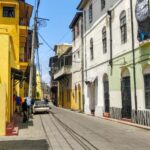

Mombasa, Other Routes Through It
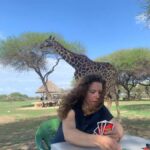
Everything else we hold on Mombasa
- 2 Days Salt Lick Safari Tour★ 4.5 · 3 reviews
- Mombasa: Historical Guided city tour. Old town, Fort Jesus★ 4.2 · 3 reviews
- 5 Days Mombasa,Tsavo East, Taita Salt Lick, Tsavo West, Amboseli,★ 4.5 · 3 reviews
- Mombasa: Discovery Day Tour and Haller Park★ 4.1 · 3 reviews
- 7 Days Tsavo East, Taita, Amboseli & SanctuarySafari from Mombasa★ 5.0 · 3 reviews
- 3 Days (2 nights); Tsavo East & West Safari:★ 5.0 · 3 reviews
Mombasa City Tours, compared.
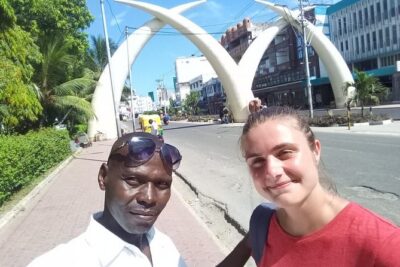 ★ 5.0Walking Tour Through Old Town Mombasa and Fort JesusFrom $50393 reviews
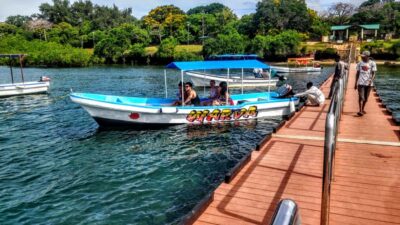 ★ 4.7Mombasa: Kisite Park Private Cruise with Breakfast and LunchFrom $163181 reviews
 ★ 5.0Mombasa City TourFrom $45170 reviews
 ★ 4.7Mombasa: Tusks, Fort Jesus, Old Town, Beach and City TourFrom $30137 reviews
 ★ 4.3From Mombasa/Mtwapa/Diani/Tiwi: Tsavo East Full-Day SafariFrom $200130 reviews
 ★ 5.02 Days Tsavo East National Park Tour From Mombasa/Diani (1 Night)From $50650 reviews
 ★ 4.8Mombasa: Guided Nature Walk Amongst GiraffesFrom $3848 reviews
 ★ 5.0Visit to Fort Jesus and the Old Town of MombasaFrom $4047 reviews
Appears in these lists