
REVIEW · MOMBASA CITY TOURS
Mombasa Tour by Ghalib
Mombasa tells stories in every doorway, and this tour threads Swahili culture with Fort Jesus for a quick, meaningful half day. I love the guided pace, especially the focused museum hour, and I love the practical stop at the spice and vegetable market where you can learn what goes into daily cooking and buy small gifts like spices, coffee, and tea. One possible drawback to consider: if you book in French, German, or Italian, double-check that your guide truly matches your language needs, since there have been real mismatches.
You start with pickup in Nyali or Diani Beach around 8:30am, then you’re back by early afternoon. The route is built for first-timers who want history, street-level atmosphere, and a few hands-on moments without spending a full day in town.
In This Review
- Key highlights to look forward to
- Price and time: the real value of a 4-hour Mombasa intro
- Pickup in Nyali or Diani Beach: timing that matters
- Fort Jesus Museum: what you get from the guided hour
- Old Town Mombasa walk: 16th-century sites and Swahili street life
- Kiswahili practice: small phrases that change how you move
- The Old spice and vegetable market: learn, smell, and buy
- Lunch stop and the drive back: waterfront views and quick photo moments
- Who this tour fits best (and who might want something else)
- Practical considerations before you book
- Should you book Mombasa Tour by Ghalib?
- FAQ
- How long is the Mombasa Tour?
- Where do you get picked up?
- Is Fort Jesus included?
- What languages are available for the live tour guide?
- What’s included in the price?
- Is there free cancellation?
Key highlights to look forward to
- A guided Fort Jesus visit for about 1 hour, timed for a calm start
- Old Town walking focused on 16th-century sites and Swahili life
- Kiswahili language practice with your guide during the tour
- Old spice and vegetable market stop where you learn the ingredients behind local cooking
- Optional shopping for spices, coffee, and tea at the market
Mombasa itineraries, short ones and long ones
Price and time: the real value of a 4-hour Mombasa intro
At $60 per person for roughly 4 hours, this tour is aiming at value through convenience. You are not just dropped in a neighborhood and pointed at a museum, you get hotel pickup and guided time at the main historical stop, plus a structured walk through the Old Town area.
For me, the best value here is that the tour connects three different kinds of experiences in a short window: a museum stop (Fort Jesus), a cultural walk (Old Town), and a sensory food stop (the market). If you only do one of those on your own, you can end up with a fragmented day. This one keeps the story moving.
One word of advice: treat this as an introduction. If you want to linger, take extra photos, or shop longer, you’ll likely want to add extra time after the tour.
Pickup in Nyali or Diani Beach: timing that matters
Pickup is scheduled for 8:30am, and your driver and guide collect you from your preferred residence, hotel, or apartment. Your two main pickup zones are Nyali and Diani Beach, so the start time should feel manageable even if you’re not a morning person.
The schedule is tight but not frantic. Fort Jesus is planned for about an hour, and the walking portion is laid out after that. That timing is useful because it reduces the chance you get stuck rushing through the museum and then feeling underpowered in the Old Town streets.
If you’re staying in either pickup area, it’s worth coordinating with your hotel staff on where exactly the driver can meet you. That small step can save you stress at the start, especially since you’re starting right at 8:30am.
Fort Jesus Museum: what you get from the guided hour
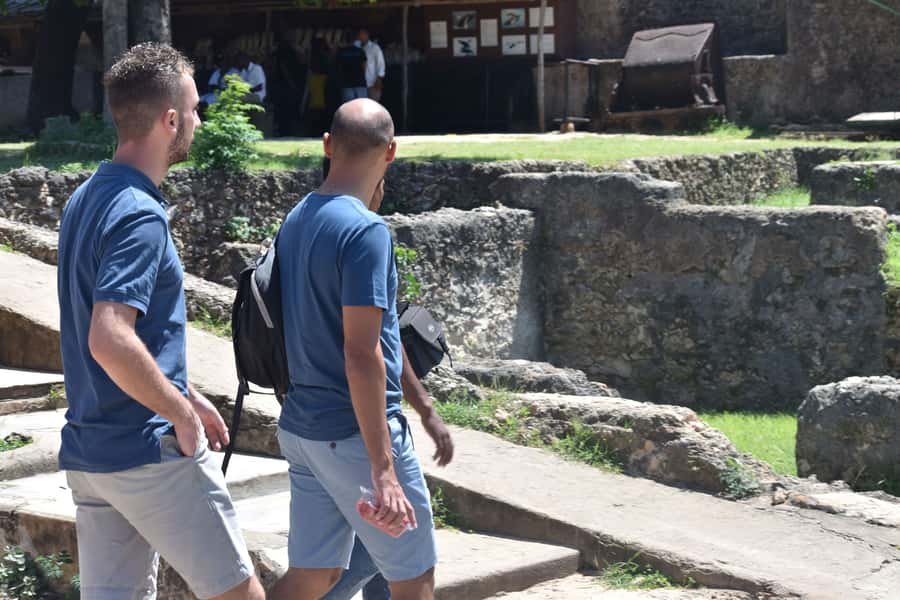
Fort Jesus is the anchor of the morning. You’ll arrive for a guided visit for 1 hour, and the tour uses that time to point you toward the larger coastal story, not just individual exhibits.
What makes this stop work on a half-day tour is the way it acts like a living introduction. You start there, then you walk into the Old Town with context: the Swahili world, the Arab traders, and the Portuguese influence on the Kenyan coast. Even if you’re not a deep-history person, the guide’s framing helps you connect what you see with why it mattered.
A practical consideration: museum time can feel long if the guide is light on explanations, but it can also fly by when the guide stays focused. If you care about getting your money’s worth from the Fort Jesus hour, go in ready to ask questions, especially about Portuguese history on the coast and the role of the East African traders.
Old Town Mombasa walk: 16th-century sites and Swahili street life
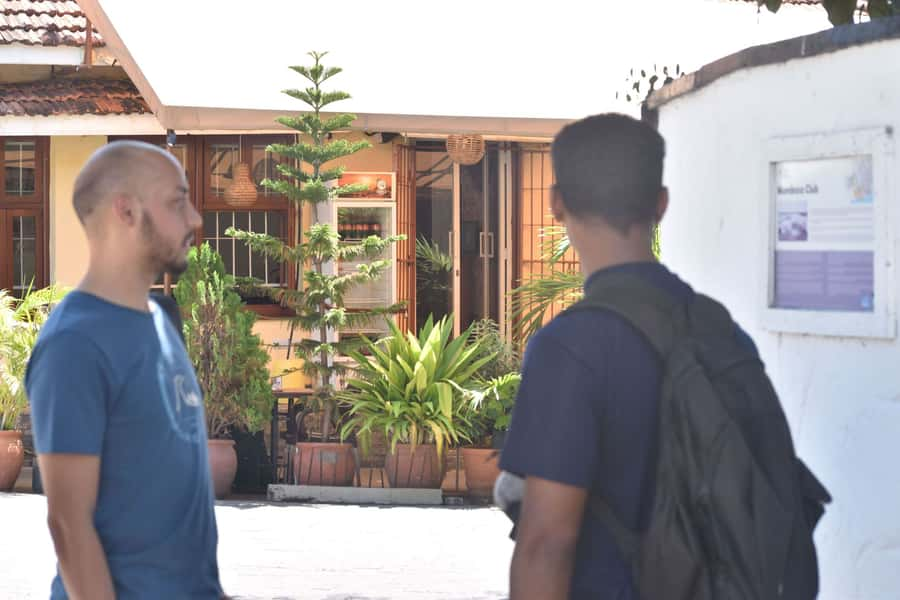
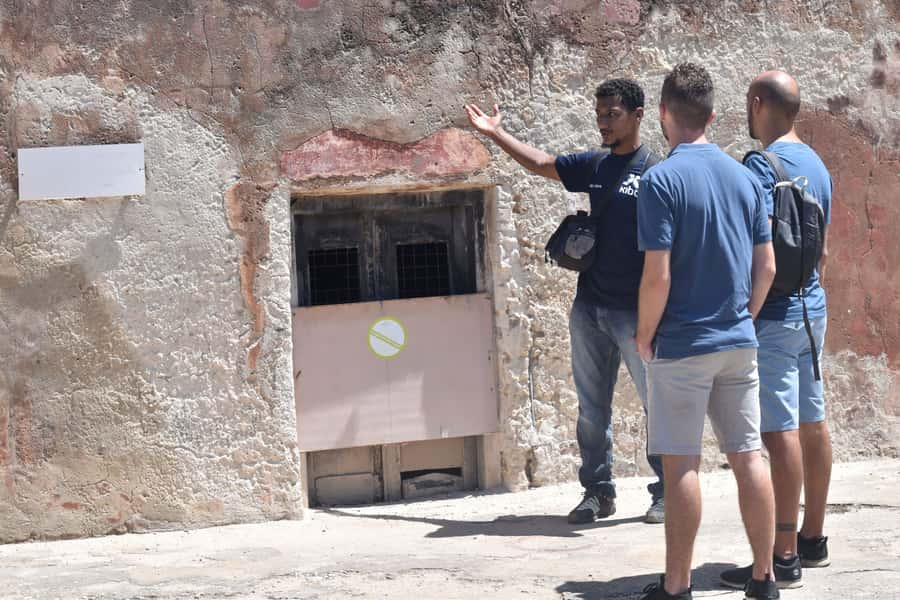
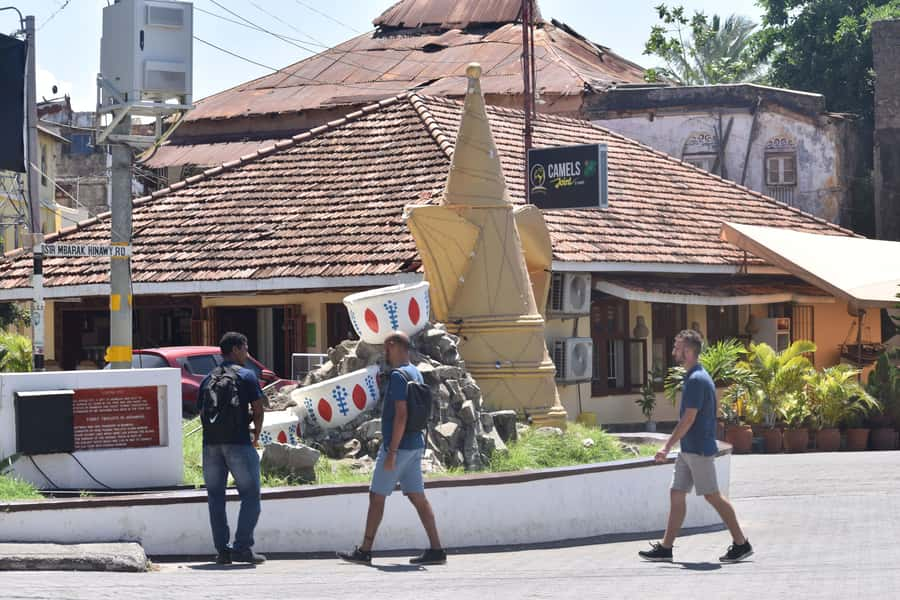
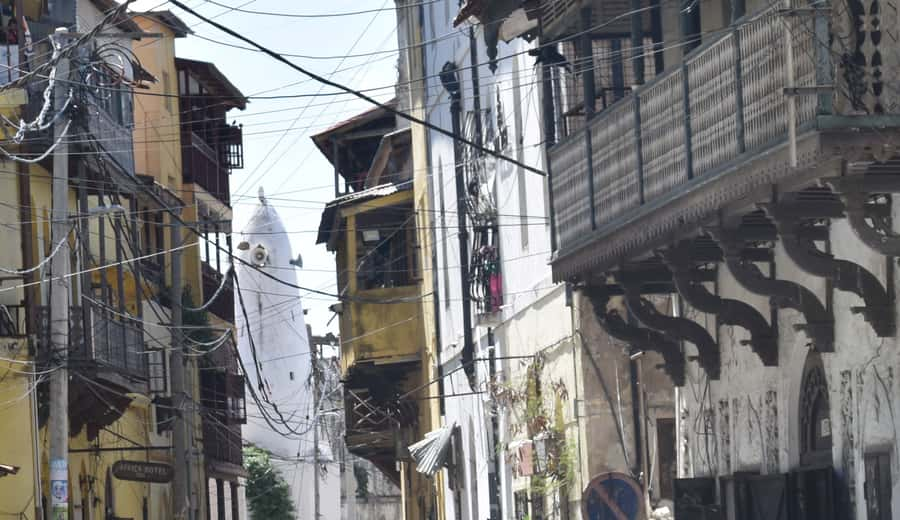
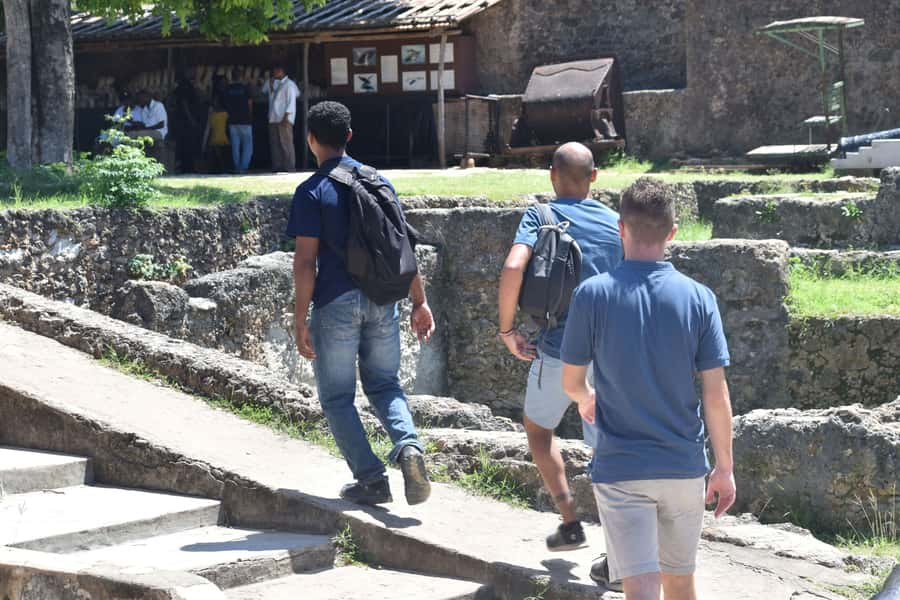
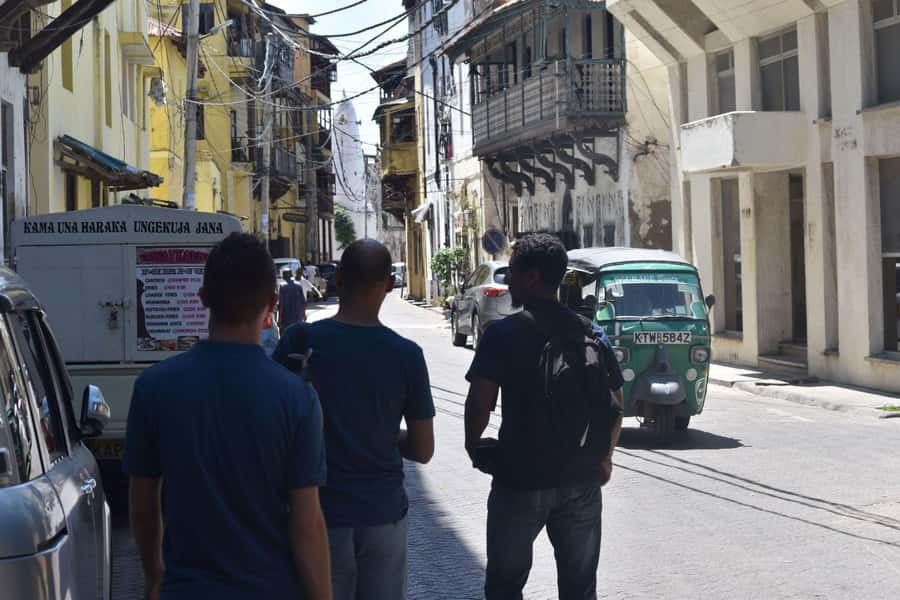
After Fort Jesus, you move into the Old Town on foot. The tour is built around seeing older buildings and sites that date to the 16th century, and learning how the coastal Swahili communities lived and traded.
This is where the tour shifts from museum-style learning to street-level understanding. You’re walking, looking at older structures, and you’re hearing how Swahili culture developed alongside trade links, including Arab traders who were active across the region.
You’ll also get language learning woven into the walk. The guide teaches Kiswahili, the language that is now the national language of Kenya. Even basic phrases can make the Old Town streets feel less like a set and more like a real place where people talk and interact.
One drawback to keep in mind: it’s a walk. If your mobility is limited, you may need to take it slow and plan for breaks during the Old Town section. The itinerary is short, but the streets are still streets.
Kiswahili practice: small phrases that change how you move
The tour isn’t only history. It’s also about getting you to say a few useful things in Kiswahili with your guide. The value of this is simple: you stop being a silent spectator.
Kiswahili is taught throughout the Old Town portion, where the guide can connect language to what you’re seeing. That makes it easier to remember, because you’re learning words in context rather than from a page.
If you want to maximize the language part, do this before you go. Write down a few topics you care about, like food, greetings, or directions. During the walk, ask your guide to teach the related words you’ll actually use right away.
Also, be mindful of language matching. This tour can run in multiple languages, and your experience depends on the guide truly speaking the language you booked. If you choose French, German, or Italian, treat it as a must that your guide communicates comfortably.
The Old spice and vegetable market: learn, smell, and buy
Around 11:45am, you’ll visit the Old Marked, a market that’s currently used by locals for spices and vegetables. This is one of the most practical parts of the tour because it connects cultural history to daily routines.
At the market, your guide explains Swahili cuisine and the spices used in everyday cooking. You’re not just being shown stalls, you’re getting the meaning behind the ingredients. That’s the kind of information that helps when you later order food in Mombasa, since you’ll have a clearer sense of what flavors you’re likely to taste.
You also get time to buy items for yourself, including spices, coffee, and tea. This is great if you want take-home souvenirs that are actually useful and connected to the region’s culture.
A simple tip: if you plan to buy, expect you’ll need cash or payment methods accepted at the stalls. Keep your purchases light, and think about how you’ll carry them back to your hotel.
Lunch stop and the drive back: waterfront views and quick photo moments
After the market, the tour shifts toward lunch around 12:30pm. You’ll be taken heading to a restaurant for your meal, and then you’ll drive back to your pickup area.
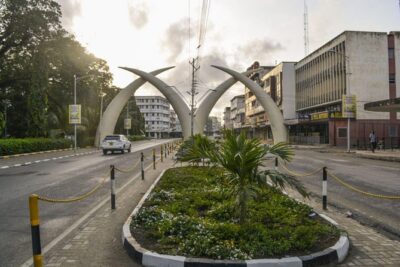
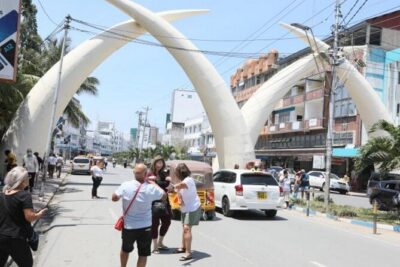
The return drive includes pass-by views that help you “reset” your brain after Old Town walking. You’ll go by the Mama Ngina Water front, and you’ll also pass by elephant tusks as part of the roadside sights on the way back.
Two practical notes here. First, since the tour is short, lunch may be more about filling up than lingering, so come with realistic expectations. Second, if you’re carrying market items, keep an eye on where they go during the drive so nothing gets crushed in transit.
Who this tour fits best (and who might want something else)
This tour is ideal if you want a first-time overview of Mombasa’s coastal culture. It’s a good match for people who enjoy guided context, like learning the story behind sites instead of just taking photos.
It also fits travelers who want a food link, not just history. The market stop gives you a chance to learn about spices used in daily cooking and to bring some home.
This may not be the best fit if you want a long, slow day with zero time pressure. With a structured flow and specific stops, you’ll have less freedom to wander on your own. If you’re already comfortable with Swahili history and just want independent time, you might prefer a longer self-guided plan.
Practical considerations before you book
Language is the biggest factor to confirm. The tour offers live guides in English, French, German, and Italian, but your satisfaction depends on the guide actually working comfortably in your chosen language.
Another consideration is timing realism. You’re picked up at 8:30am and moved through the major stops on a fixed schedule. If you need extra time for photos or shopping, you may want to plan to add extra free time before or after the tour.
One more useful thing: this tour includes hotel pickup and drop-off, which makes it easier than trying to assemble a route by yourself. For $60, you’re paying for that convenience plus guided time at Fort Jesus and the Old Town learning stops.
Should you book Mombasa Tour by Ghalib?
Book it if you want a compact, guided introduction to Mombasa Old Town, with Fort Jesus as the anchor, Kiswahili language practice during the walk, and a real market stop tied to Swahili cuisine. The combination of museum learning, street context, and spice-market shopping is exactly the kind of half-day plan that helps you get oriented fast.
Skip or at least consider alternatives if language matching is critical for you, since your experience hinges on whether your guide truly speaks the language you selected. Also, if you know you want lots of free time to wander and shop, treat this as your “starter day” and add extra time later.
If you’re flexible and you enjoy learning through a mix of history, culture, and food, this is a solid, practical way to spend a morning in Mombasa.
FAQ
How long is the Mombasa Tour?
The tour is valid for 4 hours, counted from the first activation.
Where do you get picked up?
Pickup is available from Nyali and Diani Beach areas.
Is Fort Jesus included?
Yes. You’ll do a guided visit to Fort Jesus Museum for about 1 hour.
What languages are available for the live tour guide?
The live tour guide can operate in English, French, German, and Italian.
What’s included in the price?
The tour includes hotel pickup and drop-off.
Is there free cancellation?
Yes. You can cancel up to 24 hours in advance for a full refund.
More Tours in Mombasa


More Tour Reviews in Mombasa
Mombasa, Other Routes Through It
Everything else we hold on Mombasa
- 2 Days Salt Lick Safari Tour★ 4.5 · 3 reviews
- Mombasa: Historical Guided city tour. Old town, Fort Jesus★ 4.2 · 3 reviews
- 5 Days Mombasa,Tsavo East, Taita Salt Lick, Tsavo West, Amboseli,★ 4.5 · 3 reviews
- Mombasa: Discovery Day Tour and Haller Park★ 4.1 · 3 reviews
- 7 Days Tsavo East, Taita, Amboseli & SanctuarySafari from Mombasa★ 5.0 · 3 reviews
- 3 Days (2 nights); Tsavo East & West Safari:★ 5.0 · 3 reviews
Mombasa City Tours, compared.
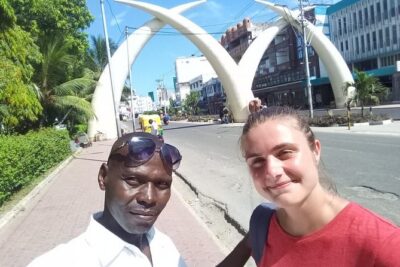 ★ 5.0Walking Tour Through Old Town Mombasa and Fort JesusFrom $50393 reviews
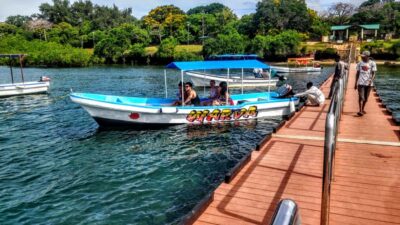 ★ 4.7Mombasa: Kisite Park Private Cruise with Breakfast and LunchFrom $163181 reviews
 ★ 5.0Mombasa City TourFrom $45170 reviews
 ★ 4.7Mombasa: Tusks, Fort Jesus, Old Town, Beach and City TourFrom $30137 reviews
 ★ 4.3From Mombasa/Mtwapa/Diani/Tiwi: Tsavo East Full-Day SafariFrom $200130 reviews
 ★ 5.02 Days Tsavo East National Park Tour From Mombasa/Diani (1 Night)From $50650 reviews
 ★ 4.8Mombasa: Guided Nature Walk Amongst GiraffesFrom $3848 reviews
 ★ 5.0Visit to Fort Jesus and the Old Town of MombasaFrom $4047 reviews
Appears in these lists