

REVIEW · MOMBASA CITY TOURS
Mombasa City Tour
Fort Jesus sets the tone for Mombasa. I like the way this private city tour pairs Fort Jesus Museum with street-level stories from a local guide, and I also like the built-in time for the spice market and market chatter. The main drawback to consider is that it is a short 2 to 4 hour walking plan, so you’ll want to be clear about what you most want to see.
You get a private experience, so your questions do not get lost in a big group. The tour also starts around 9:00 am, which helps you move before the hottest parts of the day.
You’ll end up seeing a mix of Mombasa old town and everyday life, where Swahili and Arab influences show up in streets and neighborhoods. You’ll also have time to talk with stallholders at the spice market and pick up practical ideas for what to eat and drink afterward.
In This Review
- Quick takeaways for your Mombasa city walk
- Fort Jesus and the spice market, side by side
- What you’ll do on the Mombasa route (and what to watch for)
- Fort Jesus Museum: your shortcut into coastal trade history
- Old town Mombasa walk: Swahili and Arab street stories
- Spice market stop: how to enjoy the scents without losing your mind
- Your guide and the importance of asking the right questions
- Pickup, private transport, and the day’s pacing
- Price and value: what $130 covers, and what it doesn’t
- Timing, heat, and what to bring for a half-day
- How private works for your group, and who it suits best
- Should you book this Mombasa city tour?
- FAQ
- What is the tour duration?
- What is the meeting point and where does the tour end?
- What time does the tour start?
- Is pickup offered?
- Is this a private tour?
- How much does the tour cost?
- What is included in the price?
- What is not included?
- Is admission to Fort Jesus Museum included?
- What is the cancellation policy?
Quick takeaways for your Mombasa city walk
- Fort Jesus Museum with admission included, so you’re not hunting down tickets.
- Storytelling guide who connects Mombasa’s communities across time periods, including pre and post colonial life.
- Spice market stop with scents, atmosphere, and time to chat with stallholders.
- Private tour format, only your group participates, so the pace stays flexible.
- Early start around 9:00 am, planned to avoid high day temperatures.
- Built-in food and drink pointers, useful if it’s your first day in town.
Mombasa itineraries, short ones and long ones
Fort Jesus and the spice market, side by side

The smart move here is how the tour combines history with senses. Fort Jesus Museum gives you a clear entry point into the East African coast, including the Arab and Portuguese competition for trade routes. Then you shift gears to the spice market, where Mombasa’s trading identity stops being a concept and becomes something you can smell and see.
I also like that the guide does more than point out landmarks. You’re taught to connect places to people, how Swahili and Arab culture shaped neighborhoods, and how life in Kenya changed before and after colonial times. That makes the walking feel like a guided story, not a checklist.
One more plus: you get practical advice for your next meal. That matters because Mombasa can look overwhelming on day one. If your guide can steer you toward good food and drinks, the tour earns its keep fast.
What you’ll do on the Mombasa route (and what to watch for)
This is a walking city tour with a compact schedule. Expect a guided route that focuses on Mombasa’s standout sights and a few market scenes, with a museum stop and time to browse and talk.
A typical flow goes like this:
- You start in the morning, then head to Fort Jesus Museum first.
- After that, you move through old town areas, where Swahili and Arab influences are part of what you’re seeing on the street.
- You end with time at the spice market, where you can enjoy the smells and atmosphere and speak with stallholders.
The tour is flexible in focus. The operator says you can choose what you want to emphasize, whether that leans cultural, historical, or food-focused. That is a good fit if you do not want every stop to feel like school.
Here’s the one thing I’d keep in mind: because it’s only 2 to 4 hours, you’ll cover a lot of ground but you won’t have hours to linger. If your idea of a perfect outing is slow shopping and long café stops, you may want to save that for later in the day.
Fort Jesus Museum: your shortcut into coastal trade history
Fort Jesus Museum is the anchor of this tour, and it’s a strong anchor. Fort Jesus is tied to the East African coast’s trade story, including how Arab and Portuguese powers sought control of routes. In other words, it’s not only about the building. It’s about why this coast mattered and why so many different cultures touched this city.
The museum stop is also where the tour makes its time count. The description calls out international history and the layering of Arabic, Portuguese, and Swahili cultural influence. If you want the big picture quickly, this is one of the fastest ways to get oriented.
Practical upside: the admission ticket is included, so you do not need to budget separately or risk slowing the day down with last-minute ticket buying. You also get a guided framework, which helps you notice details instead of just walking through rooms.
Potential drawback: museums can be easier if you have time to linger, and here the focus is still on fitting everything into a half-day window. Plan to leave the museum with questions you can follow up on later, not with every detail solved in one visit.
Old town Mombasa walk: Swahili and Arab street stories

After Fort Jesus, the tour shifts from inside history to outside life. Old town Mombasa is where you can sense the Swahili and Arab influences in the look and feel of neighborhoods and streets.
This is where a good guide earns their wage. The tour is described as a storytelling walking experience, with your guide explaining people’s lives and how communities evolved across time. It also points to life in Kenya before and after colonial times, which helps you place what you see into a bigger timeline.
One detail I would not skip: the tour’s value is not only what you see, it’s how you interpret it. When your guide explains why certain areas feel the way they do, you start noticing patterns, like changes in street character or the mix of cultural cues in daily life. That kind of orientation makes your next day in Mombasa easier, because the city starts to make sense.
Wear-for-the-walk note: old town walking usually means uneven sidewalks and lots of turns. Even in a short 2 to 4 hour tour, good shoes matter more than you think.
Other Mombasa bookings that survived the same scrutiny
Spice market stop: how to enjoy the scents without losing your mind

Then comes the spice market, and this is where the tour becomes fun in a very practical way. The experience calls out scents and atmosphere, plus time to talk with stallholders.
This part is worth treating like an information session, not only a shopping stop. Use the conversations to learn what spices are commonly used, how merchants describe different products, and what locals think is worth trying. If you plan to cook back home, this is also a great moment to pick up ideas for combinations and uses, as long as you’re respectful with questions.
I like that the tour doesn’t just tell you to look. It gives you time to interact. That is how market stops become more than photos.
If you want to play it smart, think about what you want next:
- Are you looking for food ideas for lunch nearby?
- Are you curious about spices in Kenyan cooking?
- Or do you simply want to enjoy the sights and smells and keep it light?
Because the total duration is short, having a mini plan keeps you from spending too much time on small decisions. Your guide’s job here is to keep you moving while still letting you enjoy the market.
Your guide and the importance of asking the right questions

The tour’s biggest advantage is that the guide is doing the heavy lifting. The experience is built around storytelling and practical knowledge about Mombasa, including how communities live and how the city changed through different periods.
One guide named Eric is highlighted for knowing a lot about the city and the different communities that make up both old and new areas. That kind of guide makes the walking part feel guided rather than random.
To get the most out of your time, ask questions that match your goals. For example:
- Where should I eat and what should I order if I want Swahili flavors?
- If I only have one more day, what neighborhood should I prioritize and why?
- What’s the best way to experience Mombasa markets without feeling lost?
Also, if you have a language preference, handle it proactively. There is at least one cautionary experience about language expectations not matching what happened on the day. I’d recommend you confirm the language you need when you book, and also confirm pickup timing. That simple step can prevent stress.
Pickup, private transport, and the day’s pacing

Pickup is offered, and the experience includes private transportation. That matters in Mombasa because getting across town efficiently saves energy for walking.
Still, do not assume the pickup process is identical to every other city. The tour has a start and end point listed near the ferry and port area, and the start time is 9:00 am. I’d plan to arrive a little early and be ready to move. It helps your whole day feel smoother.
The tour duration is listed as 2 to 4 hours, which gives the operator room to adjust pace. If your group leans more cultural, you may get more walking explanation. If it leans foodie, you may spend a bit more time on market interactions and food pointers.
What I like about this pacing: it’s long enough to feel like a real introduction, but short enough that you’re not stuck indoors or exhausted by late morning.
Price and value: what $130 covers, and what it doesn’t

At $130 per person, you are paying for a private guided walking tour with all fees and taxes included, plus private transportation. Fort Jesus museum admission is included as well, based on the tour highlights.
That package is a big part of the value equation. You’re not cobbling together a museum ticket, then paying for separate transport, then figuring out local guidance. Instead, you buy a single structured morning plan.
What you should budget for separately is straightforward: breakfast and lunch are not included. That means you’ll need to plan where you go next after the tour. The upside is that your guide can help with where to eat and drink, so you can use the tour to set up your next few hours.
Also, because this tour is booked on average about 39 days in advance, demand is not zero. If you’re traveling in a busy stretch, booking ahead helps you lock in the day you want.
Timing, heat, and what to bring for a half-day
The tour starts in the early morning to avoid high day temperatures. That is practical, especially if you’re visiting in warmer months or if you’re not used to walking in sun.
For a 2 to 4 hour experience, I’d pack like this:
- Comfortable walking shoes
- A reusable water bottle
- Sun protection (hat, sunglasses, sunscreen)
- Light layers, in case the morning feels cooler than later
- Cash or a card for optional expenses, since lunch and breakfast are not included
You’ll also want your phone charged enough for photos, because old town streets and market scenes are the kind of places you’ll want to remember later.
How private works for your group, and who it suits best
Because it’s private, only your group participates. That changes the vibe. You can ask questions, slow down if you’re enjoying a street, or shift your focus between cultural, historical, or foodie angles.
This is a good match if:
- You want a guided introduction to Mombasa in a short window
- You like history, but you also want it tied to daily life
- You prefer direct conversation with a local guide instead of group-only info
- You’re visiting for the first time and want to get your bearings fast
It might be less ideal if you hate walking, or if you want a long shopping spree with lots of unhurried stops. This plan is designed to be efficient, not to stretch into a full day of browsing.
Should you book this Mombasa city tour?
If you want a smart half-day overview that combines Fort Jesus Museum with a spice market experience and real city guidance, this is an easy yes. The included museum admission and private transportation help keep the morning organized, and the early start makes the walk more comfortable.
Before you book, do two things: confirm your pickup expectations and be clear about your preferred focus, cultural, historical, or foodie. If you care about language support, verify it up front so you avoid mismatches. With those small checks, this tour is a strong way to understand Mombasa quickly, then build the rest of your trip around what you liked most.
FAQ
What is the tour duration?
The tour runs about 2 to 4 hours.
What is the meeting point and where does the tour end?
It starts in Mombasa, Kenya, and ends at the Waterfront Stadium area (near the ferry and port).
What time does the tour start?
The start time is 9:00 am.
Is pickup offered?
Yes, pickup is offered.
Is this a private tour?
Yes. It’s private, and only your group will participate.
How much does the tour cost?
The price is $130.00 per person.
What is included in the price?
Private transportation and all fees and taxes are included.
What is not included?
Lunch and breakfast are not included.
Is admission to Fort Jesus Museum included?
Yes, the admission ticket is included.
What is the cancellation policy?
You can cancel for free up to 24 hours in advance for a full refund. If you cancel less than 24 hours before the start time, the amount paid is not refunded.
More Tours in Mombasa


More Tour Reviews in Mombasa
Mombasa, Other Routes Through It
Everything else we hold on Mombasa
- 2 Days Salt Lick Safari Tour★ 4.5 · 3 reviews
- Mombasa: Historical Guided city tour. Old town, Fort Jesus★ 4.2 · 3 reviews
- 5 Days Mombasa,Tsavo East, Taita Salt Lick, Tsavo West, Amboseli,★ 4.5 · 3 reviews
- Mombasa: Discovery Day Tour and Haller Park★ 4.1 · 3 reviews
- 7 Days Tsavo East, Taita, Amboseli & SanctuarySafari from Mombasa★ 5.0 · 3 reviews
- 3 Days (2 nights); Tsavo East & West Safari:★ 5.0 · 3 reviews
Mombasa City Tours, compared.
 ★ 5.0Walking Tour Through Old Town Mombasa and Fort JesusFrom $50393 reviews
 ★ 4.7Mombasa: Kisite Park Private Cruise with Breakfast and LunchFrom $163181 reviews
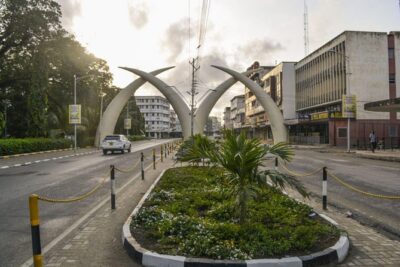 ★ 5.0Mombasa City TourFrom $45170 reviews
 ★ 4.7Mombasa: Tusks, Fort Jesus, Old Town, Beach and City TourFrom $30137 reviews
 ★ 4.3From Mombasa/Mtwapa/Diani/Tiwi: Tsavo East Full-Day SafariFrom $200130 reviews
 ★ 5.02 Days Tsavo East National Park Tour From Mombasa/Diani (1 Night)From $50650 reviews
 ★ 4.8Mombasa: Guided Nature Walk Amongst GiraffesFrom $3848 reviews
 ★ 5.0Visit to Fort Jesus and the Old Town of MombasaFrom $4047 reviews
Appears in these lists