
REVIEW · MAASAI VILLAGE VISITS
Masai Village Experience (Day trip)
Maasai culture comes at you fast. This Maasai village day trip from Nairobi is built around conversation and hands-on demonstrations, so you get more than photos and a quick dance stop. I especially like the way a private guide keeps things clear, with detailed explanations from guides like Alex, plus an on-site culture guide named Alfred who answers questions right there in the bomas.
I also love the practical stuff you can watch and try, like how men start a fire, how spears are thrown and practiced, and how women cook, weave bracelets and necklaces, and talk through everyday roles. One thing to consider is time: you get about 2.5 hours at the village, and it can still feel like a full day of driving, with food and drinks not included.
In This Review
- Quick reasons to go
- Entering the Maasai Village Day Trip From Nairobi
- The 2.5-Hour Village Visit: What You’ll Actually Do
- Refreshments Stop and the Flow of a Long Day
- Cattle Market and Shopping Town: More Than a Quick Photo Stop
- Live Entertainment, Asked-and-Answered Culture, and Respectful Interaction
- The Guides You Can Rely On: Alex and Alfred’s Role
- Price and Value: Is $111 Per Person Worth It?
- Who This Masai Village Experience Suits Best
- Tips to Make the Most of the Day
- Should You Book This Masai Village Day Trip?
- FAQ
- How long is the Masai Village Experience day trip?
- Where does the tour start and end?
- Is this tour private or shared?
- What language is the live tour guide?
- Is live entertainment included?
- Are food and drinks included?
- Are souvenir photos included?
- What is the cancellation policy?
Quick reasons to go
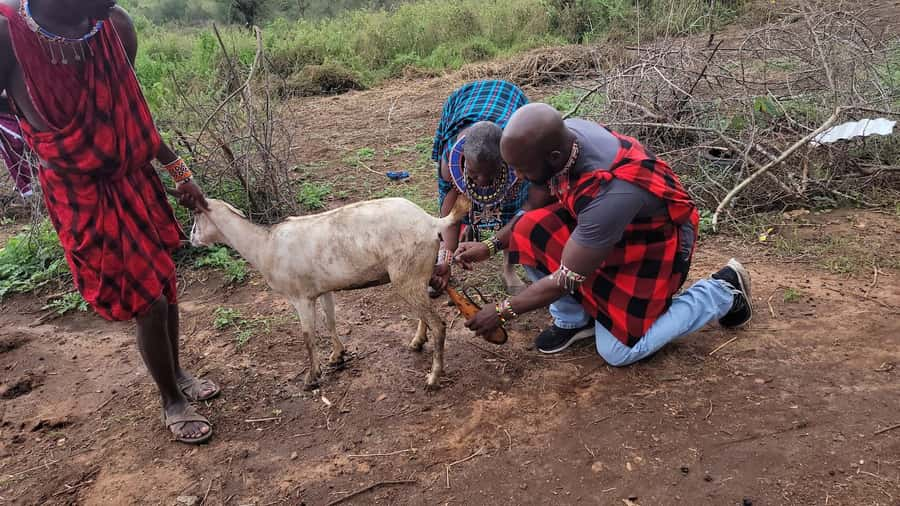
- Hands-on lessons like goat milking, fire-making, and spear practice
- Women and men roles explained in straightforward, ask-questions conversation
- Weaving and craft making for necklaces and wrist bands you can actually see being made
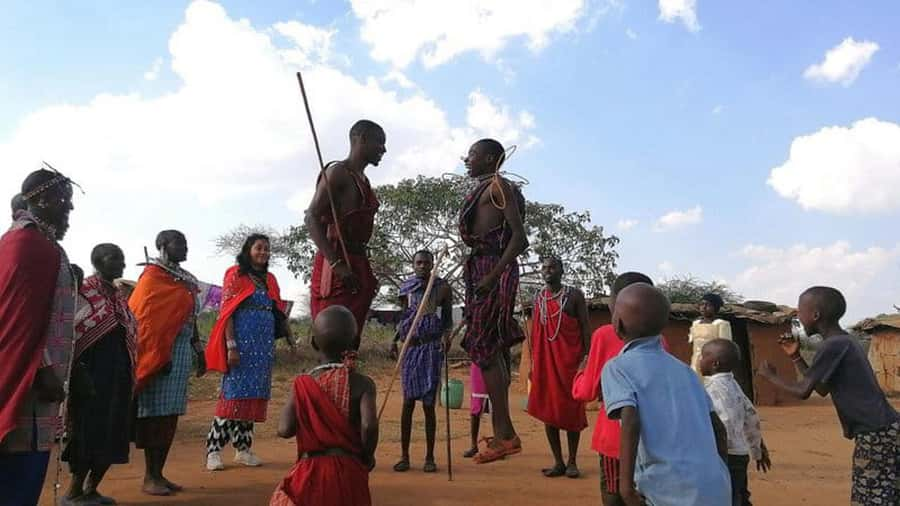
- Live entertainment through dance and song during your village visit
- Cattle market plus shopping town stops for a fuller look at local daily life
- Private guide timing that works well if you have a layover or a tight schedule
Maasai homestead visits reviewed elsewhere on this site
Entering the Maasai Village Day Trip From Nairobi
This is a Nairobi-based cultural outing that targets the day-to-day reality of Maasai life in Central Kenya, not the polished fantasy version people sometimes expect. You start with pickup from your Nairobi hotel, then you’re on the road with a driver and guide. Expect a short break during the drive, listed at 10 minutes, before you settle into the village visit.
The big value here is that you are not just observing from the edge. You are guided through what people do, why they do it, and how their community is organized, with live interaction throughout. One thing that stands out is how often the explanation is people-to-people, including time to ask questions while you’re watching activities happen.
Also, this is English language with a live guide. That matters because cultural experiences can turn into vague performances if you cannot follow the story. With English support, you can ask the practical questions that make the experience click.
The 2.5-Hour Village Visit: What You’ll Actually Do
Your time inside the village is listed as about 2.5 hours. That is enough to see multiple parts of village life, but it is not a multi-day immersion. I like this format for visitors who want depth without eating up two or three whole days from their Kenya plan.
Here is what you can expect during the village portion, based on what the tour is designed to show:
You’ll learn how women prepare food and cook, and you’ll also see weaving in action, including making necklaces and wrist bands. The tour description frames these as lessons, not just demonstrations, so you can connect the skill to daily life, not just admire the craft.
You’ll also hear about animals and routines, including goat milk and the role of livestock in the community. In at least one case, the experience included a chance to milk a goat and participate in activities that feel more interactive than “stand and watch.”
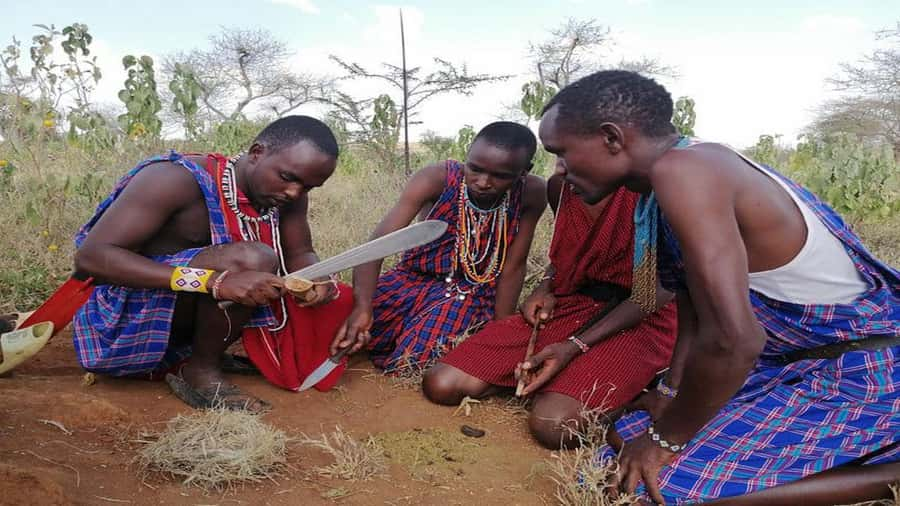
On the men’s side, there is typically a focus on activities like fire-making, and some groups include spear practice. One highlighted moment from a prior visitor was throwing a spear and practicing themselves, led by a Maasai man who spoke English. Even when you are not doing every activity, watching helps you understand what is ceremonial, what is practical, and what is taught.
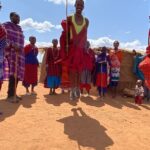
Finally, there is live entertainment. Think dance and song, with space for questions so you understand what you are seeing. It is easy to treat performances as only spectacle, but the better experience is when you ask what the movements represent and how the community uses song and dance.
Practical note: with a private setup, your guide can usually adjust the pacing to what your group is most curious about, which makes the limited village time feel better spent.
Refreshments Stop and the Flow of a Long Day
This tour includes a “one stop over to catch refreshments” and a listed short break during the day. That sounds small, but it’s the kind of detail that matters when you’re spending a day going out of Nairobi and back.
In real terms, you’re planning for:
- Road time out and back
- Village time (about 2.5 hours)
- A short break and refreshment opportunity
The drawback is that the day can feel compressed. A visitor who enjoyed the experience also noted it was a bit short and that there was a lot of driving. That lines up with what the schedule suggests. You’ll want to treat the village visit as the main event and plan everything else as support.
If you are sensitive to time crunches, this is still workable, because it ends back in Nairobi and is structured for a full day trip. But you should mentally prepare for travel days to feel busier than you might expect.
Cattle Market and Shopping Town: More Than a Quick Photo Stop
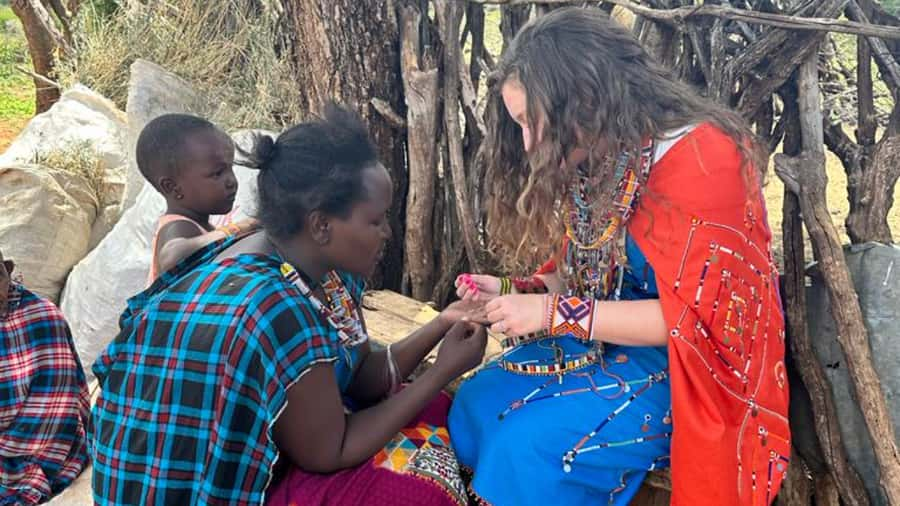
Beyond the bomas, the experience also includes a stop at the cattle market and a shopping town. This part is valuable because it helps you connect the cultural lessons from the village with how trade and daily economics actually work.
A cattle market stop can also shift your perspective. In the village, you learn livestock’s role in community life. At the market, you see livestock in a more public, organized setting, where people interact with animals and with commerce. That context makes the earlier explanations feel more grounded.
The shopping town component is where you can purchase authentic crafts. The highlights call out buying crafts, and the village portion includes weaving and craft making. So the shopping stop becomes a continuation, not a random add-on. If you watch bracelets or necklaces being made earlier, you’ll understand what you’re paying for and what skill went into the items.
One more detail: souvenir photos are not included, but they are available to purchase. That matters because people often forget that paid photo services can appear at cultural experiences. Bring a little extra budget if photos are important to you.
Other Nairobi bookings that survived the same scrutiny
Live Entertainment, Asked-and-Answered Culture, and Respectful Interaction
The tour includes live entertainment, and the tone you want to look for is explained and respectful, not just a performance for outsiders. The good sign is that this experience is set up with first-hand insights from community members, and English interpretation helps you follow what people are saying.
From the kind of activities included, the entertainment is not separate from learning. It is part of the cultural expression tied to community life. Dance and song tend to be easiest to appreciate when you understand their purpose, and the tour is structured so you can ask questions while you’re there.
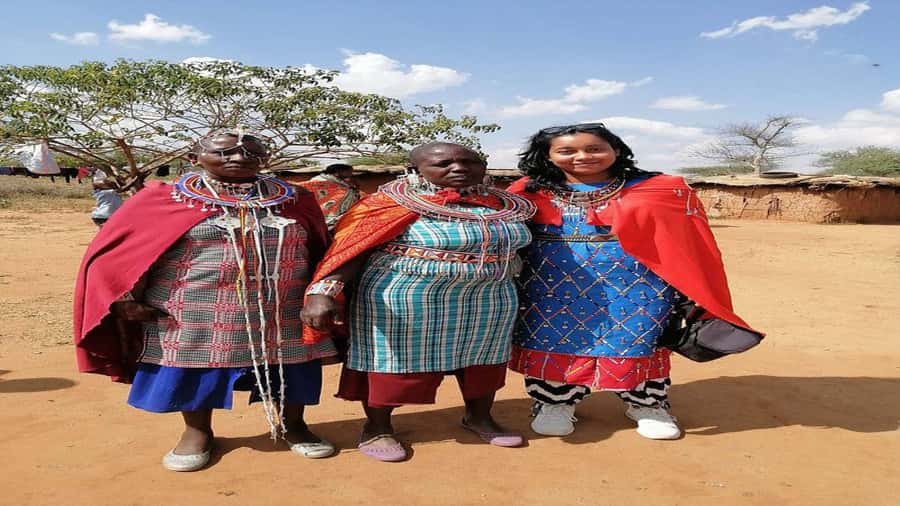
In at least one group experience, visitors were dressed in traditional Maasai attire by Maasai women. That kind of interaction is memorable, but it also comes with a gentle reminder: go with the flow, follow instructions on what is appropriate, and be ready to participate respectfully.
If you care about authenticity, keep your expectations flexible. You are seeing a cultural presentation in a visitor-facing setting, but you’re also getting real explanations about roles, crafts, and daily routines. When you ask questions, it becomes less about spectacle and more about understanding how people live.
The Guides You Can Rely On: Alex and Alfred’s Role
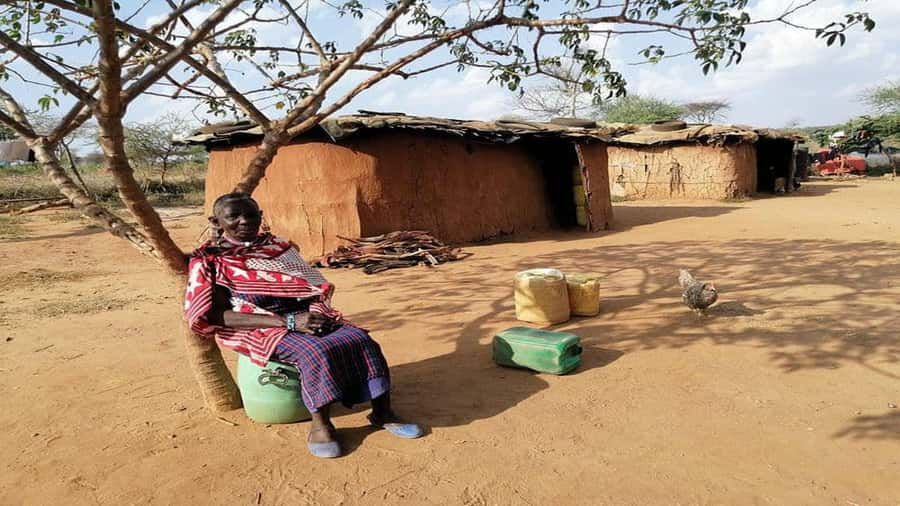
The tour includes a driver/guide and is described as a private tour. That matters because you get more control over the pace, more time for questions, and fewer “hold the group together” distractions.
From the way this experience is described, English-language guidance is a core part of the value. One guide named Alex was praised for explaining everything in detail, and he also made schedule-smart additions in one instance, including an extra stop at the KiCC building and local food before continuing to the airport on time for a layover. Not every group will get those exact add-ons, but it does show what this private format can allow when the schedule is tight.
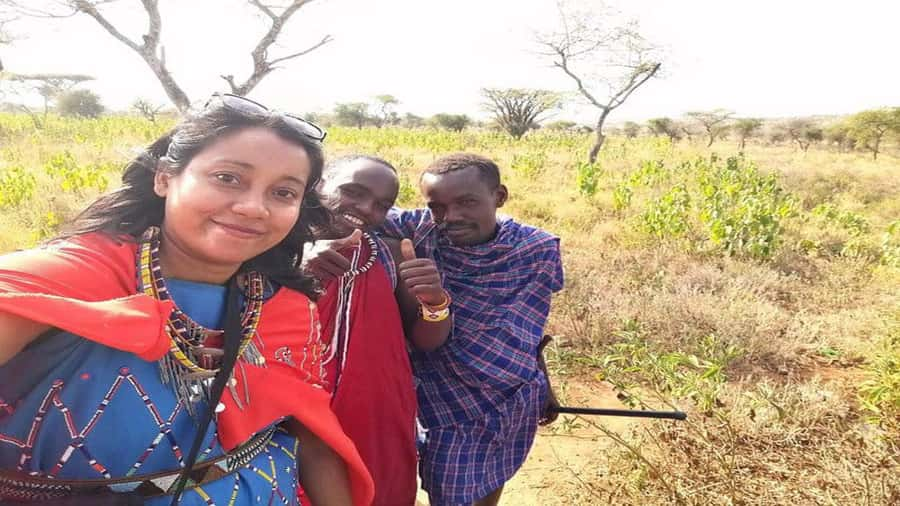
You may also meet an on-site guide named Alfred during the village segment. Alfred was singled out for open cultural sharing, which is exactly what you want during a short visit. For a day trip, your guide is the difference between feeling like you toured a set and feeling like you had a real conversation.
Price and Value: Is $111 Per Person Worth It?
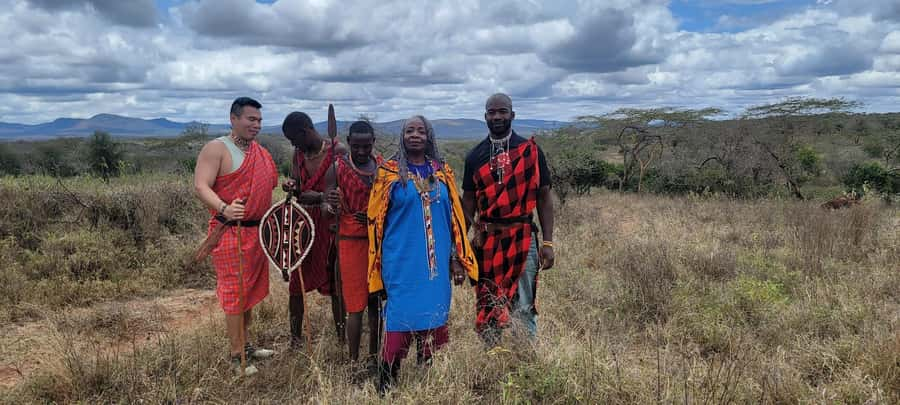
At $111 per person for a one-day outing, this is not a “cheap and cheerful” add-on. But it can be good value if you want more than a photo op and you care about being guided through daily life with English support.
Here’s what your money is covering, based on what’s included:
- Driver/guide
- Hotel pickup and drop-off in Nairobi
- Live entertainment
- Private tour
What is not included:
- Food and drinks
- Lunch
- Souvenir photos (available to purchase)
So the cost is mainly transportation plus a guided cultural program. That makes sense because Nairobi is your starting point and the village visit is the main event, not a quick local walk.
My rule of thumb for cultural day trips like this is simple. If you want the practical, hands-on parts, and you want English explanations in real time, private value goes up fast. If you only want photos and you do not care about understanding roles, crafts, and routines, then the price can feel steep for the limited time inside the village.
A good way to decide is to budget mentally: plan for your own snacks, drinks, and a meal later. If you do that, the $111 cost becomes easier to justify as a guided day from Nairobi with entertainment and craft opportunities built in.
Who This Masai Village Experience Suits Best
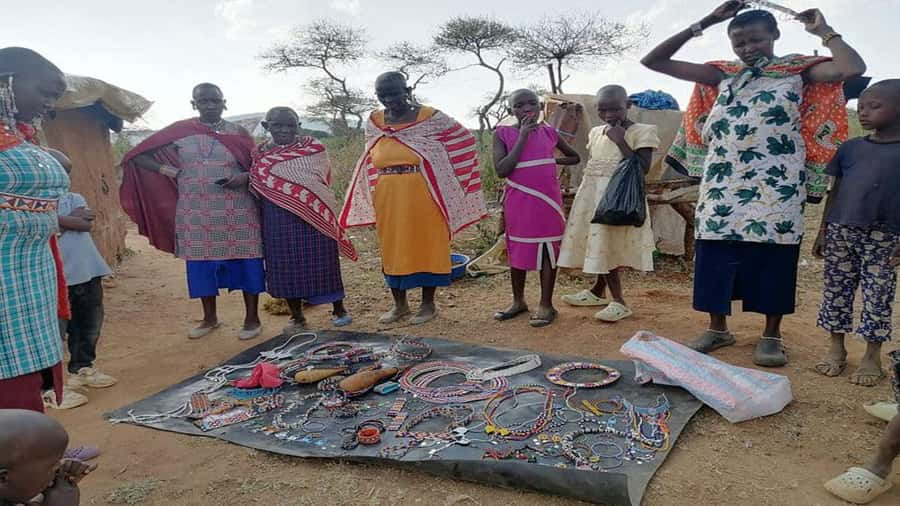
This day trip fits best if you:
- Want culture and learning, not just a safari checklist
- Prefer a private setting with real question time
- Are short on days and need something that works as a full, one-day plan
- Like interactive experiences, like trying spear practice or seeing fire-making and craft work up close
It can feel less ideal if:
- You hate driving days, since the tour is structured for pickup and return to Nairobi
- You are hoping for a long, slow cultural stay (this is about hours, not days)
- You want food fully included, because food and drinks are not listed as included
The people who tend to love this most are the ones who ask good questions and treat the craft buying as part of the learning, not a separate shopping mission.
Tips to Make the Most of the Day
A few small choices can upgrade your experience fast:
Bring money for what is not included. Food and drinks are on you, and souvenir photos are available to purchase. If you plan to buy crafts, having your budget ready makes the shopping part less stressful.
Wear practical clothing. You’ll be moving around during village activities and watching live demonstrations. Comfortable shoes help, especially when you’re going between spaces inside the village area.
Come with curiosity. If you want women’s and men’s roles explained, ask. If you want to understand how goat milk connects to daily life, ask. The tour’s value is the conversation, not just the visuals.
Ask before you try. Some activities in the included description suggest hands-on participation, like milk or spear practice. You’ll be shown what to do, but it’s still smart to wait for guidance.
If you have a layover, this format can work well because it is private and timed back to Nairobi. One visitor described a guide ensuring timing to reach the airport without a hitch, and that’s the kind of scheduling flexibility you should look for in a private tour.
Should You Book This Masai Village Day Trip?
I’d book it if you want a structured, English-guided day where Maasai village life is explained in plain terms, with live entertainment and craft making you can connect to daily routines. The private format, the hands-on activities, and the extra market and shopping stops make it more than a quick cultural checkbox.
I’d think twice if you are only after a few photos and you do not care about the explanations and roles behind the performances. The day can also feel rushed for the amount of time you spend on the road, and food and drinks are on you.
If you are deciding between this and a more general city activity in Nairobi, this is the one that gives you a direct link to community life and culture, not just sightseeing.
FAQ
How long is the Masai Village Experience day trip?
It is listed as a 1-day experience.
Where does the tour start and end?
The tour includes Nairobi pickup and ends back at the meeting point in Nairobi.
Is this tour private or shared?
It is a private group tour.
What language is the live tour guide?
The live tour guide is listed as English.
Is live entertainment included?
Yes, live entertainment is included.
Are food and drinks included?
No, food and drinks are not included.
Are souvenir photos included?
Souvenir photos are not included, but they are available to purchase.
What is the cancellation policy?
You can cancel up to 24 hours in advance for a full refund.
More 1-Day Tours in Nairobi






More Tour Reviews in Nairobi






Further Maasai Homestead Visits




Everything else we hold on Nairobi
- 7 Days Private 4 star lodges Safari by LandCruiser from Nairobi★ 5.0 · 3 reviews
- 5 Days/4 Nights Kenya Safari★ 4.5 · 3 reviews
- Safari Park Hotel Show & Dinner Experience In Nairobi Tour★ 3.6 · 3 reviews
- Day safari to Olpejeta Rhino conservancy★ 5.0 · 3 reviews
- 7 Days Breathtaking Kenya Wildlife Private Safari★ 5.0 · 3 reviews
- Overnight Amboseli National Park Safari from Nairobi★ 5.0 · 3 reviews
Maasai Village Visits, compared.
 ★ 4.5Nairobi: Day Tour to Amboseli National Park & Maasai VillageFrom $75310 reviews
 ★ 5.0Masai village Day Tour ExperienceFrom $100284 reviews
 ★ 5.0Maasai Village Experience Day TourFrom $10072 reviews
 ★ 4.9From Nairobi: Maasai Village Experience Day TourFrom $11770 reviews
 ★ 4.4Day Trip: Amboseli National Park & Maasai Village – NairobiFrom $10069 reviews
 ★ 4.6Nairobi: Day Trip to Maasai Mara Reserve & Maasai villageFrom $18049 reviews
 ★ 5.03days/2nights group joining Masai Mara with Masai Village VisitFrom $25638 reviews
 ★ 4.6Maasai Village Visit with Traditional Dance ShowFrom $5024 reviews
Appears in these lists