
REVIEW · MAASAI VILLAGE VISITS
Maasai Village: Cultural Experience of The Maasai Tradition
Fire, drums, and ugali, all in six hours. This Nairobi day trip takes you to a secluded Maasai village for hands-on skills like fire-making and beadwork, guided by an English-speaking team. The one drawback: the $55 rate does not include the $30 entry fee per person, and the visit can feel smaller than people imagine.
I really like the way the day mixes learning with doing, not just watching. Cooking ugali with local women, plus the welcome jumping dance and songs, makes the culture feel personal and understandable.
You will also see how a manyatta hut is built from mud, sticks, and cow dung, and you get time to ask questions and take photos. Just note the schedule is social, so come ready for conversation and photo stops.
In This Review
- Key things to know before you go
- Nairobi Pickup, Drive Time, and What the Journey Sets Up
- The Welcome Jumping Dance and Warrior Songs
- Manyatta Huts, Daily Life, and How Homes Are Built
- Fire-Making Without Matches: A Small Skill Lesson
- Ugali Cooking With Local Women: Food That Lands
- Bead-Making, Jewelry, and Where the Money Goes
- Optional Livestock Market Visit on Select Days
- Price and Value: How to Think About the Total Cost
- Photo Time and Social Interaction: How to Make It Pleasant
- Who Should Book, and Who Should Skip
- Should You Book This Maasai Village Day Trip?
- FAQ
- How long is the Maasai village experience?
- What is the total cost, and is the $30 admission fee included?
- What is included in the price?
- What activities will I do during the visit?
- Do you provide a guide and what language do they speak?
- What should I bring with me?
- What footwear is not allowed?
- Is the tour wheelchair accessible?
- Can I cancel and can I pay later?
Key things to know before you go
- Hands-on fire-making using traditional methods without matches
- Cooking ugali alongside local women as part of daily-life demonstrations
- Bead-making and optional jewelry purchases that support the village
- Manyatta hut walkthrough and how homes are put together
- A small group (up to 10) with a driver who speaks English
- Optional livestock market stop on select days for cattle, goats, and sheep trade
Maasai homestead visits reviewed elsewhere on this site
Nairobi Pickup, Drive Time, and What the Journey Sets Up
Most people start from their Nairobi hotel, with pickup and drop-off included. After booking, you share where you want to be collected, and you get a confirmed pickup time and exact spot. The tour runs about 6 hours, so this is very much a half-day plan, not an all-day slow wander.
Before you reach the village, you’ll ride through changing scenery on a drive with commentary from your guide. This matters more than it sounds. Those quick explanations about Kenya’s different cultures and ecosystems help you place what you’re seeing later, inside a Maasai manyatta and during the day’s activities.
Because it’s a small group limited to 10, the day feels more like a guided conversation than a cattle-line tour. That also means you should show up on time. With only a few people in the van, any late start affects the whole flow.
One practical tip, especially in the sun: bring sunscreen and a sun hat. You’ll be outside for demonstrations, dancing, and photos, and bottled water is included, but you’ll still want to pace yourself.
The Welcome Jumping Dance and Warrior Songs
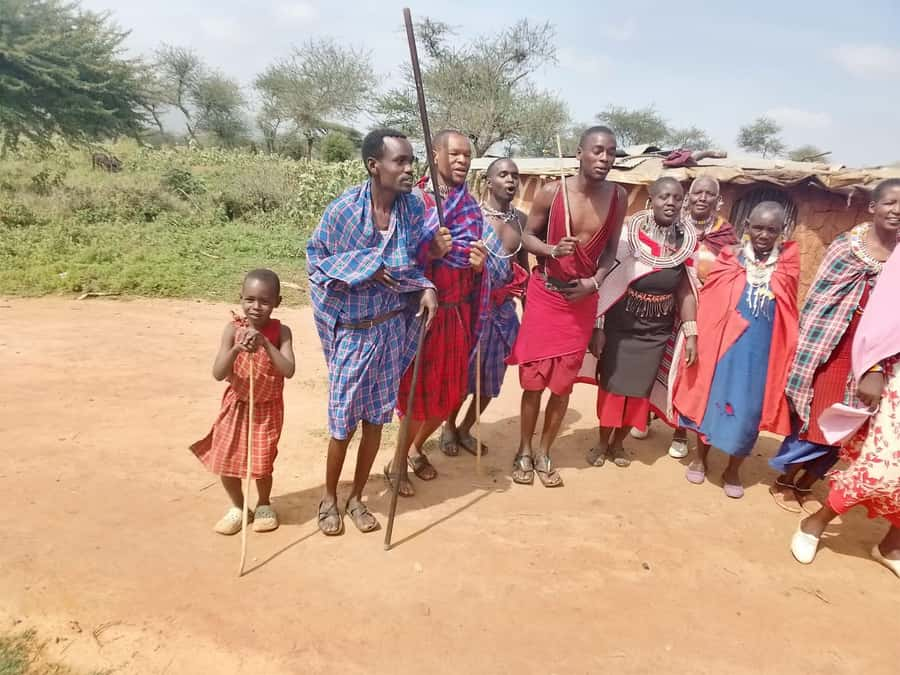
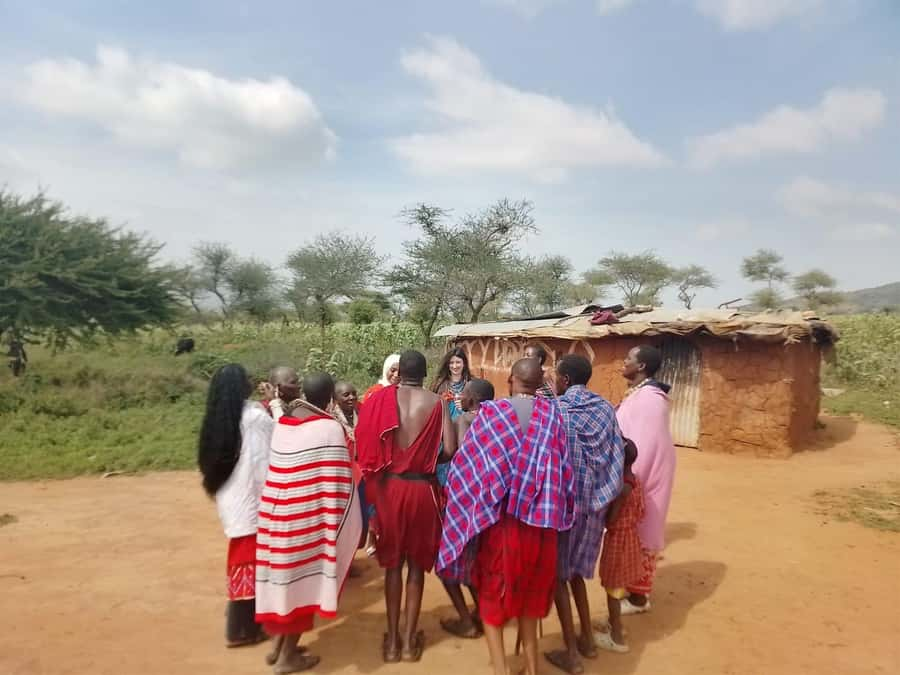
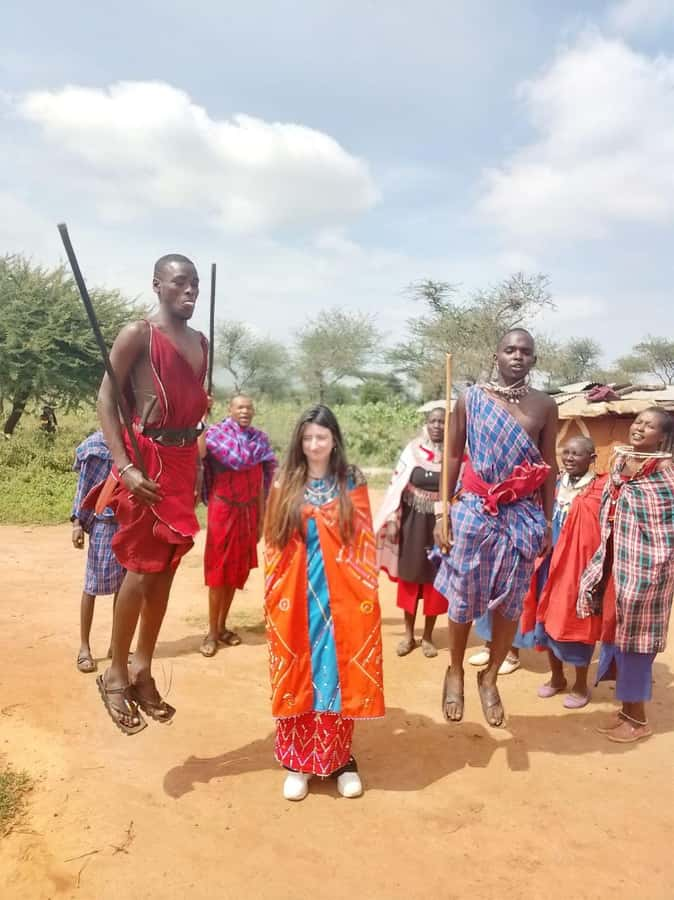
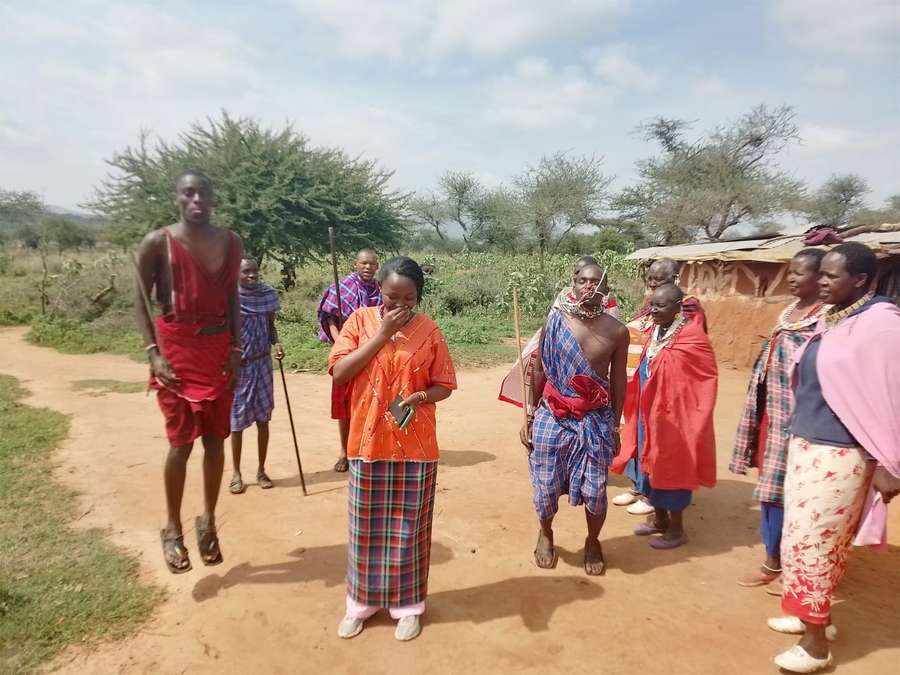
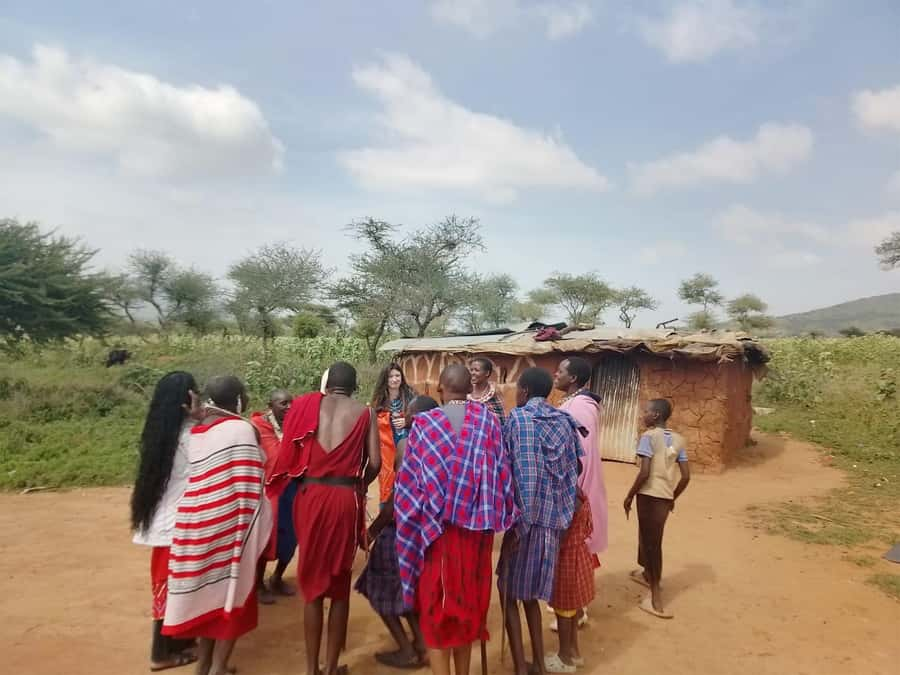
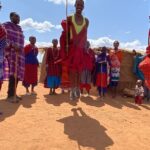
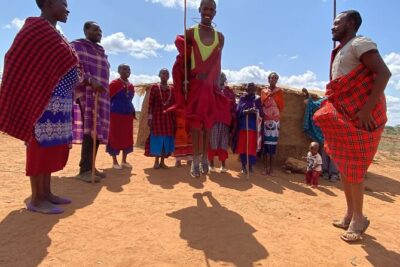
One of the loudest, most memorable parts is the Maasai welcome. You can expect a lively jumping dance and traditional songs performed by warriors and women of the village. It’s the kind of moment that sets the tone fast, because it isn’t quiet or staged like a performance in a theater.
I like that this part is not just for photos. It usually comes with context through stories shared by village members, including customs and beliefs passed down through generations. In at least one account, the guide also helped explain what you were seeing so the movement and call-and-response felt meaningful, not random.
The tricky bit is that this is also a photo-forward moment. The experience involves photo shots, and you’ll want to be ready to move quickly when asked, and to keep your camera handy.
If you’re uncomfortable with attention or conversation, this may feel like more social time than you expected. But if you enjoy being talked to and watching closely, the welcome dance is a highlight you’ll probably remember long after the photos.
Manyatta Huts, Daily Life, and How Homes Are Built
After the welcome, the day turns practical. You’ll step inside a traditional manyatta, built from mud, sticks, and cow dung. You learn how these homes are constructed and how daily tasks work inside the household.
This part is where the Maasai culture stops being a word and starts being a real routine. You see what the materials are, how they connect to daily living, and why the layout matters. It’s also one of the only moments in many Nairobi day trips where you get to look at homes, not just people.
You’ll also hear how families are structured and what daily life can look like. The details you receive depend on the guide and the group’s questions, but the goal is similar: help you understand life rhythms around home, cattle, and community.
A note for comfort: the experience is not built for bare feet. It’s also not a good fit if you use a wheelchair or have mobility limits. The ground around huts and in and out of structures can be uneven and close, so wear comfortable shoes with grip.
Fire-Making Without Matches: A Small Skill Lesson
Next comes one of the most hands-on activities of the day: learning to start a fire without matches. You’ll see the traditional technique first, then you get a chance to try your hand at it.
This is the kind of activity that makes you slow down and pay attention. It also makes the cultural explanation feel practical, not abstract. When you try to do it yourself, you understand why the knowledge matters in daily life.
If you’re the type who likes learning by doing, this will likely be one of your favorite stops. And even if you don’t get it perfect, the attempt is the point. The session also helps break up the day so it’s not only conversation and photo time.
Bring a long view mindset here. You are not trying to become a fire expert in ten minutes. You’re learning the approach and respecting that this is traditional knowledge, not a novelty trick.
Ugali Cooking With Local Women: Food That Lands
One of the best parts of the experience is cooking ugali. Alongside local women, you’ll make the staple Kenyan dish and get guidance through the process. This isn’t just a tasting stop, and it isn’t a quick snack with no context.
I like that you’re working with the ingredients and the technique, so you can take home a sense of what “staple” really means. Ugali is simple, but it’s also central to meals, and cooking it shows how basic skills support family life.
You’ll likely get a chance to ask questions while you cook. That’s where the day can feel most human. A few minutes of conversation can do more than an hour of explanations, especially when people are willing to answer in plain language.
Watch your timing here. If you’re eager for photos, keep in mind the cooking steps can be messy and hands-on. Wear shoes you can stand in and clothing you don’t mind getting warm.
Also remember: meals are not included. The cooking session may come with samples, but you should plan on bringing or buying your own meal afterward if you’re hungry later.
Bead-Making, Jewelry, and Where the Money Goes
Then you shift to Maasai beadwork, including making your own bead designs. Beadwork is a key part of identity, and the hands-on session helps you understand why it’s not just decoration.
After you make something, you get the chance to buy authentic handmade jewelry. The important detail is that proceeds directly support the village. That changes the vibe from souvenir shopping to direct village support, as long as you’re respectful about pricing and buying.
I also like that this part gives you something you can take home that’s connected to skill, not just a mass-made item. You can still treat it as a memory, but it’s more grounded when you made the basics yourself.
One practical tip: if you’re serious about buying, decide your budget early. Beadwork can look simple, but the labor is real, so prices can feel higher than you expect. Have a number in mind so you can enjoy the process without stress.
Optional Livestock Market Visit on Select Days
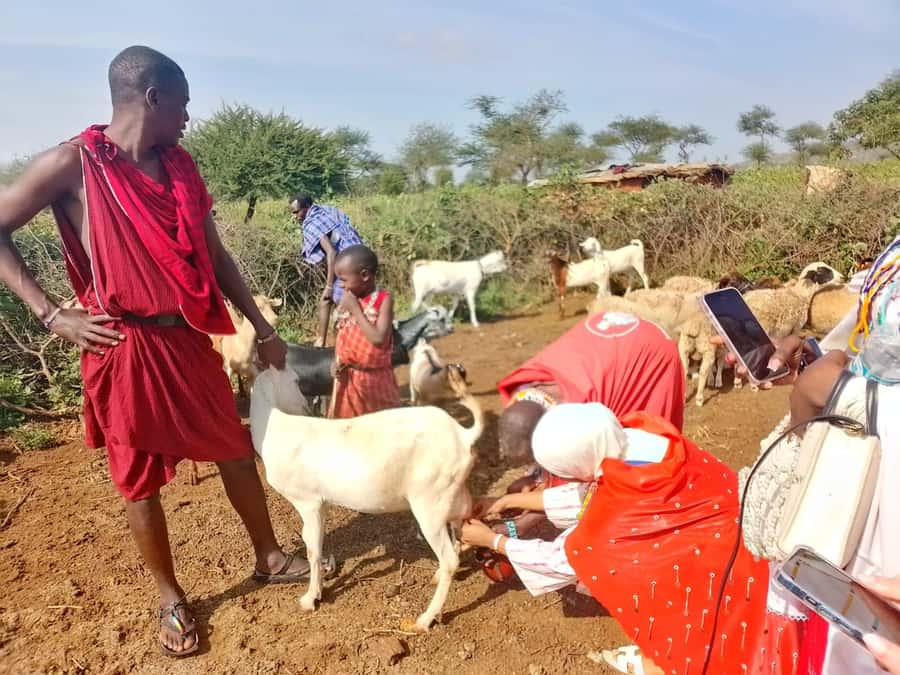
On select days, your schedule may include a stop at one of Kenya’s largest livestock markets. This is a rare look at the economic and social side of Maasai herding life, where cattle, goats, and sheep are traded.
If you love animals and want to understand what herding actually looks like beyond a cultural performance, this addition can be especially valuable. You also get context for why cattle matter in community life, not just as a symbol.
The trade-off is timing. A market visit can add more noise and motion than a quieter village demonstration. If you’re sensitive to crowd energy, ask in advance whether your date includes the market stop.
When this is offered, it’s one of the best chances to see how Maasai culture intersects with day-to-day livelihoods.
Price and Value: How to Think About the Total Cost

The headline price is $55 per person, with hotel pickup and drop-off in Nairobi included, bottled water included, and guided cultural immersion activities included. The important line item is that a $30 USD admission fee per person is not included.
So your realistic total is closer to $85 per person, plus any extra drinks or personal expenses. Meals are also not included, which matters because six hours goes fast, and you may not eat until after the tour.
Is it good value? For some people, yes, because you’re paying for structured access and multiple hands-on activities in one half-day package: fire-making, ugali cooking, beadwork, and a manyatta visit. The small group size and English-speaking guide also help with pacing and questions.
But it can feel pricey if you were expecting a large, bustling community experience. One disappointment described the visit as a small setup, more like a couple of huts than a broader village scene. Another concern was that the chief’s mention of needing funds for college made the visit feel closer to fundraising than pure cultural exchange.
Here’s how I’d handle that before booking: decide what you want most. If you want hands-on activities plus straightforward access, the price can make sense. If you want a big community setting and minimal “fee talk,” adjust expectations and consider asking questions about what you’ll see.
Photo Time and Social Interaction: How to Make It Pleasant

This tour involves social interaction, and photo shots are part of the experience. That doesn’t automatically mean it’s uncomfortable. It just means you should be ready to engage.
A good strategy: treat it like a conversation. Ask before taking close-up photos, and stay open to answers. Many of the most rewarding moments tend to be the short chats between activities, when you can ask about houses, cattle, beadwork, or daily routines.
The group stays small, so your questions are more likely to get direct replies. In one account, the guides Ben and Jen were described as friendly and accommodating, making people feel that the experience was arranged to match what visitors wanted to learn.
Still, don’t assume this is a hands-off cultural viewing experience. If you prefer quiet, low-contact travel, you might find the social element too much.
Who Should Book, and Who Should Skip
This is best for you if you want a structured day trip from Nairobi and you’re excited by hands-on cultural activities. If you enjoy cooking lessons, craftwork like bead-making, and learning basic traditional skills like fire-making, you’ll likely have a full plate in six hours.
It’s also a good choice if you want a small group plan with pickup and drop-off handled, and you appreciate a guide who can explain customs in English.
Skip it if you use a wheelchair or have mobility challenges. The tour includes walking, entering traditional huts, and spending time outdoors, and it’s specifically noted as not suitable for wheelchair users.
Also consider your expectations. If you picture a large Maasai village with endless streets and lots of families, you may be surprised. One account called it more commercialized than expected. Another said it felt authentic and educational. Your best bet is to think of this as an organized cultural visit with activities, not a full-day wandering village festival.
Should You Book This Maasai Village Day Trip?
Book this if you want a concentrated dose of Maasai daily-life topics, plus real activities like ugali cooking, bead-making, and fire-making. With hotel pickup, a small group, and an English-speaking guide, it’s also a practical way to experience more than just Nairobi’s city sights in one day.
Before you book, do this quick reality check. Factor in the $30 per person entry fee. Plan for an active social schedule and photo moments. And if your date might include a livestock market stop, decide whether you’re ready for that level of motion and sound.
Skip or rethink it if accessibility is an issue, or if you strongly prefer experiences without any fundraising or fee-related talk. You should also choose this with your eyes open if you expect a huge village setting.
If you match the mindset, this day trip can be a memorable Kenya moment, the kind where you leave with a skill you tried, a dish you cooked, and a deeper sense of how Maasai life connects home, cattle, and community.
FAQ
How long is the Maasai village experience?
The tour lasts about 6 hours, so it is a half-day plan from Nairobi.
What is the total cost, and is the $30 admission fee included?
The listed price is $55 per person, but the $30 USD admission fee per person is not included. So you should budget for the entry fee separately.
What is included in the price?
The tour includes hotel pickup and drop-off within Nairobi, bottled water, a guided tour, and hands-on cultural activities like cooking, bead-making, and fire-making.
What activities will I do during the visit?
You can expect fire-making without matches, cooking ugali with local women, a welcome jumping dance and songs, bead-making, and a visit inside a manyatta hut. On select days, you may also visit a livestock market.
Do you provide a guide and what language do they speak?
Yes, you get guided cultural immersion activities, and the driver is described as English-speaking.
What should I bring with me?
Bring comfortable shoes, a sun hat, a camera, sunscreen, and water.
What footwear is not allowed?
High-heeled shoes are not allowed, and bare feet are also not allowed.
Is the tour wheelchair accessible?
No, it is not suitable for wheelchair users, and it is listed as not suitable for people with mobility impairments.
Can I cancel and can I pay later?
You have free cancellation up to 24 hours in advance for a full refund. The tour also offers reserve now and pay later, meaning you can book and pay nothing today.
More Tour Reviews in Nairobi





Further Maasai Homestead Visits




Everything else we hold on Nairobi
- 7 Days Private 4 star lodges Safari by LandCruiser from Nairobi★ 5.0 · 3 reviews
- 5 Days/4 Nights Kenya Safari★ 4.5 · 3 reviews
- Safari Park Hotel Show & Dinner Experience In Nairobi Tour★ 3.6 · 3 reviews
- Day safari to Olpejeta Rhino conservancy★ 5.0 · 3 reviews
- 7 Days Breathtaking Kenya Wildlife Private Safari★ 5.0 · 3 reviews
- Overnight Amboseli National Park Safari from Nairobi★ 5.0 · 3 reviews
Maasai Village Visits, compared.
 ★ 4.5Nairobi: Day Tour to Amboseli National Park & Maasai VillageFrom $75310 reviews
 ★ 5.0Masai village Day Tour ExperienceFrom $100284 reviews
 ★ 5.0Maasai Village Experience Day TourFrom $10072 reviews
 ★ 4.9From Nairobi: Maasai Village Experience Day TourFrom $11770 reviews
 ★ 4.4Day Trip: Amboseli National Park & Maasai Village – NairobiFrom $10069 reviews
 ★ 4.6Nairobi: Day Trip to Maasai Mara Reserve & Maasai villageFrom $18049 reviews
 ★ 5.03days/2nights group joining Masai Mara with Masai Village VisitFrom $25638 reviews
 ★ 4.6Maasai Village Visit with Traditional Dance ShowFrom $5024 reviews
Appears in these lists