
REVIEW · TEA FARM TOURS
Kiambethu Tea Farm Tour & Lunch From Nairobi
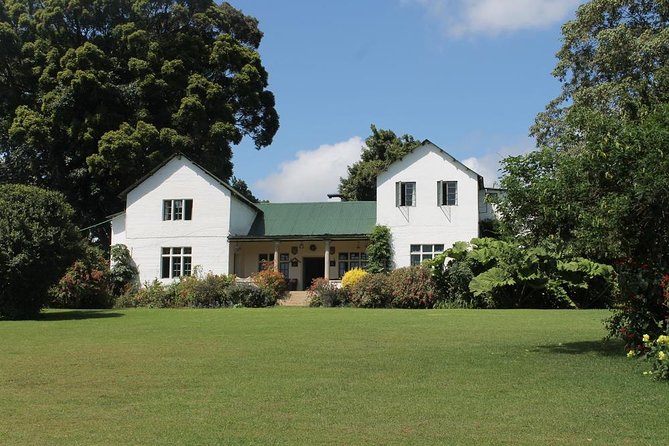
Tea and monkeys beat the Nairobi traffic. This Kiambethu Tea Farm tour mixes family history since 1910 with a guided walk through tea gardens and an old forest known for colobus monkeys. I especially liked the warm welcome at the main house with home made biscuits and tea, though it is a full 6-hour block, so it is not the move if you want something quick.
I also like how the day is built around people, not just plants. You get hotel pickup and drop-off, and you are met at the estate by Marcus and Fiona, with a guide who keeps the history talk lively and a bit comical. Just note the max group size is up to 100, so you may feel a little rhythm change if the crowd is large.
In This Review
- Key things I’d plan for on this Kiambethu tour
- $125 Tea-Farm Value: What Is Actually Included in the Half-Day
- Pickup, Timing, and Getting to the Estate Before 11am
- First Stop at the Main House: Marcus, Fiona, Biscuits, and Tea
- Tea Gardens Walks and Colobus Monkey Glimpses
- Preserved Indigenous Forest: The Wildlife and the Why
- Settler History and How Tea Became an Export Crop
- The 3-course Lunch and Afternoon Tea You Eat on Site
- Group Size, Guides, and How the Day Feels in Real Life
- What to Bring, What to Wear, and What to Watch for
- Should You Book the Kiambethu Tea Farm Tour from Nairobi?
- FAQ
- How long is the Kiambethu Tea Farm tour with lunch?
- What time does the tour start in Nairobi?
- What is included with the visit to Kiambethu Tea Estate?
- Is hotel pickup and drop-off included?
- What kind of lunch do I get?
- Will I see colobus monkeys?
- What is the maximum group size?
- Is the tour closed on any days?
- Is admission included in the price?
- What is the cancellation policy?
Key things I’d plan for on this Kiambethu tour
- A family-owned tea estate since 1910, with a real-history lecture built into the visit
- Colobus monkey spotting time, including a walk through preserved forest
- A 3-course lunch plus afternoon tea, using locally sourced ingredients
- Hotel pickup and drop-off from Nairobi, so you can relax and focus on the day
- English-speaking guides with expertise in wildlife, culture, and tour guiding
Limuru tea farm visits above the escarpment
$125 Tea-Farm Value: What Is Actually Included in the Half-Day
At $125 per person for about 6 hours, this is not a bargain lunch, but it is also not a luxury-only experience. The price bundles in the heavy hitters you would otherwise pay separately: a guided estate visit, lunch, afternoon tea, and hotel pickup and drop-off.
For me, the value is in the mix. You are not just walking tea rows, you are hearing how tea became one of Kenya’s major export crops, plus you are spending time in an indigenous forest area where wildlife is part of the point. If you like farm-to-table style meals and you want nature with your culture lesson, this lands well.
The one trade-off is time. You are on a scheduled half day that starts with a 9:30 am start time, then arrives at the estate around 11am, so you are giving up most of your morning and early afternoon. If your Nairobi days are packed tight, plan your schedule buffer.
Pickup, Timing, and Getting to the Estate Before 11am
This tour is designed to start easy. Your day begins with pickup from your hotel or accommodation in Nairobi, and the start time is listed as 9:30 am. From there, you head to the Kiambethu Tea Estate and arrive at the main house around 11am.
Why that matters: you get to the farm while the day is still fresh for a garden stroll, and before the lunch rush. You also avoid the hassle of arranging transport on your own, which is a big deal when traffic and ride timing can be unpredictable.
The tour runs around 6 hours total. That duration includes time at the main house for tea and biscuits, guided walks through gardens and forest, and your meal. It is long enough to feel like a real outing, but not so long that it turns into a whole day far from Nairobi.
First Stop at the Main House: Marcus, Fiona, Biscuits, and Tea
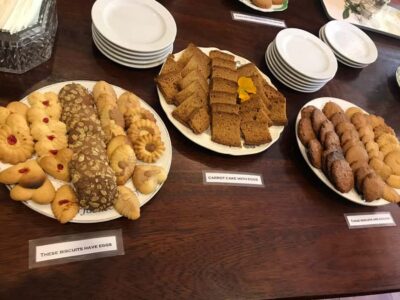
When you arrive at the main house, Marcus and Fiona welcome you with home made biscuits and tea. It is a simple start, but it sets the tone. You are not rushed into the tour, you settle in, and you get a feel for how the estate operates like a working family property.
The main house visit also acts like a “story kickoff.” You are taken through the farm and the tea making process, with a lecture-style explanation that connects the property’s past to what you see today. Guides are described as professional English speakers, and they’re experts in African wildlife, culture, and tour guiding, which helps you understand what you are seeing while you walk.
The gardens around the home also get time. I like this because it gives you a low-pressure way to start, and it is one of the best areas for spotting activity. Even if you are not a diehard bird or primate person, this is where the estate feels lived in.
Tea Gardens Walks and Colobus Monkey Glimpses
After the welcome, you head into the parts of the property where the views and the wildlife coexist. You will stroll through the tea gardens, and you will also spend time in areas where you can catch glimpses of resident colobus monkeys.
What I like about this setup is that it is practical. You are not promised a guaranteed sighting, but the tour is structured around places known for their colobus population. The guides keep you moving with purpose, so you are not wandering lost, and you are listening for cues while you look.
The guide factor matters here. The experience includes a guide described as highly entertaining and comical. That means if your group has mixed interests, you are more likely to stay engaged when the talk turns historical and when you pause to scan the treetops.
Tip for your brain: when you are scanning for monkeys, go slow. The monkeys can be easy to miss if you keep walking fast. You’ll get the best results if you stand still, look, then move a few steps, instead of trying to speed-run the forest edge.
Other Nairobi bookings that survived the same scrutiny
Preserved Indigenous Forest: The Wildlife and the Why
One of the smartest parts of this tour is the walk through an indigenous forest that is still preserved. The tea farms cleared much of the surrounding area, but this section remains, which is why it plays such a big role in both wildlife and education.
You are not just getting nature for the sake of nature. The preserved forest is also a reminder of how the landscape changed as tea farming expanded. In other words, it helps you understand the “before and after” story of agriculture in the region.
This forest walk is where the wildlife element feels most meaningful. You are guided with an eye toward African wildlife, and the tour is specifically framed around the colobus population. If you care about conservation and habitat, you will probably find this part more satisfying than a purely scenic stroll.
Downside to consider: forest walking can mean uneven ground and shaded paths. The tour is only about 6 hours total, but you still want shoes that handle a bit of dirt and plant roots.
Settler History and How Tea Became an Export Crop
A big part of why this tour is worth your time is the human story. You learn about settler culture and history in Kenya, and you also get the tea evolution story, including how tea turned into one of Kenya’s largest export crops.
For me, this works best because it is tied directly to the farm you are standing on. You’re not hearing abstract history for an hour and then looking at plants. The narrative connects what happened when the estate was founded, how the farm operates, and why tea shaped livelihoods and trade.
The guide’s role here is key. You are promised professional English speaking guides who are experts in culture and tour guiding, so you should get clear explanations you can follow without needing to do homework first. And since the guide is described as entertaining and comical, the history doesn’t feel like a lecture you have to survive.
If you prefer your history “felt” rather than just recited, this balance is the sweet spot. You get the facts, but you also get the walking, the sights, and the meal to keep it grounded.
The 3-course Lunch and Afternoon Tea You Eat on Site
Lunch is not an afterthought. It is part of the core experience at Kiambethu Estate, and you get a 3-course meal plus afternoon tea. The good news is that the meal is described as freshly sourced with locally sourced produce in the mix.
This is where the farm tour becomes more than a walking tour. Eating on site changes your perspective. You see tea as a working crop and you taste the results of local agriculture, rather than eating somewhere generic on the way back.
The tone is relaxed, too. After the forest and garden time, you sit down, digest, and enjoy the afternoon tea break. If you like tours that end on a comfortable note, this is one of the better setups I’ve seen.
One practical note: the included items are lunch and afternoon tea, but personal expenses like drinks are not included unless specified. So if you enjoy soft drinks or alcoholic beverages, plan to cover those separately.
Group Size, Guides, and How the Day Feels in Real Life
The group size is listed with a maximum of 100 travelers. That does not mean every group will feel huge, but it is something to keep in mind.
What I suggest: if you want the most personal feel, aim for a calmer time window and keep an eye on the crowd. Even when you are in a larger group, the tour still has built-in structure: welcome at the main house, guided garden strolls, forest walk time, and then lunch. That structure helps you keep moving, and it keeps the experience from turning chaotic.
The guides are professional and described as English speaking. They are experts in African wildlife, culture, and tour guiding, which is helpful because you get interpretive context, not just directions. And since the guide is described as lively and comical, you’re less likely to have a monotone day where everyone tunes out.
Also, this experience includes a mobile ticket, which is convenient when your Nairobi day is already filled with logistics. Group discounts are included too, so if you are traveling with friends, it can help spread the cost.
What to Bring, What to Wear, and What to Watch for
This is a farm and forest day, so dress for walking outdoors. Bring comfortable shoes with grip, especially for the preserved forest section. If it has been rainy, the ground can get slick, and you will be grateful for traction.
For clothing, think layers. You will start in Nairobi and then be in a shaded green environment during parts of the walk. A light jacket or scarf can help if you feel chilly under trees.
For monkey spotting, keep your expectations practical. The tour is designed for colobus sightings and it references the resident population, but wildlife is wildlife. Slow down and scan when the guide pauses, instead of rushing to catch up.
For photos: there are souvenir photos available to purchase, but those are likely optional add-ons. If you want your own shots, bring a phone with enough battery, or a camera with a charged battery and storage.
Should You Book the Kiambethu Tea Farm Tour from Nairobi?
I’d book this tour if you want a Nairobi outing that mixes tea farm culture, hands-on nature time, and a proper sit-down meal. The family-owned estate since 1910, the guided history on settler culture and tea’s export role, and the preserved forest walk make it feel like more than a quick postcard stop.
I would skip it or adjust expectations if your schedule is too tight. The timing is fixed around pickup and a farm arrival at 11am, and it takes about 6 hours. If you only have an hour or two to spare, there are easier options.
Also, if you dislike any nature walking at all, keep in mind you will be in gardens and indigenous forest as part of the core experience. The trade is worth it for most people who enjoy wildlife chances and want a grounded cultural lesson.
If you like meals included, guides who talk with energy, and a day that stays authentic to how tea is actually grown and processed, this one is a strong match.
FAQ
How long is the Kiambethu Tea Farm tour with lunch?
The duration is listed as approximately 6 hours.
What time does the tour start in Nairobi?
The start time is listed as 9:30 am.
What is included with the visit to Kiambethu Tea Estate?
You get lunch and afternoon tea at the estate, a guided visit for local history and walks through the forest and tea plantations, and pickup and drop-off from your Nairobi accommodation.
Is hotel pickup and drop-off included?
Yes. Pickup from your hotel in Nairobi and drop-off to your hotel or residence are included.
What kind of lunch do I get?
You get a 3-course lunch at Kiambethu Estate, along with afternoon tea. The meal is described as using fresh and locally sourced ingredients.
Will I see colobus monkeys?
The gardens and the preserved indigenous forest are known for the colobus monkey population, and the tour includes time for glimpses.
What is the maximum group size?
The tour has a maximum of 100 travelers.
Is the tour closed on any days?
Yes. It is closed every Monday, Christmas Day, and Happy New Year’s Day.
Is admission included in the price?
Yes. An admission ticket is included in the experience details.
What is the cancellation policy?
Free cancellation is available. You can cancel up to 24 hours in advance for a full refund. If you cancel less than 24 hours before the start time, the amount paid is not refunded.
More Tours in Nairobi





More Tour Reviews in Nairobi


Limuru Tea Farm Mornings


Everything else we hold on Nairobi
- 7 Days Private 4 star lodges Safari by LandCruiser from Nairobi★ 5.0 · 3 reviews
- 5 Days/4 Nights Kenya Safari★ 4.5 · 3 reviews
- Safari Park Hotel Show & Dinner Experience In Nairobi Tour★ 3.6 · 3 reviews
- Day safari to Olpejeta Rhino conservancy★ 5.0 · 3 reviews
- 7 Days Breathtaking Kenya Wildlife Private Safari★ 5.0 · 3 reviews
- Overnight Amboseli National Park Safari from Nairobi★ 5.0 · 3 reviews
Tea Farm Tours, compared.
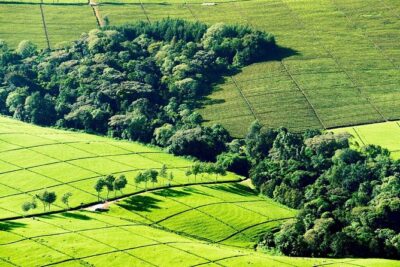 ★ 5.0Nairobi to Kiambethu Tea Farm TourFrom $10851 reviews
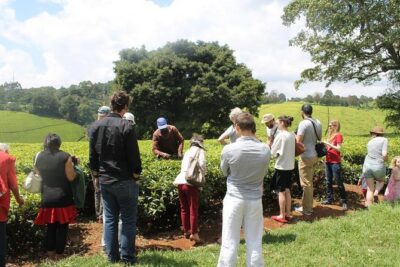 ★ 5.0Private Day Trip to Kiambethu Tea Farm in Limuru from NairobiFrom $14131 reviews
 ★ 5.0Day Tour To Kiambethu Tea Farm in LimuruFrom $11522 reviews
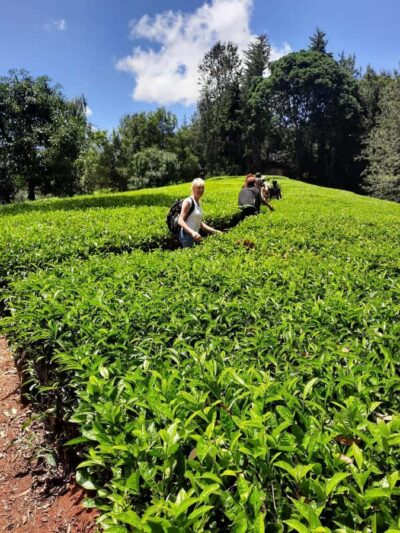 ★ 4.0Nairobi: Tea Farm Day Trip with Lunch at kiambethuFrom $4421 reviews
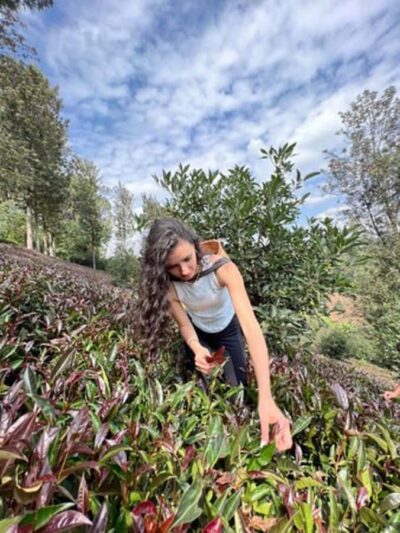 ★ 4.9Nairobi: Purple Tea Farm Gatura Greens Day TripFrom $5416 reviews
 ★ 4.8Kaimbethu tea farm tour and lunch packageFrom $5014 reviews
 ★ 4.5Purple Tea Farm Tour from Nairobi City – Specialty Tea TastingFrom $10212 reviews
 ★ 5.0Tea Farm Experience at Riara Tea Farm And Factory TourFrom $16011 reviews
Appears in these lists