
REVIEW · MAASAI VILLAGE VISITS
HALF DAY TOUR MASAI VILLAGE FROM NAIROBI WITH PICKUP&DROPOFF
Cow dung huts and beadwork, in one stop. A half-day Maasai manyatta visit from Nairobi is all about how everyday life, cattle, and ceremony connect, inside a circular settlement built for real weather and real livestock needs. You go to Bisil, then spend the bulk of your time meeting the community and taking in music and dance.
I especially like two things. First, the traditional construction is not a set dressing, it is the way people build homes for daily living. Second, you get a real English-speaking guide who helps you understand customs, not just watch from the outside. In one past group, the driver William was described as punctual and easy to communicate with, and the guide Alfred helped explain Maasai customs directly.
One consideration: this tour is a premium-priced day trip at $445 per person, and the $30 entry fee is extra. If you are hoping for a bargain safari-style outing, this may feel steep for a 6-hour program.
In This Review
- Key highlights worth your attention
- From Nairobi pickup to Bisil: the 6-hour schedule that fits real days
- The manyatta itself: circular huts, cattle rhythms, and a fence built for lions
- Your guided visit: questions, customs, and time to slow down
- Arts and crafts market time and optional shopping you control
- Dance show and ceremonies: what to watch for in the 4-hour block
- Price and logistics: what $445 gets you, and what it does not
- Who this Maasai village tour from Nairobi is best for
- Practical tips for getting the most out of your manyatta visit
- Should you book this Maasai village half-day tour?
- FAQ
- How long is the Maasai village tour from Nairobi?
- Where can I get picked up in Nairobi?
- What is included in the price?
- Is the entry fee included?
- Is there an English-speaking guide?
- Can I reserve and pay later?
- Is there free cancellation?
Key highlights worth your attention

- Manyatta life in a circular village, with huts built from mud, sticks, and cow dung
- Thorny livestock fencing around the village, made for protection from predators
- Guided village visit with time to ask questions and learn daily routines
- Arts and crafts market time, with beadwork you can browse at your own pace
- Traditional dance and music program, including a long dance show block
- Pickup and drop-off from multiple Nairobi neighborhoods, plus water and transport included
Maasai homestead visits reviewed elsewhere on this site
From Nairobi pickup to Bisil: the 6-hour schedule that fits real days

This is a true half-day plan. You get transport by car, and you can choose pickup from eight Nairobi areas: Kilimani, Lavington, Kileleshwa, Westlands, Embakasi, Karen, Parklands, and Syokimau. That matters because Nairobi traffic can be unpredictable, and a pickup close to where you are staying usually saves time and hassle.
Once you’re collected, you drive out toward Bisil. The itinerary is built around a few blocks: a short break and photo stop en route, then arrival, safety briefing, guided exploration, shopping time, and a traditional dance show. Because the overall duration is 6 hours, you should expect an active tempo. This is not a slow afternoon picnic. It is a guided cultural visit with structured entertainment.
Transport includes a car and a guide, and you also get a bottle of water. The tour is listed as English and also says it is wheelchair accessible, which is useful if you want a predictable setup rather than guessing how you will move around once you are off the road.
Timing detail to keep in mind: the program includes sunrise as part of the schedule. That likely means the departure can be earlier than you expect. If you hate early mornings, check the starting time options before you commit.
The manyatta itself: circular huts, cattle rhythms, and a fence built for lions
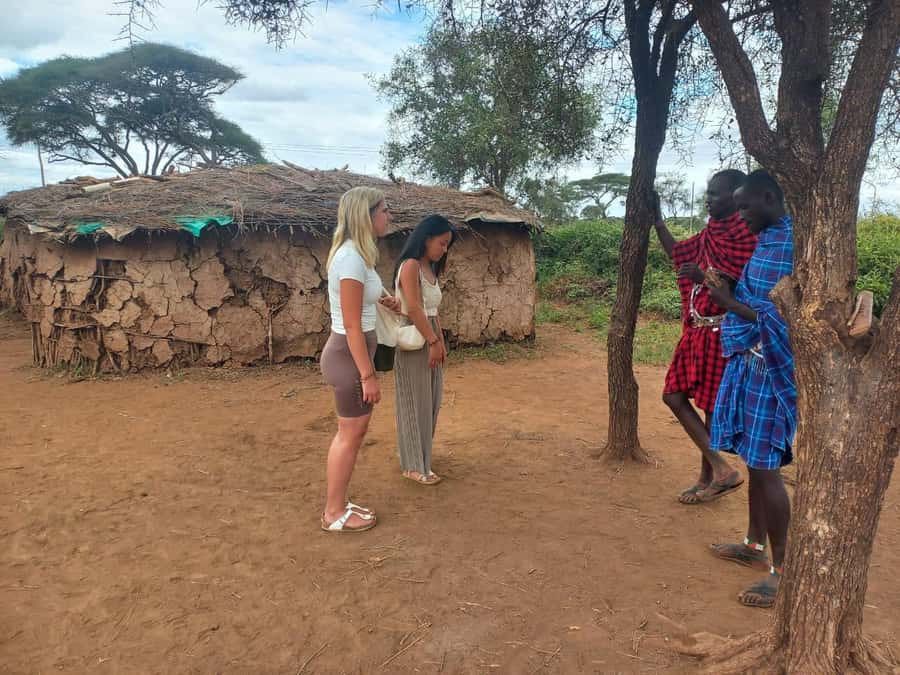
The word manyatta refers to a Maasai village, usually a cluster of small, rounded huts made from natural materials like mud, sticks, grass, and cow dung. The circle layout is more than an aesthetic choice. It supports how people organize daily tasks and social life in a close-knit community.
As you move through the village with your guide, pay attention to what the architecture is doing. These huts are built with insulation in mind, and the materials are chosen because they are practical in East African weather. You are not just seeing a photo-friendly structure. You are seeing how building materials match daily needs.
Then there is the thorny fence. Around the village you have a tall barrier made of thorny plants, designed to protect livestock, especially cattle, from wild predators such as lions. That detail changes how you interpret everything else you see. The Maasai story here is not only about tradition and ceremony. It is also about survival, routines, and keeping cattle safe.
A big part of daily life revolves around cattle herding. Even when the program includes music and dance, the community’s rhythms are still linked to livestock. If you ask good questions, you can usually connect the dots between what you watch during the performance and what drives the day-to-day workload.
Your guided visit: questions, customs, and time to slow down

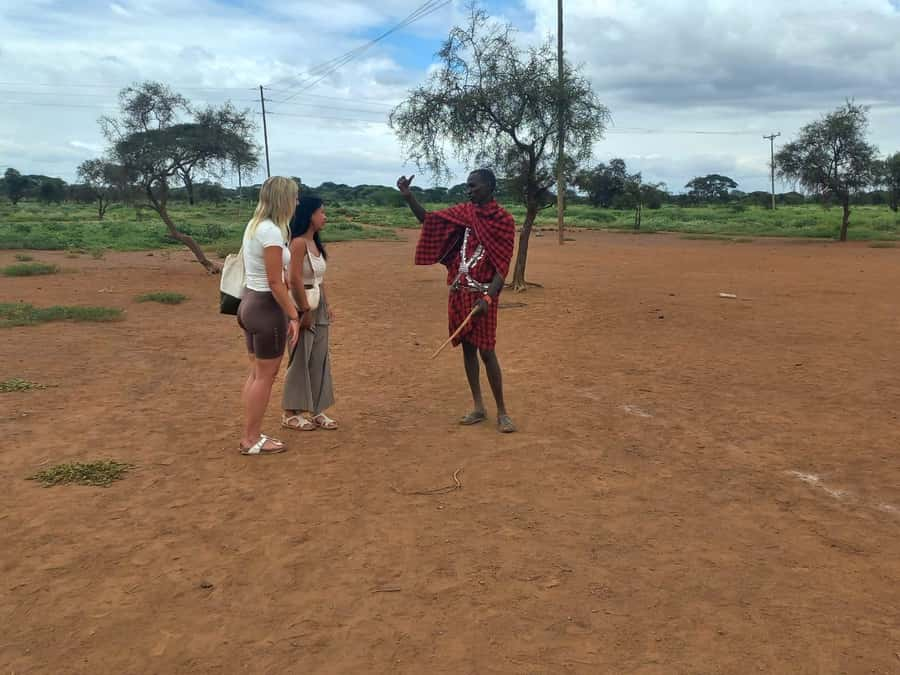
A highlight of this tour is the guided portion. You get a live guide (English) and a structured visit that includes a guided tour and free time. That combo is important. Too many short cultural trips become a quick lineup of checkpoints. Here, you get moments to pause, look closely, and ask questions that go beyond surface-level facts.
In one past group experience, guide Alfred was described as eager to answer questions and to explain customs and traditions. That style makes a big difference. If you do not speak local context, a good guide translates daily meaning into something you can actually understand.
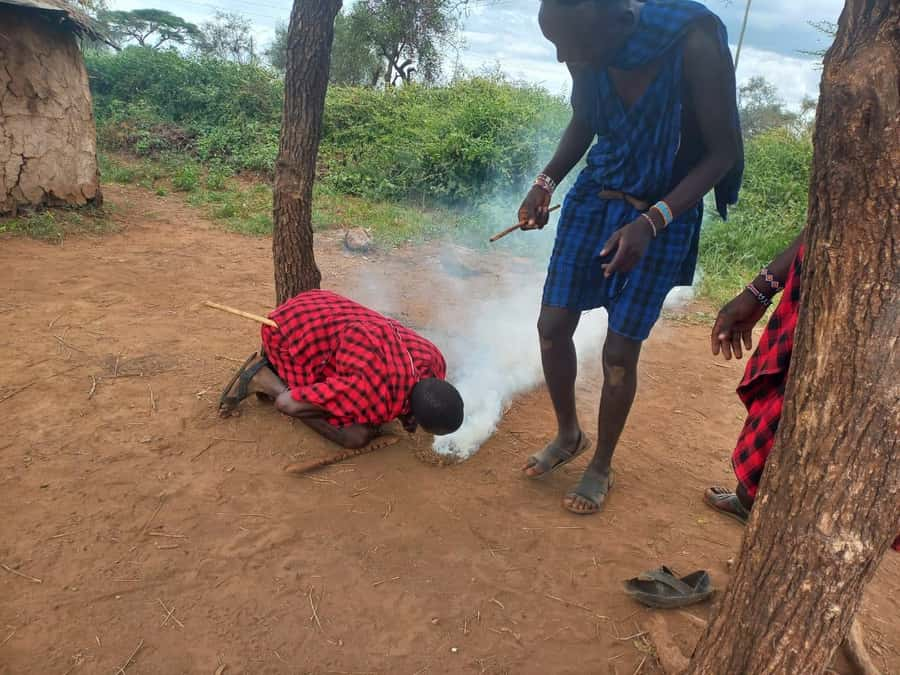
You also get time that is explicitly not fully scripted. There is free time and a market visit, meaning you can browse beadwork and crafts without it feeling like a timed shopping stop. One review noted that bead selling happened, but visitors were not forced to buy. That is the kind of detail that signals a more respectful, visitor-friendly approach.
Practical tip: if you want more than photos, come ready with a few clear questions. For example:
- How does a typical day start, based on cattle care?
- What roles do different family members play in routines?
- What do ceremonies and dance mean in terms of community life?
Your guide can usually steer you toward what is appropriate to ask and what is best observed.
Arts and crafts market time and optional shopping you control
The itinerary includes an arts and crafts market visit and shopping time. This is one of those parts you can treat as optional, depending on your interests.
If you like beadwork, this is where you may find colorful patterns and handmade pieces tied to Maasai style. If you do not want to shop, you can still use the market block for conversation. Even when you do not purchase anything, a market visit can help you understand what materials are used, how items are made, and why certain designs matter.
Look for two things in your interaction:
- Ask before you photograph items or people up close.
- Keep your pace calm. Market time is where people can sometimes feel rushed if visitors are trying to squeeze everything into a short window.
Also, remember the tour says an entry fee applies. That is separate from crafts shopping. Budget accordingly if you want to buy something and do not want to feel surprised.
Dance show and ceremonies: what to watch for in the 4-hour block
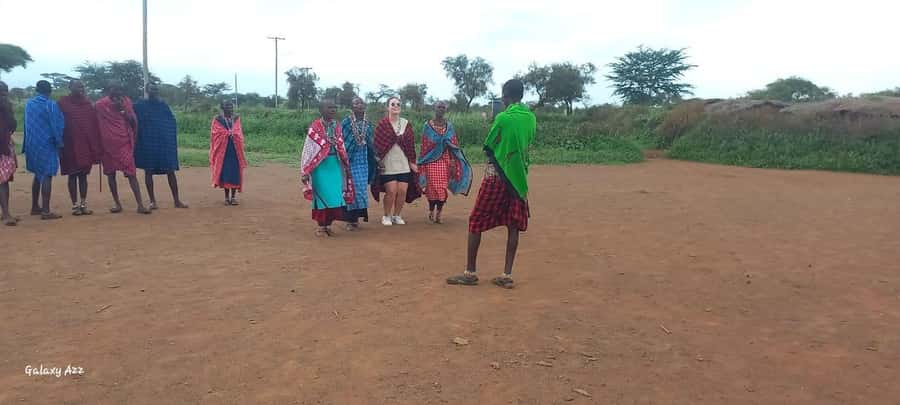
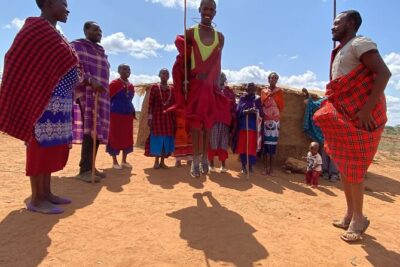
Music and dance are a core part of the Maasai cultural experience here, and the program includes a traditional dance show with a block listed as 4 hours. In a 6-hour tour, that is a massive chunk of your time, so it is worth deciding in advance if you want to prioritize performance.
Here is what you can do to make the dance block more rewarding:
- Watch for how movements connect to ceremony and social roles, rather than treating it as only entertainment.
- Let your guide explain what you see. A guide who is patient with questions often turns a long show into a learning moment.
- Go in with a flexible attitude about timing. Dance shows can be energetic, and you may want water and a comfortable place to stand.
The tour also includes a safety briefing. That is a good sign. It means the operator is trying to keep the program orderly, especially when you are in a working community setting.
If the schedule is timed around sunrise for your departure, the opening moments may feel special because morning light changes how everything looks, and it can make the first arrival feel more grounded and less staged. Still, sunrise also means you should plan for cooler temperatures and earlier departure.
Price and logistics: what $445 gets you, and what it does not
At $445 per person, this tour is not priced like a budget excursion. You are paying for more than the village visit. You are paying for Nairobi pickup and drop-off from multiple neighborhoods, transport in a car, a live guide, and a full half-day program that includes visiting, market time, and a long dance show.
Then there is the separate entry fee of $30 per person, which is not included. That is typical for cultural sites and community experiences, but it is still important for your budget. If you add the entry fee on top, your total cost is noticeably higher than the headline price.
So is it good value? It can be, if:
- You want the convenience of pickup from central Nairobi areas.
- You care about having an English-speaking guide to interpret what you see.
- You specifically want the mix of manyatta visit plus a long dance show.
- You prefer an organized half-day rather than arranging everything on your own and losing time to logistics.
It might not feel like value if:
- You are mainly chasing wildlife on a timetable and would rather use that time for a safari.
- You do not care about cultural performances and would rather do a shorter, cheaper visit.
- Early departures do not work for you, since sunrise can be part of the schedule.
One more practical note: the activity description says you can skip the ticket line. That tends to save time when you have a tight 6-hour window.
Who this Maasai village tour from Nairobi is best for
This tour fits best if you want a focused cultural stop and you like being guided. It is a good match for:
- First-time visitors to Kenya who want something beyond city sightseeing
- Travelers who prefer learning from a guide rather than wandering
- People who enjoy crafts and are curious about beadwork and everyday community life
- Small groups or couples who want an organized half-day without spending the entire day on the road
It may be less ideal if you:
- Need lots of downtime or prefer a longer, less structured trip
- Dislike early mornings, since sunrise timing can apply
- Are looking for a wildlife-heavy day rather than a people-and-tradition experience
Practical tips for getting the most out of your manyatta visit
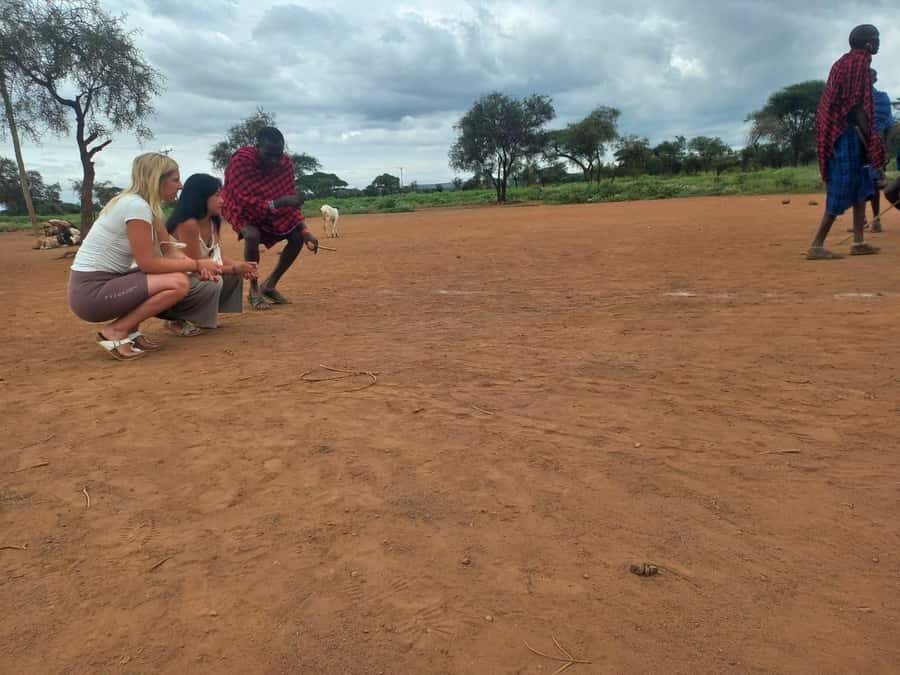
To help you have a smoother experience, I would plan around a few realities of the day:
- Bring a little flexibility. The schedule is guided and structured, but cultural performances and community activities can run on their own rhythm.
- Wear something comfortable you can move in. You will likely spend time standing and walking around the settlement.
- Use your guide for context. If you want to understand cattle-centered daily life and how ceremony fits, ask questions early, not only during the show.
- Treat crafts shopping as optional. Browse, ask about what you like, and decide calmly. If you do buy something, it helps to agree on what you are getting before handing over money.
- Pace your photos. If you want close shots, ask first. It keeps interactions respectful and usually improves the quality of what you capture.
Small humor helps too. You are going to see buildings made from everyday materials, and you will probably want to point out how different construction looks compared to what you know. That curiosity is part of the experience, as long as you keep it respectful.
Should you book this Maasai village half-day tour?

I think you should book this tour if you want a guided cultural encounter built around a manyatta visit, market time, and a substantial traditional dance show, all with Nairobi pickup and drop-off and an English guide. It is especially worth it if you like having clear explanations from guides such as Alfred, and you appreciate the kind of on-the-ground support a driver like William has been praised for.
Skip it or choose something else if you are chasing a bargain price, if you do not want an early departure, or if you want a wildlife-focused safari day instead of a people-centered cultural visit.
FAQ
How long is the Maasai village tour from Nairobi?
The tour duration is 6 hours.
Where can I get picked up in Nairobi?
Pickup options include Kilimani, Lavington, Kileleshwa, Westlands, Embakasi, Karen, Parklands, and Syokimau.
What is included in the price?
It includes a bottle of water, transport by car, and a guide.
Is the entry fee included?
No. An entry fee of $30 per person is not included.
Is there an English-speaking guide?
Yes, the live tour guide is listed as English.
Can I reserve and pay later?
Yes, the tour offers a reserve now and pay later option, with pay nothing today.
Is there free cancellation?
Yes, you can cancel up to 24 hours in advance for a full refund.
More Tours in Nairobi





More Tour Reviews in Nairobi


Further Maasai Homestead Visits




Everything else we hold on Nairobi
- 7 Days Private 4 star lodges Safari by LandCruiser from Nairobi★ 5.0 · 3 reviews
- 5 Days/4 Nights Kenya Safari★ 4.5 · 3 reviews
- Safari Park Hotel Show & Dinner Experience In Nairobi Tour★ 3.6 · 3 reviews
- Day safari to Olpejeta Rhino conservancy★ 5.0 · 3 reviews
- 7 Days Breathtaking Kenya Wildlife Private Safari★ 5.0 · 3 reviews
- Overnight Amboseli National Park Safari from Nairobi★ 5.0 · 3 reviews
Maasai Village Visits, compared.
 ★ 4.5Nairobi: Day Tour to Amboseli National Park & Maasai VillageFrom $75310 reviews
 ★ 5.0Masai village Day Tour ExperienceFrom $100284 reviews
 ★ 5.0Maasai Village Experience Day TourFrom $10072 reviews
 ★ 4.9From Nairobi: Maasai Village Experience Day TourFrom $11770 reviews
 ★ 4.4Day Trip: Amboseli National Park & Maasai Village – NairobiFrom $10069 reviews
 ★ 4.6Nairobi: Day Trip to Maasai Mara Reserve & Maasai villageFrom $18049 reviews
 ★ 5.03days/2nights group joining Masai Mara with Masai Village VisitFrom $25638 reviews
 ★ 4.6Maasai Village Visit with Traditional Dance ShowFrom $5024 reviews
Appears in these lists