
REVIEW · MOMBASA CITY TOURS
Half day city tour of mombasa
Mombasa has layers, and this tour reads them. In just about four hours, you follow the story of early visitors along the East African coast and how coastal towns grew from real contact, trade, and daily life. You’ll see that mix in Fort Jesus and the Old Town streets, then keep moving into markets and religious sites where culture shows up in plain sight.
I love the way Erick Lumbasho (your guide through Explore Quest) connects landmarks to how people lived, from food and dressing to everyday customs. I also like the pacing of a small group, max 10, because it keeps the walk relaxed while still fitting in key stops like the spice market and fish market.
One thing to consider: it is a walking route, and it requires good weather, so bring comfy shoes and plan for heat and sun if you’re starting at 9:30 am.
In This Review
- Key highlights worth your time
- Why Mombasa works best as a half-day walk
- Meeting at Banda Paradise and what the timing really means
- Fort Jesus: the quickest way to get oriented
- Old Town streets and the story of cultural blending
- Fish market: where the day becomes real
- Spice market: trade you can actually see
- Swaminarayan Hindu temple: culture you notice with your eyes
- Elephant tusks: see, learn, and be thoughtful before buying
- Uhuru Gardens: a breather that keeps the day from burning out
- The ferry experience: movement and a different view
- Price and value: is $40 per person a fair deal?
- Best fit: who should book this tour
- Tips for working well with Erick Lumbasho
- Weather, comfort, and practical expectations
- Should you book the Half-Day Mombasa City Tour?
- FAQ
- How long is the half-day Mombasa city tour?
- What time does the tour start?
- Where do we meet, and where does the tour end?
- What stops are included in the walk?
- Is there a mobile ticket?
- What is the maximum group size?
- What if weather is bad or I need to cancel?
Key highlights worth your time
- Fort Jesus as the story-starter, so the rest of Mombasa makes more sense as you go
- Old Town + markets in one loop, giving you both the landmark view and the everyday view
- Swaminarayan Hindu temple stop, a clear look at the city’s cultural blend
- Spice market and trade context, so you understand what you’re seeing beyond souvenirs
- Ferry experience adds a different feel to the walk and the views
- Small group size (max 10) helps you ask questions and keep the day flexible
Mombasa itineraries, short ones and long ones
Why Mombasa works best as a half-day walk
If you only have a short window in Mombasa, a half-day city tour is a smart move. You still get the core “first-timer” foundations, but you avoid the fatigue that can come from trying to cram everything into one long day. This route is built around walking, with a focused set of places that explain why Mombasa looks and feels the way it does today.
What makes it especially valuable is the framing. The tour is not just about pointing at sights. It’s about learning how early visitors along the East African coast interacted with coastal communities, and how that contact helped form the cultural blend you notice now, including cuisines and ways of life. That context matters because it changes how you look at everything, from streets in Old Town to the spice market stalls.
The day also includes stops that pull in everyday energy. Fish market and spice market are not just “things to see.” They show trade, habits, and what locals think is worth buying, cooking, and sharing. If you like travel that helps you understand daily life, you’ll appreciate that the tour mixes monumental sites with normal market scenes.
Meeting at Banda Paradise and what the timing really means
This tour starts at Banda Paradise next to Fort Jesus, on Mombasa Old Town, Sir Mbarak Hinawy Road. It ends back at the meeting point, so you don’t have to worry about a complicated drop-off plan at the end of your walk.
It begins at 9:30 am and runs about 4 hours. That timing is good for two reasons. First, it gives you a clear start to build the rest of your day around it. Second, you can often see more while the morning is still comfortable for walking. Even so, it is still a walk, so you’ll want shoes you trust.
Your experience uses a mobile ticket, and you’ll get confirmation at booking time. The tour is also described as being near public transportation, which is helpful if you need to reposition at some point.
Finally, the group size is capped at 10 travelers. In practice, that usually means you get a better guide-to-people ratio, more chances to ask questions, and fewer delays at each stop.
Fort Jesus: the quickest way to get oriented
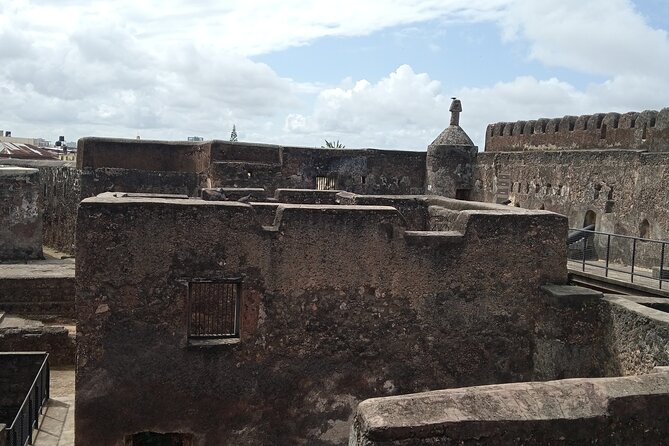
Most city tours start with something pretty, but this one starts with meaning: Fort Jesus. You’ll visit it as a historical site and use it as your anchor point for the rest of the day. That matters because Mombasa’s story is layered, and Fort Jesus helps you understand why the coast became such a magnet for people, goods, and influence.
When your guide ties the fort to early visitor activity and coastal development, the rest of your walk becomes easier to follow. You stop treating each site as an isolated photo, and start connecting them like a timeline. It’s the kind of orientation that helps even if you plan to explore on your own afterward.
Practical tip: wear a hat and bring water. Fort Jesus is a place where you’ll likely spend time looking carefully, and the day is short enough that you don’t want to lose momentum to discomfort.
Old Town streets and the story of cultural blending
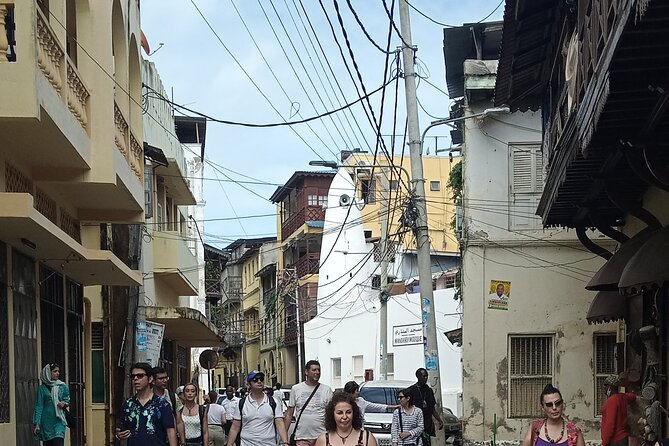
After Fort Jesus, you’ll move into Old Town. This is where the tour’s theme really comes alive. The route is designed to help you understand how coastal towns came about and how interactions between coastal people and early visitors produced the cultural blend you see today.
This is also a strong “understanding” stop. You’ll hear about how coastal life evolved through contact, which helps you make sense of things like cuisine traditions, dressing choices, and daily rhythms you might notice later when you’re eating or shopping around town. Even if you only remember a few key points, it makes your next meal and your next street walk feel more intentional.
I like that Old Town is not treated like a museum. It feels like a living neighborhood in the tour format, because the guide keeps pulling the focus back to how people live and what mattered to them.
A small consideration: Old Town streets can be tight and busy. Since your group is capped at 10, it should stay manageable, but you’ll still want to be mindful while walking and crossing.
Other Mombasa bookings that survived the same scrutiny
Fish market: where the day becomes real
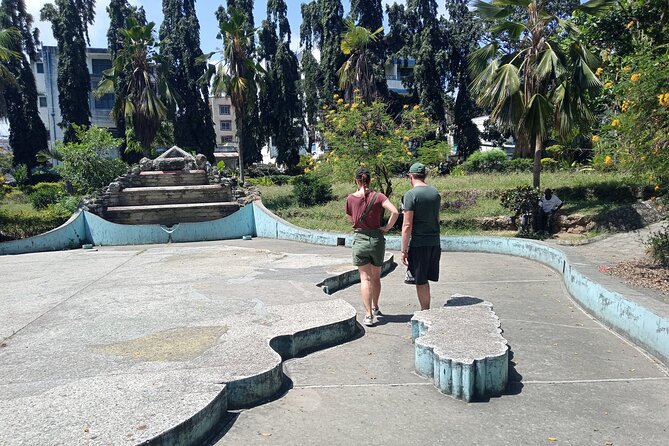
The fish market stop is one of the best reality checks in the itinerary. Landmarks teach you why a city formed. Markets teach you how a city functions. Here, you’ll see coastal life shaped by what’s available, what people buy, and how the market connects to cooking and daily routines.
If you enjoy food travel, this stop is a great bridge. It helps you connect the tour’s bigger story about cultural interaction to something you can immediately imagine: meals, flavors, and practical ways of preparing food.
You may also find that this stop is where questions come fast. Ask your guide about what you’re seeing and how it ties into coastal traditions. The guide running Explore Quest, Erick Lumbasho, has a reputation for adjusting the tour based on your interests, including culinary curiosity.
One drawback to keep in mind: markets are active. Plan for a busy atmosphere and keep your phone and camera ready, but don’t let filming take over the experience. Look first, ask second, and then snap photos if it feels comfortable.
Spice market: trade you can actually see
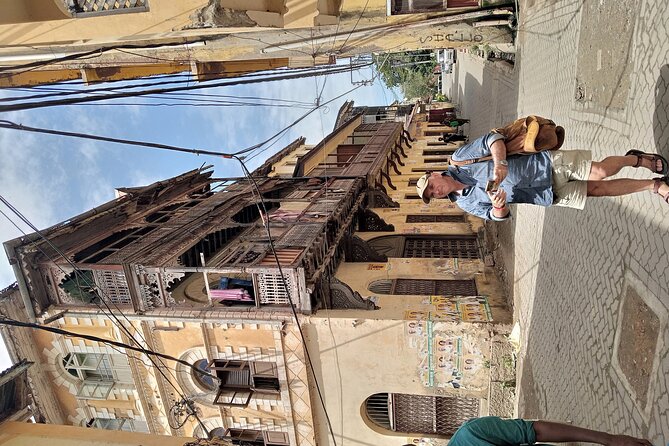
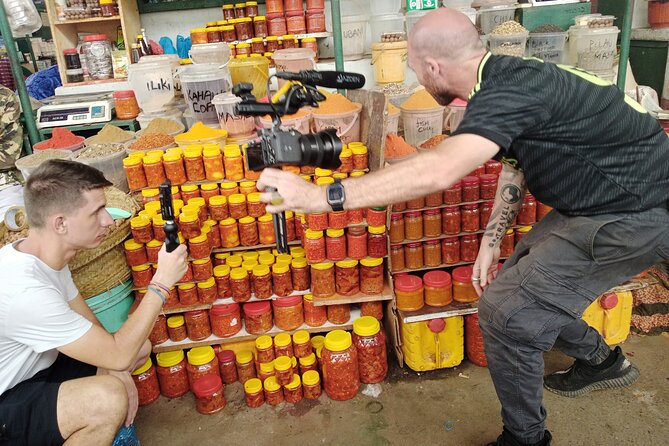
Next comes the spice market, a stop that does more than sell souvenirs. This is where the tour’s “early visitors and coastal interactions” theme becomes tangible. Spices were central to trade, so walking through spice stalls gives you a visual explanation for why cultural blending happened in the first place.
You’ll likely get guidance on what’s commonly sold and how spices connect to broader coastal life. Even if you don’t buy anything, you’ll leave with a stronger sense of how trade routes shape everyday culture, including what people cook and how they season food.
From the way this tour is described, your guide also seems flexible with time spent at key points. That matters at the spice market, because it’s easy for shops to speed you along when the day is tight. With a small group, you should be able to slow down just a bit, ask questions, and make sure you’re not rushing through the best parts.
Budget tip: If you plan to buy spices, set a small budget before you start. Markets can pull you into browsing, and it’s better to decide in your head before your choices multiply.
Swaminarayan Hindu temple: culture you notice with your eyes
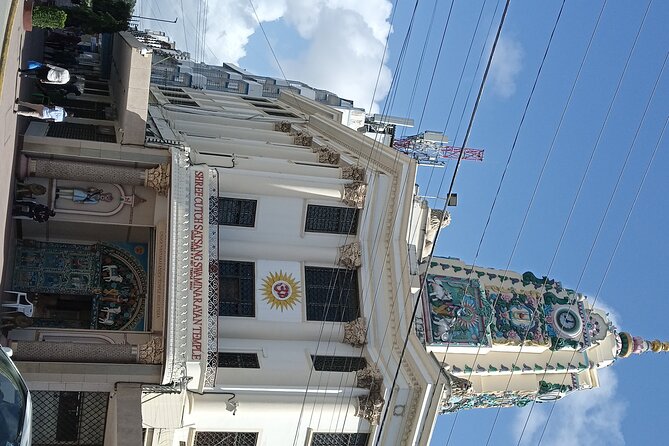
The Swaminarayan Hindu temple stop adds a valuable layer to the day. It’s a clear reminder that Mombasa’s cultural blending is not only about food or trade. It’s also about religion, community, and visible traditions.
When your guide connects the temple stop to the bigger story, you get a fuller picture of how coastal contact shaped identity over time. You’re not just learning dates. You’re learning how people built community and practiced faith alongside others.
Practical note: temples often expect respectful dress. Even though the tour data doesn’t spell out a specific dress code, you’ll be smart to wear something modest and bring a light layer if you’re unsure. This is one stop where small preparation helps you feel comfortable.
Elephant tusks: see, learn, and be thoughtful before buying
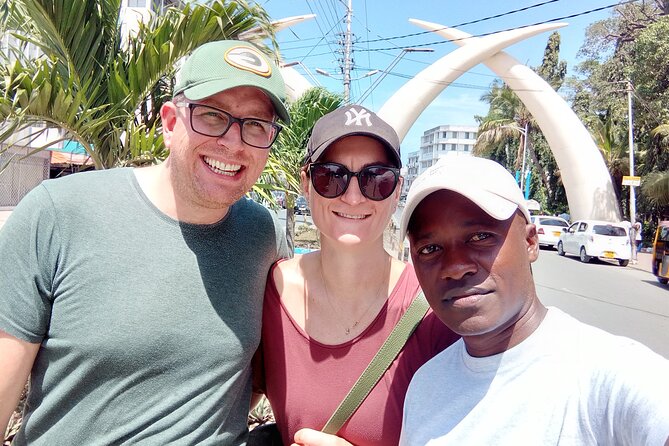
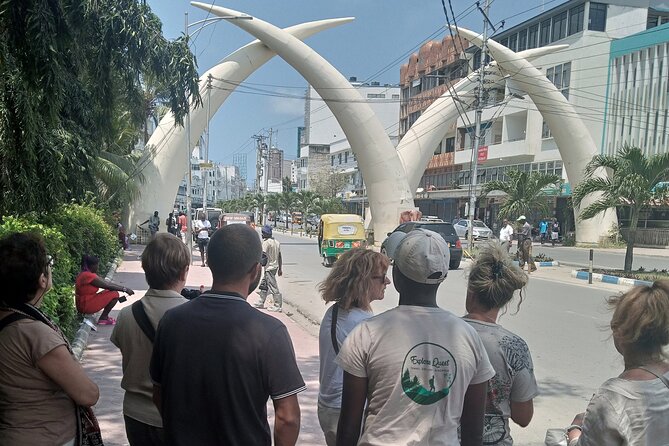
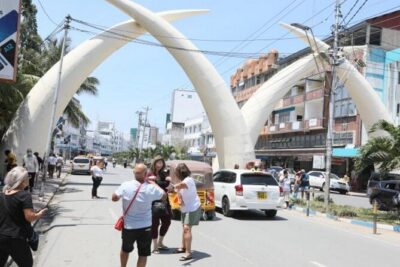
The itinerary includes a stop to see elephant tusks. This can be a striking photo moment, but it’s also an area where you should slow down and think. The tour format is designed to explain the context around what you’re seeing, and that’s important, because items like this can have complicated histories.
If you’re interested in souvenirs, ask your guide what you’re looking at and what context they can share. Don’t feel pressured to buy. If anything feels off, it’s okay to simply observe and move on.
Because the details in the tour info are limited, the best approach is respectful curiosity. Let your guide steer the conversation, especially if you’re unsure about what you’re seeing or what it means locally.
Uhuru Gardens: a breather that keeps the day from burning out
Then you get a change of pace at Uhuru Gardens. After markets and heritage sites, a garden stop is a good reset. It gives your eyes a break and helps you regroup before the last portion of the route.
Even if you’re not a big “park person,” this stop can be useful. It’s a moment to slow down, drink water, and take a few calm photos without the intensity of a market.
If you’re the kind of traveler who likes birds and small details, you might find you enjoy time here, because the guide running this tour has also been recommended for birdwatching in other Coast outings. You can ask if there are any bird-friendly viewpoints nearby, without turning the city tour into a separate mission.
The ferry experience: movement and a different view
A ferry experience is part of the tour, and that’s a smart inclusion. Walking can become repetitive when you’re inside the same neighborhood vibe for too long. A ferry adds movement, changes the perspective, and usually makes the day feel less like a checklist.
This portion also helps you understand the coast as something connected by water, not only by roads. Since the tour theme is about coastal development and interaction, adding a water crossing fits the narrative.
Because the tour info doesn’t specify timing, just plan for a normal transition. If you get motion sickness easily, bring what you use for boats and sit where you can feel most stable.
Price and value: is $40 per person a fair deal?
At $40.00 per person for about four hours, the value depends on what you want from Mombasa. If you want a guided route that connects major sights and cultural context, the pricing can make sense. You’re paying for a focused itinerary, a small-group experience, and a guide who can explain the “why” behind what you see.
You’re also getting a mix of stops, not just one highlight: Fort Jesus, Old Town, fish market, spice market, a Hindu temple, Uhuru Gardens, plus a ferry experience. That variety reduces the need for you to plan extra transport or chase multiple separate bookings.
And because it’s max 10 travelers, you’re less likely to be trapped in a huge group that turns a walking tour into slow, noisy line-walking.
If your travel style is mostly self-guided, you could DIY Old Town and Fort Jesus. But if you want history, context, and a guide who can adjust to your interests, this price is positioned like a reasonable shortcut.
Best fit: who should book this tour
This tour is a good match if:
- You’re in Mombasa for a short time and want a strong first orientation
- You care about how trade and contact shaped culture, not just photos
- You enjoy markets, especially fish and spice, as a window into daily life
- You want a guide who can adapt, ask questions, and recommend practical places to eat or see next
It also seems family-friendly and works well for groups where people want to learn without feeling rushed. The small group size makes it easier to keep attention on what matters.
Tips for working well with Erick Lumbasho
Your guide is Erick Lumbasho. Based on how this tour is described and how people talk about the experience, he’s friendly and flexible, and he uses storytelling to connect the big coast history to what’s visible right now. That’s the difference between a guide who recites facts and a guide who helps you make sense of a place.
If you want the best experience, arrive ready to ask. Bring interests like:
- food and what locals actually cook
- why the coast has this mix of cultures
- what to notice in Old Town
- whether you should buy spices or just browse
Also, the guide’s recommendations can go beyond the tour route. Some visitors have used him for additional Mombasa experiences, including dining ideas and other Coast outings. If you like the way he thinks, ask what he suggests for the rest of your day.
Weather, comfort, and practical expectations
This tour requires good weather. If rain or poor conditions hit, expect the operator to offer a different date or a full refund. That matters for your planning, especially if you’re building the rest of your schedule around the 9:30 am start.
Dress for walking. It’s a half-day route, but walking time adds up with market stops and heritage viewing. Bring sunscreen, a hat, and water. Keep your day light on bulky items so you can move easily.
You’ll also be near public transportation around the start point, which is useful if you need to rejoin later or adjust plans.
Should you book the Half-Day Mombasa City Tour?
Book this tour if you want a tight, well-structured walk that helps you understand Mombasa in real context, with Fort Jesus, markets, a temple stop, a garden breather, and a ferry experience in one go. The small group size and Erick Lumbasho style of storytelling make it easier to ask questions and connect what you see to how the coast developed.
Skip it or adjust your expectations if you’re not into walking or you’re very weather-dependent. Also, if you prefer pure DIY exploring with zero guidance, you might find the value less obvious than a freeform Old Town afternoon.
If your goal is to get oriented fast, learn the big coastal story, and still taste everyday life through fish and spice markets, this is a strong use of half a day.
FAQ
How long is the half-day Mombasa city tour?
It runs for approximately 4 hours.
What time does the tour start?
The start time is 9:30 am.
Where do we meet, and where does the tour end?
You meet at Banda Paradise next to Fort Jesus on Sir Mbarak Hinawy Road in Mombasa Old Town. The tour ends back at the same meeting point.
What stops are included in the walk?
The tour includes Fort Jesus, Old Town, fish market, spice market, Swaminarayan Hindu temple, elephant tusks, Uhuru Gardens, and a ferry experience.
Is there a mobile ticket?
Yes, the tour uses a mobile ticket.
What is the maximum group size?
The tour has a maximum of 10 travelers.
What if weather is bad or I need to cancel?
The experience requires good weather. If it’s canceled due to poor weather, you’ll be offered a different date or a full refund. Cancellation is free up to 24 hours in advance for a full refund.
More Tours in Mombasa
More Tour Reviews in Mombasa
Mombasa, Other Routes Through It
Everything else we hold on Mombasa
- 2 Days Salt Lick Safari Tour★ 4.5 · 3 reviews
- Mombasa: Historical Guided city tour. Old town, Fort Jesus★ 4.2 · 3 reviews
- 5 Days Mombasa,Tsavo East, Taita Salt Lick, Tsavo West, Amboseli,★ 4.5 · 3 reviews
- Mombasa: Discovery Day Tour and Haller Park★ 4.1 · 3 reviews
- 7 Days Tsavo East, Taita, Amboseli & SanctuarySafari from Mombasa★ 5.0 · 3 reviews
- 3 Days (2 nights); Tsavo East & West Safari:★ 5.0 · 3 reviews
Mombasa City Tours, compared.
 ★ 5.0Walking Tour Through Old Town Mombasa and Fort JesusFrom $50393 reviews
 ★ 4.7Mombasa: Kisite Park Private Cruise with Breakfast and LunchFrom $163181 reviews
 ★ 5.0Mombasa City TourFrom $45170 reviews
 ★ 4.7Mombasa: Tusks, Fort Jesus, Old Town, Beach and City TourFrom $30137 reviews
 ★ 4.3From Mombasa/Mtwapa/Diani/Tiwi: Tsavo East Full-Day SafariFrom $200130 reviews
 ★ 5.02 Days Tsavo East National Park Tour From Mombasa/Diani (1 Night)From $50650 reviews
 ★ 4.8Mombasa: Guided Nature Walk Amongst GiraffesFrom $3848 reviews
 ★ 5.0Visit to Fort Jesus and the Old Town of MombasaFrom $4047 reviews
Appears in these lists