
REVIEW · MAASAI MARA SAFARIS
Great Wildebeest Migration Safari in Masai Mara
Wildlife changes everything out here. This Masai Mara safari targets the great wildebeest migration and puts you close to big cats and hungry crocodiles during the July to September window, which is a hard thing to beat. I also like the owner-managed, hands-on feel from Divulge Adventures and the fact that your transport is done in custom-built 4×4 vehicles. One drawback to plan around: you will still need to budget for park and conservation fees on top of the tour price.
You start with a scenic and cultural day getting your eyes used to the Rift Valley, then you shift into long, serious game-drive time. The schedule focuses on sightings and timing, especially around the Mara River. If you want a “sit and wait” safari, this is not that. You will be out in the bush for hours most days.
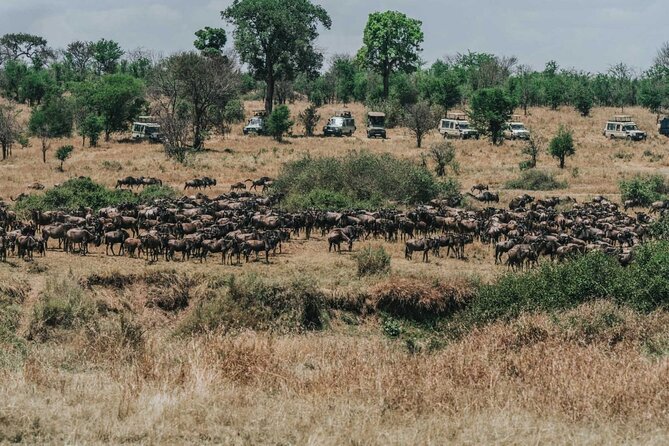
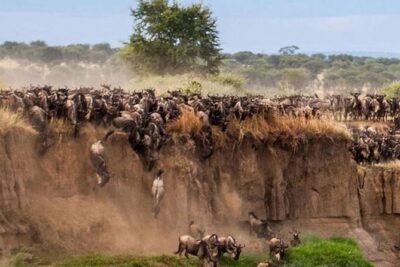
Most of all, this tour is built for the main event: millions of wildebeest moving from Serengeti into Kenya, crossing the river and drawing predators. If weather or river timing does not cooperate, you cannot control it, but the itinerary is clearly designed to put you in position.
In This Review
- Key highlights to know before you go
- Wildebeest migration to Masai Mara, and why the timing is everything
- Day 1: Rift Valley views, the Catholic church stop, and your first Masai Mara drive
- Day 2: long plains game drive with packed lunch and real hunt odds
- Day 3: Mara River timing, bush breakfast by sunrise, and the optional balloon
- Day 4: Masai village culture, then drive to Nairobi
- Vehicles, binoculars, and the small comfort choices that help
- Price and park fees: what you are paying for, and what you should budget
- Who this Masai Mara migration safari is best for
- Should you book this Masai Mara migration safari?
- FAQ
- Where does this safari take place?
- How long is the tour?
- What is the price per person?
- What is not included in the price?
- What meals are included?
- Is pickup included?
- Is the hot air balloon safari included?
- What wildlife time do I get for the Mara River?
- Is this a private tour?
- Can I cancel for a refund if my plans change?
Key highlights to know before you go
- July to September migration focus: this is the time window the itinerary is built around.
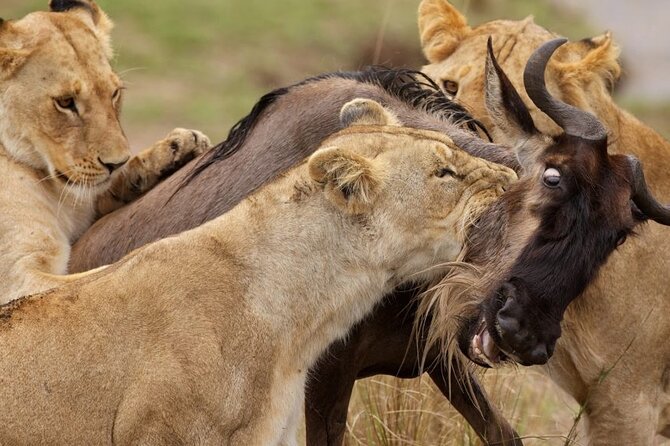
- Mara River action: you get time to reach the river and walk along it, where crocodiles are waiting.
- Private safari format: only your group runs the schedule, so your guide can pace drives around your interests.
- Binoculars included: easier to spot cats, herds, and river movement without fussing over gear.
- Sunrise picnic and long drives: early starts are part of the plan to maximize animal activity.
- Optional hot air balloon: you can add a balloon safari very early on Day 3.
Other Mara operators, set against one another
Wildebeest migration to Masai Mara, and why the timing is everything
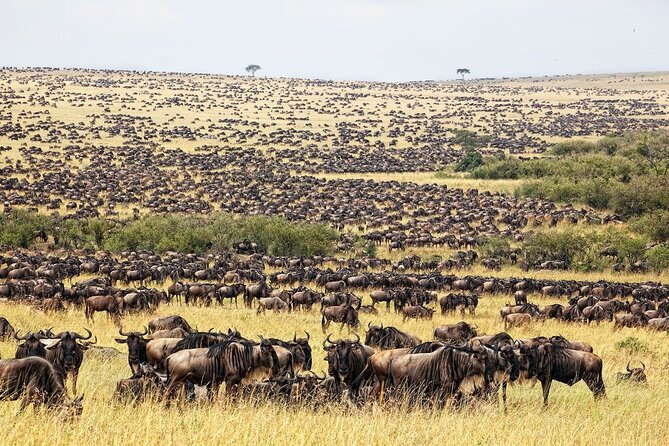
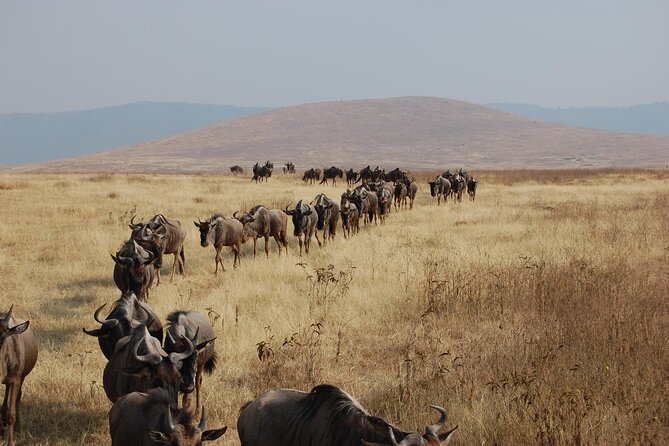
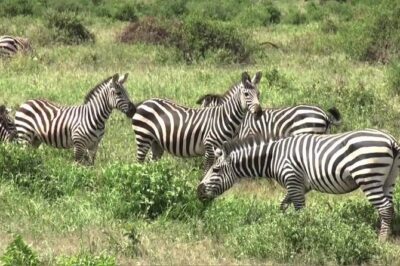
The big selling point here is simple: this safari is timed for the world-famous migration when wildebeest, zebra, and other herds move toward greener grazing. The action you are chasing happens once a year, usually between July and September, and it peaks around the Mara River crossing.
On this kind of trip, timing affects everything. Predator hunting is tied to prey movement, and prey movement is tied to season, grass, and water. That is why you should treat this as a “seasonal mission,” not a casual wildlife getaway.
If you care about seeing more than just animals at random, you are in the right place. Instead of hoping for one perfect sighting, the itinerary is designed around the migration story, from early plains drives to river time when the drama gets real.
Day 1: Rift Valley views, the Catholic church stop, and your first Masai Mara drive
Your Day 1 starts with a couple of stops before you even reach the reserve. First comes a Rift Valley View moment, then you visit what the itinerary describes as the First Smallest Catholic Church in Kenya. It is a strange little pairing for most safari lovers, but it works, because it breaks the trip up and gives you a feel for the country beyond the wildlife.
After that, you move into Maasai Mara National Reserve and handle check-in at your camp or lodge. Lunch comes after arrival, then you get the chance to rest before the evening game drive. That is a smart pacing choice, because early travel can tire you out fast.
The evening drive is your first chance to spot herds and predators when light is softer. And because wildebeest are the centerpiece of this trip, you are starting your Mara experience with those animals in mind, not just generic safari sightseeing.
Possible drawback: evening drives can be hit or miss depending on where animals are that day. You can still have a great first sighting, but you should not expect the river crossing right away. Day 2 and Day 3 are where the itinerary ramps up.
Day 2: long plains game drive with packed lunch and real hunt odds
Day 2 is where you settle into the “live safari” rhythm. After early breakfast, you head out for a full-day game drive across the plains, with a packed lunch so you stay in the bush instead of returning too early.
The itinerary calls out the big cat hunt behaviors, and that is exactly what you should watch for when you are out all day. Lions, leopards, and cheetahs all show different hunting styles, and long drives increase your odds of seeing more than just animals standing still.
This is also a day aimed at the migration itself. You are not just looking for one herd, you are looking for the movement patterns: wildebeest, zebra, and other grazing animals moving through the ecosystem.
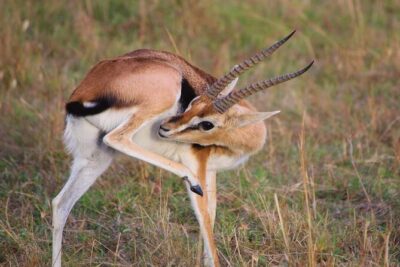
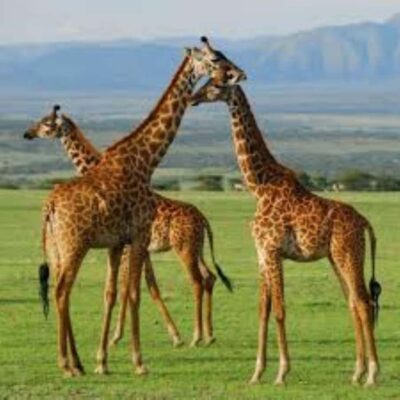
Other wildlife are expected too, including elephants, buffalo, giraffes, impalas, and more. You might also encounter elands, topi, and the usual Mara mix that makes it feel like the whole reserve is connected.
Practical tip: bring your patience and your curiosity. When your driver-guide is good at reading tracks and animal behavior, the day feels less random. Ask questions in the moment, especially when you see fresh movement or animals acting alert. That is often when the “something is about to happen” feeling starts.
Day 3: Mara River timing, bush breakfast by sunrise, and the optional balloon
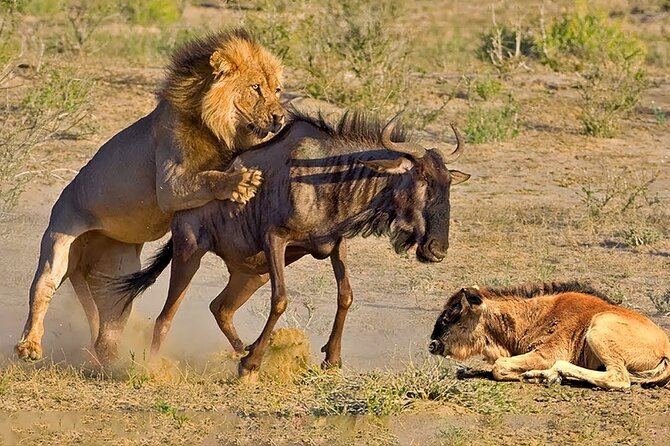
Day 3 is built around two things: early energy and river drama.
You start with breakfast taken away from the lodge setting, then you move into a picnic bush breakfast that is planned to line up with sunrise when the weather cooperates. You then continue with a full day of game driving, using packed picnic lunch and staying out in the reserve for longer stretches.
The highlight is the Mara River. The itinerary specifically mentions the river of death, plus time for a walk along the riverside. Even if the most intense crossing does not happen exactly on your schedule, being at the river area is the whole point of choosing this migration safari.
This is also the day that can include an optional hot air balloon safari very early in the morning. The itinerary lists it as optional and notes a 2 hour slot. If you add it, it is usually the kind of experience that makes you see the scale of the migration that you simply cannot get from the ground.
Trade-off to think about: balloon mornings can be physically early and can affect the rhythm of the rest of your day. If you like early starts, it is a strong add-on. If you want a more relaxed pace, you might skip it and stick with the bush sunrise plan already included.
Day 4: Masai village culture, then drive to Nairobi
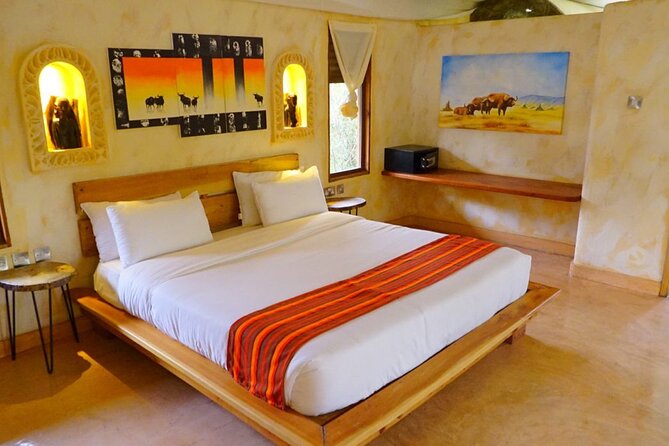
Your final morning is lighter. After breakfast, you check out around midmorning and then head to a Masai village visit.
This is not just a photo stop. The itinerary points to activities like dancing with Maasai warriors and learning about daily life and traditions. You will hear about how they manage living alongside wildlife and you get exposure to details such as visiting manyatta houses and learning fire-making naturally.
Then you say goodbye to Masai Mara and travel back toward Nairobi, with an approximate 5-hour drive. You arrive in the evening and then get dropped at your Nairobi hotel or the airport, depending on what fits your plan.
Why this matters: the migration safari is all about wild animals, but the people are part of the same landscape. A village visit helps you connect the dots between conservation, grazing land, and local culture. Keep your questions respectful and specific, and you will usually get better answers.
Vehicles, binoculars, and the small comfort choices that help
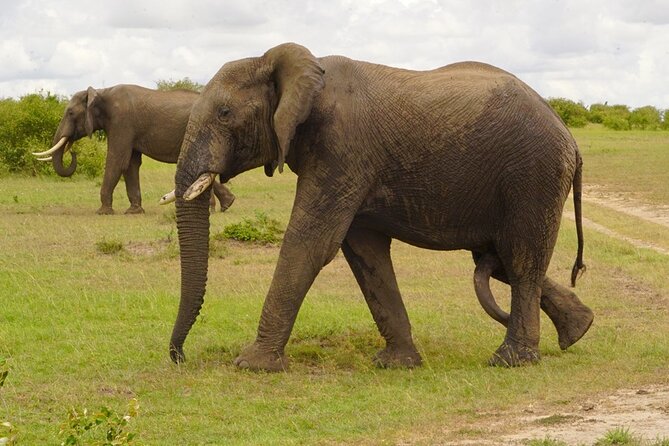
This safari runs on private transportation, using a fleet of custom safari built 4×4 wheel drive vehicles. That matters because road quality and track conditions in and around reserves can change quickly, especially during rainy patches or when roads get busy.
Your tour also includes binoculars. For migration safaris, this is not a luxury. Distance spotting helps you track herds’ movement, and it can also make big cat sightings feel more rewarding because you can actually follow what they are doing rather than guessing.
There is also WiFi on board listed as included. I would not count on it as a constant signal, but it is still a nice option for quick updates or keeping your plans in sync.
One more thing to appreciate is the “owner-managed, hands-on” model and the mention of a 24-hour backup service if issues pop up. On a short safari, small delays can feel huge, so having support in the background adds peace of mind.
If you are paired with a guide named Erick, or Eric, in particular, take advantage of their wildlife knowledge and ask about the animals you keep seeing. Names like Erick and Eric show up in past feedback, and that usually means a guide who talks in detail rather than just driving.
Price and park fees: what you are paying for, and what you should budget
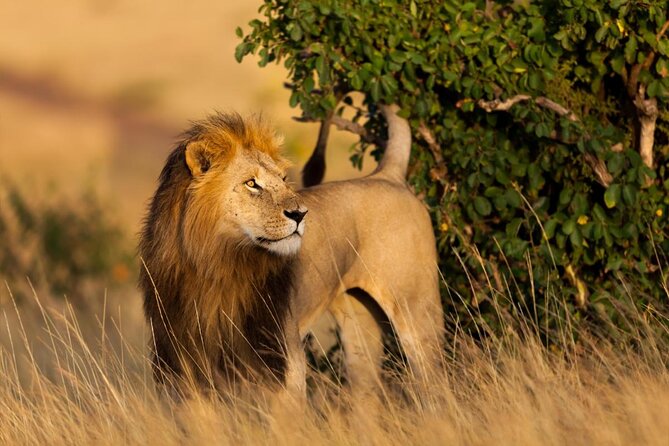
The tour price is $1,430 per person, and it is for a 4-day private experience with meals and transportation handled for you. That price is not just “rides and animals.” You are paying for multi-day planning, private vehicle time, and the logistics that get you out for early starts and long drives.
One important line item is not included: park entry and conservation fees of USD 80 per person per day. That is a big add-on, so you should budget for it early instead of trying to do math later when you are already committed.
What makes this feel like decent value is that the itinerary is not overly padded with extra tours. It concentrates on Mara time and migration focused game driving. In other words, you are buying time in the right place with the right timing.
If you want the best odds for the migration experience, spending for private transport and binoculars plus the focused schedule can outweigh trying to DIY. DIY can be cheaper, but it is hard to match the timing and the day structure without local help.
Who this Masai Mara migration safari is best for
This tour fits best if you want an animal-first trip and you are traveling during July to September. It also suits you if you prefer a schedule that stays in motion with long drives, packed meals, and targeted river time.
You will likely enjoy it most if you:
- care about big cats and hunt behavior, not just “big animals in a row”
- want the Mara River component rather than skipping it
- like having a guide who can talk through what you are seeing
- value private pacing for your group
It is also described as a private tour/activity, only your group participates. That helps if you have different comfort levels for early mornings, balloon add-ons, or spending more time watching something interesting.
If you hate long days in a vehicle, this might feel intense. You can still have a great time, but you should go in knowing this is not a short, relaxed sightseeing loop.
Should you book this Masai Mara migration safari?
I would book it if the migration itself is your top priority and you are choosing the right month. The itinerary clearly aims you toward the key moments: plains game drives, a sunrise bush experience, and Mara River time where the story gets dramatic.
I would pause and plan carefully if:
- you are traveling outside July to September, because the migration timing is central to the tour concept
- you dislike early starts, especially if you want the optional balloon
- you do not want to budget for daily park and conservation fees on top of the base price
If you do book, I suggest you do two things before you go. First, decide if you want the optional balloon and commit early, since it is tied to a very early morning. Second, pack for long days in the bush and use the included binoculars right away, even when sightings feel far off. Small habits like that can turn a good safari into a memorable one.
FAQ
Where does this safari take place?
It takes place in Masai Mara National Reserve in Kenya, with activities also starting around the Rift Valley View area before you head into the reserve.
How long is the tour?
The duration is 4 days (approx.).
What is the price per person?
The price is $1,430.00 per person.
What is not included in the price?
Park entry and conservation fees are not included, listed as USD 80 per person per day.
What meals are included?
The tour includes breakfasts (3), lunches (4), and dinners (3).
Is pickup included?
Pickup is offered, and the tour provides private transportation.
Is the hot air balloon safari included?
The hot air balloon safari is listed as optional on Day 3.
What wildlife time do I get for the Mara River?
On Day 3, the itinerary includes time to reach the Mara River and do a walk by the river side as part of the full day game drive.
Is this a private tour?
Yes, it is described as a private tour/activity, and only your group will participate.
Can I cancel for a refund if my plans change?
You can cancel for free. The policy states you can cancel up to 24 hours in advance for a full refund.
More Tour Reviews in Mombasa
Into the Mara Another Way
Everything else we hold on Mombasa
- 2 Days Salt Lick Safari Tour★ 4.5 · 3 reviews
- Mombasa: Historical Guided city tour. Old town, Fort Jesus★ 4.2 · 3 reviews
- 5 Days Mombasa,Tsavo East, Taita Salt Lick, Tsavo West, Amboseli,★ 4.5 · 3 reviews
- Mombasa: Discovery Day Tour and Haller Park★ 4.1 · 3 reviews
- 7 Days Tsavo East, Taita, Amboseli & SanctuarySafari from Mombasa★ 5.0 · 3 reviews
- 3 Days (2 nights); Tsavo East & West Safari:★ 5.0 · 3 reviews
Maasai Mara Safaris, compared.
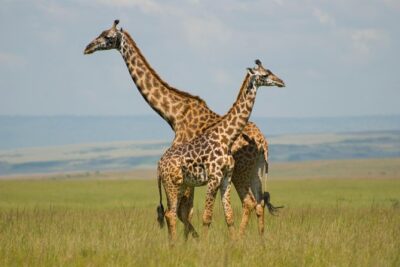 ★ 5.03 Days Masai Mara Group JoiningFrom $540486 reviews
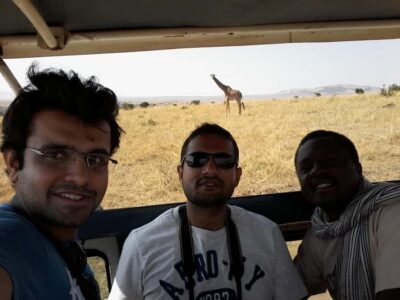 ★ 4.5From Nairobi: 3 Days, 2 Nights Maasai Mara Group SafariFrom $199394 reviews
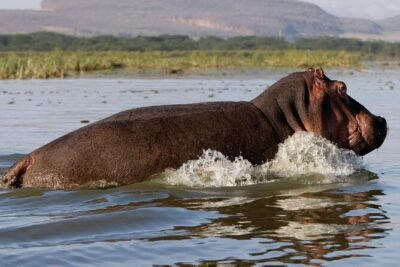 ★ 5.05 Days Masai Mara, Lake Nakuru & Naivasha Budget Joining SafariFrom $810229 reviews
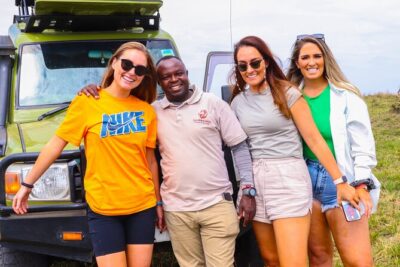 ★ 5.03 Days Gamedrive Safari In Masai Mara From NairobiFrom $555207 reviews
 ★ 4.6From Nairobi: 3 – Days Maasai Mara Group Safari by 4WDFrom $240205 reviews
 ★ 4.53 Days Maasai Mara Guided Safari from NairobiFrom $196195 reviews
 ★ 5.03 Day Masai Mara SafariFrom $929177 reviews
 ★ 5.03 days group joining safari to Maasai Mara with a Land Cruiser JeepFrom $221173 reviews
Appears in these lists