
REVIEW · MAASAI VILLAGE VISITS
From Nairobi: Masai Tribe Village Visit
Maasai village life is hands-on, not just a stop. If you want a day with food prep, beadwork, and real village rhythm, this Maasai community visit from Nairobi is built around watching skills up close and asking questions. I especially like that the experience includes practical demonstrations, from how women cook and make bead and wristband pieces to how young people perform song and jumping.
You’ll also get a glimpse of a pastoral society shaped by cattle, daily herding, and community traditions that have endured for decades. One possible drawback to plan for is timing and expectations, since the village portion can feel shorter than the overall day suggests, and the entry fee can be confusing if you assume it is handled automatically.
In This Review
- Before You Go: Key Points That Change Your Day
- Hitting The Road From Nairobi In An Air-Conditioned Ride
- What The Maasai Village Visit Feels Like When You Arrive
- Food Prep With Maasai Women: The Part You Should Slow Down For
- Bead Weaving, Necklaces, and Wrist Bands You Can Understand
- Goat Milking and Pastoral Life: Where The Day Gets Real
- Singing and Jumping: How To Watch Without Turning It Into A Show
- Cost and Value: Why The USD 52 Price Is Only Half The Story
- Communication and Guide Style: When A Good Day Starts With Clear Expectations
- How Long You’ll Actually Be In The Village
- Who This Maasai Day Trip Fits Best
- Should You Book This Maasai Village Visit From Nairobi?
- FAQ
- What’s included in the Nairobi to Maasai village experience?
- How much is the entry fee?
- Is lunch included?
- Are souvenir photos included?
- What should I bring?
- What languages are available?
- Is there a coffee stop on the way?
- Can I book and pay later?
- What is the cancellation policy?
Before You Go: Key Points That Change Your Day
- Two parts of your cost: your tour price plus a USD 30 entry fee per person
- What you actually do: cooking demonstrations, bead weaving, and goat milking
- Family-style cultural interaction: questions are encouraged at local homes, not just in a photo spot
- A performance moment: young men and women sing and jump as part of the greeting
- Bring the right ID: passport or ID card is required
- Plan money for extras: photos to purchase, plus food and drinks are not included
Maasai homestead visits reviewed elsewhere on this site
Hitting The Road From Nairobi In An Air-Conditioned Ride
This is a straightforward Nairobi outing, with hotel pickup and drop-off and transportation in an air-conditioned vehicle. That matters more than you might think. Long drives plus rural roads can turn a cultural visit into a stamina test, so having AC and a driver who handles the route keeps the day focused on the village, not the journey.
You should also expect a stop for coffee and lunch. Lunch is not included, so treat the food stop like your chance to refuel before you enter the community setting. If you’re sensitive to waiting, go in with a calm mindset. A village visit has real back-and-forth, like when you’re invited into homes and asked questions.
Finally, confirm your pick-up details the day before. One common complaint with this kind of trip is weak communication during the drive, like not knowing where you’re headed or what’s coming next. Even without a formal introduction, you can save stress by having your confirmation info handy and asking your driver to brief you on the plan when you get in the car.
What The Maasai Village Visit Feels Like When You Arrive
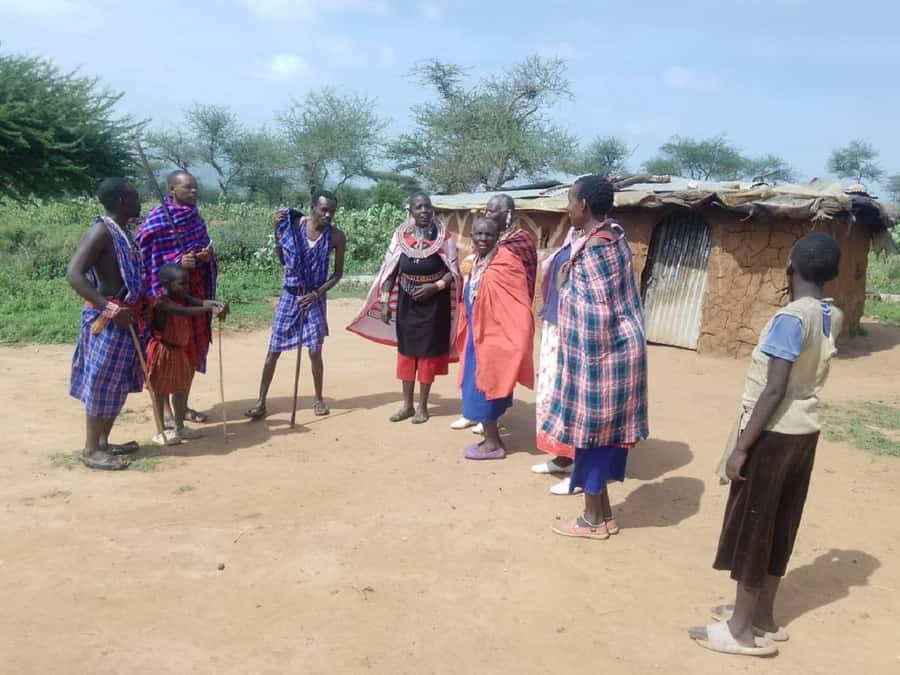
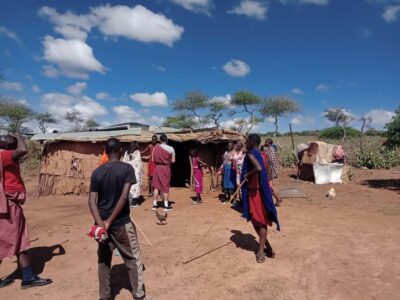
When you reach the traditional village area, the tone shifts fast. This isn’t a museum tour with one-way pathways. It’s more like being welcomed into a community space where people show how daily life works.
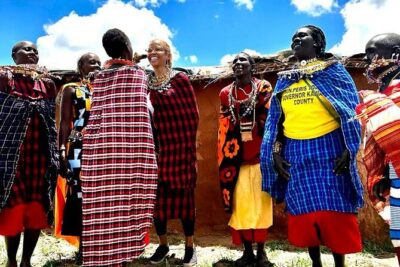
The heart of the experience is interaction at local homes and learning from community members who explain what they do and why. You’re there to see practical skills, including how meals are prepared and how women create bead and wristband pieces. If you come with thoughtful questions, you’ll get more out of it. If you come hoping for instant entertainment only, it can feel basic.
Also remember you’re visiting a living culture. The Maasai people have long been known in East Africa as expert pastoralists, with history tied to herding cattle and controlling grazing territory, which also shaped conflict in earlier eras. Today, you’ll mostly experience that heritage through daily routines and traditions rather than battle stories. Still, it gives context for why animals and land matter so much in how the community talks about life.
Food Prep With Maasai Women: The Part You Should Slow Down For
One of the strongest reasons to book is the food prep and cooking demonstrations. This is where the experience feels genuinely useful, not just performative. Watching how meals are prepared helps you understand the rhythm of a household and how skills are passed along.
In this visit, you’ll learn how local women prepare their meals, and you’ll see the process closely enough to ask questions. For me, the value is in the small details: what ingredients are used, how cooking fits into the daily schedule, and how food connects to family and community life. It’s also a good reset point during the day, because it shifts you from transport mode into observer and learner mode.
Two practical tips:
First, be respectful about pacing. If you’re filming, keep it natural and avoid turning the kitchen into a production. Second, if you have dietary needs, you can ask what’s being prepared, but remember this tour includes time for lunch that you buy separately, and food and drinks are not included as part of the tour price.
Bead Weaving, Necklaces, and Wrist Bands You Can Understand

If you like crafts, you’re in the right place. The program highlights weaving necklaces and wrist bands, and that’s not a random souvenir add-on. Beadwork is one of the easiest ways to understand how Maasai identity shows up in daily objects.
You’ll typically see women working on pieces and learn the basics of what goes into the designs. Even if you don’t buy anything, watching the steps helps you connect the beads to symbolism and personal expression. And if you do want to purchase, the craft becomes a way to support artisans directly. One key takeaway from the experience is that you should come prepared with some cash for beads and related items.
Also, don’t assume you’re going to get a perfect sales pitch with high pressure. When the tone is friendly, it’s more like a conversation. Still, set your own budget before you arrive so your decisions feel calm, not rushed.
Goat Milking and Pastoral Life: Where The Day Gets Real
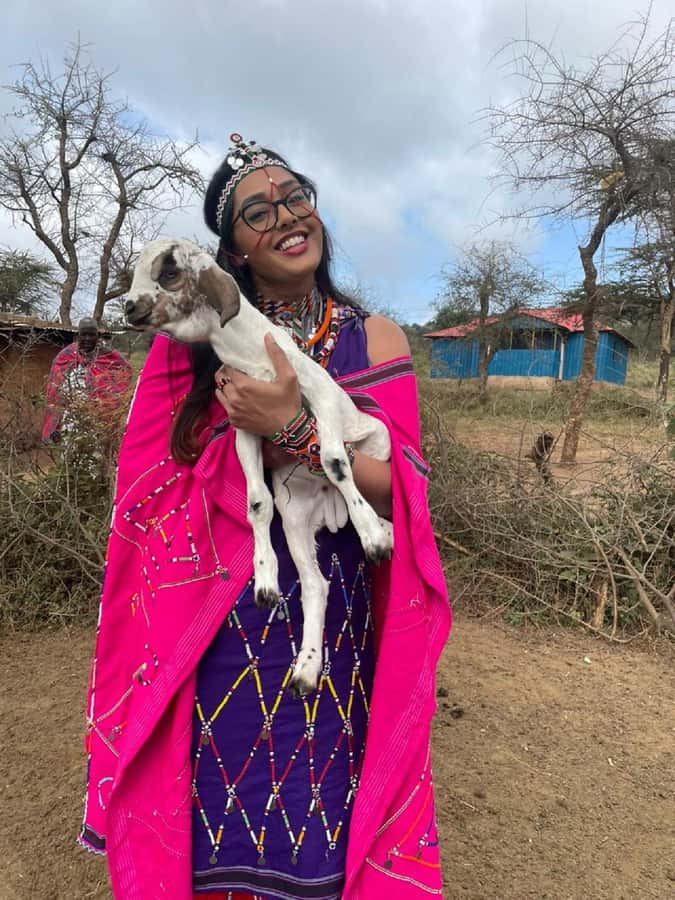
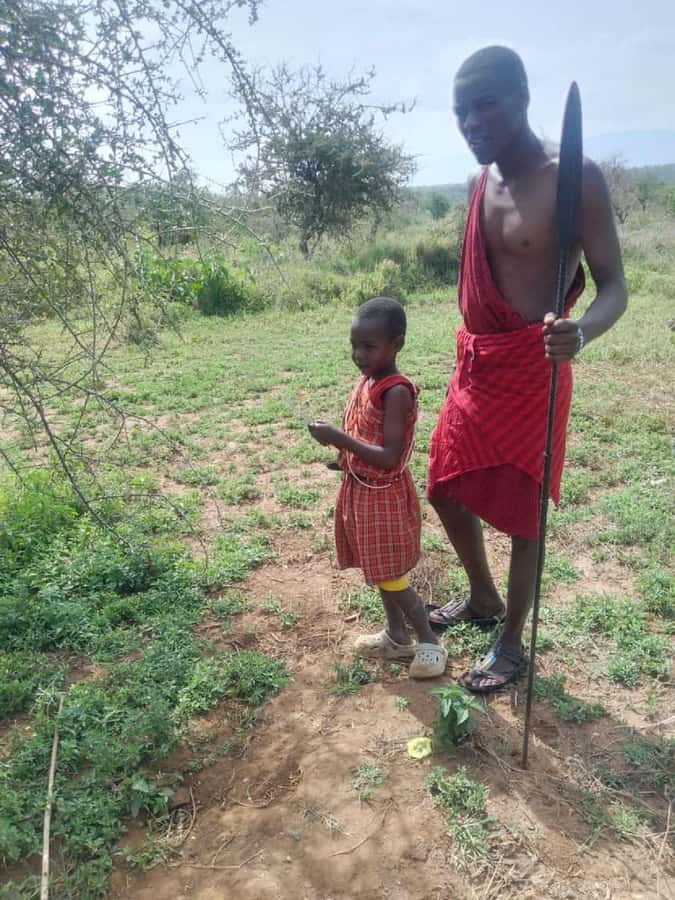
The tour includes time to learn how to milk goats and how herding skills connect to daily life. This is the part that often separates a “cultural show” from an actual learning experience.
Why it matters: Maasai life has long been tied to animals and grazing. Even when you don’t study history in detail, the community’s priorities show up in how people describe routines and how they handle their livestock. You’ll likely see enough context to understand that pastoralism isn’t just a job, it’s how the household plans its work, food, and movements.
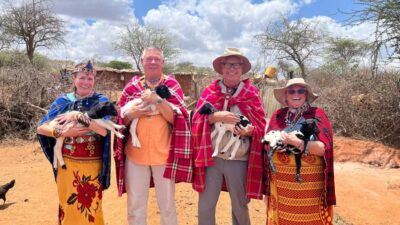
Be ready for a hands-on feel, but don’t expect a polished workshop. It’s village learning, not a factory tour. If you’re the type who likes asking direct questions, this segment is a good time to ask about how animals are cared for and how skills are taught from one generation to another.
Singing and Jumping: How To Watch Without Turning It Into A Show
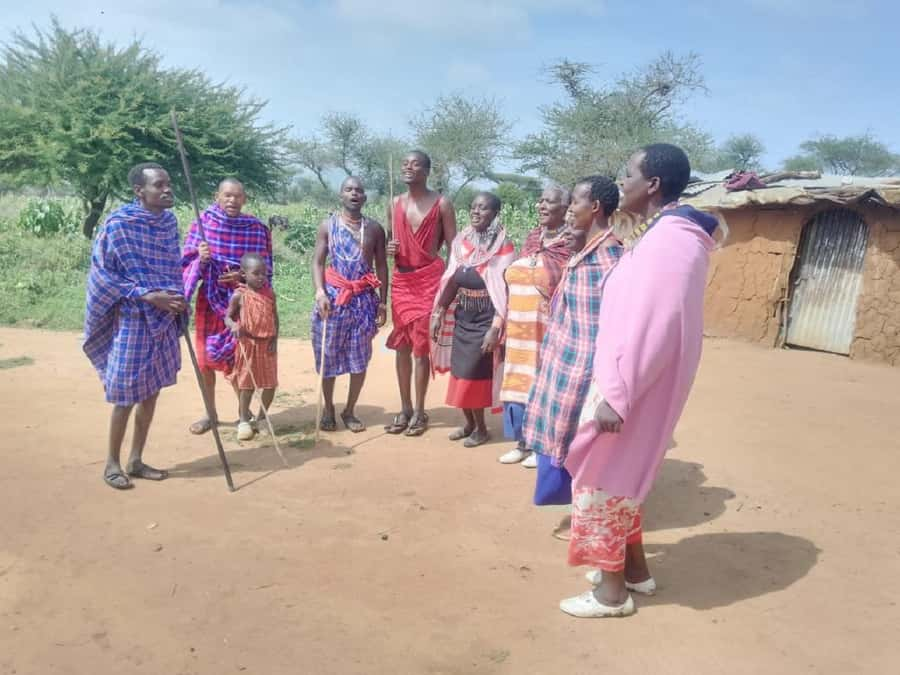
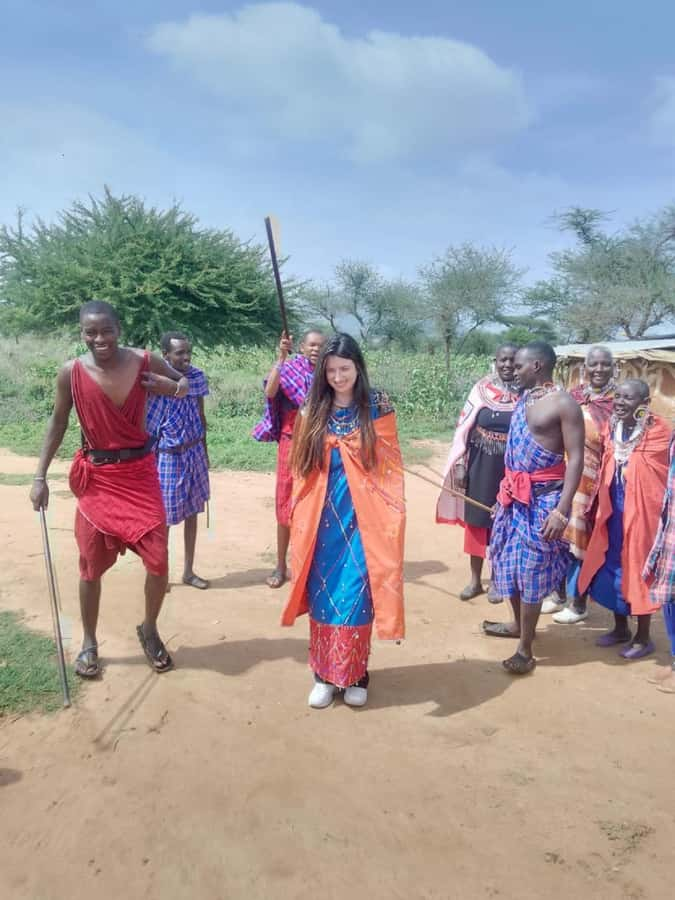
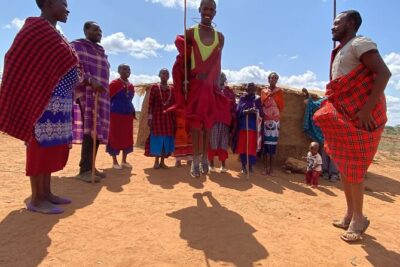
A big highlight is the moment when Maasai young men and women sing and jump as part of the welcome. This is often what first draws people in, and it can be a powerful, memorable highlight because it’s shared energy, not staged spectacle.
The best way to enjoy it is simple: watch first, then react respectfully. If you’re asked to participate or encouraged to interact, follow the lead of the community members. If not, enjoy it as a performance that communicates community pride and social connection.
One more point that keeps expectations sane: this kind of greeting can be brief. People do it as part of daily life, and the rest of the day focuses on demonstrations like cooking and beadwork. If you’re only chasing one dramatic moment, you may feel let down when the day flows back to practical tasks.
Cost and Value: Why The USD 52 Price Is Only Half The Story
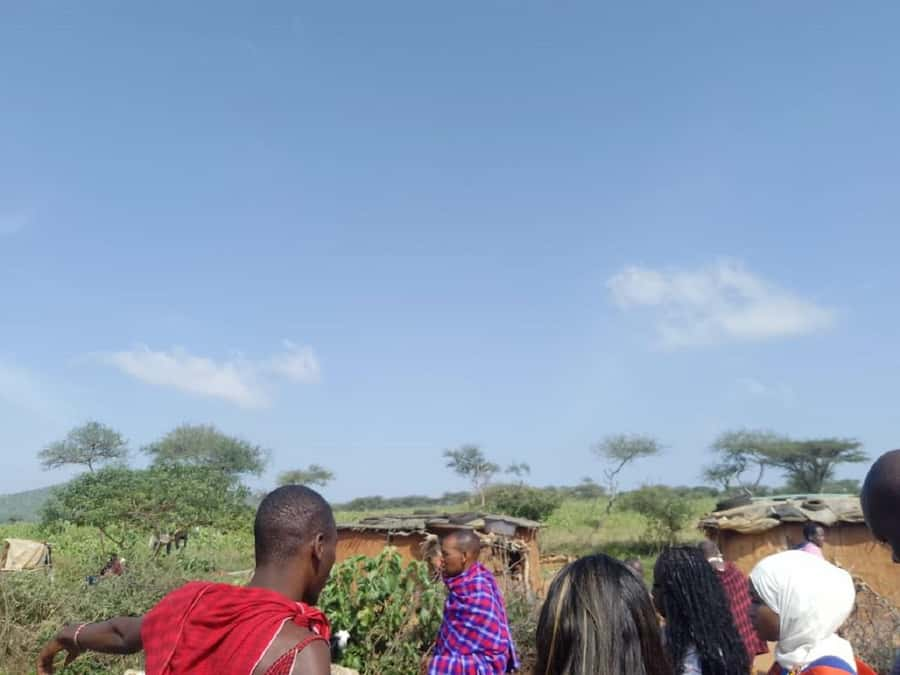
Let’s talk money in a way that keeps you from getting surprised later.
The tour price is listed as $52 per person, and it includes pickup and drop-off, a guide and driver, transportation in an air-conditioned vehicle, and the Maasai village experience. There is also time for lunch, but lunch is an own-expense item.
Then there’s the separate entry fee of USD 30 per person, which is not included. That’s the big value equation. At face value, your total is more like $82 plus whatever you spend on lunch, drinks, and optional extras.
There’s also a realistic spend category you should budget for: souvenir photos to purchase and beadwork pieces. Even if the photo option exists, don’t build your plan around a single photo package. In practice, the money most people end up spending goes to the handmade jewelry and accessories, because that’s what you see being made.
Finally, do one simple check before you pay any admission fee. Confirm the amount you are being asked to pay and make sure you know it is going to the community. This matters because if the process is unclear, you end up feeling uneasy during a trip that should be welcoming.
Communication and Guide Style: When A Good Day Starts With Clear Expectations
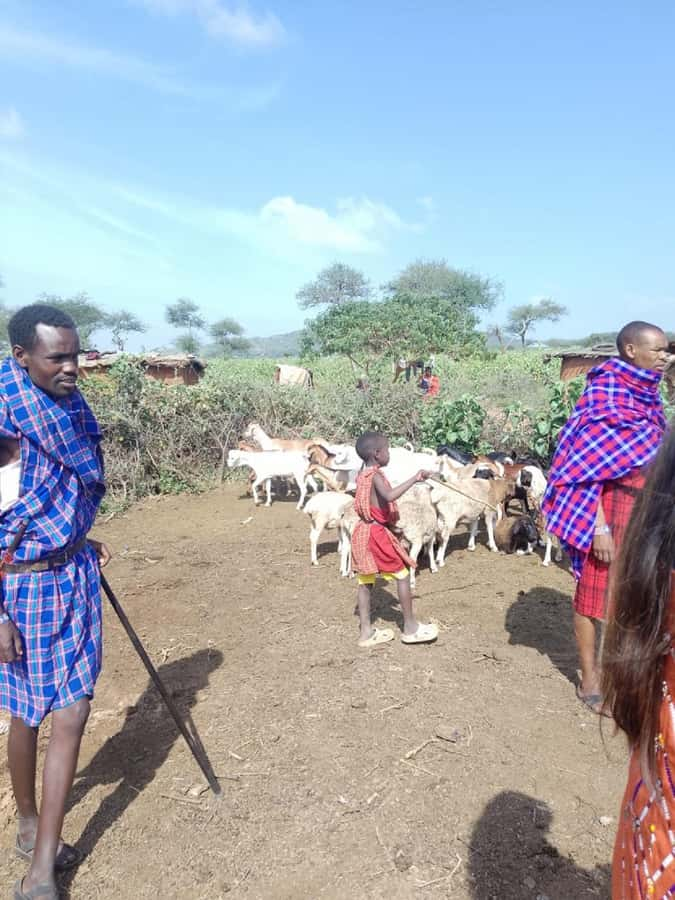
This experience can be great when the guide is engaged and clear. It can also feel frustrating when introductions are missing, like not getting your name, the village name, or an outline of the drive plan.
To make the day smoother, do two things:
First, ask for a quick rundown at pickup, where you’re going and what order the activities happen. Second, bring a curious mindset, because the best moments come when you’re able to ask follow-up questions during the village segments.
Your guide is also your translation bridge. Languages listed for the tour include English, Swahili, and French. If you speak one of those languages, use it. If not, slow down your questions and focus on simple ones, like what a task is used for or how something is taught inside the community.
How Long You’ll Actually Be In The Village
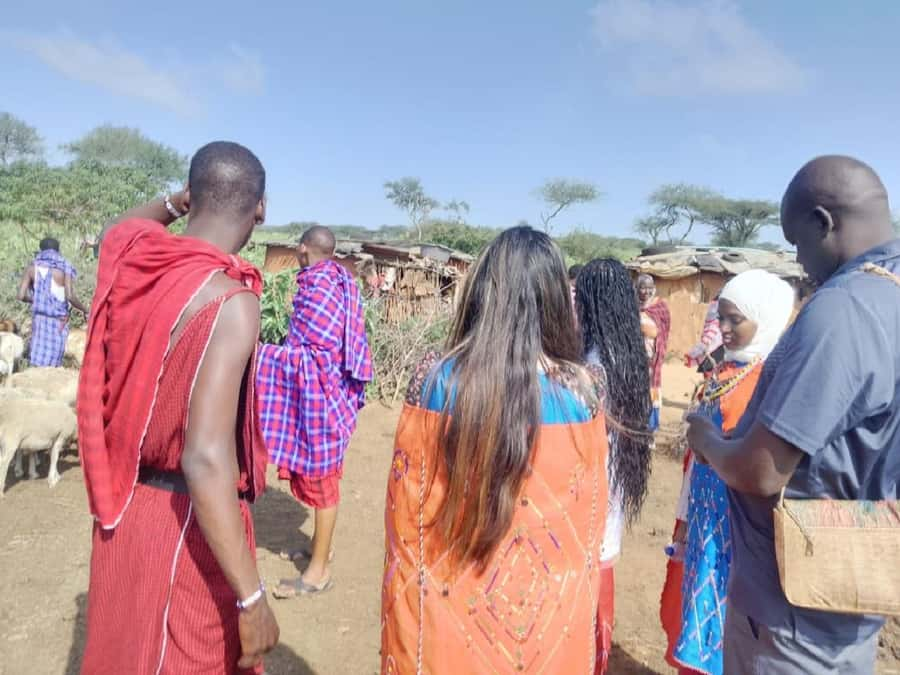
The day structure usually includes a drive out, stops for coffee and lunch, and then the village experience. What you should watch out for is that the total time advertised for a full outing can feel long due to travel, while your actual time in the village may feel shorter than you expect.
So if you’re the type who wants extended interaction, plan to be flexible and treat the experience as a snapshot. The value is in the variety of skills covered, not in hours of one single activity.
A good strategy: choose what matters most to you ahead of time. If you care about beadwork, give that segment your full attention. If you want pastoral context, lean in during the goat milking part. You’ll feel like you got value even if the day moves quickly.
Who This Maasai Day Trip Fits Best
This tour is a good match if you want a culture-focused village visit with hands-on demonstrations. It’s also a solid choice for visitors who like learning through conversation rather than just watching from a distance.
It may be less satisfying if you want a long, deep program with lots of time at one activity. It can also disappoint if you’re expecting a formal photo setup where someone takes your picture and you simply buy a printed packet. The day is more about village life, beadwork, and handmade pieces than about studio-style photography.
Best fit profiles:
- Families or groups who enjoy interactive learning
- People who like crafts and want to understand the process
- Visitors who enjoy respectful cultural greetings and short performances
Should You Book This Maasai Village Visit From Nairobi?
I think you should book it if your top goal is an up-close look at how daily life works, especially the cooking and beadwork, plus the singing and jumping welcome. The experience has a clear strength in direct interaction and practical demonstrations, and that tends to stick in your memory longer than a generic photo stop.
But I’d book with eyes open. Budget for the USD 30 entry fee, plan for lunch and drinks outside the tour price, and bring some cash for beadwork and optional items. If you’re worried about timing or you only care about one highlight, you might feel the trip is too short.
If you go in curious, respectful, and ready to learn, this can be one of those Nairobi add-ons that feels human and real, not rushed or staged.
FAQ
What’s included in the Nairobi to Maasai village experience?
The tour includes hotel pickup and drop-off, a driver or guide, transportation in an air-conditioned vehicle, and the Maasai village experience. It also includes time for lunch, but lunch is your own expense.
How much is the entry fee?
An entry fee of USD 30 per person is not included in the tour price.
Is lunch included?
No. The tour includes time for lunch, but you pay for food and drinks yourself.
Are souvenir photos included?
Souvenir photos are available to purchase, so they are not included in the tour price.
What should I bring?
Bring a passport or ID card.
What languages are available?
The tour lists English, Swahili, and French.
Is there a coffee stop on the way?
Yes. There will be a stop for coffee and lunch.
Can I book and pay later?
Yes. The booking method listed includes Reserve and Pay Later, where you can book your spot and pay nothing today.
What is the cancellation policy?
You can cancel up to 24 hours in advance for a full refund.
More Tour Reviews in Nairobi






Further Maasai Homestead Visits




Everything else we hold on Nairobi
- 7 Days Private 4 star lodges Safari by LandCruiser from Nairobi★ 5.0 · 3 reviews
- 5 Days/4 Nights Kenya Safari★ 4.5 · 3 reviews
- Safari Park Hotel Show & Dinner Experience In Nairobi Tour★ 3.6 · 3 reviews
- Day safari to Olpejeta Rhino conservancy★ 5.0 · 3 reviews
- 7 Days Breathtaking Kenya Wildlife Private Safari★ 5.0 · 3 reviews
- Overnight Amboseli National Park Safari from Nairobi★ 5.0 · 3 reviews
Maasai Village Visits, compared.
 ★ 4.5Nairobi: Day Tour to Amboseli National Park & Maasai VillageFrom $75310 reviews
 ★ 5.0Masai village Day Tour ExperienceFrom $100284 reviews
 ★ 5.0Maasai Village Experience Day TourFrom $10072 reviews
 ★ 4.9From Nairobi: Maasai Village Experience Day TourFrom $11770 reviews
 ★ 4.4Day Trip: Amboseli National Park & Maasai Village – NairobiFrom $10069 reviews
 ★ 4.6Nairobi: Day Trip to Maasai Mara Reserve & Maasai villageFrom $18049 reviews
 ★ 5.03days/2nights group joining Masai Mara with Masai Village VisitFrom $25638 reviews
 ★ 4.6Maasai Village Visit with Traditional Dance ShowFrom $5024 reviews
Appears in these lists