
REVIEW · MAASAI VILLAGE VISITS
From Nairobi: Maasai village and cultural experience
Maasai life feels close, not staged. This Nairobi-to-Kajiado trip takes you to a real Maasai village in Bisil for a warm welcome with traditional songs, dances, and the adumu jumping dance, then moves into day-to-day living you can actually see. You get a guided walk through homesteads and stories passed down through generations.
I love the face-to-face parts the most. You’ll meet Maasai women and spend real time with their handcrafted beadwork and jewelry, where color is tied to identity, not just decoration. I also like the practical demonstration of traditional fire-making, because it turns culture into something hands-on and memorable.
One consideration: the base price does not cover entry fees and the Maasai Guide charge, listed as $30 per person, so bring cash and plan for that extra cost.
In This Review
- Key highlights to look forward to
- Nairobi To Bisil: What The Ride Sets Up
- A Real Maasai Welcome With Songs, Dances, And Adumu Jumping Dance
- Inside The Manyatta: Mud-Thatched Homes And Stories You Can Follow
- Fire-Making Demonstration: Traditional Skills In Plain View
- Meeting Maasai Women And Understanding Beadwork Colors
- Time, Comfort, And The Pace Of A Half-Day Cultural Visit
- Price And Value: What $50 Really Buys, And What Comes Extra
- Who Should Book This Maasai Village Experience
- Should You Book This Maasai Village Cultural Tour?
- FAQ
- How long is the Maasai village experience from Nairobi?
- Where do you get picked up in Nairobi?
- Is there an English-speaking guide?
- What does the tour price include?
- What costs are not included?
- Is food provided on the tour?
- Should I bring cash?
- Are alcoholic drinks included?
- Is the tour wheelchair accessible?
Key highlights to look forward to
- Traditional welcome with songs and dances that sets the tone before you even start walking
- Adumu jumping dance as a signature moment of Maasai performance
- A real Manyatta and mud-thatched homes you can tour on foot
- Fire-making demonstration using traditional methods, not just a quick show
- Beadwork and jewelry with meaning you’ll be able to ask about and shop if you want
- Private or small-group options for a calmer pace
Maasai homestead visits reviewed elsewhere on this site
Nairobi To Bisil: What The Ride Sets Up
The tour runs about 5 to 6 hours, and it starts with pickup from your Nairobi hotel (or airport pickup, since that is included). You ride in an air-conditioned vehicle, then head toward the Bisil area in Kajiado for a true change of setting from city time to village time.
The drive itself matters more than you might expect. The route includes scenic views and an off-road stretch, so you’re not just arriving, you’re being moved into a different rhythm of travel. By the time you reach the village, you’ll feel like you’re part of the day, not just checking off a performance.
If you’re coming from Nairobi early in the day, this is a strong half-day option. It’s long enough to learn and interact, but short enough that you can still plan dinner and other Nairobi stops afterward.
A Real Maasai Welcome With Songs, Dances, And Adumu Jumping Dance
The first big moment is the welcome. You’ll be greeted with traditional songs and dances, including adumu, the famous jumping dance. This is usually the part that people remember later, because it’s kinetic and it makes the culture feel alive in the room with you.
Watch how the performers move, and don’t rush to film everything. I find it helps to take a breath, then decide what to capture. You’ll get more out of the moment if you also notice how the crowd reacts and how the performers signal energy and celebration through rhythm.
Adumu is also a good reminder that this tour isn’t only about looking. It’s about being present while people share something meaningful, so keep your attitude respectful and curious. If you have questions, it’s the right time to be ready for explanation once the singing and dancing wraps.
Inside The Manyatta: Mud-Thatched Homes And Stories You Can Follow
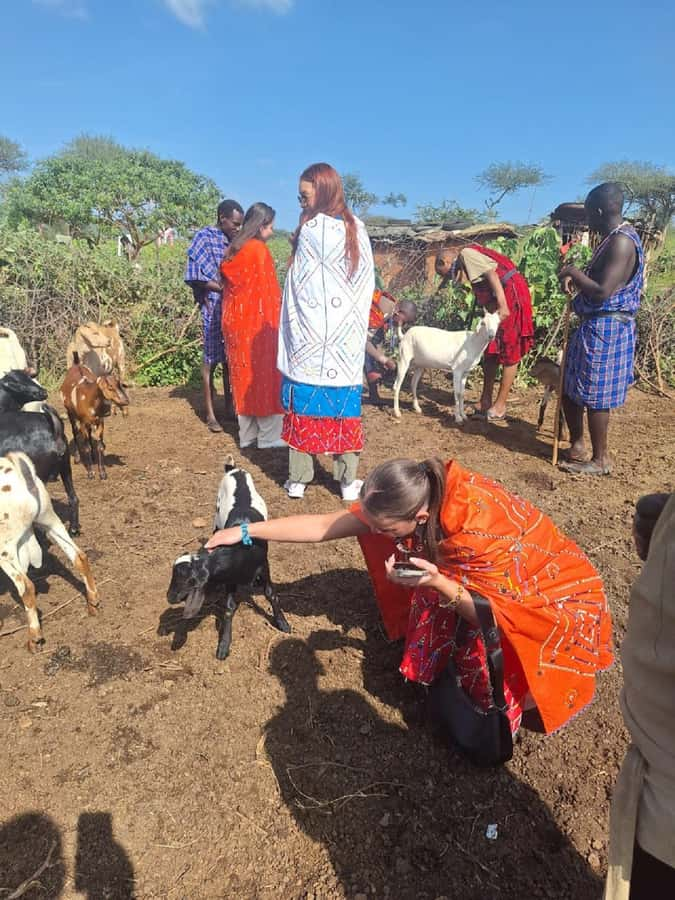
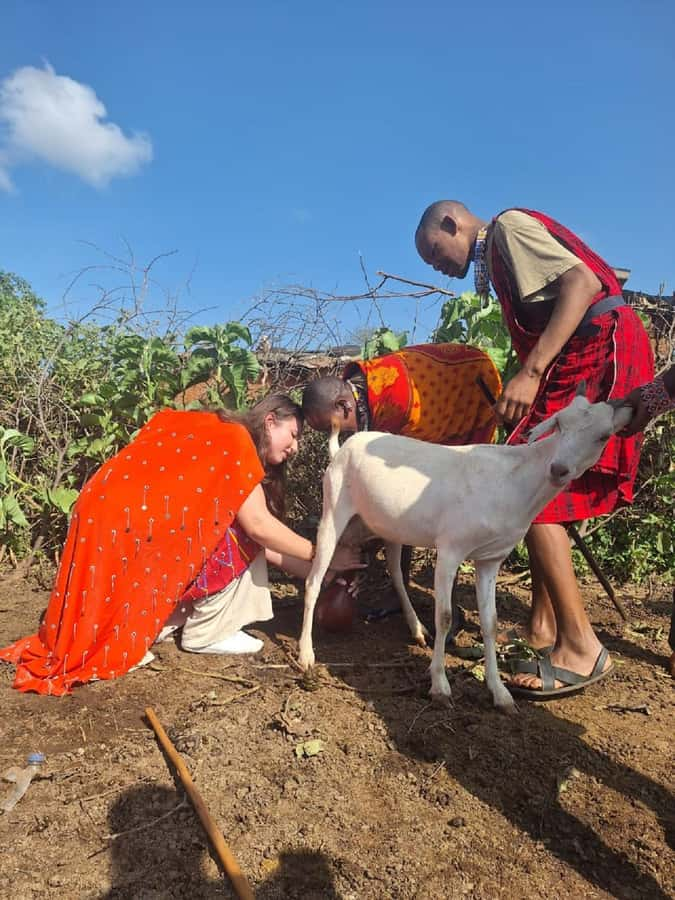
Next comes the heart of the visit: walking through the homesteads in a Manyatta. You’ll see how Maasai houses are built, including the mud-thatched style used for their homes. Instead of a brief stop with photos, you get guided time to understand what you’re seeing.
What I like here is the focus on “how” and “why,” not just “look at this.” You’ll be guided through the layout and building methods, and you’ll hear stories passed down through generations. Even if you don’t catch every word, the explanations make the structure feel purposeful and human.
There’s also a useful cultural thread you’ll hear during the walk: the connection to cattle, nature, and community. That theme turns the homestead from an interesting structure into a window on priorities and relationships. It helps you interpret the place instead of just observing it.
A practical note: walking between homesteads means you should wear comfortable shoes. The tour is designed as a guided walk, so plan for uneven ground and a little dust.
Fire-Making Demonstration: Traditional Skills In Plain View

After the homesteads, you’ll watch a fire-making demonstration using traditional methods. This is one of those activities that often surprises first-timers, because it feels both simple and impressive at the same time. You’re seeing how skills are practiced and taught, not a polished stage effect.
This part is valuable because it slows the day down. Rather than sprinting from photo spot to photo spot, you watch a step-by-step process and listen to the explanation tied to daily life. If you ask questions, this is usually where your guide can connect “the technique” to the larger story of tradition and community.
Be ready for the realities of a working demonstration. You might encounter smoke or heat near the fire-making area, so give yourself space and stand where the guide instructs you to stand. If you’re bringing a camera, also remember to protect it from dust with a cloth or pouch.
Meeting Maasai Women And Understanding Beadwork Colors
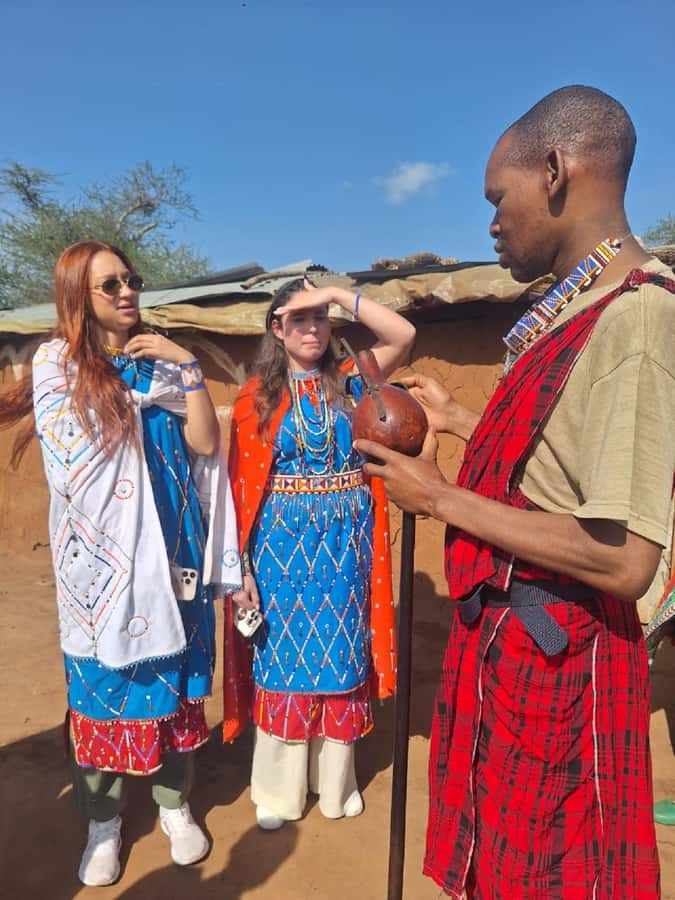
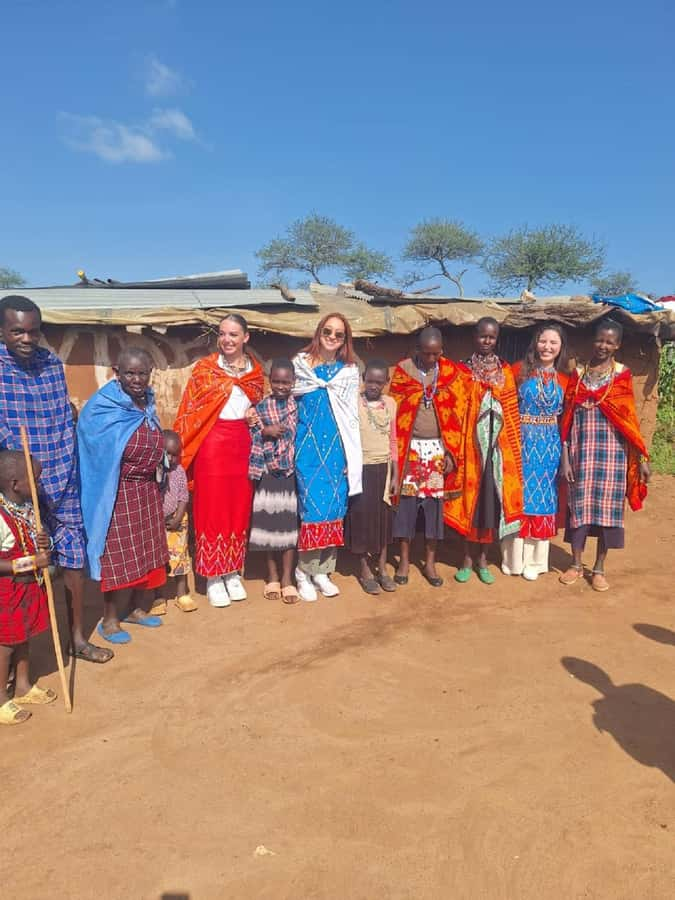
One of the strongest parts of this tour is the interaction with Maasai women. You’ll explore their handcrafted beadwork and jewelry, with guidance on how the colors symbolize identity. That detail matters because it turns beadwork from a souvenir category into a language.
I like this segment because it gives you something to talk about. You can ask what the colors mean, and you’ll get a clearer sense of how personal symbolism shows up in everyday craft. Even if you’re not planning to buy, you’ll still come away with a better understanding of what you’re looking at.
Shopping is part of the experience too, in a natural way. Jewelry is available, so if you decide to purchase, go in with the mindset of supporting craft and conversation, not just bargaining for a deal. Bring cash, since cash is specifically recommended.
Also think ahead about what you’ll do after. If you buy small jewelry pieces, you’ll want a safe place to store them during the rest of the day so they don’t get lost in your bag.
Time, Comfort, And The Pace Of A Half-Day Cultural Visit
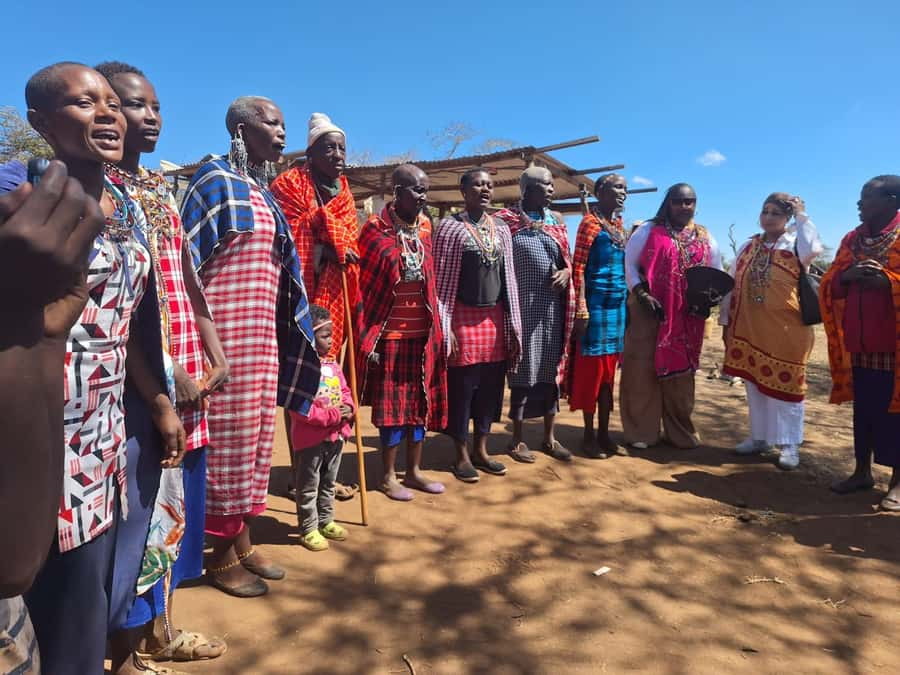
This is a 5 to 6 hour tour, so the flow is designed to pack a lot in without turning it into a marathon. You start with pickup, travel to Bisil, enjoy the welcome, then move through homesteads, fire-making, and beadwork interactions.
You’ll have bottled water provided, and the vehicle is air-conditioned, which helps a lot once you’re back in transit. Still, the village portion is outdoors, so dress for sun and heat. Light layers are smart, and a hat and sunglasses can make the walk more comfortable.
Group size can change your experience. The tour offers private or small groups, and that typically keeps the guide focused and helps you get personal answers. If you don’t want to feel rushed, small-group setups are usually the way to go.
Plan to arrive with your questions ready, not just your camera charged. The best moments come when you let the guide explain, then you ask follow-ups based on what you actually saw.
Price And Value: What $50 Really Buys, And What Comes Extra
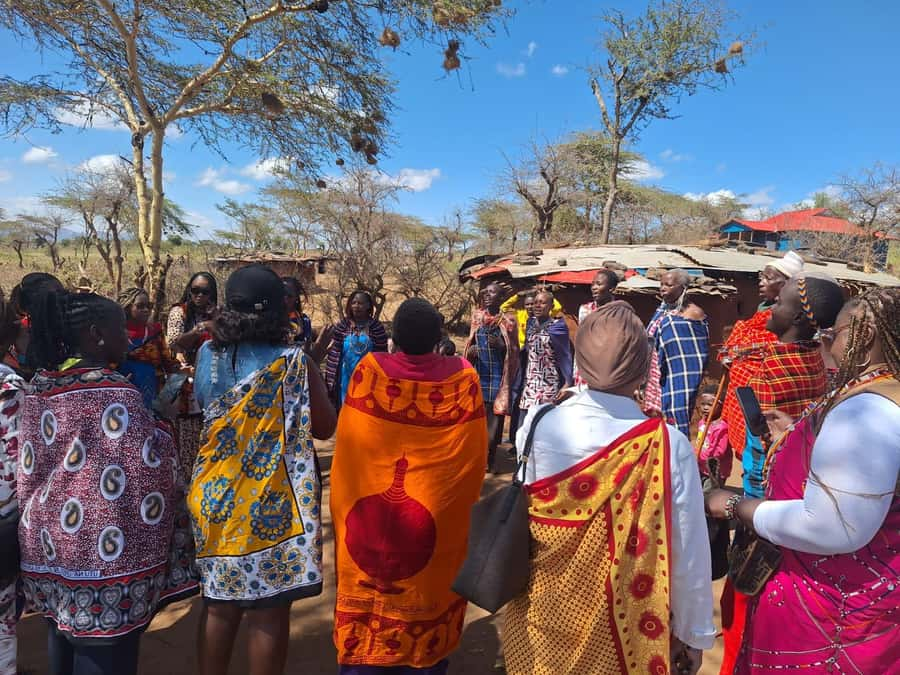
The listed price is $50 per person, which is a fair starting point for a half-day cultural trip that includes pickup and transport in an air-conditioned vehicle, plus a driver/guide and bottled water. You’re also getting the key activities: welcome with songs and dances, guided village walk, fire-making demonstration, and interaction around beadwork.
The important catch is what’s not included. Entry fees and the Maasai Guide charge are listed as $30 per person. That means your true on-the-ground budget is closer to $80 per person before you add anything optional.
Food and drinks are not included. Alcoholic drinks are available to purchase, but you should assume you’ll pay for that separately. If you want to eat, plan on doing it around the tour time, either before pickup or after you return to Nairobi.
Overall value depends on your goal. If you want a standard city tour, this might feel pricey. If you want hands-on cultural time with a real homestead visit and guided explanation, the total cost can feel reasonable, especially if you book a private or small-group option.
Who Should Book This Maasai Village Experience
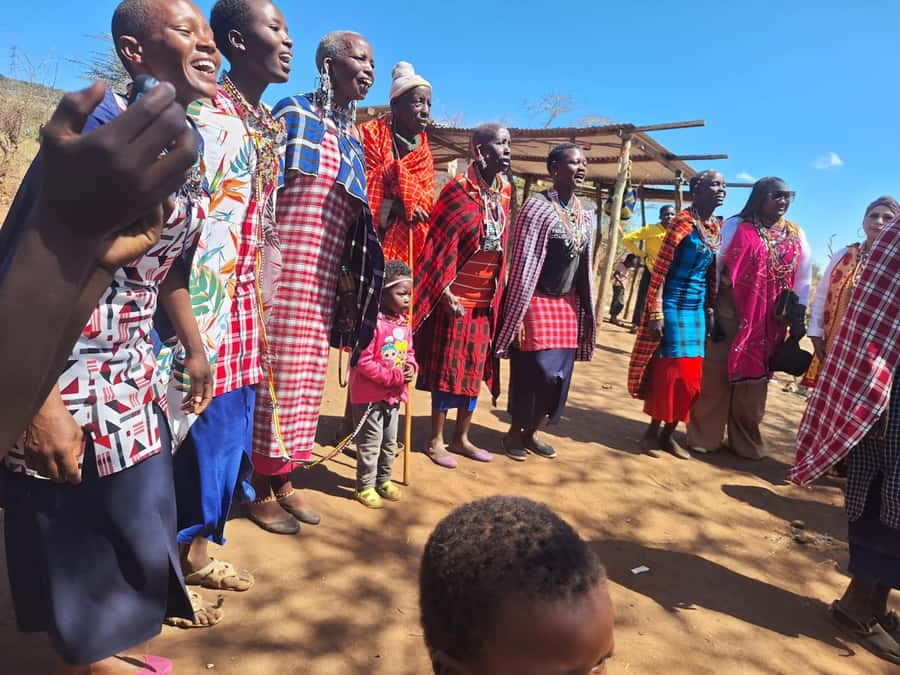
This tour is a good fit if you want culture you can see and ask about. You’ll get more than a performance, with a homestead walk, fire-making demonstration, and beadwork interactions. If you’re the type who likes to understand daily life through real examples, you’ll likely enjoy this.
It’s also a decent choice if you want a more controlled group setting. The tour offers private or small groups, and that generally means better questions and less waiting your turn.
Language is English, so you won’t be stuck guessing. One of the standout details from the experience is that the village chief can explain things clearly in perfect English, which makes the visit easier to follow and more rewarding.
If you travel with mobility needs, the tour is listed as wheelchair accessible, which is a big plus to check before you commit to other village-style excursions.
Should You Book This Maasai Village Cultural Tour?
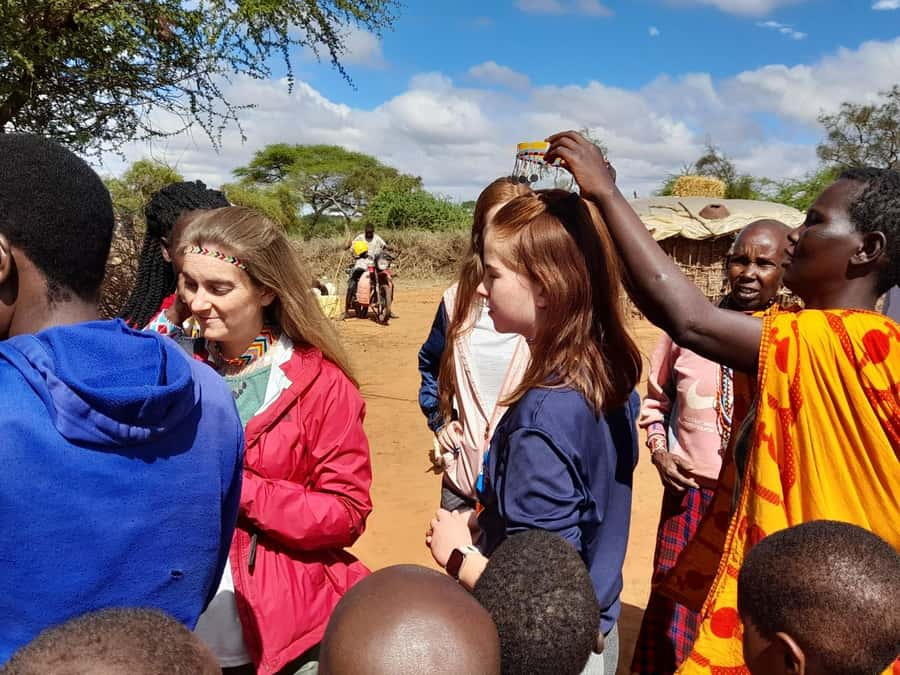
Book it if you want a structured, guided day that focuses on real village life elements: the welcome with songs and dances, a visit to a Manyatta, traditional fire-making, and beadwork with explained meaning. This is the kind of experience that works best when you show up ready to listen and interact, not just collect photos.
Before you book, do two things. First, plan your cash budget for the entry fees and the Maasai Guide charge of $30 per person. Second, set expectations for the length and pace: it’s a half-day visit, so you’ll see a lot, but it will be concentrated.
If you’re hoping for a purely hotel-like comfort level, manage that too. The ride is comfortable, but the village portion is outdoors and active, with walking and demonstration areas.
FAQ
How long is the Maasai village experience from Nairobi?
The tour lasts about 5 to 6 hours.
Where do you get picked up in Nairobi?
Pickup is from your hotel in Nairobi, depending on the selected option. Airport pickup is also listed as included.
Is there an English-speaking guide?
Yes. The live tour guide speaks English.
What does the tour price include?
It includes the driver/guide, airport pickup, bottled water, and transport in an air-conditioned vehicle.
What costs are not included?
Entry fees and the Maasai Guide charge of $30 per person are not included. Food and drinks are also not included.
Is food provided on the tour?
No. Food is not included, and you will need to plan for it before or after.
Should I bring cash?
Yes. Cash is recommended.
Are alcoholic drinks included?
No. Alcoholic drinks are not included, but they may be available to purchase.
Is the tour wheelchair accessible?
Yes, the tour is listed as wheelchair accessible.
More Tour Reviews in Nairobi






Further Maasai Homestead Visits




Everything else we hold on Nairobi
- 7 Days Private 4 star lodges Safari by LandCruiser from Nairobi★ 5.0 · 3 reviews
- 5 Days/4 Nights Kenya Safari★ 4.5 · 3 reviews
- Safari Park Hotel Show & Dinner Experience In Nairobi Tour★ 3.6 · 3 reviews
- Day safari to Olpejeta Rhino conservancy★ 5.0 · 3 reviews
- 7 Days Breathtaking Kenya Wildlife Private Safari★ 5.0 · 3 reviews
- Overnight Amboseli National Park Safari from Nairobi★ 5.0 · 3 reviews
Maasai Village Visits, compared.
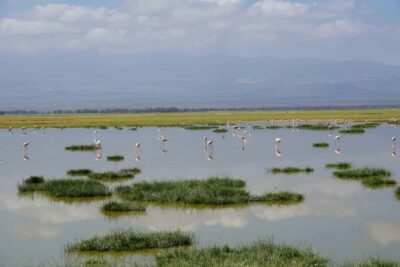 ★ 4.5Nairobi: Day Tour to Amboseli National Park & Maasai VillageFrom $75310 reviews
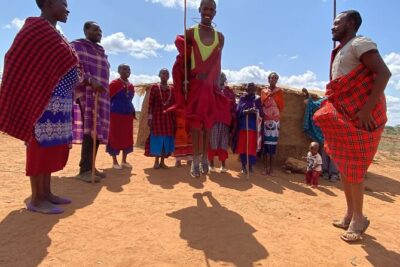 ★ 5.0Masai village Day Tour ExperienceFrom $100284 reviews
 ★ 5.0Maasai Village Experience Day TourFrom $10072 reviews
 ★ 4.9From Nairobi: Maasai Village Experience Day TourFrom $11770 reviews
 ★ 4.4Day Trip: Amboseli National Park & Maasai Village – NairobiFrom $10069 reviews
 ★ 4.6Nairobi: Day Trip to Maasai Mara Reserve & Maasai villageFrom $18049 reviews
 ★ 5.03days/2nights group joining Masai Mara with Masai Village VisitFrom $25638 reviews
 ★ 4.6Maasai Village Visit with Traditional Dance ShowFrom $5024 reviews
Appears in these lists