
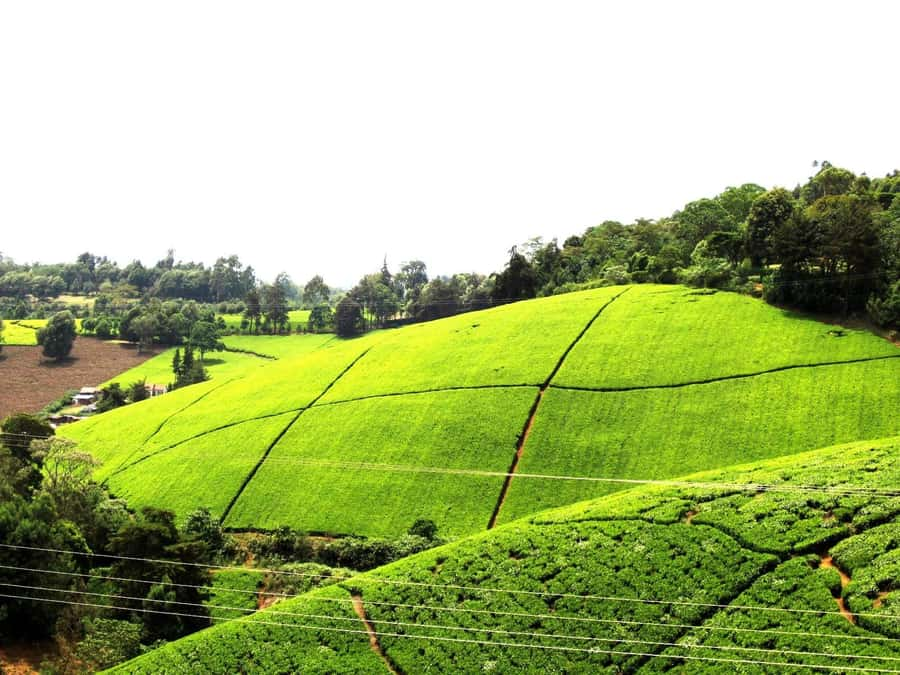
REVIEW · TEA FARM TOURS
From Nairobi: Kiambethu Tea Farm Tour & Lunch
Tea leaves, forest air, and a real lesson in how Kenya grows.
This half-day trip to Kiambethu Tea Farm mixes Kenyan history with an outdoor walk, and it ends with a proper lunch. I like that it is not just sightseeing, you get time with an on-the-ground guide while you explore the gardens and a well-preserved indigenous forest.
I especially love two things: the chance to spot colobus monkeys in their home forest, and the fact you get a 3-course meal made with fresh, locally sourced ingredients. It feels like a full experience, not a rushed stop.
One thing to consider is focus. This is not a big wildlife safari day. If you are expecting constant animal sightings beyond a quick monkey glimpse, you may find the pace and nature highlights a bit gentler than classic safari parks.
In This Review
- Key takeaways before you go
- Getting from Nairobi to Kiambethu Tea Estate in one smooth half day
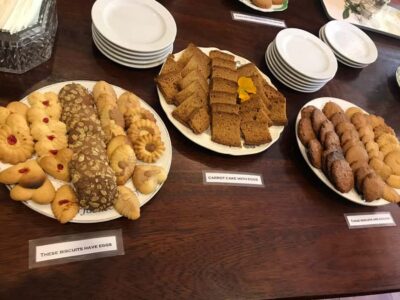
- Homemade biscuits and tea, then your guide turns it into a story
- Walking the gardens and indigenous forest for colobus monkey sightings
- Learning how tea became one of Kenya’s biggest export crops
- Lunch at Kiambethu Estate: what a 3-course meal adds to the day
- Guides, group size, and how the day stays personal
- Price and value: does $160 make sense for this 6-hour experience?
- Who should book Kiambethu Tea Farm from Nairobi
- A note on drivers and what makes the van ride work
- Should you book this Nairobi tea farm and lunch tour?
- FAQ
- What time is pickup in Nairobi?
- When do we arrive at Kiambethu Tea Estate?
- How long is the tour?
- What is included in the lunch?
- Is the tour guided?
- What wildlife might you see?
- What is the group size?
Key takeaways before you go
- Small-group pace with a max of 15 people, so your guide can actually answer questions
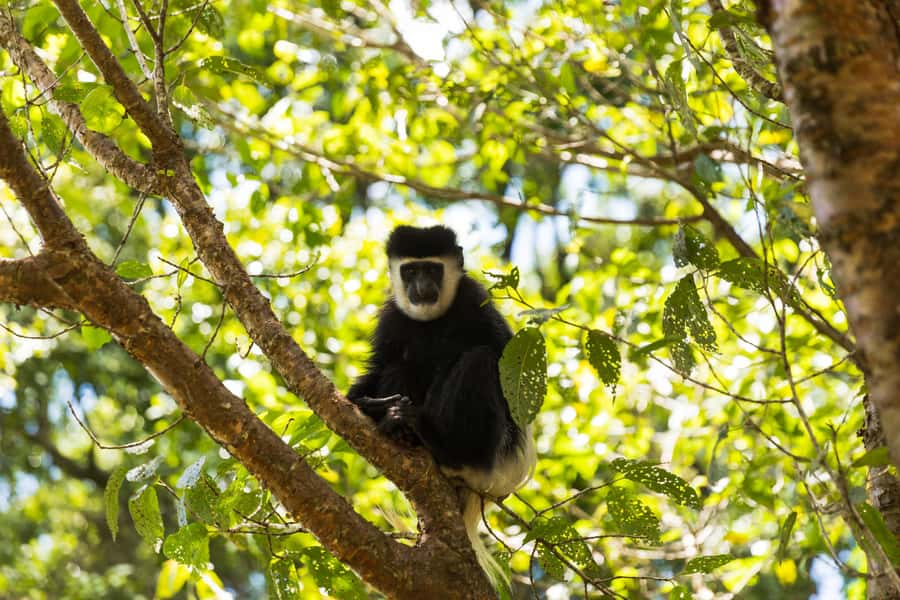
- Colobus monkey sightings during the forest walk, with a guide who knows where to look
- Homemade biscuits and tea right after arrival, a relaxed start to the day
- A true tea-learning focus, including how tea became one of Kenya’s largest export crops
- Lunch plus afternoon tea at the estate, including soft drinks and coffee or tea
Limuru tea farm visits above the escarpment
Getting from Nairobi to Kiambethu Tea Estate in one smooth half day
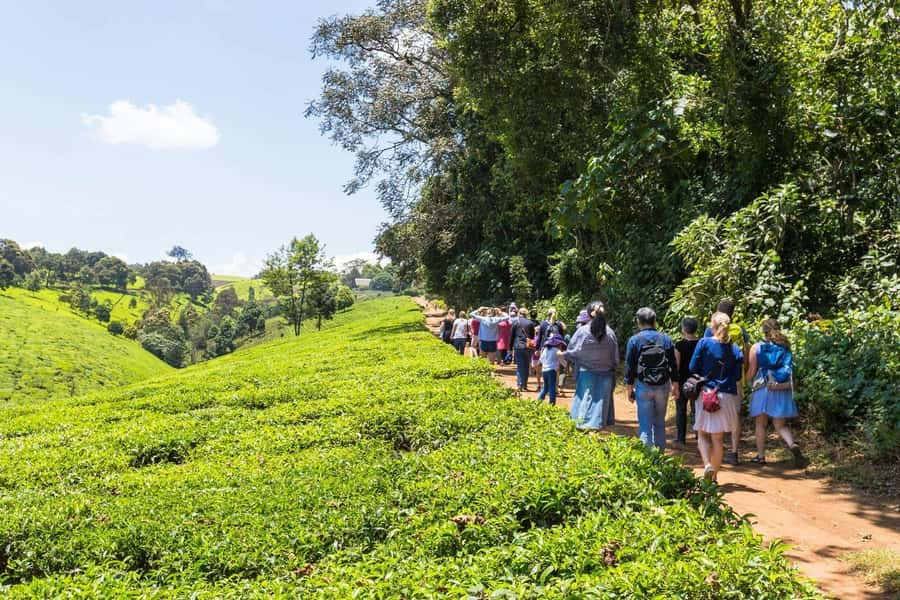
Your day starts with hotel pickup in Nairobi at 9:30 am, with the meeting point on Haile Selassie Avenue. The total time on this trip is about 6 hours, which matters because it shapes your expectations. You are doing a short, well-paced escape into Central Kenya, not a multi-day journey.
Once you’re on the van, you’ll spend around 4 hours driving through scenic stretches on the way. Arriving at the main house of Kiambethu Tea Estate at 11:00 am is a sweet spot: you are early enough for a calm start, but not so early that the whole day feels stretched thin.
What I like about this timing is that it reduces decision fatigue. You do not need to map out transport or timing on your own. You also do not need to wonder where the day goes next, because the schedule is built around arrival, walking, and a real meal.
Practical note: because this is a van transfer day, you’ll want to be comfortable sitting for a good chunk of time. If you are the kind of traveler who gets restless on the road, plan to use that time to recharge and keep your energy for the walk and lunch.
Homemade biscuits and tea, then your guide turns it into a story
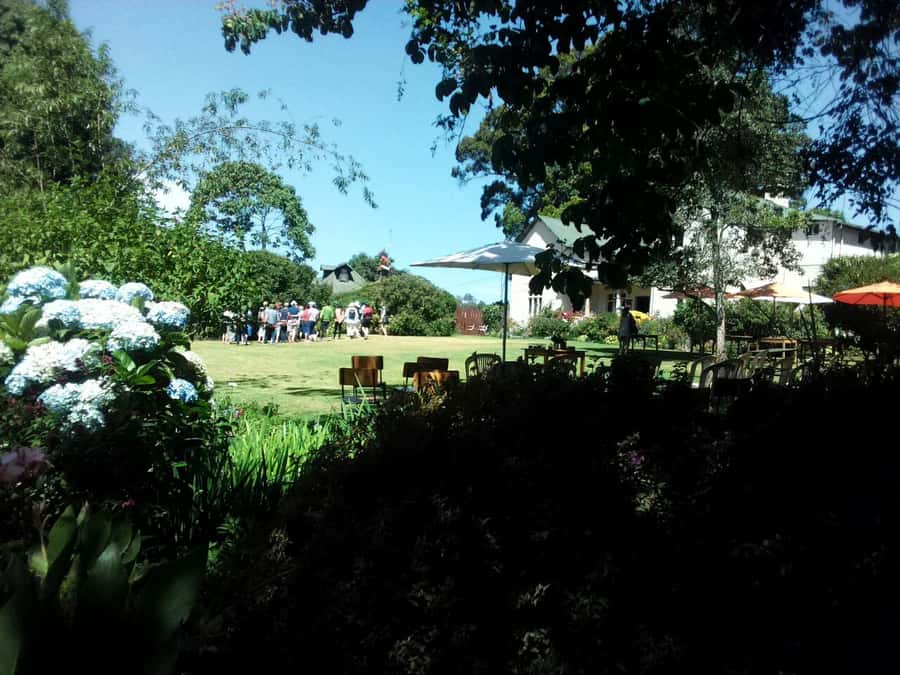
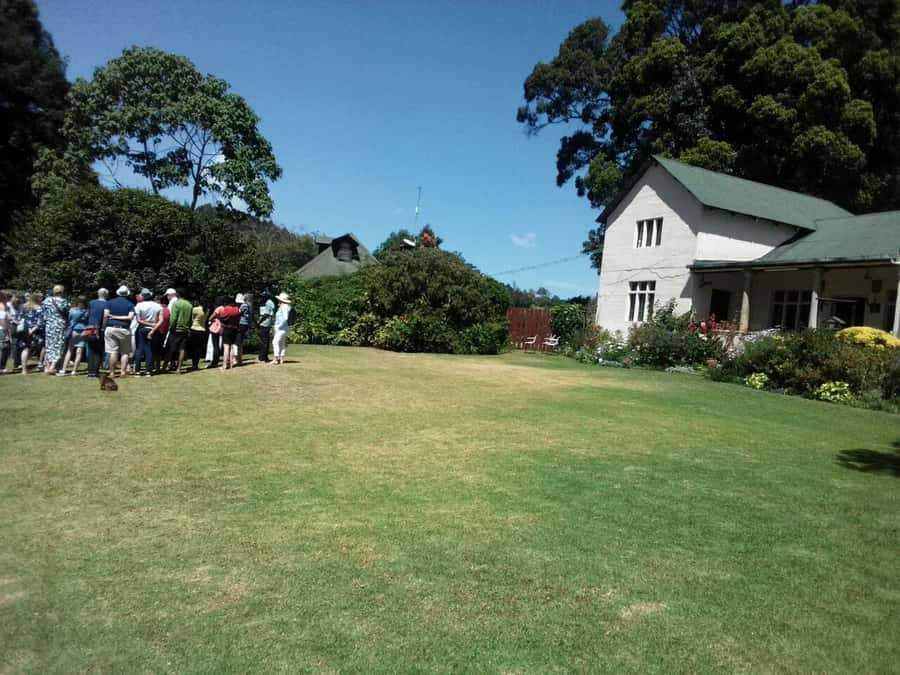
At around 11:00 am, you’ll be welcomed at the main house with homemade biscuits and tea. It is a simple moment, but it sets the tone. You’re not dropped off and told to wander. You’re greeted, then introduced to what you’ll see.
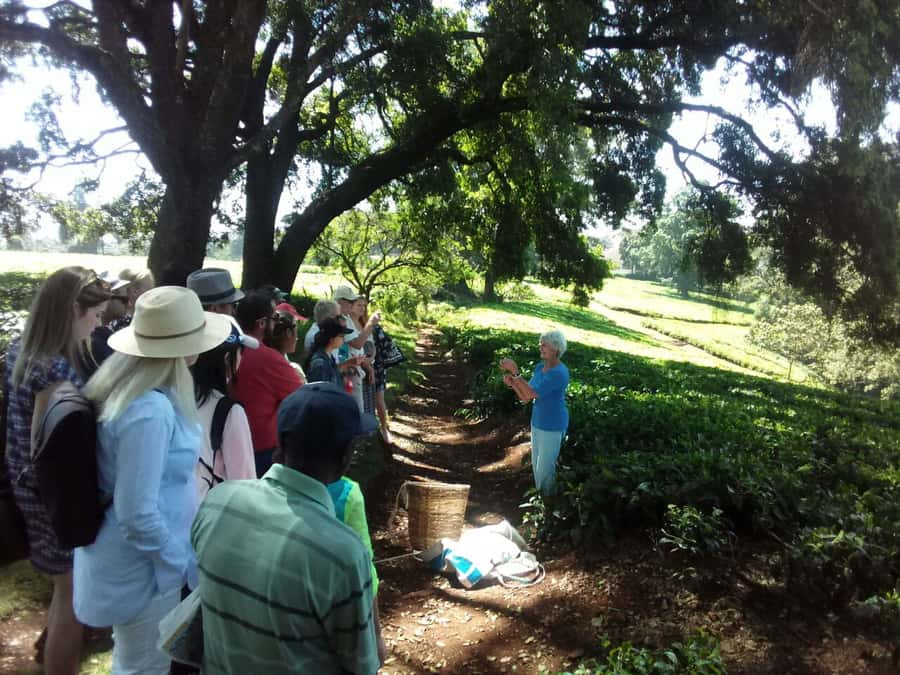
As you snack, your professional English-speaking guide explains what is happening on the farm and how the tea-making process works. That early “what you’re about to see” briefing is valuable. Tea plantations can feel repetitive if you only look at rows of plants. With context, you start noticing the details your guide highlights.
The guide team here is set up for more than facts. The tour is designed around African wildlife and culture expertise, so the conversation has two threads: how tea works on the estate, and what you’re learning about the surrounding environment.
If you enjoy tours where someone actually talks through what you’re experiencing, you’ll likely appreciate this structure. It makes the forest walk and lunch feel connected, not like separate stops.
Walking the gardens and indigenous forest for colobus monkey sightings
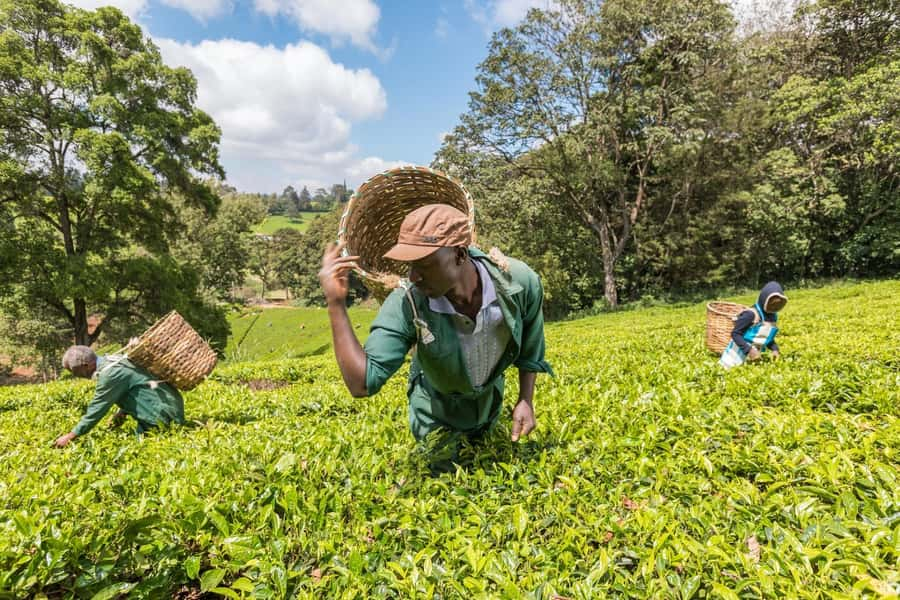
After your welcome, you’ll stroll through the gardens around the main house. Then it is time to explore the well-preserved indigenous forest with your guide. This is the part of the day where the pace shifts from “farm tour” to “nature walk,” and it’s also where you get the wildlife highlight.
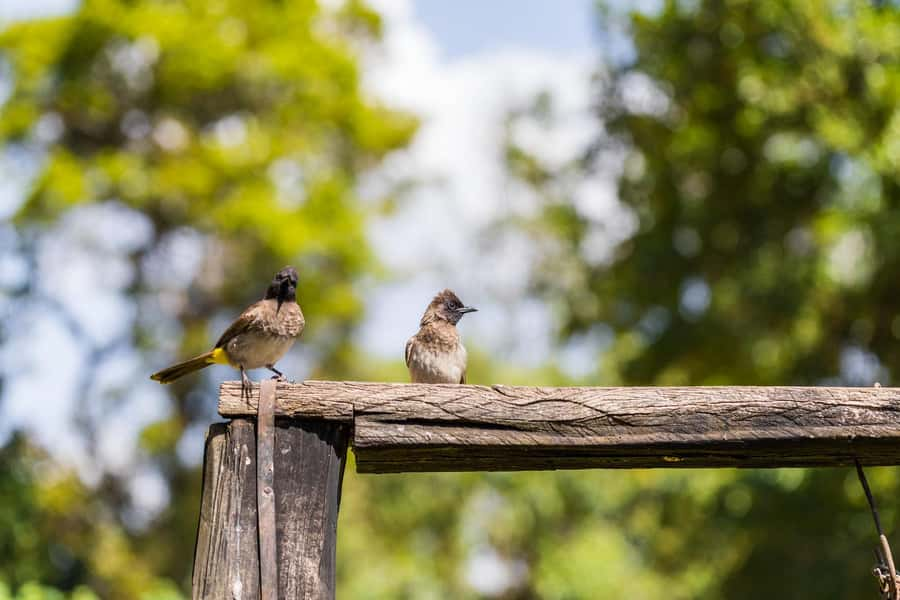
The specific wildlife expectation is colobus monkeys. The tour description also mentions a resident colobus presence, and you’ll catch glimpses during the visit. That is important: you are not guaranteed sightings every minute, but you are in the right environment, with a guide who knows the rhythm of the forest.
I like that the forest is described as well-preserved and indigenous, because it implies you are not just walking through a generic patch of greenery. You’re moving through a space with an established ecosystem, which tends to make the walk more interesting than a purely ornamental garden stroll.
What can be a plus for your experience is how the guide shapes the walk. On tours like this, the difference between a quick glance and a memorable encounter often comes down to where you pause and what you’re told to look for. This one is built around a guided approach, not self-guided roaming.
Wear something practical for walking. Even if the path is manageable, you are spending time outdoors around gardens and forest terrain. Comfortable shoes are the easiest way to make the walk more enjoyable, and you’ll still appreciate the viewpoints along the way.
Learning how tea became one of Kenya’s biggest export crops
The heart of this tour is the tea story. You’ll learn how tea became one of Kenya’s largest export crops, and you’ll connect that global role to what you see on the estate.
Why this matters for you as a visitor is simple. When you understand tea’s place in Kenya’s economy, the rows stop looking like scenery. They start looking like a system: people, agriculture, processing, and export. That is the kind of learning that actually sticks after you leave.
You’ll also get a guided look at the tea-making process, explained through what you experience during the visit. Even without getting overly technical, it helps you grasp the journey from cultivated leaves to tea you drink at home.
If you are the type of traveler who likes your sightseeing with context, this part is a strong match. If you’re mainly chasing dramatic landscape views or constant wildlife action, the value may depend on your interest in how food and cash crops are made and managed locally.
Other Nairobi bookings that survived the same scrutiny
Lunch at Kiambethu Estate: what a 3-course meal adds to the day
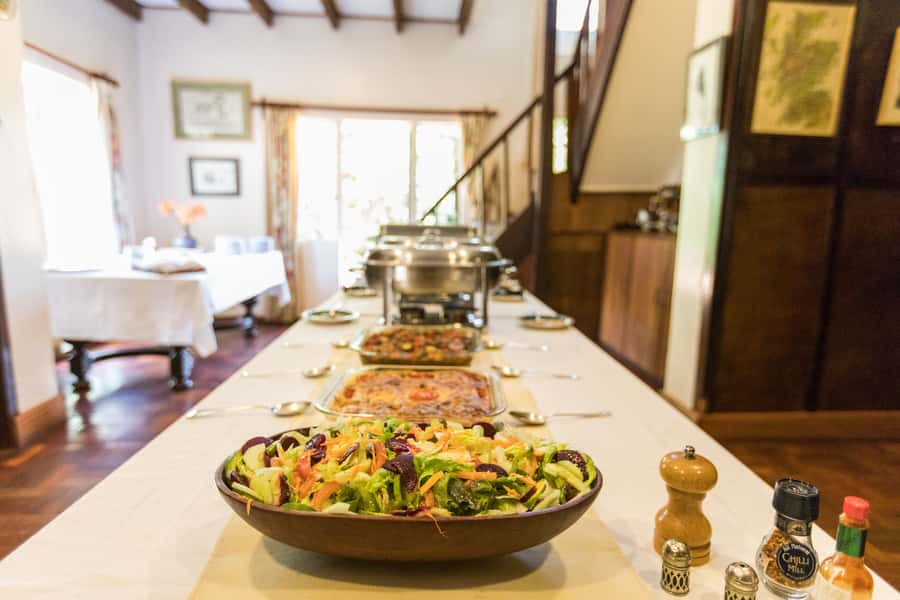
After the walks, you’ll finish with a relaxed lunch at Kiambethu Estate. This is not a snack stop. The meal is a 3-course lunch made from fresh, locally sourced produce.
The tour also includes soft drinks and tea and coffee with lunch. That changes the feel of the day. Instead of rushing back to Nairobi for food, you slow down and actually sit down on-site, which is exactly what a countryside tour should do.
From a value standpoint, this is one of the biggest advantages. Many farm tours add a small meal or a buffet that feels like an afterthought. Here, the lunch is built as part of the experience, and that usually means you can enjoy it without timing pressure.
If you care about taste and freshness, this is the kind of meal that fits the setting. You are surrounded by agricultural land, then you eat food tied to that land, not just something assembled for tourists.
Guides, group size, and how the day stays personal
This is a small group experience, limited to 15 participants. That limit matters more than it sounds. In a larger group, guides often talk at people. In a smaller one, they can adjust, answer questions, and keep the pace in a way that makes walking and learning feel doable.
You also get professional English-speaking guides who are described as experts in African wildlife and culture. That matters on two levels. First, it improves the quality of the wildlife element by providing context while you look. Second, it adds cultural and historical framing to the tea story, so the farm doesn’t feel like a theme park.
The tour also includes full transfer to and from your Nairobi accommodation. That reduces the stress you would otherwise deal with when trying to coordinate a countryside outing on your own.
Tips are not included in the cost, so if you plan to tip, budget for it separately. I usually like to keep that in mind with any guided experience, because it avoids last-minute decisions.
Price and value: does $160 make sense for this 6-hour experience?
At about $160 per person for a 6-hour day, you’re paying for a lot more than access to a tea garden. You are paying for guided interpretation, entrance fees, and the “whole day package” that includes pickup and drop-off from Nairobi plus a proper lunch and afternoon tea.
Here’s how I think about the value:
- You get a guided forest and farm experience, not just a place to walk around on your own.
- The cost includes lunch and afternoon tea at the estate, plus soft drinks and tea and coffee with the meal.
- Transportation is handled end to end from your Nairobi accommodation, which is often the hardest part to pull off smoothly.
If you compare this to a DIY day, the biggest savings might be transport costs. But DIY rarely matches the quality of on-site guidance, especially with the wildlife and the tea-making explanation.
That said, this pricing can feel high if you only want one quick photo stop. This tour is best when you plan to lean into the guided learning and the meal, not just pass through.
So my rule is: if you enjoy nature walks, simple wildlife viewing, and crop-to-cup education, $160 starts to feel like a fair trade. If you want a full-scale safari experience, you may feel like this is too focused.
Who should book Kiambethu Tea Farm from Nairobi
This tour makes the most sense for you if you want a break from city pace without giving up learning and good food.
You’ll probably enjoy it most if:
- you like guided nature walks and want a real chance at colobus monkey sightings in a forest setting
- you want Kenyan history and culture explained through everyday agriculture
- you prefer a small group day that is smooth from pickup to lunch
It may not be your best match if:
- you’re expecting constant wildlife action like you would find in bigger safari regions
- you only want a quick look at tea plants and don’t care about the tea-making process or history context
Think of it as a thoughtful countryside day. It’s built around tea, forest, and a satisfying lunch, not around dramatic animal viewing all day.
A note on drivers and what makes the van ride work
The ride is part of the experience, because the timing is structured around pickup and return. In at least one praised instance, the driver named Francis was described as wonderful, which lines up with what you want on a day like this: calm driving, good timing, and no chaos.
You cannot control who drives, but you can control how you prepare. If you start hydrated, with a charged phone for photos, and a plan to enjoy the walk rather than fight the road time, the van becomes just the bridge to the good parts of the day.
Should you book this Nairobi tea farm and lunch tour?
Book it if you want a guided half-day that blends tea education, a nature walk in an indigenous forest, and a real 3-course lunch. The small group size and the combination of farm + forest + food is a strong package for $160 when you value guided context and comfort.
Skip it if you are chasing a high-intensity safari day with ongoing wildlife sightings. This is a gentler experience, with the standout wildlife moment being colobus monkeys, plus strong emphasis on tea and how it supports Kenya’s economy.
If you want your Central Kenya day to feel authentic, guided, and genuinely enjoyable from start to finish, this is the kind of tour that delivers.
FAQ
What time is pickup in Nairobi?
Pickup is at 9:30 am from your Nairobi accommodation, with the pickup location noted as Haile Selassie Avenue.
When do we arrive at Kiambethu Tea Estate?
You arrive at the main house of Kiambethu Tea Estate at 11:00 am.
How long is the tour?
The total duration is 6 hours.
What is included in the lunch?
You get a 3-course lunch, plus soft drinks and tea and coffee. Lunch and afternoon tea are included at Kiambethu Estate.
Is the tour guided?
Yes, you’ll have a live tour guide in English, and entrance fees are included.
What wildlife might you see?
You have the chance to spot colobus monkeys during the forest walk.
What is the group size?
The tour is limited to a small group, with up to 15 participants.
More Tours in Nairobi





More Tour Reviews in Nairobi


Limuru Tea Farm Mornings


Everything else we hold on Nairobi
- 7 Days Private 4 star lodges Safari by LandCruiser from Nairobi★ 5.0 · 3 reviews
- 5 Days/4 Nights Kenya Safari★ 4.5 · 3 reviews
- Safari Park Hotel Show & Dinner Experience In Nairobi Tour★ 3.6 · 3 reviews
- Day safari to Olpejeta Rhino conservancy★ 5.0 · 3 reviews
- 7 Days Breathtaking Kenya Wildlife Private Safari★ 5.0 · 3 reviews
- Overnight Amboseli National Park Safari from Nairobi★ 5.0 · 3 reviews
Tea Farm Tours, compared.
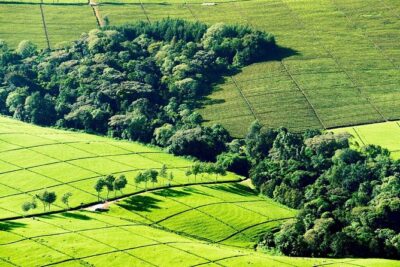 ★ 5.0Nairobi to Kiambethu Tea Farm TourFrom $10851 reviews
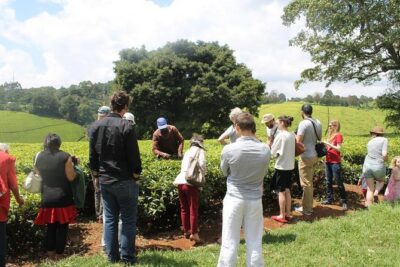 ★ 5.0Private Day Trip to Kiambethu Tea Farm in Limuru from NairobiFrom $14131 reviews
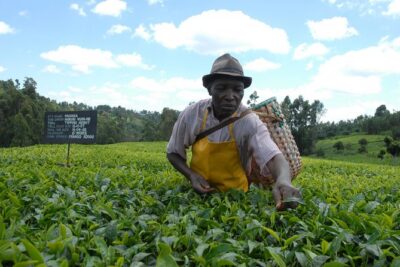 ★ 5.0Day Tour To Kiambethu Tea Farm in LimuruFrom $11522 reviews
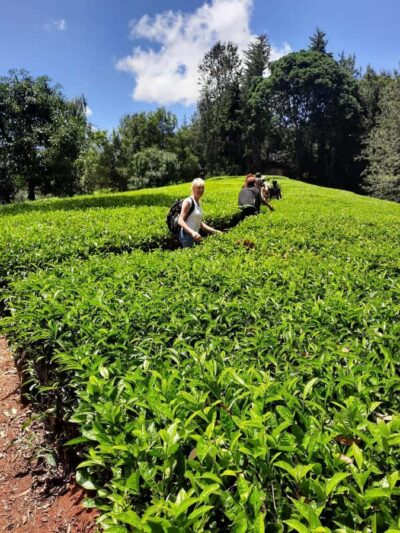 ★ 4.0Nairobi: Tea Farm Day Trip with Lunch at kiambethuFrom $4421 reviews
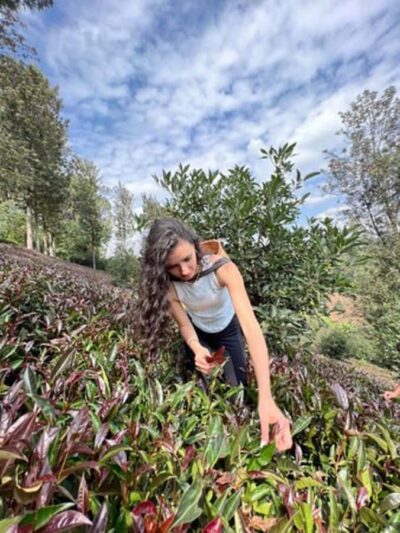 ★ 4.9Nairobi: Purple Tea Farm Gatura Greens Day TripFrom $5416 reviews
 ★ 4.8Kaimbethu tea farm tour and lunch packageFrom $5014 reviews
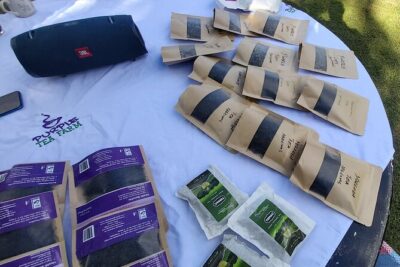 ★ 4.5Purple Tea Farm Tour from Nairobi City – Specialty Tea TastingFrom $10212 reviews
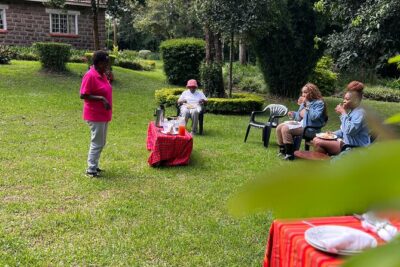 ★ 5.0Tea Farm Experience at Riara Tea Farm And Factory TourFrom $16011 reviews
Appears in these lists