
REVIEW · PRIVATE DRIVERS
From Nairobi: Horseback Wildlife Safari with Transfer & Meal
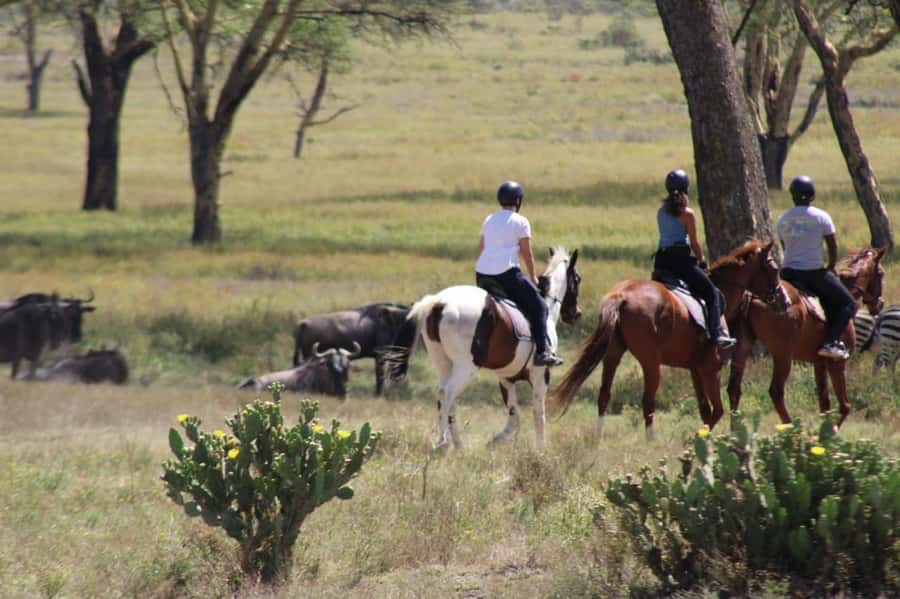
Hoofbeats meet the savannah. This horseback wildlife safari from Nairobi brings you to the open plains near Naivasha for a guided ride and realistic wildlife viewing. It is a 5 to 6 hour day trip with hotel or Airbnb pickup, plus a hearty lunch stop if you choose the meal option.
I especially like two things: the ride is supported end-to-end with return transfers and park/conservation fees handled, so the day stays simple. And I like that the safari part is a true horseback experience for about an hour, not a rushed drive-by, with quiet time to look for giraffes, zebras, antelopes, and more.
The main thing to consider is fit. This isn’t suitable for pregnant women or people with back problems, and you’ll want to stay fully engaged with the guide once you are in the saddle.
In This Review
- Key highlights worth your attention
- Nairobi to Naivasha: the drive that sets the tone
- Getting ready: horses, guides, and a clear safety rhythm
- The one-hour ride: why horseback spotting feels different
- Wildlife you might spot, and how to actually find it
- Lunch stop: choosing the meal option and where it fits
- Safety, comfort, and who should skip this safari
- What you pay, and why it can still feel worth it
- Tips to get the best ride without turning it into hard work
- Should you book this Nairobi horseback wildlife safari with transfer and meal?
- FAQ
- What is the duration of the Nairobi horseback wildlife safari?
- How long is the horseback safari ride?
- Where does the tour start?
- How far do you travel from Nairobi to the riding area?
- What animals can you expect to spot?
- Does the tour include a meal?
- Are park entry and conservation fees included?
- What about drinks?
- How big is the group?
- Who should not book?
- Is a guide included, and what languages do they speak?
- What should I bring?
- Can I cancel for a refund?
- Can I request a pickup time outside the listed slots?
- Is smoking or alcohol allowed?
Key highlights worth your attention
- Small group, up to 10 people keeps the ride calmer and easier to manage
- About a two-hour drive each way from Nairobi, with hotel or Airbnb pickup
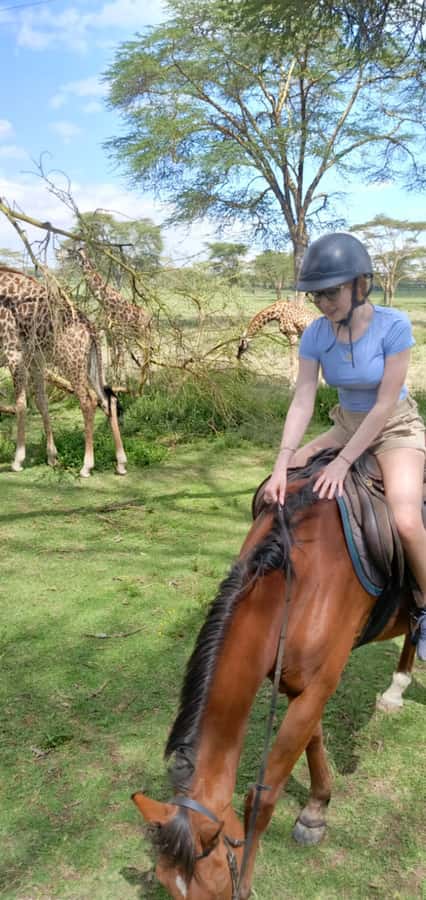
- One-hour guided horseback safari that works for first-timers and experienced riders
- Wildlife viewing from open plains where you can often spot animals without engine noise
- Lunch stop included or optional meal at a conservancy restaurant or local restaurant
- English and Swahili guides help you understand what to do and what to look for
Other Nairobi bookings that survived the same scrutiny
Nairobi to Naivasha: the drive that sets the tone
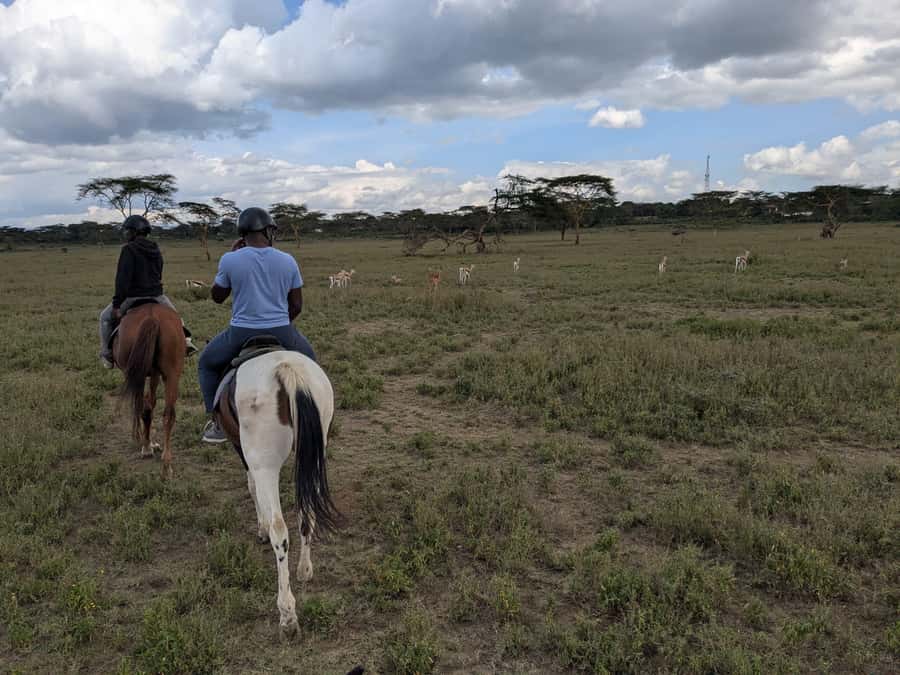
This is a day trip that starts with pickup from your Nairobi hotel or Airbnb. You should plan for a total time commitment of about 5 to 6 hours, mostly because you are traveling out to the riding area and back.
The drive is roughly two hours each way, so think of this as a structured outing, not a quick excursion. Once you leave Nairobi, the scenery and rhythm of the day change, and that matters, because the best part is what comes after you arrive: quiet time on horseback.
When operators handle the transfers and fees up front, you avoid the small panic moments, like figuring out where to park or which gate your ride uses. You just show up, meet your team, and focus on the actual experience.
If you have a preferred pickup time, you can request it, and the team will do their best based on availability. Just don’t leave this to the last minute, because a smooth start depends on timing.
Getting ready: horses, guides, and a clear safety rhythm
After the drive, you’ll arrive at the riding location and be welcomed by the guides. You are introduced to your horse, then you get instructions before the saddle time starts. For many people, the comfort level of the horses is a make-or-break detail, and this safari is designed for guests across experience levels.
The ride is guided, and that is the real safety advantage. Your guide is managing the pace and the group, so you are not out there improvising while trying to spot wildlife. You also get a framework for how to sit, how to balance, and how to listen to the horse.
Your guides speak English and Swahili, which helps if you are still learning local terms or just want everything explained clearly. In a horseback setting, small misunderstandings can turn into big stress, so good communication here is not a luxury.
One important consideration: your horse’s comfort depends on you cooperating with the guide’s instructions. If someone is tense, fights the horse, or cues the wrong way, it can cause stress. The takeaway is simple: focus on the basics the guide gives you and keep your movements calm.
The one-hour ride: why horseback spotting feels different
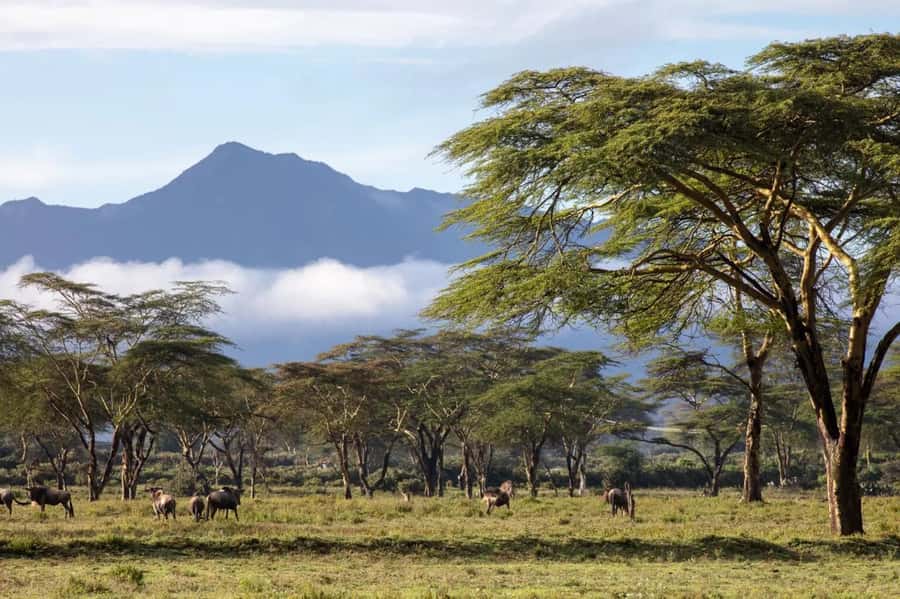
The actual horseback safari ride runs for about one hour. That hour is long enough to feel like you are traveling through the savannah, but short enough to keep the experience manageable for most people.
You ride through peaceful trails and open spaces, and there’s a key detail that makes a huge difference: you are not hearing engines. Instead, you hear hoofbeats and the natural sounds of the area, which changes how you scan for movement. When you are quiet and steady, wildlife often gives you better opportunities to notice them.
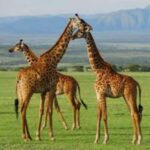
What you are looking for is typically the kinds of animals you see on classic East African plains. Think giraffes, zebras, antelopes, and more, depending on what the conservancy area has that day. You will also learn to look beyond the obvious, like checking the edges of open grassland and watching for where animals are feeding.
Because the ride is guided, you are not just hoping to see wildlife. The group is managed in a way that aims for good viewing while keeping the horses and guests safe. If you are a first-time rider, this structure is the whole point, because it reduces uncertainty.
If you’re an experienced rider, you still benefit from the guided pace and the emphasis on riding techniques that keep the horse comfortable. A lot of horseback success is not about speed, it is about staying in sync.
Wildlife you might spot, and how to actually find it
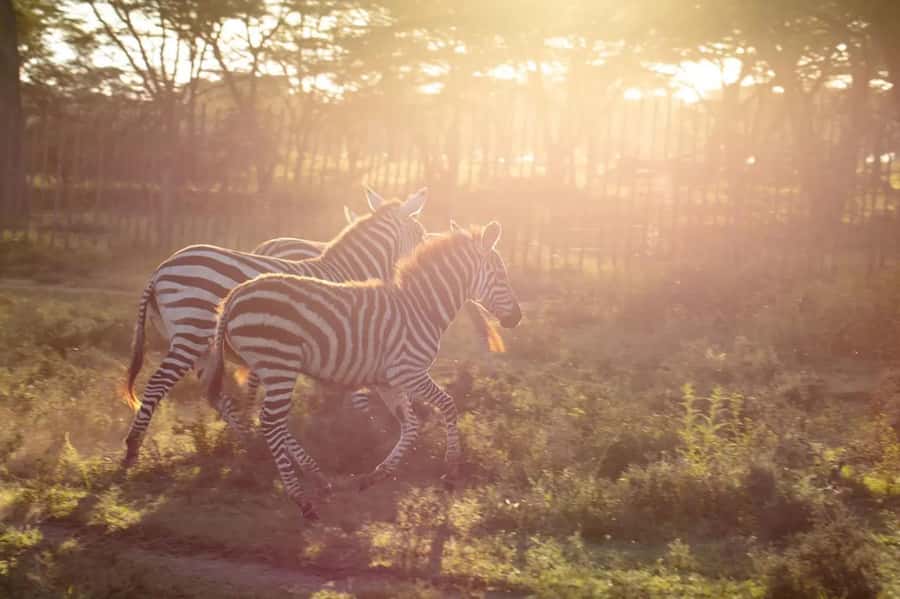
This safari is built around wildlife viewing, but it is also realistic about what you can expect. Animals are not guaranteed, even with a good guide, because wildlife patterns change daily.
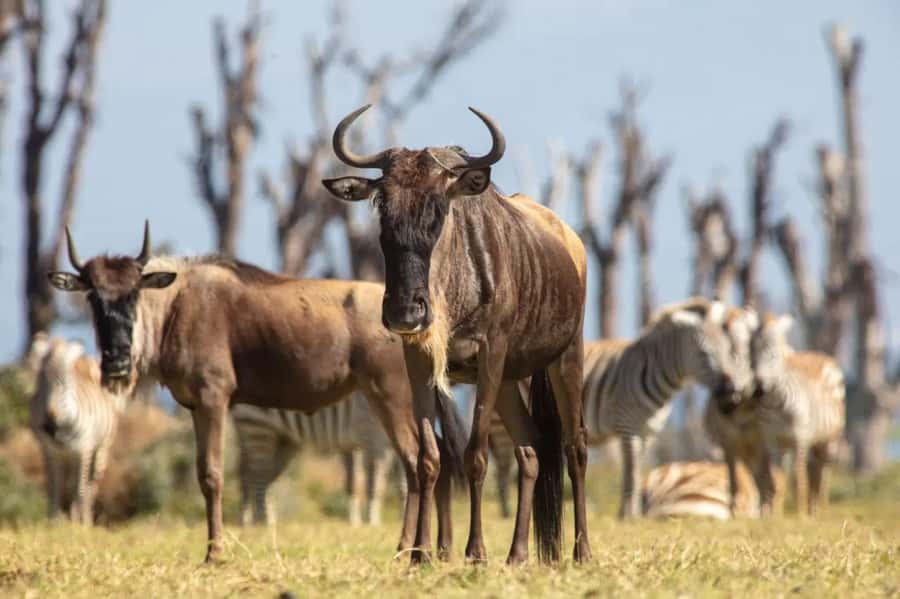
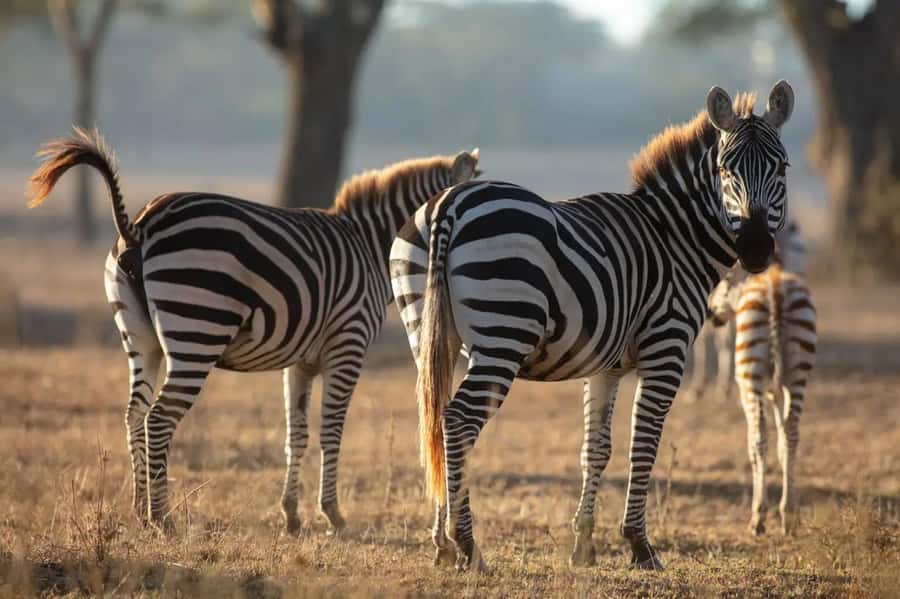
That said, the safari is timed and planned for viewing the kind of animals common to the region. You’re specifically set up for the chance to see giraffes, zebras, antelopes, and more in their natural environment.
Here is what you should do to increase your odds. Stay observant and avoid tunnel vision. Wildlife often appears as small movements first, like a shift in grass height or a head turning from a distance. On horseback, your vantage point can be helpful, but you still need to scan calmly.
Also, pay attention to what your guide is doing and where they steer the group. Guides often position you based on wind and animal behavior, even if they do not frame it as science. Follow their cues, because they know what areas tend to work for sightings.
And remember: sometimes the best sightings are the slow ones. An animal walking across the open plain, a zebra pausing mid-feed, or a giraffe moving just enough to catch your eye from the corner of your vision. Horseback days reward patience.
Other Nairobi bookings that survived the same scrutiny
Lunch stop: choosing the meal option and where it fits
After the ride, you’ll head to lunch. There are a couple ways this works depending on your selected option.
If you choose the meal option, you stop for a hearty lunch at a conservancy restaurant. If you choose not to include the meal, you may still have a lunch stop, but it is not described as included as part of the package. In that no-meal approach, you’re relying on your own choices on-site.
Either way, it is a good break. The day already includes time in a car plus time riding, so a solid meal helps you stay comfortable on the drive back. Drinks are not included, so plan to buy what you need.
One detail I like is the context of the meal location. Having lunch tied to the conservancy area keeps the day feeling connected to the place rather than like you’re simply grabbing food and leaving. It also helps you reset your body, especially if you are not used to riding.
If you are someone who dislikes surprises, double-check what your specific booking includes before you go. The overall tour is clear about the meal option being conditional, and that clarity matters.
Safety, comfort, and who should skip this safari
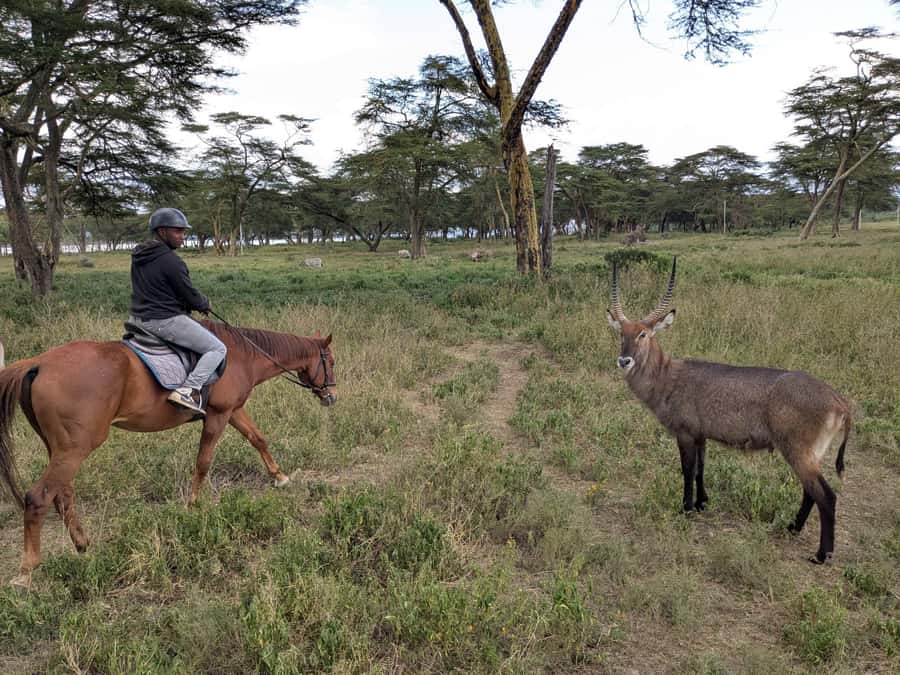
This horseback safari is rated as beginner-friendly, and the tone of the experience is relaxed and guided. People who are new to riding often appreciate that the horses are generally calm and that the guide explains what to do step by step.
But I also want you to take the fitness and safety notes seriously. This tour is not suitable for pregnant women and not suitable for people with back problems. Horseback involves constant small jolts and balancing work, even when the horse is steady.
If you have any lingering back issues, talk with a medical professional before you book. If you are on the fence, consider that discomfort can be worse on a bumpy ride or if you tense up.
Dress matters. Bring long pants and closed-toe shoes for grip and protection. You should also pack a hat and sunscreen, because you will be outdoors for multiple hours with sun exposure.
There are also clear rules about behavior. Smoking is not allowed, and alcohol and drugs are not allowed. Alcoholic drinks are not allowed in the vehicle either. That keeps the group focused and helps maintain a safe, family-friendly environment.
Finally, if you are nervous in the saddle, that is normal. Tell your guide and follow their instructions closely. Calm riding is easier when you act like a passenger who listens, not someone who fights the horse.
What you pay, and why it can still feel worth it
At $235 per person, this is not a bargain-basement activity. But it also is not just a ride. The value comes from what’s bundled in the price.
You get return transfers from Nairobi, about a two-hour drive each way, entry to the game park and conservation fees, a one-hour guided horseback safari, and (if you select it) lunch. That all adds up, especially if you prefer not to figure out transport and park entry yourself.
In plain terms, you are paying for convenience plus guided experience plus fees that directly support conservation. If you would otherwise spend money on separate transport, separate entry, and a guide, the total cost can feel more reasonable.
Where it may feel less worth it is if you are the type who wants to control everything and avoid guided structure. Horseback safaris rely on coordination, so you give up some flexibility in exchange for a smoother experience.
Also, consider lunch timing and inclusion. The meal option can change what you get at no extra cost. If you already plan to eat at a conservancy restaurant anyway, selecting the meal option might be more efficient.
Tips to get the best ride without turning it into hard work
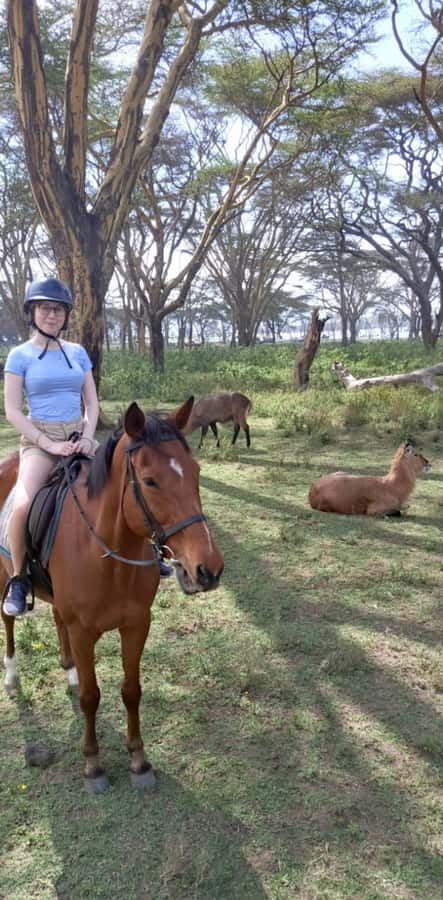
This is a “show up ready” kind of safari. Bring the right clothing, and you’ll enjoy it more than you’d expect.
Wear long pants and closed-toe shoes. This is not just comfort, it is safety and control. A good grip in the stirrups helps you stay balanced and relaxed.
Pack a hat and sunscreen. Sun hits fast on the plains, and you do not want to start the ride already irritated.
During the ride, stay calm and follow your guide’s technique instructions. If you are new, your job is mostly to listen, breathe, and keep your movements gentle. One rider note that stood out to me from similar real-world experiences is that a horse can become stressed by awkward cues, and that can lead to a bad moment. You do not need to be perfect, but you do need to cooperate with the guide.
If you have the option, choose the timing that fits your energy level. Since it is a full day with travel, you will enjoy it more if you start the day feeling rested rather than rushed.
Should you book this Nairobi horseback wildlife safari with transfer and meal?
Book it if you want a guided wildlife day that feels slower and more personal than a typical game drive. You get a one-hour horseback experience with a guide, plus a chance to see classic plains animals like giraffes, zebras, and antelopes.
You should think twice if you are not comfortable with riding, have a back issue, or do not handle motion well. The tour is designed for a wide range of riding ability, but it is still a horseback outing with real physical demands.
If you like clear structure, small group dynamics, and a smooth day where transport and park fees are handled, this fits well. At $235, you’re paying for that ease and the guided conservancy experience, not just the act of sitting on a horse.
For first-time riders, this is one of the more approachable ways to see wildlife on horseback from Nairobi. For experienced riders, it can still be a good change of pace, as long as you stay in sync with the guide and the horse.
FAQ
What is the duration of the Nairobi horseback wildlife safari?
The tour lasts about 5 to 6 hours total.
How long is the horseback safari ride?
The guided horseback safari ride lasts about 1 hour.
Where does the tour start?
Pickup is from your hotel or Airbnb in Nairobi.
How far do you travel from Nairobi to the riding area?
The drive is about 2 hours each way.
What animals can you expect to spot?
You may see giraffes, zebras, antelopes, and other wildlife in the conservancy/game park area.
Does the tour include a meal?
A meal is included only if you select the option that includes lunch.
Are park entry and conservation fees included?
Yes. Entry to the game park and conservation fees are included.
What about drinks?
Drinks are not included.
How big is the group?
It is a small group limited to 10 participants.
Who should not book?
This activity is not suitable for pregnant women or people with back problems.
Is a guide included, and what languages do they speak?
You get a live tour guide, and languages include English and Swahili.
What should I bring?
Bring a hat, sunscreen, long pants, and closed-toe shoes.
Can I cancel for a refund?
You can cancel up to 24 hours in advance for a full refund.
Can I request a pickup time outside the listed slots?
Yes, you can request a preferred pickup time, and the team will do its best subject to availability.
Is smoking or alcohol allowed?
Smoking is not allowed. Alcohol and drugs are not allowed, and alcoholic drinks are not allowed in the vehicle.
Kenyan Wildlife Days
Other Kenyan Safaris We Rated

More Tour Reviews in Nairobi


Everything else we hold on Nairobi
- 7 Days Private 4 star lodges Safari by LandCruiser from Nairobi★ 5.0 · 3 reviews
- 5 Days/4 Nights Kenya Safari★ 4.5 · 3 reviews
- Safari Park Hotel Show & Dinner Experience In Nairobi Tour★ 3.6 · 3 reviews
- Day safari to Olpejeta Rhino conservancy★ 5.0 · 3 reviews
- 7 Days Breathtaking Kenya Wildlife Private Safari★ 5.0 · 3 reviews
- Overnight Amboseli National Park Safari from Nairobi★ 5.0 · 3 reviews
Private Drivers, compared.
 ★ 4.5Nairobi: Coffee Factory and Farm Tour with TransferFrom $2460 reviews
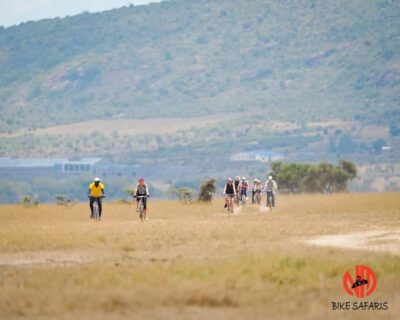 ★ 5.0Nairobi: E-Bike/Cycling Wildlife Safari with Transfer & mealFrom $1555 reviews
Appears in these lists