
REVIEW · ELEPHANT ORPHANAGE TOURS
David Sheldrick Elephant Orphanage Half-Day Tour in Nairobi
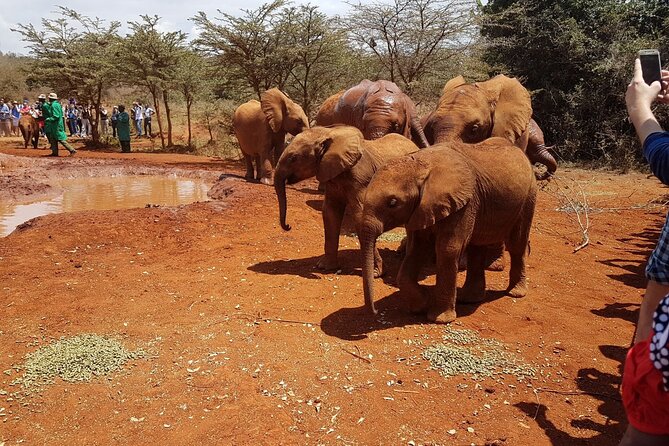
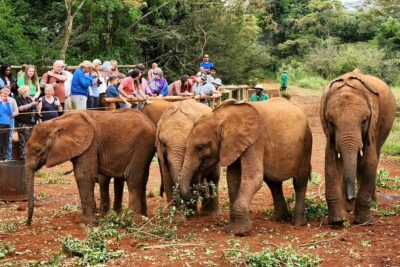
Elephants at feeding time, up close. This half-day tour of the David Sheldrick Wildlife Trust keeps the day simple, so most of your time centers on baby elephants meeting their keepers.
I love the tight focus on the orphanage and the daily bottle-feeding moment. I also like the smooth hotel pickup and drop-off, which makes this easy to fit into a Nairobi schedule.
One key consideration is the added Nairobi National Park entrance fee, and the visit itself can feel time-boxed due to strict visiting hours.
In This Review
- Key highlights for your Sheldrick half-day tour
- How the David Sheldrick orphanage visit really feels
- The 9:30 AM pickup and why timing is everything
- Inside the open-air center: feeding, water play, and keeper hugs
- What you learn about rescue, arrivals, and elephant threats
- Nairobi National Park entrance fee: the part that changes your total cost
- Crowd reality and strict visiting hours
- Group size, guide style, and what can vary
- Extra stops, like a beads factory, and how to treat them
- Supporting the work: from adoption to on-site photo costs
- Who this half-day tour is best for
- Should you book this David Sheldrick half-day tour?
- FAQ
- What is the duration of the David Sheldrick Elephant Orphanage half-day tour?
- What time is hotel pickup?
- Where does the tour take place?
- Is the Nairobi National Park entrance fee included?
- What is included in the price?
- Is an admission ticket included?
- How big is the group?
- Are there rules for children?
- FAQ
- What is the cancellation policy?
- When do I get my refund if I cancel less than 24 hours before?
Key highlights for your Sheldrick half-day tour
- Daily feeding timing matters, and arriving early helps you get a good viewing spot
- Open-air viewing with a rope fence lets you watch bottle feeding, water play, and keeper cuddles
- You learn the rescue backstory, including how old each elephant was when it arrived and where it came from
- Guides like Patrick and Stephen (reported by past visitors) tend to keep things organized around viewing hours
- Small group size (max 7) can make the experience feel less chaotic than big buses
- Souvenir photos cost extra, so plan for additional spending if you want the official shots
Further bookings at the elephant nursery
How the David Sheldrick orphanage visit really feels
The best part of this half-day tour is how concentrated it is. You are not bouncing around Nairobi all morning. You are going to one place and letting baby elephants be the main event, with a guide helping you make sense of what you are seeing.
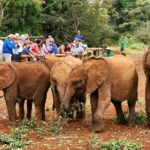
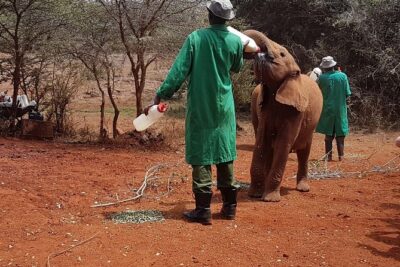
When you arrive, the setup is designed for observation. The viewing happens in an open space behind a rope fence, and the youngest elephants trot out of the bush to greet the keepers. Keepers stand ready with large bottles of milk, and the feeding window is short enough that it feels like you have to be present in the moment to catch it all.
For many people, that focus is exactly why this tour is worth considering. It turns your time into something you can actually remember, not just a checklist of stops.
The 9:30 AM pickup and why timing is everything
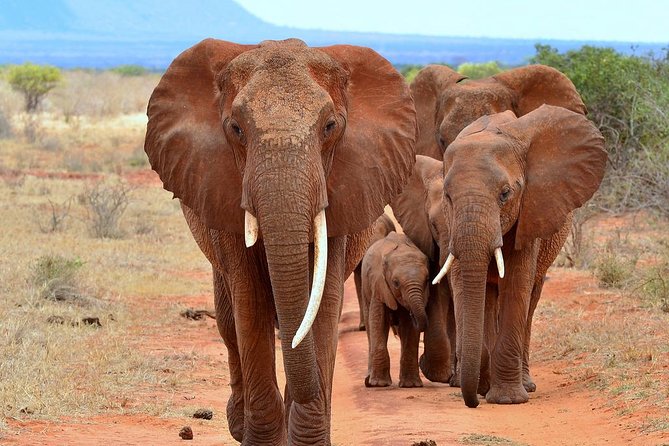
Your day starts with pickup at 9:30 AM from your Nairobi hotel or home. You then drive to the David Sheldrick Wildlife Trust and spend time there during the morning visiting window (the visit is scheduled from 11 AM to 12 PM in the itinerary you get).
That timing detail matters because the feeding is not the kind of slow spectacle you can wander into whenever. The youngest elephants come out, they feed for about 10 to 15 minutes, then play and interact. So you want to arrive with enough buffer to get into position and avoid that last-minute scramble.
Past visitors often highlighted that arriving early improves your viewing spot. Some guides, like Patrick, were mentioned as being especially good at getting people there in time, which is a simple way to make the whole visit feel smoother.
Inside the open-air center: feeding, water play, and keeper hugs
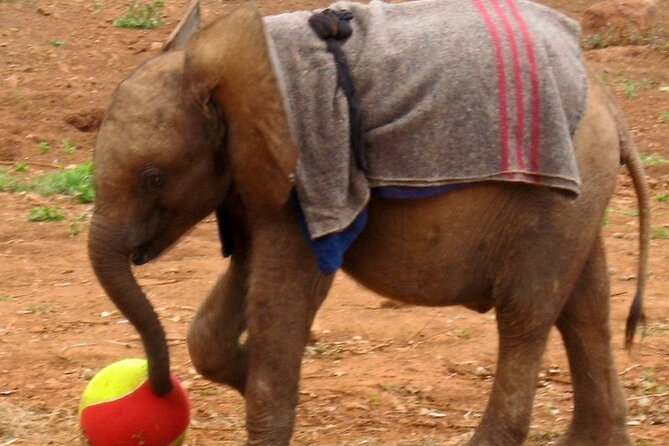
Once you are inside, expect a very specific rhythm. First, the keepers call the elephants in by timing and routine. Then the youngest elephants approach and take milk from the bottles held at the ready.
You will likely get a clear view of the whole process: the elephant calves slurp and gargle the milk, then once feeding is over, there is water for play. The keepers also nudge the elephants into friendly interactions, including gentle contact and the kind of keeper-encouraged hugs that can make you laugh even while you are thinking about the serious work being done.
This is one of those situations where your best strategy is mental, not just physical. Don’t spend the whole first minute trying to frame the perfect photo. Watch once, then shoot, then watch again. The action moves fast, and you will enjoy it more if you let your eyes catch what your camera might miss.
Also, go in knowing you will be behind a rope fence. That is a good thing. It keeps the visit safe and predictable, and it still gives you close, meaningful looks at these baby elephants.
What you learn about rescue, arrivals, and elephant threats
The tour includes a professional guide, and the guide is not just there for logistics. You should expect conversation and context around elephant care and conservation.
You will hear how old each orphaned elephant was when it arrived at the orphanage, and where it was rescued from. That kind of detail helps the feeding scene feel less like a show and more like a care routine built around recovery and, eventually, release back into the wild.
You will also learn about threats to Kenya’s elephant population. The exact threats are not listed in the basic tour outline, but the guide’s job is to connect the work you are watching to the larger conservation challenge facing elephants in Kenya.
In other words, this is not only a cuteness overload. It is a short conservation lesson delivered through real, lived examples.
Other Nairobi bookings that survived the same scrutiny
Nairobi National Park entrance fee: the part that changes your total cost
Here is where you need to do math before you fall in love with the idea. The tour price is $75 per person, but the Nairobi National Park entrance fee is not included. You pay an extra $45 per person, and it is mandatory to access the orphanage.
So the practical total for most adults is closer to $120 per person when you add the required park fee. That does not automatically mean it is overpriced, but it does mean you should budget like you will pay it, not like it is a surprise later.
Why does this matter? Because the core experience is fairly short. Even though the tour runs around 4 hours, the actual orphanage viewing window is limited. If the full cost surprises you on arrival, it can sour the experience even when the elephants are wonderful.
If you like clarity, do this ahead of time: assume your ticket plus the $45 park fee, then decide if you are happy paying for a focused visit with a guide.
Crowd reality and strict visiting hours
This is a popular stop, and popularity can be both good and bad. Good, because the orphanage does real work and many people care about it. Bad, because you can end up in a crowded viewing setup.
Some visitors described the experience as crowded or overly touristy, even though they also acknowledged the positive mission behind the orphanage. Others loved the strictness of the visiting hours, noting that the system keeps the elephant care flow on schedule and makes the experience work as intended.
Both things can be true at once. Strict hours help keep the feeding routine consistent. Crowds can still happen when lots of groups show up for the same window.
Your best approach: show up ready. Wear something comfortable for waiting and standing. If you value photos, be flexible. You will get chances, but you may not get unlimited retakes of the same moment.
Group size, guide style, and what can vary
This tour is capped at a maximum of 7 travelers. That small size can make a big difference in how you experience the day. You are less likely to feel like you are being swept around in a stampede.
Guide quality also comes through in the reviews you provided. Patrick was praised for being pleasant and timely, and Stephen was mentioned as an excellent guide who helped people get a perfect viewing location. Those are small details, but they have a big impact in places where the key action happens in a narrow time window.
Still, organization can vary. A couple of experiences in the reviews described issues like confusion with ticketing or a driver mix-up. Those are not typical when everything runs smoothly, but they are a reminder to stay alert and keep your expectations realistic: this is a scheduled, timed experience, and you want your day plan to be clear.
Extra stops, like a beads factory, and how to treat them
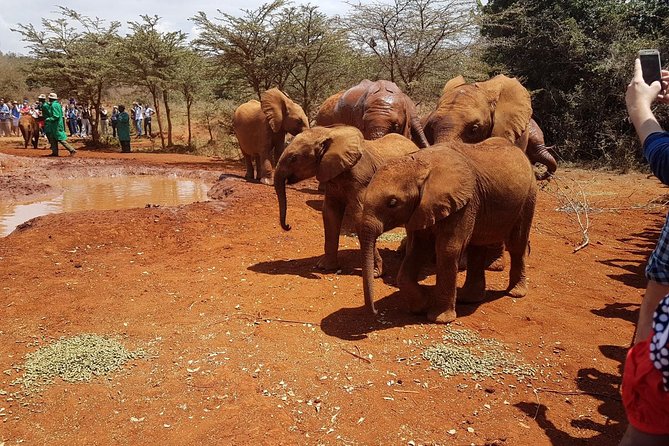
One detail to watch for is that some versions of the day may include a stop at a beads factory. This was mentioned by a few visitors, and it was not always clearly described in the main tour framing.
If you care mainly about the elephants, treat any add-on as a bonus, not as the core promise. If the beads stop is included, it can be a chance to buy small souvenirs while supporting local craft businesses. If it is not included, you still get your half-day of elephant focus.
Either way, keep your priorities straight: the orphanage visit is the headline.
Supporting the work: from adoption to on-site photo costs
A big part of why people choose this experience is that it is connected to conservation and care. Many visitors talked about adopting an elephant, which is one of the ways you can turn your visit into ongoing support.
You can also expect souvenir photo options on site, though they cost extra. If you want official photos, plan for that expense. If you do not, just focus on your own photos and video, and enjoy the day without feeling pressured to buy memory packages.
A good rule for value here: decide your support style before you arrive. If you want adoption as a meaningful souvenir, budget for it. If not, you can still support through your ticket and the conservation purpose of the orphanage.
Who this half-day tour is best for
This tour is a strong fit if you want a Nairobi morning with a clear purpose. It is ideal when you are short on time, hate long stop lists, or want a conservation experience that stays centered on the animals.
It also makes sense for families with children who can handle a scheduled visit, since the tour requires children to be accompanied by an adult. The focus on the orphanage and feeding routine can be very engaging for kids who like animals.
If you dislike crowds, you might still enjoy it, but go in with eyes open. This is not a quiet, off-the-beaten-path experience. It is a popular conservation stop, and that brings other visitors into the viewing space.
If you are sensitive to timing and waiting, plan your day around it. The feeding and play routine happens on a clock, and missing the right window is what causes most disappointment for people who arrive late.
Should you book this David Sheldrick half-day tour?
Book it if you want a focused Nairobi experience centered on baby elephants, keeper care, and conservation learning, with the convenience of hotel pickup and drop-off. The small group size (up to 7) and the rope-fenced open-air viewing make it feel controlled and humane, even when it is busy.
Think twice if you hate surprise costs. The $45 Nairobi National Park entrance fee is mandatory, so your real total is closer to $120 per person. If that upfront cost feels like too much for a short viewing window, you might want to compare options.
My call: if your heart is set on seeing the feeding routine and you are okay budgeting for the park fee, this is a solid way to spend a half-day in Nairobi. Keep your expectations aligned with the time-boxed feeding window, show up early, and let the elephants do what they do best, move fast and steal your attention.
FAQ
What is the duration of the David Sheldrick Elephant Orphanage half-day tour?
It runs for about 4 hours.
What time is hotel pickup?
Pickup starts at 9:30 am in Nairobi.
Where does the tour take place?
The tour visits the David Sheldrick Wildlife Trust in Nairobi.
Is the Nairobi National Park entrance fee included?
No. You must pay an extra $45 per person for Nairobi National Park to access the elephant orphanage.
What is included in the price?
The tour includes a professional guide and hotel pickup and drop-off.
Is an admission ticket included?
Yes. The itinerary notes an admission ticket is included for the visit.
How big is the group?
The maximum group size is 7 travelers.
Are there rules for children?
Children must be accompanied by an adult.
FAQ
What is the cancellation policy?
You can cancel for free up to 24 hours in advance for a full refund.
When do I get my refund if I cancel less than 24 hours before?
If you cancel less than 24 hours before the start time, the amount you paid is not refunded.
More Tours in Nairobi




More Tour Reviews in Nairobi


Back at the Elephant Nursery




Everything else we hold on Nairobi
- 7 Days Private 4 star lodges Safari by LandCruiser from Nairobi★ 5.0 · 3 reviews
- 5 Days/4 Nights Kenya Safari★ 4.5 · 3 reviews
- Safari Park Hotel Show & Dinner Experience In Nairobi Tour★ 3.6 · 3 reviews
- Day safari to Olpejeta Rhino conservancy★ 5.0 · 3 reviews
- 7 Days Breathtaking Kenya Wildlife Private Safari★ 5.0 · 3 reviews
- Overnight Amboseli National Park Safari from Nairobi★ 5.0 · 3 reviews
Elephant Orphanage Tours, compared.
 ★ 4.5Elephant Orphanage and Giraffe Center Tour with OptionsFrom $35457 reviews
 ★ 4.6Nairobi National Park, Elephant Orphanage and Giraffe CentreFrom $40365 reviews
 ★ 4.5From Nairobi: Elephant Orphanage and Giraffe Center Day TripFrom $90235 reviews
 ★ 4.5Elephant Orphanage & Giraffe Centre TourFrom $95225 reviews
 ★ 5.0Half day tour to Elephant orphanage & Giraffe Centre NairobiFrom $95130 reviews
 ★ 4.5Nairobi: National Park, Elephant Orphanage & Giraffe CenterFrom $23113 reviews
 ★ 4.5Giraffe Centre, Elephant Orphanage, and Bomas of Kenya Day Tour from NairobiFrom $11596 reviews
 ★ 5.0Giraffe Center, Elephant Orphanage, Beads Center & Bomas of Kenya Tour NairobiFrom $13595 reviews
Appears in these lists