
REVIEW · BOMAS OF KENYA TOURS
Bomas of Kenya Half-Day Tour from Nairobi
Bomas of Kenya turns Nairobi afternoon downtime into culture class. In just 3 to 4 hours, you get guided access to an outdoor set of traditional homesteads, plus music and dance performances shared through local interpreters. I love how the setup makes it easy to see everyday life instead of only hearing about it, and I also like that the show mixes several Kenyan communities in one visit. One thing to consider is that the program is performance-driven, so if you are hoping for long, quiet time with no crowds or noise, plan your expectations.
The cultural center sits by Nairobi National Park, so you are not far from iconic wildlife territory, even though this is focused on people and traditions. You’ll walk between recreated villages and listen to interpreters while ceremonies and dances play out on schedule. I especially appreciate the hotel pickup included for Nairobi CBD, because it removes the annoying parts of planning. A possible drawback: food and drinks are not included, so you may want to sort out your own snacks or budget for what is available onsite.
When one guide or driver is especially helpful, it shows. In the feedback I read, the driver Stephan stood out as friendly and willing to help, which is exactly what you want for a smooth half-day.
In This Review
- Key things you will like about Bomas of Kenya half-day
- Why Bomas of Kenya makes sense for a half-day from Nairobi
- Getting picked up, timing it right, and what the 3 to 4 hours feels like
- Walking the recreated villages and learning what a boma really means
- The performances: Swahili taarab, Kalenjin warriors, and Embu drumming
- How the Kikuyu circumcision rituals are presented, and how to handle that topic
- Price and value: what you pay for, and what you should budget
- Practical tips to make the visit smoother
- Who this tour fits best (and who should think twice)
- Should you book the Bomas of Kenya half-day tour from Nairobi?
- FAQ
- What time does the tour start in Nairobi?
- How long is the Bomas of Kenya half-day tour?
- Does the tour include pickup and drop-off?
- Are entrance fees included?
- Is the tour private or group-based?
- What ticket method is used?
- Is food included?
- What is the cancellation policy?
Key things you will like about Bomas of Kenya half-day
- Hotel pickup and drop-off in Nairobi CBD, so you do not burn time on transit logistics
- Entrance fees included, meaning you can focus on the program instead of ticket math
- Traditional homesteads recreated onsite, so you can connect names of groups to real spaces
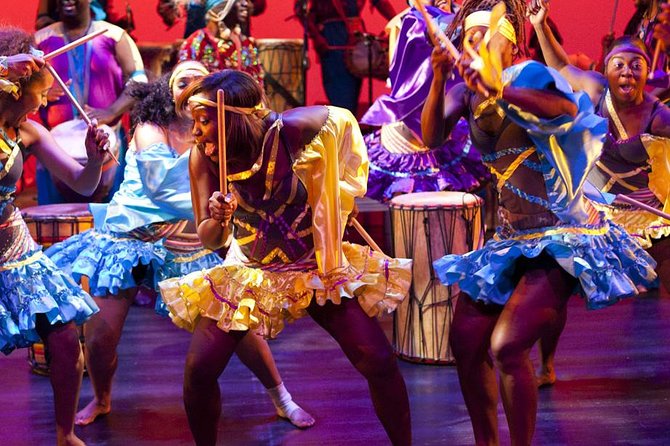
- Multiple performance styles, including Swahili taarab music, Kalenjin warrior dance, and Embu drumming
- Interpreters from the communities, which helps the explanations feel direct, not generic
Bomas afternoons we also wrote up
Why Bomas of Kenya makes sense for a half-day from Nairobi
If Nairobi is your base, you have plenty to do, and time disappears fast. This half-day visit works because it is built for a short schedule. You start around 1:30pm, ride to the cultural center, see the grounds, then catch the performances before heading back to your hotel.
What makes it especially interesting is the way Bomas explains culture in motion. Instead of treating traditions like museum items behind glass, you get an outdoor layout that resembles clustered homesteads. That word matters too. Bomas comes from a Swahili term for an enclosed homestead, the kind of home compound where daily life happens. Once you get that concept, the tour stops feel less like a checklist and more like a guided walk through how people live, then how they celebrate.
I also like the location. The cultural center is near Nairobi National Park, about 10km from Nairobi city center. Even if you are not doing a safari today, it helps to know you are in an area shaped by the same geography that makes the city famous.
Getting picked up, timing it right, and what the 3 to 4 hours feels like
This is a private tour, meaning it is only your group. The schedule is simple: you meet your driver at your hotel or residency within Nairobi CBD and head out at about 1:30pm. The total time is listed as 3 to 4 hours, and in practice that usually means you have a little breathing room for walking the grounds, watching the performances, and not feeling rushed at the end.
Here is the practical value of a hotel pickup. Nairobi can be traffic-heavy, and a short tour only works if your timing is protected. With pickup included, you are not figuring out how to get to a specific cultural center at a set start time. Also, you have someone waiting for you when the show ends, which matters when the performance schedule runs on its own clock.
One more detail that can shape your day: this tour uses a mobile ticket. That can be convenient if you are traveling with just your phone and do not want to juggle printed paperwork.
Walking the recreated villages and learning what a boma really means
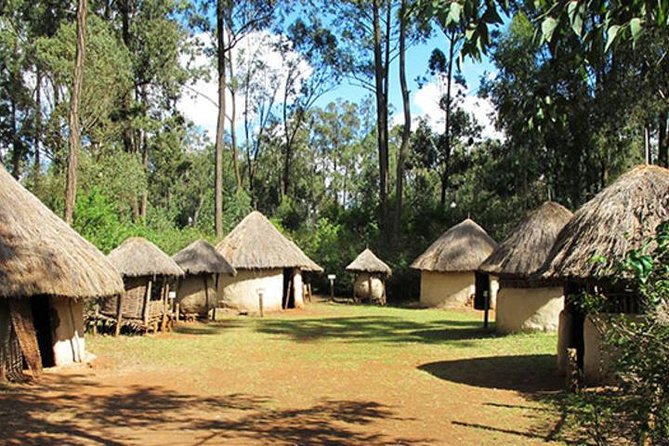
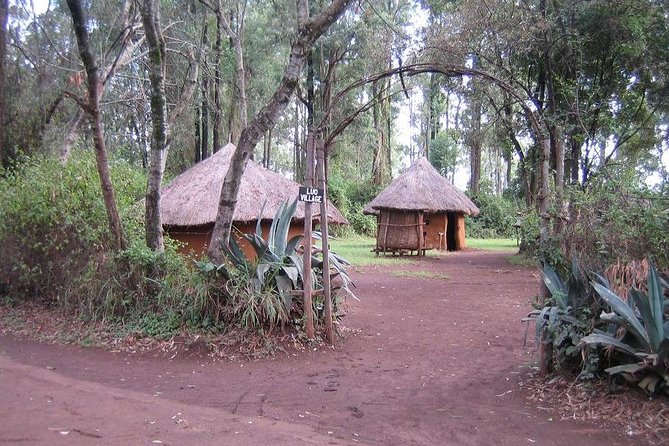
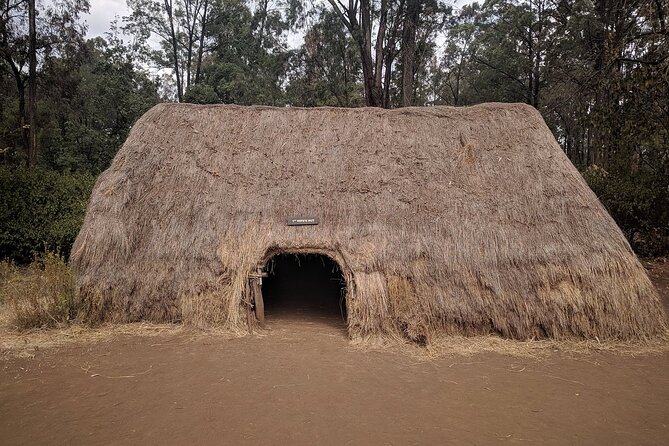
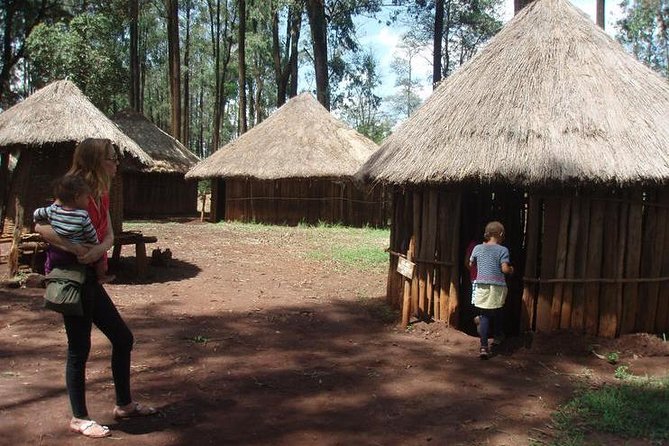
Your main “tour time” is spent on the Bomas grounds, which are arranged like a collection of traditional village spaces. You can explore a series of recreated homesteads and small local houses that aim to show daily life in rural Kenya. Instead of one indoor hall, you get multiple areas, each with its own focus.
You’ll also hear the word boma explained in plain terms. In Swahili, it means an enclosed homestead. Bomas at the cultural center highlights that idea by showing how homesteads sit together as clusters, like a community living structure rather than a single stand-alone house. That is why the visit can feel more “human scale” than some other cultural stops.
How to get more from the walking time: keep your questions simple. Ask what this space was used for, who lived there, and how daily routines connected to ceremonies or community events. The interpreter presence helps, since the explanations can land in real language rather than only reading placards.
What to watch for as you move between houses is the contrast in building styles, layout, and the way people present their customs. Even without deep background, you can pick up patterns. Culture is not only song and dance. It is also how you organize a home, how you make space for family life, and how community members share tasks.
The performances: Swahili taarab, Kalenjin warriors, and Embu drumming
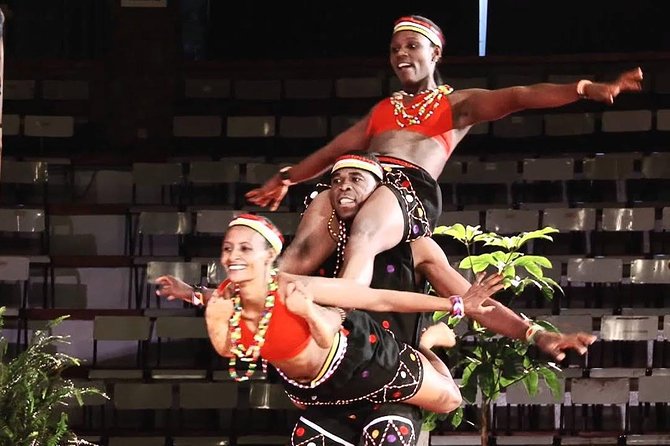
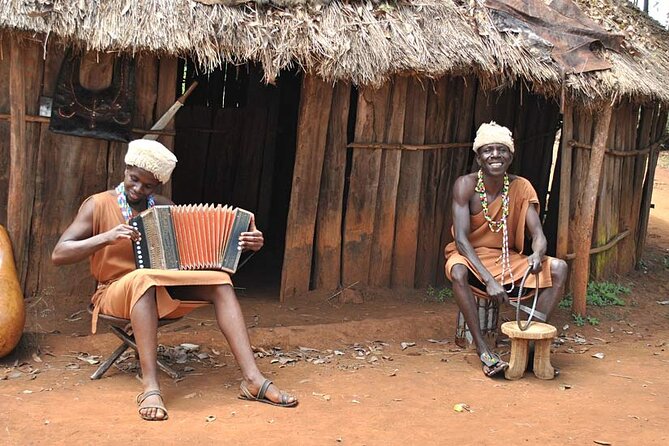
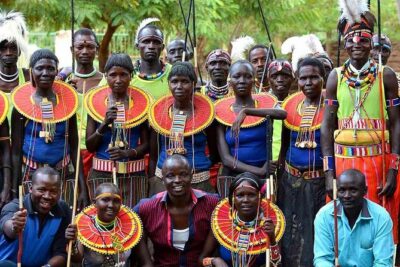
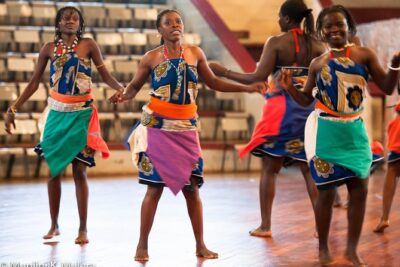
The heart of the tour is the performance element, and it is more varied than many people expect. You will see dances and ceremonies from multiple Kenyan communities, guided by interpreters from around the country.
From the overview, you can look forward to:
- Swahili taarab music, a style tied to coastal cultural expression
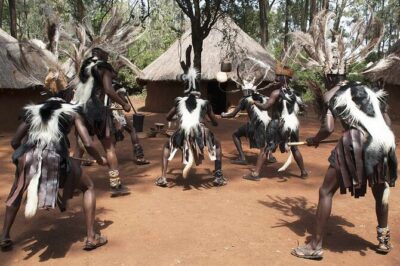
- Kalenjin warriors performing traditional dances, with a strong focus on movement and group energy
- Embu drumming, which gives you rhythm as a form of storytelling
- Songs, dances, and ceremonies that recreate distinctive elements from different groups
The practical point here is pacing. Cultural centers can compress information into short time slots, but you are not left alone. The interpreter explanations help translate what you are seeing. If you sit back and just watch, you will get the entertainment value. If you stay a little curious and listen, you will get context.
Also, performances are a “shared language” kind of learning. Even if you do not understand the words, you can still sense structure through the sequence of movements and how performers respond to cues. That is why this type of tour can be a good first cultural stop in Kenya. It gives you a base reference before you go exploring deeper on your own.
One more note: this is not a silent sightseeing walk. The show includes music, drumming, and coordinated dance. If you are sensitive to loud sound or crowd energy, plan accordingly. Bring ear protection if you know you will need it.
Other Nairobi bookings that survived the same scrutiny
How the Kikuyu circumcision rituals are presented, and how to handle that topic
One highlight mentioned in the tour description is learning about the Kikuyu people’s elaborate circumcision rituals. This is a serious cultural practice, and it is easy for visitors to reduce it to shock or curiosity.
The best approach is to treat it like an educational segment with respect. Listen to what is explained, and focus on meaning: why the ritual exists, how it fits into the community, and how it is understood by those who practice it. If you feel uncomfortable, you are allowed to step back or adjust your position. Cultural education should not feel like a test.
Because the tour includes interpreters from different communities, you are not only hearing someone else’s simplified version. That matters with topics like this, where context changes everything.
If you are traveling with kids, this is also a moment to consider age appropriateness. The tour is marketed for most people, but that does not automatically make every segment comfortable for every age group. If you have younger children, you might want to evaluate their tolerance for educational content about sensitive rites.
Price and value: what you pay for, and what you should budget
The price is listed at $80.00 per person. For many visitors, half-day tours are either overpriced with lots of transit, or they are cheap but you pay extra for the things that matter. Here, the value comes from two key inclusions: pickup and drop-off within Nairobi CBD, and all entrance fees.
That means you are paying for the “ability to go inside and participate” without hunting down separate ticket costs. You are also paying for a driver who handles the Nairobi logistics. That can be a big deal if you are short on time or do not want to coordinate with taxis.
What is not included: food and drinks, and tips to guides. Since tips are not included, you should plan to leave something if the experience feels worth it. For food, do not assume it will be provided in the tour price. If you like to eat before a show, consider a light meal in your neighborhood so you are not hungry mid-program.
One interesting detail: group discounts are mentioned, so if you have friends joining you, it can help lower the per-person cost. The tour is private, meaning it is only your group, so gather your crew if you want the best value.
Finally, the tour is frequently booked in advance, on average 41 days ahead. That usually signals steady demand for this kind of short cultural outing. If your dates are tight, book earlier rather than gambling on last-minute availability.
Practical tips to make the visit smoother

A half-day tour is all about small choices that save energy.
Plan what you wear. You will be walking around traditional village-style setups outdoors. Comfortable shoes help. Kenya afternoons can be warm, so dress in breathable layers. If you get cold easily indoors, bring a light layer for any shaded areas.
Ask one good question per stop. The interpreters are there to explain. If you walk in with zero questions, you will mostly hear highlights and miss the nuance. Keep it simple, like: What does this space represent? What is the role of this ceremony? What should I notice in the performance?
Bring cash for personal expenses. Food and drinks are not included. Even if you do not plan to buy much, it is handy to have some for water, snacks, or small items if you decide you want them onsite.
Use your time well between show segments. If there is a gap, do not rush. That is when you can look at the homestead layout and connect the explanation to what you see.
Say hello to your driver. In the feedback I saw, Stephan was praised for being friendly and helpful. Even if your driver is different, a quick friendly check-in often makes the pickup and timing smoother when everyone is moving around.
Who this tour fits best (and who should think twice)
This is a strong match if you want:
- A fast cultural hit without committing to a full day
- A tour that includes entrance fees and hotel pickup
- A mix of music, dance, and explanations from multiple communities
- An easy way to understand what “Bomas” means and why homesteads are central to Kenyan cultural life
It might not be ideal if you:
- Hate noise and prefer quiet museum-style visits
- Want only wildlife today, because this tour is entirely about people and performance
- Expect food to be included in the price, since it is not listed as included
If you are visiting for a few days and already have a safari planned, this can be the perfect contrast. One day you watch nature. Another day you learn the human traditions that shape daily life.
Should you book the Bomas of Kenya half-day tour from Nairobi?
I think you should book it if you want a structured, time-smart way to experience Kenyan culture in one go. The value is the mix of included entrance fees, hotel pickup, and guided access to recreated homesteads. At this price point, that combo is what makes it feel fair.
Book it also if you like performances but want more than watching. The interpreter-driven approach helps you understand what you are seeing, not just sit through noise.
Skip or adjust expectations if you are uncomfortable with cultural education that includes sensitive topics, like the Kikuyu circumcision rites. You can still visit respectfully, but it is wise to know that this tour is not all light entertainment.
If you want an easy win on a Nairobi afternoon, this is a solid choice.
FAQ
What time does the tour start in Nairobi?
The tour starts at 1:30 pm.
How long is the Bomas of Kenya half-day tour?
It runs about 3 to 4 hours.
Does the tour include pickup and drop-off?
Yes, pickup and drop-off to your hotel or residency within Nairobi CBD are included.
Are entrance fees included?
Yes, all entrance fees are included.
Is the tour private or group-based?
It is private, so only your group participates.
What ticket method is used?
A mobile ticket is provided.
Is food included?
No, food and drinks are not included.
What is the cancellation policy?
You can cancel for a full refund up to 24 hours before the experience start time. If you cancel less than 24 hours before, there is no refund.
More Tours in Nairobi






More Tour Reviews in Nairobi


More at Bomas of Kenya






Everything else we hold on Nairobi
- 7 Days Private 4 star lodges Safari by LandCruiser from Nairobi★ 5.0 · 3 reviews
- 5 Days/4 Nights Kenya Safari★ 4.5 · 3 reviews
- Safari Park Hotel Show & Dinner Experience In Nairobi Tour★ 3.6 · 3 reviews
- Day safari to Olpejeta Rhino conservancy★ 5.0 · 3 reviews
- 7 Days Breathtaking Kenya Wildlife Private Safari★ 5.0 · 3 reviews
- Overnight Amboseli National Park Safari from Nairobi★ 5.0 · 3 reviews
Bomas of Kenya Tours, compared.
 ★ 4.5Giraffe Centre, Elephant Orphanage, and Bomas of Kenya Day Tour from NairobiFrom $11596 reviews
 ★ 5.0Giraffe Center, Elephant Orphanage, Beads Center & Bomas of Kenya Tour NairobiFrom $13595 reviews
 ★ 4.5Half-Day Cultural Tour to Bomas of Kenya in NairobiFrom $9523 reviews
 ★ 5.0Nairobi city sights, Giraffe Encounters and Bomas Kenya TourFrom $9519 reviews
 ★ 5.0Half-day tour Bomas of Kenya with Pick-upFrom $7019 reviews
 ★ 5.0Nairobi 3 Museums and Bomas of Kenya day tour.From $13010 reviews
 ★ 4.7Nairobi National Park, Elephants, Giraffes & Bomas Day TripFrom $10010 reviews
 ★ 4.5Nairobi park, steamark birds, Girraffe center & bomasFrom $558 reviews
Appears in these lists