
REVIEW · SAFARI
9 days, 8 nights budget Kenya and Tanzania safari
First, picture one trip that stacks Maasai Mara, Serengeti, and Ngorongoro into 9 days. This group budget safari is designed for value, so you can experience the big-ticket wildlife areas without spending weeks on the road.
I like that it is structured, with a clear daily rhythm and plenty of game drive time. I also like the mix of classic safari drives plus hands-on nature moments, like the boat ride on Naivasha and the biking or walking option at Hell’s Gate.
One thing to keep in mind: it is a fast pace across two countries. Some days are long, and you will be sharing the road with a group, so if you hate early starts or packed schedules, this might feel tight.
In This Review
- Why this itinerary works so well (even on a budget)
- Key highlights worth your attention
- Day 1: Arrival Nairobi to Maasai Mara, plus Rift Valley views and a hotel start
- Day 2: Maasai Mara full-day drive, Mara River migration corridor, Maasai culture
- Day 3: Maasai Mara to Naivasha, boat ride for hippos and birds
- Day 4: Hell’s Gate National Park biking or walking, then to Namanga
- Day 5: Lake Manyara, camp setup with a chef, and big bird energy
- Day 6: Serengeti National Park begins, migration country with real game drive time
- Day 7: Another full Serengeti day so sightings have time to happen
- Day 8: Ngorongoro Crater half-day visit, then a drive back to Arusha
- Day 9: Return to Nairobi around mid-afternoon
- Price and logistics: what you pay for, and what you should budget separately
- The group-safari rhythm, and how to make it feel good
- Who this tour fits best, and who might want a different style
- Should you book this 9-day budget Kenya and Tanzania safari?
- FAQ
- What is the duration and route of this safari?
- How much does the safari cost?
- Are pickups included, and when does the tour start?
- What group size is this safari?
- What transportation is used in Kenya versus Tanzania?
- What is included in the meals and park fees?
- What activities are included besides game drives?
- What costs are not included?
- Is free cancellation available?
Why this itinerary works so well (even on a budget)
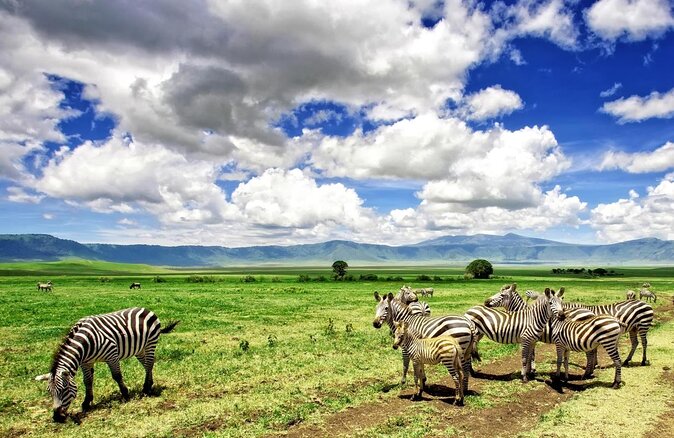
The heart of the trip is the wildlife focus. You get day-after-day drives in two of East Africa’s most famous safari systems, plus a cultural stop that adds texture beyond just spotting animals. And because the tour includes park fees and many meals, you avoid the common budget-safari surprise where the final tab jumps.
The biggest practical plus is that the logistics are handled. You travel in a safari van in Kenya and a Jeep in Tanzania, and the package includes transport, park entrance fees, and even camp support in Tanzania. You also have a first-night hotel in Kenya, plus tented accommodations later, so your sleeping plans are not something you have to piece together yourself.
Still, budget does have tradeoffs. In Tanzania especially, you should expect camping-style stays with tents and sleeping bags, plus a shared camp setup routine.
Other Nairobi bookings that survived the same scrutiny
Key highlights worth your attention
- Maasai Mara game drives timed for the Mara River area, a key migration corridor
- Rift Valley viewpoint stops with classic escarpment views early in the trip
- Naivasha boat ride for hippo viewing and bird watching, with an optional horse ride
- Hell’s Gate biking or walking safari close to the action in dramatic gorges
- Lake Manyara camp experience with a driver and chef, plus camping gear included
- Serengeti plus Ngorongoro without the need to plan a second trip
Day 1: Arrival Nairobi to Maasai Mara, plus Rift Valley views and a hotel start
Your day starts in Nairobi with pickup. The plan is to leave around 8:00 am, then start the safari drive shortly after. That matters because you are buying daylight for wildlife spotting, and the early hours are when many animals move more actively.
On the way to Maasai Mara, you get a couple of very “Kenya 101” geography moments. First is the Rift Valley viewpoint stop, timed around late morning. This is your chance to take in the escarpment and the drop below, with the Rift Valley described as a formation that runs top to bottom across the region. It is also a good photo break, and it helps you get your bearings fast for everything you are about to see.
Then there is a second Rift Valley viewpoint around Mai Mahiu Road, focused on the rift floor and volcanic activity in the broader system. From high ground, you may be able to spot volcano forms like Mt Suswa and Mt Longonot in the distance. Even if you are not a geology nerd, you will appreciate the scale. It turns the safari from a simple animal hunt into something grounded in how this region formed.
When you arrive at Maasai Mara, the itinerary sets you up with lunch and then an evening game drive for about two hours. Evening drives are not as long as full-day ones, but they can be brilliant for predators and for animals that linger as the light changes.
The other comfort factor on day 1 is that you do not immediately jump into the long camping rhythm. You are picked up from Nairobi and dropped off at Decasa Hotel for your first night. That gives you a cushion after arrival, which is smart when the rest of the trip becomes more “on the move.”
Possible drawback for this first day: you are starting early and using the day for road time plus viewpoints plus an evening drive. If you like slow travel, you might feel the first-day momentum.
Day 2: Maasai Mara full-day drive, Mara River migration corridor, Maasai culture
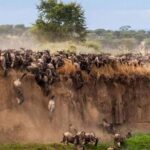
Day 2 is built for wildlife time. You leave around 7:30 am for a full day of game driving that runs to the Mara River area. This is one of the key spots along the path used during the wildebeest migration cycle, so this is not a random detour. It is a purposeful target.
Lunch is set as a picnic inside the park, served around early afternoon under tree shade (croton shade is mentioned). That kind of setup is practical, since it keeps you inside the action instead of driving out and back. At the end of the drive, you return to your accommodation in the mid-afternoon.
Then you get a cultural component: an evening visit to a Maasai Village. This is not just a quick photo stop, it is designed to explain Maasai culture. The value here is that it gives context for what you are seeing around the reserve. The Maasai Mara region is not a theme park, and your guide experience can help you understand how people and wildlife coexist on the wider land.
What to watch for on this day: the Mara River area has resident hippos and crocodiles. That detail matters because it changes what you look for from “hoofed animals in the distance” to wildlife that spends time in a specific water corridor.
The potential downside: day 2 is a long day, and if you tend to get uncomfortable in vehicles, consider bringing simple comfort items like a light layer and something for dust.
Day 3: Maasai Mara to Naivasha, boat ride for hippos and birds
After the Maasai Mara day, you shift from Kenya to Naivasha. This is a classic move in safari circuits because Naivasha gives you a different kind of wildlife scenery than endless grassland. You travel from Maasai Mara to Naivasha with lunch served at a travellers hotel along the way, then arrive in time for an afternoon boat ride.
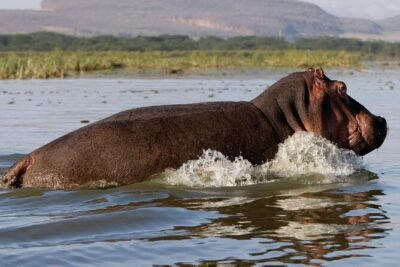
That boat ride is scheduled for about an hour. It is focused on hippo viewing and bird watching. Even if you are not chasing the biggest mammals, Naivasha is good for variety, and birds are a big part of what makes the lake feel alive.
There is also an optional add-on: a 2-hour horse riding experience for $70. Since it is optional, it is really for people who want to do something active outside typical game drives. If you are not sure, you can skip it and still enjoy the lake time.
That night you stay at Chambai Hotel or Astrian Hotel in Naivasha. Having a named hotel option is helpful for managing expectations, especially for a budget trip where sometimes accommodation details are vague.
Tip for this day: do the boat ride seriously. The best wildlife moments are often not the biggest animals, they are the ones you notice because you are quiet and watching the waterline.
Day 4: Hell’s Gate National Park biking or walking, then to Namanga
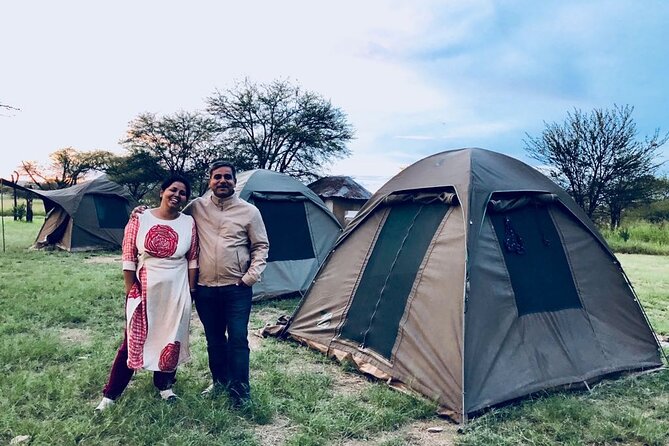
Day 4 is the day for getting out of the vehicle mindset. You drive to Hell’s Gate National Park with a start time around 7:00 am. Here you get the chance for a biking or walking safari. The idea is simple: be closer, move slower, and let the animals come into your field of view.
You have options, which is a big deal on group trips. If you prefer biking, do it. If you want a more hands-on approach, walk through the gorges. The itinerary also highlights walking down the gorges and seeing landform depressions, meaning this park is not just about animals, it is also about the dramatic terrain.
After lunch at Kifaru Restaurant, you travel to the border town of Namanga and stay at Namanga River Hotel.
This day has a practical tradeoff. Hell’s Gate can be very physical if you choose walking or biking. If you know you have limited stamina, choose the mode that matches your body, not your pride.
Also, since the day ends in Namanga, it helps to think of this as a “transition day” into Tanzania rather than a pure wildlife day.
Day 5: Lake Manyara, camp setup with a chef, and big bird energy
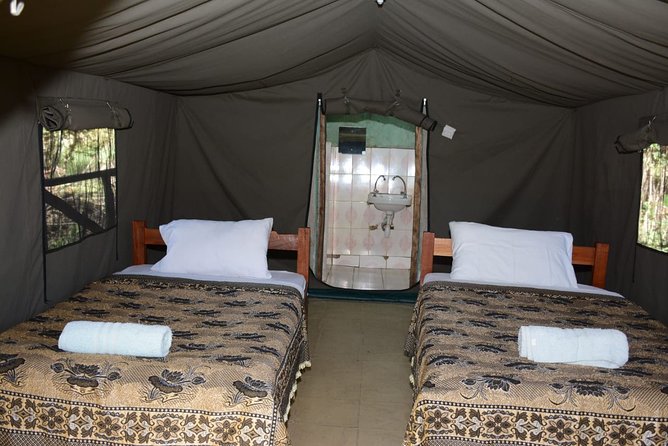
Day 5 moves you into Tanzania and focuses on Lake Manyara National Park. You join the group drive around late morning, and the plan is for a 2 to 3 hour game drive.
The itinerary description is heavy on birds and specialized ecology. Lake Manyara is an alkaline lake, and you are told it is home to an endangered tilapia, plus flamingos that feed along the lake edge. You also get strong signals for bird watching, with more than 390 species of birds and over 180 species of butterflies listed as part of the park’s range. That is a big clue: if your ideal safari includes birds, this is a great stop.
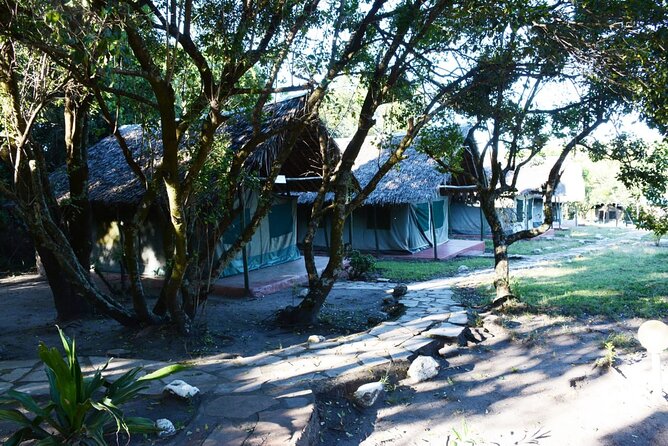
You return to camp for dinner and overnight. This is where the trip earns its budget credibility. Tanzania nights are supported like a real camp setup. You travel with a driver and chef and the team helps with camp setup, including tents and sleeping bags. The campsites are said to be safe and protected, which is the kind of detail you want to hear on a safari that includes camping.
This is not luxury travel, but it is not “rough it” chaos either. It is organized camping, and that matters for people who do not want to manage gear.
Possible drawback: because you sleep in tents, comfort depends on weather and your own tolerance for camping conditions. If you are sensitive to temperature swings, consider packing accordingly.
Day 6: Serengeti National Park begins, migration country with real game drive time
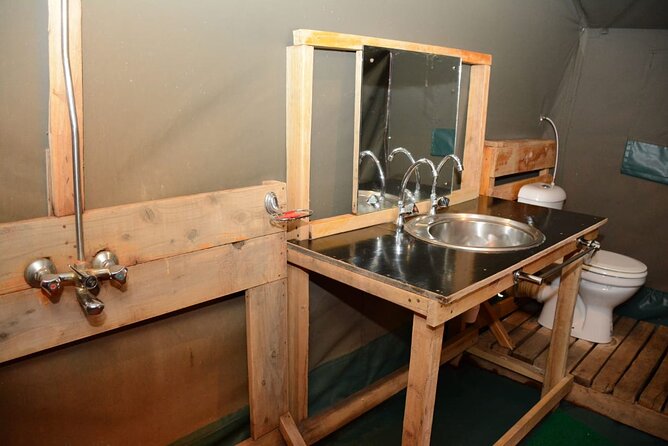
Day 6 is your first major entrance into Serengeti National Park. The drive is described as ending in the plains area, with the park known for animal abundance and the wider wildebeest migration context.
You have about an 8-hour day that is focused on a game drive rather than sightseeing stops. That matters. In Serengeti, long drives give you repeated chances for sightings, instead of rushing past habitat before animals shift.
This is also a day where you should pay attention to the driving strategy. Since this is a Jeep in Tanzania, the track experience tends to feel different from Kenyan van driving. A Jeep can mean better access on certain roads and a more open, higher-visibility feel for spotting.
Value note: a first Serengeti day can be a little bit about “getting oriented.” The second Serengeti day later on is where the payoff often lands, but day 6 lays the groundwork.
Day 7: Another full Serengeti day so sightings have time to happen
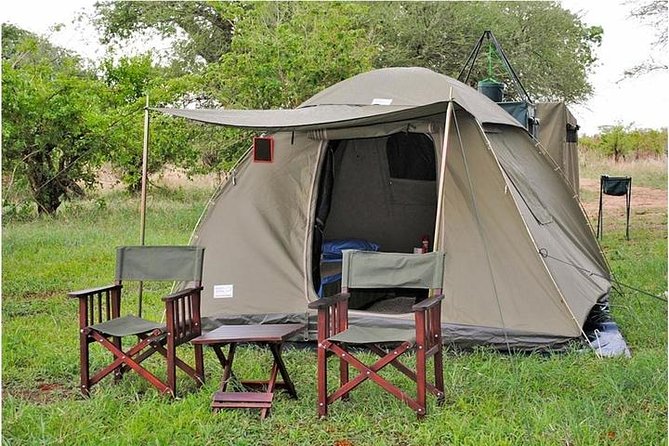
Day 7 is a full day game drive in Serengeti. The timing is not provided down to the minute, but the plan clearly sets aside another 8-hour wildlife block and includes picnic lunch.
This second day is important on a short safari because animal behavior is unpredictable. One morning might be all about grazers and distant predators. Another day might bring river crossings or different herds moving through your viewing area. By giving you a second Serengeti day, the trip increases the odds that you will see a satisfying mix, even if any one moment does not hit perfectly.
The campsite rhythm is also part of the value. You return after exploring and settle in again for dinner and sleep as the itinerary cycles.
If you love repeat chances, you will appreciate this structure. If you only want one intense day of driving and hate long days, this might feel like sensory overload.
Day 8: Ngorongoro Crater half-day visit, then a drive back to Arusha
Day 8 brings you to the Ngorongoro Conservation Area with a focus on Ngorongoro Crater. The plan calls it a half-day tour, and the crater is described as the largest intact caldera in the world.
This is a high-impact day because crater landscapes tend to concentrate animals. The itinerary includes a picnic lunch at the end of the day, then you get driven to Arusha.
Arusha is your reset point. It is the easiest place on most circuits to connect onward, and finishing here keeps the logistics manageable compared to trying to race to Nairobi immediately.
What to expect: timing matters on crater days, because light and animal movement can be dramatic. Even without exact hours, you can assume you will be leaving camp early enough to make the most of the crater visit window.
One consideration: crater viewpoints and winding drives can be a lot on the body. If you have mobility limits, this is the day to know your comfort level in advance.
Day 9: Return to Nairobi around mid-afternoon
On day 9, the itinerary keeps it simple. You head back via shuttle to Nairobi and arrive around 2:30 pm. Then you are dropped at your hotel or the international airport.
This kind of timing is useful because you can still plan a dinner and decompress after the safari, instead of arriving at night. If you have a late flight, it helps to know you are not stuck commuting all day.
Practical tip: keep your last-day essentials in your day bag. You will likely want your phone, charger, and a few small things for the airport or hotel transfer.
Price and logistics: what you pay for, and what you should budget separately
The price is listed at $2,328.58 per person for about 9 days and 8 nights. That may sound steep until you break down what is actually covered.
This package includes:
- Accommodation as per the itinerary, including named options like Decasa Hotel, Chambai Hotel or Astrian Hotel, and Namanga River Hotel
- Transport in a safari van in Kenya and a Jeep in Tanzania
- Park entrance fees
- In Tanzania, a chef at the camps, plus tents and sleeping bags
- Complimentary airport pickup on your arrival date
- A meal plan that includes 7 breakfasts, 8 lunches, and 7 dinners
It does not include gratuities or alcohol. That is common, but it means you should plan on tipping and drinks as separate line items so they do not surprise you.
Value check: this is a budget safari, but it is not bare-bones. The combination of park fees, meals, and camp support is what makes the price feel more realistic. Many lower-cost trips charge you extra once you add entrance fees and food.
One logistics note: the tour uses a mobile ticket, and the maximum group size is 20 travelers. A smaller group can mean smoother wildlife driving, and it often leads to a better guide experience because the vehicle stays controlled.
Booking timing note from your info: this safari is often booked about 145 days in advance. Earlier booking can help you lock in availability for popular wildlife seasons, especially for the shared parts of Kenya and Tanzania circuits.
The group-safari rhythm, and how to make it feel good
This trip runs on a schedule, with pickup and an early start time stated at 8:00 am. The itinerary also includes multiple drive-heavy days, plus morning starts like 7:00 am for Hell’s Gate and 7:30 am for Mara River.
That rhythm is part of what makes it work. Wildlife is not polite about our plans, so the best way to see more is to use daylight smartly. You also avoid wasting time on random stops.
How the vehicle changes helps:
- Kenya is handled by safari van, which is comfortable for longer road transfers and group movement
- Tanzania is handled by Jeep, which typically feels more suited to game viewing on park roads
If you want to make the days easier, treat the vehicles like your shared office. Bring what helps you stay comfortable for long hours, and keep your camera and water where you can grab them quickly when the guide calls a stop.
Guide experience: past groups connected with this operator have highlighted staff like Japhet as an organizer, and guides such as Robert, Nelson, James, Anwar, and Elli. A shuttle driver named Issac was also mentioned for on-time pickup. You might or might not have the same team, but it gives you a sense that the operator tends to assemble real safari professionals.
Who this tour fits best, and who might want a different style
This safari is ideal if you:
- Want Kenya and Tanzania together without planning two separate trips
- Like structure and want park fees and meals handled
- Enjoy wildlife on multiple days, not just one hit-and-run safari moment
- Are okay with camp-style nights in Tanzania
- Prefer a group size capped at 20 travelers
It might not be the best choice if you:
- Hate early starts or long driving days
- Want maximum flexibility to skip activities if you are tired
- Need a fully hotel-based itinerary every night
If you fall in the middle, this is still a strong option. You get a classic route with a few active options, and you spend enough days in the big parks to have a chance at great sightings.
Should you book this 9-day budget Kenya and Tanzania safari?
I think this is a good booking when your priority is wildlife and value, not luxury. The mix of Maasai Mara, Serengeti, and Ngorongoro is exactly what people want from East Africa, and the trip structure gives you multiple chances at sightings instead of one frantic day.
I would book it if you can handle a fast pace and the camping setup in Tanzania. If you want slow travel, private guiding, or fully upscale accommodations, look at a different tier.
If you do book, my honest advice is to show up ready for long days and early mornings, and you will get a lot in return. This is a well-fitted “big safari hits in a short window” plan.
FAQ
What is the duration and route of this safari?
It is a 9-day safari with 8 nights, starting in Nairobi, visiting Maasai Mara and Naivasha in Kenya, and continuing to Hell’s Gate, Lake Manyara, Serengeti, and Ngorongoro Conservation Area in Tanzania before returning to Nairobi.
How much does the safari cost?
The price is $2,328.58 per person.
Are pickups included, and when does the tour start?
Yes. Pickup is offered, including complimentary airport pickup on your arrival date. The stated start time is 8:00 am.
What group size is this safari?
The maximum group size is 20 travelers.
What transportation is used in Kenya versus Tanzania?
The safari uses a safari van in Kenya and a Jeep in Tanzania.
What is included in the meals and park fees?
The package includes park entrance fee, plus 7 breakfasts, 8 lunches, and 7 dinners.
What activities are included besides game drives?
You also get a boat ride for hippo viewing and bird watching on Lake Naivasha. At Hell’s Gate, you can choose biking or walking. There is also a Maasai Village cultural visit.
What costs are not included?
Gratuities and alcohol are not included.
Is free cancellation available?
Yes, free cancellation is available. You can cancel up to 24 hours in advance for a full refund, with the cut-off based on the experience’s local time.
Other Kenyan Safaris We Rated

More Tour Reviews in Nairobi


Everything else we hold on Nairobi
- 7 Days Private 4 star lodges Safari by LandCruiser from Nairobi★ 5.0 · 3 reviews
- 5 Days/4 Nights Kenya Safari★ 4.5 · 3 reviews
- Safari Park Hotel Show & Dinner Experience In Nairobi Tour★ 3.6 · 3 reviews
- Day safari to Olpejeta Rhino conservancy★ 5.0 · 3 reviews
- 7 Days Breathtaking Kenya Wildlife Private Safari★ 5.0 · 3 reviews
- Overnight Amboseli National Park Safari from Nairobi★ 5.0 · 3 reviews
Safari, compared.
 ★ 4.5Safari Tour; Nairobi National ParkFrom $43594 reviews
 ★ 4.5From Nairobi: 3 Days, 2 Nights Maasai Mara Group SafariFrom $199394 reviews
 ★ 4.5Half-Day Nairobi National Park Safari from Nairobi with Free PickupFrom $44264 reviews
 ★ 5.05 Days Masai Mara, Lake Nakuru & Naivasha Budget Joining SafariFrom $810229 reviews
 ★ 5.03 Days Gamedrive Safari In Masai Mara From NairobiFrom $555207 reviews
 ★ 4.6From Nairobi: 3 – Days Maasai Mara Group Safari by 4WDFrom $240205 reviews
 ★ 4.53 Days Maasai Mara Guided Safari from NairobiFrom $196195 reviews
 ★ 5.03 Day Masai Mara SafariFrom $929177 reviews