
REVIEW · MAASAI MARA SAFARIS
4 days Maasai Mara-Nakuru Mid-Range
Flamingos, rhinos, and the Mara in four days. I love the way Lake Nakuru flamingos and rhinos set the tone, then Big Five game drives in the Masai Mara keep the day moving. The main tradeoff is time on the road and the need for early pick ups.
Starvel Safaris runs this like a practical circuit, not a loose backpack shuffle. In past trips, clients highlighted Esther’s attention to detail and a guide named Francis who brought the wildlife search to life without fuss.
You’ll also get a mix that makes photos and memories both easier to get: sunrise game viewing, full-day drives with a packed lunch, and meals handled so you can focus on spotting animals. If you travel between July and October, plan for the wildebeest migration window, since that season is a big part of why people come.
In This Review
- Key moments that make this 4-day Mara and Nakuru safari work
- Two parks, one route, and a lot of wildlife time
- Nairobi to the Rift Valley: setting the stage near Lake Nakuru
- Lake Nakuru: Pink Lake vibes, flamingos by the millions, and rhino conservation
- Masai Mara: why this area keeps people coming back
- Day 2 in the Mara: afternoon game drive and Big Five searching
- Day 3 in the Mara: full-day drive with packed lunch and cheetah-style surprises
- Day 4 in the Mara: sunrise drive, late breakfast, then Narok and Nairobi return
- Value and price: what $1,681.89 buys you in a mid-range safari
- Staff quality and the human touch you can actually feel
- What to pack and how to plan for comfort in Kenya
- Who this safari fits best, and who might want a different option
- Should you book this Nairobi to Lake Nakuru and Masai Mara safari?
- FAQ
- What time does the pickup start?
- Where are you picked up, and do you get airport pickup?
- Which parks are included on this 4-day safari?
- What wildlife experiences should I plan for in Masai Mara?
- Are meals included in the price?
- Where do we stay during the safari?
- Is this tour private, and can I bring a service animal?
- What is the cancellation policy?
Key moments that make this 4-day Mara and Nakuru safari work
- Lake Nakuru’s flamingo spectacle: the park is famous for huge flocks that can number in the millions.
- Rhinos in reach: Lake Nakuru is a rhino sanctuary, including both black and white rhinos.
- Afternoon Mara game drive with Big Five focus: you’re not just driving around, you’re actively searching.
- Full-day Mara drive with packed lunch: more daylight time for lions, cheetahs, and all the other action.
- Sunrise finale: early morning light is when animals tend to feel most active.
- Meals included for a calmer trip: breakfast, lunch, and dinner are built into the plan.
Other Mara operators, set against one another
Two parks, one route, and a lot of wildlife time
This safari pairs two of Kenya’s best-known wildlife destinations into one tight 4-day loop. You start in the Rift Valley at Lake Nakuru, then shift to the Masai Mara plains, which is where game drives really take over your whole day.
What I like is how the pace matches the animals. Lake Nakuru helps you ease in with iconic birdlife and major conservation work. The Mara then turns up the odds, with long game-drive hours designed for repeat sightings, not just one quick look.
Your consideration is simple: this is a road safari. You will spend time traveling between parks, so if you hate car time, plan for it. On the plus side, that road time is part of Kenya’s wildlife rhythm, not dead time.
Nairobi to the Rift Valley: setting the stage near Lake Nakuru
Day 1 starts with an early pick up from the hotel or the airport, with the trip beginning around 8:30 am. From there, you head south by road, and you’ll cross the equator during the drive, with the Rift Valley area shaping what you see outside the window.
The destination, Lake Nakuru National Park, sits in that famous Rift Valley setting. It’s known for its climate that tends to feel gentle, with rainfall spread through the year. That matters because game viewing and birdwatching are usually more comfortable when the weather stays mild, even if you pack for occasional rain.
In a lot of safari plans, Lake Nakuru can feel like the warm-up day. Here, it’s more than warm-up. It’s a full wildlife destination with major conservation credibility, so you’ll start your trip with something serious, not just scenery.
Lake Nakuru: Pink Lake vibes, flamingos by the millions, and rhino conservation
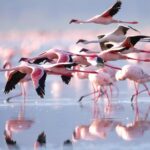
Lake Nakuru is the kind of place that makes you stop thinking in lists and start thinking in moments. The park is globally known for flamingos, often described as the Pink Lake when the numbers are high. In some seasons, the flocks can reach close to two million birds, and even when you do not get that absolute peak, it’s still the main show.
The other big reason this stop feels special is that Lake Nakuru is now a rhino sanctuary. The information you’re working with points to a population of 40+ black rhinos and 60+ white rhinos. That’s a strong conservation story, and it changes how you experience the park. You’re not only chasing flamingos, you’re also seeing a place built around protecting threatened animals.
If you like wildlife variety, this stop is a smart way to start. Flamingos can take over your attention fast, and then rhinos remind you this is not just a bird-watching stop.
Practical tip: keep your expectations flexible. If flamingo numbers are lower in your season, the rhino focus still gives you a strong reason to feel like you came for the right thing.
Masai Mara: why this area keeps people coming back
After breakfast on Day 2, you head from Lake Nakuru to the Masai Mara National Reserve. Once you arrive, the schedule is set up to get you out in time for lunch and then an afternoon game drive.
The Mara is famous for the sheer scale of wildlife across the plains. The plan you’re using describes it as home to millions of large mammals, and that is exactly why the Mara can feel different from smaller, tighter reserves. Animals are not confined to a little postage stamp. The broader ecosystem creates a sense that wildlife is always nearby, even when you don’t spot the exact species you were aiming for.
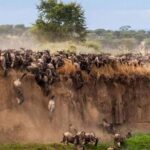
Timing matters here. The safari plan notes the wildebeest migration season between July and October. Even outside peak migration, predators follow prey, and you can still have great sightings. You’re also looking for birds, and the Mara has a recorded bird count around 500 species, including 16 eagle species. That’s a lot of chances to see something unexpected.
I love how the Mara combines open plains drama with real wildlife mechanics. You’ll be scanning, then re-scanning, then suddenly everything clicks because a predator has moved.
Nakuru appears on many routes. Others listed below
Day 2 in the Mara: afternoon game drive and Big Five searching
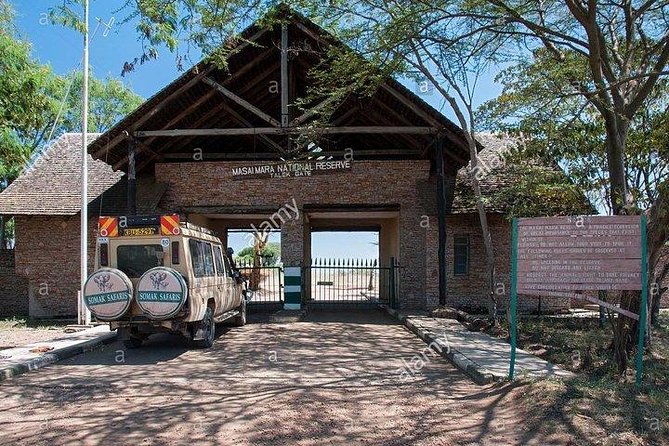
Day 2 is built around an afternoon drive, after lunch at arrival time. The plan’s focus is a classic Kenya safari goal: the Big Five search, meaning lion, leopard, buffalo, elephant, and rhino.
One thing to know is that the schedule does not promise a full parade of every species. Instead, it sets you up for the thing that makes safari feel like safari: you have experienced eyes and time to work the sightings. The driver-guide approach matters a lot on the Mara. You’re scanning for movement, reading animal behavior, and checking likely zones as conditions change.
You’ll also stay overnight at Julia’s River Camp Lodge on this day. That matters for logistics and comfort. It gives you a proper base in the Mara area so you can wake up ready the next morning rather than doing another long scramble.
If you’re coming for the Big Five, an afternoon drive is still valuable. Animals often do active behavior later in the day when temperatures cool and predators decide to hunt.
Day 3 in the Mara: full-day drive with packed lunch and cheetah-style surprises
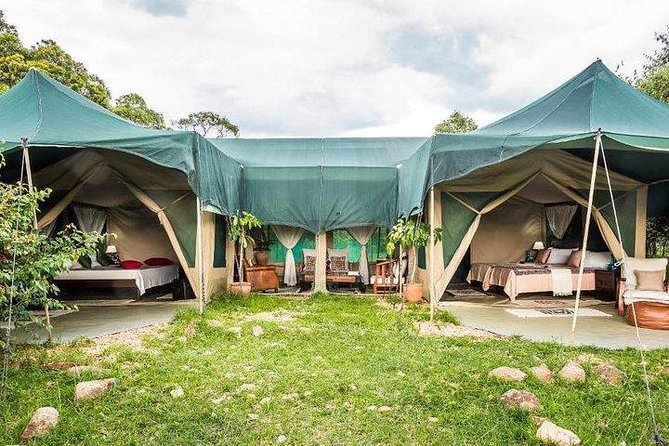
Day 3 is the day that tends to feel like the heart of the trip. You go for a full-day game drive with a packed lunch, so you’re not losing hours to roadside breaks or timing gaps.
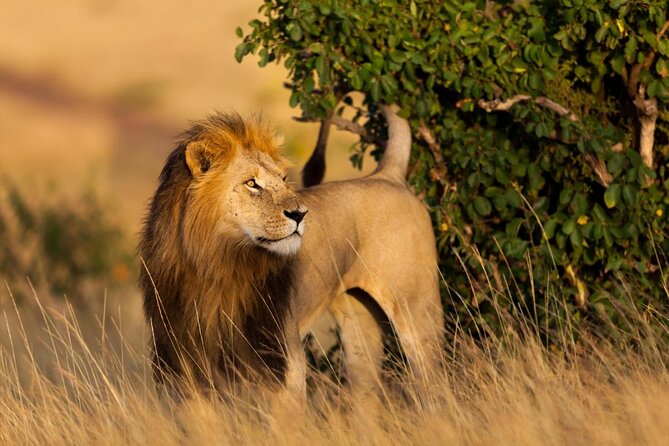
This day is described as especially strong for the Mara’s lion and cheetah reputation. There’s a specific mention of black-maned lions and the fact that the reserve can deliver Big Five sightings even in a morning drive, which tells you the Mara can be fast when conditions align. It also notes a special cheetah behavior reputation, where some cheetahs can seem unusually relaxed around vehicles, sometimes seeking shade very close by.
Now, you should treat that as a “known possibility,” not a guaranteed outcome. Wildlife does what wildlife does. But what that kind of reputation usually means is that the drivers and guides spend time in the right areas rather than just driving aimlessly.
You’ll also be watching for the seasonal movement of wildebeest and zebra, when the migration window lines up with your dates. Even if the main herd is not passing through on your specific day, predators often track movement, and you may catch smaller action around the bigger migration story.
Day 3 is also a bird day if you want it to be. With the Mara’s recorded bird diversity, a long drive gives you time to stop and scan birds you might miss on shorter schedules.
Day 4 in the Mara: sunrise drive, late breakfast, then Narok and Nairobi return
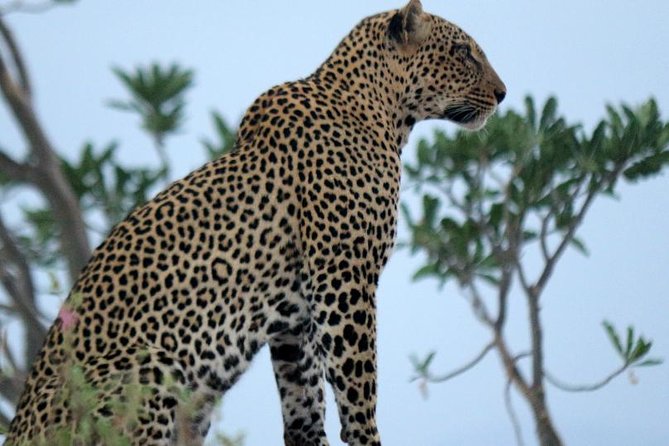
Day 4 starts early, with a game drive at sunrise. Sunrise drives are not a marketing trick. The low light and cooler hours tend to keep animals moving, and it’s also when you get that Mara atmosphere at its most dramatic.
After the drive, you return for late breakfast, then leave the park and drive to Narok for lunch. After that, you head back to Nairobi for a late afternoon drop-off at your Nairobi hotel, and the safari ends there.
This structure works well because it gives you a final wildlife push without burning your whole last day. It’s also easier on your energy. Instead of trying to pack in every last minute activity, you get one more hunt for sightings, then a smooth transition back to the city.
If your trip has you flying out after Nairobi, this timing can be a relief, since you’re not ending your safari at some random hour in the middle of the night.
Value and price: what $1,681.89 buys you in a mid-range safari
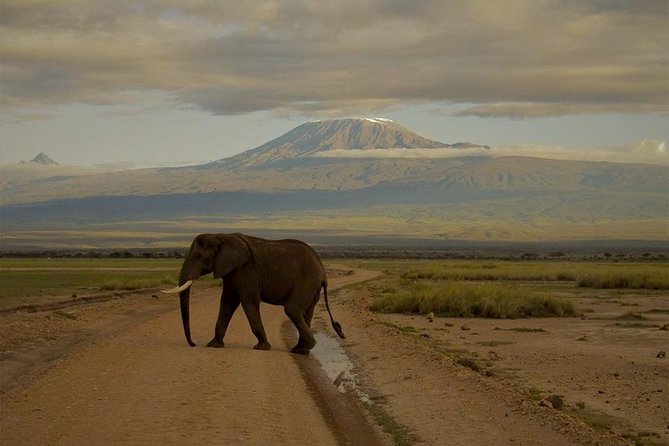
The price for this 4-day Nairobi-based safari is $1,681.89 per person. That’s not pocket change, so it’s fair to ask what you’re actually paying for.
First, you’re paying for the combination of two major parks plus road logistics from Nairobi. Second, you’re paying for time on wildlife drives, not just transportation. In this plan, your meals are also part of the value: breakfast (3), lunch (4), and dinner (3) are included. That cuts down on decision fatigue and cost creep.
It’s also “mid-range” in the sense that the experience is guided and structured, but it is not positioned as a luxury-only setup. You still get a real lodge overnight at Julia’s River Camp Lodge during the Mara portion, and you avoid the hassle of coordinating separate bookings in between.
What is not included can affect your final spend. Alcoholic drinks are not included, and personal items and souvenirs are on you. The info also notes a Maasai Community Visit fee is not included, so if community time is important to your trip, you should budget for it.
My take on value: this price feels most reasonable if you want a guided, meal-supported itinerary with solid time in both parks. If you already have transport and lodging nailed down, you might find cheaper DIY options. But if you want a clean plan that gets you to the right places at the right hours, this setup is the kind of “buy back your time” safari that makes sense.
Staff quality and the human touch you can actually feel
Wildlife is the headline, but the comfort level depends on people. Past travelers highlighted Esther for attention to detail and hospitality, and they also mentioned a guide named Francis as a big part of what made the drive enjoyable.
Those are practical signals. A good safari guide helps you spot animals sooner, makes sense of animal movement, and keeps the day running smoothly when the timing gets tricky. When staff treat your trip like it matters, you spend less time waiting, worrying, or guessing what’s going on next.
This is also why a private setup can feel different. The experience is described as private, meaning only your group participates. That can make it easier to ask questions, adjust your pace within the day, and focus on the wildlife instead of sharing the day with strangers who want totally different things.
What to pack and how to plan for comfort in Kenya
Even though the itinerary is structured, Kenya safari comfort comes down to what you bring.
Plan for changing conditions. The climate described here is gentle and rarely too hot, with rainfall spread through the year. That means you should bring rain gear, not just a dry-day plan.
For game drives, bring layers. Morning and sunrise can feel cooler, and afternoons can warm up. Also bring binoculars if you have them, because the Mara and the Rift parks can reward patient scanning.
And bring the small essentials you always regret forgetting: sunscreen, a hat, sturdy shoes, and a way to keep your phone or camera gear dry. With long drives and lots of time outside, small items make the experience smoother.
Who this safari fits best, and who might want a different option
This trip is a strong match for people who want an efficient wildlife sampler without skipping the big-name parks. It’s also a good fit for families and couples who want a guided plan with meals handled and a clear rhythm each day.
It may be less ideal if you hate early mornings or long drives between stops. Sunrise on Day 4 and early pick ups on Day 1 mean you’re not sleeping in your way through Kenya, even though you are getting comfortable meals.
If you’re primarily chasing one species only, you might feel tempted to choose a longer single-park safari. But if you want flamingos and rhinos on one side, and lion, leopard, and Big Five odds on the other, this combo makes sense.
Should you book this Nairobi to Lake Nakuru and Masai Mara safari?
I’d book it if you want a guided 4-day loop that gives you serious time in both Lake Nakuru and the Masai Mara, with meals included and a strong wildlife-first schedule. The biggest reasons to say yes are the rhino and flamingo start, then the Mara game drive focus, plus the human care highlighted by Esther and the guide Francis.
I’d pause if your priority is maximum downtime, because road time and early starts are built in. Also consider that alcohol and a Maasai Community Visit fee are not included, so factor those into your budget if they matter to you.
If you’re aiming for the migration season, you also have the right idea: July through October is when wildebeest migration is expected to be a major draw. Even if the exact sightings vary, you’ll be in the right place for the story to happen.
FAQ
What time does the pickup start?
The experience starts with pickup around 8:30 am.
Where are you picked up, and do you get airport pickup?
You can be picked up from the airport or from your hotel.
Which parks are included on this 4-day safari?
You visit Lake Nakuru National Park and Masai Mara National Reserve.
What wildlife experiences should I plan for in Masai Mara?
You’ll be going on game drives in search of animals including the Big Five (lion, leopard, buffalo, elephant, rhino), plus other wildlife and bird species. The plan also notes wildebeest migration between July and October as a key seasonal attraction.
Are meals included in the price?
Yes. The tour includes breakfast (3), lunch (4), and dinner (3). Alcoholic drinks are not included.
Where do we stay during the safari?
The schedule specifically includes an overnight stay at Julia’s River Camp Lodge during the Masai Mara portion. The info also says accommodation before the tour starts can be arranged for an extra cost.
Is this tour private, and can I bring a service animal?
Yes, it is described as private, with only your group participating. Service animals are allowed, and most travelers can participate.
What is the cancellation policy?
You can cancel for free up to 24 hours in advance of the experience for a full refund. If you cancel less than 24 hours before, the amount paid is not refunded.
More Tour Reviews in Nairobi


Around Lake Nakuru
Into the Mara Another Way

Everything else we hold on Nairobi
- 7 Days Private 4 star lodges Safari by LandCruiser from Nairobi★ 5.0 · 3 reviews
- 5 Days/4 Nights Kenya Safari★ 4.5 · 3 reviews
- Safari Park Hotel Show & Dinner Experience In Nairobi Tour★ 3.6 · 3 reviews
- Day safari to Olpejeta Rhino conservancy★ 5.0 · 3 reviews
- 7 Days Breathtaking Kenya Wildlife Private Safari★ 5.0 · 3 reviews
- Overnight Amboseli National Park Safari from Nairobi★ 5.0 · 3 reviews
Maasai Mara Safaris, compared.
 ★ 5.03 Days Masai Mara Group JoiningFrom $540486 reviews
 ★ 4.5From Nairobi: 3 Days, 2 Nights Maasai Mara Group SafariFrom $199394 reviews
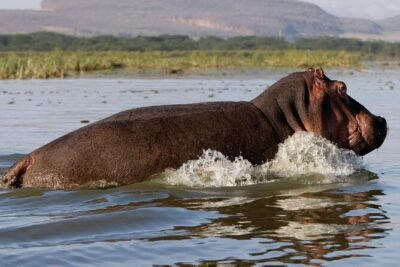 ★ 5.05 Days Masai Mara, Lake Nakuru & Naivasha Budget Joining SafariFrom $810229 reviews
 ★ 5.03 Days Gamedrive Safari In Masai Mara From NairobiFrom $555207 reviews
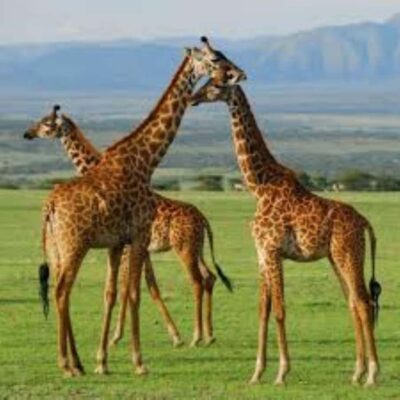 ★ 4.6From Nairobi: 3 – Days Maasai Mara Group Safari by 4WDFrom $240205 reviews
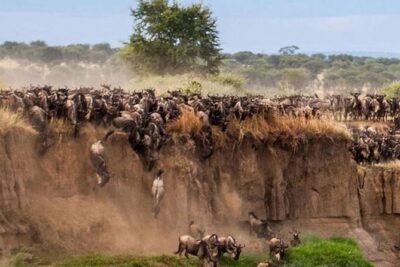 ★ 4.53 Days Maasai Mara Guided Safari from NairobiFrom $196195 reviews
 ★ 5.03 Day Masai Mara SafariFrom $929177 reviews
 ★ 5.03 days group joining safari to Maasai Mara with a Land Cruiser JeepFrom $221173 reviews
Appears in these lists