
REVIEW · 4-DAY EXPERIENCES
4 Days Kenya Safari
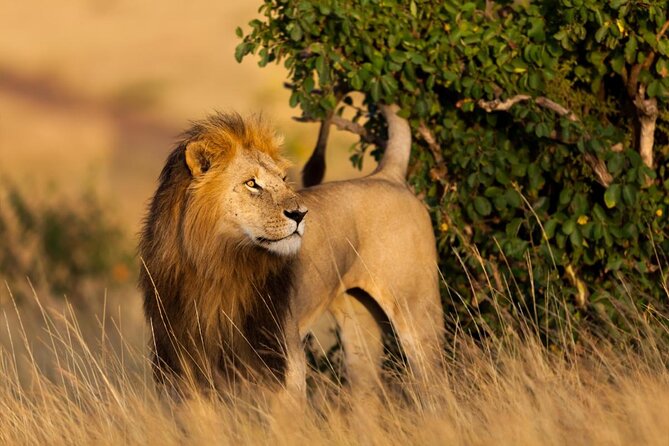
Two parks, four days, big-wildlife odds. This Kenya safari packs real overnight time in both Maasai Mara and Lake Nakuru, so you are not just rushing through. I like that it builds in time for the famous migration season (especially July to September), plus classic predator viewing like lions, leopards, and cheetahs. I also like the focus on rhinos, including both white and black rhinos. One possible drawback: game viewing is highly weather dependent, and travel days mean less slow, relaxed downtime.
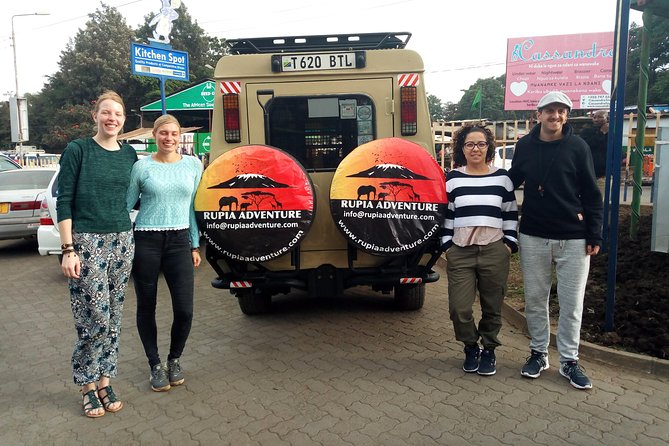
A practical bonus is the air-conditioned vehicle that still gets you to off-road safari locations. I also like the human touch you get through Rupia Adventure, with driver guidance praised for professionalism, including a guide named James in past trips. With a maximum group size of 2, you should feel less like a passenger and more like someone the driver can tailor small choices for.
Logistics are straightforward, too. Pickup is offered from central Nairobi (starting at Kenya Comfort Hotel), and you end back at the same meeting point, with a mobile ticket used for the experience. The trade-off is that you are committing to early mornings and a tight route, since you are covering two major parks in just four days.
In This Review
- Key things to know before your 4 Days Kenya Safari
- Why this 4-day Kenya safari route hits better than rushing
- Day 1 in Maasai Mara: Nairobi to the camp plus an afternoon game drive
- Day 2 in Maasai Mara: the Mara River picnic and migration-season watch
- Day 3: an early Mara drive, then the transfer to Lake Nakuru
- Day 4 in Lake Nakuru: bird life, black and white rhinos, and back to Nairobi
- Comfort and access: air-conditioned transport, off-road ability, and a small group
- What the all-in price includes, and why $800 can make sense
- Wildlife reality check: what you are likely to see (and what not to force)
- Practical tips for making the most of Maasai Mara and Lake Nakuru
- Should you book this 4 Days Kenya Safari?
- FAQ
- What time does the safari start, and where does it meet?
- Is pickup included?
- Which parks does the safari visit?
- What wildlife highlights should I expect?
- Are meals and lodging included?
- How big is the group?
- What is the cancellation policy if weather is bad?
Key things to know before your 4 Days Kenya Safari
- Two overnight parks: Maasai Mara National Reserve and Lake Nakuru National Park, not a day-trip loop
- Migration timing matters: wildebeest and zebra action is tied to July to September
- Rhino focus: access aimed at seeing both white and black rhinos
- Comfort plus access: air-conditioned vehicle, with off-road safari reach
- Small group limit: maximum of 2 travelers for a calmer, more direct experience
- Included basics: meals, tented accommodation, and jeep transfers are part of the package
Other Nairobi bookings that survived the same scrutiny

Why this 4-day Kenya safari route hits better than rushing
If you have limited time in Kenya, this 4-day safari is built around one simple idea, sleep in the places where the wildlife lives. That one choice usually boosts your chances because animals are active at different times of day, and sunrise and late-day light often make sightings more exciting.
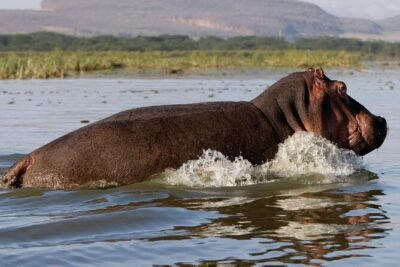
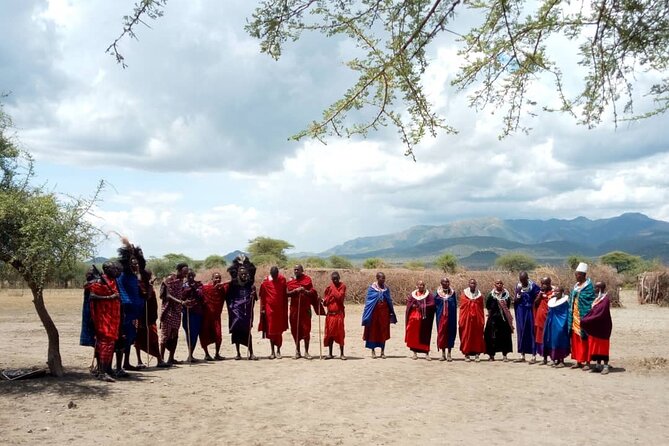
Maasai Mara is the predator-and-migration star. It is also where you are most likely to experience that big seasonal drama: wildebeest and zebra movements, and river-crossing tension along the Mara River area during July to September. Then you shift to Lake Nakuru for a different kind of wildlife day, with a reputation for birds and a specific emphasis on rhino viewing, including both black and white rhinos.
The value here is that the safari is designed to cover both destinations in less than a week of travel. For many people, that is exactly what you want: big-hits Kenya wildlife without losing half your vacation to transfers.
Day 1 in Maasai Mara: Nairobi to the camp plus an afternoon game drive
You start early, pickup around 7:30 am from Kenya Comfort Hotel on Muindi Mbingu Street off Monrovia Street in Nairobi. The drive out is not just road time. You get a view of the Great Rift Valley and the escarpment a few kilometers from Nairobi, and it is one of those moments where your camera starts working even before the safari does.
Next comes Narok town, dominated by the Maasai community. You will have time to shop for basics, and the stop is positioned as your last town before you settle deeper into safari mode. Then you continue to the camp, aiming to arrive in time for lunch, a welcome briefing, and check-in.
After that, you have your first real wildlife window, an afternoon game drive inside Maasai Mara. This first drive is where expectations can either soar or feel slightly unfinished. The afternoon light can be great, but since you are arriving from Nairobi, you are not getting a full day in the reserve right away.
Still, it is a smart start. You land, eat, get oriented, then go straight into the reserve while you still have energy. If you want your first day to feel like the real safari instead of a travel slog, the flow is good.
Day 2 in Maasai Mara: the Mara River picnic and migration-season watch
Day 2 is where Maasai Mara stops being a preview and becomes the main event. You start with breakfast, then you spend the entire day exploring the reserve, with wildlife viewing built into the schedule for roughly 10 hours.
The reserve is famous for having hundreds of species in its natural setting, and the plan is clearly aimed at maximizing sightings rather than doing long, slow breaks. This is especially important if you are visiting during July to September, the season tied to the wildebeest and zebra migration storyline. That time of year is not just a marketing phrase. The migration season often changes where animals cluster, and where predators wait.
Lunch is a picnic served around the Mara River area, which matters because this is the kind of spot where you can see dramatic river-crossing behavior. The plan also includes interacting with monkeys, so you are not just staying inside your vehicle for everything. You get a more varied day, wildlife plus a human-scale moment on the ground.
A practical consideration: this is a long day. It can feel like nonstop searching, and your comfort will depend on how well you handle heat, sun, and lots of time scanning the horizon. On the upside, the payoff is the kind of Mara River action that people remember for years, including the harsh realities of the food chain. Even if you do not see the most dramatic moments, the crossing atmosphere is usually enough to make the day feel alive.
Day 3: an early Mara drive, then the transfer to Lake Nakuru
Day 3 starts with an early morning game drive in Maasai Mara, then you return to the camp for a last breakfast and check-out timing before departing for Lake Nakuru. You arrive late afternoon, with dinner and overnight in place.
This day is a classic “two-phase” safari day. The first phase is pure wildlife time, and the second phase is relocation. That can be a drawback if you wanted four full days of continuous park drives, but it is also how you get both ecosystems into one tight itinerary.
The early drive in the morning is a good use of your time. Morning is often when wildlife activity is at its most predictable, and it gives you one more chance to spot a predator or a big herd before you move on. If you have been hoping for one last look at Mara’s action, this is your window.
Then comes the shift to Lake Nakuru. You will not lose the experience by arriving only at night, because dinner and overnight are included once you get there. Still, do keep expectations realistic. Day 3 is not a full day in either park, it is the bridge day that makes the whole route possible.
Other Nairobi bookings that survived the same scrutiny
Day 4 in Lake Nakuru: bird life, black and white rhinos, and back to Nairobi
Your final day starts after breakfast with an extensive morning game drive in Lake Nakuru National Park. The park is known for a strong bird spectacle, so you are not only hunting for mammals. If you enjoy spotting different species and watching behavior up close, this morning is likely to feel very rewarding.
The rhino focus is also clear. The plan specifically states you can see rhinos in both black and white in this area. That is a huge deal for many safari planners because rhino sightings can be unpredictable, and having the itinerary aim directly at both types gives you something concrete to hope for.
After lunch, you leave the park and drive back to Nairobi, aiming to arrive mid or late afternoon. Ending your day this way is a relief. You get that final morning in the park, then you are not stuck in limbo overnight.
If you are the kind of person who likes to end on a win, this itinerary is designed that way: Mara gives you migration and big predators, Nakuru gives you rhinos and birds, and then Nairobi comes back before you get too tired to process it all.
Comfort and access: air-conditioned transport, off-road ability, and a small group
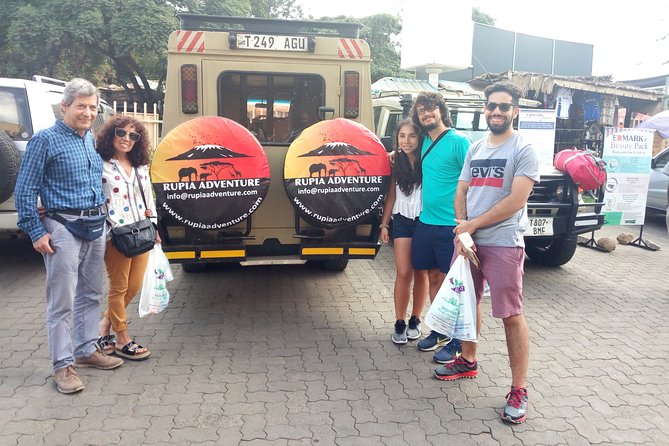
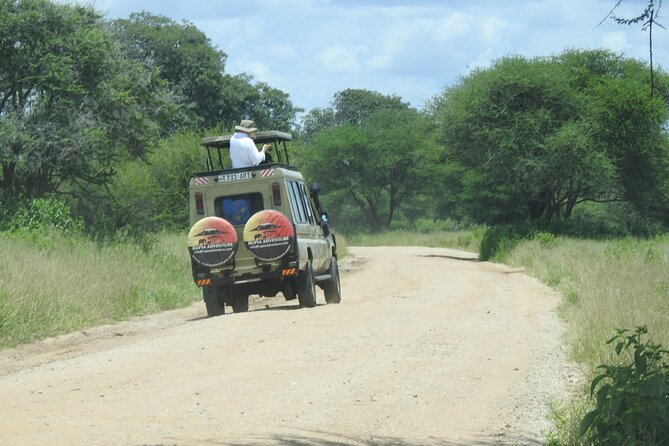
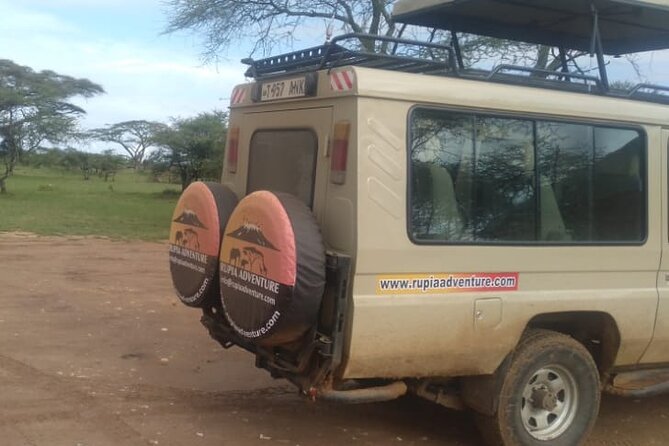
Safari vehicles can be a mix of rough comfort and long hours. What I like here is that transport is described as air-conditioned while still giving access to off-road locations. That pairing matters on a safari like this where you spend multiple days in vehicles, with early departures and full days of driving.
You also benefit from a small group limit, maximum of 2 travelers. That often translates into less waiting, fewer people to coordinate, and more flexibility for the driver guide to adjust positioning. You will still follow the rhythms of wildlife and the reserve, but the experience tends to feel more personal.
Rupia Adventure is the provider named for the tour. In the experience, driver guidance quality has been praised, including professionalism from a guide named James. Even if you do not have the exact same guide, that kind of feedback is a useful signal. It suggests the safari is run with timing and driving skill in mind, not just by rote.
What the all-in price includes, and why $800 can make sense
The price is $800 per person for this 4-day safari. On paper, that can sound like a lot, until you break down what you are actually getting. This package includes meals, tented accommodation, and jeep transfers, plus park admission is marked as free in the itinerary day notes.
That is what makes the number easier to swallow. You are not paying separately for lodging and meals while also trying to figure out transportation between two major parks. You are also getting a route built for maximum wildlife time in fewer days, which can save you vacation days you can never get back.
Another subtle value point is the booking lead time. The experience is, on average, booked about 244 days in advance. That usually means popular timing, especially for migration season windows. If you are planning around July to September, earlier planning often helps you line up the exact days you want.
Wildlife reality check: what you are likely to see (and what not to force)
This safari package is aimed at major wildlife categories. The highlights include the Big Five in their natural habitats, plus predators like lions, leopards, and cheetahs. It also emphasizes rhino viewing, including both white and black rhinos.
It also ties its most famous seasonal story to July through September, when wildebeest and zebra migration is a key focus. When you visit outside that window, you may still see plenty of animals, but the migration drama is less predictable.
My practical advice is to treat the itinerary as a strong plan, not a guarantee. Safari viewing is always a mix of animal behavior and timing. What you can control is your readiness: stay patient on drives, keep your eyes moving, and accept that some of the best action comes when you least expect it. This itinerary gives you multiple chances, across two parks and multiple drives, which is the best way to improve odds.
Practical tips for making the most of Maasai Mara and Lake Nakuru
You will spend long stretches outdoors, often in strong light. Pack for sun and dust. I would bring a hat, sunglasses, and sunscreen, plus layers because early mornings can feel cooler than you expect.
Keep your camera easy to grab. Game drives reward quick reactions. Also, if you wear bright colors, you might stand out among the group, which is not a wildlife problem so much as a practical one when you are trying to stand or sit in the best spot for viewing.
If you care a lot about rhino sightings, Nakuru morning is your priority since the itinerary is built around early game drives there. For migration and river activity, Day 2 is the big focus since lunch is timed around the Mara River crossing area.
And because the tour includes meals and tented accommodation, you can travel lighter. Still, bring any personal snacks or medication you rely on, in case preferences do not match what you usually want.
Should you book this 4 Days Kenya Safari?
Book it if you want a time-efficient Kenya safari that still feels like a real wildlife trip, with two parks, two overnights, and multiple early drives. This is a good fit for first-time safari visitors who want both Mara and Nakuru highlights without spending days in transit. It also fits bird lovers and rhino-focused travelers, since Lake Nakuru is specifically framed around black and white rhino viewing and bird spectacle.
Skip it or look at alternatives if you hate long road days or need a more relaxed pace. Day 3 includes the transfer, and all four days are built around game-drive schedules rather than slow afternoons. Also, this experience depends on good weather, so if you are traveling during a period when conditions could be rough, keep flexibility in mind.
If your goal is simple, maximize wildlife time within four days, this itinerary is set up for that. The route makes sense, the included logistics reduce hassle, and the parks chosen cover two of Kenya’s biggest wildlife personalities in one sweep.
FAQ
What time does the safari start, and where does it meet?
Pickup starts at 7:30 am from Kenya Comfort Hotel on Muindi Mbingu Street, Off Monrovia St, Nairobi, Kenya. The activity ends back at the same meeting point.
Is pickup included?
Yes, pickup is offered, and transportation is included as part of the safari package.
Which parks does the safari visit?
You visit Maasai Mara National Reserve and Lake Nakuru National Park.
What wildlife highlights should I expect?
The safari highlights include lions, leopards, cheetahs, the Big Five, wildebeest and zebra migration, and rhinos including both black and white rhinos.
Are meals and lodging included?
Yes. Meals and tented accommodation are included, along with jeep transfers.
How big is the group?
The tour has a maximum of 2 travelers.
What is the cancellation policy if weather is bad?
You can cancel up to 6 days in advance for a full refund. If the experience is canceled due to poor weather, you will be offered a different date or a full refund.
More 4-Day Experiences in Nairobi

Other Kenyan Safaris We Rated

More Tour Reviews in Nairobi


Everything else we hold on Nairobi
- 7 Days Private 4 star lodges Safari by LandCruiser from Nairobi★ 5.0 · 3 reviews
- 5 Days/4 Nights Kenya Safari★ 4.5 · 3 reviews
- Safari Park Hotel Show & Dinner Experience In Nairobi Tour★ 3.6 · 3 reviews
- Day safari to Olpejeta Rhino conservancy★ 5.0 · 3 reviews
- 7 Days Breathtaking Kenya Wildlife Private Safari★ 5.0 · 3 reviews
- Overnight Amboseli National Park Safari from Nairobi★ 5.0 · 3 reviews
4-Day Experiences, compared.
 ★ 5.04 Days Safari Lake Nakuru NP Naivasha and Masai MaraFrom $1,961132 reviews
 ★ 5.04 Days Safari Adventure Masai Mara and Nakuru Park GroupFrom $80687 reviews
 ★ 4.5Nairobi: 4-Day Maasai Mara & Lake Nakuru Camping SafariFrom $47577 reviews
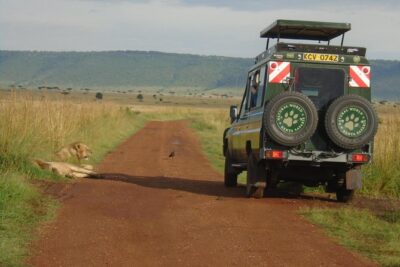 ★ 5.0Lake Nakuru, Naivasha & Masai Mara 4 Days Private Jeep SafariFrom $2,90072 reviews
 ★ 4.54-Day Masai Mara and Lake Nakuru Jeep SafariFrom $1,25570 reviews
 ★ 4.6From Nairobi: 4-Day Maasai Mara and Lake Nakuru Group SafariFrom $35050 reviews
 ★ 4.6Nairobi: 4 Day Masai Mara and Lake Nakuru Camping SafariFrom $36046 reviews
 ★ 5.04 Days Masai Mara & Lake Nakuru Lodge SafariFrom $1,95040 reviews
Appears in these lists