
REVIEW · MAASAI MARA SAFARIS
4-Day Masai Mara and Lake Nakuru Safari Tour from Nairobi
Two parks, nonstop wildlife, and real value. This safari pairs 7:30 am Nairobi pickup with guided game drives across Masai Mara and Lake Nakuru, where the animal and bird lists can feel endless. One thing to keep in mind: lodge quality can vary by camp assignment, so it’s smart to confirm where you’ll sleep before you go.
If you want a classic Kenya combo, this format is easy to love. You get a full day inside Masai Mara, then a dedicated shift to Lake Nakuru’s birdlife, and you finish back in Nairobi the afternoon of Day 4.
In This Review
- Key things that make this safari work
- Nairobi pickup and the Rift Valley run to Masai Mara
- Masai Mara full day: morning and afternoon drives for Big Five chances
- The Mara to Lake Nakuru transition, with time to shift your focus
- Early cat time at Lake Nakuru, then back to Nairobi via viewpoint
- Lodging and full-board meals: comfort, but confirm your camp
- Price and value: what you’re paying for, and what to budget
- Getting the most out of the drive days: small habits that help
- Should you book this Masai Mara and Lake Nakuru safari?
- FAQ
- What is the tour price for 4 days?
- Where does the safari start from in Nairobi?
- What time does the tour start?
- Is this tour private?
- What is included in the price for meals and lodging?
- Are alcoholic beverages included?
- How long is the drive from Nairobi to Lake Nakuru?
- When is migration mentioned for the Masai Mara part?
- Do I need good weather for this to run?
- What is the cancellation window?
Key things that make this safari work
- Private tour, so the drive style stays flexible for your group and interests
- Masai Mara time is built in for real searching, with sundown and full-day drives
- Lake Nakuru is treated like a birdwatching stop, not just a transfer day
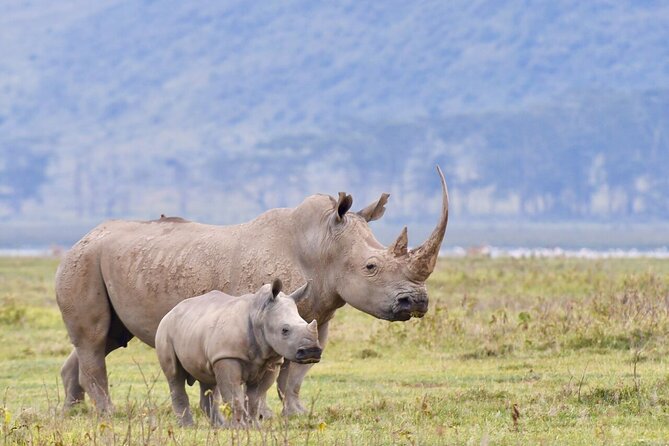
- Big Five viewing is a focus in Masai Mara, especially with the rhythm of morning and afternoon drives
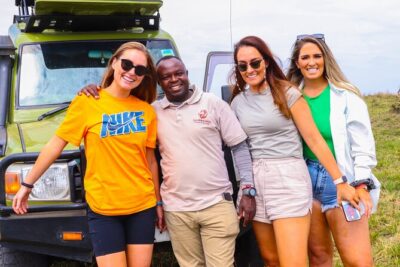
- Fast, helpful communication has been a standout, with guide and support names like Daniel, John, Jeff, and Peter showing up in people’s experiences
Other Mara operators, set against one another
Nairobi pickup and the Rift Valley run to Masai Mara
This safari starts early, with pickup from your hotel in Nairobi at 7:30 am, followed by a briefing and a drive along the floor of the Rift Valley. You’ll also make a stop in Narok Town en route. It’s not a long detour, but it does help break up the day, especially if you want coffee, a bathroom stop, or just a moment to stretch.
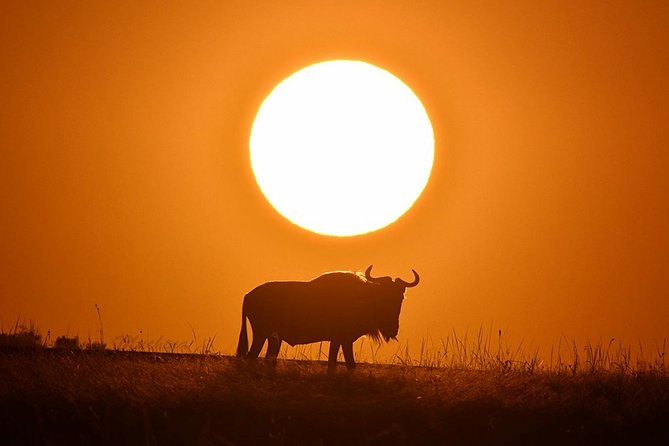
From there, you continue toward the Masai Mara area and aim to arrive in time for lunch at your lodge. After lunch, you do a sundown introductory game viewing drive, which is one of those safari moves that pays off. Animals tend to move more in the cooler light, and drivers often start lining up targets for the next full day.
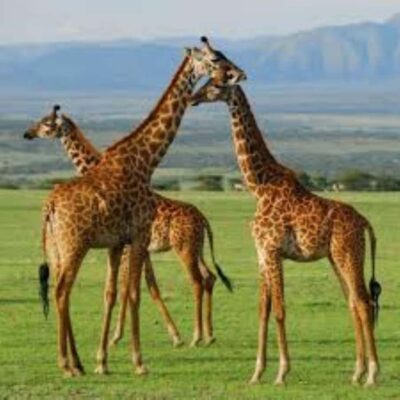
Masai Mara is famous for wide-open savannah and strong wildlife density. The reserve covers about 1,510 km², traced by the Mara and Talek rivers and their fertile riverine woodland. That mix matters because it creates both open grazing space and thicker wildlife corridors.
Practical note: you will spend long stretches in the vehicle. That’s normal for the region, but it helps to pack for dust and sun, and to bring water habits that work for you.
Masai Mara full day: morning and afternoon drives for Big Five chances
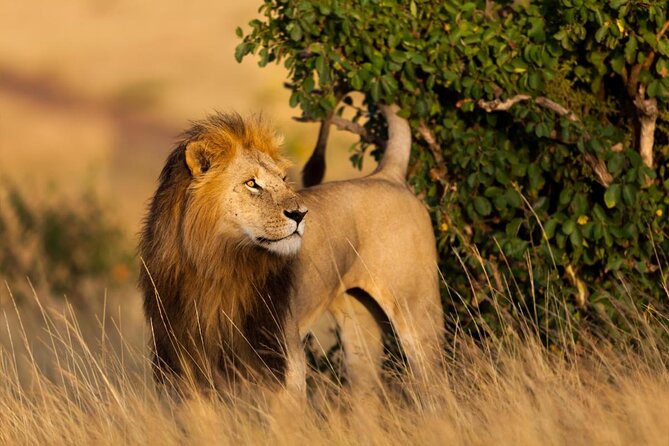
Day 2 is a full day of game drives, split between morning and afternoon. This is a smart schedule because it avoids the midday heat slump and keeps your eyes sharp for different animal behaviors. If your priority is the Big Five, this is exactly the kind of day that gives you the best shot: lion, buffalo, leopard, elephant, and rhino.
You’ll also follow a style that looks for both the obvious and the less obvious. The Mara is open savannah, but animals cluster around water, shade, and food. A skilled driver-guide is the difference between passing by and finding the right sighting. In real experiences tied to this operator, names like John and Peter come up for their ability to locate animals and make the drive feel purposeful, not random.
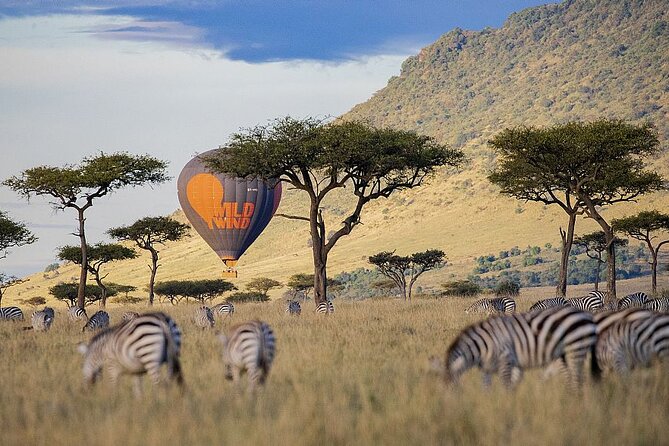
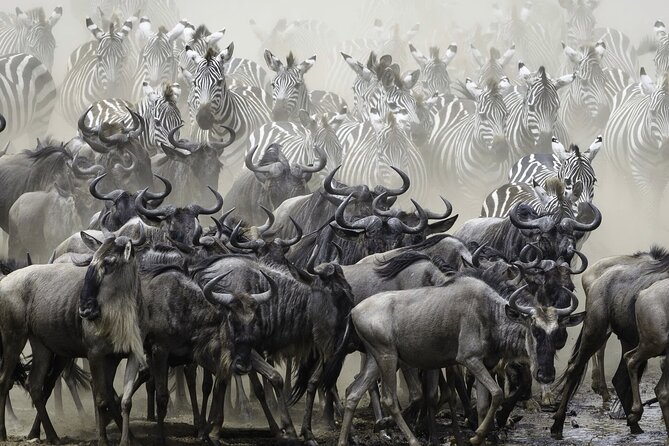
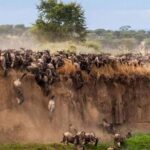
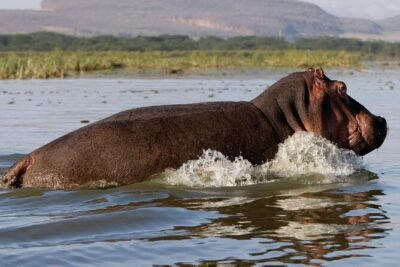
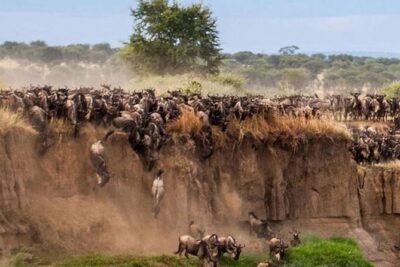
If you’re traveling July to October, there’s an added highlight: the wildebeest migration. The itinerary mentions a visit to the Mara River area to see crocodiles and hippos. That matters because the Mara River crossings are dramatic, but the real action often includes the predators waiting nearby. Even when you don’t see the full crossing you hope for, the river area can still deliver strong wildlife moments.
Another detail I like here: all meals and overnight stays are handled during the Mara portion. That means you don’t lose time to planning, hunting for food, or negotiating stops. You focus on the drives.
The Mara to Lake Nakuru transition, with time to shift your focus
On Day 3 you drive to Lake Nakuru, about 250 km, typically 5 to 6 hours. This is the day that changes the safari tone. Masai Mara is about big-land savannah, large mammals, and river energy. Lake Nakuru shifts you toward a different kind of wildlife day, where the main show is birds first and wild cats second.
You’ll arrive for lunch at the lodge, then head out for game drives inside Lake Nakuru National Park. The park is centered on a shallow alkaline lake with wide ecological diversity. Habitats range from the lake itself to escarpments and ridges nearby, which helps explain why you can see so many species in a relatively compact area.
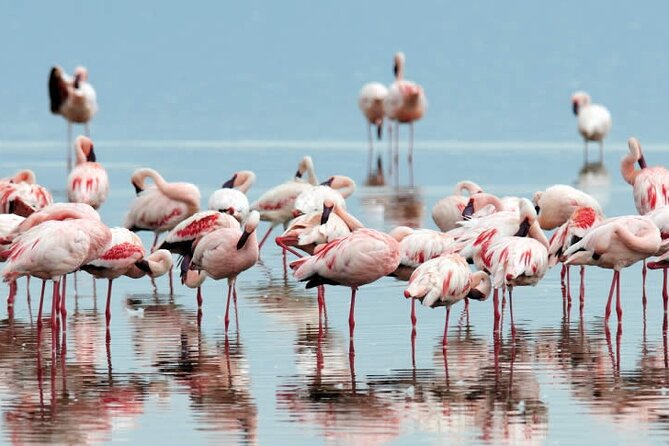
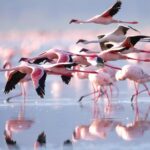
The birdlife is the headline. The park has over 450 bird species, with flamingos called out specifically. You can also see birds like Marabou storks and vultures in the mix, and you’ll likely spot other animals that use the park’s feeding and watering zones.
If you love wildlife variety, Lake Nakuru works because it doesn’t rely on one type of animal sighting. You can get your photos even if the cat sightings are slow that day, because the lake and surrounding areas are active with birds and smaller creatures.
Early cat time at Lake Nakuru, then back to Nairobi via viewpoint
Day 4 starts early with a safari tour of Lake Nakuru National Park in the morning, when animals are more active. The itinerary notes that this is the very best time to spot cats and other wild animals. That may sound like marketing, but it fits how safaris actually play out: cooler morning light tends to encourage movement, and drivers also have more fresh options before the midday crowd pressure and heat change the animal patterns.
After the morning drive, you’ll enjoy lunch. Then you start the long drive back to Nairobi through the Great Rift Valley vantage point, aiming to arrive in the afternoon and drop back at the meeting point.
One practical bonus in this final segment is that the Lake Nakuru activity is listed with an admission ticket note. That’s worth paying attention to when you compare costs on similar safaris, because park entry can be a hidden price point on some tours.
If you’re the kind of traveler who likes a final “best chance” window before heading home, this Day 4 structure is a good match.
Nakuru appears on many routes. Others listed below
Lodging and full-board meals: comfort, but confirm your camp
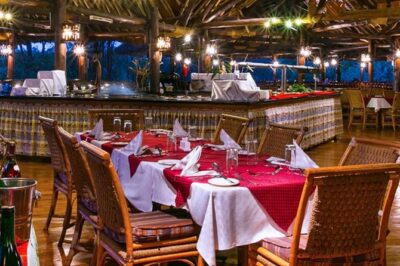
This tour includes full board accommodation with meals: breakfasts, lunches, and dinners are all covered during the trip. Bottled water is also included. That’s practical value. On safari, being taken care of means you can keep your energy up and spend your attention on the drives instead of logistical juggling.
That said, lodging is where you need to stay a little alert. In experiences connected to this tour style, there’s positive feedback about lodges going beyond expectations, but there’s also at least one downside tied to a camp that felt disappointing, with grounds in rough shape and walkways not in great condition. Lodging on safari can be a mix of style, age, and maintenance, and your specific room and camp assignment can matter a lot.
So here’s my straight advice: before you lock it in, ask for the exact lodge and camp name for your dates, plus what kind of room setup you’ll get. If you’re sensitive to comfort details like walking surfaces or facility upkeep, that question can save you stress.
Also, pack for life outside indoors. Even the best camps do not replace the real safari experience, and you’ll likely want a small kit for sun, dust, and quick comfort.
Price and value: what you’re paying for, and what to budget
At $1,690.00 per person for about 4 days, the headline cost isn’t the whole story. The value comes from what’s included:
- Transport with a professional driver-guide
- All fees and taxes
- Bottled water
- Full board accommodation (breakfasts, lunches, dinners)
- Pickup and return service as part of the tour flow
- A mobile ticket
What’s not included is alcoholic beverages and any optional activities you might add. That’s normal, but it’s still worth planning. If alcohol is part of your routine, decide in advance so the safari doesn’t become a surprise budget stress.
Another value point is the private tour setup. Private means your group stays together and only you participate, which generally makes it easier to manage timing, photo stops, and comfort breaks. If you’re traveling as a couple or small group, that private structure can feel like a better use of money compared to big shared group tours.
One more thing: this experience requires good weather. If conditions force a change, you’ll be offered a different date or a full refund. Safari timing can be affected by rain and visibility, so it helps to have a flexible mindset.
Getting the most out of the drive days: small habits that help
Even with a great guide, safari success comes down to attention and comfort. Here are a few practical habits that usually pay off fast on safaris like this:
- Bring a cap and sunglasses you can clean easily. Dust is real, and you’ll want your view clear.
- Use light layers. Mornings can feel cooler, and midday can warm quickly.
- Stay patient with long animal gaps. The best driver work often happens during the quiet minutes, when they’re positioning for the next sighting.
- Ask your driver-guide about priorities early. If you want Big Five emphasis, say so at the start of the Masai Mara days. If you care most about birds at Lake Nakuru, tell them that too.
- Keep your camera ready, not hidden. Morning and sundown can change the game quickly.
If you’ve heard names like Daniel for communication or John and Peter for spotting animals, that’s a clue that guide skill and teamwork are strengths here. You get the best results when you match that skill with your own readiness and focus.
Should you book this Masai Mara and Lake Nakuru safari?
I’d book this if you want two iconic parks in four days without the trip feeling rushed. Masai Mara gives you the classic savannah experience with Big Five focus, and Lake Nakuru gives you a different kind of wildlife day, with flamingos and a huge mix of birds. The included transport, full board meals, and professional driver-guide make it smoother than DIY planning.
I’d hesitate only if lodging comfort is your top priority and you hate uncertainty. Because camp assignments can vary, take a minute to confirm the lodge names and room details before you pay.
If you’re open to adapting to wildlife timing, comfortable with early mornings, and excited about both mammal action and serious birdwatching, this is a strong, solid value safari choice from Nairobi.
FAQ
What is the tour price for 4 days?
The price is $1,690.00 per person.
Where does the safari start from in Nairobi?
Pickup is offered from your hotel in Nairobi. The meeting point listed is African Sermon Safaris: Kenya Safari, African Safari Tours, Kenya Safari Tours & Masai Mara Safaris at College House, Koinange Street, Nairobi, Kenya.
What time does the tour start?
Start time is 7:30 am.
Is this tour private?
Yes. It is described as a private tour/activity, so only your group will participate.
What is included in the price for meals and lodging?
The tour includes full board accommodation and meals: breakfasts, lunches, and dinners during the trip, plus bottled water.
Are alcoholic beverages included?
No. Alcoholic beverages are not included.
How long is the drive from Nairobi to Lake Nakuru?
It is about 250 km and typically takes around 5 to 6 hours.
When is migration mentioned for the Masai Mara part?
During July to October, the itinerary notes a chance to experience wildebeest migration, including a visit to the Mara River area to see crocodiles and hippos.
Do I need good weather for this to run?
Yes. The experience requires good weather, and if it’s canceled due to poor weather, you’ll be offered a different date or a full refund.
What is the cancellation window?
Free cancellation is available. You can cancel up to 24 hours in advance for a full refund.
More Tour Reviews in Nairobi


Around Lake Nakuru
Into the Mara Another Way

Everything else we hold on Nairobi
- 7 Days Private 4 star lodges Safari by LandCruiser from Nairobi★ 5.0 · 3 reviews
- 5 Days/4 Nights Kenya Safari★ 4.5 · 3 reviews
- Safari Park Hotel Show & Dinner Experience In Nairobi Tour★ 3.6 · 3 reviews
- Day safari to Olpejeta Rhino conservancy★ 5.0 · 3 reviews
- 7 Days Breathtaking Kenya Wildlife Private Safari★ 5.0 · 3 reviews
- Overnight Amboseli National Park Safari from Nairobi★ 5.0 · 3 reviews
Maasai Mara Safaris, compared.
 ★ 5.03 Days Masai Mara Group JoiningFrom $540486 reviews
 ★ 4.5From Nairobi: 3 Days, 2 Nights Maasai Mara Group SafariFrom $199394 reviews
 ★ 5.05 Days Masai Mara, Lake Nakuru & Naivasha Budget Joining SafariFrom $810229 reviews
 ★ 5.03 Days Gamedrive Safari In Masai Mara From NairobiFrom $555207 reviews
 ★ 4.6From Nairobi: 3 – Days Maasai Mara Group Safari by 4WDFrom $240205 reviews
 ★ 4.53 Days Maasai Mara Guided Safari from NairobiFrom $196195 reviews
 ★ 5.03 Day Masai Mara SafariFrom $929177 reviews
 ★ 5.03 days group joining safari to Maasai Mara with a Land Cruiser JeepFrom $221173 reviews
Appears in these lists