
REVIEW · MAASAI MARA SAFARIS
3days Masai Mara private safari with a 4×4 land cruiser Jeep
From Nairobi, the Mara hits fast. In just three days, you get serious game-drive time plus lodge comfort, not airline-style rushing. This private setup also means you ride for sightings, not for schedules, with pickup and transfers handled for you.
Two things I really like: the 4×4 Land Cruiser with a pop-up roof (better views and easier wildlife spotting), and the way the trip is built around meals and rest so you can stay focused on the park. You also have a professional English-speaking guide doing the searching and positioning.
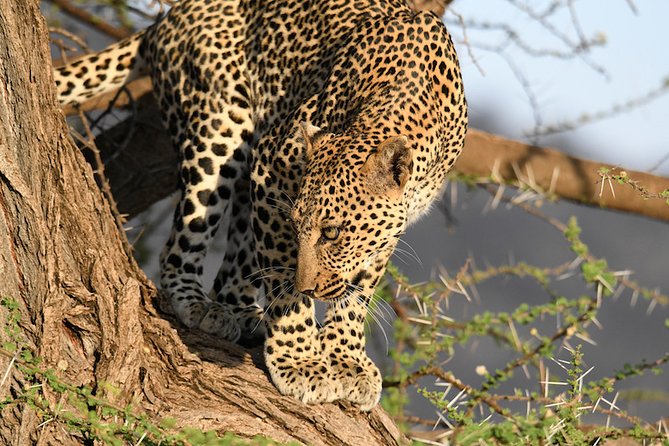
One drawback to weigh: Masai Mara is wildlife country, but you cannot guarantee specific animals on specific days. Even the big-name sightings like leopard or rhino are only possible, so if you need certainty for a particular species, this is more “go where the action is” than “check a box.”
In This Review
- Key safari highlights that matter
- First impressions: what makes this Masai Mara safari feel “private”
- Your Nairobi to Mara rhythm, and why the timing is smart
- Day 1 on the ground: getting into the Mara and scoring the late-day sightings
- Day 2 full-day in the Mara: how to maximize sightings in one long drive
- Day 3 back to Nairobi: breakfast, optional culture, and an unhurried exit
- What the open-top pop-up roof really changes (beyond the photo ops)
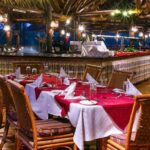
- Lodges and full-board meals: the comfort factor you’ll feel every day
- Guide time is the real product
- Animals you’ll likely target, and how to think about big-five expectations
- Price and value: what you’re paying for, and what you can skip
- Who this safari suits best
- Should you book this Masai Mara private safari?
- FAQ
- What type of vehicle is used for the game drives?
- Where does the safari start, and what time is pickup?
- Is accommodation and food included?
- Are airport or hotel transfers included?
- Is there an option to visit a Masai village?
- What is not included in the tour price?
Key safari highlights that matter
- Pop-up roof game viewing keeps sight lines open while you stay comfortable in a high-visibility safari setup
- Full-board lodge stay means breakfast, lunch, and dinner are handled, so your day stays simpler
- Multiple drives, not one long scramble gives you morning and late-day chances to catch predator behavior
- A full-day Mara plan focuses on high game concentration and re-centers your odds for standout sightings
- Optional Masai village visit adds a cultural stop if you want context beyond the animals
Other Mara operators, set against one another
First impressions: what makes this Masai Mara safari feel “private”
A private safari in the Masai Mara means your time is less about fitting other people in, and more about where you want your eyes to be. Here you’re traveling in a 4×4 Land Cruiser with a pop-up roof, so you get that classic “look over the horizon” wildlife view without standing around and craning your neck.
It’s also “all-inclusive” in the parts that usually steal your attention. Your accommodation and meals are included on a full-board basis, which helps you stay present during drives instead of thinking about where to stop for food.
Price-wise, about $1,527.03 per person is not cheap, but you should look at what you’re paying for: private vehicle time, guided game drives, lodge/camp nights, and full meals across three days. If you compare it to the common approach of piecing together transfers, park logistics, lodging, and guide services separately, this packaged structure starts to make sense.
Your Nairobi to Mara rhythm, and why the timing is smart
You start early. The experience lists a 7:00 am start time, and the day-one plan calls for pickup around 7:30 am from your hotel or airport. That sounds early until you remember why safaris work: wildlife is often most active when temperatures are lower, and game drives are scheduled around those best viewing windows.
Day 1 is built as a “arrive and settle” day. You head from Nairobi toward the Maasai Mara with a stop at the Rift Valley viewpoint. That viewpoint break matters more than it sounds, because it gives you a quick geographic context for what you’re about to see.
Then you roll into the park area and arrive in time for lunch, check in, and relax. After that downtime, you head out again for a late afternoon game drive, returning for dinner and overnight.
That structure is practical. You avoid arriving too tired, and you still get at least one solid drive window after you’ve settled.
Day 1 on the ground: getting into the Mara and scoring the late-day sightings
Day 1 has one main goal: transition from travel mode to safari mode, then take advantage of late-afternoon movement. After your morning pickup and the Rift Valley viewpoint stop, you arrive for lunch and check-in, so you’re not trying to squeeze a full drive right on arrival.
Once you’re out in the Mara for the late afternoon, the biggest advantage is light and behavior. Predator activity often picks up later in the day, and animals come closer to roads when conditions cool down. This is also when you’re most likely to see dramatic “story” moments, like the kind of coordinated hunts that made guides Ben and Peter stand out in the reviews.
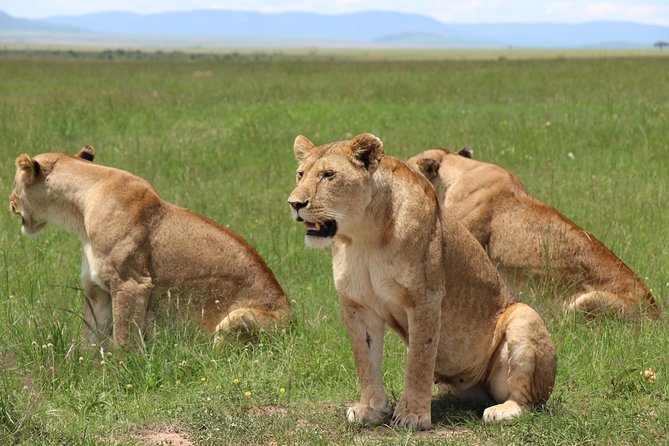
For expectations, keep it flexible. You may see elephants, lions, buffalo, and all the other constant characters of the Mara. The point of the day is to start building a mental map of where herds move and where predators tend to wait.
Possible drawback on Day 1: you are arriving and settling, so your first day drive might feel shorter than a full-day operation. The upside is you keep your energy for Day 2.
Day 2 full-day in the Mara: how to maximize sightings in one long drive
Day 2 is the centerpiece: a full-day exploration of the reserve, listed as about 8 hours of game driving. This is where the trip earns its name. Masai Mara is known for very high wildlife density, and the plan emphasizes the moving mix of resident animals plus the seasonal migrants.
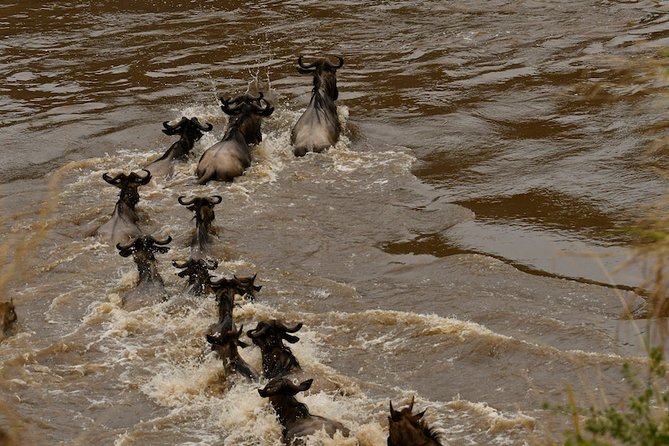
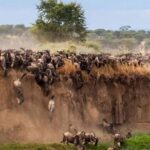
You’ll be out on the Mara plains across a wide stretch of habitat where wildebeest and zebra migrate, and where animals are present year-round. The guide is doing the key work here: spotting, positioning, and deciding when to stop. In the reviews, that kind of “find it fast, drive it smart” skill showed up clearly. People called out guides Ben and Peter as particularly effective at getting them to what they wanted to see.
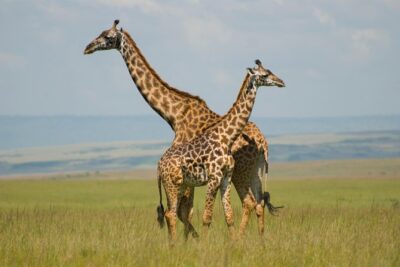
What you might hope to spot includes elephants, lions, buffalo, and the often-seen plains species like Thompson gazelle, topi, and zebra. The experience also notes that rhino and leopard can be occasional sightings, so your chances improve when the guide is making good calls about where to focus.
A few practical tips for how you’ll enjoy the day more:
- Wear layers for morning-to-afternoon temperature swings. Safari mornings can feel sharp, even when the day warms up.
- Bring something for dust control. Safari dust is part of the deal, and you’ll ride open-top for better visibility.
- Be ready for “behavior viewing.” Often the best moments are eating, resting, or mating behavior, not just a quick glance.
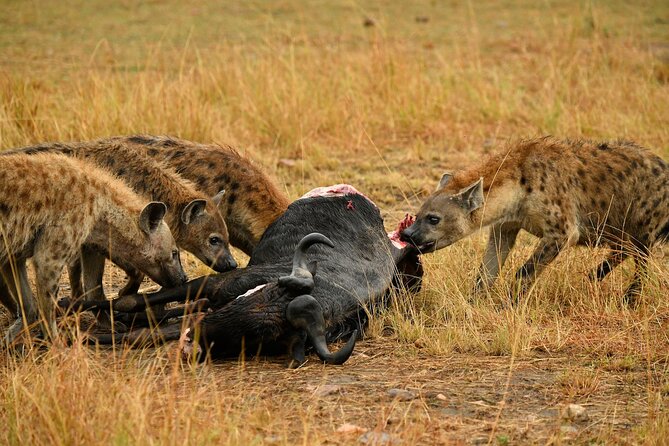
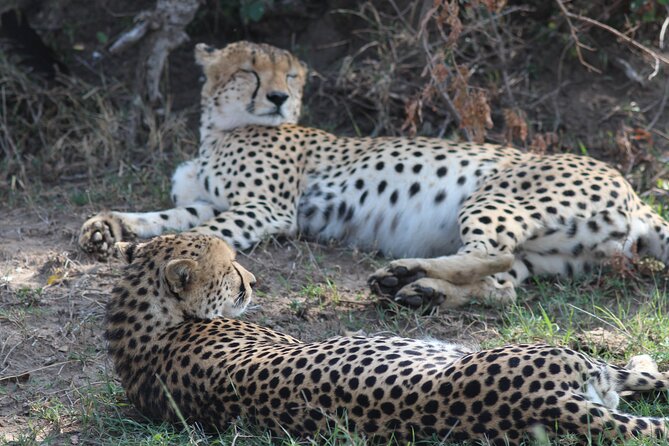
This is also the day where you’re most likely to see standout moments like coordinated kills, feeding at close range, or unexpected action. The reviews highlight cheetah and hyena feeding scenes, plus ostrich mating, and those moments usually happen when the guide is patient and your vehicle is placed correctly.
Other Nairobi bookings that survived the same scrutiny
Day 3 back to Nairobi: breakfast, optional culture, and an unhurried exit
Day 3 starts with breakfast, then you begin heading back toward Nairobi. The plan allows for an optional visit to a Masai village, then you depart for Nairobi with lunch en route. The day ends with drop-off at your hotel or airport in the evening.
This day is less about hunting new sightings and more about finishing the safari with a calm close. If you choose the village visit, it can be a good way to connect names, traditions, and setting to the land you’ve just been driving through. I like cultural stops that don’t feel rushed, and this one is framed as optional, which lets you match it to your energy.
Because you’re heading out, you’ll likely take fewer long-positioned viewing stops than on Day 2. That’s normal, and honestly it’s helpful if you want to avoid ending the trip exhausted.
What the open-top pop-up roof really changes (beyond the photo ops)
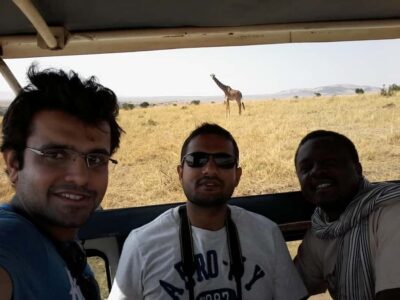
A pop-up roof sounds like gear, but it affects your whole safari experience. With this setup, you’re higher for scanning and easier to track animals across open ground. You also get a better chance at clean sight lines when wildlife is moving, because you’re not stuck behind other passengers or limited by a fixed window height.
It also helps with the practical “spotting loop.” You see movement sooner, you can point it out, and you can react with less scrambling. On a three-day private safari, every minute matters.
You’re also in a spacious 4×4 land cruiser designed for rougher tracks. That matters in the Mara because roads can be uneven and the vehicle needs to keep you comfortable while still getting you to wildlife corridors.
Lodges and full-board meals: the comfort factor you’ll feel every day
The tour includes accommodation plus all meals on a full-board plan: breakfast, lunch, and dinner. That’s not just a “nice to have.” Safari days can be long, and unpredictable meal planning adds stress you don’t want on the edge of great wildlife viewing.
With meals covered, you’ll follow the safari rhythm more smoothly. Day 1 has lunch on arrival, then you get dinner at camp or lodge after the late game drive. Day 2 is a full day out, so the planning assumes your sustenance and breaks are handled so you can stay out longer without losing your momentum. Day 3 includes breakfast and lunch on the way back.
If you have dietary requirements, the experience notes you should advise them at booking. That’s important on safari trips, where you do not want to be stuck managing meals while everyone else is on a drive.
Guide time is the real product
Transport and sightings matter, but a good guide is what turns a drive into an experience. The reviews specifically mention guides Ben and Peter, and they were praised for knowing exactly where to take the group to see what people wanted. That includes animal behavior like cheetah activity with a fresh wildebeest kill, plus hyena feeding and ostrich mating.
Even if you’re not chasing a single species, a great guide helps you read the park. That includes where to position the vehicle, when to wait, and when to move because conditions have changed.
For you, that means fewer “drive, drive, stop for five minutes” moments. It also means you’re more likely to see full sequences of behavior, not just quick passes.
Animals you’ll likely target, and how to think about big-five expectations
The experience frames Masai Mara as a place to spot over 450 Rift Valley wildlife species, including elephants, lions, buffalo, and the rest of the big five. It also notes that the Mara supports resident wildlife year-round, with migrations across the Mara plains.
Here’s how I’d set your expectations realistically:
- You have very good odds for common residents like zebra and wildebeest, and for elephants and lions in the right areas.
- Buffalo sightings are also a regular possibility.
- Rhino and leopard are possible but not guaranteed, because the plan describes them as occasional.
What you can control is your schedule and your patience. This safari’s three-day format gives you multiple drives and a full-day centerpiece, which is what you want if you’re serious about seeing more than a handful of animals.
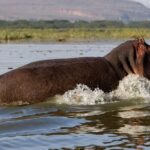
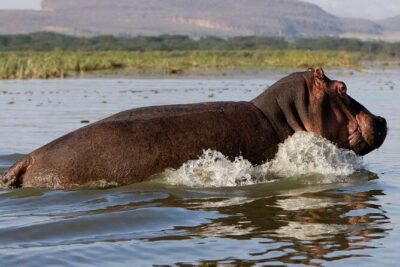
Also, remember the Mara River angle. The experience notes hippos play in the Mara River area, so if your guide reads the river zones well, that can add a very different kind of wildlife viewing compared with plains-only action.
Price and value: what you’re paying for, and what you can skip
At $1,527.03 per person, this is a mid-to-higher priced safari. But it’s priced for a lot of what you’d otherwise have to buy separately: private transport in a 4×4, a professional guide, lodge accommodation, and full meals.
What’s not included is equally important. The experience states flights, visa, alcohol and non-alcoholic drinks, tips, and other unspecified items are not included. That means you should plan for your drinks budget if you like having a beer at dinner, and you should not assume transfers include everything outside Nairobi.
Is it worth it? For me, the value comes from how the trip reduces your planning workload. Door-to-door hotel or airport transfers from Nairobi, plus park logistics and meals, let you focus on the drive windows.
If your priority is a cheap safari with shared vehicles and minimal comfort, you might find lower rates. But if you want a smoother experience with less coordination stress, this private structure is the point.
Who this safari suits best
This is a strong fit for:
- Couples and friends who want a private vehicle and guide attention.
- First-time Masai Mara visitors who want a clear three-day arc, including a full-day game drive.
- People who care about comfort and timing, because meals and lodge stays are built into the schedule.
It might not suit you as well if:
- You’re chasing a very specific animal and need certainty.
- You prefer longer safari immersion, because three days is intense but still a short window for the widest range of locations.
Should you book this Masai Mara private safari?
Yes, I’d consider booking if your goal is a high-odds wildlife trip with multiple game drives, strong guide support, and the comfort of full-board lodge stays. The combination of a pop-up roof Land Cruiser plus a full-day Mara drive is exactly what improves your odds in a short time.
I’d also book with eyes open: leopard and rhino are not promised, and Day 1 is partly a travel-and-settle rhythm. If you can handle that uncertainty and you value comfort and good guiding, this is a smart way to experience the Mara without turning the whole trip into logistics.
FAQ
What type of vehicle is used for the game drives?
You’ll use a spacious 4×4 land cruiser jeep with a pop-up roof for convenient game viewing.
Where does the safari start, and what time is pickup?
The tour start time is listed as 7:00 am. The Day 1 plan also says pickup from your hotel or airport is at about 7:30 am.
Is accommodation and food included?
Yes. Accommodation is included, and meals are full board with breakfast, lunch, and dinner provided.
Are airport or hotel transfers included?
Yes. The tour includes door-to-door hotel or airport transfers from and back to Nairobi.
Is there an option to visit a Masai village?
Yes. The itinerary includes an optional Masai village visit on Day 3.
What is not included in the tour price?
The tour does not include flights, visa, alcoholic and non-alcoholic drinks, and tips (plus any other items not mentioned as included). Free cancellation is available up to 24 hours before the experience start time for a full refund.
More Private in Nairobi
More Tour Reviews in Nairobi


Into the Mara Another Way

Everything else we hold on Nairobi
- 7 Days Private 4 star lodges Safari by LandCruiser from Nairobi★ 5.0 · 3 reviews
- 5 Days/4 Nights Kenya Safari★ 4.5 · 3 reviews
- Safari Park Hotel Show & Dinner Experience In Nairobi Tour★ 3.6 · 3 reviews
- Day safari to Olpejeta Rhino conservancy★ 5.0 · 3 reviews
- 7 Days Breathtaking Kenya Wildlife Private Safari★ 5.0 · 3 reviews
- Overnight Amboseli National Park Safari from Nairobi★ 5.0 · 3 reviews
Maasai Mara Safaris, compared.
 ★ 5.03 Days Masai Mara Group JoiningFrom $540486 reviews
 ★ 4.5From Nairobi: 3 Days, 2 Nights Maasai Mara Group SafariFrom $199394 reviews
 ★ 5.05 Days Masai Mara, Lake Nakuru & Naivasha Budget Joining SafariFrom $810229 reviews
 ★ 5.03 Days Gamedrive Safari In Masai Mara From NairobiFrom $555207 reviews
 ★ 4.6From Nairobi: 3 – Days Maasai Mara Group Safari by 4WDFrom $240205 reviews
 ★ 4.53 Days Maasai Mara Guided Safari from NairobiFrom $196195 reviews
 ★ 5.03 Day Masai Mara SafariFrom $929177 reviews
 ★ 5.03 days group joining safari to Maasai Mara with a Land Cruiser JeepFrom $221173 reviews
Appears in these lists