
REVIEW · MAASAI MARA SAFARIS
3Days 2nights Masai Mara group joining safari
Three days is fast, in Maasai Mara. I like that this trip handles round trip transport and 3 meals plus camp lodging, so you spend less time hunting logistics and more time scanning for lions, elephants, and cheetahs. One possible drawback: a few past guests said they were separated from their group or had camp surprises, so confirm your exact camp and setup before you leave.
You start from Nairobi at 8:15 am and head south through the Rift Valley, with a picnic lunch stop in Narok. By late afternoon you are already inside the reserve, and the schedule gives you both an evening game drive and a full day game drive, which is the key rhythm for anyone trying to pack real wildlife time into a short trip.
Also, you are not going in a huge herd. This experience is listed with a maximum of 8 travelers, and the included driver guide matters because they help you track animals across changing visibility and crowds. Bring a few warm layers too, because early mornings and late evenings can get really cold on safari.
In This Review
- Key things that make this Maasai Mara join safari work
- Three Days In The Maasai Mara: What You’re Really Buying
- Price and Value: $772 That Includes More Than You Think
- The Nairobi Departure and Rift Valley Drive to Narok
- Day 1: Late Afternoon Game Viewing and Your First Taste of the Mara
- Overnight at Mara Elephant Springs Tented Camp: Comfort vs. Reality Check
- Day 2 Full Day: Chasing the Big Five and the Elusive Stuff
- Day 3: Morning Game Drive, Narok Picnic Lunch, and Back to Nairobi
- Group Joining Reality: When Small Numbers Help, and When They Don’t
- Your Driver Guide: Why Names Keep Coming Up
- What to Pack for Chilly Drives and Long Wildlife Hours
- Optional Masai Village Visit: Worth It or Skip It?
- Should You Book This 3-Day Join Safari to Maasai Mara?
- FAQ
- What time does the Maasai Mara safari start from Nairobi?
- How long is the safari?
- What overnight accommodation is included?
- Are meals included?
- What game drive components are included?
- What is not included in the price?
- How many travelers are in the group?
Key things that make this Maasai Mara join safari work
- Tight timing for a short visit: late-afternoon entry on Day 1, full park day on Day 2, and a morning drive on Day 3
- Meals and bottled water included: breakfast, lunch, and dinner daily (plus bottled water) means fewer add-on costs
- Park fees and game drives covered: you are paying for a real safari package, not just a vehicle rental
- Specific camp included on paper: Mara Elephant Springs Tented Camp is named as the overnight stay
- Driver guide can make or break sightings: multiple guide names from past trips came up for strong animal-spotting efforts
Other Mara operators, set against one another
Three Days In The Maasai Mara: What You’re Really Buying
Let’s be honest: the Maasai Mara is too big for a casual look. This tour’s value is that it compresses the most “worth it” parts into 3 days, without you having to coordinate timing, park entry, or meals.
You also get a classic safari pacing. Day 1 is about getting in and getting your eyes trained to the ecosystem. Day 2 is where most people go hunting for the Big Five and any rare, fast-moving action like cheetahs. Day 3 is for finishing strong with a morning game drive, when animals often move and feed more actively.
The practical win for you is reduced decision fatigue. You know when meals happen, when game drives start, and you have transport from Nairobi, so you can focus on the one job that matters: watching.
Price and Value: $772 That Includes More Than You Think
At $772 per person, this is not “budget” in the way that means skipping everything. The price is what makes the package feel fair, because it includes park fees, transport by safari van, accommodation, bottled drinking water, and game drives, plus breakfast, lunch, and dinner.
Here’s how I think about it for your wallet:
- If you tried to build this yourself, you would likely end up paying separately for park entry, a vehicle, meals, and lodging.
- Here, those pieces are bundled, so you can compare apples to apples.
That said, the price is only as good as what you actually receive on the ground. Some past guests mentioned that accommodations or camp assignments did not match what they expected. So before you pay, make sure your confirmation clearly states the camp name for your nights, and ask how group joining works.
The Nairobi Departure and Rift Valley Drive to Narok
Your day starts with a Nairobi pick-up experience that begins at 8:15 am. Then it is straight into the drive south through the floor of the Great Rift Valley. You will feel the scenery shift as you leave the city rhythm behind and move toward the reserve area.
The picnic lunch stop in Narok is more than a break. It is also a “transition moment.” You get food, you stretch, and you reset before the road brings you toward the Maasai Mara. On short safaris, these pauses matter because you want to arrive alert for late afternoon game viewing.
One small consideration for you: this is an early start plus a long drive. If you are sensitive to road time, plan for fatigue on Day 1. Bring water (it is included) and stay flexible. The upside is that you are not wasting the first day with admin. You get wildlife time right away.
Day 1: Late Afternoon Game Viewing and Your First Taste of the Mara
On Day 1, you arrive in the Maasai Mara for late afternoon game viewing en route, then you get an early evening game drive. This timing is smart. Animals often come out more as temperatures drop, and you can get your first real reads on where wildlife concentrates.
After the game drive, you have dinner and overnight at Mara Elephant Springs Tented Camp. For many people, the biggest emotional payoff of Day 1 is that you see how quickly “routine” disappears when you are inside the reserve. The landscape is always moving, even when nothing seems to happen at first.
What to watch for:
- Use your first evening drive to orient yourself. Note the types of trees, open grass patches, and water edges.
- Pay attention to tracks and signs your guide points out, because spotting gets easier once you understand what you are looking at.
Other Nairobi bookings that survived the same scrutiny
Overnight at Mara Elephant Springs Tented Camp: Comfort vs. Reality Check
The tour includes overnight accommodation at Mara Elephant Springs Tented Camp. That is a solid selling point because it tells you the “where,” not just “a camp.”
But here is the balanced truth: some past guests reported accommodation differences and camp assignment confusion when groups joined. You might get the camp you expect, but you should not gamble on it.
Before you go, I recommend you:
- Confirm the exact camp name for your nights.
- Ask whether you will definitely stay together as a group or if joining groups can mean different camp assignments.
As for what your camp routine likely feels like: you will be waking up early, spending long hours in vehicles, and then coming back for meals and rest. So the “best” camp experience is not about luxury spreadsheets. It is about sleeping enough to see animals again tomorrow.
Day 2 Full Day: Chasing the Big Five and the Elusive Stuff
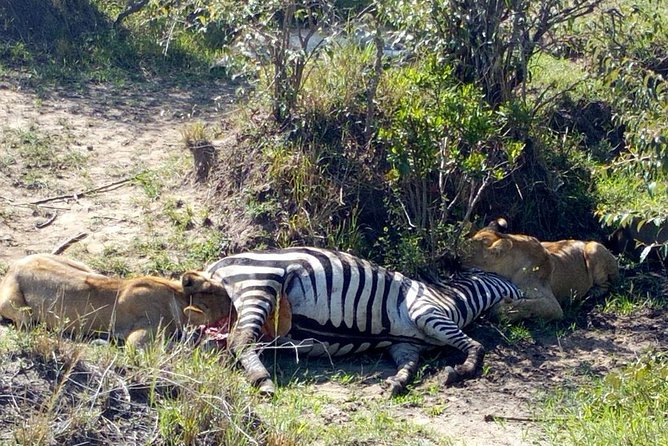
Day 2 is where the safari earns its reputation. You get a full day in the park searching for the Big Five, with meals and overnight at camp.
This is the day you should treat like a spotlight day. You are spending maximum time in the reserve, and game drives are included. That matters because in the Mara, wildlife is not on a schedule you can control. You follow. Your guide and driver position the vehicle. You watch. You wait a bit. Then something happens and suddenly the whole day makes sense.
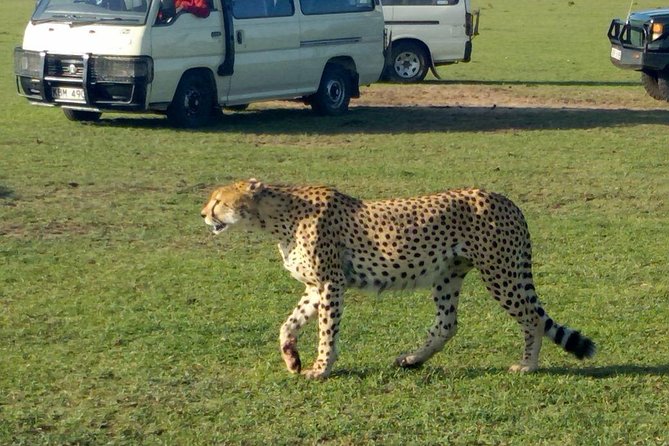
One of the most praised parts in past trips was the guide’s ability to target animals beyond the obvious. Names that showed up in feedback included Aruni, Harooni, Raymond, and Edward, with guests specifically calling out cheetahs and efforts to see leopard activity. I cannot guarantee sightings, but I can tell you this: a good driver does more than drive. They read behavior and road movement and decide where to be when opportunity appears.
Practical strategy for you during Day 2:
- Keep your eyes moving. Don’t fixate on one horizon line.
- Be patient when you see other jeeps stop. Sometimes it is nothing, sometimes it is everything.
- Dress for cold mornings and warmer midday. You will likely feel temperature swings in the vehicle and outside.
Optional Masai Village visit is mentioned as something you can do in the evening after game drive. It is not included, so think of it as a bonus if you want cultural context rather than more animal time.
Day 3: Morning Game Drive, Narok Picnic Lunch, and Back to Nairobi
Day 3 starts with a morning game drive, then after breakfast you depart the Maasai Mara. You have a picnic lunch again in Narok, and you arrive back in Nairobi late afternoon, around 15:00.
That morning drive is not just a “nice extra.” Morning is often when animals are active and easy to spot because they are feeding, moving, or interacting. You want at least one early drive if you only have 3 days.
Then comes the “farewell drive.” Wildlife can still appear en route, but your main job becomes managing the return rhythm. Your body clock is tired by now, so hydrate, eat, and plan a calm evening in Nairobi when you get back.
Group Joining Reality: When Small Numbers Help, and When They Don’t
The tour is set up for a maximum of 8 travelers, which is the right size for a more manageable safari experience. Smaller groups can mean less time arguing about where to stand and quicker vehicle coordination when your guide finds action.
But joining safaris are exactly where details can get messy. Some past guests described being separated from the rest of the group and placed in different camps, or having mismatched expectations about the group arrangement. Others raised concerns about vehicle overcrowding.
So here is my practical advice to protect your trip:
- Confirm your camp assignment for both nights in writing (camp name matters).
- Ask how the group join works on the road. Are you staying together, or can you be split?
- If the vehicle capacity is important to you, ask what the maximum number in one jeep will be.
Most important, keep expectations realistic. Even with the best guide, you are working with nature, not a timetable.
Your Driver Guide: Why Names Keep Coming Up
On safaris like this, the driver guide is not a background role. They are the reason you get close to animals, the reason you do not waste time, and the reason you notice the things first-time visitors might miss.
That showed up clearly in the reviews you shared. Guides like Aruni and Harooni were praised for getting people sighting chances on cheetahs and even for chasing leopard opportunities. Raymond and Edward were also named for friendly service and solid animal spotting. The message is consistent: when the guide is good, the whole day feels better, even if you do not see every Big Five animal.
What you can do to get the most out of your guide:
- Tell them what you care about most, lions, cheetahs, elephants, or anything else.
- Be honest about your willingness to drive a bit longer for a sighting. Some people prefer shorter drives and fewer vehicle hours.
- Follow instructions quickly. When your guide says reposition, it is usually because something changed.
What to Pack for Chilly Drives and Long Wildlife Hours
The tour notes specifically say it can get really cold early mornings and late evenings. You will be outside and inside vehicles for long stretches, so plan for layers.
I suggest you pack:
- A few warm layers (hat or hood helps).
- A light rain shell if you have one.
- Comfortable shoes for short stops.
- Sunglasses and sun protection for daytime drives.
- A small day bag so you keep essentials with you.
Bottled drinking water is included, which reduces one worry. Still, bring your own snacks if you like, since you might want something quick between drives. Just keep it simple and avoid heavy cooking tasks.
Also note the tour allows service animals. If you have specific needs, confirm them ahead of time.
Optional Masai Village Visit: Worth It or Skip It?
You have an optional Masai Village visit listed for the evening after the game drive. It is not included in the package.
For you, the decision comes down to your priority:
- If you want more wildlife time and you are tired, skip it and enjoy camp downtime.
- If you want a cultural stop that adds context, and you are not overwhelmed by the day, consider it.
Since it is optional and not included, you should check the cost and timing when you book, so it does not cut into the rest of your schedule.
Should You Book This 3-Day Join Safari to Maasai Mara?
I think this tour makes sense if you want a real Maasai Mara experience without spending weeks planning. The biggest advantages are practical: park fees, meals, game drives, and transport are included, and the schedule gives you late-afternoon viewing plus a full day in the reserve.
You should book with extra care if any of these matter a lot to you:
- You need a specific camp for your exact nights, because some guests reported camp assignment confusion.
- You are sensitive to group splitting or vehicle crowding, because that also came up in feedback.
- You want a guaranteed “together as one unit” experience, since this is a join group style.
If you go in with flexibility, you will likely love the core safari days, especially the full Day 2 drive and the early morning push on Day 3. Bring warm layers, communicate what animals you care about, and let your guide work their plan. In the Mara, that is often what turns a good trip into a memorable one.
FAQ
What time does the Maasai Mara safari start from Nairobi?
The start time listed is 8:15 am.
How long is the safari?
It runs for 3 days (about 3 days total, typically 2 nights).
What overnight accommodation is included?
Overnight accommodation is included at Mara Elephant Springs Tented Camp.
Are meals included?
Yes. The package includes breakfast, lunch, and dinner (3 meals a day), plus bottled drinking water.
What game drive components are included?
Game drives are included, along with park fees and transport by safari van.
What is not included in the price?
Tips, personal spending, and a Masai Village visit are not included. The Masai Village visit is optional.
How many travelers are in the group?
The tour has a maximum of 8 travelers.
Other Kenyan Safaris We Rated

More Tour Reviews in Nairobi


Into the Mara Another Way
Everything else we hold on Nairobi
- 7 Days Private 4 star lodges Safari by LandCruiser from Nairobi★ 5.0 · 3 reviews
- 5 Days/4 Nights Kenya Safari★ 4.5 · 3 reviews
- Safari Park Hotel Show & Dinner Experience In Nairobi Tour★ 3.6 · 3 reviews
- Day safari to Olpejeta Rhino conservancy★ 5.0 · 3 reviews
- 7 Days Breathtaking Kenya Wildlife Private Safari★ 5.0 · 3 reviews
- Overnight Amboseli National Park Safari from Nairobi★ 5.0 · 3 reviews
Maasai Mara Safaris, compared.
 ★ 5.03 Days Masai Mara Group JoiningFrom $540486 reviews
 ★ 4.5From Nairobi: 3 Days, 2 Nights Maasai Mara Group SafariFrom $199394 reviews
 ★ 5.05 Days Masai Mara, Lake Nakuru & Naivasha Budget Joining SafariFrom $810229 reviews
 ★ 5.03 Days Gamedrive Safari In Masai Mara From NairobiFrom $555207 reviews
 ★ 4.6From Nairobi: 3 – Days Maasai Mara Group Safari by 4WDFrom $240205 reviews
 ★ 4.53 Days Maasai Mara Guided Safari from NairobiFrom $196195 reviews
 ★ 5.03 Day Masai Mara SafariFrom $929177 reviews
 ★ 5.03 days group joining safari to Maasai Mara with a Land Cruiser JeepFrom $221173 reviews
Appears in these lists