
REVIEW · MAASAI MARA SAFARIS
3 Days to Maasai Mara N/R.
Your camera will get a workout. Three days in Maasai Mara means close-up wildlife, guided game drives, and real time inside the reserve. I like that this trip is set up for convenience, with round-trip transfers handled from your hotel or the airport, plus meals and accommodation taken care of. I also like the daily rhythm, where you chase animals at the best light, then return to camp. One thing to watch for: if you get time that is not tightly packed with activities, you may face extra costs for optional add-ons.
This is a private safari for just your group, priced at $1,990 per person, and run by Pongezi Africa Safaris. The route uses classic Mara moments, including a Rift Valley viewpoint stop on the way in, game drives at sunrise and sunset, and a full day focused on the Mara River migration drama. You’ll drive looking for big names like elephants, African buffaloes, lions, and giraffes, with chances at cheetahs, leopards, hippos, and even black rhinoceros depending on conditions. Guides like Joseph and Weru have earned praise for knowing the best routes, which matters a lot when animals are moving and every turn counts.
In This Review
- Key things to know before your Maasai Mara N/R safari
- Entering Maasai Mara with a private setup that feels easy
- Price and value, what you are really paying for
- Day 1, Rift Valley viewpoint, Mara Sekanani Camp, and the first sunset hunt
- Day 2, full-day Mara River migration chances and big predator sightings
- Day 3, early action for lions and cheetahs, then back to Nairobi
- The camp stay inside the reserve, where the day actually rests
- Guides can make or break safari value, and this tour leans on them
- Possible drawback: free time gaps and extra excursions costs
- Who this Maasai Mara safari suits best
- Practical prep for the schedule, especially sunrise and long drive days
- Should you book this 3-day Maasai Mara N/R safari?
- FAQ
- What is the duration of this Maasai Mara tour?
- Where do transfers pick you up and drop you off?
- Are meals and accommodation included?
- Is this tour private?
- What wildlife and areas does the tour focus on?
- Can I cancel and get a full refund?
Key things to know before your Maasai Mara N/R safari
- Private, door-to-door transfers from Nairobi (hotel or Jomo Kenyatta International Airport) keep logistics simple.
- Mara Sekanani Camp is your base inside the reserve, so you spend more time on the road and less time traveling.
- Rift Valley viewpoint plus Mara River moments gives you both geography and wildlife, not just repeat drives.
- Sunrise and sunset drives are built in, because animals tend to be active when the light is low and the temperature cools down.
- Day 2 is migration-focused at the Mara River with a picnic lunch, so you’re there for the wildebeest crossing drama.
Other Mara operators, set against one another
Entering Maasai Mara with a private setup that feels easy
Maasai Mara is famous for wildlife, but it is also famous for how much time you can waste if you plan poorly. This tour is built to reduce that stress. From Nairobi, you do the drive with a stop at the Great Rift Valley view point, then you arrive and start wildlife searching without fiddling with tickets or transfer schedules.
The private element is a big deal. You are not sharing your vehicle and your attention with strangers who might want to stop for snacks every ten minutes. Your guide can adjust on the fly, using the kind of local routing that praised guides like Joseph and Weru are known for. That flexibility helps when a lion is snoozing in one spot, then decides to reposition somewhere else.
You also sleep in a camp inside the reserve. That means mornings and evenings start with the reserve already on your doorstep. In safari time, that is a real advantage.
Price and value, what you are really paying for
At $1,990 per person for about three days, this is not a cheap weekend. The question is whether the value matches your priorities, and in this case, the value mostly comes from how many moving parts are handled for you.
Here is what is included based on the tour details:
- Pickup offered from your hotel or the airport
- Transport throughout
- All meals
- Accommodation inside the reserve
- Several game drives across the three days
- Admission ticket listed as free for the listed segments
- Mobile ticket, with confirmation at booking
What that means in plain terms: you are paying for a package that covers the parts that usually eat time and cause headaches. You are not trying to coordinate separate lodging, separate park entry, and separate safari transport. You are paying for an organized schedule plus lodging in the reserve, which is often where costs jump on your own.
If you are the type of traveler who wants to focus on wildlife and not on logistics, this price starts to make more sense. If you prefer total freedom and you are comfortable arranging everything yourself, you might find cheaper routes. But the saved effort and included camp time are the core value here.
Day 1, Rift Valley viewpoint, Mara Sekanani Camp, and the first sunset hunt
Day 1 starts with a practical travel rhythm: breakfast in Nairobi, then a drive west toward Maasai Mara. You break up the journey with a stop at the Great Rift Valley view point. This is a classic move for a reason. It is a chance to stretch, switch gears, and see the big physical story of the region before you spend hours scanning grasslands for movement.
Then you land at Mara Sekanani Camp for lunch. After that, you head out at around 15:30 for a game drive aimed at elephants, African buffaloes, and lions. The time window matters. Mid to late afternoon often brings animals into view as temperatures shift and evening light starts to flatten shadows. You also get a sunset moment built into the plan, then you return to camp around 16:30.
That is a good first day design for two reasons:
- It gives you a wildlife hit without burning your energy on a full day of driving.
- It sets expectations. You will see big animals, but you will also learn how often you need patience, not just luck.
The drawback is also predictable. A first-day drive can feel short if you arrive hoping for wall-to-wall sightings. Still, it is a strong way to ease into the reserve while keeping the schedule sane.
Day 2, full-day Mara River migration chances and big predator sightings
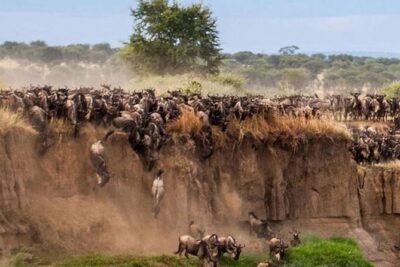
Day 2 is the heavyweight. You move into a full day game drive with a picnic lunch included. The plan is focused on the Mara River area, timed around migration as wildebeest cross and face crocodiles.
This is the part of Maasai Mara that turns first-time safari fans into instant believers. The river crossings can be visually intense, and even when you do not get the perfect dramatic moment on cue, being at the right location during migration season is still a major wildlife experience.
Your guide is also tasked with widening the search. In addition to wildebeest activity by the river, you look for:
- cheetahs
- leopards
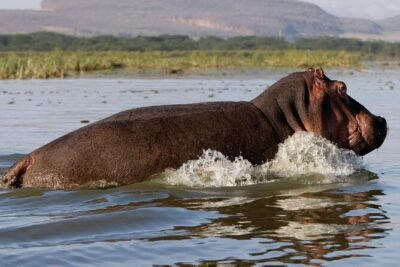
- hippopotamus
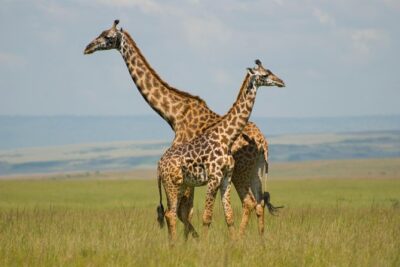
- giraffes
- black rhinoceros
A quick reality check: your chances depend on conditions. The tour is not promising that you will see every species listed. It is promising that the day is structured for maximum opportunity, which is exactly what you want in a three-day window.
From a practical standpoint, a full day like this can be tiring, even in a comfortable vehicle. You might be sitting for long stretches while scanning and waiting. That is where moderate physical fitness comes in. If you are comfortable with extended sitting and early starts, you should be fine. If you struggle with long days, this might feel like a lot.
Also, a full day means your energy management matters. You will rely on the included picnic lunch and the pacing your guide sets. In a well-run safari, that pacing is where the experience becomes genuinely enjoyable rather than exhausting.
Other Nairobi bookings that survived the same scrutiny
Day 3, early action for lions and cheetahs, then back to Nairobi
Day 3 is designed around the best time animals tend to be active: early morning. You go out for an early game drive with a goal of seeing lions cubs, cheetahs, and more animals. You also get a sunrise moment. Then you are back for breakfast before 09:00, and you depart for Nairobi at 10:00.
Lunch is on the way, and you are dropped at your residence or at Jomo Kenyatta International Airport.
I like the way this day is structured because it respects your end goal. You get one last strong wildlife window, then you are not trapped in the reserve for the entire day. For most people, the hardest part of a short safari is the return trip. This one does not drag.
Still, there is a trade-off. An early start is an early start. If you are the type who needs a slow morning, this day will feel abrupt. But if you are chasing wildlife at its most active, it is the right kind of abrupt.
The camp stay inside the reserve, where the day actually rests
Sleeping inside the reserve changes how the safari feels. Instead of arriving at a distant lodge after a long drive, you live on safari time for your nights.
You also have meals included, which matters more than people think. On multi-drive days, meal logistics can eat your energy. Here, meals are taken care of, and camp food has been praised as good. That kind of consistency helps you stay focused on what is outside the vehicle.
The camp name is Mara Sekanani Camp, and the tour plan places lunch there on Day 1 and breakfast there on Day 3. Because meals are included, you can treat the camp as a real base, not an extra task between drives.
One more human factor from the feedback: camp staff have been described as friendly. On safari, that may not sound important until you are tired, your day has been long, and someone helps the schedule stay smooth.
Guides can make or break safari value, and this tour leans on them
In a place like Maasai Mara, your guide is not just a driver. They are your spotting partner and route planner. And route planning is not trivial. Animals can appear in one corridor, then vanish behind the next rise. Conditions shift fast. A good guide gets you to the right area without turning every drive into aimless searching.
The names Joseph and Weru show up in feedback as strong performers. The pattern is consistent: guides who know the best routes and shortcuts can help you spend more time where animals are likely and less time where they are not.
Your tour also uses tight timing windows, like the Day 1 late-afternoon drive and the Day 3 early morning drive. That kind of schedule puts more pressure on the guide to manage logistics well. When it works, it feels effortless.
Possible drawback: free time gaps and extra excursions costs
One caution comes from real-world expectations. Even with a packed safari day plan, there can be downtime that is not fully filled with included activities. If you are not staying inside the routine of game drives and meals, you may end up paying for extra excursions during those gaps.
So my advice is simple: confirm what your downtime looks like each day. Ask what is included in the camp hours and what is optional. If you want zero surprises, this is where you prevent them.
Also, set your mindset for a short safari. Three days is enough time to see a lot, but it cannot guarantee every animal on the list. If you treat the schedule like a wildlife buffet and you expect each item, you will feel let down. If you treat it like a set of focused chances, you will feel satisfied more often.
Who this Maasai Mara safari suits best
This tour fits best if you want:
- A private safari focused on wildlife, not crowds
- Multiple game drives over a short time window
- Camp lodging inside the reserve so the schedule feels efficient
- A guide who can find animals and manage timing
It is also a reasonable pick for couples, friends, or small groups who like the comfort of private transport. The fact that a moderate physical fitness level is listed suggests it is not built for extreme hiking. Most of the physical effort is the sitting and the long day pacing.
If you want a do-it-yourself safari, this might feel too structured. But if you want to show up, drive, watch, and repeat, it is a very straightforward way to do Maasai Mara in three days.
Practical prep for the schedule, especially sunrise and long drive days
Even with everything included, you still plan for the safari clock. This tour includes a late afternoon drive on Day 1, a long full day on Day 2, and a very early drive on Day 3 before breakfast and departure.
Because the fitness requirement is moderate, treat it like this: you should be comfortable spending long hours in a vehicle and being ready for early starts. You might also be up and moving around camp meal times.
The other practical prep is mental. Safari success is not instant. Your eyes will need time to adjust. That is normal, and it is part of the fun. The best strategy is to relax into it. When you do, sightings tend to feel more magical, even if they happen in a way that looks slow from the inside of a vehicle.
Should you book this 3-day Maasai Mara N/R safari?
I would book it if your top priority is wildlife time with minimal logistics stress. The combination of included meals, camp lodging inside the reserve, and multiple game drives makes it a strong value for what you are buying: organized safari time.
I would think twice if:
- you hate waking up early, since Day 3 starts before 09:00 return
- you expect a perfectly packed schedule with no downtime at all
- you are sensitive to additional costs for optional add-ons if extra time appears
If you want a classic Maasai Mara experience with the Mara River migration moment, and you prefer to focus on seeing elephants, buffalo, lions, giraffes, and the other stars that show up when conditions line up, this tour is a sensible, well-structured choice.
FAQ
What is the duration of this Maasai Mara tour?
The tour duration is 3 days (approx.).
Where do transfers pick you up and drop you off?
Transfers are offered from your hotel or airport in Nairobi, and you are dropped back at your residence or at Jomo Kenyatta International Airport.
Are meals and accommodation included?
Yes. The tour includes all meals and accommodation, along with transport during the safari.
Is this tour private?
Yes. It is a private tour or activity, and only your group participates.
What wildlife and areas does the tour focus on?
The tour includes game drives in Maasai Mara National Reserve, with Day 2 focused on the Mara River area for migration and crossings, plus searches for animals such as elephants, African buffaloes, lions, cheetahs, leopards, hippopotamus, giraffes, and black rhinoceros.
Can I cancel and get a full refund?
You can cancel up to 24 hours in advance for a full refund. If you cancel less than 24 hours before the experience’s start time, the amount paid will not be refunded.
More 3-Day Experiences in Nairobi


More Tour Reviews in Nairobi


Into the Mara Another Way
Everything else we hold on Nairobi
- 7 Days Private 4 star lodges Safari by LandCruiser from Nairobi★ 5.0 · 3 reviews
- 5 Days/4 Nights Kenya Safari★ 4.5 · 3 reviews
- Safari Park Hotel Show & Dinner Experience In Nairobi Tour★ 3.6 · 3 reviews
- Day safari to Olpejeta Rhino conservancy★ 5.0 · 3 reviews
- 7 Days Breathtaking Kenya Wildlife Private Safari★ 5.0 · 3 reviews
- Overnight Amboseli National Park Safari from Nairobi★ 5.0 · 3 reviews
Maasai Mara Safaris, compared.
 ★ 5.03 Days Masai Mara Group JoiningFrom $540486 reviews
 ★ 4.5From Nairobi: 3 Days, 2 Nights Maasai Mara Group SafariFrom $199394 reviews
 ★ 5.05 Days Masai Mara, Lake Nakuru & Naivasha Budget Joining SafariFrom $810229 reviews
 ★ 5.03 Days Gamedrive Safari In Masai Mara From NairobiFrom $555207 reviews
 ★ 4.6From Nairobi: 3 – Days Maasai Mara Group Safari by 4WDFrom $240205 reviews
 ★ 4.53 Days Maasai Mara Guided Safari from NairobiFrom $196195 reviews
 ★ 5.03 Day Masai Mara SafariFrom $929177 reviews
 ★ 5.03 days group joining safari to Maasai Mara with a Land Cruiser JeepFrom $221173 reviews
Appears in these lists