
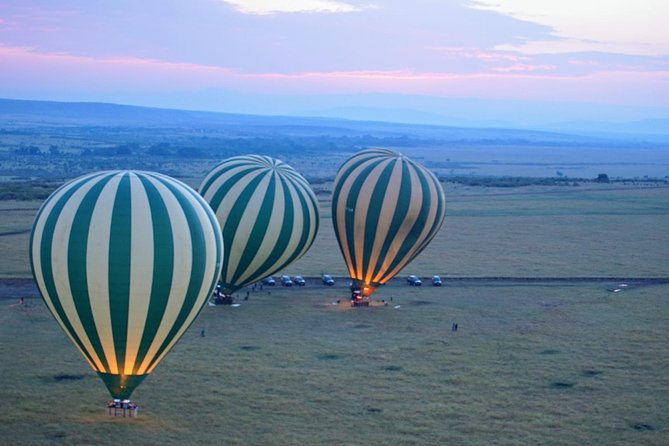
REVIEW · MAASAI MARA SAFARIS
3 Days Masai Mara National Reserve Safari
Three days in the Masai Mara change your view of Africa. This private safari pairs a tented camp stay with guided game drives and meals handled from Nairobi, so you spend your energy watching lions and leopards instead of logistics. I like the fact that your private group and driver-guide relationship matters, and that support can make a big difference, especially if you are emailing a lot or adjusting details at the last minute. In one trip, the guide Daniel was singled out as calm, friendly, and tuned in, and in another safari, Peter brought that same kind of steady, helpful presence.
What I really like is the rhythm of the days: an afternoon arrival drive, a full early-morning to sunset day with a Mara River stop, then a pre-breakfast predator hunt drive to chase the wildcats when the day is still cool. One thing to weigh is the pace, each day runs long (about 12 hours), and day 3 starts early, so if you hate early alarms or long stretches in a safari vehicle, this might feel like a workout. Also, tips are not included.
In This Review
- Key highlights you will actually care about
- First day in the Masai Mara, with lunch on arrival and a proper sunset hunt
- How the full day game drive actually boosts your odds
- Mara River stop: hippos, crocodiles, and why timing matters
- Day 3 pre-breakfast predator tracking, where wildcats hunt and you feel it
- Guides and private comfort: how the service style shows up in real life
- Tented camp stays and meals: what being included lets you focus on
- Price and value: is $700 reasonable for a 3-day private safari?
- Who should book this safari, and who should reconsider
- Should you book the 3 Days Masai Mara Safari?
- FAQ
- What time does the safari start from Nairobi?
- Is this safari private or shared with other groups?
- What meals are included during the 3 days?
- What does the park admission cover?
- What animal sightings can you expect?
- What happens if weather is poor or you need to cancel?
Key highlights you will actually care about
- Private safari setup with only your group, plus pickup from Nairobi.
- Two classic game drive formats: an afternoon warm-up and then an all-day outing with breaks.
- Mara River stop for crocodiles and hippo spotting chances.
- Day 3 pre-breakfast predator tracking for lions and other big cats hunting action.
- Meals and admission handled, so you avoid budgeting and ticket hassles mid-trip.
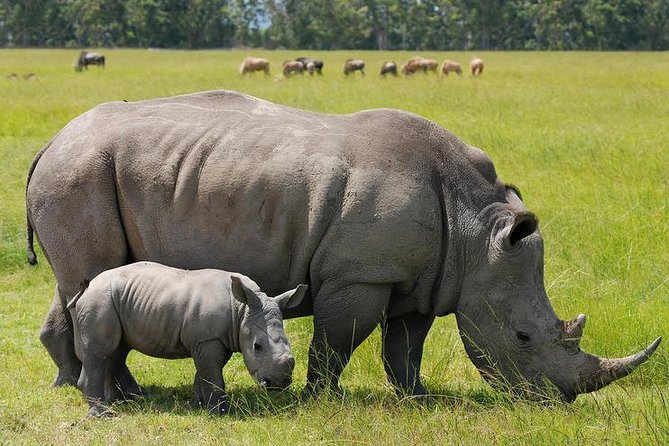
- Driver-guide focus on wildlife and birds, which helps you spot more than you think you will.
Other Mara operators, set against one another
First day in the Masai Mara, with lunch on arrival and a proper sunset hunt
The best way to start a safari is to keep it simple. You get picked up from your Nairobi hotel or the airport and head to Masai Mara, aiming to arrive in time for lunch at the camp. That first meal matters more than you might think, because you are about to go straight into an afternoon game drive, and hunger plus excitement is a bad combo.
After lunch, there is time to settle in and reset before your first proper drive. Then the real work begins: your driver-guide starts tracking animals and birds from inside the reserve, working until sunset. This is not a rushed “see what we can spot in 30 minutes” style. It is a guided search where your guide is paying attention to movement, sounds, and patterns, not just hoping you look in the right direction at the right time.
One reason I like this first afternoon slot is that you still get good light for photography even as the animals start shifting their behavior for evening. Lions and other predators often become more active as temperatures cool, and birds can be easier to read when the day is transitioning. Plus, mentally, day 1 gives you a win right away: you feel like you are already in the Mara, instead of spending your first day just “getting there.”
How the full day game drive actually boosts your odds
Day 2 is where the safari really earns its reputation. You start with breakfast at the camp, then leave by 8:00 am with picnic lunches packed in. You will spend the day on an extensive game drive, and the route network inside the reserve gives you room for close viewing and better photography opportunities.
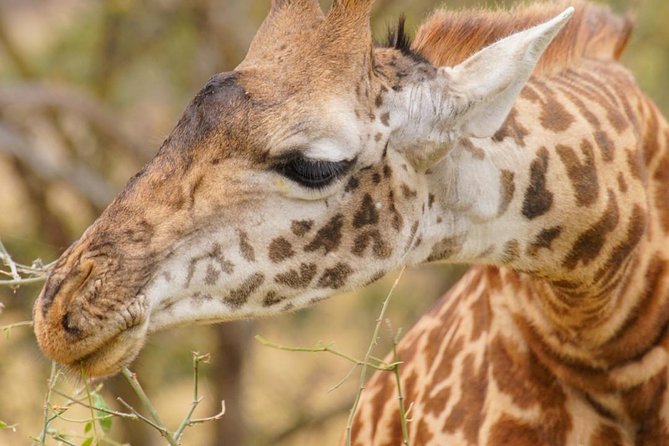
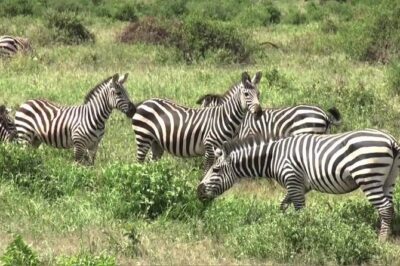
I love that the day is scheduled for long contact with wildlife. You are not only waiting for the “big moment,” you are also learning the area while it is happening. You get a chance to see a wide range of animals like lions, leopards, elephants, and more, plus birds that share the same savanna grassland setting.
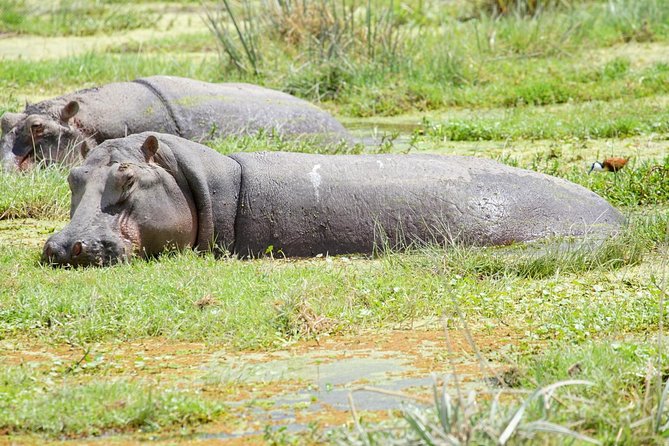
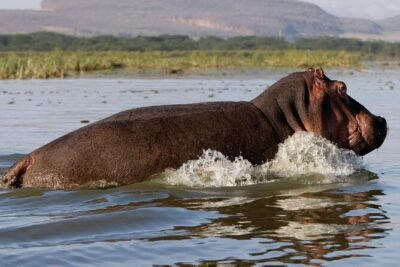
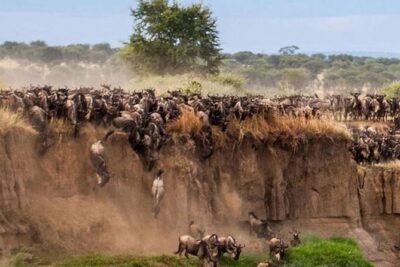
A very specific highlight is the visit to the Mara River. It is a point tied to migration and a hotspot for crocodiles and hippos, so it becomes one of the most reliable places to build your wildlife checklist. The river stop also comes with a break for a picnic, which is smart planning. On long safari days, you need actual downtime, not just constant scanning through the glass.
You keep driving until about 18:00, then you exit the park for about two hours of optional activities before dinner and overnight back at the camp. Here is the balance point: optional activities can be a nice way to stretch your legs and add variety, but the details are not fixed in the plan, so you may want to ask what is typically offered for your dates. If you have limited energy, you can likely keep that time low-key.
Overall, day 2 works because it is a full wildlife day, not a drive-by. It gives you enough hours to catch different animal rhythms, then enough breaks to stay comfortable.
Mara River stop: hippos, crocodiles, and why timing matters
If you remember just one location from the whole safari, make it the Mara River segment on day 2. The plan is built around the idea that water creates predictable animal behavior. At the river, you have a chance to see crocodiles and hippos, which tend to gather near water edges and move in patterns related to feeding and safety.
Even if you do not see every species you hoped for, this stop is valuable for a different reason. It helps you read the reserve as a system, not a random zoo of sightings. Water means concentration. Concentration means more chances for predators, and more chance for you to notice the smaller signs like tracks, movement in the reeds, and the behavior of birds.
Timing also matters. This day starts early, so you are not arriving when the animals have already decided to rest. Then you can spend real time there, rather than rushing through and missing the “second sighting” that often happens after you park and settle in.
If you are a first-timer, this is the kind of stop that makes the safari feel grounded. You are not just chasing animals, you are watching why animals gather where they do.
Day 3 pre-breakfast predator tracking, where wildcats hunt and you feel it
Day 3 begins before you have finished your morning. Wake up early for a pre-breakfast game drive to track wildcats as they hunt and kill their prey. The plan is explicit that, if luck is on your side, you could witness a hunt and a kill.
Now, a small reality check. Predators do not run their schedules for your camera. You go out because this time window often offers the best chance at action, not because success is guaranteed. Still, the fact that the safari is designed around that early hunting period is a big deal. Morning light and cooler temperatures can change animal movement, and predator activity can be more visible when prey is also moving.
By 9:30 am you return to the camp for a full breakfast, which is a relief after the early start. Then you depart the Mara region back to Nairobi, arriving mid-afternoon. Your drop-off is flexible, ending either at your hotel or at the airport depending on what you choose.
This day is intense in a good way. It is the “big moment chase,” built into the schedule. If you only do one day, you would miss the feeling of seeing the reserve at dawn. If you do all three, you get the full arc from arrival afternoon, to a river-focused full day, to true early predator tracking before heading home.
Other Nairobi bookings that survived the same scrutiny
Guides and private comfort: how the service style shows up in real life
Because this is a private safari, you are not sharing your drive time with strangers. That means your driver-guide can work at your pace and your group’s interests. You also avoid the awkward moments where people argue about window spots or rush off when someone else wants a longer look.
In the feedback you provided, the planning support stood out. James was mentioned as organizing everything smoothly, being patient with texts and emails, and helping when plans changed late. That matters because safari travel often involves small moving parts, like adjusting pick-up times, aligning camp schedules, or swapping details without losing momentum.
Guide Daniel was called out as the best in one account, and guide Peter was praised as super friendly and helpful in keeping the experience enjoyable. What I take from that is not just friendliness, but competence. A great safari guide helps you see more by knowing where to look, but also helps you enjoy the process, by translating what you are seeing into understandable patterns.
The tour also includes admission tickets, plus breakfast, lunch, and dinner across the safari days. That removes a lot of typical friction for first-time travelers. You are not trying to find food between drives, and you are not stopping for tickets and cash payments in the middle of the day. Your time stays on animals.
Also, pickup is offered, which reduces the stress of getting from Nairobi into the reserve area. When the start of the trip is calm, the whole safari feels better.
Tented camp stays and meals: what being included lets you focus on
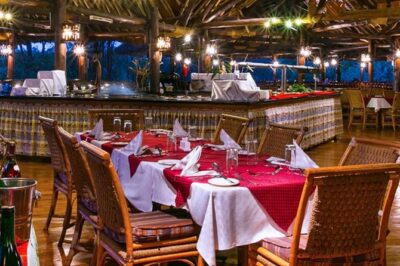
This safari is designed as an ideal tented camp safari for first-time visitors. Even if you are not sure what to expect from a tented camp setup, the key point for your decision is what the package includes. You have lodging at the camp across the nights, plus meals: breakfast, lunch (three), and dinner (three).
That matters because meals affect your energy and your comfort level during long drives. With breakfast at the camp, you start day 2 and day 3 ready for an early exit. Lunches support longer drives without constant interruptions, including picnic style on day 2. Dinner gives you a real end to the day and lets you recover before the next round of wildlife time.
One detail to note: tips are not included. This is common for safari operations, but you should plan for it so you are not surprised at the end.
If you are sensitive to comfort, treat this as a camping-style experience rather than a city hotel. The plan does not spell out tent features, so if you have specific comfort requirements, ask your operator ahead of time.
Price and value: is $700 reasonable for a 3-day private safari?
At $700 per person for roughly three days, the value depends on what you are comparing it to. For a private safari, you are not only paying for a seat in a vehicle. You are paying for guided driving inside the reserve, admission tickets included, and a camp stay with meals.
Also, the schedule is full. Each day runs about 12 hours, meaning you are spending real time in the Mara, not just half-day “tourist mode.” The day 2 and day 3 drives are long enough to create the chance for multiple sightings and different animal behavior windows. That is the kind of structure that often feels worth it when you compare it to cheaper options that cut time.
If you were to DIY this, you would likely spend time on planning, booking, and coordinating camp and park access, plus you would still need a competent driver-guide. Here, those pieces are bundled, and that saves you mental energy.
Is it a budget trip? Not exactly. But it is fairly priced for a private, catered safari with admission included and a proper three-day wildlife schedule. If you care most about seeing animals and you want logistics handled, this price can make sense.
Who should book this safari, and who should reconsider
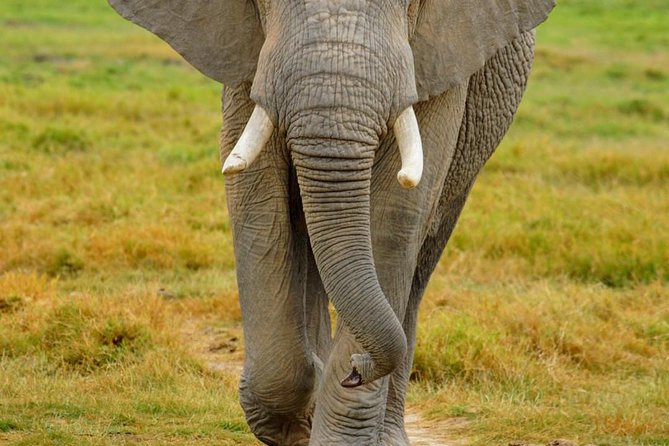
This safari is a strong fit if you are:
- A first-time safari traveler who wants pickup, meals, lodging, and park access handled.
- Someone who likes a tight plan with long drives, early starts, and real wildlife time.
- A group that benefits from private scheduling, like couples, families, or friends traveling together.
You might reconsider if you:
- Hate early mornings, since day 3 includes a pre-breakfast drive.
- Get uncomfortable sitting for long stretches in a safari vehicle, since each day is about 12 hours.
- Need lots of free time. The schedule is structured, and outside-the-park optional activities on day 2 are limited to a couple hours.
Also, if you want very specific comfort levels in the tented camp, the plan does not give fine print. In that case, asking questions before booking is smart.
Should you book the 3 Days Masai Mara Safari?
I think you should book this safari if you want an organized, full wildlife experience without the planning headache. The biggest reasons are simple: private guiding, included meals and admission, and a schedule that actually matches predator timing with day 3’s early hunt-tracking drive.
If you are flexible, can handle long days, and you want to focus on animals rather than logistics, this is a good value at $700. If early mornings sound miserable, or you want a slower pace, consider whether a shortened trip or different timing would suit you better.
One more practical tip: if you care about photo time or specific add-ons, contact your planner early. The support style you shared includes people adjusting details smoothly, and that kind of responsiveness is a comfort when safari plans need tweaks.
FAQ
What time does the safari start from Nairobi?
The start time is listed as 8:00 am. Pickup is offered from your Nairobi hotel or from the airport.
Is this safari private or shared with other groups?
It is private. Only your group will participate.
What meals are included during the 3 days?
Breakfast is included, along with lunch (three times) and dinner (three times) during the safari days.
What does the park admission cover?
Admission tickets are included in the tour.
What animal sightings can you expect?
The plan mentions opportunities to spot lions, leopards, elephants, and more. It also specifically notes that the Mara River stop is a good place to spot crocodiles and hippos, and that day 3 includes tracking wildcats during their hunting period.
What happens if weather is poor or you need to cancel?
Free cancellation is available up to 24 hours before the experience starts for a full refund. If it is canceled due to poor weather, you are offered a different date or a full refund.
Other Kenyan Safaris We Rated

More Tour Reviews in Nairobi


Into the Mara Another Way
Everything else we hold on Nairobi
- 7 Days Private 4 star lodges Safari by LandCruiser from Nairobi★ 5.0 · 3 reviews
- 5 Days/4 Nights Kenya Safari★ 4.5 · 3 reviews
- Safari Park Hotel Show & Dinner Experience In Nairobi Tour★ 3.6 · 3 reviews
- Day safari to Olpejeta Rhino conservancy★ 5.0 · 3 reviews
- 7 Days Breathtaking Kenya Wildlife Private Safari★ 5.0 · 3 reviews
- Overnight Amboseli National Park Safari from Nairobi★ 5.0 · 3 reviews
Maasai Mara Safaris, compared.
 ★ 5.03 Days Masai Mara Group JoiningFrom $540486 reviews
 ★ 4.5From Nairobi: 3 Days, 2 Nights Maasai Mara Group SafariFrom $199394 reviews
 ★ 5.05 Days Masai Mara, Lake Nakuru & Naivasha Budget Joining SafariFrom $810229 reviews
 ★ 5.03 Days Gamedrive Safari In Masai Mara From NairobiFrom $555207 reviews
 ★ 4.6From Nairobi: 3 – Days Maasai Mara Group Safari by 4WDFrom $240205 reviews
 ★ 4.53 Days Maasai Mara Guided Safari from NairobiFrom $196195 reviews
 ★ 5.03 Day Masai Mara SafariFrom $929177 reviews
 ★ 5.03 days group joining safari to Maasai Mara with a Land Cruiser JeepFrom $221173 reviews
Appears in these lists