
REVIEW · MAASAI MARA SAFARIS
3-Day Masai Mara Jeep Safari
A trip to the Masai Mara feels like a whole new planet. This 3-day jeep safari from Nairobi is built for your first big safari, with guided game drives, park fees, and meals handled. You’ll also break up the long drive with quick stops in the Rift Valley area before the real spotting starts.
What I like most is the focus on time in the reserve, not logistics. You get multiple game drives over two full days, plus a Mara River stop aimed at hippos and crocodiles. Another big win is that lodging, meals, and transportation are rolled into one price, so you’re not constantly pulling out your wallet mid-trip.
The main consideration is that the overland drive and safari vehicle experience can vary. One person noted their vehicle was old and broke down for hours during a game drive, and heavy rain can mean bumpy tracks on the way in.
In This Review
- Key Things to Know Before You Go
- Morning Pickup, Rift Valley Stops, and the Road Into the Masai Mara
- Day 1 Check-In at the Tented Camp, Then Your First Game Drive
- Day 2 Big Five Pursuit, Plus Mara River Hippo and Crocodile Time
- Optional Maasai Village and a School Stop on the Way Back to Nairobi
- Price and Value: What You’re Really Paying For at $980
- Guides Like George and Titus, and Why a Good Cook Matters
- Lodging, Hot Showers, and the Rhythm of a Tented Camp Stay
- Practical Considerations: Vehicle Condition, Weather, and Expectations
- Rating, Group Size, and Who This Safari Fits Best
- Should You Book This 3-Day Masai Mara Jeep Safari?
- FAQ
- How long is the 3-day Masai Mara jeep safari?
- What is the price per person?
- What time does the safari start?
- What’s included in the tour price?
- Are meals included?
- Do you do game drives more than once?
- Is there time for a cultural village visit?
- How big is the group?
Key Things to Know Before You Go
- Small-group safari (max 6 people), so you get more attention from the guide while you scan for animals
- Park fees and full board included, meaning lunches and dinners are handled
- Big Five focus on Day 2, with early starts and picnic lunches for longer time in the bush
- Mara River game drive, built around hippos and crocodiles where sightings often happen close together
- Tented camp or lodge with hot shower, giving you a real reset at the end of each game drive
- Optional Maasai cultural stop, with an extra fee and separate gratuities if you visit a village
Other Mara operators, set against one another
Morning Pickup, Rift Valley Stops, and the Road Into the Masai Mara
Your safari begins with morning pickup in Nairobi, and you’ll confirm your exact pick-up time once you know where you’re staying. Expect a start in the early hours and then a transfer to Masai Mara that leaves around late morning, after you meet the group.
On the way out, you do two quick-but-fun stops. First is a Western Great Rift Valley viewpoint, a short picture stop where the whole trip suddenly feels real. Then you pass Mount Longonot National Park, known for a once-active volcano now dormant. It’s not a long hike. It’s more like a scenic breather, with about 15 minutes to look around and soak in the view.
Why this matters: a safari like this is mostly about patience, hours in the vehicle, and keeping your energy up. These stop-and-go moments help you avoid that end-of-bus-travel feeling. You also get a clear sense of where you are heading, before the reserve takes over your day.
The one small drawback: these are short stops. If you love long stops and slow wandering, this may feel a bit rushed. But for first-timers who want maximum animal time, it’s a reasonable trade.
Day 1 Check-In at the Tented Camp, Then Your First Game Drive
After you break the drive with the viewpoint and Mount Longonot, you’ll be headed toward Narok town for lunch around noon. Then the day turns into full safari mode as you continue in and arrive in the Masai Mara area around 3pm.
Check-in happens at a tented camp or lodge. The camp is built for the safari rhythm, not luxury-showroom mornings. The key comfort point is that there’s a hot shower, so you can clean up before dinner. Then you get your first afternoon game drive, with your guide helping you spot animals and understand how they behave in the wild.
That afternoon introduction is important, because it sets expectations for the rest of the trip. You’re not yet trying to force a Big Five checklist. You’re learning how the guide reads the environment, how other animals react, and what “close range viewing” looks like in the Mara.
You’ll typically head back to the camp around 6:30pm, then dinner and overnight. It’s a good pacing choice. Many first-time safari people struggle with either trying to do too much on Day 1 or feeling too fresh after arriving. This format lands in the middle.
Day 2 Big Five Pursuit, Plus Mara River Hippo and Crocodile Time
Day 2 is where the safari leans hardest into animal spotting.
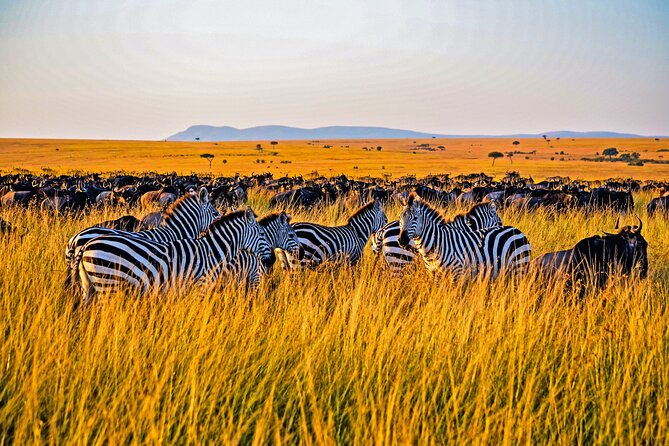
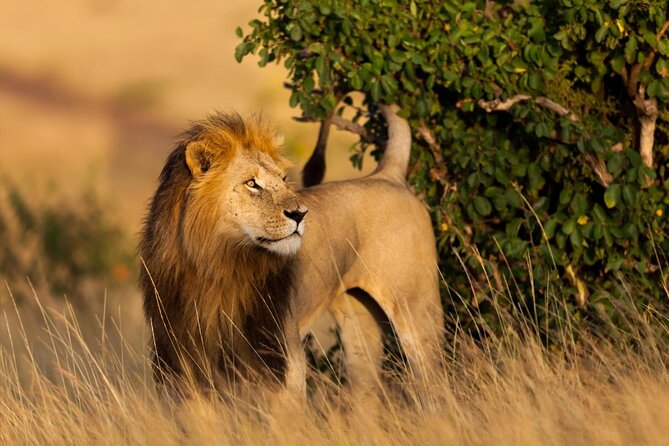
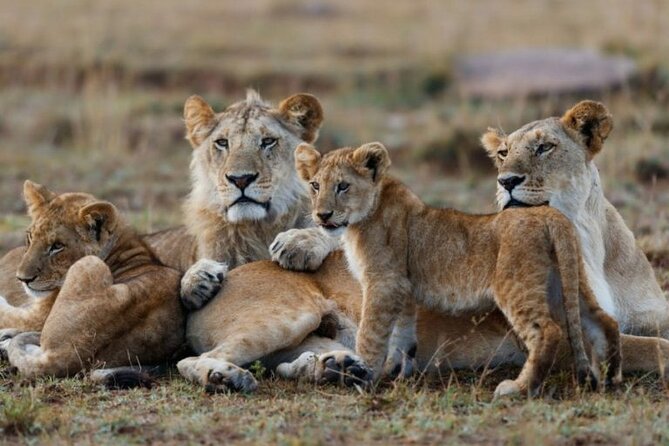
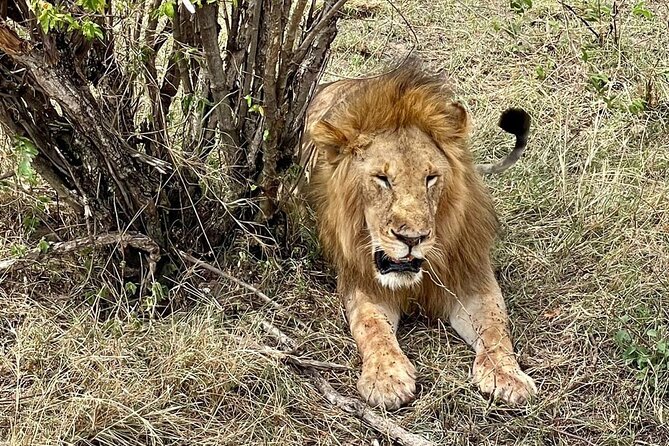
You start with breakfast and then leave by 8am with picnic lunches, so you’re not losing half a day to back-and-forth meals. The goal is to try for the Big Five: lion, leopard, buffalo, rhino, and elephant. The reserve’s savannah grassland and rolling hills make for great viewing, and the road and track network supports game drives that keep you in the right areas longer.
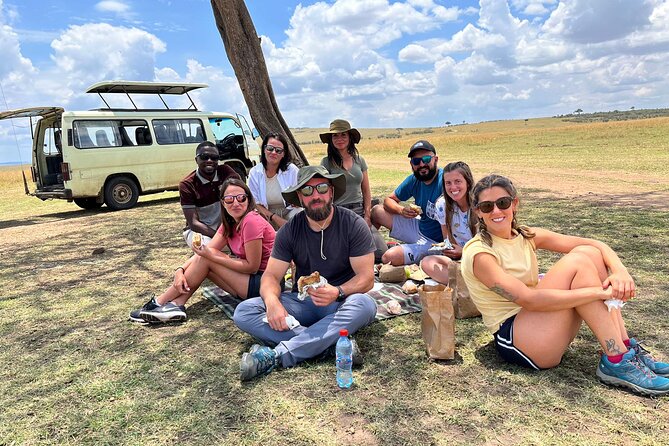
A practical advantage of starting early and packing lunch: you spend more daylight in the reserve and less time planning around stops. For a 3-day trip, that time is your real currency.
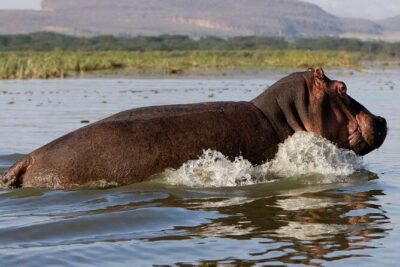
Then there’s the second major day highlight: a game drive to the Mara River. This stop is aimed at the migration area and at spotting crocodiles and hippopotamus. Your guide emphasizes this connection, and the timing includes a break for your picnic lunch around 1pm after viewing hippos and crocodiles.
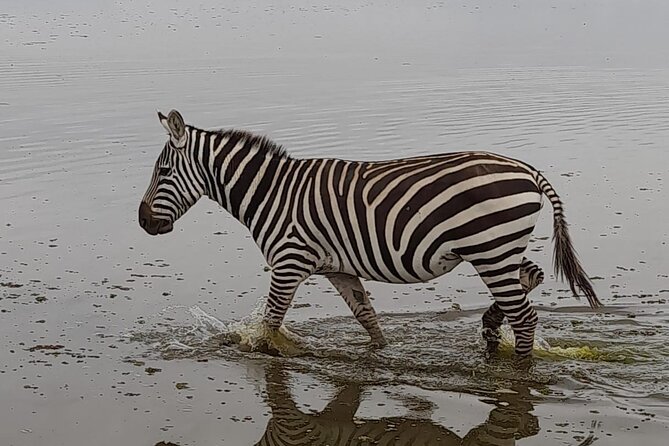
Here’s what to expect: river stops can be more about patience than sudden action. If you’re lucky, you’ll get animals close enough for clear viewing, and you might see crocodiles and hippos in the same general picture frame. Even when sightings are spread out, you’re in one of the Mara’s classic “this is why people come here” zones.
You also keep the day flexible enough to adjust based on what’s happening out in the reserve. That’s one reason a guide matters on a short trip. People can see wildlife from anywhere, but the guide helps you track where attention needs to go.
Optional Maasai Village and a School Stop on the Way Back to Nairobi
On Day 3, the safari moves from bush rhythm back to city reality.
After breakfast, you check out and depart for Nairobi, with lunch served en-route. You’ll usually arrive around 3 to 4pm and can be dropped at your hotel or accommodation. This is convenient if your safari is followed by work, sightseeing, or an airport connection.
Before heading all the way back, there’s an option to add a cultural stop. One part includes a visit to a Maasai village, and there’s also time associated with Oloolaimutia Primary School. If you choose the village option, plan for gratuities of about $15 per person. There’s also an optional cultural village visit listed at $20 per person, so it’s worth confirming what fee you’re paying for and what gratuities are separate.
How to think about this: if your goal is animals only, you can keep Day 3 purely safari and travel. If you want context for the Maasai way of life and community ties, these stops add a meaningful layer. Just go in with respect, and keep your expectations realistic. Cultural visits take time, and you’re still balancing your return to Nairobi.
Other Nairobi bookings that survived the same scrutiny
Price and Value: What You’re Really Paying For at $980
At $980 per person, this is not a “penny pinch” safari. But for a 3-day Masai Mara trip with guided game drives, Nairobi pickup and drop-off, park entrance fees, and full board accommodation included, the price starts to make sense.
Let’s break down what’s included based on the tour details:
- Transport in a modified-safari vehicle, including hotel or airport pickup and drop-off
- All park entrance fees
- Full board accommodation in your chosen option
- 2 breakfasts, 2 dinners, and 2 lunches
- Group travel capped at six people
What you’re paying for, beyond the animals: you’re paying to eliminate decision fatigue. You don’t have to shop for lodging, arrange transport, or figure out park fees. When your trip is only three days, reducing the number of moving parts is not boring. It’s value.
Where the cost can feel like a drawback: anything optional, like the cultural village visit, adds cost. Tips and gratuities are also not included, so you’ll need to budget for that. And if you’re hoping for guaranteed Big Five on a schedule, keep it flexible, because wildlife does what wildlife does.
I’d call it a good value option if you want a guided safari that runs on rails. If you’re an independent traveler who already knows how to handle safari logistics, you may find other deals. But for first-timers, this kind of packaged structure is exactly what reduces stress.
Guides Like George and Titus, and Why a Good Cook Matters
A safari is teamwork. The vehicle is one part, but the people are the part you feel most.
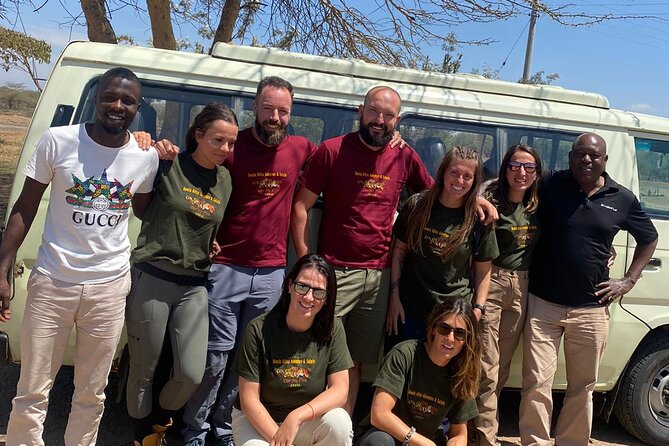
From the experience details and real guide names that came up, George is highlighted as an expert behind the wheel in tough conditions. One guest credited skilled guidance during a brutal drive tied to heavy rain and bumpy tracks. That’s not a small detail. In the Rift Valley, “road time” can be rough, and a confident driver makes the day feel safer and smoother.
Titus gets praised for finding animals and getting them close enough for great photos. That’s the kind of experience you can’t entirely control from the driver’s seat. A guide who understands where animals are likely to be, and how to position the vehicle, can transform a good day into an unforgettable one.
Then there’s the food. John, the cook, was specifically mentioned for catering to dietary needs and for delicious meals. That matters more than people expect on safari. When you’re eating on time, you keep your focus for long drives and scanning hours.
Also, the tour provider manager Benson was noted for going through the itinerary promptly and keeping logistics tight. For a safari where your day is scheduled in blocks of game drive and rest, having someone who’s organized helps you feel relaxed.
Lodging, Hot Showers, and the Rhythm of a Tented Camp Stay
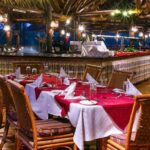
This safari uses a tented camp or lodge for accommodation, with hot shower access noted. That’s a key comfort point on a three-day trip. You’re spending hours in the vehicle and time outdoors, so being able to clean up at the end of each day improves sleep and makes the next day easier.
The general rhythm is clear:
- Arrive around mid-afternoon, settle in, then do an afternoon game drive
- Day 2 goes from early morning breakfast straight into long game drive time
- Day 3 is breakfast, check-out, and the drive back to Nairobi
You should expect a safari setup that prioritizes practicality over hotel-style amenities. But the important takeaway is that your basic needs are handled: meals are included, shower time exists, and you have a consistent place to return to each evening.
If your travel style requires high-end comfort, you might find the camp vibe different from what you’re used to. Still, for most first-time safari-goers, the trade feels worth it when you get consistent wildlife time.
Practical Considerations: Vehicle Condition, Weather, and Expectations
Here are the main things to keep realistic before you book.
First, the vehicle experience can vary. One note flagged an older vehicle and a breakdown that removed a few hours from a full-day game drive. That’s a reminder to treat safari plans as flexible. Wildlife is uncertain, and even the best operations can hit mechanical trouble.
Second, weather affects the drive. Heavy rain over the previous weeks was linked to brutal, bumpy tracks on the way in. In real life, road conditions can change quickly. If you’re traveling during a rainy stretch, plan to be patient and accept that you might not be at cruising speed.
Third, Big Five hunting is a goal, not a guarantee. Day 2 is designed to try for lion, leopard, buffalo, rhino, and elephant. You may see them all, or you might see most, or you might miss one or two. The value of the tour is that you’re out in the reserve enough to maximize your odds, not because it promises a guaranteed checklist.
One more expectation check: there’s an option for a Maasai village visit. It costs extra and includes an additional gratuity if you visit a village. If you’re trying to keep expenses low, you’ll likely skip that optional piece or budget carefully.
Rating, Group Size, and Who This Safari Fits Best
This safari carries a strong rating of 4.5 out of 5, based on 86 reviews. The rating makes sense given how the trip is structured for animal time and how guides are praised for spotting and driving.
Group size is also a big factor. With a maximum of six people, you’re not squeezed into a crowd that turns every sighting into a negotiation over camera angles. Smaller groups usually lead to better communication with your guide, and it tends to improve the flow of game drives.
Who I think this fits best:
- First-time safari-goers who want guided spotting and less hassle
- People who like a short, focused trip without building logistics from scratch
- Travelers who appreciate a steady schedule with early starts and clear pacing
- Anyone who values that hot shower, included meals, and smooth transfers
Should You Book This 3-Day Masai Mara Jeep Safari?
Book it if you want a structured Masai Mara experience with multiple game drives, Mara River time for hippos and crocodiles, and a plan that includes lodging, meals, and park fees. At $980, the price makes sense for the amount you’re getting, especially if you’re new to safari travel and want fewer decisions.
Skip or reconsider if vehicle comfort and perfectly timed game drives are your top priorities, because real-world conditions like rain and mechanical issues can affect the schedule. If that would make you frustrated, you might want a more premium, higher-spec setup and a less tight timetable.
My simple rule: if you’re excited about wildlife and you like the idea of learning from guides like George or Titus while you spend your days in the reserve, this is a smart way to do Masai Mara in a short time.
FAQ
How long is the 3-day Masai Mara jeep safari?
The safari runs for about 3 days. It includes travel from Nairobi to Masai Mara on Day 1, game drives across Day 2, and return to Nairobi on Day 3.
What is the price per person?
The price is $980.00 per person.
What time does the safari start?
The start time is listed as 7:30 am, with your exact pick-up time confirmed after you confirm where you’re staying in Nairobi.
What’s included in the tour price?
Transport in a modified-safari vehicle with hotel or airport pickup and drop-off, all park entrance fees, and full board accommodation. Meals included are 2 breakfasts, 2 dinners, and lunches (listed as 2 lunches).
Are meals included?
Yes. Breakfast is included twice, dinner is included twice, and lunch is included twice during the 3 days.
Do you do game drives more than once?
Yes. You get an afternoon introduction game drive on Day 1 and an extensive game drive on Day 2, plus a Mara River game drive.
Is there time for a cultural village visit?
There is an optional Maasai village option, with an extra cost listed as $20 per person. If you visit the Maasai village, gratuities are mentioned as approximately $15 per person.
How big is the group?
The tour has a maximum of 6 travelers.
Other Kenyan Safaris We Rated

More Tour Reviews in Nairobi


Into the Mara Another Way
Everything else we hold on Nairobi
- 7 Days Private 4 star lodges Safari by LandCruiser from Nairobi★ 5.0 · 3 reviews
- 5 Days/4 Nights Kenya Safari★ 4.5 · 3 reviews
- Safari Park Hotel Show & Dinner Experience In Nairobi Tour★ 3.6 · 3 reviews
- Day safari to Olpejeta Rhino conservancy★ 5.0 · 3 reviews
- 7 Days Breathtaking Kenya Wildlife Private Safari★ 5.0 · 3 reviews
- Overnight Amboseli National Park Safari from Nairobi★ 5.0 · 3 reviews
Maasai Mara Safaris, compared.
 ★ 5.03 Days Masai Mara Group JoiningFrom $540486 reviews
 ★ 4.5From Nairobi: 3 Days, 2 Nights Maasai Mara Group SafariFrom $199394 reviews
 ★ 5.05 Days Masai Mara, Lake Nakuru & Naivasha Budget Joining SafariFrom $810229 reviews
 ★ 5.03 Days Gamedrive Safari In Masai Mara From NairobiFrom $555207 reviews
 ★ 4.6From Nairobi: 3 – Days Maasai Mara Group Safari by 4WDFrom $240205 reviews
 ★ 4.53 Days Maasai Mara Guided Safari from NairobiFrom $196195 reviews
 ★ 5.03 Day Masai Mara SafariFrom $929177 reviews
 ★ 5.03 days group joining safari to Maasai Mara with a Land Cruiser JeepFrom $221173 reviews
Appears in these lists