
REVIEW · MAASAI MARA SAFARIS
3-Day Masai Mara Budget Camping Safari
Your safari to the Masai Mara begins in Nairobi.
Camping under the stars and guided morning drives are the big reasons this trip works so well. You’ll also get a real chance at the famous Big Five mix of savannah wildlife, plus time for Maasai culture and crafts. One thing to plan for: you’re sleeping on a camping setup, so comfort is simpler than a lodge, and the long drives between game-viewing moments can be tiring.
I like that this is built as a small-group trip (max 6 people), so you spend more time watching animals and less time waiting around. The guides matter here, too. In particular, I’ve seen how drivers like Henry Boge can spot animals early and keep everyone in the right place at the right time. The only caution I’d flag is that wildlife sightings depend on season and day, so expect chances, not guaranteed checklists.
In This Review
- Key Reasons This Safari Hits the Spot
- Why This Budget Camping Safari Feels Like the Real Masai Mara
- Getting From Nairobi to the Mara, With Rift Valley Views
- Day 1: Arrival, First Game Drive, and Camp Life Under the Stars
- Day 2: Full-Day Wildlife Time and Big Five Chances That Actually Feel Real
- Big Five time, with the right mindset
- Lunch plan that keeps the day on track
- Maasai village time, if the day’s plan includes it
- Day 3: Dawn Drive, One Last Meal in the Wild, Then Back to Nairobi
- Price and Value: What $858 Gets You (and What It Does Not)
- What’s included that helps you avoid extra costs
- What’s not included (so you can budget cleanly)
- What to Expect in the Vehicle, From Roof-Up Viewing to Wildlife Timing
- Camping Safari Reality Check: Comfort, Safety, and Sanity Tips
- Best Season for This Trip, and How Migration Might Fit In
- Who This Safari Fits Best (and Who Might Be Happier Elsewhere)
- Should You Book This 3-Day Masai Mara Budget Camping Safari?
- FAQ
- What time does the safari start in Nairobi?
- How long is the safari?
- Is pickup from Nairobi included?
- What vehicle will we use for game drives?
- Are park entry fees included?
- What meals are included during the 3 days?
- Is camping gear provided?
- Do I need to bring my own flights and visa?
- Are vegetarian dietary needs supported?
- What is the cancellation policy?
Key Reasons This Safari Hits the Spot
- Up to 6 travelers means fewer crowds in the vehicle and more personal attention on drives
- 4×4 safari vehicle with a pop-up roof helps you see over heads when animals are close
- Camping in the Mara gives you that early-morning and night-sky feeling you don’t get in most day trips
- Full-day game drive with a packed lunch plan for long, productive wildlife time
- Maasai village visit for cultural interaction and handmade crafts, not just a quick photo stop
Other Mara operators, set against one another
Why This Budget Camping Safari Feels Like the Real Masai Mara
Let’s be honest. Masai Mara can sound like one of those trips you either do “properly” with a big lodge budget, or you skip. This style sits in the middle, and that’s the value play.
You’re not just paying for wildlife drives. You’re paying for the rhythm of the Mara: leaving Nairobi at a reasonable hour, reaching the reserve by midday, stretching your eyes on the savannah, then falling asleep to night sounds and waking up early again. That’s how the experience feels authentic, not rushed.
And because it’s a camping safari, you’re close to the action in a way that lodge-style holidays can miss. You’ll also appreciate the planning the operator includes. Transport, park entry fees, meals, and camping gear are bundled, so you’re not scrambling to coordinate logistics while you’re already excited.
One more practical detail I like: it’s a professional English-speaking driver/guide, so you get more than spot-and-stop driving. You’ll have guidance on where animals may be and what to look for when you’re actually there.
Getting From Nairobi to the Mara, With Rift Valley Views
The schedule starts in Nairobi, with a start time of 8:00 am and a drive in a 4×4 safari vehicle. You’ll head toward the Great Rift Valley for scenic breaks, then keep moving until you reach the Masai Mara reserve area.
Why this matters for you: the safari isn’t only about the time inside the park. The road journey sets expectations. The Rift Valley views are the pre-show, and those stops give your eyes time to adjust to the big open terrain where wildlife hangs out.
The transfer time is listed as approximate, since traffic and day timing change things. So if you’re the type who hates uncertainty, keep your expectations flexible. This trip is built around safari pace, not city precision.
Day 1: Arrival, First Game Drive, and Camp Life Under the Stars
On day one, you’re aiming to arrive around noon. Check-in at your campsite happens first, often at a place like Lenchada Tourist Camp. You’ll get a warm welcome, then lunch, and then the best part, your first game drive.
That first drive is usually late afternoon into the period when animals start moving more. The vehicle is set up for visibility, thanks to the pop-up roof. When you spot movement at the edge of the road, you want everyone in a position to see it. This setup helps you watch without craning all day.
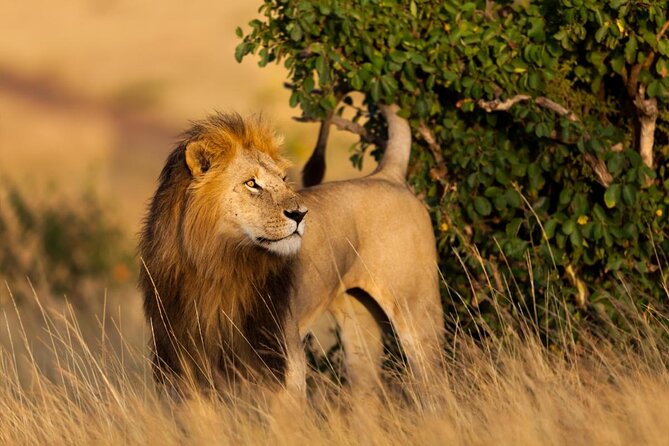
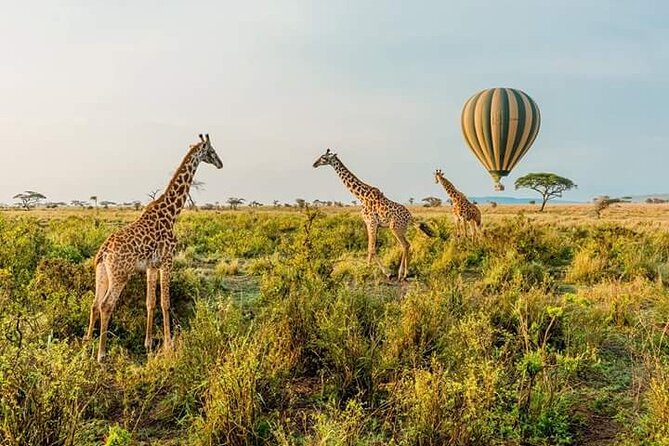
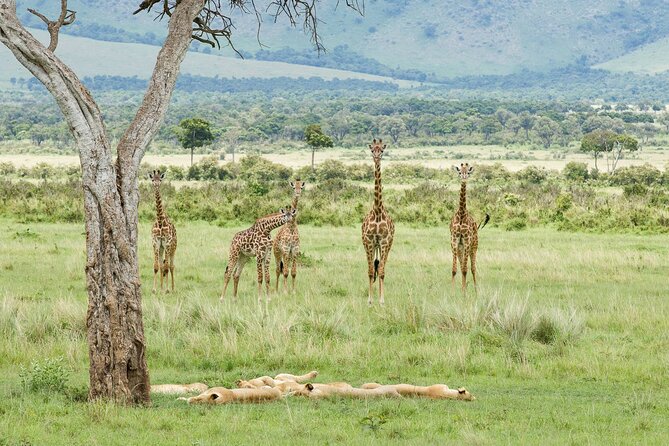
You’ll likely see the usual savannah cast: zebras and giraffes are often easier to find early, and you’ll also be on the hunt for lions, elephants, and other big players. But even if you don’t land a dramatic moment, day one is still valuable because it teaches you the Mara’s patterns.
After the drive, you return to camp for downtime and dinner under the African sky. This is where camping changes the whole feel. You’re not rushing to a lobby, showering in a schedule, and calling it done. You’re settling in where the next day starts.
Day 2: Full-Day Wildlife Time and Big Five Chances That Actually Feel Real
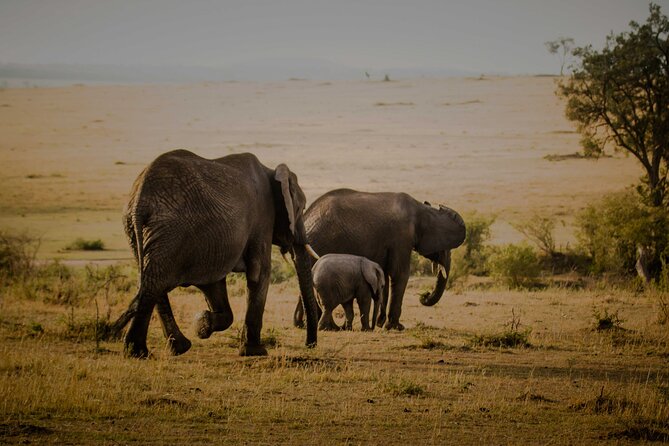
Day two starts early with breakfast, then heads into the reserve for a full-day exploration. This is the day you want to plan around, because you’ll be out for long stretches, and your patience pays off.
The itinerary is structured around the idea that the Masai Mara is more than one animal sighting. You’re moving through different habitats, including plains and forested areas, which affects what shows up where.
Other Nairobi bookings that survived the same scrutiny
Big Five time, with the right mindset
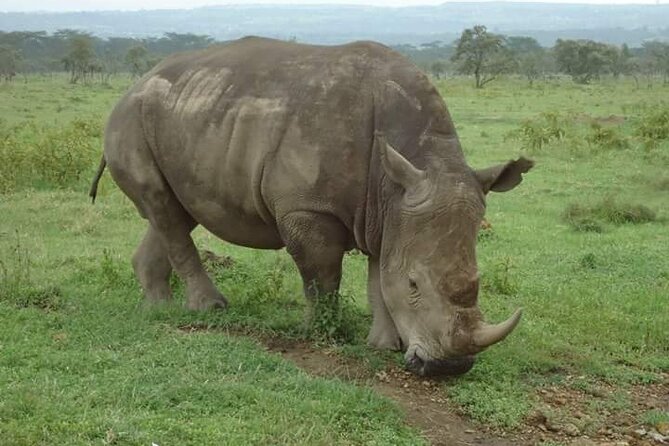
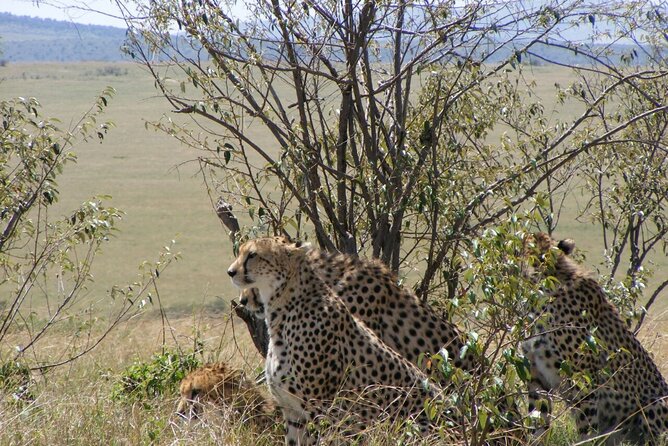
The trip specifically sets expectations for the Big Five: lions, elephants, buffaloes, leopards, and rhinos. What I’d tell you up front is this: you’re not buying a guarantee for each of them. You’re buying a guided search with park access and real time on the ground.
A good guide can make a huge difference in how your day feels. In the experience, the morning drives have been a standout, and drivers like Henry Boge are praised for knowing animal locations and keeping strong coordination with other safari vehicles. That matters because in the Mara, being late to a sighting can mean missing it completely.
Lunch plan that keeps the day on track
You’ll stop for packed lunch at a scenic spot within the reserve. This is practical. It keeps you from losing half the day to restaurant logistics and it means you stay in the game-viewing rhythm.
Bring your own patience for wildlife pauses, too. Sometimes the best action is watching silently while the next animal decides to cross the road.
Maasai village time, if the day’s plan includes it
The day two schedule includes an optional stop for a Maasai village visit and cultural interaction. The key benefit here is that it’s not just “pass through and snap photos.” You’ll have a chance for cultural exchange and handmade crafts.
One caution: village visits vary by day and timing. If you’re sensitive to crowds or short on time for cultural experiences, ask when you book how the village slot is handled within the day’s driving schedule.
Day 3: Dawn Drive, One Last Meal in the Wild, Then Back to Nairobi
Day three is all about the early light. You’ll have another morning game drive, timed for dawn when animals are often more active and visibility is good. This kind of early drive is where you often feel the Mara’s energy more than in midday.
Then you’ll return to camp for breakfast, and later check out. After that, it’s the return journey to Nairobi, with arrival by mid-afternoon. Your trip ends with drop-off at your hotel or the airport, depending on what’s arranged.
If you’re comparing this to other safari styles, the structure here is a smart one. You get two serious wildlife blocks, day one’s first-drive introduction, day two’s full-day stretch, then day three’s last-chance morning push before you head home.
Price and Value: What $858 Gets You (and What It Does Not)
At $858 per person, you’re paying for a bundled safari package focused on essentials. Here’s how to think about value.
What’s included that helps you avoid extra costs
You’re getting:
- Transport in a 4×4 with a pop-up roof
- Park entry fees for Masai Mara
- A professional English-speaking driver/guide
- Accommodation and meals: 2 breakfasts, 3 lunches, 3 dinners
- Camping gear
- Pickup is offered (as part of the Nairobi start)
- Mobile ticket
That list matters because safari costs can add up quickly if you have to buy park entry, guide fees, and vehicle access separately. This package keeps it simple.
What’s not included (so you can budget cleanly)
Plan for these extras:
- International flights
- Visa fees
- Travel insurance
- Personal expenses like souvenirs and additional drinks
- Tips and gratuities
Also remember: the tour uses camping. That’s often where travelers either feel “this is the fun part” or regret not planning comfort expectations. If you know you want a softer bed and less outdoor living, you might prefer a lodge safari. If you’re okay with basic camping comfort in exchange for wildlife time and atmosphere, this price makes sense.
What to Expect in the Vehicle, From Roof-Up Viewing to Wildlife Timing
The 4×4 with a pop-up roof is more than a nice feature. It changes what you can realistically see. When an animal is far off, you need patience and spotting ability. When an animal is close, visibility becomes the whole game, especially when you’re sharing a vehicle.
The small group size (up to 6) also helps. You’re not dealing with a packed, slow-moving herd of people. That usually means more efficient stops and a better chance to reposition quickly when the guide calls it.
One more thing: the itinerary sets up morning drives as important. That’s not accidental. Early hours often give you a better mix of activity and light for photos. So if you’re a photo person, take sunrise seriously.
Camping Safari Reality Check: Comfort, Safety, and Sanity Tips
Camping adds a different kind of challenge. The good news is the essentials are handled, since accommodation and camping gear are included.
Still, you should plan for:
- Cooler nighttime temperatures, since you’re in the reserve area
- A simpler setup than a hotel
- Limited comforts compared to lodge stays
I also recommend you pack for dust and sun. Mara days can be bright. Keep water planning in mind too, even if meals are included, because you’ll still want extra sips during drives.
Safety wise, the driver/guide is professional and the route includes park entry and planned meals. Just stick to the standard safari logic: listen to the guide, keep your eyes out, and don’t wander away from the group during stop times.
Best Season for This Trip, and How Migration Might Fit In
The tour timing can affect what you see most, especially if you’re hoping for the migration. One of the most positive highlights in the experiences shared was getting the timing right to witness migration conditions.
What I can tell you practically: if you’re visiting in the migration season, ask your operator what they see at that time and how they plan drives. If you’re there outside peak migration, you can still have excellent wildlife viewing, but it may be a different mix and less dramatic movement depending on water and grazing patterns.
Who This Safari Fits Best (and Who Might Be Happier Elsewhere)
This safari is a great fit if you:
- Want a budget-friendly path into Masai Mara
- Like the idea of camping under the stars
- Enjoy early starts and long wildlife days
- Prefer small group experiences
You might choose something else if you:
- Need lodge-level comfort as a non-negotiable
- Want a very relaxed schedule with minimal early mornings
- Are uncomfortable with basic outdoor camping reality
It also helps if you’re flexible on wildlife outcomes. You’re in one of the world’s best places for animals, but nature does not do calendars.
Should You Book This 3-Day Masai Mara Budget Camping Safari?
If your priority is value without giving up the real safari feel, I’d say yes, book it, with a smart expectation.
Do it if you want two serious wildlife blocks, a dawn drive tradition, and the chance to experience Masai Mara sleeping-camping energy. The inclusion of meals, park fees, and vehicle access makes budgeting easier, and the small group size makes the day-to-day feel smoother.
I’d hesitate if you require high comfort, or if you don’t handle early starts well. Also, if you have a very specific must-see list, this is a chances-based safari, not a guaranteed bingo card.
One last tip before you commit: pay attention to guide fit. In the experiences I’ve seen, the people like Peter have been helpful and informative, and drivers like Henry Boge have been praised for knowing animals and coordinating well. If that kind of on-the-ground skill matters to you, this tour style is exactly where you’ll feel it.
FAQ
What time does the safari start in Nairobi?
The activity start time is 8:00 am.
How long is the safari?
The duration is 3 days approximately.
Is pickup from Nairobi included?
Pickup is offered.
What vehicle will we use for game drives?
You’ll travel in a 4×4 safari vehicle with a pop-up roof.
Are park entry fees included?
Yes. Park entry fees for Masai Mara are included.
What meals are included during the 3 days?
The tour includes 2 breakfasts, 3 lunches, and 3 dinners as per the itinerary.
Is camping gear provided?
Yes. Camping gear is included.
Do I need to bring my own flights and visa?
International flights and visa fees are not included.
Are vegetarian dietary needs supported?
A vegetarian option is available if you advise at booking, and you should share dietary requirements when booking.
What is the cancellation policy?
Free cancellation is available. You can cancel up to 24 hours in advance for a full refund. If you cancel less than 24 hours before the start time, it is not refunded.
Other Kenyan Safaris We Rated

More Tour Reviews in Nairobi



Into the Mara Another Way
Everything else we hold on Nairobi
- 7 Days Private 4 star lodges Safari by LandCruiser from Nairobi★ 5.0 · 3 reviews
- 5 Days/4 Nights Kenya Safari★ 4.5 · 3 reviews
- Safari Park Hotel Show & Dinner Experience In Nairobi Tour★ 3.6 · 3 reviews
- Day safari to Olpejeta Rhino conservancy★ 5.0 · 3 reviews
- 7 Days Breathtaking Kenya Wildlife Private Safari★ 5.0 · 3 reviews
- Overnight Amboseli National Park Safari from Nairobi★ 5.0 · 3 reviews
Maasai Mara Safaris, compared.
 ★ 5.03 Days Masai Mara Group JoiningFrom $540486 reviews
 ★ 4.5From Nairobi: 3 Days, 2 Nights Maasai Mara Group SafariFrom $199394 reviews
 ★ 5.05 Days Masai Mara, Lake Nakuru & Naivasha Budget Joining SafariFrom $810229 reviews
 ★ 5.03 Days Gamedrive Safari In Masai Mara From NairobiFrom $555207 reviews
 ★ 4.6From Nairobi: 3 – Days Maasai Mara Group Safari by 4WDFrom $240205 reviews
 ★ 4.53 Days Maasai Mara Guided Safari from NairobiFrom $196195 reviews
 ★ 5.03 Day Masai Mara SafariFrom $929177 reviews
 ★ 5.03 days group joining safari to Maasai Mara with a Land Cruiser JeepFrom $221173 reviews
Appears in these lists