
REVIEW · MAASAI MARA SAFARIS
3-Day Group Safari in Masai Mara with Pick Up
The Masai Mara hits fast. This 3-day group safari takes you through Maasai Mara National Reserve in a 4×4 jeep with multiple game drives, timed for the day’s best light, plus classic predator action around the Mara River.
Two things I really like: the structure that keeps you out on the savannah often (including early starts), and the fact that meals are built into the trip (lunch, breakfast, and dinner), so you are not constantly figuring out logistics. A third bonus is the guide factor. If you happen to get Michael, the vibe is described as patient and helpful, with real effort to find wildlife and answer questions.
One drawback to consider: this is a group safari with daily drives and a lot of time in vehicles. If you hate early mornings or long road days, plan for that upfront.
In This Review
- Key highlights you will feel on the safari
- Masai Mara National Reserve: where the animals show up on schedule
- Price and logistics: what $1,250 buys you, and what to expect
- Day 1: the drive in, lunch at camp, then your first game drive
- Day 1 game drives: the value of your guide’s rhythm
- Day 2: maximum viewing, big cats, and the Great Migration window
- Day 2 pacing: how to make the most of unlimited-style game drives
- Day 3: one more early drive, then the long return to Nairobi
- Meals, camp life, and the comfort side of “survival days”
- Who this safari fits best (and who should pick something else)
- Wildlife expectations: real chances, realistic timing
- Practical tips to enjoy the ride, not just the photos
- Should you book this Masai Mara 3-day group safari with pickup?
- FAQ
- What is the pickup like for this Masai Mara safari?
- How many people are in the group?
- What time does the safari start?
- What meals are included during the 3 days?
- Is a mobile ticket provided?
- When can I see the Great Migration?
- Is cancellation fully refundable?
Key highlights you will feel on the safari
- Early-morning game drives for the golden light predators love
- 4×4 jeep tracking with frequent chances to stop and scan
- Mara River action in the right season, with crocodiles and lions in the same story
- Unlimited-style pacing on day two, built for maximum sighting time
- Meals included across the trip days, making it easier to stay focused on wildlife
- Small group size (max 15), which helps keep the experience calmer
Other Mara operators, set against one another

Masai Mara National Reserve: where the animals show up on schedule
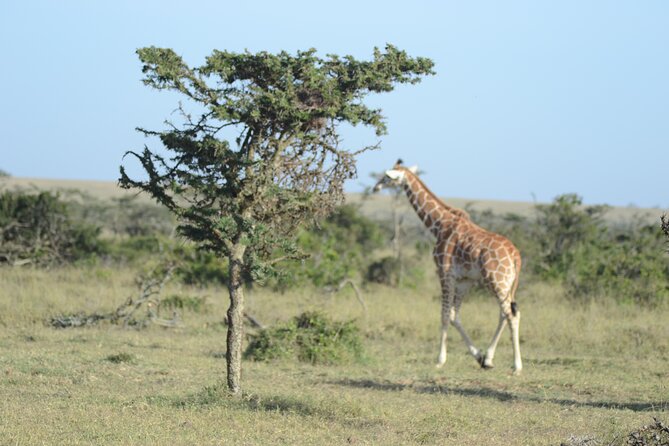
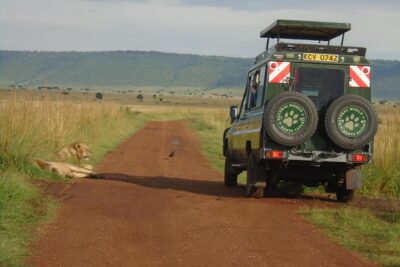
If Masai Mara were a movie, it would not be a slow build. It’s more like a steady stream of scenes where the animals keep rewriting the script. Lions are a major focus here, and you also get heavy “other mammals” coverage because the reserve supports a dense food web.
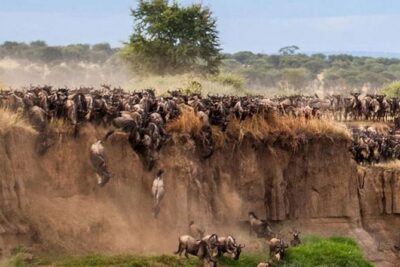
A key reason this reserve is so popular is the mix of open plains and river corridors. The Mara River area is famous for crossings in the Great Migration season, and that is where you can get that one moment safari photographers dream about: a big herd moving, predators waiting, and river life doing its own thing.
For you, the practical takeaway is simple. You do not need a complicated plan to have a good trip. Your job is to arrive ready, sit still when something is happening, and keep your eyes moving. The guide handles route, timing, and reading the terrain.
Price and logistics: what $1,250 buys you, and what to expect
At $1,250 per person for roughly three days, this safari is in the mid-to-higher end for a group trip. Here is why that can still feel fair.
You are paying for:
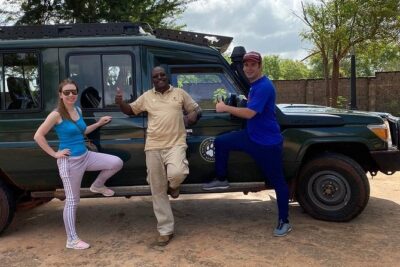
- Transport in a 4×4 Safari Jeep for multiple long driving segments
- Park time across several game drives, not just one or two quick loops
- A guide who manages the spotting game, then keeps you moving efficiently
- Included meals: lunches (3), breakfasts (2), dinners (2)
- A small group experience, capped at 15 travelers
What you should not expect is luxury-free convenience. This is a “go, go, wildlife” style itinerary. You will sit in a vehicle. You will wake early. You will spend time scanning brush and grass like a professional. If that sounds fun, you are in the right place.
Also note one reality check: the tour depends on good weather, and there is a minimum traveler requirement. That means you should be mentally flexible if timing shifts or dates change.
Day 1: the drive in, lunch at camp, then your first game drive
Your day starts early. Pickup is arranged from your hotel or a location you choose, and it typically begins around 6:00 to 7:30 am, with the start time listed as 7:00 am. The point of this timing is to get you into the reserve during daylight hours that let you settle in quickly.
Once you are in the jeep, the route includes the Great Rift Valley escarpment area. You also pass through Maasai country, and you might see herdsmen wearing colorful shukas as you get closer to the reserve. That matters because it sets context before the wildlife starts dominating your brain.
You should reach the reserve around lunchtime. Then you freshen up and have lunch at your safari lodge or tented camp. That break is not just for comfort. It also helps you avoid the classic safari mistake of trying to “power through” without a reset. After lunch, you jump into your first of many game drives.
Why this day works: it balances travel time with actual park time, and it gives you a “warm-up” game drive before the more aggressive wildlife hours on day two.
Possible drawback: day one is still a travel day. If you want zero vehicle time, this is not your tour.
Day 1 game drives: the value of your guide’s rhythm
On day one, the game drive is your introduction to how the reserve “reads.” This is where I like having a guide who can explain what you are seeing without dragging things out.
You will be using a mix of scanning and listening skills, watching for movement in grass, checking tree lines, and looking for signs of predator activity. Even if you do not see something huge immediately, the early drives teach you what to look for, so day two becomes easier on your eyes.
You also get a quiet win here. First-day sightings often set expectations in a good way, and then day two can top it off.
Other Maasai Mara National Reserve bookings that survived the same scrutiny
Day 2: maximum viewing, big cats, and the Great Migration window
Day two is built around early golden light and maximum time on the savannah. You get up early, and then the plan is straightforward: more searching, more scanning, and more chances to find the “big stuff.”
The itinerary calls for maximum viewing with unlimited game drives, which is safari-speak for: you are not locked into one short loop and then sent away. Instead, you keep going, timing your stops for animal movement and sightings that may require waiting.
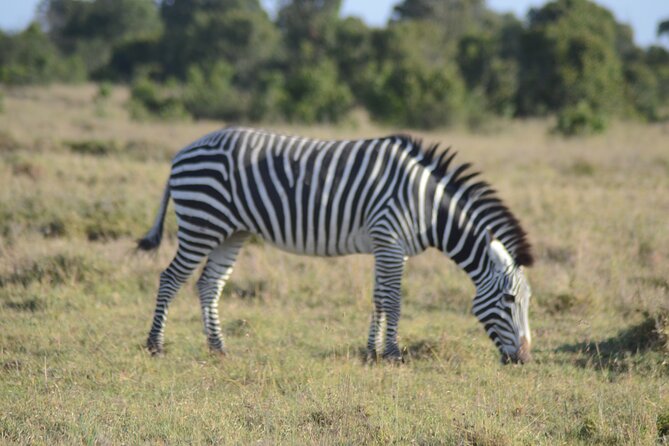
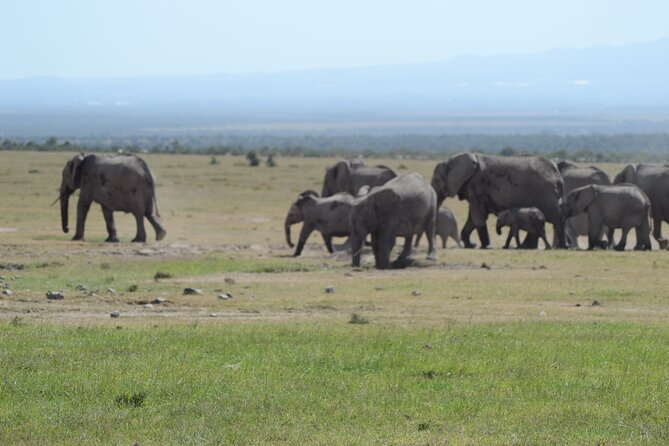
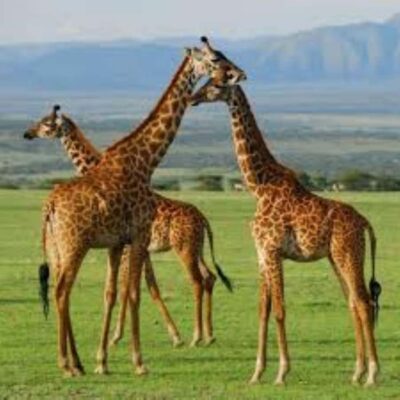
You will be tracking big cats, but you also will be looking at elephants, giraffes, buffalo, and a long list of other mammals. The tour highlights 95 mammals found in the park, which is a reminder that you do not need lions only to have a great day. The best moments often come from smaller interactions too, like herd behavior or how one species reacts to another.
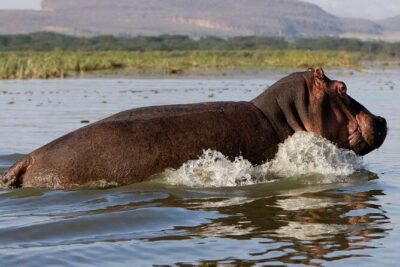
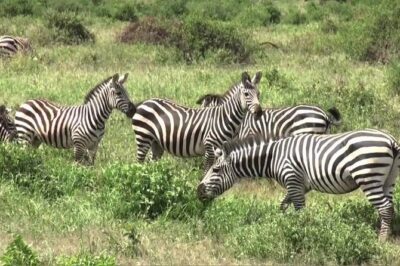
If you travel between July and October, the Great Migration is the headline event. Thousands of zebra, gazelle, and wildebeest move across the Mara River. This crossing is also where hippos and crocodiles show up as part of the same story, and where predators wait for the most vulnerable moments.
One practical tip for your mindset: the migration is moving by nature. Even when sightings are amazing, they can still be fleeting. If you stay patient and keep looking where the guide points, you can catch multiple “chapters” of the action.
Possible drawback: day two can be mentally intense. You are on the move, watching for everything. Bring water, and plan to be flexible about what you see and when.
Day 2 pacing: how to make the most of unlimited-style game drives
When a day is built for lots of drives, your best move is to make the inside of the jeep easy for you. Wear layers. Sunscreen matters. Keep your phone or camera ready but not glued to your hands. The moment you miss because you are messing with settings is the moment the guide is trying to show you.
Also, don’t assume “more driving” always means better sightings. Sometimes the best time is waiting for an animal to step into view, or for a herd to shift direction. The value of having a guide who can manage that rhythm is huge. In past experiences connected to this safari, guides have been praised for taking their time, answering questions, and focusing on finding animals rather than rushing people through.
Day 3: one more early drive, then the long return to Nairobi
Your last safari morning starts with an early game drive, around 5 to 6 hours of driving later begins to loom. The idea is to get one more shot at your wish list before heading back.
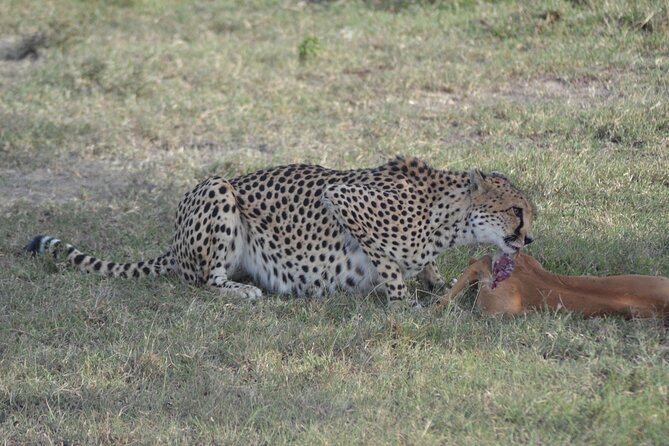
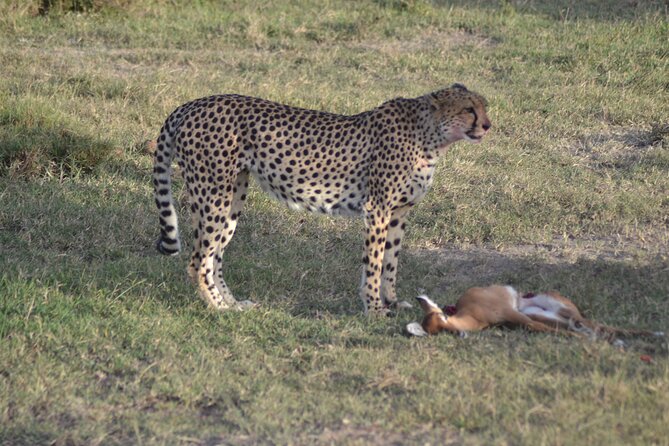
You will look for favorite wildlife or anything you missed. The plan explicitly suggests keeping an eye out for cheetah if you have not seen one yet, plus jackal and hyena. Those are classic “maybe, maybe not” species, so day three is where good luck and smart searching can meet.
After the morning drive, you get breakfast, then there is one more game drive as you head back toward Nairobi. Lunch happens on the way, with rest stops along the route.
You arrive back in Nairobi in the late afternoon, then you are dropped at your hotel, the airport, or wherever you prefer.
Why day three is valuable: it is not just a transfer day. It still gives you park time and a chance for a final standout sighting.
Possible drawback: you might feel safari fatigue. That is normal. If you are the kind of person who needs quiet, plan to decompress after you get back.
Meals, camp life, and the comfort side of “survival days”
Meals being included is not a minor detail. In Kenya, a good safari needs enough energy to keep your attention sharp. Here you have:
- Lunches (3)
- Breakfasts (2)
- Dinners (2)
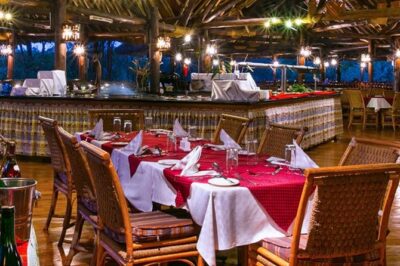
The itinerary also places you at a safari lodge or tented camp, meaning you are not just eating and running. You have time to freshen up on day one after arrival. That break helps you handle early mornings the next day.
One piece of feedback tied to this experience is that the accommodations and overall setup are described as world class. Even if “world class” means different things to different people, it signals that you should expect a comfortable base that fits the safari style.
Who this safari fits best (and who should pick something else)
This 3-day group safari is a strong match if you:
- Want a structured itinerary without spending time building it yourself
- Enjoy the rhythm of multiple game drives
- Prefer a small group over the huge open-boat chaos of big tours
- Are okay with early starts and vehicle time in exchange for wildlife
It might be a weaker match if you:
- Want lots of free time to wander independently
- Get cranky after long drives with limited downtime
- Need a very flexible schedule every day, since safari timing is usually weather and wildlife dependent
Wildlife expectations: real chances, realistic timing
Here is how to set yourself up for success.
Masai Mara is known for lions, and the Mara River system is prime for predator-prey drama during migration season. That said, wildlife is wildlife. You can be in the right place and still have the animals decide to rest, move, or hide a bit longer than you want.
So I recommend framing your goals like this:
- Aim for great variety across three days
- Treat cheetah, hyena, jackal as bonus targets
- During July to October, expect the Mara River crossing to be a central experience, especially for wildebeest and the associated predators
If you keep that mindset, the safari feels rewarding even on days where one particular animal is elusive.
Practical tips to enjoy the ride, not just the photos
Safari days reward preparation. You are in vehicles for hours. You are under sun and dust. So do the unglamorous stuff well.
- Bring light layers for morning chill and daytime heat
- Stay hydrated, especially after sunrise game drives
- Keep a small bag organized so you do not lose time when the guide calls your attention
- Expect to be quiet when something is spotted, and enjoy the patience game
Also, a bit of strategy: when the guide slows down or stops, that is usually your cue that something is worth watching closely. Even if you cannot spot it right away, wait a minute. Often the animal reveals itself once you stop scanning at random.
Should you book this Masai Mara 3-day group safari with pickup?
If you want a straightforward, wildlife-focused 3-day Masai Mara safari with hotel pickup, multiple game drives, and meals handled for you, this is a solid pick. The small group size and the pacing on day two are especially attractive if you care about maximizing sightings instead of checking a box.
I would book it if you match the vibe: early starts, shared jeep time, and a deep appreciation for the slow, patient process of watching animals in the wild.
I would reconsider if you hate long days in a vehicle or if your travel dates are tight and you cannot tolerate date changes due to weather or minimum-group requirements. In that case, consider adjusting your dates, or look for a different style of safari that fits your schedule better.
FAQ
What is the pickup like for this Masai Mara safari?
Pickup is offered from your hotel or another location you choose, with departures beginning early in the morning (around 6:00 to 7:30 am). You will also be dropped back in Nairobi late in the afternoon.
How many people are in the group?
The tour has a maximum of 15 travelers, which helps keep the safari experience more manageable.
What time does the safari start?
The meeting start time is listed as 7:00 am, and pickup is generally in the early morning window.
What meals are included during the 3 days?
Lunch is included for 3 days, breakfast is included for 2 days, and dinner is included for 2 days.
Is a mobile ticket provided?
Yes, a mobile ticket is mentioned as part of the tour features.
When can I see the Great Migration?
The itinerary highlights the Great Migration season as July to October, when wildebeests cross the Mara River and you may also see related predator activity.
Is cancellation fully refundable?
The policy is free cancellation. You can cancel up to 24 hours in advance for a full refund, and the tour may also be offered a different date or refunded if canceled due to poor weather or if the minimum number of travelers is not met.
Other Kenyan Safaris We Rated

More Tour Reviews in Maasai Mara National Reserve
Into the Mara Another Way
Everything else we hold on Maasai Mara National Reserve
- 2 days Amboseli National Park Safari★ 5.0 · 3 reviews
- Balloon Safari in Maasai Mara★ 4.5 · 3 reviews
- 3 Days Amboseli National Park★ 5.0 · 3 reviews
- Lake Naivasha Private Day Tour with Boat Ride from Nairobi★ 4.5 · 3 reviews
- Group Joining Nairobi National Park and Giraffe Center★ 5.0 · 3 reviews
- Hell’s Gate National Park Private Bike Tour from Nairobi★ 5.0 · 3 reviews
Maasai Mara Safaris, compared.
 ★ 5.03 Days Masai Mara Group JoiningFrom $540486 reviews
 ★ 4.5From Nairobi: 3 Days, 2 Nights Maasai Mara Group SafariFrom $199394 reviews
 ★ 5.05 Days Masai Mara, Lake Nakuru & Naivasha Budget Joining SafariFrom $810229 reviews
 ★ 5.03 Days Gamedrive Safari In Masai Mara From NairobiFrom $555207 reviews
 ★ 4.6From Nairobi: 3 – Days Maasai Mara Group Safari by 4WDFrom $240205 reviews
 ★ 4.53 Days Maasai Mara Guided Safari from NairobiFrom $196195 reviews
 ★ 5.03 Day Masai Mara SafariFrom $929177 reviews
 ★ 5.03 days group joining safari to Maasai Mara with a Land Cruiser JeepFrom $221173 reviews
Appears in these lists