
REVIEW · AMBOSELI SAFARIS
2 Days Adventurous Safari in Amboseli (Mid Range Tour)
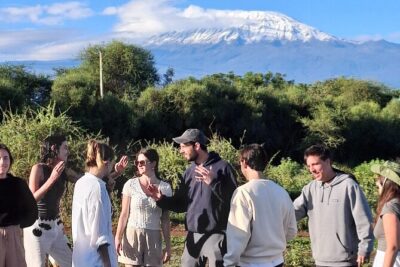
Kilimanjaro sightings make this safari feel personal. You drive into Amboseli National Park for big-game searching, then slow down for birds, elephants, and that famous view of Mount Kilimanjaro when the sky cooperates.
What I really like is the pop-up-roof 4×4 safari van, which gives you a better lookout for wildlife and photos without leaning or craning all day. I also love the mix of nature and culture, including an evening game drive on Day 1 and a Maasai village visit on Day 2, so you leave with more than just animal sightings.
The main thing to consider is weather and timing. Kilimanjaro views depend on cloud cover, so you should be ready to enjoy the park even if the mountain is shy that day.
In This Review
- Key highlights worth your attention
- Why Amboseli is a practical Kilimanjaro safari choice
- Getting from Nairobi to Amboseli, and why the schedule works
- Day 1: Afternoon game drive, check-in comfort, and first Kilimanjaro chances
- The practical value of a respectful guide
- Day 2: Long wildlife hours, packed birdlife, and Maasai culture in the middle
- Maasai village visit: what to expect and how to get more out of it
- Day 2’s observation hill and swamp views, where elephants often show up
- Day 3: Early morning game drive for Kilimanjaro clarity
- Carnivore Restaurant lunch in Nairobi, a full meal break before you fly
- Value and what you’re really paying for at $1,071.88
- Who this safari suits best
- Bottom line: should you book it?
- FAQ
- What time do you get picked up in Nairobi?
- How long is the drive from Nairobi to Amboseli?
- Where do you stay during the safari?
- What time are the game drives?
- Is Kilimanjaro visibility guaranteed?
- What’s included in the price?
- Is this tour private or shared with other groups?
Key highlights worth your attention
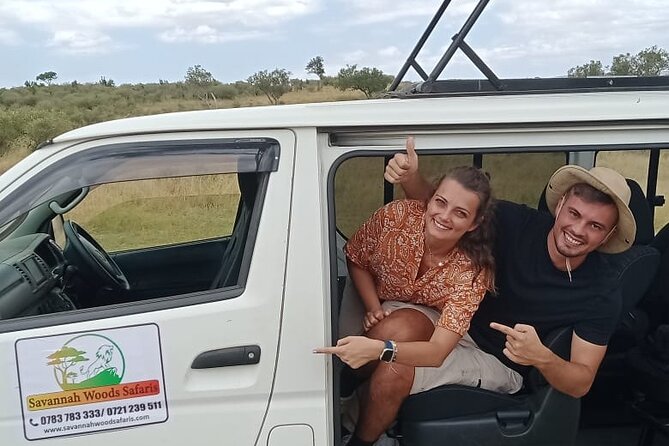
- Pop-up-roof 4×4 game drives help you spot wildlife and frame shots from a higher angle
- Kilimanjaro views are best early or at sunset, and you plan around that reality
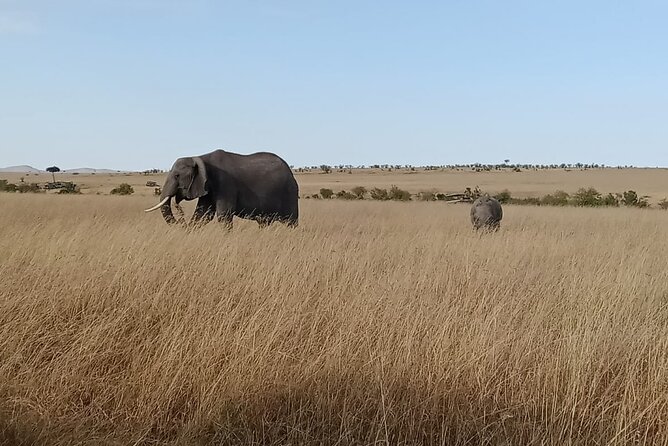
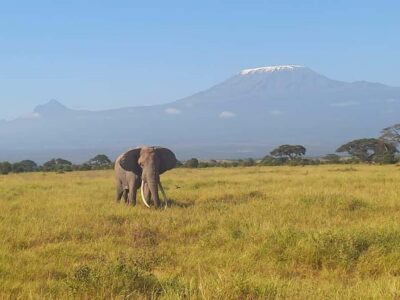
- Elephant viewing at Amboseli includes chances to see large herds, often near water and swamps
- Birding-friendly park with 420 recorded species, especially around marshes and lakes
- Guides matter a lot, and examples like Henry and Alvin stand out for finding animals and staying respectful
- Culture is scheduled, with a Maasai village stop built into the middle of the safari
Amboseli departures we also sat down with
Why Amboseli is a practical Kilimanjaro safari choice
Amboseli is popular for a reason. You’re here for wildlife, yes, but also for those views of Mount Kilimanjaro that can turn a normal game drive into a full-on “wait, look at that” moment. On a clear day, the mountain shows up as a backdrop to elephants and plains, and the photos tend to look like they were edited, even when you’re just using your phone.
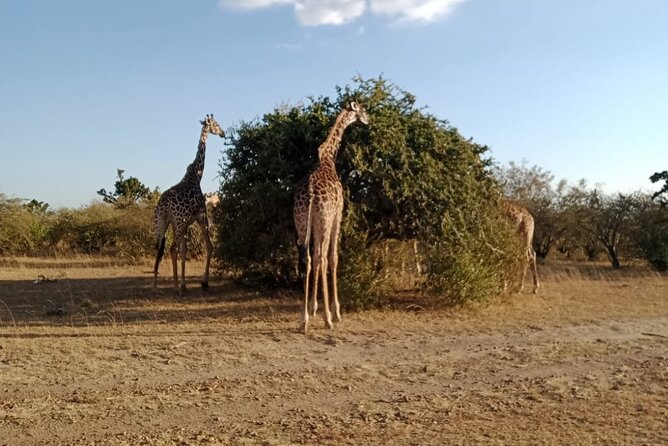
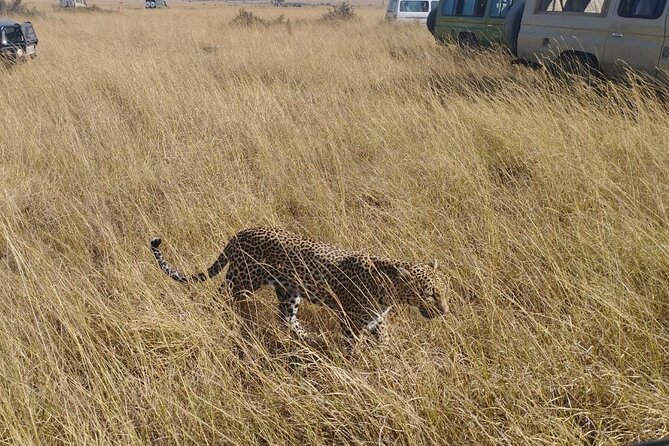
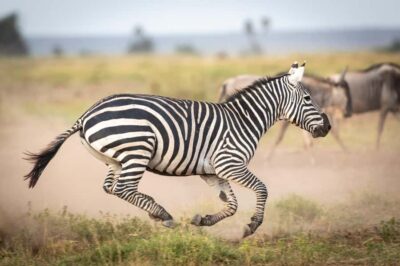
You also get variety. The park has elephants, lions, leopards, cheetahs, buffaloes, zebras, giraffes, and more, plus a lot of smaller mammals and birds that you can pick up when you slow down and let your guide’s eyes do the work.
One key reality check: the classic Big Five list includes rhinos, but rhinos are extinct here due to historic hunting. In Amboseli, you’re focused on the four Big Five animals that still have a chance in this ecosystem, which is still an impressive target.
Getting from Nairobi to Amboseli, and why the schedule works
You start with a pickup from your Nairobi hotel or the airport around 0700. Then you head out toward the park, and the drive usually takes about 4 to 4.5 hours, with stopovers along the way. Expect arrival around 1200.
This timing matters. If you were leaving too late, you’d lose the chance to settle in and still do an afternoon wildlife search. Here, you arrive mid-day, check in, eat lunch, rest a little, then you’re back on the road for an evening drive.
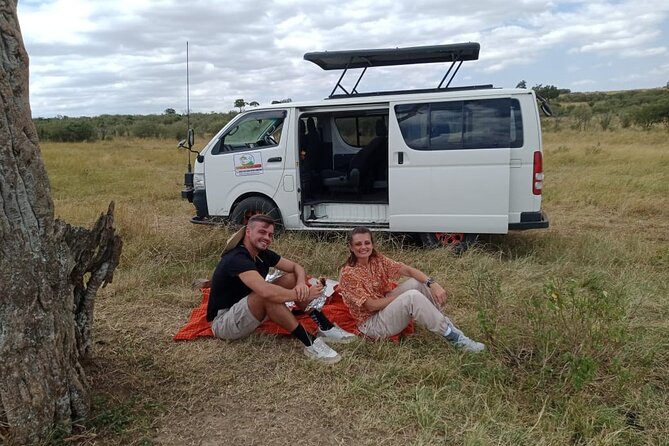
Also, you’re not doing this in a cramped or awkward setup. The safari vehicle is a private 4×4 with a pop-up roof, which makes a big difference when you want a clear view at different angles, especially during morning light and late-day movement.
Day 1: Afternoon game drive, check-in comfort, and first Kilimanjaro chances
By the time you reach Amboseli, the park is already active. After check-in at Amboseli Sopa Lodge, you’ll have lunch and a short rest, then head back out for a game drive starting around 1600.
That afternoon window is smart. Animals often start moving again as temperatures shift, and you may get your first real sighting of the park’s rhythm. You’ll search for elephants, lions, cheetahs, leopards, hyenas, zebras, buffaloes, giraffes, wildebeests, plus plenty of smaller mammals. If you’re a photographer, you’ll especially appreciate how the light can flatten glare and make fur and dust patterns pop.
Even better, the lodge area and nearby points can give you Kilimanjaro visibility on clear days. The best views tend to happen early morning or near sunset, but you can still get a taste of the mountain later in the day if conditions are favorable.
Dinner runs 1900 to 2100, which is a comfortable block of time after a travel day. It means you’re not rushing meals or waiting around hungry in the dark.
The practical value of a respectful guide
One thing I’d put near the top of your “must-have” list is a guide who plays by the rules. In this type of safari, the best guides do two things: they know where to look, and they don’t harass wildlife to make the day feel dramatic. Guides such as Henry and Alvin have been praised for being friendly, highly informed, and for staying respectful with animals rather than getting too close.
If you want fewer stress moments and more natural animal behavior, that matters.
Other Nairobi bookings that survived the same scrutiny
Day 2: Long wildlife hours, packed birdlife, and Maasai culture in the middle
Day 2 is where Amboseli starts to feel like a full safari, not a quick stop.
You’ll begin with breakfast between 0700 and 0830. Then you head out roughly 0900 to 1700 for a wide-ranging wildlife search, often with a focus on what’s moving near water sources and open plains. This is your best stretch of time for seeing multiple species in one day.
You can expect to look for wildebeests, zebras, buffaloes, gazelles, cheetahs, and lions, along with smaller mammals like hyenas, foxes, jackals, and vervet monkeys. The point is not just “more animals.” The point is learning how they use the landscape, water, and shade over the course of the day.
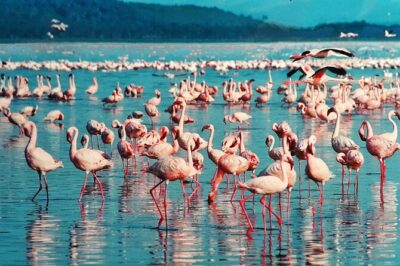
And if you like birds, this is a serious advantage. The park’s marshes and lakes are strong bird habitat, and Amboseli is recorded with 420 bird species. Even if you’re not a hardcore birder, you’ll likely spot colorful moments just by slowing down when your guide suggests it.
Lunch is handled as a picnic lunch box, which is convenient because you’re out in the field. Less time traveling back and forth means more time actually watching.
Maasai village visit: what to expect and how to get more out of it
Later, you’ll visit a Maasai village to experience culture, including dancing and cultural activities. This is one of those stops where your mindset matters. Go in curious, not as a tourist looking for a show, and you’ll get more out of the interaction.
It also helps that the village visit sits after a long day of wildlife. You’re not just switching tours at random, you’re shifting from “watching nature” to “meeting the people who live close to it.” That contrast is part of why the day feels complete.
Day 2’s observation hill and swamp views, where elephants often show up
There’s a second, distinct wildlife highlight built into Day 2: the area around an observation hill.
You’re set up for great overall viewing of the park, and below that hill is a swamp where you can often find elephants, buffaloes, hippos, and many birds. In a place like Amboseli, water creates predictable patterns. When animals gather near it, your chances improve.
This is also a good day to think about patience. You might not see everything in one burst. Instead, you’ll often catch a slow story unfold: silhouettes in the distance, movement near the waterline, then suddenly a herd becomes close enough for a real look.
If you’re a first-time Amboseli visitor, this part of the day tends to be the “oh, I get it now” moment.
Day 3: Early morning game drive for Kilimanjaro clarity
Day 3 starts early with a morning game drive from 0600 to 0800. This is the time slot that gives you the best shot at Kilimanjaro views, because early light and lower cloud cover often cooperate better.
You’ll also be hunting the park’s morning energy: wildlife moving between resting and feeding areas, predators using cover, and plenty of chances for both big sightings and smaller “there it is” moments.
On a clear day, Kilimanjaro is visible from Amboseli and is described as the most photographed mountain in East Africa. Even if you don’t catch the mountain perfectly, you can still enjoy a strong final game drive, because Amboseli is about the animals first and the view second.
After that, you return to the lodge for a late breakfast and check-out, then travel back to Nairobi. You stop for lunch at Carnivore Restaurant, and then you’re dropped back at your hotel or the airport.
Carnivore Restaurant lunch in Nairobi, a full meal break before you fly
Carnivore is a well-known Nairobi steak house where meats are roasted on traditional Maasai swords over a huge charcoal pit. If you’ve never seen carving done at scale, it’s fun to watch the rhythm: you start with soup and bread, then a series of carving rounds bring more meat to your table.
You’ll also get salads, vegetables, and sauces, then dessert and coffee to end it. Meals are set price, and there’s a vegetarian menu option too.
This stop is a practical end cap. After two and a half days in the park, you probably want something different than picnic lunch and camp-style dinners, and Carnivore gives you that “normal life” reset.
Value and what you’re really paying for at $1,071.88
At $1,071.88 per person, you’re paying for a mid-range safari that bundles the big cost drivers: transport, guides, park fees, meals, and an actual 4-star lodge stay at Amboseli Sopa Lodge.
Here’s what that means for you on the ground:
- You’re not arranging a rental car and tickets. Pickup and drop-off are included.
- You’re not paying separately for park access. Park fees are included.
- You’re not managing meals. Breakfast, lunch, and dinners are built into the plan, including two dinners and two breakfasts, plus lunches.
- You’re not stuck in a bargain vehicle. The 4×4 with pop-up roof is part of the experience value, because it improves viewing and comfort.
Is it cheap? No. But it’s not just “rent a car and hope.” The value is the time and focus: a guide who’s working the wildlife search, a vehicle designed for game viewing, and lodge comfort after long drives and early starts.
Who this safari suits best
This tour fits best if you want a compact safari with real wildlife time. It’s also a good match for:
- First-time Kenya visitors who want an organized plan but still spend hours in the park
- Photo-minded travelers who benefit from higher viewing angles
- People who want both wildlife and a cultural stop
- Travelers who appreciate guides who find animals without pushing boundaries
If you hate early mornings, you might find Day 3 tough. If you dislike long drives, Day 1 might feel like a marathon. But if you can handle one early start and a full day in the bush, the payoff is strong.
Bottom line: should you book it?
I’d book this safari if your priority is Amboseli wildlife plus the Kilimanjaro view chance, without turning your trip into a logistics puzzle. The pop-up-roof 4×4, the multi-hour park days, and the mix of birds, mammals, and a Maasai village visit make it feel balanced rather than rushed.
I’d hesitate only if Kilimanjaro is your single non-negotiable. The mountain view depends on clear weather, and even with planning, clouds can get in the way. Still, the park itself is worth your time, and you’re set up for that reality with strong game-drive windows.
If you’re ready for elephants, big cats, and a real sense of place, this is a solid mid-range pick.
FAQ
What time do you get picked up in Nairobi?
Pickup is offered from your Nairobi hotel or the airport at around 0700.
How long is the drive from Nairobi to Amboseli?
The journey takes about 4 to 4.5 hours, with some stopovers along the way.
Where do you stay during the safari?
Accommodation is at Amboseli Sopa Lodge, a 4-star hotel.
What time are the game drives?
You’ll do an afternoon game drive starting around 1600 on Day 1, a full park day on Day 2 (about 0900 to 1700), and a morning game drive on Day 3 from 0600 to 0800.
Is Kilimanjaro visibility guaranteed?
No. The best viewing is on clear days, especially early morning or around sunset, so cloud cover can affect what you see.
What’s included in the price?
Included items are transport in a 4×4 safari vehicle, drinking water, a professional guide driver, park fees, hotel/airport pickup and drop-off, meals (breakfast, lunch, dinner as scheduled), and lunch on the last day at Carnivore Restaurant. A mobile ticket is also mentioned.
Is this tour private or shared with other groups?
It’s described as private, meaning only your group participates.
More Tours in Nairobi
More Tour Reviews in Nairobi
Still Thinking Amboseli?
Everything else we hold on Nairobi
- 7 Days Private 4 star lodges Safari by LandCruiser from Nairobi★ 5.0 · 3 reviews
- 5 Days/4 Nights Kenya Safari★ 4.5 · 3 reviews
- Safari Park Hotel Show & Dinner Experience In Nairobi Tour★ 3.6 · 3 reviews
- Day safari to Olpejeta Rhino conservancy★ 5.0 · 3 reviews
- 7 Days Breathtaking Kenya Wildlife Private Safari★ 5.0 · 3 reviews
- Overnight Amboseli National Park Safari from Nairobi★ 5.0 · 3 reviews
Amboseli Safaris, compared.
 ★ 4.5Nairobi: Day Tour to Amboseli National Park & Maasai VillageFrom $75310 reviews
 ★ 5.0Day Tour to Amboseli National ParkFrom $310222 reviews
 ★ 5.0Amboseli Day Tour from NairobiFrom $19084 reviews
 ★ 4.4Day Trip: Amboseli National Park & Maasai Village – NairobiFrom $10069 reviews
 ★ 5.06-Days Masai Mara, Nakuru & Amboseli Group Safari on LandcruiserFrom $1,22056 reviews
 ★ 4.5DAY TRIP AMBOSELI NATIONAL PARK FROM NAIROBI BUDGET SAFARI.From $17052 reviews
 ★ 5.0Private Day Tour Amboseli National Park, View Mt. Kilimanjaro 4*4From $19851 reviews
 ★ 5.07 Days Masai Mara / Lake Nakuru / Lake Naivasha / AmboseliFrom $1,94049 reviews
Appears in these lists