
REVIEW · MAASAI MARA SAFARIS
11-Day Serengeti, Maasai Mara, Tarangire, Amboseli Park
Elephants and lions in two countries, 11 days. This safari packs Kenya and Tanzania together with timed drives, early starts for wildlife, and iconic scenery like the Great Rift Valley viewpoints and the Serengeti plains. You also get a clear rhythm, starting with pickup at Nairobi, then moving park to park without the usual feeling of being stuck.
I like the meal plan and what it does for your day. Breakfast runs for all 11 days, and lunch is planned for most days, so you are not hunting around when animals are at their most active. I also like the variety across the route, from big-game day drives to birding focused time at Lake Nakuru and Lake Elementaita, then a crater day that is built for awe.
One thing to watch is logistics on the back end. The trip starts in Nairobi, but the final day describes returning to Arusha or Kilimanjaro Airport depending on your air plan for Zanzibar transfer, so you should confirm your exact drop-off in writing before you go.
In This Review
- Key things you’ll notice on this safari
- The value of an 11-day Big Five route across Kenya and Tanzania
- Maasai Mara Day 1 and Day 2: Rift Valley views and real savannah time
- Lake Nakuru Day 3: birding-friendly breaks inside a wildlife-focused route
- Lake Elementaita Day 4: a guided bird walk and hot-spring downtime
- Amboseli Days 5 and 6: Kilimanjaro views and elephant herds
- Tarangire Day 7: baobabs, birds, and wildlife without the crowd pressure
- Serengeti Days 8 and 9: early drives, picnic lunches, and the plains rhythm
- Ngorongoro Crater Day 10 and Olduvai Gorge: the finale with permanent water and fossils
- Price, inclusions, and what $4,400 buys you here
- Who this safari is best for, and who should think twice
- Should you book this 11-day Kenya and Tanzania safari?
- FAQ
- What parks and areas does this safari cover?
- Are meals included in the price?
- Is pickup included, and where does the trip start?
- Are park admission tickets included?
- Is this tour private?
- What is the cancellation policy?
- Are service animals allowed?
Key things you’ll notice on this safari
- Private group setup: only your group participates, which usually means more flexible game drive choices.
- Cross-border route: Kenya parks like Maasai Mara and Amboseli connect into Tanzania through Namanga and then Serengeti.
- Birding plus hot-springs time: Lake Nakuru and Lake Elementaita add a slower, more nature-focused break.
- Amboseli elephant country: the Kilimanjaro backdrop is a major part of the photo and wildlife experience.
- Big finale day: Ngorongoro Crater includes lunch with crater views, plus the Olduvai Gorge stop.
Other Mara operators, set against one another
The value of an 11-day Big Five route across Kenya and Tanzania
This is the kind of itinerary that makes sense if you want maximum wildlife variety without wasting days on transfers you cannot enjoy. In 11 days, you move through several of the most famous wildlife zones in East Africa, plus you add Rift Valley lake scenery that gives your eyes a break between predator hunts.
You are also paying for structure. The package includes breakfasts, lunches, and dinners across the trip, and it keeps park-entry costs mostly handled in the plan (with Ngorongoro Crater explicitly marked as included on that day). In practical terms, that means fewer surprise expenses during the safari part of your journey, and less mental load when you are already up early.
Is it perfect? Nothing with this many days and parks ever is. Still, if you like a clear plan, and you can handle long drives between regions, this route is a strong way to target the Big Five game viewing you came for, with extra stops that keep the trip from becoming one long loop of the same scenery.
Maasai Mara Day 1 and Day 2: Rift Valley views and real savannah time
Maasai Mara is the main event in Kenya on this trip, and you start it with a smooth landing into safari mode. Day 1 begins with pickup from Jomo Kenyatta International Airport or your hotel, followed by a drive that goes past the Great Rift Valley escarpment viewpoint. Even if you are tired from travel, that viewpoint is a useful early reminder that this is the real Africa you pictured, not just a series of lodges.
Once you reach Mara, lunch happens at your lodge or camp, then you go out for an afternoon game drive. That first drive matters because it gives you time to spot what Mara is good at right away, lions on patrol, elephants moving through grassland, and the smaller details like birds that never stop.
Day 2 is the full-day focus. You wake up, then you head into a full-day game drive with a picnic lunch, which is a setup built for staying out long enough to see different hunting styles and different herds at different distances. The Mara Triangle area, with its lush grassland and acacia woodlands, is especially good for game drives because animals use it in layers, not just one strip.
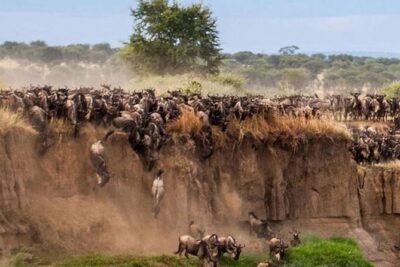
Timing note that matters: the Great Migration is described for July to September, when huge numbers of wildebeest, zebra, and antelope move toward the Mara. If you are traveling outside that window, you can still see plenty of wildlife. You just adjust expectations from migration spectacle to more steady predator and herbivore viewing.
Lake Nakuru Day 3: birding-friendly breaks inside a wildlife-focused route
After Mara, the trip shifts gears toward Lake Nakuru National Park on Day 3. This is not just a detour. It is a different kind of nature day, and it helps your brain reset between big-game days.
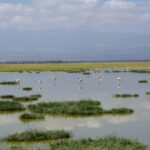
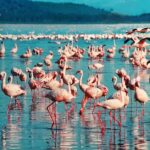
You arrive, get settled, and then head out after lunch for a game drive in a park known as a bird lover’s hub. The data here is concrete: Lake Nakuru has over 400 bird species, and the flamingos are the headline on the lake. You also see raptors and songbirds listed such as the African Fish Eagle, Slender-billed greenbul, long-tailed widowbird, and the Rufous-throated wrynread, among others.
What you will likely feel is a slower pace. You are still in a park and still doing game drives, but you are looking with different intent. If you enjoy photographing birds, or if you want something that is not only about spotting one of the Big Five, this stop is a smart balance.
A small consideration: Lake Nakuru’s reputation is strong, but birding depends on conditions. If the air is calm and visibility is good, it can be a fantastic day. If weather is messy, you will still enjoy the area, but your flighty subjects might stay far.
Lake Elementaita Day 4: a guided bird walk and hot-spring downtime
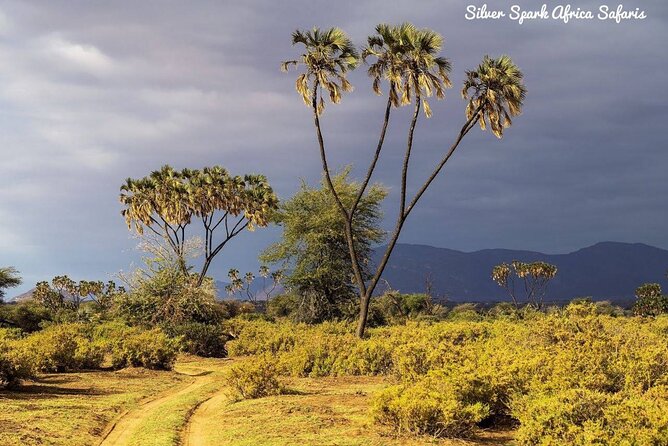
Day 4 goes even more into Rift Valley flavor. You move to Lake Elementaita National Park and get a welcome drink and room check-in, then lunch, then a late afternoon guided leisure walk along the bird-rich lake.
This stop is built for people who like to travel with their senses turned up. Elementaita is described as known for huge concentrations of Greater and Lesser flamingos, plus other avifauna. The guided walk matters because it can help you focus on what is easy to miss when you are walking on your own, like feeding activity and where birds choose to land.
Then comes the part I always appreciate on safari routes, the one that makes you feel like you are not only in search mode. The plan includes time at the hot spring for a relaxing dip. After days of being in and out of the vehicle, this is the kind of break that makes the whole trip feel human again.
If you are bringing swimwear, that is a good call. The hot-spring stop is mentioned directly, so it is worth planning for.
Amboseli departures we also sat down with
Amboseli Days 5 and 6: Kilimanjaro views and elephant herds
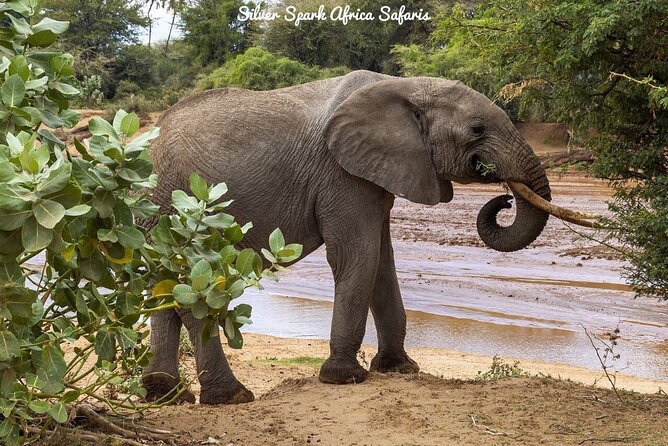
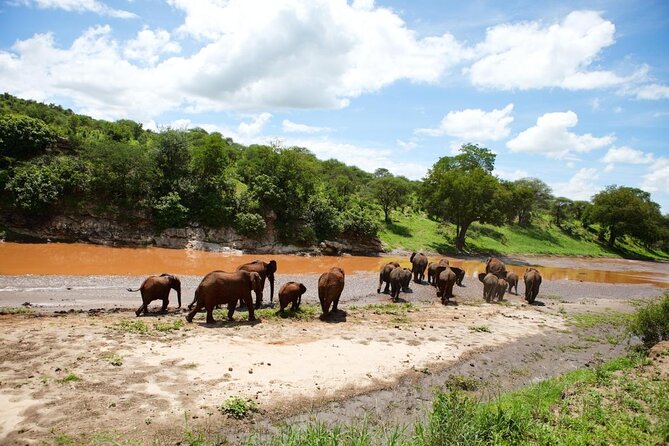
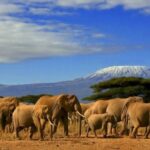
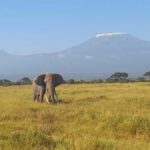
Amboseli arrives on Day 5, with a southbound drive through Maasai county toward the plains under Mount Kilimanjaro. The big theme is elephant and the mountain view in neighboring Tanzania. The route even sets you up to grab photos en route, with a picnic lunch where the Kilimanjaro backdrop can frame everything from wildlife sightings to roadside silhouettes.
Day 5 includes game viewing after lunch, with the plan pointing you toward seeing lion, elephant, leopard, rhino, cheetah, buffalo, and plains game. That is a lot of targets, so the key is how Amboseli works. Animals can come close in areas with marshy zones, and elephant herds are one of the park’s signatures.
Day 6 is the full-day continuation with a packed lunch for another game drive day. This is also where Observation Hill is highlighted as offering the best vistas. If you want that classic Amboseli look, this is the kind of spot you want your camera ready for.
Accommodation is specified on Day 6 as Sentrim Lodge Amboseli. That gives you one less unknown to worry about, and it helps you gauge the feel of the stay.
One practical note: Kilimanjaro views depend on weather and cloud cover. When it is clear, the mountain is a star. When clouds roll in, you still get the park and the elephants, but the photo magic can be less dramatic.
Tarangire Day 7: baobabs, birds, and wildlife without the crowd pressure
Day 7 shifts into Tarangire National Park in Tanzania after you drive via the Namanga border for immigration clearance. It is one of those changes that can feel like a travel day, but the payoff is that Tarangire is positioned as a less crowded alternative compared with the biggest headline parks.
Tarangire is described as having great numbers and diversity of wildlife, and it is noted as a wonderful birding destination. It also has a very specific visual identity, with many scenic baobab trees. If you love landscapes in the literal sense, this is where that matters. The trees shape animal movement, and you often see different species framed in a way that feels unique compared to Mara or Serengeti.
Dry season timing matters here because the Tarangire River can be a key water source. Even if you are not traveling in the exact season described, the overall logic stays useful: animals gather where water and food are easier to find.
If you are a wildlife photo person, baobabs help a lot. They give you a stable foreground when wildlife is moving around.
Serengeti Days 8 and 9: early drives, picnic lunches, and the plains rhythm
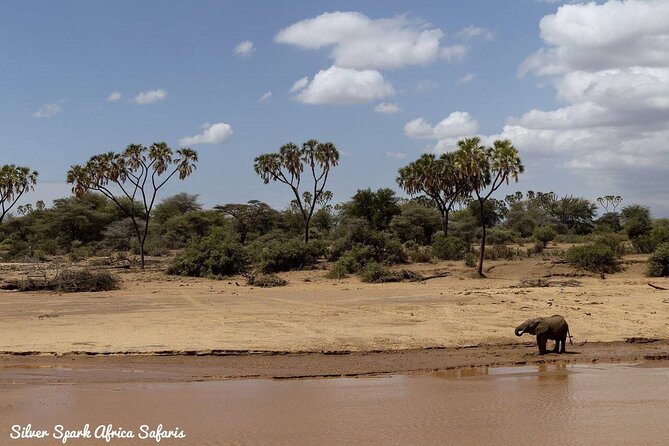
Then you enter Serengeti, the Tanzanian counterpart to the Mara experience. The plan is structured around early starts and two driving blocks, which is exactly how many successful safari days work: go out when animals are active, then return for lunch, then go out again.
The park is described as dominated by vast open plains with lots of wildlife, and the mention of almost treeless plains is useful context for how to view animals. In open country, you will often spot movement first, then close down as herds drift. It is a different kind of tracking than in more wooded parks.
Day 8 starts with transfer to Serengeti, then you get an afternoon game viewing session after a picnic lunch. That keeps the day from feeling rushed. Then Day 9 repeats the pattern but turns it into a full day of game drive time, with a picnic lunch and both early morning and afternoon driving.
This is where your mindset should change from spotting one big animal to watching the system. Grazers change the day. Predators follow patterns. Even if you do not see the exact thing you hoped for every hour, the total rhythm can still be excellent.
One more thing: the Great Migration timing in Mara is described as July to September, and it is reasonable to expect similar migration movement in Serengeti depending on the season. The exact moment changes by year and by conditions, so you should plan for big migration potential, but do not lock your hopes to one single scene.
Ngorongoro Crater Day 10 and Olduvai Gorge: the finale with permanent water and fossils
Day 10 is a heavyweight. You transfer to Ngorongoro Crater via Olduvai Gorge. The crater is described as about 20 km wide volcanic crater with 600 m walls. That size detail matters because the rim feels high and the views can be dramatic, even when you are not overly wowed by geography.
The plan emphasizes that wildlife is abundant because of permanent water supply on the crater floor. That explains why crater days tend to work better than you might expect, especially for people who want more consistent sightings compared to some open-plains days.
Olduvai Gorge is a named stop with a clear theme: the discovery of 3.5-million-year-old fossil fragments of early human civilization. Even if you are not a science person, it adds perspective. You see that this region is not only about animals now, it also holds key clues about deep time.
Lunch is included overlooking the crater, then you get leisure time in the afternoon. That mix is important. After days of scanning for animals from a vehicle, having time to sit and look gives you that rare feeling of safari as a destination, not just an activity.
Price, inclusions, and what $4,400 buys you here
At $4,400 per person for an approximately 11-day safari circuit, the biggest value question is how much is handled for you. In this plan, a large share of your core travel needs are covered: breakfast is included for 11 days, lunch for 10 days, and dinner for 10 days. Accommodation is included, though the details are not listed for every night in the provided information.
Park entry is also marked as free for most days, and Ngorongoro Crater is noted as included on Day 10, with lunch included there as well. If you have ever done a safari where every park cost and every meal purchase turns into a stack of receipts, you will appreciate how this package keeps things simpler.
The other value element is the private format. It is described as a private tour with only your group participating. For many people, that reduces friction, helps you stick with your own pace, and gives your guide room to respond when sightings happen fast.
What is not included is small, and it is clearly stated: use of bicycle. So you can ignore that unless you were planning to bike locally, which you likely are not on a multi-park safari route.
Still, do the smart check. Because the itinerary includes both Kenya and Tanzania, confirm any passport and border timing expectations with your provider before you depart. That is not listed as a specific included service in the provided details, so it is on you to be ready.
Who this safari is best for, and who should think twice
This tour fits you if you want a structured safari with lots of wildlife variety and you like the rhythm of early drives plus longer viewing blocks. It also suits you if you care about service quality, because the provider highlights being time oriented and focused on customer satisfaction through feedback and adjustments.
It is also good if you enjoy a mixed nature menu. You are not only chasing lions in grass. You get birding at Lake Nakuru and Elementaita, elephant and Kilimanjaro at Amboseli, then baobabs at Tarangire, and finally a crater finale with Olduvai Gorge context.
If you hate long days in a vehicle, you might feel the squeeze. This route connects multiple parks and includes a border crossing. The payoff is huge, but the transfer time is real. Plan for it mentally.
If you are traveling as a family, the reviews language points to a warm, team feel. One review specifically names guides and frames the team as feeling like family, mentioning Abongo, Kevin, David, and Minister. That does not mean every day will be all smiles, but it does suggest a people-first approach, not a rush-in-rush-out operation.
Should you book this 11-day Kenya and Tanzania safari?
If your goal is to cover Maasai Mara, Rift Valley lakes, Amboseli, Tarangire, Serengeti, and Ngorongoro in one coherent route, this is a strong option. The included meals, the generally handled park-entry costs, and the private group format add up to real value when you compare it to piecing everything together yourself.
I would book it if you want a trip that balances big-game intensity with nature breaks like bird walks and hot-spring time, and you are comfortable with cross-border travel days.
I would pause and ask extra questions before booking if your end plan is tightly tied to an exact flight from Zanzibar, or if you need a guaranteed drop-off location. The last day mentions returning to Arusha or Kilimanjaro Airport depending on your air tickets, so you want clarity on your final logistics.
FAQ
What parks and areas does this safari cover?
The route includes Maasai Mara National Reserve, Lake Nakuru National Park, Lake Elementaita, Amboseli National Park, Tarangire National Park, Serengeti National Park, and Ngorongoro Crater. The trip also references Arusha for the final day.
Are meals included in the price?
Yes. Breakfast is included for 11 days, lunch is included for 10 days, and dinner is included for 10 days.
Is pickup included, and where does the trip start?
Pickup is offered. The start meeting point is Jomo Kenyatta International Airport in Nairobi, Kenya.
Are park admission tickets included?
The information shows admission tickets as free for many days, and it notes Ngorongoro Crater day as included. You can confirm the exact inclusions for each park with the provider, but the package indicates admission coverage for most days.
Is this tour private?
Yes. It is described as a private tour/activity, with only your group participating.
What is the cancellation policy?
Free cancellation is offered if you cancel up to 24 hours in advance for a full refund. If you cancel less than 24 hours before the experience start time, the amount paid is not refunded. Weather cancellations can offer a different date or a full refund.
Are service animals allowed?
Yes. Service animals are allowed, and most travelers can participate.
More Tour Reviews in Nairobi


Still Thinking Amboseli?
Into the Mara Another Way

Everything else we hold on Nairobi
- 7 Days Private 4 star lodges Safari by LandCruiser from Nairobi★ 5.0 · 3 reviews
- 5 Days/4 Nights Kenya Safari★ 4.5 · 3 reviews
- Safari Park Hotel Show & Dinner Experience In Nairobi Tour★ 3.6 · 3 reviews
- Day safari to Olpejeta Rhino conservancy★ 5.0 · 3 reviews
- 7 Days Breathtaking Kenya Wildlife Private Safari★ 5.0 · 3 reviews
- Overnight Amboseli National Park Safari from Nairobi★ 5.0 · 3 reviews
Maasai Mara Safaris, compared.
 ★ 5.03 Days Masai Mara Group JoiningFrom $540486 reviews
 ★ 4.5From Nairobi: 3 Days, 2 Nights Maasai Mara Group SafariFrom $199394 reviews
 ★ 5.05 Days Masai Mara, Lake Nakuru & Naivasha Budget Joining SafariFrom $810229 reviews
 ★ 5.03 Days Gamedrive Safari In Masai Mara From NairobiFrom $555207 reviews
 ★ 4.6From Nairobi: 3 – Days Maasai Mara Group Safari by 4WDFrom $240205 reviews
 ★ 4.53 Days Maasai Mara Guided Safari from NairobiFrom $196195 reviews
 ★ 5.03 Day Masai Mara SafariFrom $929177 reviews
 ★ 5.03 days group joining safari to Maasai Mara with a Land Cruiser JeepFrom $221173 reviews
Appears in these lists