
REVIEW · GIRAFFE CENTRE TOURS
Visit to the Giraffe Centre
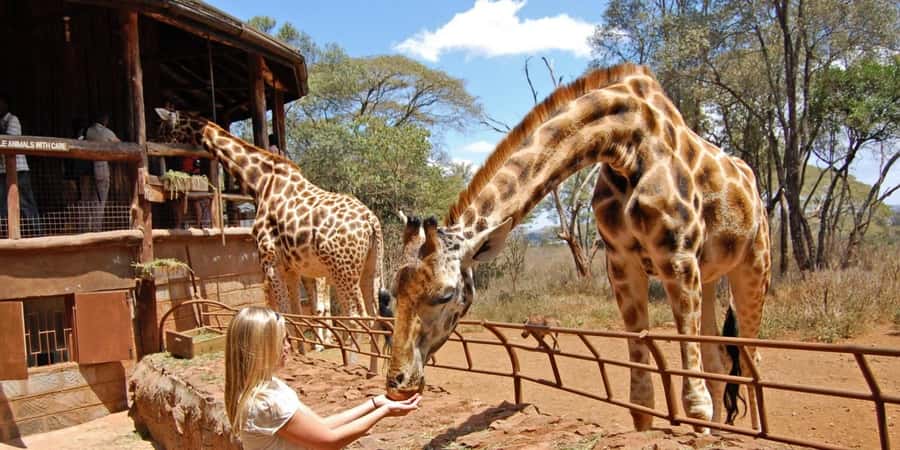
A giraffe close-up in Nairobi beats most zoos. The Giraffe Centre in Langata lets you feed endangered Rothschild giraffes, and you’ll get a guided look at how the center protects them. I like that you get an unusually intimate view from a raised platform, and I also like the clear conservation focus, not just photos.
One thing to consider is time. The experience is memorable, but it is not a long wildlife day, so it works best when you pair it with other Nairobi stops.
In This Review
- Key highlights you should know before you go
- The Giraffe Centre, Nairobi: what makes it genuinely special
- Getting there from Nairobi: the drive time reality
- On arrival at Langata: what the raised platform feeding is like
- A guided tour focused on Rothschild giraffes
- Why the center’s breeding program matters (and what it aims to do)
- The rest of the grounds: birds and walking trails
- What to pack and how to act near giraffes
- Timing and pacing: why this works as a half-day plan
- Price and value: $65 per person, and what’s included
- Service reliability: one lesson from unhappy bookings
- Who should book this giraffe feeding tour, and who might not
- Should you book the Giraffe Centre tour?
- FAQ
- How long is the Giraffe Centre experience?
- Do you get pickup in Nairobi?
- Is the entrance fee included in the price?
- Is there a live guide, and what language do they speak?
- Do I need to buy tickets ahead of time?
- Is the tour wheelchair accessible?
Key highlights you should know before you go
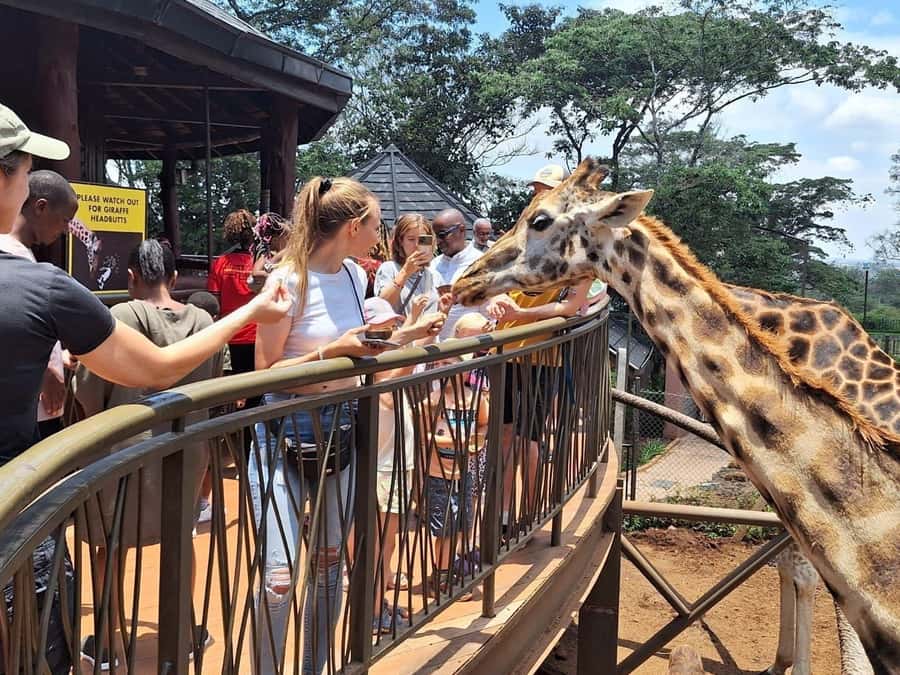
- Raised-platform feeding so you can interact safely and see giraffes up close
- Rothschild giraffe conservation education with a real breeding program angle
- 120+ acres of space with walking trails and more than just giraffes
- Skip the ticket line plus a live English guide
- All round transport from Nairobi, with pickup options
The Giraffe Centre sits inside many itineraries. Others
The Giraffe Centre, Nairobi: what makes it genuinely special
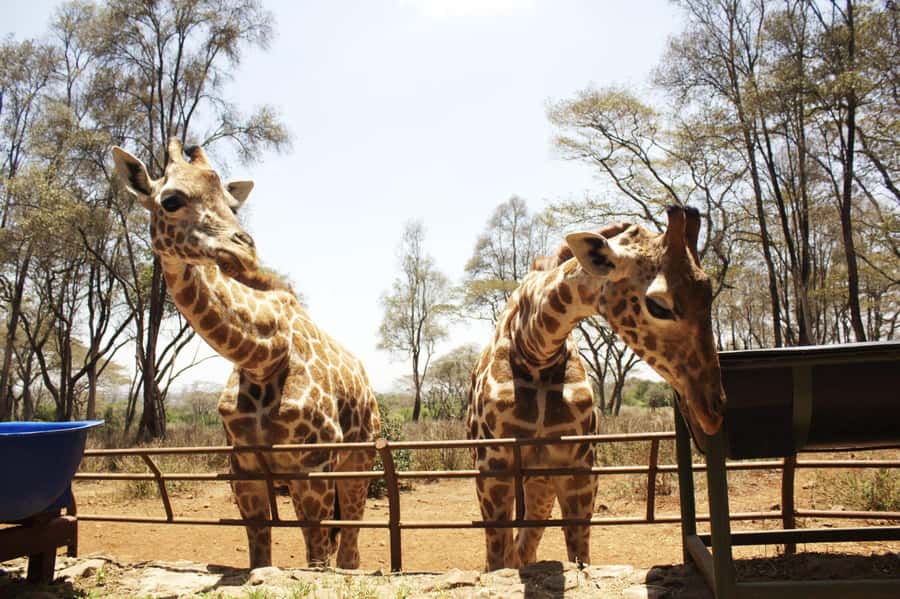
Nairobi has plenty of wildlife experiences, but the Giraffe Centre is its own thing. It is a conservation center focused on one endangered subspecies: the Rothschild giraffe. That matters because it shapes what you do during your visit. Instead of racing through exhibits, you’re there to learn, watch behavior, and feed the animals in a controlled setting.
Here’s what I find appealing for most visitors: this is a place built for connection. You stand where you can observe giraffes calmly, and you get a guided explanation of how giraffes live, what threatens them, and what conservation can do when it is practical and sustained.
It also has a real sense of continuity. The center was founded back in 1979 by Jock and Betty Leslie-Melville, and it has continued working for decades. You feel that mission in the way the visit is structured, and in how the giraffes are treated as the heart of a conservation effort.
Getting there from Nairobi: the drive time reality
Most tours run with door-to-door transport. In your case, expect a van pickup from Nairobi County, then a drive to Langata, Nairobi. The provided plan shows about 1 hour each way, with roughly 2 hours at the center.
Now, a small reality check: the advertised duration is listed as 2 to 3 hours, but the itinerary also includes round-trip driving time plus a guided on-site visit. Translation for your planning: give yourself breathing room. If you like a tight schedule, this still can fit, but do not pack your next activity right at the end like it’s a timetable puzzle.
What you should do: if your schedule is strict, choose times that allow you to handle traffic and a little waiting. One practical tip is to set a meeting point even when you have pickup, just in case your driver instructions need a quick update.
On arrival at Langata: what the raised platform feeding is like
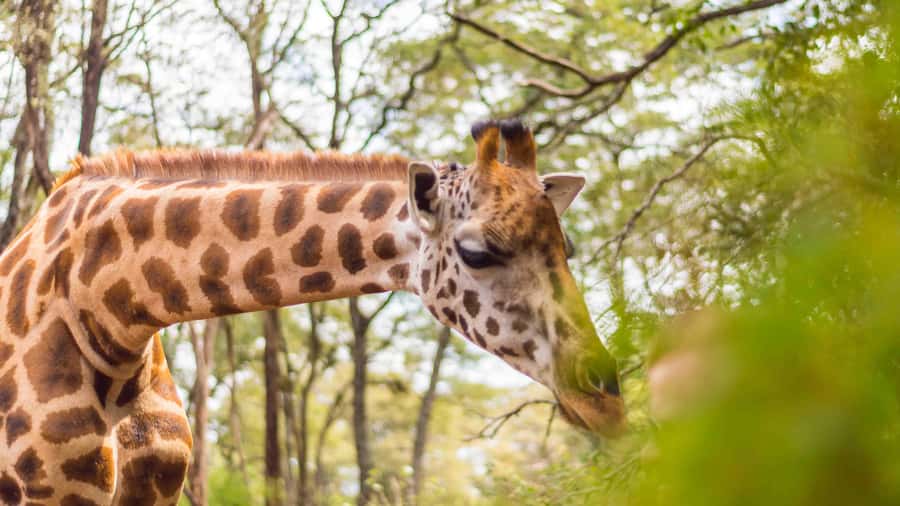
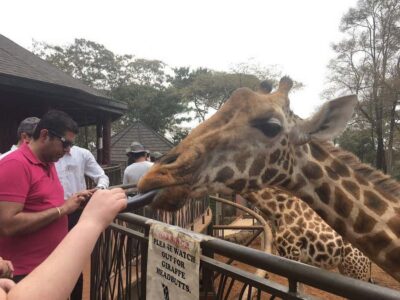
The centerpiece experience is feeding giraffes. You approach the interaction area standing on a raised platform, which changes the whole feel. It is not a distant viewing setup. You are close enough to see the giraffes’ behavior in detail and to understand why they are often described as gentle.
During your visit, a guide leads you through what you should watch for. That matters because feeding can turn into a chaotic photo rush if you do not know what the animals are doing. With guidance, you get calmer, more meaningful interactions, like noticing how giraffes use their tongues, how they move when other giraffes join in, and how the group dynamics can shift in seconds.
If you’re bringing a camera, plan for shorter bursts of shooting rather than long continuous filming. The animals are graceful, but they do not hold one pose on command. When you’re ready, take the photo, then look again. I’d rather you capture fewer shots and remember the moments you actually saw.
A guided tour focused on Rothschild giraffes
The guide component is one of the main reasons people are happy with this outing. The experience runs with a live English guide, and the goal is to connect what you see with what conservation needs.
You’ll learn about the Rothschild giraffe, a subspecies native to central and western Kenya. You’ll also hear why the population is under pressure, with the center pointing to challenges like habitat loss and poaching.
One review specifically called out a guide named Sam for being helpful and knowledgeable, which is a good sign for your expectations. Even without that name on your day, the format usually means you get explanations as you move through the center, not just a one-time lecture at the start.
Here’s what that means for you: if you have limited time in Nairobi, this guide-led approach helps you make sense of what you’re seeing immediately. Otherwise, it can turn into a quick animal feeding photo stop. With the education angle, you leave with a clearer understanding of why this place exists.
Why the center’s breeding program matters (and what it aims to do)
A common question people ask is whether this is just an animal attraction. At the Giraffe Centre, breeding is part of the conservation story.
The center operates a breeding program with the goal of increasing Rothschild giraffes in the long run. The information you’re given also notes that many giraffes have been relocated to national parks and reserves across Kenya to help restore their numbers.
For you, this is the big takeaway: conservation is not only about protecting animals you see today. It is also about building future populations and making sure they have places to live. When you understand that, the feeding experience feels different. It stops being only cute, and it starts feeling purposeful.
The rest of the grounds: birds and walking trails
Even if your main mission is giraffes, the center is more than one fenced interaction area. The grounds cover over 120 acres of lush space, and they include walking trails.
You may also see bird species around the property. The point is not to turn this into a birding tour, but to notice that you’re in a real outdoor habitat. That makes the visit feel less like a parking-lot zoo stop and more like a calm conservation landscape.
If you have even a little extra energy, take a slow walk when your time allows. You’ll often get better atmosphere, quieter views, and a better sense of how the animals use the space.
What to pack and how to act near giraffes
The tour info does not list a strict dress code, but feeding giraffes is still wildlife-adjacent. Use common sense.
Here’s my practical advice:
- Wear comfortable shoes for walking on outdoor paths and platforms.
- Keep your hands and phone use controlled while you’re in the feeding zone.
- Pay attention to your guide’s instructions about spacing and feeding behavior.
Even if you are only there for a couple of hours, your behavior shapes how safe and calm the interaction is. Guides typically keep it organized, but your attention helps.
Also consider camera settings. If you’re using a phone, check that you can switch between wide shots and close-ups quickly. The action can change fast when another giraffe approaches.
Timing and pacing: why this works as a half-day plan
This is a 2 to 3 hour experience on paper, and it often plays like a half-day stop. The on-site portion centers on the guided visit and feeding, and the overall experience moves efficiently.
That is a real plus if you are trying to fit Nairobi into a busy itinerary. One review highlighted how convenient it was for limited time, and another mentioned the experience does not take very long, suggesting you should pair it with other activities.
So here’s how I’d plan it:
- If you’re doing Nairobi in a short window, this is a strong “do it early” choice so you’re not rushed.
- If you have more time, schedule a second activity nearby or on the same day, but keep a buffer for traffic.
Do not treat it like a full-day safari. Treat it like a high-impact wildlife experience with conservation education, done efficiently.
Price and value: $65 per person, and what’s included
The price is listed at $65 per person, with round-trip transport included. For one of the options, park entrance fees are included. For the budget option, entrance fees are not included.
This is one of those times where the value comes down to the option you choose. If you can get transport plus entry rolled into your price, it is usually good value, especially when you want to avoid extra hassle.
Also note that the experience includes:
- Skip the ticket line
- A live English guide
- Pickup optional (residential places and hotels)
- Wheelchair accessible design
So for $65, what you are really paying for is not just entry. You’re paying for guidance, time savings at the ticket stage, and the logistics handled by the tour van. If you already plan to hire a driver separately, this kind of bundled transport often makes the math easier.
The only caution is to confirm what your option includes on entrance fees, so you don’t get surprised on arrival.
Service reliability: one lesson from unhappy bookings
Most bookings likely go smoothly, but there is at least one serious complaint style in the available data, where the activity did not happen and the person reported waiting for the van and then dealing with a refund.
I’m not trying to scare you away. I’m saying this so you plan smart.
Do this:
- Make sure you have a working contact method for the provider.
- Arrive a few minutes early at pickup.
- Keep your phone charged so you can respond quickly if anything needs clarification.
That small habit can prevent a bad day from turning into a lost afternoon.
Who should book this giraffe feeding tour, and who might not
This tour suits you if:
- You want a close-up animal experience in Nairobi without spending all day commuting.
- You care about conservation and want context about why the Rothschild giraffe is endangered.
- You like guided explanations, especially if you have limited time.
You might skip it or rethink it if:
- You’re looking for a long wildlife immersion day, like a full safari outing.
- You hate short, structured experiences and prefer free-form exploring.
Also, it is a good family-friendly option in many cases because it is hands-on but guided. And it is listed as wheelchair accessible, which is helpful for accessibility planning.
Should you book the Giraffe Centre tour?
I’d book it if you want an efficient Nairobi wildlife stop with a conservation mission and a real up-close feeding moment. The combination of raised-platform feeding, English live guiding, and round-trip transport makes it low-stress, especially for first-timers or anyone with limited time.
I would simply plan it like a half-day highlight, not a full-day safari replacement. Pair it with another Nairobi activity so you feel like the day has momentum.
And if your schedule is tight, build in a little buffer around pickup and return. That’s not paranoia, it’s good travel hygiene.
If you do that, this is the kind of outing that leaves you with a story you’ll tell later, and with a better understanding of what it takes to protect an endangered animal.
FAQ
How long is the Giraffe Centre experience?
The tour duration is listed as 2 to 3 hours, with about 2 hours at the Giraffe Centre during the guided visit, plus travel time.
Do you get pickup in Nairobi?
Pickup is optional. The tour offers pickup at residential places and hotels, and there are two pickup location options in Nairobi County.
Is the entrance fee included in the price?
It depends on the option you choose. One option includes park entrance fees, while the budget option does not include entrance fees.
Is there a live guide, and what language do they speak?
Yes, there is a live tour guide, and the language provided is English.
Do I need to buy tickets ahead of time?
The experience includes skipping the ticket line, which helps with entry during your visit.
Is the tour wheelchair accessible?
Yes, the activity is listed as wheelchair accessible.
More Tour Reviews in Nairobi





Longer at the Giraffe Centre




Everything else we hold on Nairobi
- 7 Days Private 4 star lodges Safari by LandCruiser from Nairobi★ 5.0 · 3 reviews
- 5 Days/4 Nights Kenya Safari★ 4.5 · 3 reviews
- Safari Park Hotel Show & Dinner Experience In Nairobi Tour★ 3.6 · 3 reviews
- Day safari to Olpejeta Rhino conservancy★ 5.0 · 3 reviews
- 7 Days Breathtaking Kenya Wildlife Private Safari★ 5.0 · 3 reviews
- Overnight Amboseli National Park Safari from Nairobi★ 5.0 · 3 reviews
Giraffe Centre Tours, compared.
 ★ 4.8Nairobi: National Park & Optional Elephants & Giraffe CenterFrom $80874 reviews
 ★ 4.5Elephant Orphanage and Giraffe Center Tour with OptionsFrom $35457 reviews
 ★ 4.6Nairobi National Park, Elephant Orphanage and Giraffe CentreFrom $40365 reviews
 ★ 5.0Tour: Giraffe Center and Nairobi National ParkFrom $176299 reviews
 ★ 4.5From Nairobi: Elephant Orphanage and Giraffe Center Day TripFrom $90235 reviews
 ★ 4.5Elephant Orphanage & Giraffe Centre TourFrom $95225 reviews
 ★ 5.0Nairobi national park and Giraffe centerFrom $175171 reviews
 ★ 4.5Day tour to Giraffe Center and Karen Blixen MuseumFrom $95168 reviews
Appears in these lists