
REVIEW · TEA FARM TOURS
Tea Farm Tour From Nairobi (Kiambethu).
A tea farm day outside Nairobi feels like a reset button. This private tour to Kiambethu Farm in Limuru gives you more than a quick photo stop, you get a look at how tea is grown and made, plus sweeping views toward the Ngong Hills during a proper sit-down lunch. I also like that the day keeps moving, so you’re not stuck staring at one spot.
Two things I really enjoy here are the tea tasting plus the chance to walk through the farm’s indigenous forest with a resident Kenyan guide. One thing to consider: the farm time is generous, but the tour is not built around long walks across the whole tea plantation, so if you want nonstop field trekking, you may feel you spend more time in the forest and at the house than inside the densest tea rows.
In This Review
- Key points before you go to Kiambethu
- The drive out of Nairobi: why this day trip feels worth it
- Kiambethu Farm at 11am: tea basics, field glimpses, and view points
- The tea-making process and tasting: what you’ll learn (and what you’ll taste)
- Indigenous forest walk with Colobus monkeys and medicinal plant stories
- Lunch with Fiona: farm-grown vegetables, Channel Island cow cream, and a proper meal
- Price and value: how $50 makes sense, and what to budget extra
- Who should book Kiambethu, and who might prefer another plan
- Should you book the Kiambethu Tea Farm day trip from Nairobi?
- FAQ
- What is the total duration of the tour?
- Where do pickups happen in Nairobi?
- What time do you arrive at Kiambethu Farm?
- Is lunch included, and what kind of lunch is it?
- What is not included in the tour price?
- Is the guide English-speaking?
- Does the tour include airport pickup?
- What can I see and do during the farm visit?
Key points before you go to Kiambethu
- Tea tasting is built into the visit, not just an add-on at the end
- Ngong Hills views show up at multiple points, especially from the house and verandah
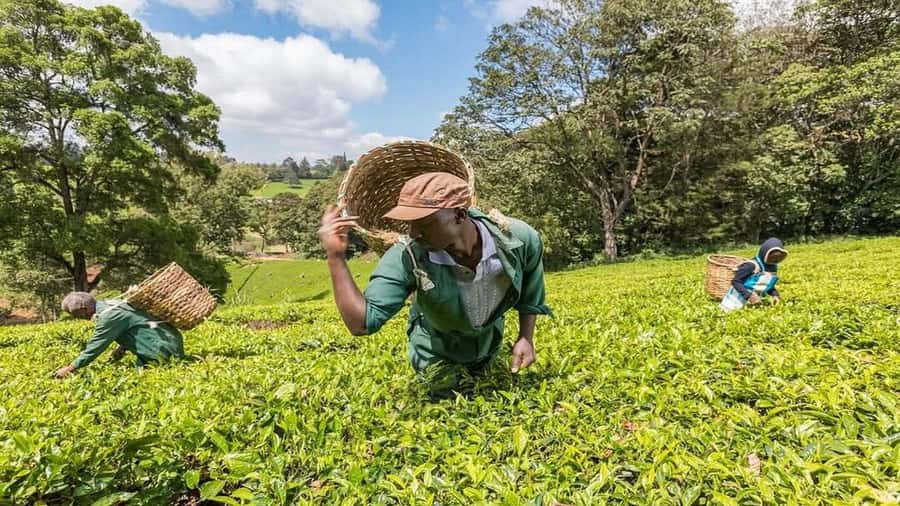
- Hands-on farm time plus a guided look at tea plants in the field
- Forest walk with medicinal plant explanations and wildlife spotting, including Colobus monkeys
- A full three-course lunch with farm-grown vegetables and dessert made with cream from Channel Island cows
- Plan around Nairobi traffic if you’re trying to squeeze anything into the evening
Limuru tea farm visits above the escarpment
The drive out of Nairobi: why this day trip feels worth it
This tour is set up as a true change of pace. You get pickup from your hotel or residency within Nairobi CBD, and transport is handled for you. That matters because the drive in and out of Nairobi can be slow, and you do not want to spend your “tea day” negotiating rideshare logistics.
The day runs about 330 minutes total. You’re in the car long enough to feel like you’re leaving the city behind, but not so long that you burn your whole day getting there. The schedule also helps you mentally. You reach the farm around 11am, which means you’re not rushing through the morning only to arrive too late for the good parts.
Once you arrive, the vibe shifts quickly. You trade honking city energy for farm calm. You’re guided through tea basics with a mix of storytelling and practical observation, then you step into the forest walk. If you love travel days where you can actually breathe, this one delivers.
One practical note for your planning: return traffic can be unpredictable. I’d avoid booking anything that depends on you being back in Nairobi on time for dinner reservations or tight theater plans. Leave yourself margin. You’ll thank yourself when the road decides to be dramatic.
Kiambethu Farm at 11am: tea basics, field glimpses, and view points
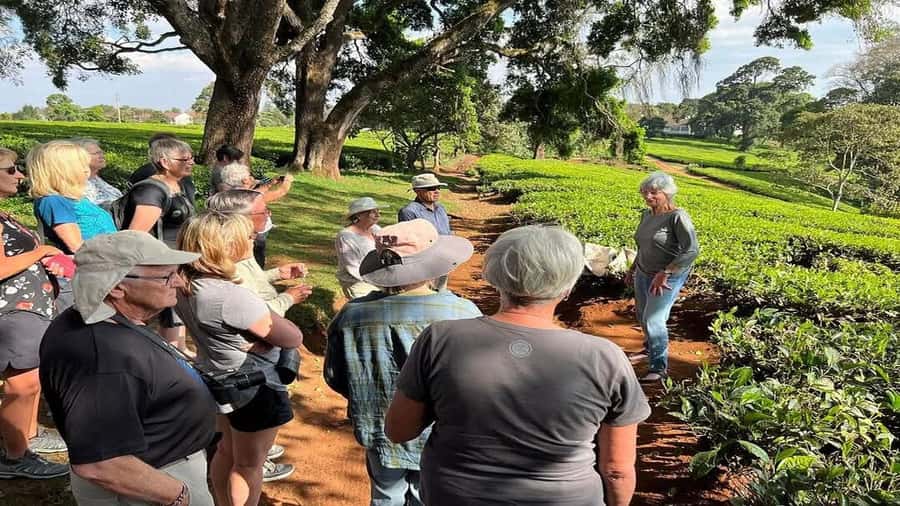
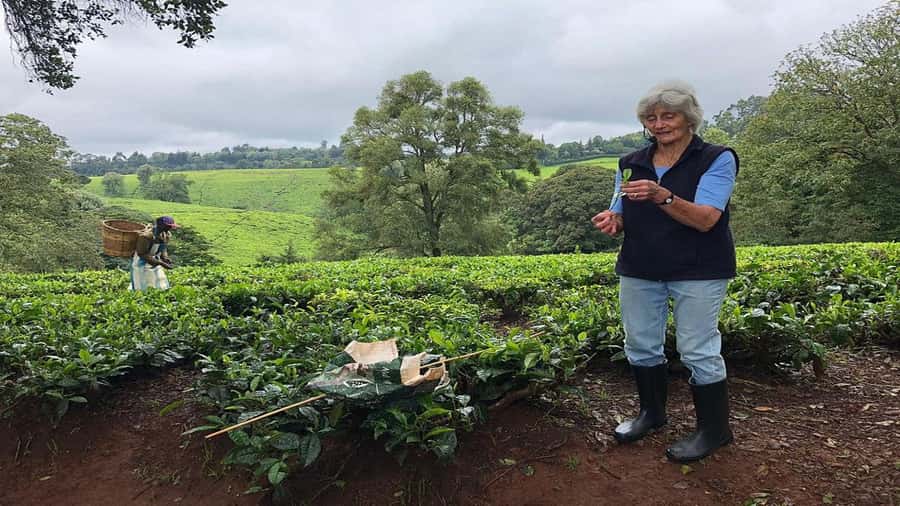
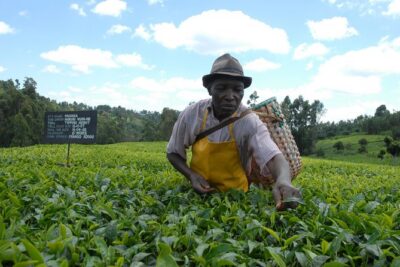
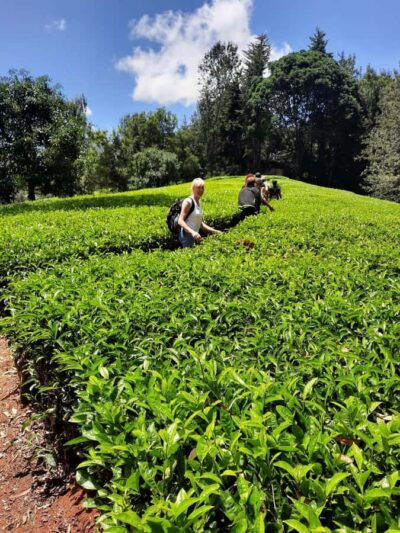
When you arrive around 11am, the day starts with a casual but structured introduction to the farm and the tea-making process. Instead of a classroom lecture, it’s more of a guided conversation with you looking at what’s growing. You also get the chance to see tea in the field, which helps you understand what you’re about to taste later.
You’ll spend 4.5 hours at Kiambethu Farm, so the day isn’t just “walk in, walk out.” That farm time is used well. You’re shown the plants, then you’re guided through the property, including designated viewpoints that give you those broad tea-and-hills perspectives.
Another element I appreciate is that the tour includes built-in downtime. Before lunch, there’s a pre-lunch drink on the verandah. This is not a filler moment. It’s the point where you can actually take in the view toward the Ngong Hills tea fields while you catch your breath from the drive.
A small caution if you’re setting expectations: while there is time to see tea plants, this is not framed as a full-on, every-row walking tour of the entire plantation. One reason that works for many people is that the day balances tea with the forest experience and the meal. But if you’re the kind of traveler who wants maximum “field immersion” as your main activity, know that your time is also spent elsewhere on the property.
The tea-making process and tasting: what you’ll learn (and what you’ll taste)
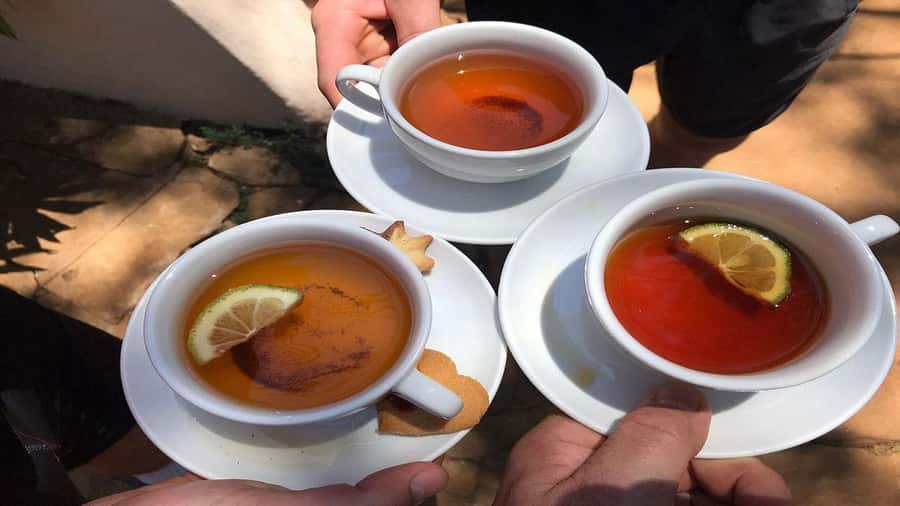
Tea is one of Kenya’s big export stories, and this tour treats it like that. You’ll get an explanation of the farm history and the cultivation and tea-making process. The pacing is friendly and conversational, which is great if you’re not trying to memorize every technical step.
The practical value here is simple: after this visit, tea stops being a mystery product that just appears in a mug. You start to connect the dots between growing the plant, processing leaves, and the flavors you’ll pick up in tasting.
Then comes the best part, the tea tasting. This gives you a chance to experience what the explanations are pointing toward. Even if you don’t become an instant tea expert, tasting makes the whole day click. You can compare impressions, ask questions, and leave with a mental model of how the farm’s work becomes your cup.
This is also where the “hands-on” label matters. You’re not just standing around with your phone. You’re shown plants in context, you walk through parts of the property, and you have a chance to connect your senses to what you’re learning. That’s how you actually remember a farm visit later.
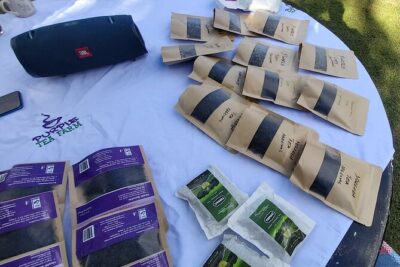
And yes, there is usually tea available to take home. A tea pack is mentioned as something you can buy, but it’s not included in the tour price. If tea is your souvenir style, this is a logical way to do it.
Indigenous forest walk with Colobus monkeys and medicinal plant stories
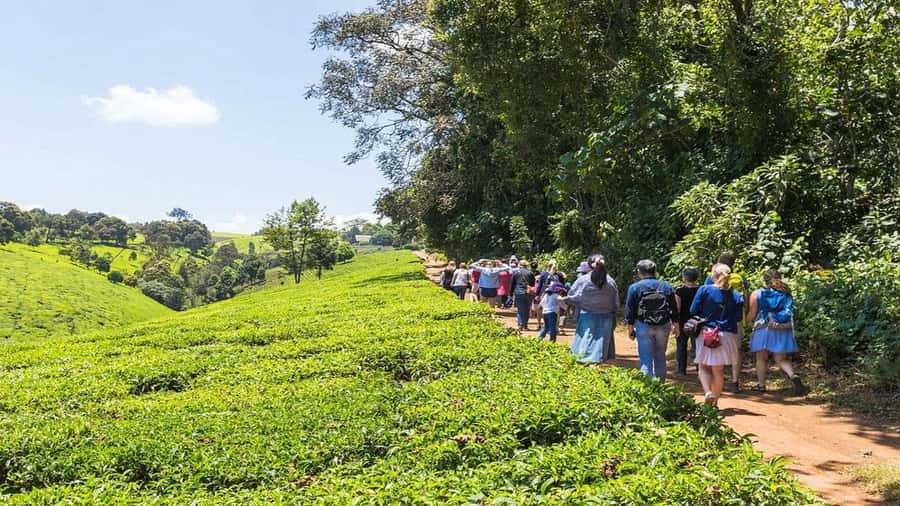
If the tea portion is about learning, the forest walk is about atmosphere and meaning. You’ll take a walk in the indigenous forest with a resident Kenyan guide. The guide identifies plants and explains how they are traditionally used. This adds a human layer that goes beyond farming.
This part also tends to be the most memorable for wildlife lovers. Look out for Colobus monkeys close up. Even if you’ve seen monkeys before, the experience of spotting them in a living forest setting feels different than a zoo-style encounter.
What I like about this forest segment is the balance. You’re not expected to hike for hours. You’re walking at a comfortable pace while listening and watching. You also get a sense of the ecosystem around the tea farm, including gardens with lots of birds and flowers.
One practical consideration: bring your usual light day-trip gear for outdoor walking. Even if the walk is not described as strenuous, you’re still in a natural setting with uneven ground and foliage. Comfortable shoes matter more than you think.
Also, pay attention when the guide points things out. The medicinal plant explanations are the kind of detail you cannot easily pick up later from a quick internet search. It’s the sort of knowledge you carry home as a story, not just a fact.
Lunch with Fiona: farm-grown vegetables, Channel Island cow cream, and a proper meal
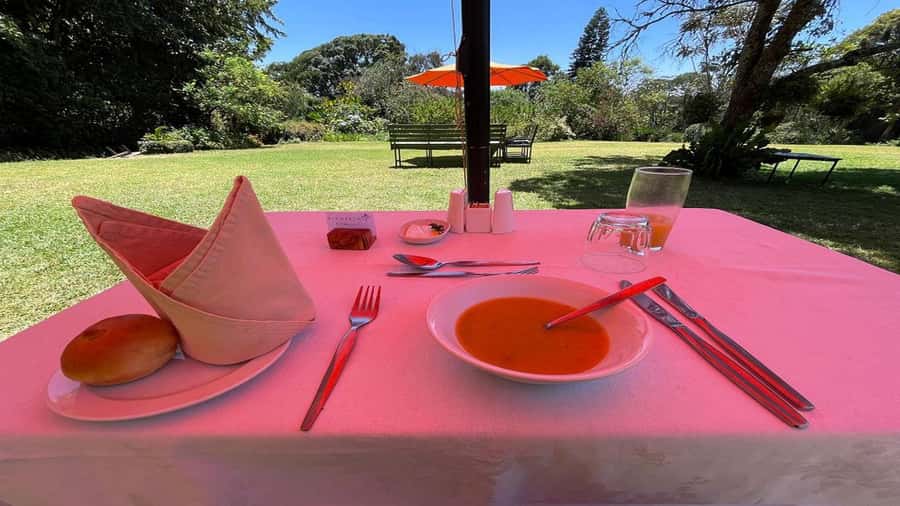
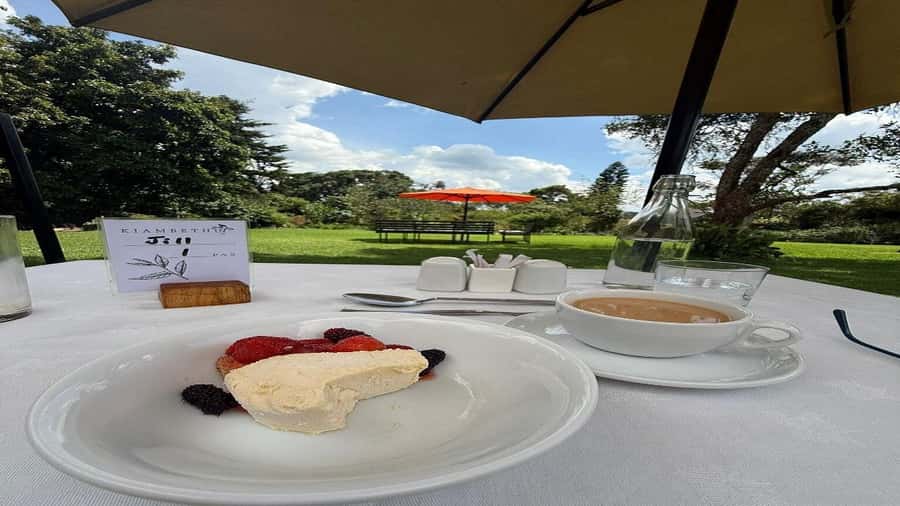
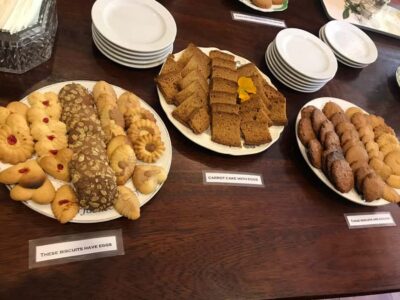
Lunch is a core reason this tour works so well. The day isn’t just tea and photos. You get a three-course buffet lunch from a set menu, and it’s described as being prepared with vegetables from the garden. That means the meal feels connected to the farm, not like a generic restaurant stop.
Desserts are topped with cream from the tour’s herd of Channel Island cows. That’s a standout detail. It makes lunch feel like part of the same farm story rather than a separate event happening “nearby.”
Before the meal, you’ll have a pre-lunch drink on the verandah with sweeping views across the tea fields toward the Ngong Hills. This is the moment you slow down. You sit where the air is cooler and the view does the talking.
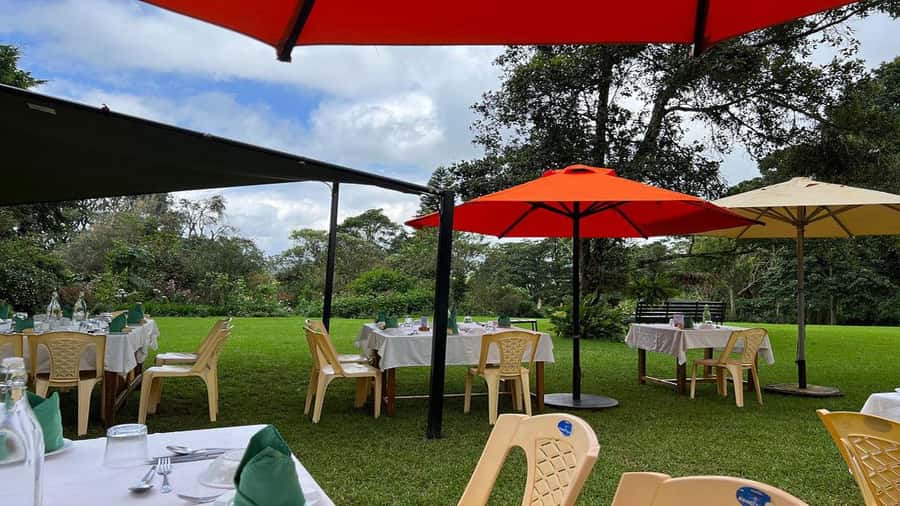
The lunch setting matters too. It’s not described as cramped or rushed, and it’s framed as a relaxed, welcoming house experience. One reason people love this part is that it gives you time to absorb the place without constantly moving.
If you have dietary needs, the tour data provided does not specify options. Your safest move is to ask in advance what the set menu includes and whether substitutions are possible. That way you don’t arrive hoping for something that isn’t offered.
Price and value: how $50 makes sense, and what to budget extra
The listed price is $50 per person, and the total day includes pickup and drop-off within Nairobi CBD, all transport, assistance during the experience, and an English live guide. Those inclusions are meaningful for a day trip. You’re buying convenience plus guided storytelling plus time on-site.
But there’s an important add-on. Kiambethu Farm entry/admission is not included and is priced at $34 USD per adult. That changes your real budget. So, plan on paying the $50 tour fee plus the on-site entry cost for adults.
Then there’s tea. Tea packs are for sale, but they’re not included. If you want to bring tea home, this is a place to budget a little extra.
So is it good value? For me, it comes down to what you want from the day. If you want transport out of Nairobi, tea tasting, a forest walk with plant explanations and wildlife potential, and a full three-course lunch, the pricing starts to look reasonable. You’re not paying just for access, you’re paying for a full experience that keeps you occupied from late morning through mid-afternoon.
Who should book Kiambethu, and who might prefer another plan
This tour is a strong match for you if you want:
- A countryside break from Nairobi that feels guided, not chaotic
- Tea tasting plus an explanation you can actually use
- A walk through an indigenous forest with a Kenyan guide
- A sit-down lunch that tastes like it belongs to the farm
It’s also a good fit if you enjoy the “nearby nature” kind of travel. You get animals, birds, and plants in the same half-day block, without needing to plan multiple separate activities.
Who might want to adjust expectations? If your main goal is walking through every corner of the tea fields for hours, this tour may feel more balanced than field-focused. The day includes forest time and house time that take priority.
One more heads-up for perspective-minded travelers: the farm is hosted by British owners. The tour does not emphasize colonial-era history directly in the information you’re given. That doesn’t ruin the experience, but it is worth being aware of the context going in, especially if you like your history spelled out.
Should you book the Kiambethu Tea Farm day trip from Nairobi?
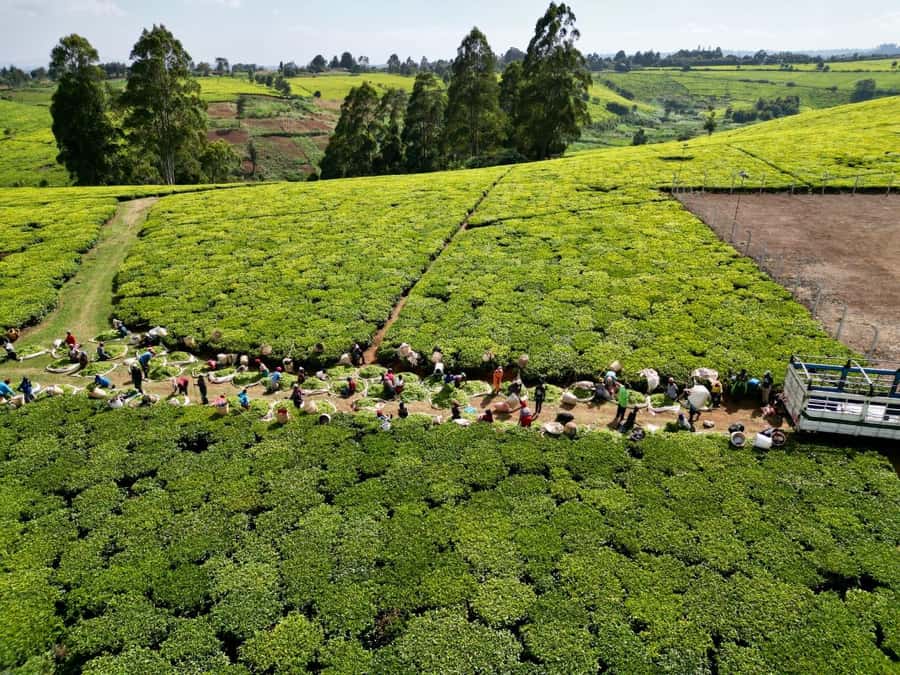
I think you should book this tour if you want an easy, guided escape that covers tea, nature, and a satisfying lunch all in one go. The combination of tea tasting, a forest walk where medicinal plant knowledge is part of the story, and the pre-lunch verandah views makes it feel like a real day out, not a rushed sightseeing stop.
I would hold off if you’re the type who needs maximum time walking in the tea rows above all else, or if you are very sensitive to the way colonial history is framed during tours and you need that addressed more directly.
If you book, do one smart thing: plan your return with a buffer for traffic. Then show up hungry, and ready to ask questions during the tea and forest parts. This is the kind of day where curiosity is rewarded.
FAQ
What is the total duration of the tour?
The tour duration is 330 minutes.
Where do pickups happen in Nairobi?
Pickup and drop-off are included for your hotel or residency within Nairobi CBD.
What time do you arrive at Kiambethu Farm?
You arrive at the farm at 11am.
Is lunch included, and what kind of lunch is it?
Yes. You get a farm-fresh three-course buffet lunch, with vegetables from the garden, and desserts topped with cream from the herd of Channel Island cows. A cup of tea is also included with lunch.
What is not included in the tour price?
Kiambethu Farm entry or admission is not included. Tea packs for sale are also not included.
Is the guide English-speaking?
Yes. The live tour guide speaks English.
Does the tour include airport pickup?
Yes, airport pickup is included.
What can I see and do during the farm visit?
You get tea farm views, learn about the tea-making process, have a tea tasting, see tea in the field, and take a forest walk where a resident Kenyan guide identifies plants and explains traditional uses, with a chance to spot Colobus monkeys.
More Tours in Limuru

More Tour Reviews in Limuru
Limuru Tea Farm Mornings
Everything else we hold on Limuru
- Tea Farm Tour From Nairobi (Kiambethu).★ 4.9 · 10 reviews
Tea Farm Tours, compared.
 ★ 5.0Nairobi to Kiambethu Tea Farm TourFrom $10851 reviews
 ★ 5.0Private Day Trip to Kiambethu Tea Farm in Limuru from NairobiFrom $14131 reviews
 ★ 5.0Day Tour To Kiambethu Tea Farm in LimuruFrom $11522 reviews
 ★ 4.0Nairobi: Tea Farm Day Trip with Lunch at kiambethuFrom $4421 reviews
 ★ 4.9Nairobi: Purple Tea Farm Gatura Greens Day TripFrom $5416 reviews
 ★ 4.8Kaimbethu tea farm tour and lunch packageFrom $5014 reviews
 ★ 4.5Purple Tea Farm Tour from Nairobi City – Specialty Tea TastingFrom $10212 reviews
 ★ 5.0Tea Farm Experience at Riara Tea Farm And Factory TourFrom $16011 reviews
Appears in these lists