

REVIEW · TOURS
Nairobi Storytelling Tour with Former Street Kids
Downtown Nairobi gets personal fast. On this storytelling walk, former street children, like Morgan and Typhoon, turn the city center into a living map of survival, change, and hope. You do a guided Downtown Nairobi walk with an insider who knows where to go, what to ask, and how to connect the stories to the streets.
Two things I really like: you get real time with the people telling the stories, and the small group format keeps the experience human instead of rushed. I also appreciate that local lunch is included, since you get to talk while eating, not just listen while walking past shops.
One possible drawback: some of the stories are emotionally intense. If you prefer a lighter, strictly sightseeing style, this may feel heavy.
In This Review
- Key Highlights You Should Know Before You Go
- Meeting the Storytellers at Witalii Lane, City Hall-Way
- The 150 Minutes That Make Downtown Nairobi Feel Real
- Hearing How Former Street Kids Survived, Then Rebuilt
- Downtown Stops, Plus What You Should Watch for at Each One
- Lunch and Soft Drinks: The Part That Turns Listening Into Conversation
- Safety in Downtown Nairobi, Done with Serious Attention
- Price and Value: Why $45 Works Here
- Who Should Book This Tour (and Who Might Want to Skip It)
- Practical Tips Before You Go (Without Overthinking It)
- Should You Book This Nairobi Storytelling Tour?
- FAQ
- Where is the meeting point?
- How long is the tour?
- What language is the tour guide?
- Is hotel pickup included?
- What is included in the price?
- Are alcoholic beverages included?
- What should I bring?
- Are professional cameras allowed?
- What is the group size?
- What are the cancellation and payment options?
Key Highlights You Should Know Before You Go

- Former street kid guides share what happened to them, linked to specific places in the center
- Small-group ratio: maximum of 2 visitors per guide, with a total cap of 10 participants
- Lunch included with soft drinks, giving you a chance to ask questions in a calmer setting
- You learn street skills and survival stories, plus how the guides try to support their families and friends
- Social impact built in: your ticket supports disadvantaged youth with job opportunities
Shortlisting? These Nairobi bookings went through the same checks.



Meeting the Storytellers at Witalii Lane, City Hall-Way

Your tour starts in a very practical spot: meet your guide in front of the Bata Shoe shop in Witalii Lane in City Hall-Way, opposite the Kencom Bus Station. This matters because it sets the tone. You are not waiting around in a hotel van for a big group to assemble. You show up, meet your guide, and get moving.
Plan to arrive a few minutes early. The tour is listed at 150 minutes, and it runs as a walking experience, not a sit-down lecture that you can easily stretch. Also, bring your passport as requested.
One more heads-up before you go: professional cameras are not allowed. A phone camera should be fine, but if you travel with a serious camera setup, check your equipment plan ahead of time. It is the kind of rule that affects how you pack, and it also helps keep things low-key while you are in close conversation with the guides.
The 150 Minutes That Make Downtown Nairobi Feel Real
This is a walk through the Downtown region in Nairobi’s city center, led by former street children who know the area from the inside. Expect a guided experience that moves at a comfortable walking pace, with stops that connect a place to a personal moment.
What makes the timing work is the structure. You are not stuck in one long stretch of narration. Instead, you keep shifting between street views, conversation, and short pauses where the guide can explain how people lived through tough days, and what changed after they found a different path.
The tour is designed to feel intimate. The guide setup is capped at 2 guests per guide, and the entire group is limited to 10 participants. In plain terms: you should be able to ask questions without shouting over a crowd, and you should get to know your guide as more than a voice on the move.
Some walks also include conversations that branch beyond Downtown. Based on guide stories shared in feedback, you might hear about other areas such as Kibera or Mathare, depending on your route and what your guide wants to show. Keep expectations flexible, but expect the same core approach: story first, place second.
Hearing How Former Street Kids Survived, Then Rebuilt

This is not a standard Nairobi history tour. The big draw is that your guides are telling you their own life stories as former street kids. They explain where they ended up, how they survived, and what they learned along the way.
The most praised part of the experience is the way the guides connect the dots. You hear how a street corner was once a home base, how daily survival shaped behavior, and how the city can feel friendly in one moment and dangerous in the next. One guest described the feeling as raw and honest, and I agree with that vibe based on how the tour is framed: you are shown people, not just problems.
Guides named in feedback include Morgan, Typhoon, Tsunami, King, Quick, Priest, Donga, Lasty, and Kasmat. What is consistent across names is the same goal: they want you to understand the real Nairobi through their eyes, then show how they are still working to improve conditions for family and friends.
There is also a practical element. Some guides teach street knowledge and even basic language phrases (you might pick up a few Swahili or Kikuyu bits, depending on the guide). It is not about turning you into a local overnight. It is about changing your understanding from abstract sympathy to concrete comprehension.
Be prepared for real talk. One of the strengths is that nobody sanitizes the past. At the same time, the guides often pivot toward transformation: how they changed their route, what helped them, and how they try to create a more stable future now. That mix of heartbreak and momentum is what makes the walk stick with people long after the photos fade.
Downtown Stops, Plus What You Should Watch for at Each One
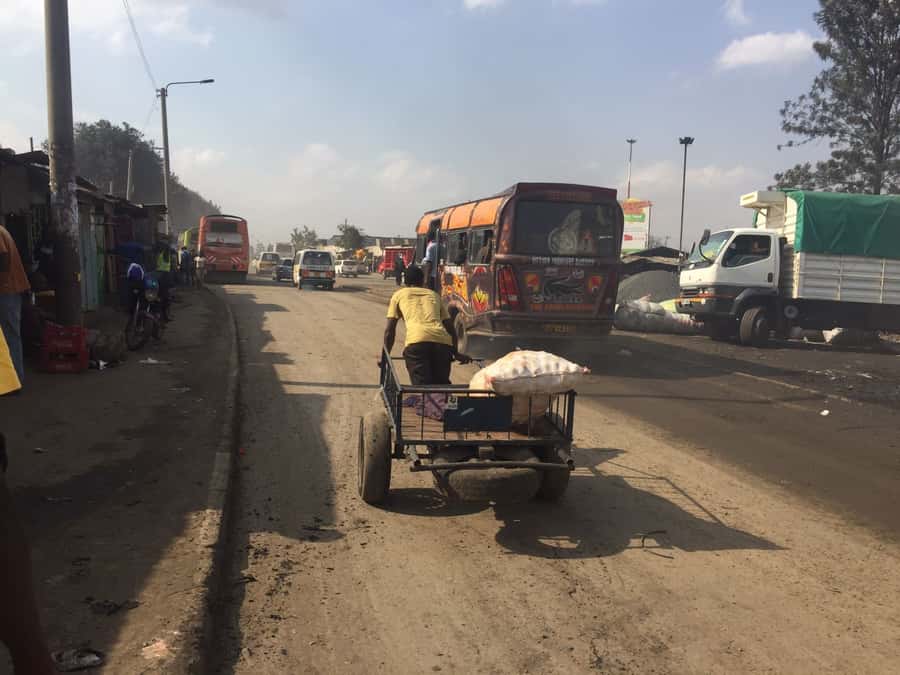
Because this tour is a walking route through central Nairobi, you will likely see a mix of everyday street life and city-center landmarks. The specific streets can vary by guide, but the “stop logic” stays the same: each place is a story prompt.
Here is how to think about the stops so you get more out of it:
- Market and street-front areas tend to trigger stories about where people gathered, how they found food, and what they learned from watching others.
- Transit-adjacent zones often bring up the reality of movement and visibility, including how a person can blend in or stick out depending on circumstances.
- Quiet corners and pause points are where your guide can slow down and explain the personal timeline: what led them to the streets, what kept them alive, and what finally shifted.
- City-center viewpoints may show up, depending on your route, and help you understand the scale of Nairobi from street level.
The tour’s value is not in ticking off famous sights. It is in learning how the city works for people living very different lives. If you keep that mindset, each stop becomes clearer, and your questions become sharper.
One small caution: downtown Nairobi is not a theme park. It is active, and it can feel chaotic. Your job is to stay present, follow the guide, and avoid treating the walk like a photo shoot. If a guide asks you to slow down, it is for a reason.
Lunch and Soft Drinks: The Part That Turns Listening Into Conversation

Lunch is included, along with soft drinks, and that is a big part of why this tour rates so highly. You are not just walking through stories. You get a seated moment where the conversation can widen.
In feedback, guests repeatedly mention how meaningful it was to sit down with the guides and hear more about their past and goals for the future. That matters because it changes the power balance. You are not just consuming someone else’s hardship. You are meeting people who are actively building a new livelihood and trying to help their wider circle too.
Food quality also shows up in the praise. People singled out the meal as among the best they had in Kenya. That is not a guarantee for every departure, but it is a strong sign that lunch is treated as part of the experience, not an afterthought.
One careful note: at least one verified booking said lunch and drinks were not provided as described for that specific tour. That does not mean it is typical, but if food is a key factor for you, it is worth checking your booking details before you go.
Safety in Downtown Nairobi, Done with Serious Attention
When people recommend this tour so strongly, safety comes up a lot. The most repeated message is that it felt secure, even for solo visitors and even in less comfortable areas that a person might not choose alone.
How does that work in practice? The guide structure includes more than one person from the team. Multiple guests mentioned that someone was keeping an eye on things in the background, and some guides even stayed close enough to help guests feel supported the whole time.
You should still treat this as a street-smart experience. The guides know the area, but you should do what you would do anywhere in a city center: keep your phone put away unless you are using it, stay with the group, and avoid wandering to the edges for extra photos.
Also, the emotional content can distract you. When you are moved by a story, it is easy to forget situational awareness. This tour works best when you stay engaged and present, not when you go mentally elsewhere.
Price and Value: Why $45 Works Here

The price is $45 per person for about 150 minutes, and that total includes a personal guide (with the 2-per-guide cap), local lunch, and soft drinks.
So what makes it good value, beyond the math?
First, you are paying for access. Downtown Nairobi is not the kind of place where you can safely freestyle as a visitor. Your guide is both storyteller and navigator. You are also getting a conversation-heavy experience, not a scripted slideshow.
Second, you are funding work. The tour is built around giving disadvantaged youth a job opportunity. That means your payment has a direct, practical impact on the lives of the guides and their ability to keep supporting their families and friends.
Third, the small-group size reduces friction. With only a few participants, you can actually ask questions. You are more likely to understand what you see, and you are less likely to feel like you are being rushed.
If you want strictly high-end comfort or big “tour bus” sightseeing, this might not match your style. But if you want value that feels human, this price tends to land well.
Who Should Book This Tour (and Who Might Want to Skip It)

This is ideal for you if:
- you want to see Nairobi through the eyes of someone who lived there as a street kid
- you like small groups and direct conversation
- you can handle serious topics and prefer real stories over polished tourist narratives
- you want a tour that includes lunch and time to talk, not only walking photos
You might rethink booking if:
- you want a light, purely sightseeing day with minimal emotion
- you are uncomfortable with street-life stories that are honest about survival and hardship
- you rely on professional camera gear and do not want to change plans for the no professional camera rule
It also seems to work well for families in some cases, since multiple guests explicitly noted feeling safe and comfortable, even with children. If you are traveling with kids, the key is preparation: tell them ahead of time that some stories are difficult, and the goal is learning, not sensational entertainment.
Practical Tips Before You Go (Without Overthinking It)

Here are the simple things to get right so the tour feels smooth.
Bring your passport. It is required.
Plan your camera setup. Professional cameras are not allowed. If you want photos, use your phone.
Wear walking shoes. This is a walking tour in a real city center.
Keep your attention on the guide. When the story connects to a place, it helps to be fully present.
Come with questions. The guides actively invite conversation, and you will get more out of the stops when you ask about what you see and what it meant to them.
If you are a solo traveler, take comfort in the repeated pattern in feedback: guests often describe feeling safe with the guide team close at hand. Still, keep your usual city common sense.
Should You Book This Nairobi Storytelling Tour?
If you want Nairobi that feels real, not just photographed, I think this is a strong yes.
Book it if your idea of a great day is listening closely, walking at street level, and sharing in a conversation with former street kids who turned their lives around. The small-group ratio, the chance to sit for lunch, and the built-in social impact make the experience feel like it actually matters.
Skip it only if you need a gentle, purely scenic day, or if emotionally heavy stories will throw you off your rhythm. Otherwise, this is one of those Nairobi experiences that gives you a more balanced view of the city fast, and it does it through people who have lived the story they are telling.
FAQ
Where is the meeting point?
Meet your guide in front of the Bata Shoe shop in Witalii Lane in City Hall-Way, opposite the Kencom Bus Station in Nairobi city centre.
How long is the tour?
The tour duration is listed as 150 minutes, about 2.5 hours.
What language is the tour guide?
The live tour guide is in English.
Is hotel pickup included?
No, hotel pick-up is not included.
What is included in the price?
A personal guide (small-group format), local lunch, and soft drinks are included.
Are alcoholic beverages included?
No, alcoholic beverages are not included.
What should I bring?
Bring your passport.
Are professional cameras allowed?
Professional cameras are not allowed.
What is the group size?
The tour is limited to 10 participants, and the guide setup allows a maximum of 2 guests per guide.
What are the cancellation and payment options?
You can cancel up to 24 hours in advance for a full refund, and there is an option to reserve now and pay later.
More Tours in Nairobi






More Tour Reviews in Nairobi


Everything else we hold on Nairobi
- 7 Days Private 4 star lodges Safari by LandCruiser from Nairobi★ 5.0 · 3 reviews
- 5 Days/4 Nights Kenya Safari★ 4.5 · 3 reviews
- Safari Park Hotel Show & Dinner Experience In Nairobi Tour★ 3.6 · 3 reviews
- Day safari to Olpejeta Rhino conservancy★ 5.0 · 3 reviews
- 7 Days Breathtaking Kenya Wildlife Private Safari★ 5.0 · 3 reviews
- Overnight Amboseli National Park Safari from Nairobi★ 5.0 · 3 reviews
Tours, compared.
 ★ 5.0NAI NAMI: Nairobi Storytelling Tour with Street ChildrenFrom $45792 reviews
 ★ 4.8Nairobi: Historic and Modern Highlights Walking TourFrom $23703 reviews
 ★ 4.5Safari Tour; Nairobi National ParkFrom $43594 reviews
 ★ 4.5Elephant Orphanage and Giraffe Center Tour with OptionsFrom $35457 reviews
 ★ 5.0Walking Tour Through Old Town Mombasa and Fort JesusFrom $50393 reviews
 ★ 4.5Nairobi: Day Tour to Amboseli National Park & Maasai VillageFrom $75310 reviews
 ★ 5.0Tour: Giraffe Center and Nairobi National ParkFrom $176299 reviews
 ★ 5.0Masai village Day Tour ExperienceFrom $100284 reviews