
REVIEW · GIRAFFE CENTRE TOURS
Nairobi: Sheldrick Elephant Orphanage and Giraffe Center
Elephants and giraffes, in the same Nairobi day. This is a tight, well-planned visit to the David Sheldrick Elephant and Giraffe Centre, mixing close animal time with a hands-on Kenyan culture stop at Kazuri beads. It is the kind of outing where good timing matters, and the day is built around getting you to the right place at the right moment.
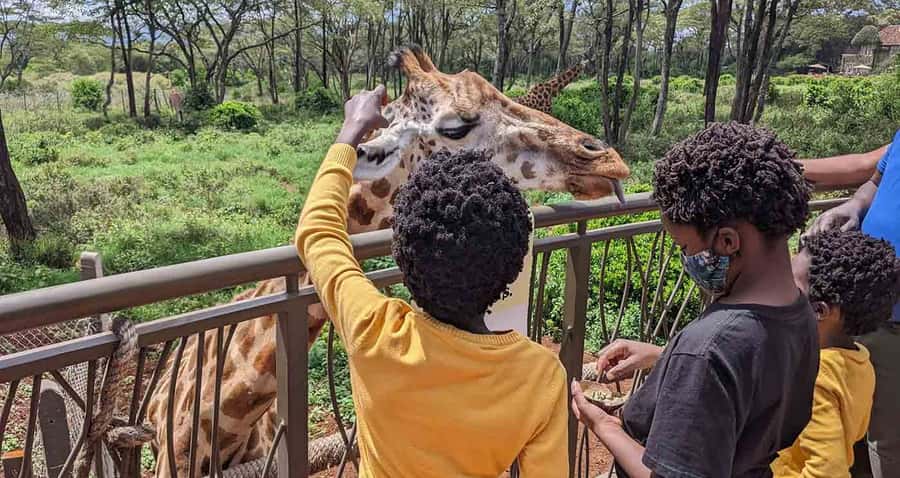
What I really like is the chance to see Rothschild’s giraffes at the Giraffe Centre, including feeding and learning how the conservation work fits together. I also love the elephant focus at Sheldrick, where the baby elephants are active and you get a guided look at how the wildlife trust rescues and rehabilitates orphans.
One thing to consider is that this is a 6-hour outing, so you do not get an all-day drift through each site. If you want maximum time to linger, you may feel a bit rushed at the orphanage or at the giraffes, especially during busy periods.
In This Review
- Quick hits: the best parts of this Nairobi animal day
- Giraffe Centre feeding time at the heart of Rothschild’s story
- David Sheldrick Elephant Orphanage: baby elephants, keepers, and real care
- Kazuri beads: a cultural stop that actually fits the day
- How the 6-hour schedule feels: Sheldrick first, giraffes second
- Small group, private transport: why it adds value
- Price and what you must budget beyond the ticket
- Who this Nairobi day suits best, and who should rethink it
- Should you book the Nairobi Sheldrick and Giraffe Centre day?
- FAQ
- How long is this experience?
- What time does pickup happen and when do I return?
- What is included in the price?
- Is food included?
- Are entrance fees included for Kenya Wildlife Services?
- Does the tour include Kazuri beads?
- Will I skip the ticket line?
- What language is the guide?
- Is this tour wheelchair accessible?
- What is the cancellation policy and can I pay later?
Quick hits: the best parts of this Nairobi animal day
- First-rate viewing setup that can mean better standing positions for the elephant orphanage
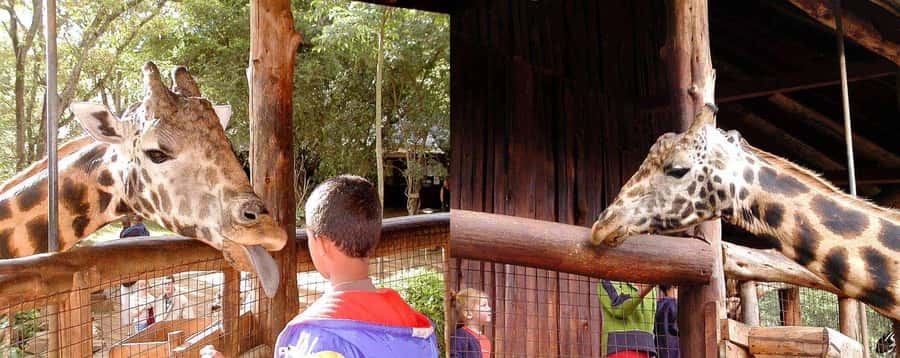
- Feeding Rothschild’s giraffes with a close-up, silly-in-a-good-way experience
- Baby elephant stories explained in a guided format, not just a quick look
- Kazuri beads workshop visit for a real cultural pause during the animal heavy day
- Small-group energy, so you are not stuck lost in a crowd
- A local, helpful guide, with Meshack frequently praised for timing, patience, and humor
The Giraffe Centre sits inside many itineraries. Others
Giraffe Centre feeding time at the heart of Rothschild’s story
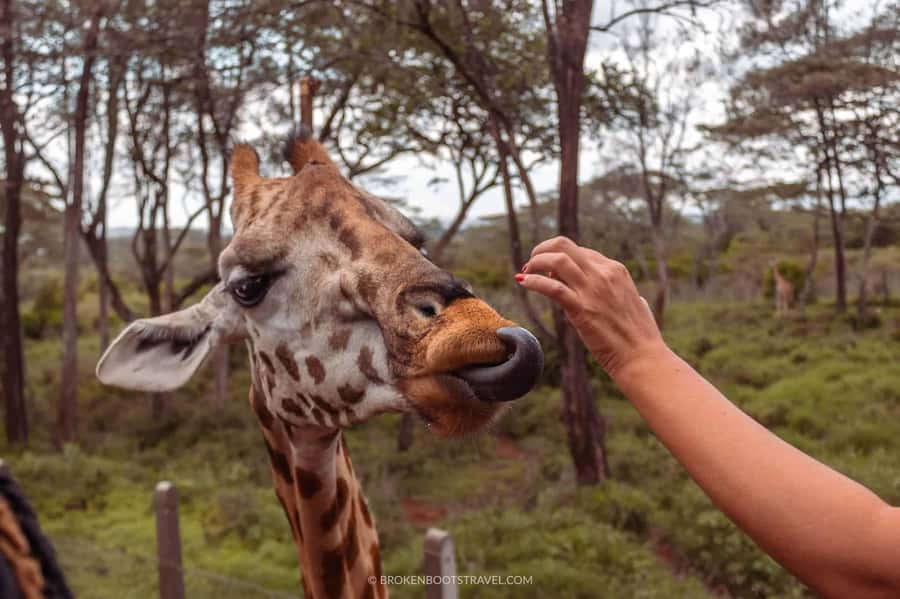
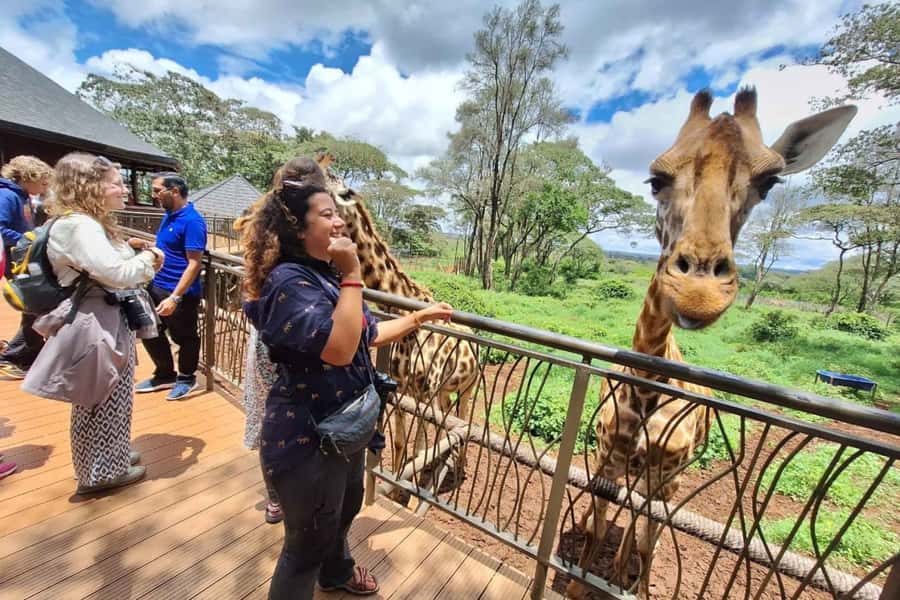
The Giraffe Centre stop is more than a cute animal encounter. The point is to see Rothschild’s giraffes up close, then connect that experience to conservation efforts that protect a vulnerable species. You get a guided visit, and you are not left guessing what you are looking at.
The highlight for many people is the feeding part. When you get to share space with giraffes, their tongues and calm curiosity take center stage. It is one of those moments that feels almost too close, which is exactly why a guide helps. They point out where to stand and how to keep the interaction respectful and safe, while you still get memorable photos.
A practical tip: plan to keep your hands and camera use simple during feeding. If you spend too long trying to perfect shots, you can miss the best part of the interaction. With a good guide, you typically get the chance to feed, then slow down for viewing after the busiest activity settles.
Also, this stop often feels like a mental breather. After watching elephants at Sheldrick, the giraffes give a different rhythm. It is quieter, more steady, and it helps break up a day that is otherwise very emotionally engaging.
David Sheldrick Elephant Orphanage: baby elephants, keepers, and real care
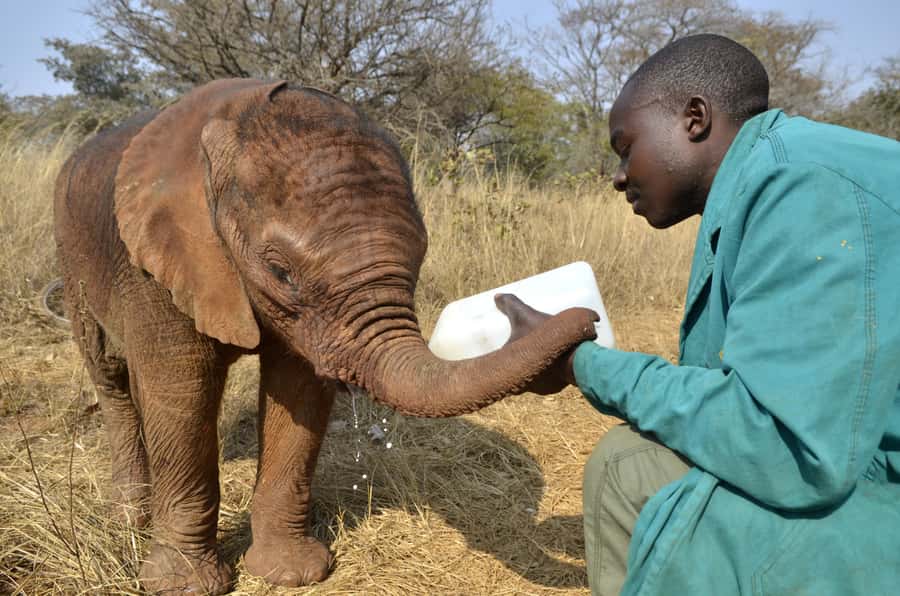
Sheldrick is the big emotional magnet. You are visiting a place that rehabilitates orphaned baby elephants, and the day is shaped around seeing them as active animals, not museum pieces. The guided tour matters here because it turns what you see into a story you can follow.
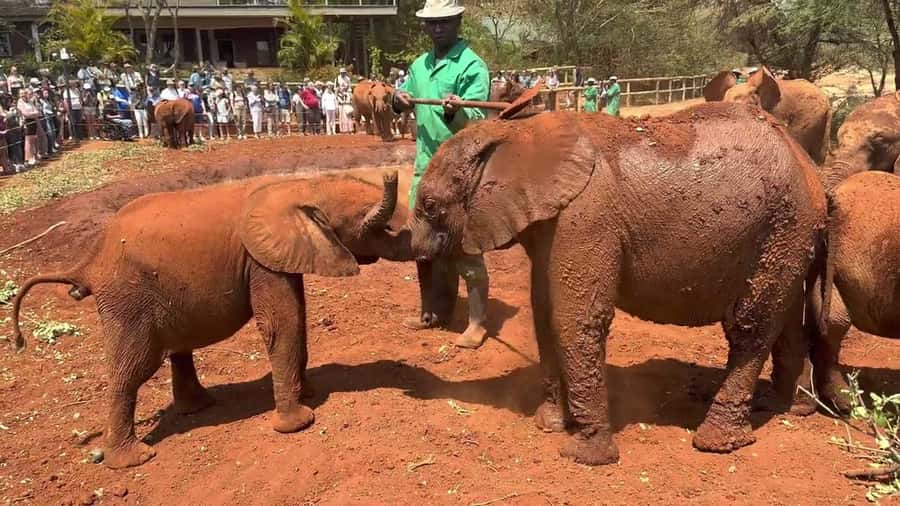
You typically start with the elephant orphanage guide and orientation, then you watch feeding time and learn what is happening. The baby elephants may be playing, walking, or taking naps, and those little changes in behavior are part of the experience. This is one of those wildlife visits where staying alert pays off. If you blink, a baby elephant can switch from one activity to another fast.
Keeper talks are another key piece. People consistently mention that the keeper explanations are informative and that they share why each baby elephant was saved. That context makes the visit feel purposeful. You are not just looking at adorable faces, you are understanding the rescue and rehabilitation work behind them.
One detail that shows up again and again in feedback is how much the guide improves the viewing experience. With guides like Meshack (named in multiple reviews), groups note extra help with timing and standing spots so you can see the elephants well. Some reports mention getting through the gate early, which can be a big deal when crowds build.
So here is my practical advice: do not aim for the back of the group if you care about photos or close viewing. The orphanage area fills quickly, and being placed well changes everything. If your guide can secure a better spot early, take it. Your camera roll will thank you.
Kazuri beads: a cultural stop that actually fits the day
The Kazuri beads visit is a smart counterbalance. After elephant and giraffe time, it brings you into Kenyan craft, work, and creativity. You get to see how beadwork is made and, based on descriptions from the experience, you may also get insight into leather work connected to the overall process.
What I like about including this stop is that it shifts your attention from wildlife conservation to human conservation of skills and livelihoods. You are not being asked to rush through a shop. Instead, you are learning how the work is produced, and that makes purchases feel more meaningful.
Some reviews specifically mention singing by workers during the bead factory visit. Even if you are not focused on music, that detail hints at the atmosphere. It is not just a demonstration room. It is a working place with real people doing real jobs.
Practical note: like most craft stops, you should expect to spend extra if you want to buy. If you care about budget, decide early what you want to pick up, then shop once. Do not treat it like a browse marathon after a long animal day.
How the 6-hour schedule feels: Sheldrick first, giraffes second
The flow is built to reduce stress and maximize your best viewing windows. A typical day starts with hotel pickup around 9:30 a.m. Then you head to the wildlife centre and arrive at about 10:30 a.m. for the guided elephant orphanage segment.
You then move into elephant viewing and feeding, with guidance on where to stand and how to watch. The morning pacing is a big deal because the babies can change activity quickly, and crowd conditions can shift. You want to be in the right spot at the right time.
Around 12:30 p.m., the schedule shifts to the Giraffe Centre for your guided tour and the feeding interaction. This is usually a good transition point. You get a different animal experience without losing momentum.
Then you depart at around 2:00 p.m. and return to your hotel about 3:00 p.m. That is a short day on paper, but it can feel full, especially emotionally at Sheldrick. The upside is that you still have the rest of your afternoon free to roam Nairobi at your own pace, eat well, and avoid feeling trapped in a bus all day.
If you have mobility needs, this tour is listed as wheelchair accessible. That is important because the key challenge at these locations is less about the vehicles and more about moving through the site. Having a tour structure and a guide can help you navigate calmly.
Further bookings at the elephant nursery
Small group, private transport: why it adds value
This is set up as a small-group tour with private transportation and a professional guide. Even if you are comfortable planning independently, the guide component is what you really pay for. In places like Sheldrick and the Giraffe Centre, timing and placement make a difference.
Many praised comments in the feedback focus on how the guide handled viewing spots at the elephant orphanage. People mention getting the best area for seeing elephants and taking photos, and they also mention the guide being patient and ready with information throughout the day.
The pickup and drop-off also matter more than you might think. Nairobi traffic can be unpredictable. When the day is planned, you are spending your energy on animals and culture, not on route planning and deciding which taxi to trust.
A small but useful inclusion is the bottle of drinking water. It is not a life-changing perk, but it keeps you comfortable so you do not waste time buying or searching during tight transitions.
One more value point: the experience includes entrance fees for Sheldrick and the Giraffe Centre, plus it notes skip-the-line access. That can save you stress. Even if ticket lines do not look long, standing around while the day slips by can ruin the flow.
Price and what you must budget beyond the ticket
At $90 per person for a roughly 6-hour day, the price feels reasonable for what is included. You are getting hotel pickup and drop-off, private transportation, guided tours, and entrance fees for both major animal stops. Add in skip-the-line access and a small-group format, and the “value per hour” is solid.
What is not included is important for your planning. Food and drinks are not included. If you get hungry, you will need to budget. Also, the Kenya Wildlife Services entrance fee is listed as not included. Depending on how your guide manages time, you may run into extra fees if you add anything beyond the core sites.
So how do you judge the value for your trip style?
- If you like guided structure and want the day to run smoothly, this setup is a good match.
- If you want maximum freedom, you can DIY. But you may lose some of the best viewing placement and timing.
- If you are traveling with kids, the guided aspect often helps keep attention on track. Some feedback mentions guides helping with keeping kids entertained, which is a real practical advantage.
Also, the overall rating is 4.6 with 54 reviews, which signals a consistent experience, not a one-off good day.
Who this Nairobi day suits best, and who should rethink it
This tour fits best if you want a focused Nairobi experience that combines conservation and culture. It is a strong pick for first-time Nairobi visitors who want two top animal stops without spending the day in logistics mode.
It also works well if you care about explanations. The guiding style described in feedback emphasizes information, patience, and helping you find the best spots to see animals. That is especially helpful at Sheldrick, where crowd positioning can affect what you actually get to see.
Where it may not fit is for people who want a lot of open-ended time. Because it is time-boxed, you may feel you need more time to linger in either the elephant orphanage or at the giraffes. If you are the type who wants to sit quietly and watch animals for hours, you might feel boxed in.
Another consideration is that the elephant orphanage experience can be intense emotionally. The rescue and rehabilitation context is part of the story, and that can hit you harder than a typical “zoo visit.”
If you are wheelchair-accessibility focused, it is listed as wheelchair accessible, which is a good sign. Still, bring realistic expectations for terrain and site movement.
Should you book the Nairobi Sheldrick and Giraffe Centre day?
I think you should book this tour if your goal is a smooth, guided, value-heavy half-day that checks off baby elephants, Rothschild’s giraffes, and Kazuri beads without you stressing over tickets and timing. The strongest reason is the guide factor. When a guide like Meshack is involved, people describe better viewing spots, clear information, and a day that feels organized rather than chaotic.
I would not book it if you want a slow, long, no-rush exploration of a single site. This day is built for momentum, not lounging. It is also best if you are willing to add your own food plan since meals are not included.
If you want a simple rule: book this when you want maximum “wow per hour,” and you will still be ready for more Nairobi later that afternoon.
FAQ
How long is this experience?
It is listed as a 6-hour activity.
What time does pickup happen and when do I return?
The schedule provided shows pickup at about 9:30 a.m. and return to your hotel around 3:00 p.m.
What is included in the price?
Hotel pickup and drop-off, entrance fees for the David Sheldrick elephant orphanage and the Giraffe Centre, a small-group tour, a professional guide, private transportation, and a bottle of drinking water.
Is food included?
No. Food and drinks are not included.
Are entrance fees included for Kenya Wildlife Services?
No. The entrance fee to Kenya Wildlife Services is not included.
Does the tour include Kazuri beads?
The experience highlights a Kazuri beads cultural stop, so you should expect a visit focused on that beadwork and craft experience as part of the outing.
Will I skip the ticket line?
Yes, it lists skip the ticket line.
What language is the guide?
The live tour guide is listed as English.
Is this tour wheelchair accessible?
Yes, it is listed as wheelchair accessible.
What is the cancellation policy and can I pay later?
It offers free cancellation up to 24 hours in advance for a full refund, and it lists a reserve now and pay later option.
More Tour Reviews in Nairobi





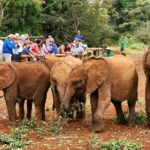
Back at the Elephant Nursery




Longer at the Giraffe Centre

Everything else we hold on Nairobi
- 7 Days Private 4 star lodges Safari by LandCruiser from Nairobi★ 5.0 · 3 reviews
- 5 Days/4 Nights Kenya Safari★ 4.5 · 3 reviews
- Safari Park Hotel Show & Dinner Experience In Nairobi Tour★ 3.6 · 3 reviews
- Day safari to Olpejeta Rhino conservancy★ 5.0 · 3 reviews
- 7 Days Breathtaking Kenya Wildlife Private Safari★ 5.0 · 3 reviews
- Overnight Amboseli National Park Safari from Nairobi★ 5.0 · 3 reviews
Giraffe Centre Tours, compared.
 ★ 4.8Nairobi: National Park & Optional Elephants & Giraffe CenterFrom $80874 reviews
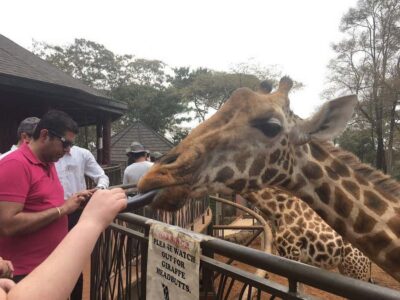 ★ 4.5Elephant Orphanage and Giraffe Center Tour with OptionsFrom $35457 reviews
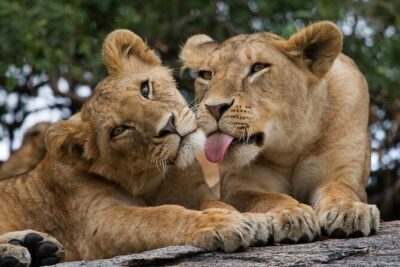 ★ 4.6Nairobi National Park, Elephant Orphanage and Giraffe CentreFrom $40365 reviews
 ★ 5.0Tour: Giraffe Center and Nairobi National ParkFrom $176299 reviews
 ★ 4.5From Nairobi: Elephant Orphanage and Giraffe Center Day TripFrom $90235 reviews
 ★ 4.5Elephant Orphanage & Giraffe Centre TourFrom $95225 reviews
 ★ 5.0Nairobi national park and Giraffe centerFrom $175171 reviews
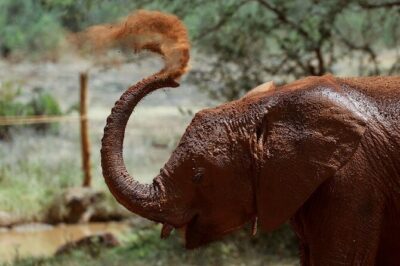 ★ 4.5Day tour to Giraffe Center and Karen Blixen MuseumFrom $95168 reviews
Appears in these lists