
REVIEW · ELEPHANT ORPHANAGE TOURS
Nairobi: Private Elephant Orphanage Tour
Elephants and conservation, up close, in Nairobi. This private outing centers on the David Sheldrick Wildlife Trust and its orphan-care work, with a guided introduction before you meet baby elephants face to face. I like that it is built around a real conservation mission, not just a photo stop, and you get to learn the elephant adoption process from people who do this every day.
My favorite part is the chance to see the orphans during feeding time, including their formula milk routine up close under professional supervision. You also get time in the outskirts of Nairobi, with a couple of local stops that break up the day.
One drawback to think about: the trip pricing can feel confusing once you factor in the Nairobi National Park entry fee that is not included, so I’d confirm your total cost up front.
In This Review
- Key highlights to know before you go
- David Sheldrick Wildlife Trust: why this Nairobi visit matters
- Your day at a glance: pickup, the 10:45 AM talk, then elephant time
- The elephant encounter: feeding moments, supervision, and the adoption lesson
- Touching baby elephants: how to make it a respectful, smooth experience
- Exploring Nairobi’s outskirts with craft stops that actually add value
- Price and logistics: the part you should confirm before paying
- Languages and private guidance: what you can control
- Who this tour suits best, and who should think twice
- Practical prep: what to bring and how to keep the day easy
- Should you book? My take on the Nairobi elephant orphanage tour
- FAQ
- What time do I need to arrive for the elephant orphanage introduction?
- How long is the guided introduction?
- What is included in the $100 per person price?
- Is lunch included?
- What extra fee might I have to pay for Nairobi National Park?
- Are drinks included?
- What should I bring with me?
- What languages are available for the tour?
- Is the tour suitable for children and all ages?
Key highlights to know before you go
- David Sheldrick Wildlife Trust intro: arrive for a one-hour presentation and question time at 10:45 AM
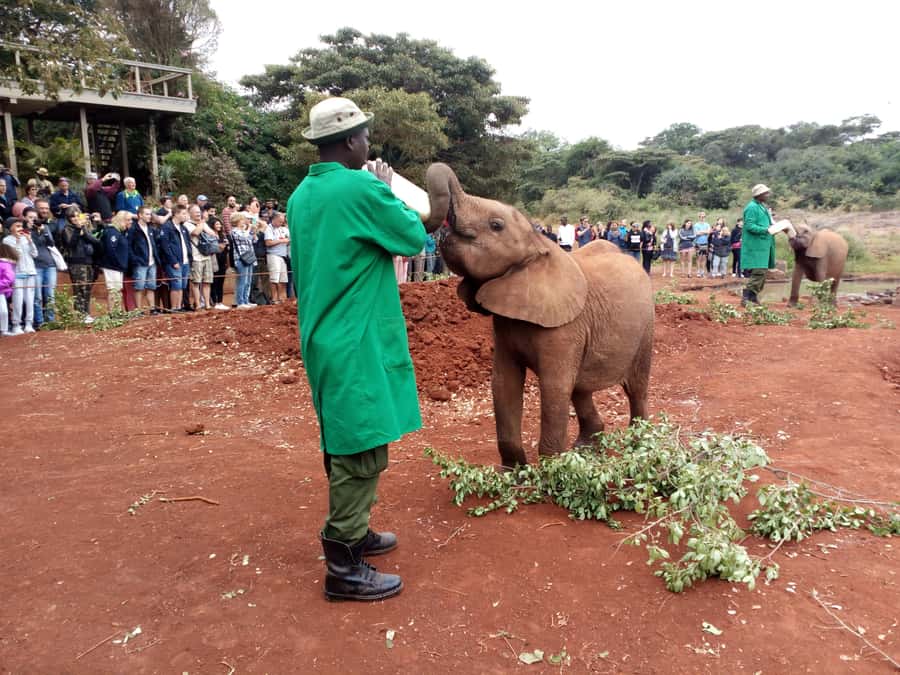
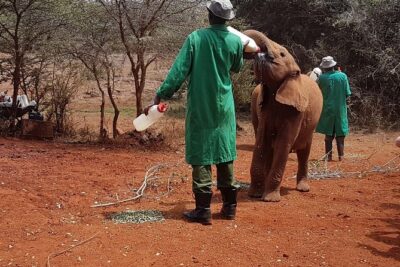
- Up-close baby elephant feeding: watch them enjoy their formula milk with trained staff supervising
- Hands-on interaction: the experience includes seeing and touching the baby elephants
- Adoption learning: you’ll hear how adopting an elephant supports the orphan program
- Local crafts stops: a wood crafts store and a Kazuri beads factory break up the day
- Private transport from your lodging: hotel pickup and drop-off by private vehicle
Further bookings at the elephant nursery
David Sheldrick Wildlife Trust: why this Nairobi visit matters
If you care about animals and the behind-the-scenes side of conservation, this stop makes sense fast. David Sheldrick Wildlife Trust is one of the best-known places to visit while in Nairobi because its whole purpose is to care for rescued baby elephants.
The Trust has been operating for more than 40 years, and its Orphans Project is described as the first and most successful elephant orphan rescue and rehabilitation program in the world. That matters because you are not just observing animals. You are seeing the result of a long-running system built to give young elephants a safe start and a path back to healthier lives.
You also get the benefit of being guided. Instead of wandering through the site trying to connect the dots, you start with a structured intro presentation. That helps you understand what you are seeing, why it is happening, and what your visit is supporting.
Your day at a glance: pickup, the 10:45 AM talk, then elephant time
This is a private setup with hotel pickup and drop-off and transport by private vehicle. A tour escort and host travel with you, plus you get a driver and guide to handle the route and timing.
Plan on arriving at David Sheldrick Park at 10:45 AM. The schedule begins with a one-hour introductory presentation. This is not filler. It is the moment where you can ask questions and get context before you step into the elephant area. If you want to go in with the right expectations, this intro is the part that helps most.
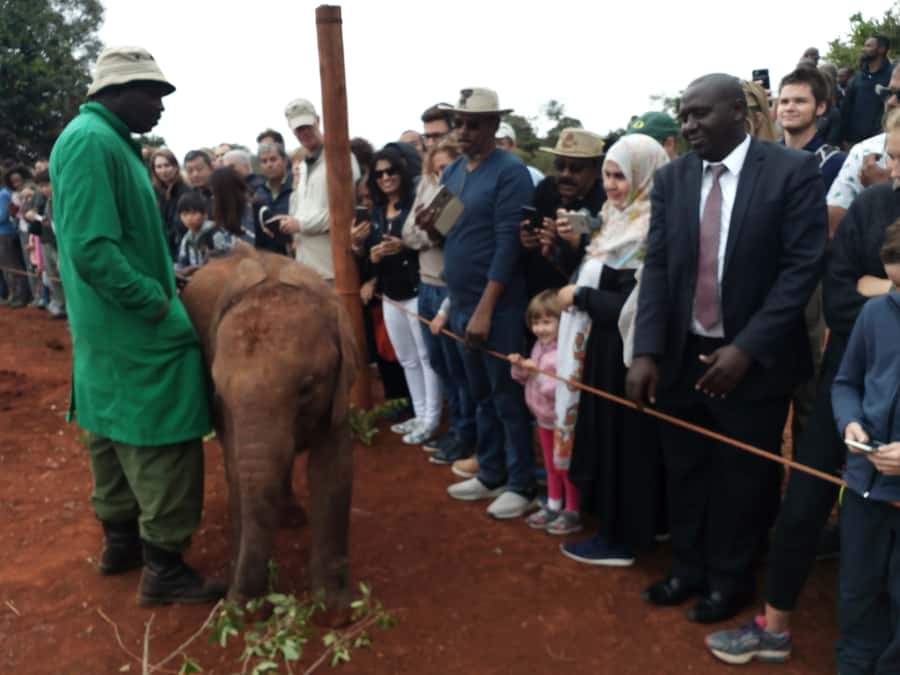
After the talk, the focus shifts to the animals. You spend time with the beautiful baby elephants, with trained professionals overseeing the interaction. One of the standout details in the highlights is that the experience includes seeing and touching the babies, which is a big part of why this visit feels intimate.
Time planning tip: because lunch is optional and you are also stopping at craft sites, keep your day flexible. You will likely feel like you are moving from one meaningful moment to the next, rather than checking boxes in a rush.
The elephant encounter: feeding moments, supervision, and the adoption lesson
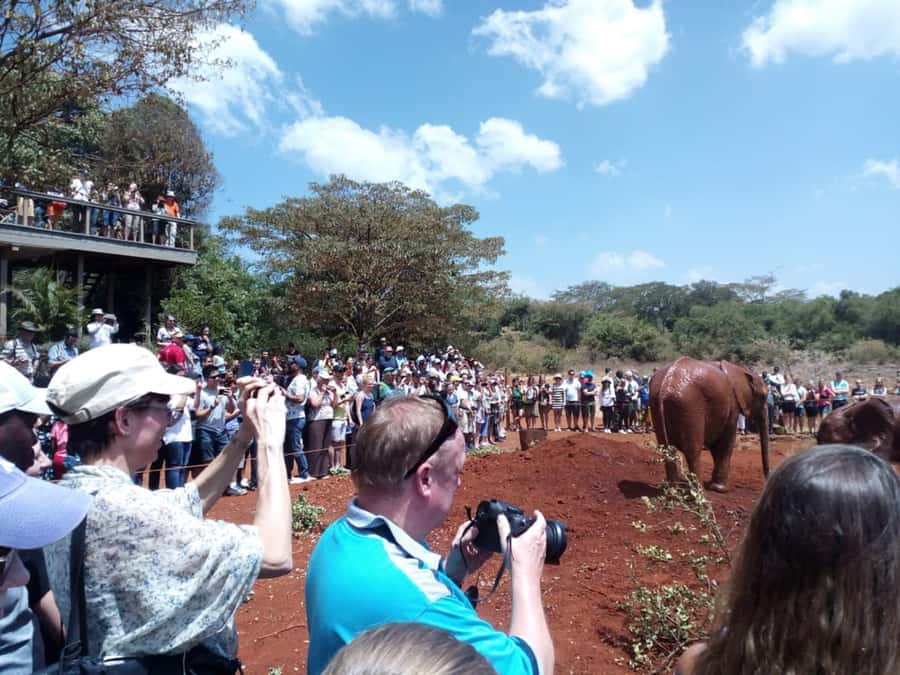
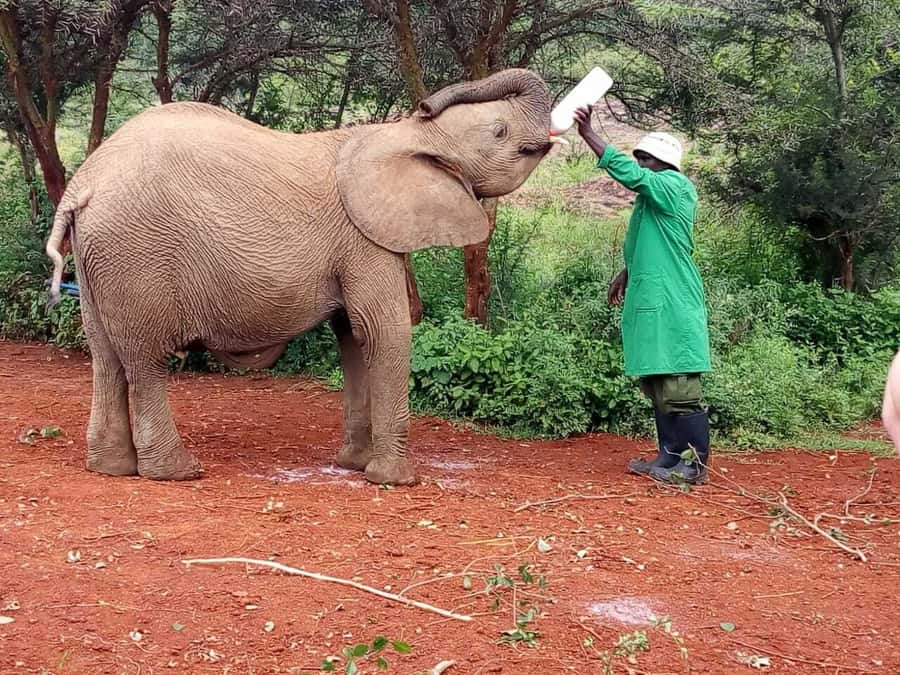
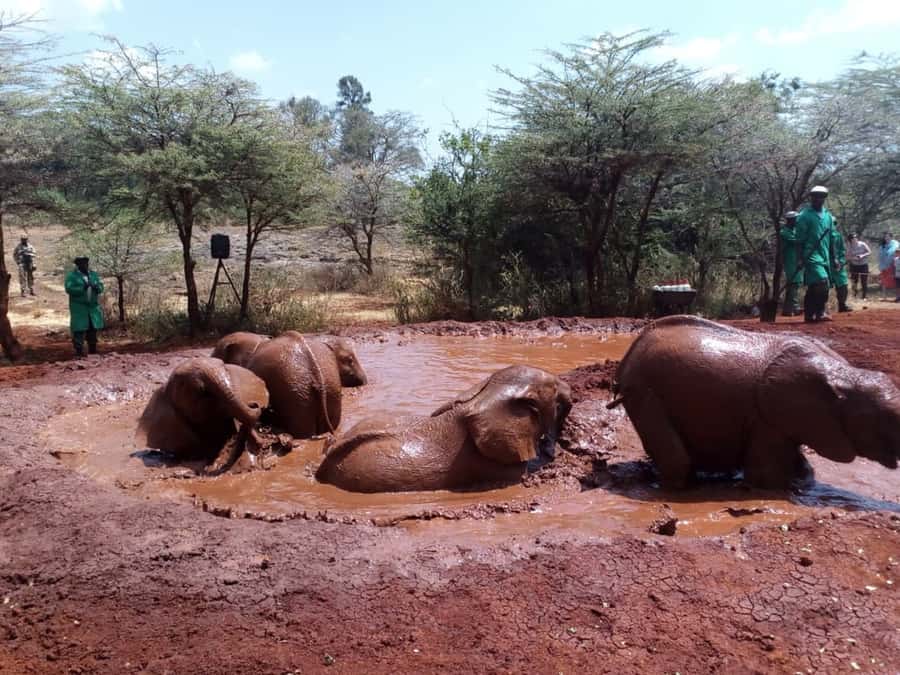
The big draw here is straightforward. You get a guided, up-close encounter with orphaned baby elephants, including their formula milk feeding routine.
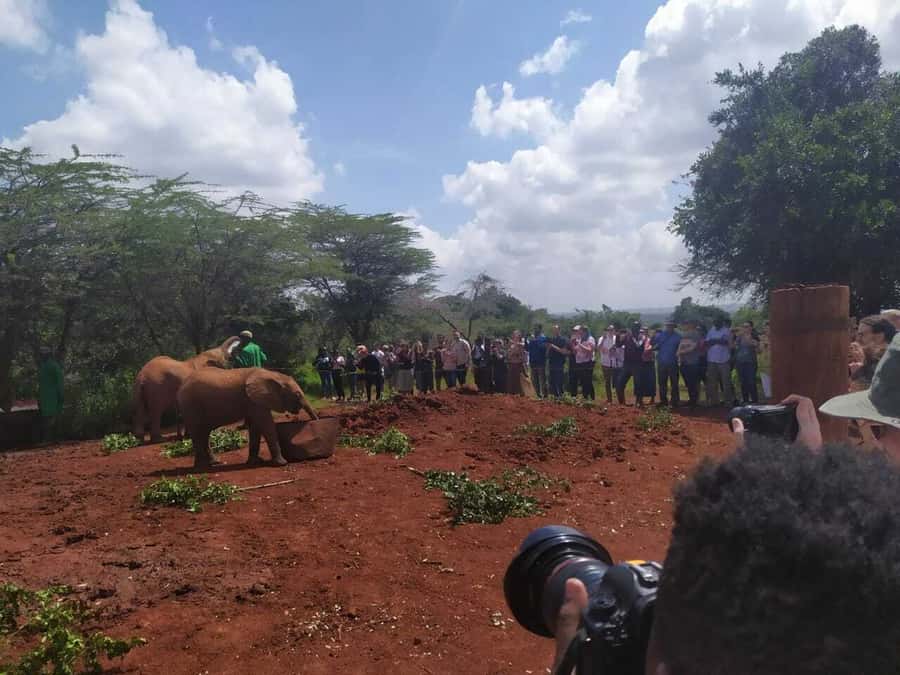
Watching baby elephants eat is surprisingly emotional. The babies are close enough that you can really see what they are doing, not just spot them from far away. And because the feeding and interaction happen under supervision of trained professionals, you get a safer, more orderly experience than you would at a typical roadside encounter.
The tour also leans into meaning, not just cuteness. You will learn about the process of adopting an elephant. In practice, that means you are not only learning what the Trust does. You are also hearing how support connects to the orphan program, and what adopting is meant to help with over time.
One thing I pay attention to on experiences like this is how the moment is framed. Here, the intro presentation and the structured elephant time help you view the day as conservation in action. That is what turns a visit from a quick spectacle into something you remember for its purpose.
Touching baby elephants: how to make it a respectful, smooth experience
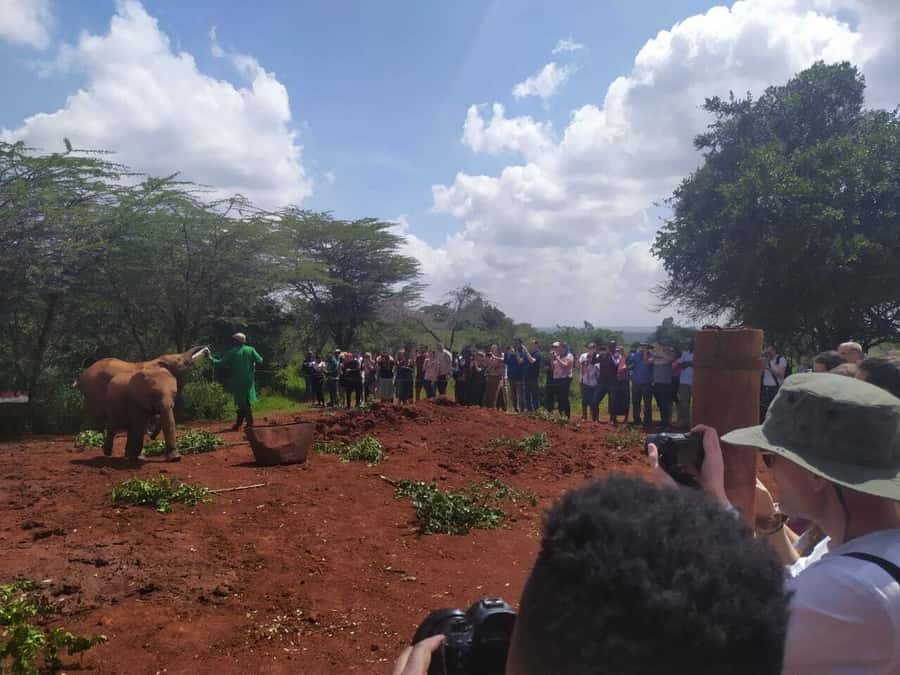
Because the experience includes touching the baby elephants, you should go in mentally ready for a hands-on, sensory encounter. That is a rare opportunity in many wildlife settings, and it is also exactly why the professional supervision matters.
The best way to make this part go smoothly is simple: listen closely to the staff directions during your visit. Even if you feel excited, follow the rules on where to stand and when to move. This is an encounter with young animals that need consistent care and low stress, and the humans running the program keep that balance.
Bring the right basics so you are not distracted. The tour lists passport or ID card, sunglasses, and a sun hat. That is practical advice. Nairobi sun can be intense, and you will probably want your eyes protected during outdoor time.
Also, if you are traveling with kids, this kind of tactile interaction can be a highlight. It is listed as suitable for all ages, but keep an eye on attention spans. Elephant time can be magical, then suddenly it can feel long if everyone is tired.
Other Nairobi bookings that survived the same scrutiny
Exploring Nairobi’s outskirts with craft stops that actually add value
After the elephant time, the tour adds two cultural stops that can make the day feel less like a single-issue outing.
First, there is a visit to a local wood crafts store. This is a quick shopping stop, so you should treat it that way. The value is not that you will spend ages browsing. It is that you get a taste of local craftsmanship beyond the wildlife focus.
Next comes a kazuri beads factory stop. Kazuri is a well-known name in the region, and beadwork is the kind of craft where you can often see process and materials up close. If you like bringing home something with an actual story, this is often more satisfying than buying random souvenirs later on.
For a lot of people, the best part of craft stops is the pacing. You finish the emotional peak of the elephant visit, then you transition into a more relaxed environment where you can look around, ask questions, and maybe pick up a small keepsake.
Optional lunch fits in here too. The tour includes a driver who will advise on a restaurant, but lunch is not included. That means you can pick what works for your appetite and budget, rather than being locked into a single preselected spot.
Price and logistics: the part you should confirm before paying
At $100 per person, this tour includes a lot on paper: hotel pickup and drop-off, transport by private vehicle, a tour escort and host, plus driver and guide, and an entry fee to the elephant orphanage.
But two cost details matter a lot for real-world value:
1) Nairobi National Park entrance fee is not included
You should expect an additional $45 per person for Nairobi National Park entrance. This fee can change the true total cost, especially for families or groups.
2) Lunch and drinks are not included
That is common for tours, but it adds up if you are hungry right after elephant time.
Now, here is the practical advice I would follow if I were booking: confirm the all-in total before you get in the car. Ask what fees are included, what fees will be charged at the gate, and whether any other charges could apply depending on your route.
Some people also report issues with the way private transport and guidance are handled, including confusion around whether a truly private guide is provided the way they expected. That is exactly why I recommend confirming the basics in writing before travel day: the number of people in your vehicle, the type of guide you will have on-site, and the language support you booked.
Value-wise, this tour can be a strong deal if the schedule matches your expectations and the elephant access feels smooth. It is a poor deal if you arrive surprised by extra entry fees or if you expected a different kind of on-site guiding.
Languages and private guidance: what you can control
The tour lists English, German, and French. That is great, especially if you want to ask questions during the introduction presentation and understand what the staff is explaining.
If you booked a specific language, my rule is to confirm clearly what will happen when you arrive. The experience depends on your ability to follow instructions, ask questions, and understand the adoption and care explanation.
Also, because this is described as private transport with an escort and host, it helps to confirm how that escort functions on the day. You want someone who can support you through the full flow, not just drive you to the area.
If you are comfortable with English, you can probably have a good day regardless. But if German or French is important to you, verify it is provided as expected.
Who this tour suits best, and who should think twice

This is a great match for you if:
- You want a focused Nairobi wildlife experience built around conservation education
- You care about orphan elephant rescue and rehabilitation, not just sightseeing
- You like structured time, with a guided intro and supervised elephant interaction
- You want a day that includes both animals and a little local crafts culture
This may not be ideal if:
- You are extremely budget sensitive and do not want surprise gate fees
- You dislike shopping stops and feel pressured by any extra time for crafts stores
- You need highly specific guiding expectations and you have not confirmed language and private guidance details
Because it is suitable for all ages, it can work for families. Still, the day is more meaningful when everyone is present for the elephant care story. If the kids are very small, keep expectations realistic and plan short, calm breaks.
Practical prep: what to bring and how to keep the day easy
The tour’s packing list is refreshingly clear: bring passport or ID card, sunglasses, and a sun hat.
I’d also keep your day simple in terms of timing. Start with the 10:45 AM arrival, then expect the schedule to be built around that elephant-focused block and the craft stops afterward.
Since drinks and lunch are not included, think ahead about hydration. If you know you get thirsty in the sun, plan to have your water strategy ready at the times you can actually buy it.
Should you book? My take on the Nairobi elephant orphanage tour
I’d book this tour if you want an organized, guided visit where the elephant encounter is the point and the mission is explained before you meet the babies. The Trust is serious about rescue and rehabilitation, and the chance to see feeding up close, including the milk routine, plus the chance to touch the baby elephants, is a huge part of the appeal.
Before you pay, do the unglamorous part: confirm the total cost and the on-the-ground guiding details. Specifically:
- Confirm that you understand the $45 per person Nairobi National Park entrance fee that is not included
- Ask what fees will be collected when, so you are not deciding at the gate
- Verify the language you booked is actually available on-site
- Clarify what private means in your vehicle and who is accompanying you during the key moments
If those items check out, this is the kind of Nairobi experience that feels honest and focused. If they do not, you can end up feeling like you paid for transport and paperwork instead of time with the elephants. And in this case, you definitely came for the elephants.
FAQ
What time do I need to arrive for the elephant orphanage introduction?
You should arrive at David Sheldrick Park at 10:45 AM for a one-hour introductory presentation.
How long is the guided introduction?
The tour includes a one-hour introductory presentation.
What is included in the $100 per person price?
It includes hotel pickup and drop-off, transport by private vehicle, tour escort and host, driver and guide, and the entry fee to the elephant orphanage.
Is lunch included?
No, lunch is not included. The driver can advise an optional lunch stop.
What extra fee might I have to pay for Nairobi National Park?
The Nairobi National Park entrance fee is not included and is listed as $45 per person.
Are drinks included?
No, drinks are not included.
What should I bring with me?
Bring your passport or ID card, sunglasses, and a sun hat.
What languages are available for the tour?
The tour offers English, German, and French.
Is the tour suitable for children and all ages?
Yes, this tour is suitable for all ages.
More Tours in Nairobi



More Tour Reviews in Nairobi


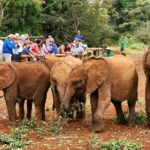
Back at the Elephant Nursery




Everything else we hold on Nairobi
- 7 Days Private 4 star lodges Safari by LandCruiser from Nairobi★ 5.0 · 3 reviews
- 5 Days/4 Nights Kenya Safari★ 4.5 · 3 reviews
- Safari Park Hotel Show & Dinner Experience In Nairobi Tour★ 3.6 · 3 reviews
- Day safari to Olpejeta Rhino conservancy★ 5.0 · 3 reviews
- 7 Days Breathtaking Kenya Wildlife Private Safari★ 5.0 · 3 reviews
- Overnight Amboseli National Park Safari from Nairobi★ 5.0 · 3 reviews
Elephant Orphanage Tours, compared.
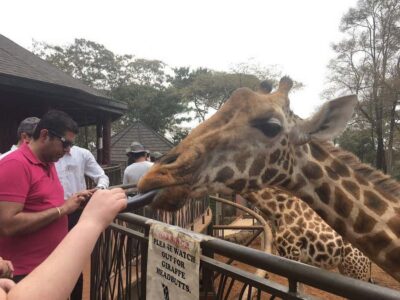 ★ 4.5Elephant Orphanage and Giraffe Center Tour with OptionsFrom $35457 reviews
 ★ 4.6Nairobi National Park, Elephant Orphanage and Giraffe CentreFrom $40365 reviews
 ★ 4.5From Nairobi: Elephant Orphanage and Giraffe Center Day TripFrom $90235 reviews
 ★ 4.5Elephant Orphanage & Giraffe Centre TourFrom $95225 reviews
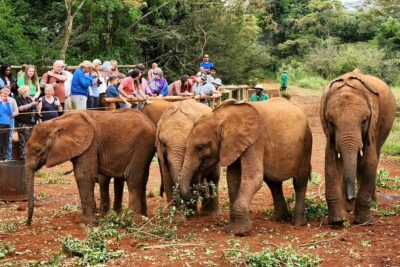 ★ 5.0Half day tour to Elephant orphanage & Giraffe Centre NairobiFrom $95130 reviews
 ★ 4.5Nairobi: National Park, Elephant Orphanage & Giraffe CenterFrom $23113 reviews
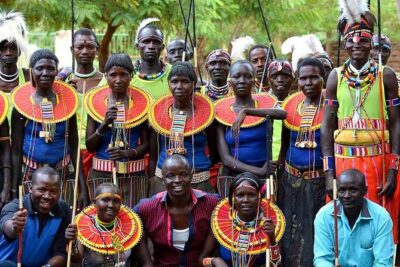 ★ 4.5Giraffe Centre, Elephant Orphanage, and Bomas of Kenya Day Tour from NairobiFrom $11596 reviews
 ★ 5.0Giraffe Center, Elephant Orphanage, Beads Center & Bomas of Kenya Tour NairobiFrom $13595 reviews
Appears in these lists