
REVIEW · GIRAFFE CENTRE TOURS
Nairobi: National Park, Elephant Orphanage & Giraffe Tour
Giraffes and elephants, all in one Nairobi day. This tour bundles Nairobi National Park scenery and wildlife viewing with close-up visits to the Giraffe Centre and the David Sheldrick Wildlife Trust, plus time to meet the women and men who craft beads at Kazuri and Kobe. I like how hands-on it feels, especially the chance to feed the endangered Rothschild giraffes.
What really makes the day click is the balance of conservation and culture. I enjoy watching baby elephants being fed and washed, and you also get a window into how local artisans turn materials into beads and ceramic pottery. One drawback to plan for: it’s a full day with some walking and sun, so you’ll want comfortable shoes and patience for the driving time between stops.
In This Review
- Key highlights worth your time
- How the timing and transport shape the experience
- Nairobi National Park game drive: the big-picture warm-up
- Entering the Giraffe Centre: hand-feeding endangered Rothschild giraffes
- David Sheldrick Wildlife Trust: baby elephants, feeding routines, and learning
- Kazuri Beads Factory: local women making beads and ceramic pottery
- Kobe Beads Factory: beads made start to finish, with singing
- Lunch and the drive back to Nairobi
- Price and value: what $32 gets you and what you should watch
- Who this tour suits best
- What to bring, and how to make it more comfortable
- A quick, honest ethical lens
- Should you book this Nairobi: National Park, giraffes, elephants, and beads tour?
- FAQ
- What is the duration of the Nairobi tour?
- What pickup and drop-off areas are available?
- Is Nairobi National Park entry included in the price?
- Can I feed the giraffes?
- What will I see at the David Sheldrick Wildlife Trust?
- Do I need to bring my own food?
- Are pets allowed on the tour?
Key highlights worth your time
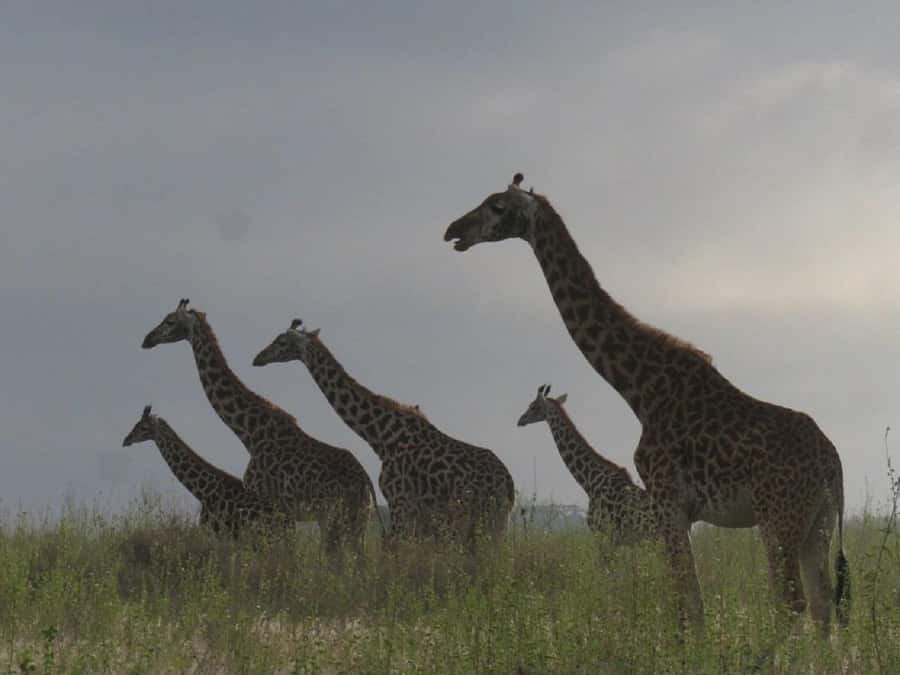
- Hand-feeding Rothschild giraffes in a semi-wild, protected setting
- Baby elephant routines at the David Sheldrick Wildlife Trust, including feeding and sand play
- Nairobi National Park wildlife viewing with guided sights and a scenic drive
- Kazuri and Kobe workshops where you see how beads and pottery are made
- Convenient pickup and drop-off from many Nairobi hotel areas and the airport
The Giraffe Centre sits inside many itineraries. Others
How the timing and transport shape the experience
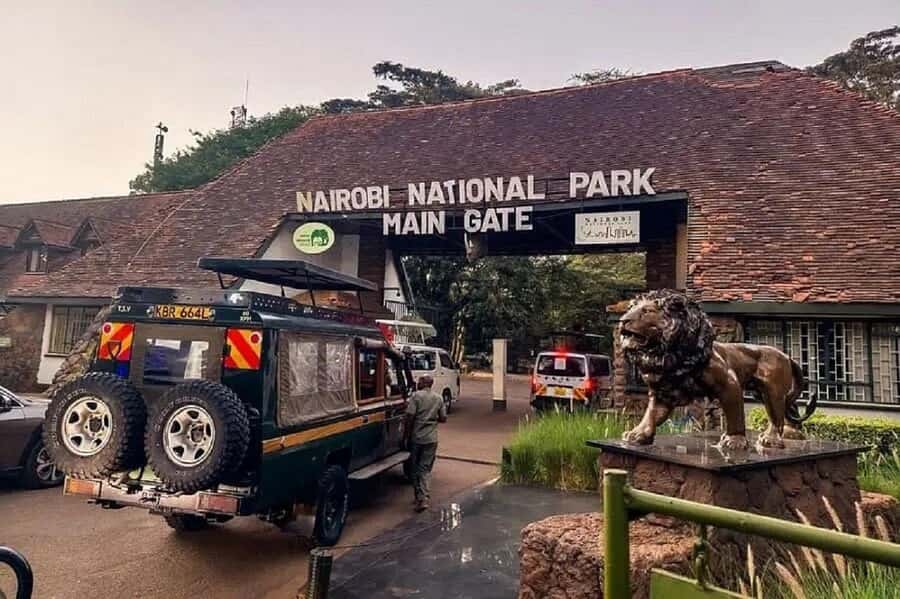
You’re typically picked up early from your hotel or from the airport area, then you head out by van. The full tour runs about 6 to 9 hours, which is perfect if you want a lot packed in without losing the whole day to logistics.
The drive matters here. Nairobi traffic can change your schedule, so having a guide and driver who keep things moving is a real part of the value. It also helps that the tour uses set stops, including a Nairobi National Park window for game viewing before the animal visits get closer and more emotional.
On the ground, expect a day that alternates between viewing and short walks. There’s time to shop too, but it’s not a free-for-all. It’s more like guided focus, then a practical window to pick up souvenirs.
Nairobi National Park game drive: the big-picture warm-up
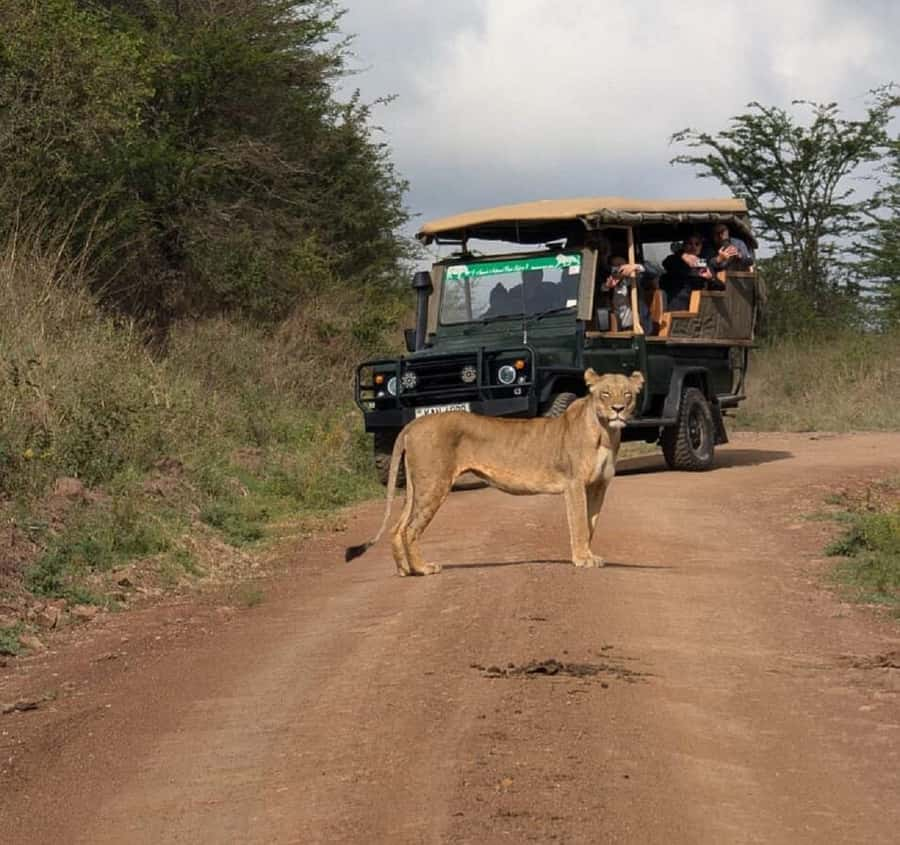
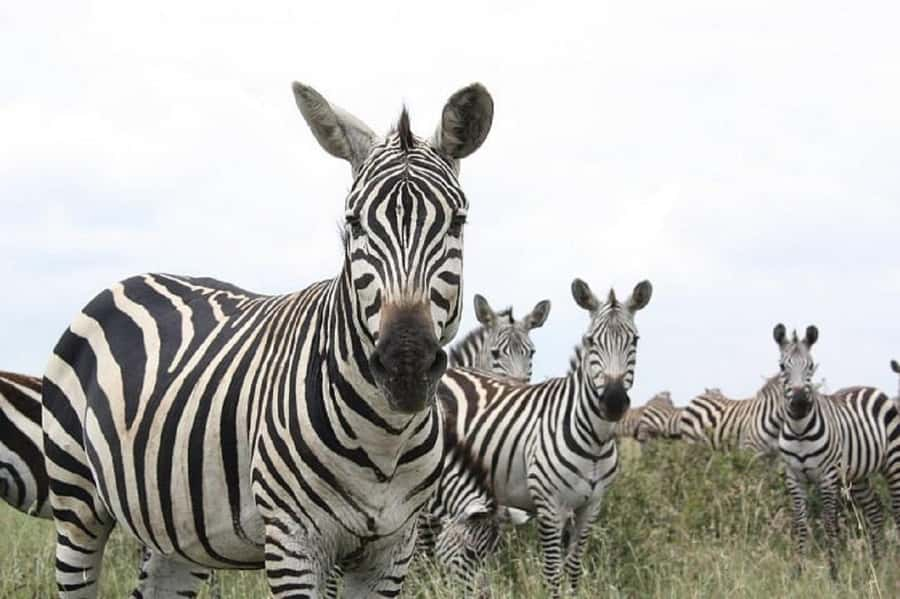
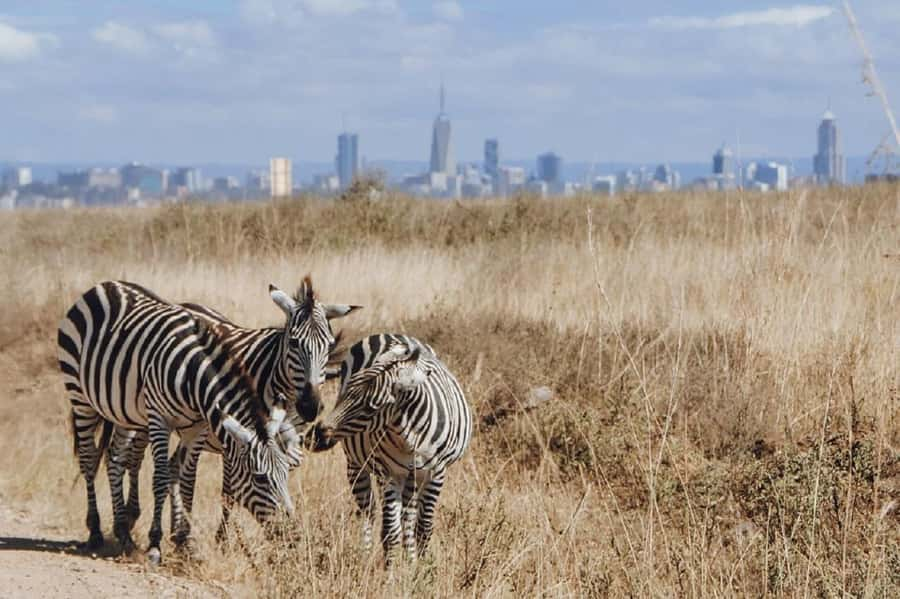
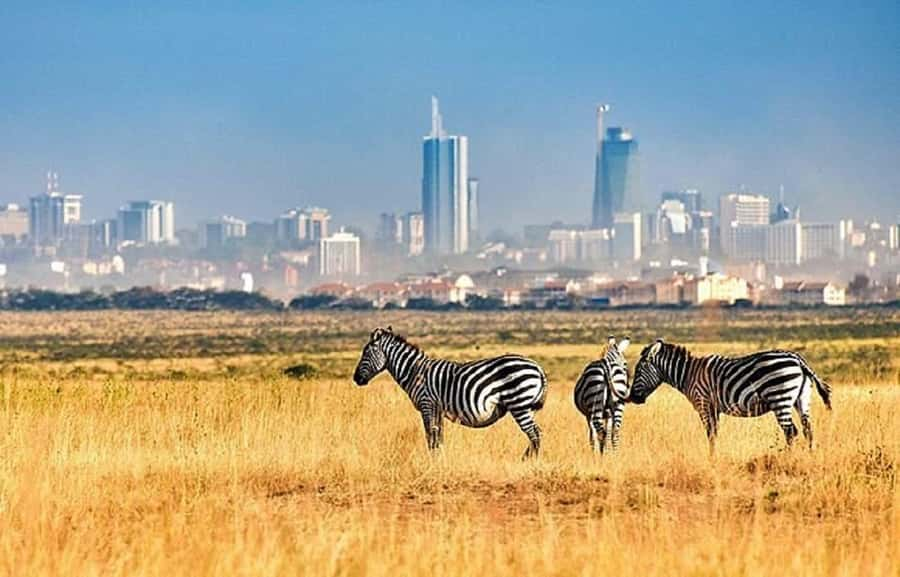
The day starts with about 4 hours at Nairobi National Park, with a guided tour, scenic drive, and wildlife viewing. Even if you’ve visited a park before, this part helps you get your bearings in Kenya’s wildlife setting.
Why this stop is worth it: it gives you context. You’re not only seeing animals in conservation spaces later. You’re also seeing how wildlife shows up in the broader landscape, with guided spotting and scenic travel that helps you notice what you might otherwise miss from the road.
A practical note: you’ll likely be more awake and ready for it at the beginning of the day. If you tend to get tired fast, bring water and plan to stay alert through the park portion, because the emotional intensity ramps up at the elephant orphanage afterward.
Entering the Giraffe Centre: hand-feeding endangered Rothschild giraffes
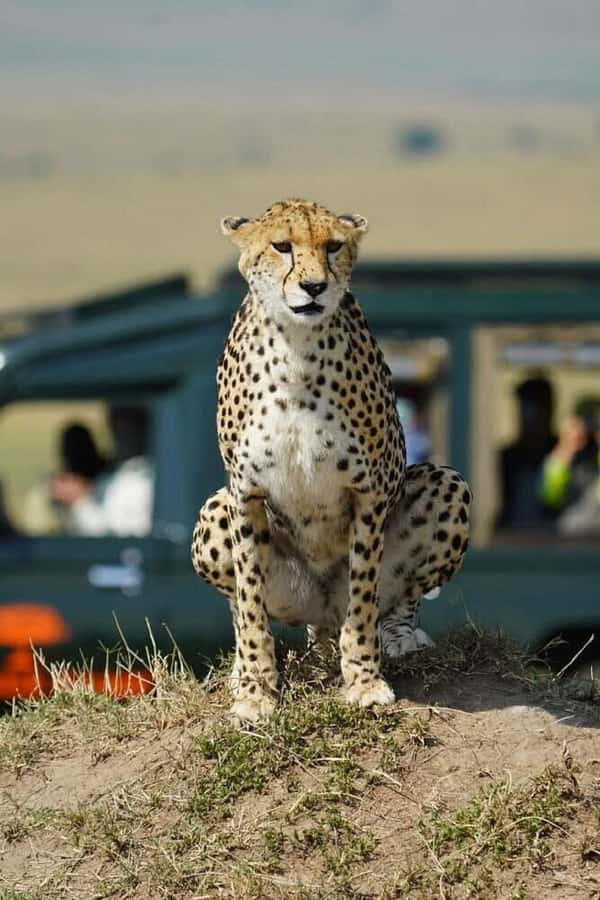
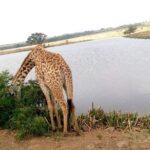
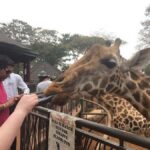
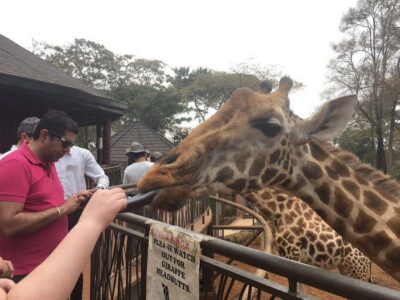
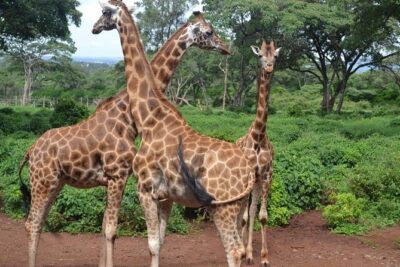
Your first conservation highlight is the Giraffe Centre, established as shelter for the endangered Rothschild giraffes. Some giraffes arrive if they’re injured, and others come as babies when mothers have died.
What you’ll love here is the closeness. You have a chance to feed the giraffes with your hands and even touch them. They roam in a semi-wild setting, so it feels less like a rigid zoo experience and more like controlled nature.
Inside the centre, you may also spot other animals, including warthogs. It’s a nice bonus because it breaks up the giraffe focus just enough to keep the visit interesting.
The only consideration: because you’re so close to the animals, you should be ready for rules and careful handling. Wear comfortable clothing and be prepared for sun exposure while you wait for your turn and move around the area.
David Sheldrick Wildlife Trust: baby elephants, feeding routines, and learning

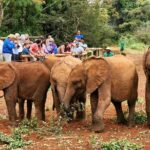
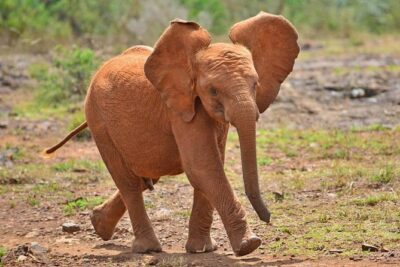
Next up is the David Sheldrick Wildlife Trust, an orphanage that offers shelter for endangered baby elephants and 1 rhino. The visit includes a guided component and time to watch the daily routines, like feeding, washing, and play.
This is where the day becomes memorable in a different way. You’re not just observing. You’re watching how caretakers support young animals and help them build skills for survival, including independence around feeding. Some baby elephants have adapted to feeding themselves, grasping the bottles with their trunks.
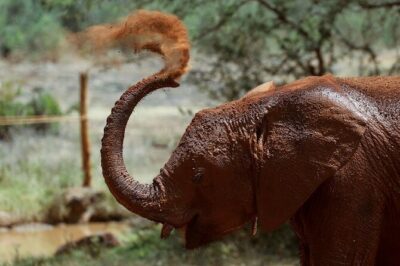
One of the most striking parts is the way they interact with their surroundings, including playing with sand. It’s active, noisy, and very human in its energy, even though you’re witnessing a serious conservation mission.
A balanced reality check: orphanage settings can be emotionally intense. If you know you get overwhelmed around baby animals, go in with a calm mindset and focus on what the care is doing, not just the cuteness.
Further bookings at the elephant nursery
Kazuri Beads Factory: local women making beads and ceramic pottery
After the wildlife parts, you shift from nature to craft at Kazuri Beads Factory. You’ll admire how local women handcraft beautiful beads and ceramic pottery, and you’ll get about 1 hour here with a break window that typically includes shopping and time to look around.
This stop is valuable because it’s not just a souvenir shop. It’s a chance to see the process and understand that many products come from skilled work done by real people. If you like supporting local jobs, this is one of the easiest ways on the itinerary to do it directly.
What to expect from your time: you’ll likely browse, watch how items are made in the space you’re allowed to see, and then decide what you want to take home. If you’re short on cash, plan carefully, since you may want to buy small items like beads, earrings, or pottery pieces.
Kobe Beads Factory: beads made start to finish, with singing
Then you visit the Kobe Beads factory, where you see production from start to end. This is also an entertainment-plus-learning stop, because the makers sing local music while they work.
Why it’s worth doing even if you already visited Kazuri: the feel is different. At Kazuri, the focus is on handcraft and admiration of the finished work by local women. At Kobe, you’re closer to the full production flow, and the atmosphere is more animated.
This is also your best bet for shoppers who want to watch everything happen before buying. You can pick items with more confidence because you’ve seen how the materials become beads and other pieces.
Lunch and the drive back to Nairobi
You’ll have time for lunch at a local restaurant before being dropped off. Meals and drinks aren’t included, so you’ll need to budget for this part.
The rest of the schedule follows with a short van transfer back toward central Nairobi areas. Drop-off covers multiple neighborhoods, so you should end near your pickup zone rather than far away.
If you’re planning photos, this is a good time to recharge. After elephants and giraffes, your camera batteries, your feet, and your attention span all deserve a reset.
Price and value: what $32 gets you and what you should watch
The price is listed at $32 per person, and that sounds like a bargain for how many major stops you get in one day. The value comes from three things: you get guided transport with a driver/guide, you get a Nairobi National Park segment, and you also get access to multiple specialized conservation and craft sites.
There’s an important detail though: entry fees depend on the option you select. The tour includes Giraffe Centre entry, Elephant Orphanage entry, and Nairobi National Park entry only if you choose the option that covers those fees. So you’ll want to check what you’re actually paying for, because $32 can be great if it includes entrances, or less great if you still have to add multiple entry tickets.
On balance, this itinerary can still be good value because you’re saving the hassle of arranging separate transport and guides between dispersed locations. That’s the hidden cost most people forget when they DIY it.
Who this tour suits best
This works especially well if you want a one-day Nairobi wildlife hit without doing a long multi-day safari. It’s also ideal for visitors who like a hands-on conservation element, since feeding the giraffes and watching the elephants’ routines are the kind of experiences you remember.
It’s a good fit for couples and friends who can handle a full day. Families might like it too, but the walking and the intensity around baby animals mean it’s best for families who are comfortable with that pace and emotion.
If you’re someone who prefers only wild, free-roaming wildlife, you’ll still get park viewing, but the heart of the day is conservation care. Go in expecting that mix.
What to bring, and how to make it more comfortable
Because this is part walking, part time in the sun, and part watching animals at close range, come prepared.
Bring:
- Comfortable shoes for the walks
- Sunscreen and a hat, since Nairobi sun can be strong
- A camera, since you’ll want photos at the giraffe and elephant stops
- Some cash for souvenirs, since you’ll likely shop at the bead factories
Also note one rule that affects planning: pets are not allowed.
If you’re sensitive to heat, keep your water use consistent, and take shade where you can during transfers and waiting times.
A quick, honest ethical lens
This itinerary is built around conservation and care. The giraffes are protected because they’re endangered, and the elephants are supported through orphanage care at the David Sheldrick Wildlife Trust. Those are real conservation goals, not just animal entertainment.
That said, any close-up animal visit comes with rules and human responsibility. You’ll get the best experience when you listen to your guide, respect staff instructions, and focus on the care mission rather than pushing for extra contact.
If you approach it as a learning day and a support day, it tends to feel meaningful.
Should you book this Nairobi: National Park, giraffes, elephants, and beads tour?
Book it if you want a packed Nairobi day that mixes wildlife viewing, close-up conservation experiences, and a real local craft component. It’s also a strong choice if you value the convenience of pickup and drop-off and a guided structure that keeps you from juggling multiple locations.
I’d skip it or adjust expectations if you can’t handle full-day heat and walking, or if you only want free-roaming safari wildlife. And always double-check the option you choose, because the big “extras” here are the entry fees at the key sites.
If your goal is one memorable Nairobi day with giraffes, baby elephants, and craft shopping you can explain to friends later, this is the kind of itinerary that delivers.
FAQ
What is the duration of the Nairobi tour?
The duration is listed as 6 to 9 hours, depending on the starting time and how the day runs.
What pickup and drop-off areas are available?
Pickup and drop-off are available for many Nairobi locations, with multiple options listed for areas like Nairobi County neighborhoods, Westlands, Lavington, Karen, Kilimani, Parklands, Syokimau, Kileleshwa, and Embakasi. Airport pickup is also included.
Is Nairobi National Park entry included in the price?
Nairobi National Park entry is included only if you select the option that includes the entry fee. Otherwise, you may need to pay entry separately.
Can I feed the giraffes?
Yes, you get a chance to feed the giraffes with your hands at the Giraffe Centre.
What will I see at the David Sheldrick Wildlife Trust?
You can watch the baby elephants being fed and washed, and you may see them play with sand. The trust also includes 1 rhino in its care.
Do I need to bring my own food?
Meals and drinks are not included. Lunch is planned at a local restaurant, but you pay for it separately.
Are pets allowed on the tour?
No, pets are not allowed.
More Tour Reviews in Nairobi





Back at the Elephant Nursery




Longer at the Giraffe Centre

Everything else we hold on Nairobi
- 7 Days Private 4 star lodges Safari by LandCruiser from Nairobi★ 5.0 · 3 reviews
- 5 Days/4 Nights Kenya Safari★ 4.5 · 3 reviews
- Safari Park Hotel Show & Dinner Experience In Nairobi Tour★ 3.6 · 3 reviews
- Day safari to Olpejeta Rhino conservancy★ 5.0 · 3 reviews
- 7 Days Breathtaking Kenya Wildlife Private Safari★ 5.0 · 3 reviews
- Overnight Amboseli National Park Safari from Nairobi★ 5.0 · 3 reviews
Giraffe Centre Tours, compared.
 ★ 4.8Nairobi: National Park & Optional Elephants & Giraffe CenterFrom $80874 reviews
 ★ 4.5Elephant Orphanage and Giraffe Center Tour with OptionsFrom $35457 reviews
 ★ 4.6Nairobi National Park, Elephant Orphanage and Giraffe CentreFrom $40365 reviews
 ★ 5.0Tour: Giraffe Center and Nairobi National ParkFrom $176299 reviews
 ★ 4.5From Nairobi: Elephant Orphanage and Giraffe Center Day TripFrom $90235 reviews
 ★ 4.5Elephant Orphanage & Giraffe Centre TourFrom $95225 reviews
 ★ 5.0Nairobi national park and Giraffe centerFrom $175171 reviews
 ★ 4.5Day tour to Giraffe Center and Karen Blixen MuseumFrom $95168 reviews
Appears in these lists