
REVIEW · COFFEE FARM TOURS
Nairobi: Fairview Coffee Estate Tour with Pickup
Firewood coffee roasting, just outside Nairobi. At Fairview Coffee Estate, you walk coffee rows, then roast your own beans and taste what Kenyan flavor feels like, not just what it sounds like.
I love the mix of field knowledge and hands-on work. You get time with the SL28 and Ruiru 11 varieties, plus practical explanations of how cherries become beans, step by step. I also love the sensory part, especially the tasting and cupping led by a certified host, where different roast levels actually make sense.
One thing to plan for: the tour price does not include a $30 entry fee. Also, you are working with a fixed 4-hour window and Nairobi traffic, so lateness can squeeze the schedule.
In This Review
- Key things to know before you go
- Nairobi to Kiambu: why this half-day works so well
- Entering Fairview Coffee Estate: SL28, Ruiru 11, and what you’ll actually learn
- Welcome tea, sweet bites, and the coffee rhythm of the estate
- Wet and dry mills: where cherries become beans
- The roasting workshop: firewood jiko roast, grind, and bag
- Cupping and tasting: learning to taste Kenyan coffee in plain steps
- Terrace snacks and refreshments: ending the right way
- Price and logistics: what $38 covers, and what can add up
- Getting the best experience: shoe choice, timing, and questions
- Who this tour is best for (and who should skip it)
- Should you book Fairview Coffee Estate with pickup?
- FAQ
- How long is the Fairview Coffee Estate tour?
- What does the $38 per person price include?
- What is not included in the tour price?
- Where are the pickup and drop-off locations?
- What do we do on the tour itself?
- When is the best time to visit the farm?
- What should I bring?
- Is the tour available in English and is it wheelchair accessible?
- Is there free cancellation or a pay-later option?
Key things to know before you go

- Roast your own coffee over a traditional jiko in a rustic roasting hut
- SL28 and Ruiru 11 walk-through, with guides explaining how the trees are cared for
- Wet and dry mills show the processing steps from pulping to fermentation and drying
- Cupping and tasting with a certified cupping host, plus sampling roast levels
- Snack platter and refreshments on a terrace after the tasting
Kiambu coffee estate mornings, several others
Nairobi to Kiambu: why this half-day works so well
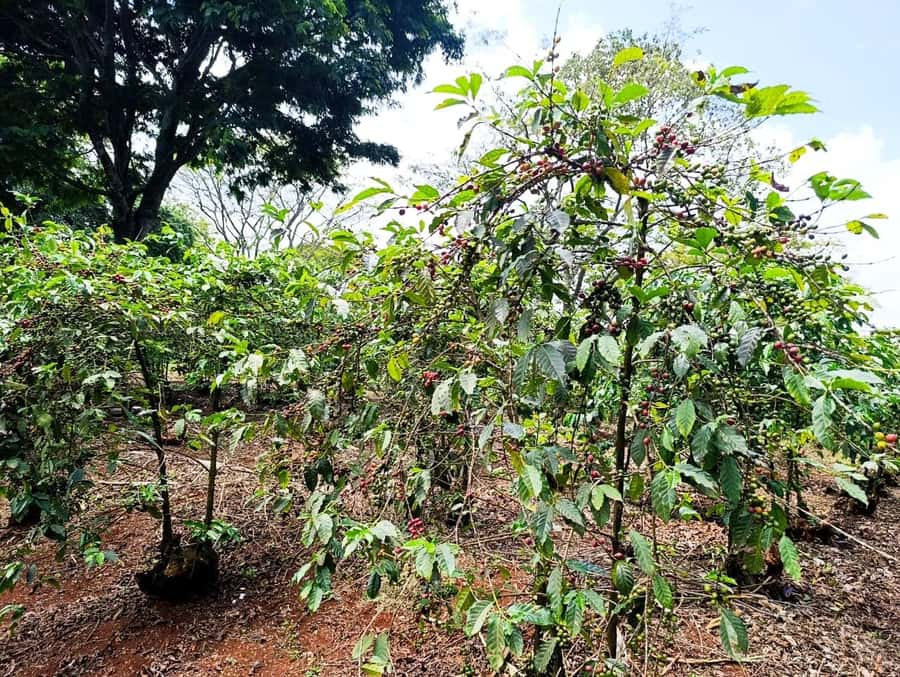
If you only have half a day, this kind of coffee tour is a smart trade. You leave Nairobi, hit the green highlands around Kiambu, and you return with something real in your hands: freshly roasted coffee you helped make. At 1,800m altitude, the air feels sharper than in town, and you’ll want water and sunscreen early, not after you feel thirsty.
The schedule is also a big part of the value. You get pickup and drop-off in multiple Nairobi areas, and the tour stays focused on the coffee story rather than random sightseeing. That matters, because the whole point is to connect what you see in the fields with what you smell and taste at the end.
If you can, plan your day so you are not rushing afterward. The estate portion takes enough time that you’ll appreciate being present for it, especially when tasting starts and you want your palate to stay clear.
Entering Fairview Coffee Estate: SL28, Ruiru 11, and what you’ll actually learn
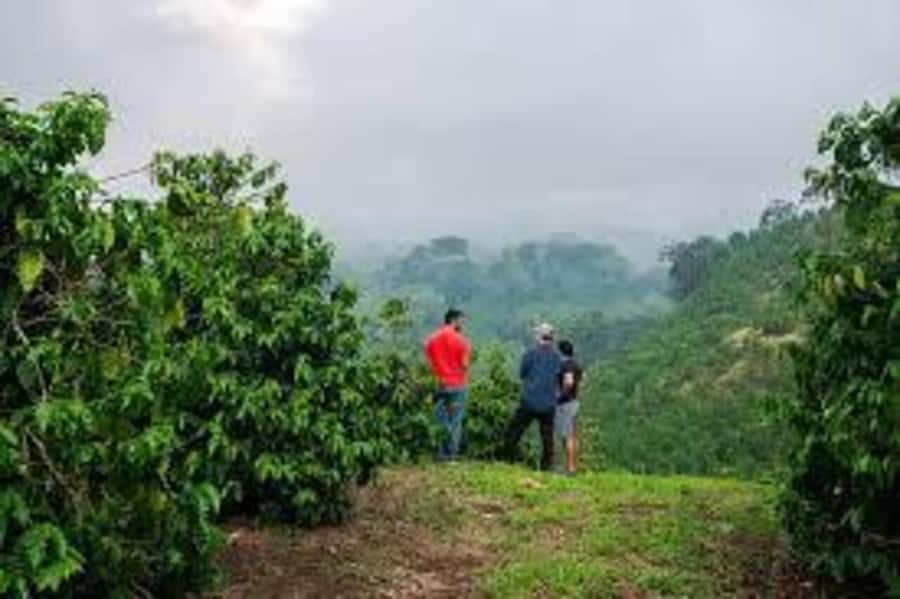
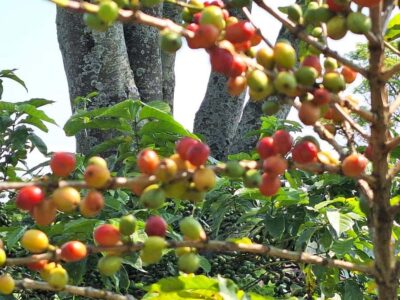
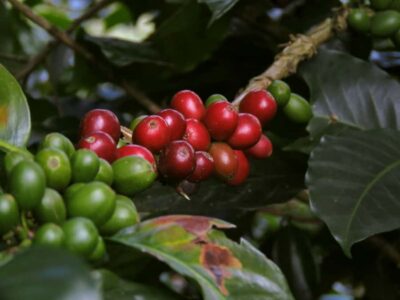
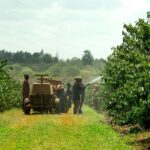
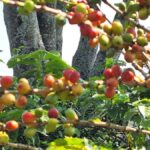
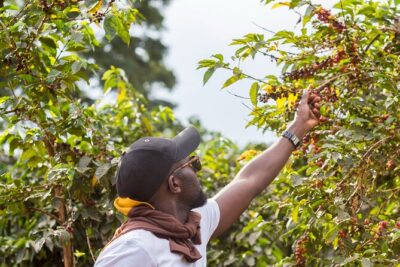
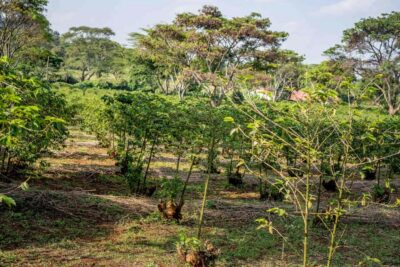
The first real payoff is the walk among the coffee rows. You’ll move through fields planted with Kenyan varieties SL28 and Ruiru 11, and your guide connects what looks like a simple plant to the farming decisions behind it. You should expect talk about propagation (starting seedlings), soil care, and how cherry selection affects quality.
This is also where the tour feels most “Kenya,” not just educational. The guides explain coffee as a chain of choices, not a single moment. When you hear about why soil and care matter, it suddenly makes sense why processing steps later on are not optional details.
If cherries are in season, you may get hands-on time with selection. Even if you don’t, the guide’s explanations still help you understand what processing is trying to preserve. Either way, wear comfortable, sturdy shoes. The paths are described as walkable, but you’re still on a working farm, and you don’t want slippery footing while you’re trying to pay attention.
Welcome tea, sweet bites, and the coffee rhythm of the estate
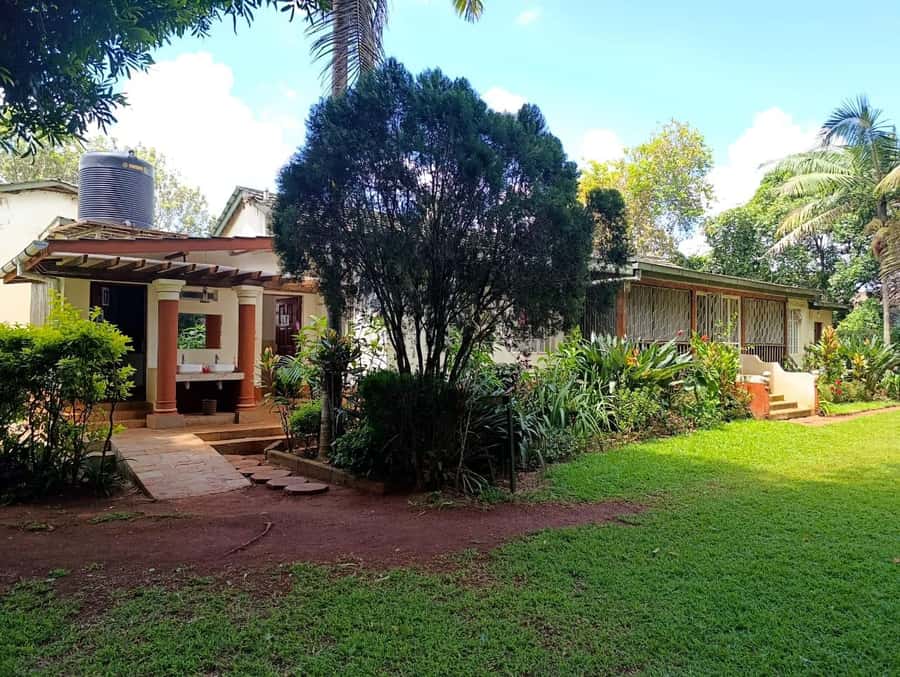
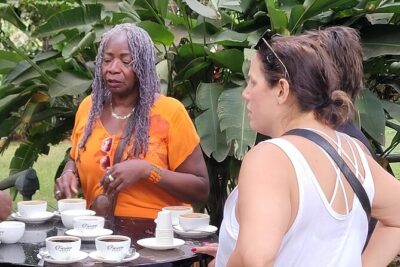
Before roasting and cupping, you’ll start with a warm Kenyan welcome and a fresh cup of coffee, plus local sweet bites. It’s not just a welcome gesture. It sets the rhythm so you can compare later. The cup you drink early helps you notice the baseline flavor before you touch fire, roast levels, and grinding.
You may also get a photo stop and some scenic viewing time on the way to the estate. Think of it as gentle context, not the main event. You’ll get a proper safety briefing too, which is useful when you’re in an active production environment.
There’s also typically some free time at the estate with opportunities for shopping. That can be fun if you want bags of coffee to bring home, but it is also a good moment to confirm what you plan to buy. If you’re juggling budgets, decide early how much you want to spend, so you don’t feel pressured after you’ve tasted.
Wet and dry mills: where cherries become beans
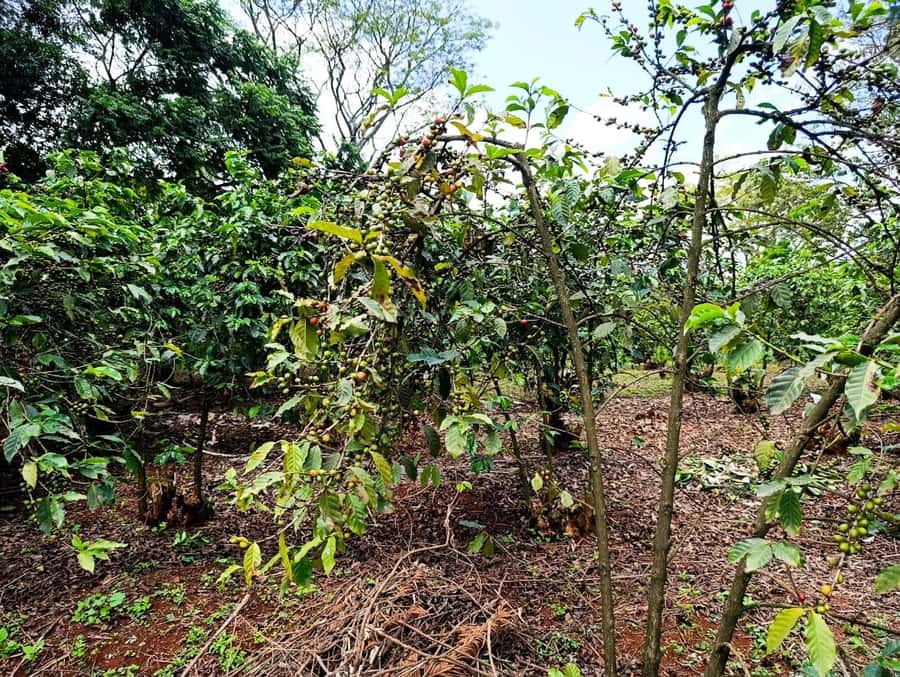
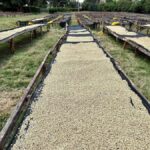
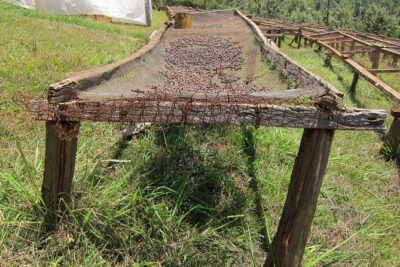
The wet and dry mills are the processing engine of the tour. This part matters because it explains why two coffees with similar origins can taste different. You’ll see the post-harvest steps, starting with pulping and then moving into fermentation and drying on raised beds.
Here’s what I like about this section for practical travelers: it turns processing into something you can picture. Once you understand pulping and fermentation, cupping results stop feeling like a mystery. You start thinking in stages, like a cook. What happens early affects what shows up later.
You’ll probably hear how fermentation supports flavor development and how drying brings the moisture down safely. The raised-bed drying is a good visual cue for how producers manage consistency. That consistency is the difference between coffee that smells good and coffee that tastes balanced in the cup.
If you’re the kind of person who loves food science but hates textbooks, this is a way to learn it without the jargon overload. You get the story in plain language and you end with a taste.
The roasting workshop: firewood jiko roast, grind, and bag
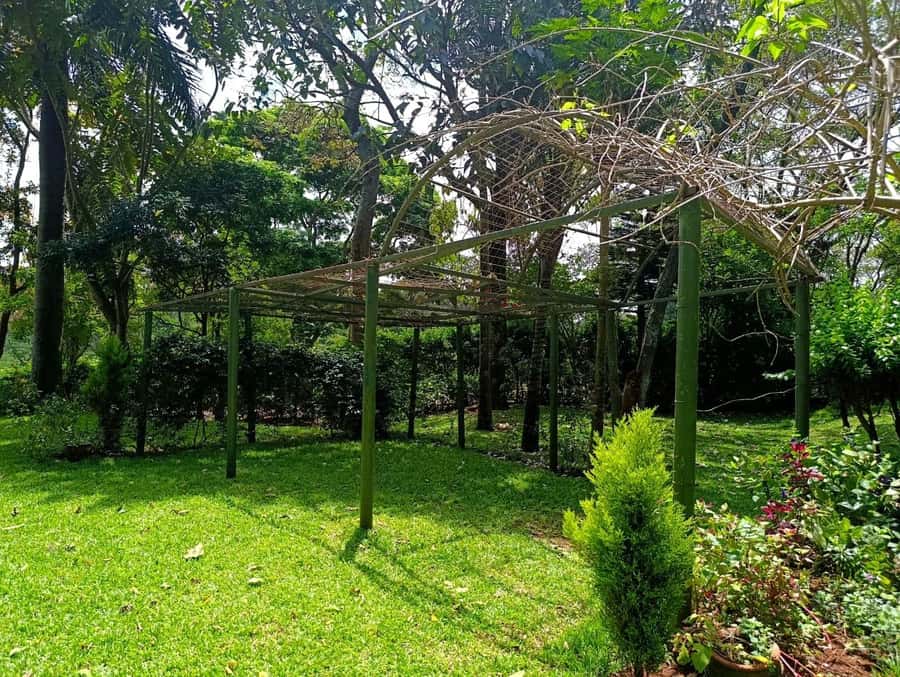
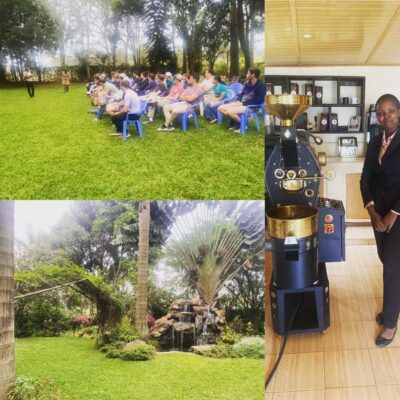
This is the heart of the experience. You’ll roast your own beans over firewood in a rustic roasting hut using a traditional jiko, then grind and bag your coffee under local expert guidance. It’s hands-on in a real way, not a “watch for a minute” demo.
A couple of practical tips make this segment go better. First, don’t show up with fancy shoes. Roasting and farm paths can be dusty. Second, pay attention to how roast level is discussed, because later you’ll sample different levels during cupping.
You’ll also learn the basic idea of how roast affects aroma and taste. Lighter roasts tend to keep brighter notes, while darker roasts lean into deeper, heavier flavors. The tour gives you a chance to taste those differences, which is why this part is so valuable for your money. You’re not paying just for access, you’re training your palate.
And yes, you get a bag of your own roasted coffee to take home. That’s a great souvenir because it has a direct link to your experience, not just a logo on packaging.
Cupping and tasting: learning to taste Kenyan coffee in plain steps
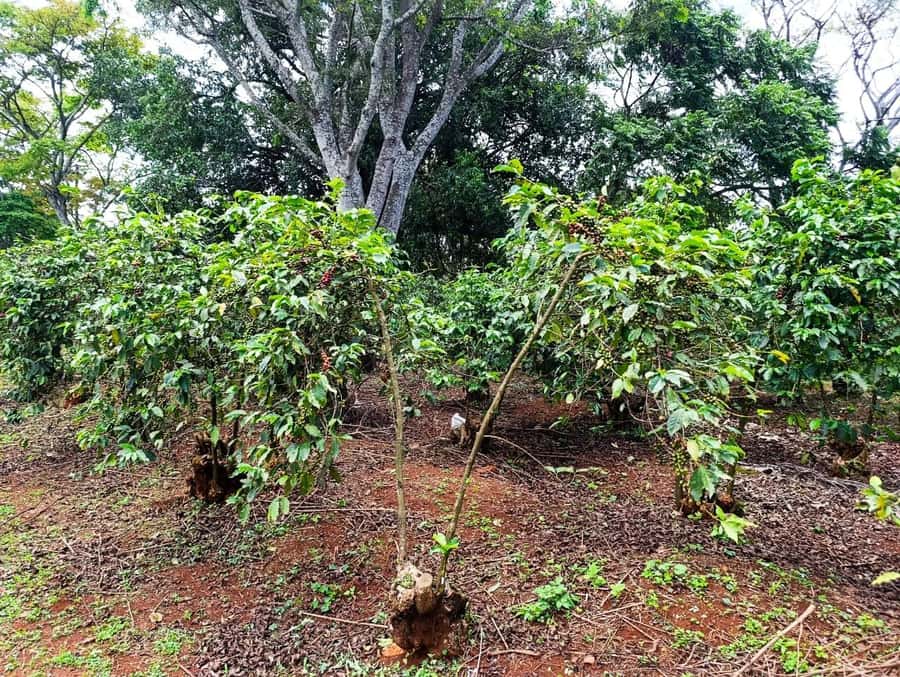
After roasting, the tour shifts into tasting. You’ll sample different roast levels, guided by a certified cupping host. Cupping is a structured way to evaluate aroma and flavor, and you’ll likely learn how to compare cups without guessing.
This section is where I think the tour earns its keep. Many coffee tours show you a process. Fewer help you understand what to do with the cup. Here, you can refine your palate and leave knowing how to describe what you taste, even if you’ve never done it before.
A useful way to approach the tasting: treat each cup as a separate data point. Smell first, then sip, then notice the aftertaste. The tour gives you roast levels, so you can connect what you see and do earlier with what lands in the cup.
If you want a memorable takeaway, ask the guide questions during cupping. The best part of guided tasting is that it’s interactive. One guide example that stands out in the experience is James, who is described as explaining the plantation’s workings clearly, so if your group gets him, lean in.
Terrace snacks and refreshments: ending the right way
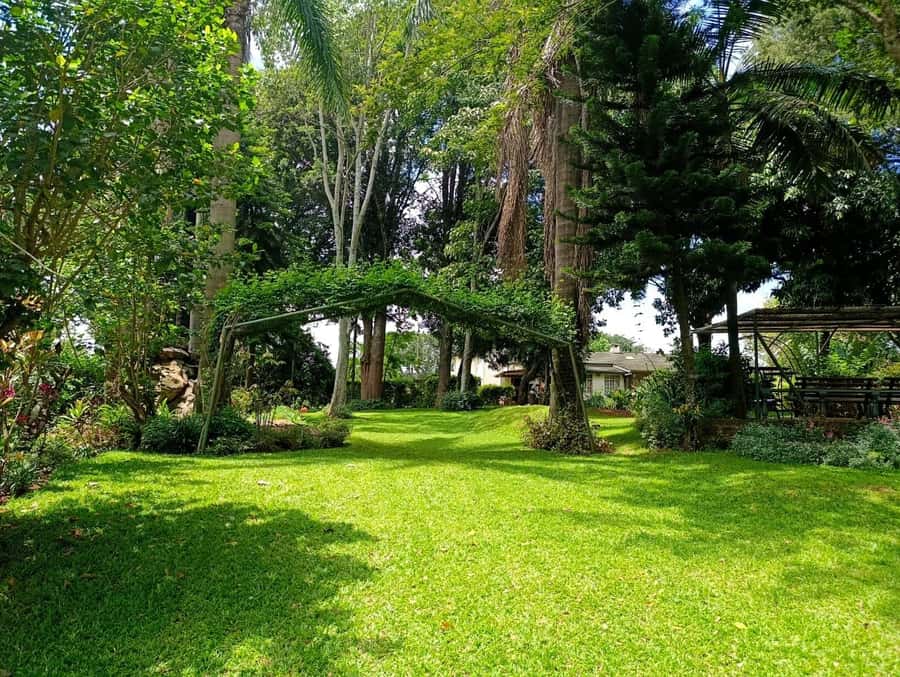
Once the tasting is done, you unwind on a scenic terrace with a snack platter of local fruits, pastries, and fresh juice. This ending matters more than it sounds. After cupping and roasting, your brain is full and your mouth needs a reset. Fruit and pastry help you clear strong coffee notes so the flavors feel distinct instead of blending together.
This is also a good moment to reflect on what you just learned. You’ll have seen the plant, processed the cherries, roasted and ground beans, and then tasted different roasts. By the time snacks arrive, you can actually connect the whole chain.
If you plan to do some shopping, do it after you eat. Your decisions will be calmer and you’ll have a better sense of what you want to bring home.
Price and logistics: what $38 covers, and what can add up
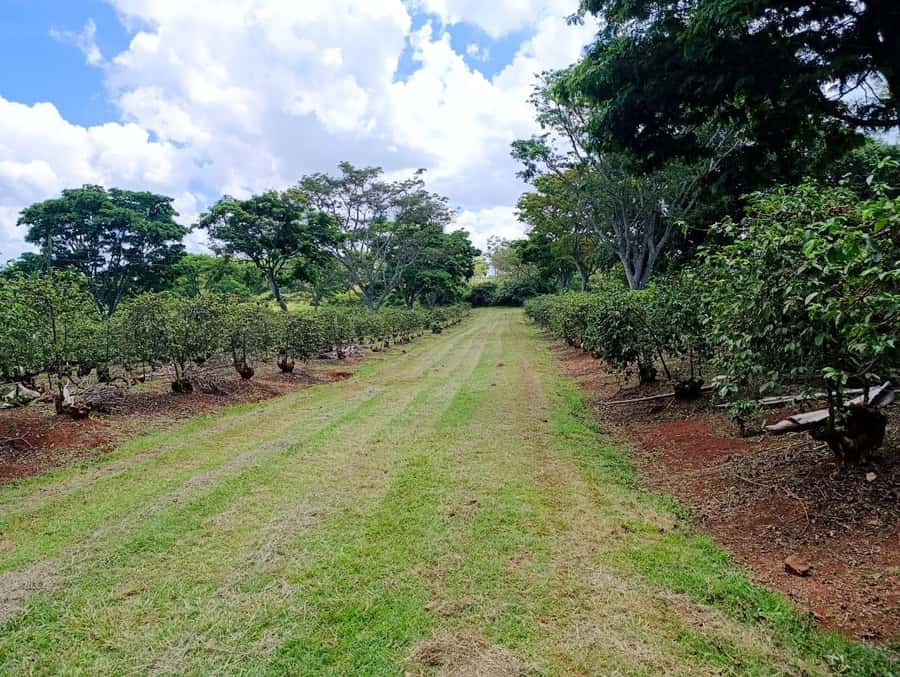
At $38 per person for a 4-hour experience, this tour is priced in the midrange for a Nairobi-area coffee outing. What makes it feel reasonable is the included package: guided farm and factory tour, a hands-on roasting workshop, cupping and tasting, plus a snack platter and refreshments. Pickup and drop-off from Nairobi neighborhoods are included too.
But you need to budget for the part that is not included. The $30 entry fee is listed as separate, so your all-in cost may be closer to $68 depending on how the payment is handled on the day. That’s not automatically a dealbreaker, but it is something you should plan for so you do not get surprised in the moment.
Timing is another logistics reality. The tour runs for 4 hours, and pickup windows matter. If a driver is late, you can end up waiting or switching arrangements, which can cost extra. One route-specific example from the experience is that a pickup delay caused a visitor to miss a group visit window, forcing a higher-priced private option and resulting in long wait time on site. The lesson for you: build in a buffer for Nairobi traffic and confirm your pickup timing the day before.
Finally, be cautious about off-script stops. In one account, a proposed typical Kenyan meal stop turned into an expensive situation that did not feel aligned with what was expected. I’m not saying every meal suggestion is a scam, but I am saying to set boundaries. If you want a meal, ask for clarity on cost and location before committing.
Getting the best experience: shoe choice, timing, and questions
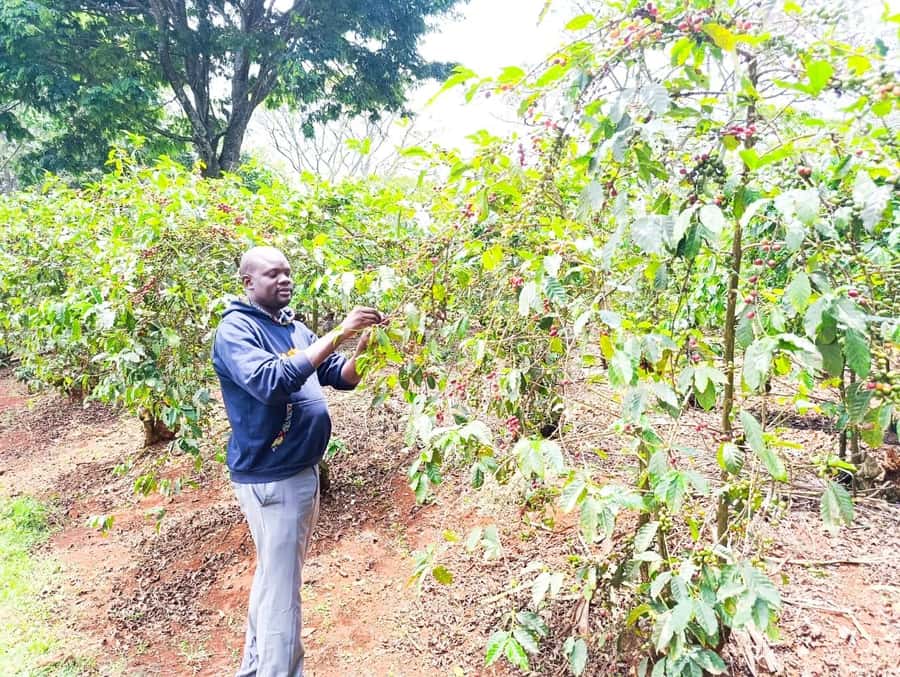
This tour is walkable, but it is still a working farm. Bring comfortable shoes you can stand in and walk on for a while. Add sunscreen and water, especially at the moderate altitude of 1,800m, where you can feel fine and still get dehydrated.
For timing, pick a pickup location that makes sense for where you actually are in Nairobi. The tour offers multiple pickup options across areas like Kilimani, Kileleshwa, Parklands, Syokimau, Westlands, and Loresho. Choose the closest one so you spend less time in the car.
Language is English with a live guide, which is helpful for asking follow-up questions during the processing and cupping portions. If you’re into coffee as a hobby, ask how the wet and dry milling steps affect flavor. If you’re a beginner, ask what to notice in the cup when comparing roast levels.
And do not underestimate the value of being friendly and attentive to the driver and guide. One driver named Surfic is mentioned as being very nice, and that sort of good, calm transport makes the whole half-day easier, especially when you’re leaving the city and heading toward rural production areas.
Who this tour is best for (and who should skip it)
This is a great fit if you want more than photos. If you like food craft, you’ll enjoy roasting your own beans, then seeing the wet and dry mill process that creates the raw material for that roasting.
It is also ideal if you’re coffee-curious but not coffee-technical. The tour explains planting, cherry selection, and processing in a way that connects directly to tasting.
You might want to skip or choose a more flexible alternative if you hate any chance of schedule pressure. The experience runs on a tight 4-hour format, and traffic or pickup timing can affect how much time you get at the estate. You should also think twice if you expect the headline price to cover everything. Between the included package and the extra entry fee, your final cost will be higher than $38.
Should you book Fairview Coffee Estate with pickup?
I’d book it if you want a genuine, hands-on coffee day trip that teaches you how Kenyan coffee is produced, not just where it grows. The pairing of roasting over firewood and then cupping different roast levels is the standout value. You leave with coffee you made, plus a clearer sense of what processing and roast change in your cup.
Book it with two expectations set in advance. First, plan for the separate $30 entry fee. Second, treat Nairobi pickup timing seriously. Choose your pickup point carefully and give yourself a margin for traffic so you can focus on tasting instead of waiting.
If that sounds like your kind of half-day, this is a strong bet for your Nairobi stay.
FAQ
How long is the Fairview Coffee Estate tour?
The tour duration is 4 hours.
What does the $38 per person price include?
It includes a guided farm and factory tour, hands-on coffee roasting workshop, cupping and tasting session, a snack platter and refreshments, and pickup and drop-off from Nairobi.
What is not included in the tour price?
The tour lists a $30 entry fee as not included, along with personal expenses and personal purchases.
Where are the pickup and drop-off locations?
Pickup and drop-off are available in multiple Nairobi areas, including Kilimani, Kileleshwa, Parklands, Syokimau, Westlands, and Loresho.
What do we do on the tour itself?
You visit Fairview Coffee Estate, walk through coffee varieties with a guide, learn about post-harvest processing in wet and dry mills, roast and grind coffee, and take part in cupping and tasting.
When is the best time to visit the farm?
The harvest seasons are April to June and October to December.
What should I bring?
Bring comfortable shoes, sunscreen, and water.
Is the tour available in English and is it wheelchair accessible?
The tour is guided in English and the experience is listed as wheelchair accessible.
Is there free cancellation or a pay-later option?
Free cancellation is offered up to 24 hours in advance for a full refund, and there is a reserve now and pay later option.
More Tours in Kiambu

More Tour Reviews in Kiambu
Kiambu Coffee Country, Continued
Everything else we hold on Kiambu
- Nairobi: Fairview Coffee Estate Tour with Pickup★ 4.2 · 4 reviews
- Day Tour to Fairview Coffee Farm★ 5.0 · 4 reviews
- Nairobi: Coffee farm tour with pick up★ 4.0 · 5 reviews
- Day Tour to Fairview Coffee Estate From Nairobi★ 4.9 · 8 reviews
Coffee Farm Tours, compared.
 ★ 5.0Nairobi Coffee Farm and Factory TourFrom $9887 reviews
 ★ 4.8Coffee Farm Tour (Fairview)From $3971 reviews
 ★ 4.5Nairobi: Coffee Factory and Farm Tour with TransferFrom $2460 reviews
 ★ 5.0Coffee Farm Village & Factory Half Day Tour with Pick-UpFrom $9533 reviews
 ★ 5.0Nairobi: Guided Coffee Farm Tour with TastingsFrom $2724 reviews
 ★ 5.0Coffee farm tour, coffee roasting and tasting experienceFrom $3520 reviews
 ★ 5.0Private Half-Day Tour in Fairview Coffee Farm from NairobiFrom $9013 reviews
 ★ 4.9Day Tour to Fairview Coffee Estate From NairobiFrom $508 reviews
Appears in these lists