
REVIEW · ELEPHANT ORPHANAGE TOURS
Nairobi: David Sheldrick Elephant Orphanage Visit
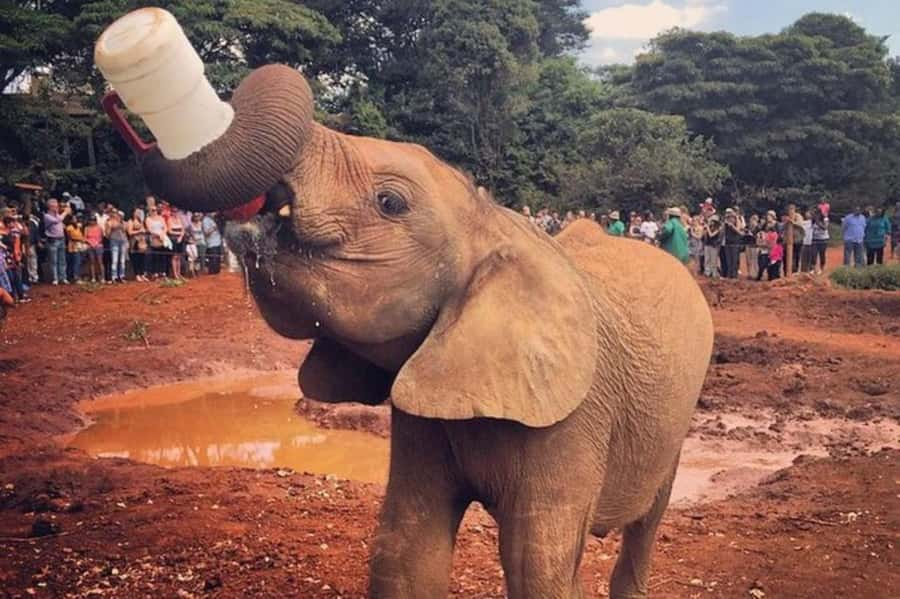
Elephants steal the show, and the timing matters. What makes this stop so compelling is the hour when baby elephants come out to play and get fed formulated milk, plus the wardens explain what the orphanage does and why elephant conservation needs this kind of work. I also like the practicality of hotel pickup and drop-off, which keeps your day from turning into a logistics headache. One drawback to keep in mind: the orphanage viewing is limited to a daily one-hour window, so if you arrive early you may sit and wait, and there can be additional fees not included in the base price.
This is not a safari drive-by. You are going to a focused conservation site where milk-dependent infant elephants (and also rhino orphans) are raised with expert care. You watch from behind a rope, then the wardens are right there to answer questions during that set hour.
The rest of your day stays easy. You will do a short transfer from Nairobi, enjoy the one-hour visit, and then have time built in for a photo stop and some flexibility for lunch and shopping before you head back.
In This Review
- Key things to know before you go
- Why the David Sheldrick Elephant Orphanage feels like a mission, not a show
- Price and value: what $85 covers, and what you should budget for
- The Nairobi pickup and the one-hour window that rules your day
- The one-hour elephant experience: feeding, play, and watching from behind the rope
- Learning from the wardens: what to ask during the talk
- The rest of the day: photo stop, lunch time, and shopping buffer
- Small gotchas: fees, entry paperwork, and who is really guiding you
- Who should book this, and who should skip it
- FAQ
- How long is the David Sheldrick Elephant Orphanage visit?
- What time can I visit the orphanage?
- Does the tour include hotel pickup and drop-off in Nairobi?
- What is included in the price?
- Is lunch included?
- Is the Nairobi National Park Conservancy fee included?
- Do I need a camera?
- Is there a guide, and is it in English?
- Is this visit suitable for people with animal allergies?
- Should you book this Nairobi elephant orphanage tour?
Key things to know before you go
- One-hour daily viewing window: the orphanage visit happens only between 11:00 AM and noon each day.
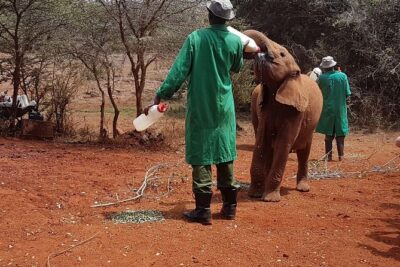
- Close-up feeding with formulated milk: wardens feed the infants, and you watch it happen up close (behind a rope).
- Wardens answer your questions: you get an on-site explanation of the orphanage’s work and elephant conservation.
- Hotel pickup makes it simple: transport is arranged from Nairobi, with drop-off back at your hotel.
- Bring the basics for sun and photos: you will want a hat, sunscreen, and a camera ready.
Further bookings at the elephant nursery
Why the David Sheldrick Elephant Orphanage feels like a mission, not a show
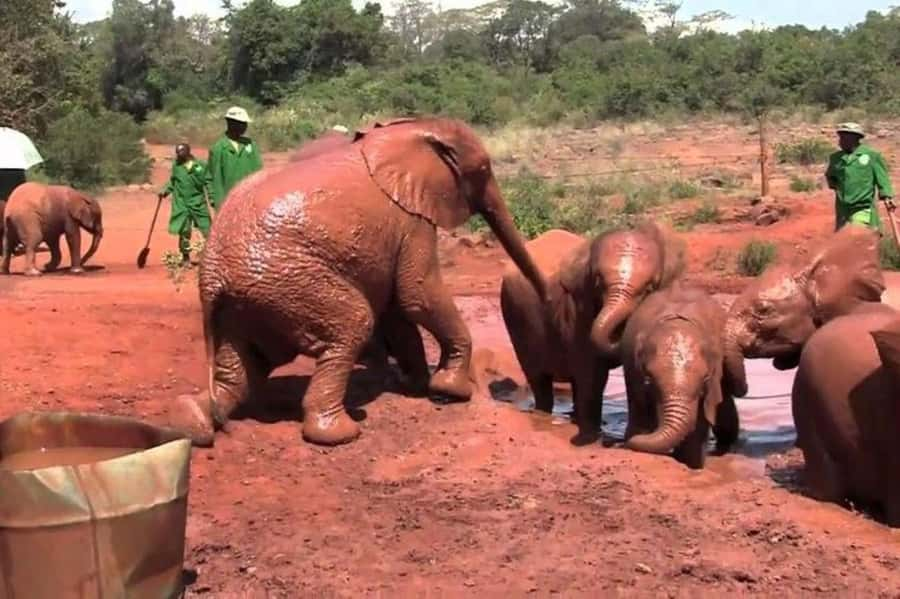
The David Sheldrick Elephant Trust in Nairobi is built around a very specific problem. Some infant elephants need human-supported care because they are milk-dependent and unable to be raised the normal way. The site is described as a world-class conservation figure and a premier authority on successfully raising milk-dependent infant elephant and rhino orphans.
That matters because it changes the tone of what you are doing. You’re not just looking at cute calves. You are seeing a daily routine that supports animal welfare and conservation outcomes, and you can hear the reasoning from the wardens while the babies are out.
You also get to understand the “why” at the same time as the “wow.” The wardens are there during the hour and will talk through the orphanage’s work and the conservation context. If you like wildlife, this is one of those experiences where your brain gets fed too, not just your phone camera.
Price and value: what $85 covers, and what you should budget for
The price listed for this private tour is $85 per person, and that number matters because the day includes real, time-bound access. Your visit includes entry to the orphanage, hotel pickup and drop-off in Nairobi, and the opportunity to watch baby elephants being fed with formulated milk. You also get an informative talk from the elephant wardens during the visit.
What is not included is an important line item: the $80 Nairobi National Park Conservancy fee. Even though you are not going deep into the park for a long safari day, you should still plan for that additional cost because it can change what this experience really totals for you.
Then there’s lunch. Lunch is not included, but the schedule includes time for it. That means you can decide what fits your budget and your appetite on the day, instead of being locked into a package lunch you might not want.
My take on value: if you want a short, structured, conservation-focused visit with transport handled and an on-site explanation, $85 can make sense. But you should treat the conservancy fee as part of your planning math, not an afterthought.
The Nairobi pickup and the one-hour window that rules your day
Your day starts in Nairobi with pickup from your hotel. The transfer time is about 25 minutes, so you are not spending hours in traffic before the main event.
But here is the reality check: the orphanage viewing is limited to one hour per day, between 11:00 AM and noon. That one-hour constraint is what keeps the visit special, but it also means timing is everything. If you are picked up early, you might arrive before you can enter and wait until the viewing window starts.
So when you confirm your day, you want one clear goal: arrive close to the start of the 11:00 AM to noon hour. Ask how early you might arrive, and whether your driver or guide is lined up with the entry timing.
A small practical note from real-world experience of how these days can go: sometimes the person driving is not functioning as a full guide during the wait or the entry process. If you care about interpretation and smooth handling, make sure you know who your guide is for the day, not just who drives you.
Also, bring what you need for sun and quick photo moments. The basics listed are a hat, sunscreen, comfortable clothes, and a camera.
The one-hour elephant experience: feeding, play, and watching from behind the rope
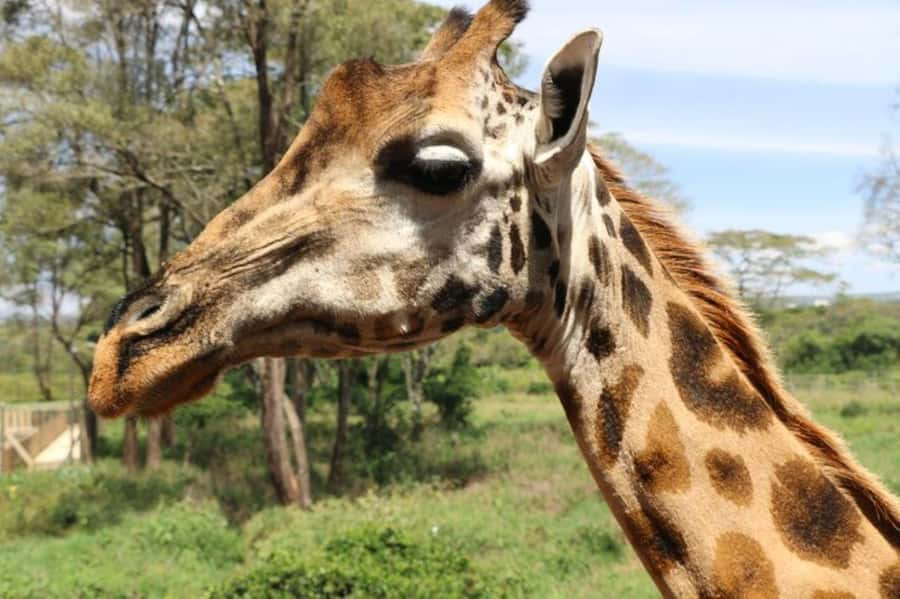
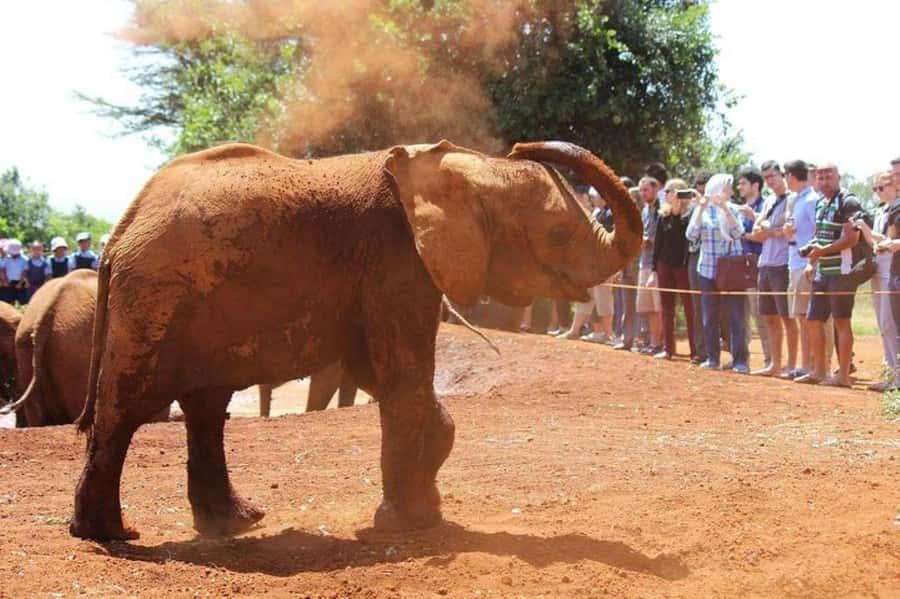
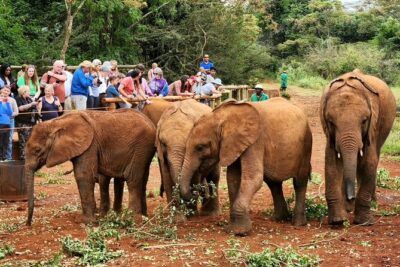
This is the centerpiece, and it is tightly scheduled by design. During your one-hour visit, the baby elephants are brought out to play and to feed. You will be watching from behind a rope, which keeps things safe for both visitors and animals while still giving you close views.
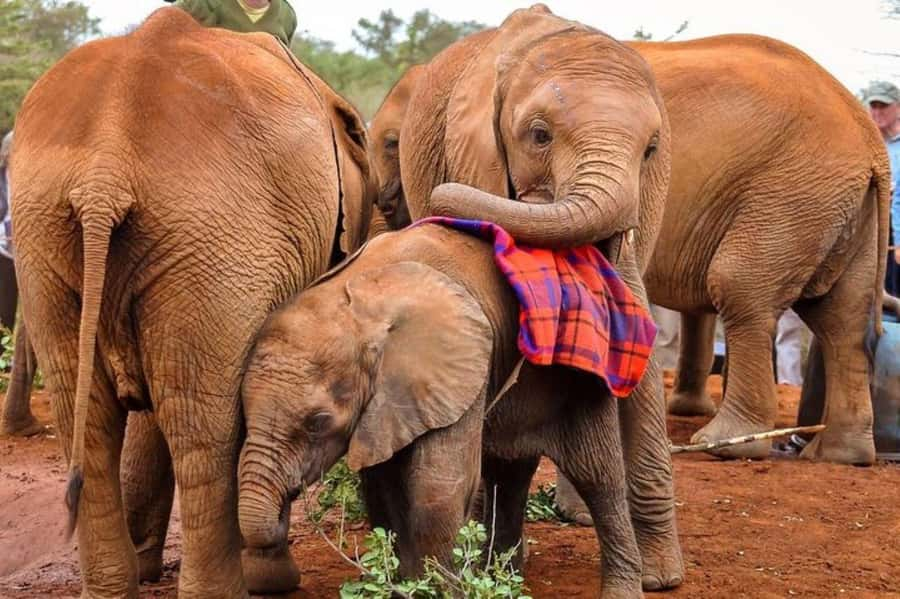
You should expect a mix of two things: feeding time and the energy that comes with it. The wardens bring out the babies, and the feeding is done using formulated milk. It is the kind of feeding routine that looks routine once you are used to it, but it is still emotional because these are very young animals and the care is very hands-on.
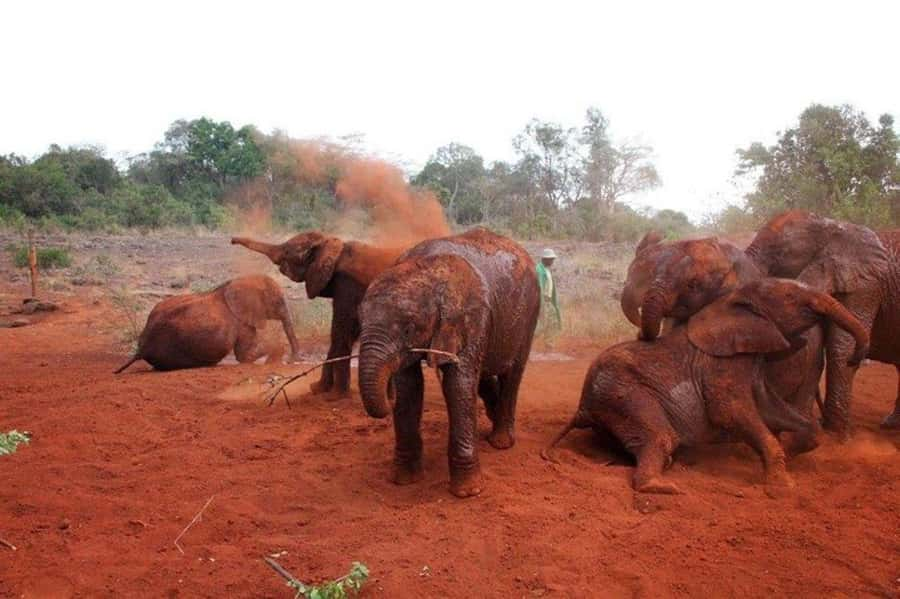
Then there is the play. Baby elephant behavior can be surprisingly active for animals that are still learning everything. In that one hour, you will likely see them move around, interact, and generally act like babies, not like the large, quiet elephants people imagine from afar.
What you should do as a visitor is simple. Stay close to the front where it is allowed, listen when the wardens speak, and use your camera with patience. You do not need a frantic sprint for perfect shots, because you are there for a full hour of repeated moments.
One more helpful mindset: this is not a “wander at will” experience. You are in a controlled viewing setup, so follow the wardens’ instructions and stay flexible if the flow changes during feeding.
Learning from the wardens: what to ask during the talk
Your visit includes an informative talk by the elephant wardens. That is where you get the conservation context that makes the whole thing more than cute elephant footage.
Based on the focus of the orphanage, expect topics to center on the orphanage’s work and elephant conservation, especially around milk-dependent infants. The site is positioned as expert-driven for raising infant elephants and rhino orphans, so questions about care routines, feeding, and why specific methods are used can be especially relevant.
If you want to make the most of your hour, ask questions that connect care to outcomes. Examples you can use:
- What kinds of situations lead to these infants needing orphanage support?
- How does the milk-dependent care phase fit into longer-term conservation goals?
- What does the orphanage do after infants grow beyond the milk-feeding stage?
You can also ask practical questions about what visitors can do to support elephant conservation in general. The wardens are the right people to ask because they are running the daily work and answering live.
And if you happen to be guided by a person with strong interpretive skills, listen closely. One guide name that has come up in positive experiences is Masrack, described as doing a fantastic job. If your day includes him, lean into the explanations while you have them.
The rest of the day: photo stop, lunch time, and shopping buffer
After the orphanage visit, you are driven back to Nairobi. Your day includes time for a photo stop, lunch, and shopping, totaling about one additional hour.
That time buffer is actually useful. Your orphanage visit is short and focused, so the extra hour gives you a chance to switch gears. If you want a souvenir or a few last pictures in Nairobi, this is when you can handle it without rushing straight back.
Lunch is not included, so plan for that. If you have dietary needs or want a specific type of meal, use this hour intentionally instead of treating it as an afterthought.
Then you head back to your hotel. The goal is for you to end the day without extra transport stress.
Small gotchas: fees, entry paperwork, and who is really guiding you
This is where I think you should pay attention, because the orphanage part is the easy part. The tricky parts are mostly administrative and timing-related.
First, fees. The base price includes orphanage entry, but the Nairobi National Park Conservancy fee is listed as not included and noted as $80. If that fee comes up at the wrong time or is misunderstood, it can sour the day fast.
Second, entry timing and booking details. One negative scenario that stands out is a situation where the driver did not have a booking number available, and then a park fee was requested even though the booking said it was included. Even if it does not happen to you, it is a strong reminder to confirm your inclusions and make sure the right details are ready before you arrive.
Third, the difference between a driver and a guide. The tour is described as having a live English guide, but in at least one real-world instance, the person providing transport was described as not being a guide. If your main value is the guided explanations, ask plainly whether your driver will also be interpreting for you or if you will have a separate guide.
My practical advice is boring, but it works:
- Ask what your tour includes, including the $80 conservancy fee.
- Confirm who holds the booking details for entry.
- Make sure you know who your English-speaking guide is during the day, not just who picks you up.
With those checks done, you protect the best part of the experience, the elephant time.
Who should book this, and who should skip it
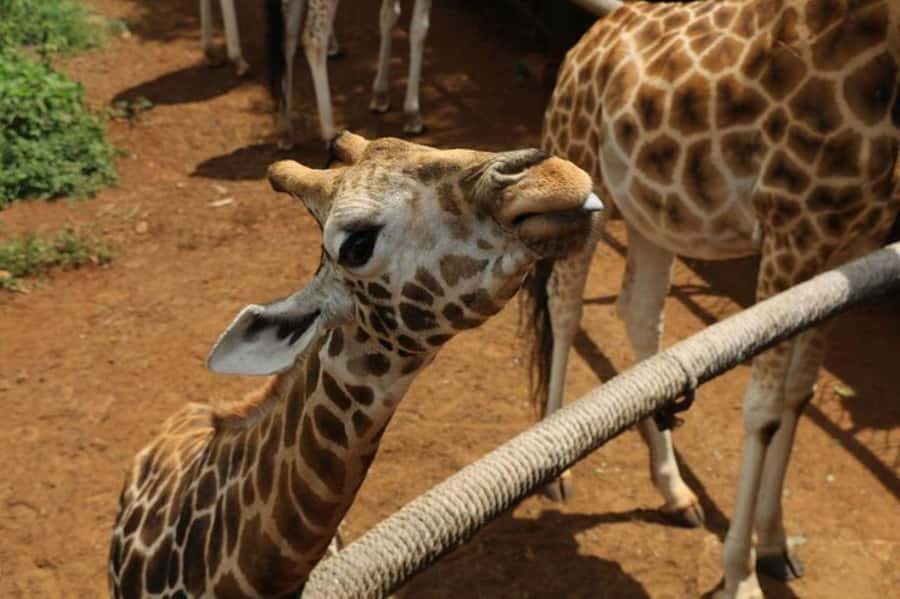
This is ideal if you want a close-up look at baby elephants during feeding and play, and you want the conservation angle explained by wardens. It is also a good fit if you would rather have transport sorted in Nairobi and a structured schedule rather than trying to coordinate everything on your own.
It is not suitable for people with animal allergies. If that applies to you, do not plan around it. Skip this visit to avoid unnecessary health risk.
Beyond that, your biggest constraint is time. Because the viewing is only one hour between 11:00 AM and noon, this works best when you can commit to that schedule and show up ready to be patient for the viewing window.
FAQ

How long is the David Sheldrick Elephant Orphanage visit?
The visit is scheduled for one hour during the daily viewing window.
What time can I visit the orphanage?
The orphanage can be visited daily between 11:00 AM and noon for that one-hour slot.
Does the tour include hotel pickup and drop-off in Nairobi?
Yes. You get hotel pickup and drop-off in Nairobi.
What is included in the price?
The tour includes hotel pickup and drop-off, entry to the David Sheldrick Elephant Orphanage, watching baby elephants as they are fed, and an informative talk by the elephant wardens.
Is lunch included?
No. Lunch is not included, but there is time for it.
Is the Nairobi National Park Conservancy fee included?
No. The $80 Nairobi National Park Conservancy fee is not included.
Do I need a camera?
A camera is recommended, and you should bring one if you want photos during the viewing time.
Is there a guide, and is it in English?
Yes. There is a live tour guide, and the language is English.
Is this visit suitable for people with animal allergies?
No. It is not suitable for people with animal allergies.
Should you book this Nairobi elephant orphanage tour?
Book it if you want a short, well-structured Nairobi experience centered on baby elephant milk feeding and you value the live explanation from the wardens. It is one of those days where the main event is focused, time-bound, and easy to reach thanks to pickup and drop-off.
Skip or at least rethink it if you are sensitive to timing and fees. This visit depends on a strict one-hour window, and the Nairobi National Park Conservancy fee is not included, so your total cost can be higher than the base price. Before you confirm, double-check what your booking includes and who will handle entry details. If you do that, you will set yourself up for the part that matters most, watching the babies play and being able to understand the conservation work behind it.
More Tour Reviews in Nairobi





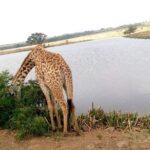
Back at the Elephant Nursery
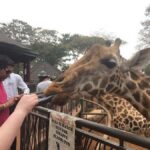



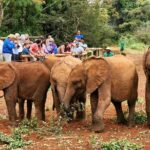

Everything else we hold on Nairobi
- 7 Days Private 4 star lodges Safari by LandCruiser from Nairobi★ 5.0 · 3 reviews
- 5 Days/4 Nights Kenya Safari★ 4.5 · 3 reviews
- Safari Park Hotel Show & Dinner Experience In Nairobi Tour★ 3.6 · 3 reviews
- Day safari to Olpejeta Rhino conservancy★ 5.0 · 3 reviews
- 7 Days Breathtaking Kenya Wildlife Private Safari★ 5.0 · 3 reviews
- Overnight Amboseli National Park Safari from Nairobi★ 5.0 · 3 reviews
Elephant Orphanage Tours, compared.
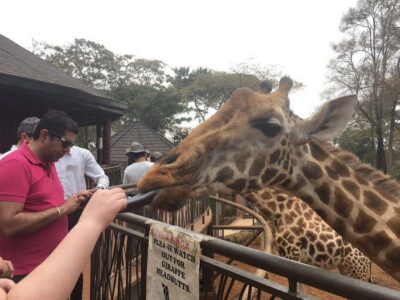 ★ 4.5Elephant Orphanage and Giraffe Center Tour with OptionsFrom $35457 reviews
 ★ 4.6Nairobi National Park, Elephant Orphanage and Giraffe CentreFrom $40365 reviews
 ★ 4.5From Nairobi: Elephant Orphanage and Giraffe Center Day TripFrom $90235 reviews
 ★ 4.5Elephant Orphanage & Giraffe Centre TourFrom $95225 reviews
 ★ 5.0Half day tour to Elephant orphanage & Giraffe Centre NairobiFrom $95130 reviews
 ★ 4.5Nairobi: National Park, Elephant Orphanage & Giraffe CenterFrom $23113 reviews
 ★ 4.5Giraffe Centre, Elephant Orphanage, and Bomas of Kenya Day Tour from NairobiFrom $11596 reviews
 ★ 5.0Giraffe Center, Elephant Orphanage, Beads Center & Bomas of Kenya Tour NairobiFrom $13595 reviews
Appears in these lists