
REVIEW · MOMBASA CITY TOURS
Mombasa Cultural & Wildlife Experience
Giraffes and village dance in four hours. This Mombasa experience strings together Mijikenda culture and wildlife at Nguuni Nature Sanctuary, so you get both storytelling and animal time without a full day commitment. I like that the itinerary feels human-sized, not rushed, with real conversations and shared moments you can actually remember.
What I also like is the focus on interaction, from a school visit (weekdays only) to joining the Mijikenda dance and learning through guided explanation. The main thing to plan for is extra cash for entry fees, since the $20 village fee and $10 sanctuary fee are paid on arrival, and pickup outside Mombasa can add cost too.
In This Review
- Key points before you go
- How this 4-hour Mombasa mix really works
- The weekday school visit, and why it matters
- Mijikenda village tour with elders: more than a performance
- The drumming and Mijikenda dance moment
- Fresh coconut water and palm wine: the “taste the coast” stop
- Nguuni Nature Sanctuary: giraffes, ostriches, and antelopes
- Optional upgrades that actually fit the day
- Price and fees: what $100 really covers
- Transportation, timing, and the best way to pace yourself
- What to bring so you do not feel frazzled
- Who this tour is best for
- A final reality check: respect the place you’re visiting
- Should you book this Mombasa Cultural and Wildlife Experience?
- FAQ
- Are the school and village visits included?
- What extra fees should I expect to pay in cash?
- How long is the tour?
- Where do pickups and drop-offs happen?
- What languages are available?
- What is the cancellation and payment flexibility?
Key points before you go
- School time on weekdays: a short, heart-to-heart visit that starts your day off on the right foot
- Elders and hands-on culture: you get guided storytelling, not just a show
- Dance you can join: the drumming turns into a participatory moment
- Close wildlife viewing: giraffes, ostriches, and antelopes in open, photogenic surroundings
- Optional add-ons: romantic picnic setup and a private photoshoot if you want extra keepsakes
How this 4-hour Mombasa mix really works
This is a compact tour, designed for people who want culture and wildlife but do not want to spend the entire day in a vehicle. You are in and out of a few short stops, with built-in breaks, photo time, and a stretch of walking on foot. The whole rhythm works best if you are mentally ready to be flexible, because this kind of cultural day runs on local flow, not a strict museum timetable.
The best part is that the tour does not treat culture as a background detail. You go from a school visit into a real village visit guided by elders, then into dance, and finally into a nature sanctuary where you can slow down and look closely at animals.
Also, if you are a wildlife-focused person, the tour has shown a flexible side. In feedback, the guide Rico was praised for adapting when someone mainly wanted animals, so it is worth telling your guide what you care about most.
The weekday school visit, and why it matters
On weekdays, your day begins with a visit to a local school. You will be greeted with curiosity and big smiles, then you walk through classrooms and see daily life from the inside. The key is the tone: this is not a check-the-box stop. It is a chance to listen to what children dream about, and to feel the warmth of Kenyan hospitality in a setting that is everyday, not staged.
Two practical tips make this part smoother:
- Bring a camera, but also put it down sometimes. Look up and talk first.
- Wear comfortable shoes, because you will be walking around the school area.
If you are traveling on a weekend, note that the school visit is listed as weekdays only. The rest of the tour still fits together, but the opening stop may be different depending on scheduling.
Mijikenda village tour with elders: more than a performance
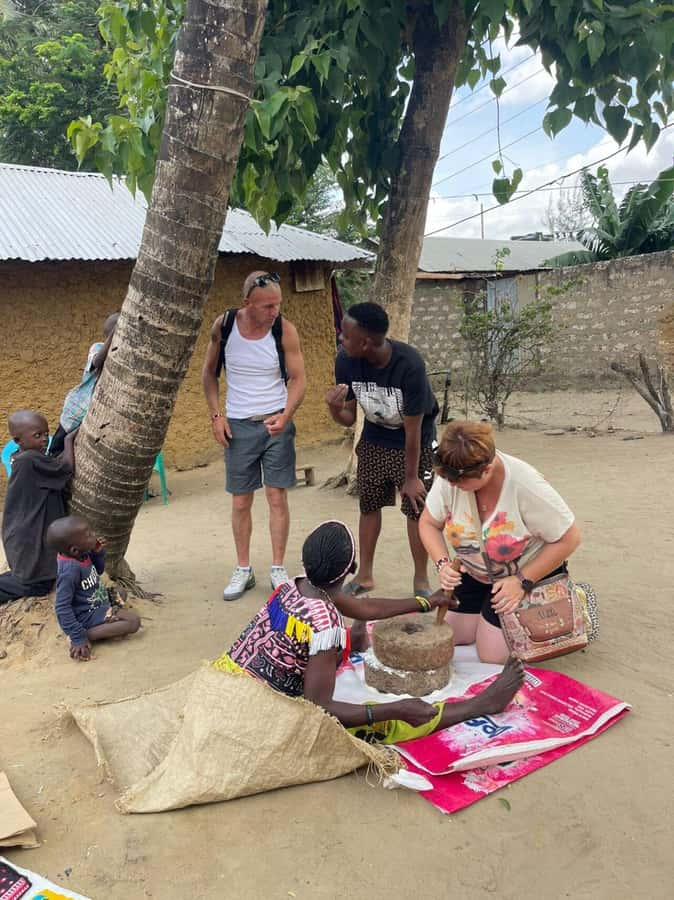
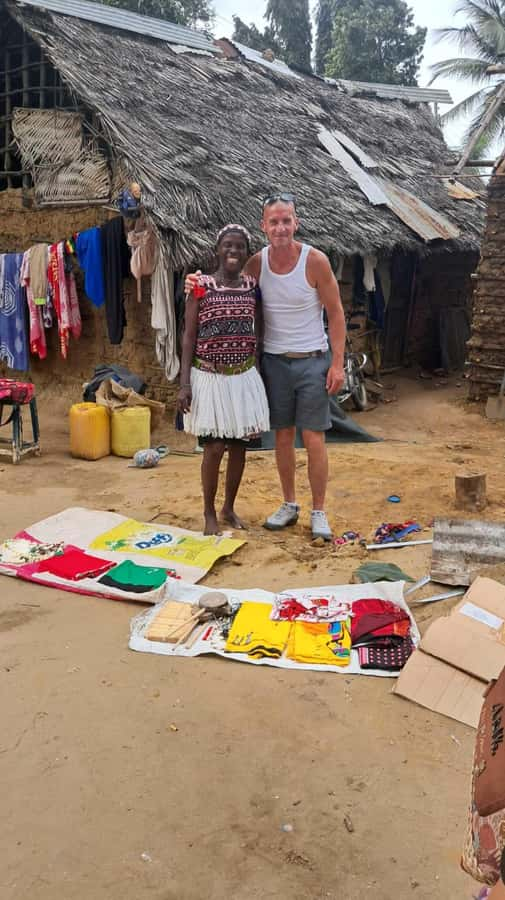
After the school stop, you head toward a traditional Mijikenda village experience. This part is guided by village elders, and it is designed to teach through stories and real-life details, including survival stories and daily routines. You walk through homesteads, listen to ancestral tales, and get a sense of how tradition functions as knowledge, not just decoration.
What makes this valuable is the way it connects culture to place and to people. Instead of hearing culture as a list of facts, you are guided through meaning: what people do, why they do it, and what it helps them pass on.
And yes, this is also interactive. You are not just standing at a distance. You can ask questions and join in where invited, and you will learn more when you treat this like a conversation.
The drumming and Mijikenda dance moment
Next comes the rhythm. When the drums start, the energy shifts quickly. The Mijikenda dance here is not framed as a distant show. You are encouraged to join in the movements, laugh with the dancers, and feel the beat up close.
This is a great section for people who get nervous about participating in cultural activities. The atmosphere tends to be welcoming, and the goal is connection, not perfection. If you have two left feet, you are exactly the target audience. Just follow the pace, and keep your smile ready.
If you are the type who loves photos, this is also where you will likely want your camera out. Motion shots can come out better than posed portraits when you are close and paying attention.
Fresh coconut water and palm wine: the “taste the coast” stop
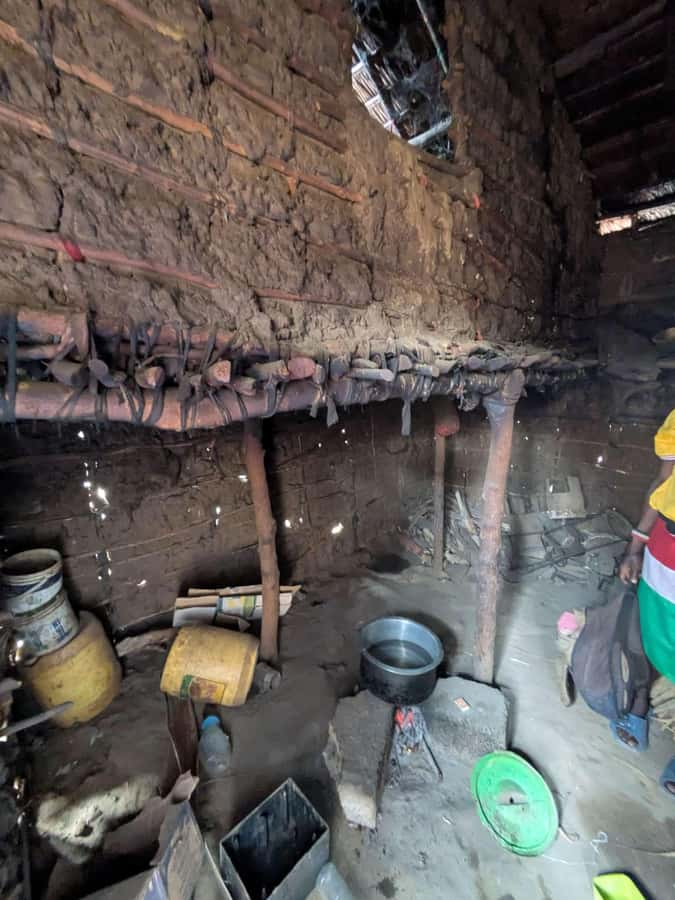
In between big moments, you get a Coast flavors break. You can cool off with fresh coconut water straight from the tree. If you want something more traditional, palm wine is offered as an optional try, either sweet or dry.
This is one of those stops that makes the day feel local. You are not just learning about culture, you are tasting the kinds of things people enjoy day to day. If you do not want alcohol, stick with coconut. Either way, take a moment, hydrate, and reset your energy before the wildlife segment.
Nguuni Nature Sanctuary: giraffes, ostriches, and antelopes
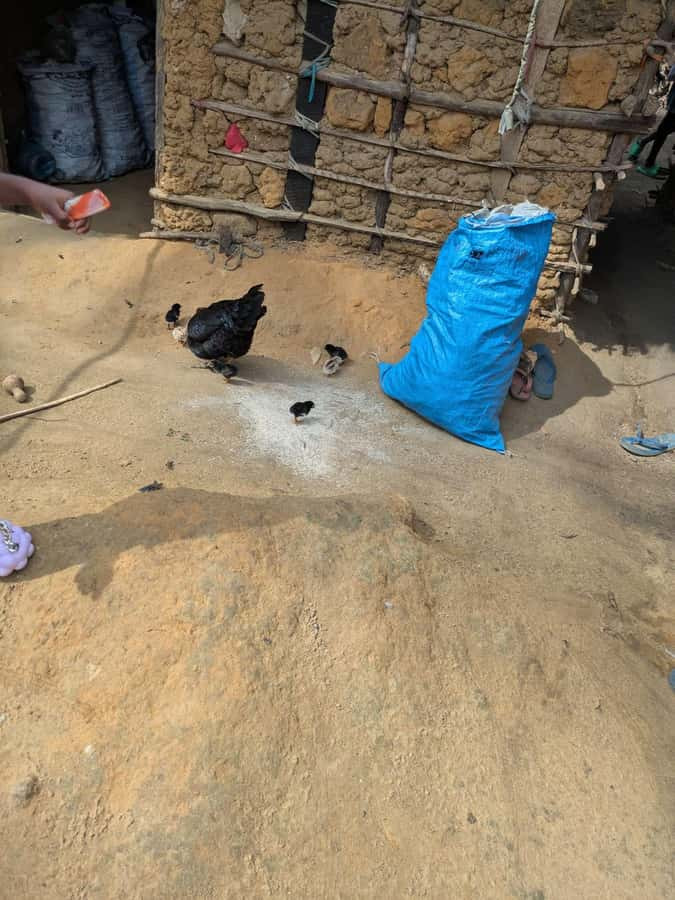
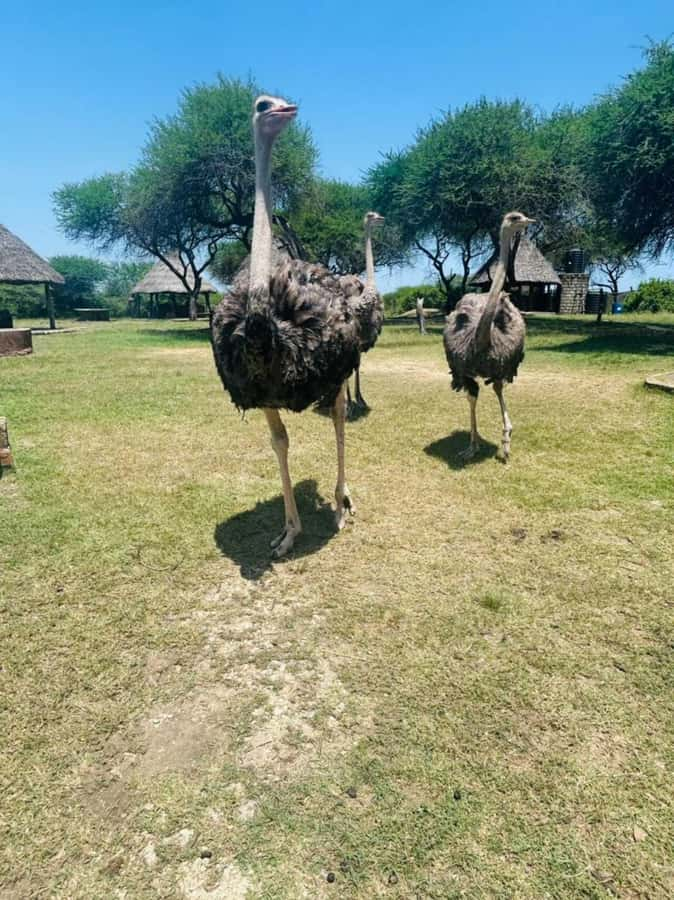
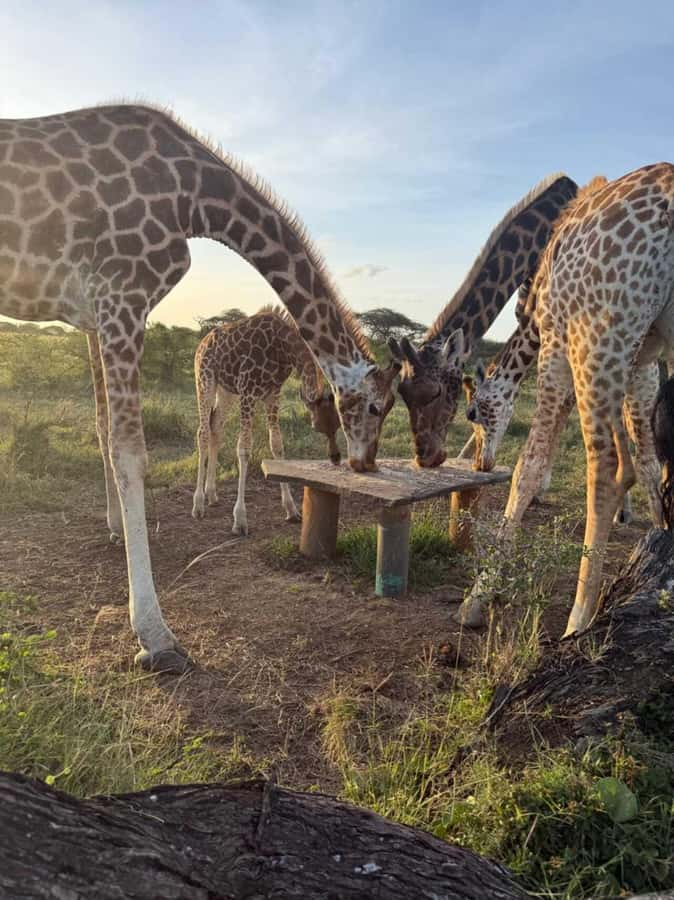
Then the day shifts from village stories to nature viewing at Nguuni Nature Sanctuary. Here you are looking for giraffes strolling gracefully, ostriches roaming, and antelopes grazing across open areas. The setting is meant to feel beautiful and relaxed, and it is set up for photography and quiet looking, not just quick animal spotting.
One detail that stands out from feedback is how close the animals can feel. A guest specifically pointed out that the animals can be seen without fences, which is a big deal if you usually see wildlife from behind barriers.
A practical note: if you are serious about photos, bring sunglasses and use sunscreen early. This is a four-hour tour, but the sun still has time to catch you if you wait.
Optional upgrades that actually fit the day
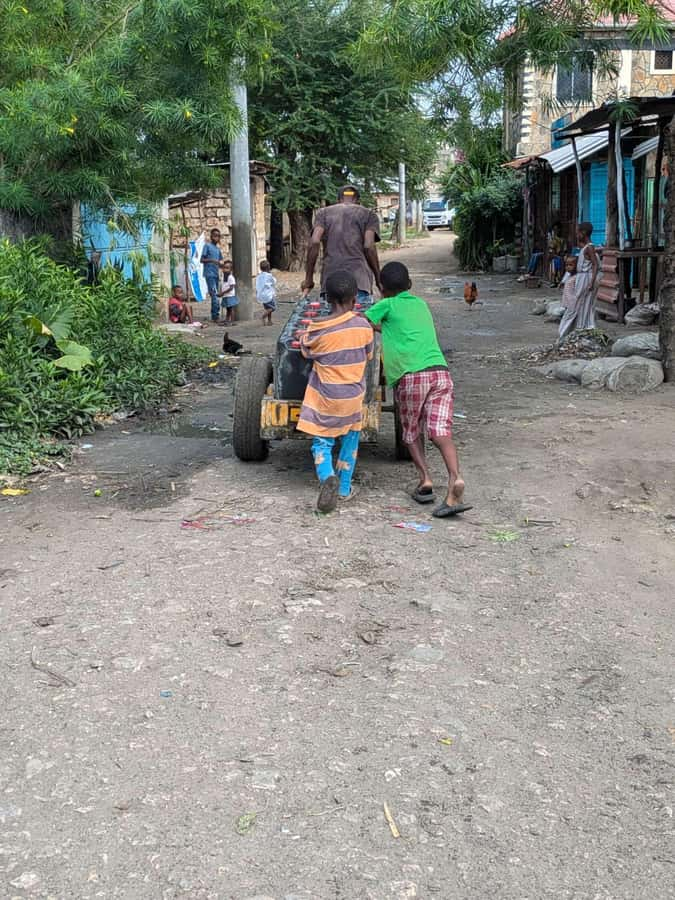
This experience gives you two optional extras if you want to turn the day into a special memory.
Romantic picnic setup: If you want a cozy pause under the acacia trees, this can add a slower, more personal feel. It also gives you a natural moment to enjoy drinks and snacks without turning the whole day into constant movement.
Private photoshoot: If you care about high quality portraits, a professional-quality shoot is available with giraffes or in the scenic savannah. This can be a smart choice if you are traveling as a couple, planning an engagement, or just want photos that look like you hired someone, not like you held your phone up at arm’s length.
If you are on a budget, you can still get great photos during normal stops. These upgrades are for when you want extra polish.
Price and fees: what $100 really covers
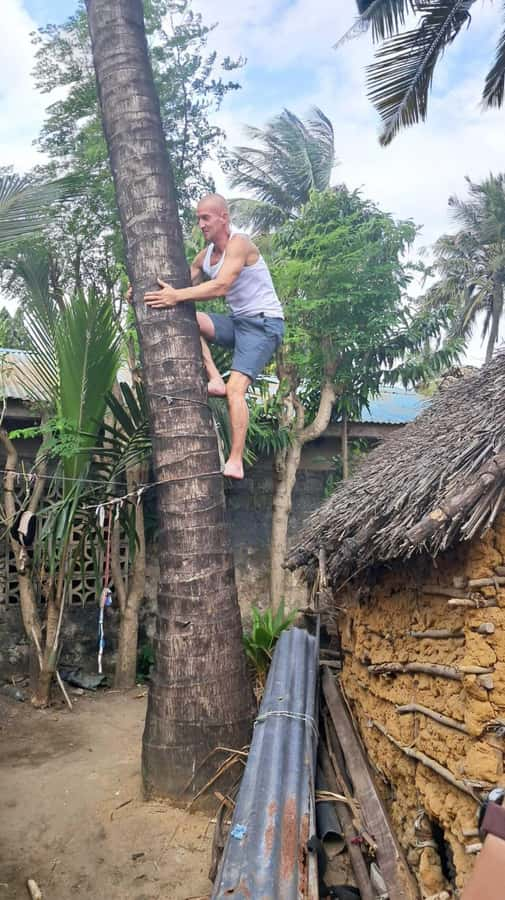
The listed price is $100 per person for about 4 hours, and pickup and drop-off are included within Mombasa (Nyali, Bamburi, and Mombasa city options). The tour includes bottled water, an English-speaking local guide, and the core experiences: school visit (weekdays), live dance performance, storytelling with village elders, and wildlife viewing at Nguuni.
But there are two important cash costs you need to plan for:
- $20 village entry fee, paid in cash on the date of the tour
- $10 Nguuni Sanctuary entry fee, paid in cash on the date of the tour
So think of the true base cost as closer to $130 before any optional upgrades. That is still good value if you want a day that combines multiple cultural elements plus real animal viewing, but it is not “all-in” unless you budget cash for those entries.
One more cost consideration: if your pickup point is outside Mombasa, transportation costs can be charged separately based on distance. In feedback, someone flagged that transport costs were not expected at the end of the day. To avoid that surprise, ask your provider what pickup will cost if you are not staying inside the included Mombasa zones.
Transportation, timing, and the best way to pace yourself
Your tour uses multiple short stops, plus a few moments that are clearly timed: a first stretch of time around the Mtwapa area, a dance show, a photo stop, a break, and about 25 minutes on foot. That structure matters because it helps you manage heat and attention.
Here is the pacing logic you should follow:
- Treat the first part as interactive learning time.
- Use the break to cool down and refill your water habits.
- During the on-foot portion, keep your camera ready but do not rush.
Also, there is an optional tuk-tuk ride arrangement upon request. In one piece of feedback, a guest said they were picked up on time via tuk-tuk, and it added to the fun of arriving like a local. If that sounds like your style, ask for it early so it is not an afterthought.
What to bring so you do not feel frazzled
For a day that mixes shade and sun, village walking, and wildlife viewing, packing smart is half the win. Bring:
- Comfortable shoes
- Sunglasses and sunscreen
- A sun hat
- A camera (and a phone, just in case)
- Comfortable clothes
- Cash for the village and sanctuary entry fees
If you have a small daypack, it helps you keep everything in one place. You will feel better knowing you can pay on arrival without scrambling.
Who this tour is best for
I think this tour fits best if you want a true “culture plus nature” day, not just one or the other. It is especially good for:
- First-time visitors to Mombasa who want more meaning than a beach day
- People who enjoy participating, like joining dance and asking questions
- Couples and families who want a memorable wildlife stop without a full day safari commitment
It may be less ideal if you want only animals and nothing else. That said, feedback suggests the guide can be flexible if you clearly communicate your priorities in advance, so you might still make it work if you go in with a clear plan.
A final reality check: respect the place you’re visiting
Wildlife sanctuaries and community spaces deserve respect. One concern raised in feedback is the presence of plastic litter in and around nature areas. You do not have to turn this into a cleanup mission, but I would take it seriously. If you see trash, it is a small act of care to help where you can, and it makes the day feel better for everyone.
Should you book this Mombasa Cultural and Wildlife Experience?
Book it if you want a tight 4-hour day that blends Mijikenda culture, dance, storytelling, and close wildlife viewing, with hotel pickup in key areas of Mombasa. The value is strong when you factor in the guided school visit, live dance, elders’ storytelling, and the chance to see giraffes, ostriches, and antelopes in a sanctuary setting.
Pass or reconsider if you dislike paying extra cash on arrival, or if you want a single-focus safari-style outing with lots of long wildlife time. In that case, you might feel the cultural stops are more than you planned.
If you do book, do one simple thing before you go: confirm any outside-Mombasa pickup costs and bring cash for the $20 and $10 entry fees. Then show up ready to participate, keep your eyes open, and let the day move at the pace of people and animals.
FAQ
Are the school and village visits included?
Yes. The tour includes a guided local school visit on weekdays, plus a guided visit to a traditional Mijikenda village with storytelling from village elders and a live Mijikenda dance performance.
What extra fees should I expect to pay in cash?
You will need cash for a $20 village entry fee and a $10 Nguuni Sanctuary entry fee, both paid on arrival.
How long is the tour?
The duration is 4 hours.
Where do pickups and drop-offs happen?
Pickup and drop-off are included within Mombasa city, with options listed for Nyali, Bamburi, and Mombasa. If you are outside Mombasa, pickup can be arranged for an additional transportation cost based on distance.
What languages are available?
The live tour guide is listed as English, German, French, and Italian.
What is the cancellation and payment flexibility?
Free cancellation is available up to 24 hours in advance for a full refund. There is also a reserve now and pay later option, so you can book and pay nothing today.
Mombasa City Tours, compared.
 ★ 5.0Walking Tour Through Old Town Mombasa and Fort JesusFrom $50393 reviews
 ★ 4.7Mombasa: Kisite Park Private Cruise with Breakfast and LunchFrom $163181 reviews
 ★ 5.0Mombasa City TourFrom $45170 reviews
 ★ 4.7Mombasa: Tusks, Fort Jesus, Old Town, Beach and City TourFrom $30137 reviews
 ★ 4.3From Mombasa/Mtwapa/Diani/Tiwi: Tsavo East Full-Day SafariFrom $200130 reviews
 ★ 5.02 Days Tsavo East National Park Tour From Mombasa/Diani (1 Night)From $50650 reviews
 ★ 4.8Mombasa: Guided Nature Walk Amongst GiraffesFrom $3848 reviews
 ★ 5.0Visit to Fort Jesus and the Old Town of MombasaFrom $4047 reviews
Appears in these lists