

REVIEW · TOURS
Mathare Community Slum Tour
Mathare stories come with real faces. This private, community-led tour in Nairobi focuses on daily life in one of Kenya’s oldest informal settlements, with real conversations and direct access to local spaces. You’ll also get bottled water, plus time to shop for handmade crafts.
I especially like the chance to step inside homes of local mothers, where you can see daily routines and hear firsthand perspectives. I also like the planned stop for shopping handmade beadwork and other local crafts, so your visit supports local work and skills.
One consideration: communication can matter. One low-rating complaint cited no response in advance and on the day of booking, so confirm your details and stay reachable before you head out (communication).
In This Review
- Key points before you go
- Mathare, Nairobi’s oldest informal settlement, in human terms
- Your start point at Ushindi East Avenue, and how the timing typically feels
- Entering homes of local mothers, and why that stop matters
- HIV and public health stories explained by people living the reality
- Craft shops and beadwork shopping, turning your visit into support
- The private tour format, and why it changes the experience
- What’s included, and what you should budget for
- Weather, comfort, and the real-world logistics that matter
- Who this tour suits best in Nairobi
- Booking considerations, including one communication red flag
- Should you book the Mathare Community Slum Tour?
- FAQ
- How long is the Mathare Community Slum Tour?
- What is the price per person?
- Where is the meeting point for the tour?
- Is this tour private, and can most travelers participate?
- What is included in the experience?
- What happens if I need to cancel or the weather is bad?
Key points before you go

- Community-led access to Mathare, including time with local mothers in their homes
- Health and HIV context shared by community members, not a lecture from afar
- Handmade beadwork shopping stop where you can meet the makers and buy directly
- Bottled water provided, useful for a couple hours on foot
- Private format means only your group participates, so questions feel natural
Shortlisting? These Nairobi bookings went through the same checks.



Mathare, Nairobi’s oldest informal settlement, in human terms
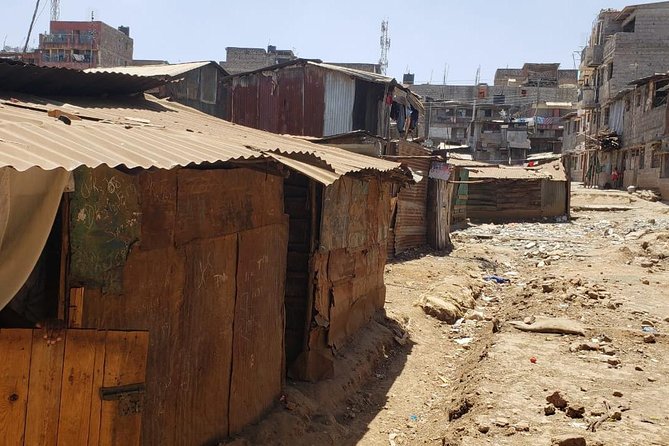
Mathare is Nairobi, Kenya’s constant undercurrent, and this tour is built to show it as people live it, not as an abstract headline. Mathare is described as Kenya’s oldest informal settlement, and the tour’s whole design matches that. Instead of rushing past streets and taking photos from a distance, you’ll move through the community with a guide who can explain what life is like, what has changed over time, and what still feels urgent.
The private, community-led setup is a big part of why this tour works. You’re not stuck in a loud group where your questions go unanswered. It’s also a practical length of time, around two to three hours, so it doesn’t swallow your whole day in Nairobi. For many people, that balance is the sweet spot: enough time to learn something real, without turning the day into a marathon.
Also, Mathare is often discussed in terms of crises. This tour makes room for that reality, including how HIV and other public health issues affect daily life. That matters because it shifts the conversation from pity to understanding, and it helps you see the community challenges through lived experience.
Your start point at Ushindi East Avenue, and how the timing typically feels
The tour starts at Ushindi East Avenue (Ushindi E Ave, Nairobi) and ends back at the same meeting point. Starting and finishing at one place keeps things simple, especially if you are using public transportation. The listing notes it is near public transportation, which is helpful, since you do not want your day in Nairobi to hinge on one complicated taxi plan.
Opening hours run daily from 7:00 AM to 5:00 PM. That gives you flexibility for scheduling, but it also means you should think about your day. Early morning often feels cooler, and late afternoon can be good for light, but the tour timing here is about community access, not scenic sightseeing. I’d treat it like an appointment, and plan to arrive a few minutes ahead.
Duration is listed as about 2 to 3 hours. In practice, that range matters because it affects how much energy you need. This is not a sit-in-a-car tour. You’ll be walking through the community and stopping for different parts of the experience, including craft shopping and home visits. Wear comfortable shoes and plan for a couple hours of steady movement.
Entering homes of local mothers, and why that stop matters
One of the strongest parts of this tour is the visit inside the homes of local mothers. That detail changes the entire tone. You are not only hearing about Mathare from the outside. You are seeing daily life as it is lived, in the space where routine happens, where family needs get handled, and where residents build resilience.
This is the kind of experience that can feel very personal, and that is also why you should go in with the right mindset. Keep questions respectful and focused on everyday life and community impact. If anything feels too intense, it’s okay to ask for clarification, or to let your guide steer the conversation toward what they think is most helpful.
The value here is not voyeurism. It is learning, through direct access, how community health and challenges show up in ordinary days. You might also notice how pride and practicality coexist. Even when the topic turns serious, the visit helps explain how people organize support and survive day-to-day conditions with their own strategies.
HIV and public health stories explained by people living the reality
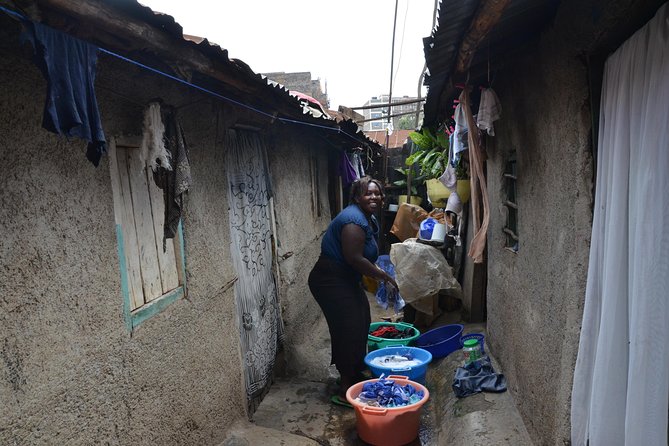
The tour specifically highlights learning about the impact of HIV and other public health crises. That topic can be heavy, but the tour’s community-led format makes it more grounded than a standard history talk. You’ll hear how health issues affect families, work, school life, and community decisions.
This is where your attitude matters most. Go ready to listen. Try not to treat the subject like a documentary you can check off. Instead, ask questions that help you understand impact and response. For example, you can focus on how health awareness, prevention, and community support work in everyday life, rather than jumping straight to big-picture assumptions.
Also, because you are on a guided tour with a time limit of about two hours, you’ll likely get a guided “path” through the topic. That’s useful. It prevents information overload and helps you keep the experience from turning into a random walk through tough subjects. You’ll still leave with a sharper understanding of the health challenges, but without the feeling of being stranded in them.
Craft shops and beadwork shopping, turning your visit into support

Between the serious parts, the tour includes time to visit local craft shops and to shop for handmade beadwork. This is not just a break. It’s a structured chance to connect with local skills and to see how craft production fits into community life.
The tour highlights this as a stop you’ll make, so it’s worth planning how you want to use it. If you want a souvenir, treat it as a conversation, not just a purchase. Ask about the work, the materials, and the time it takes to make items. That makes the shopping stop feel like part of the learning, not a commercial detour.
One practical note: the tour includes bottled water, but shopping costs are separate unless stated otherwise. Bring a payment method you can use comfortably for crafts. And if you plan to buy something, give yourself time. Beadwork and handmade items often take a moment to choose well, and this tour length is tight enough that you will feel rushed if you wait until the last minute.
The private tour format, and why it changes the experience
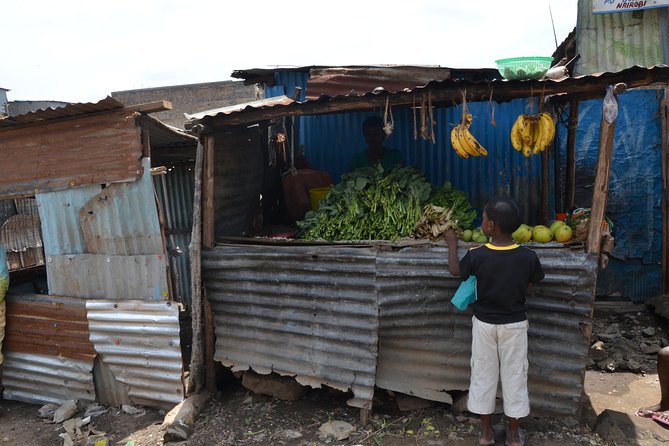
This is listed as a private tour/activity, meaning only your group participates. That matters in places where questions can be sensitive. In a shared group, you might feel pressure to keep things light or to avoid “too personal” topics because strangers are listening. In a private group, you can ask at your pace, and your guide can keep the conversation aligned with your comfort level.
Private also means the guide can likely adjust timing, like when you linger over beadwork or when you need a short break after the home visit. You still have a rough timeline, about 2 to 3 hours, but the flow feels more controllable than a rigid mass tour.
Finally, the tour provides a mobile ticket. That usually simplifies entry and reduces paper hassle. Still, I recommend you keep your booking details handy on your phone in case you need them quickly before starting.
What’s included, and what you should budget for
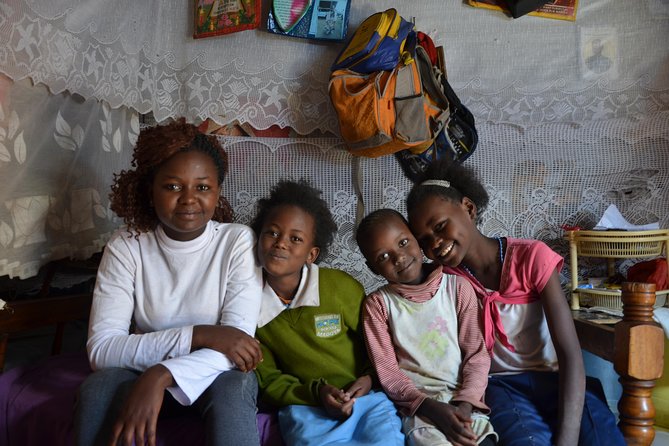
The clear inclusions are: the private slum tour experience, community-led access, bottled water, and the mobile ticket. You should also expect that craft shopping is part of the route, but the cost of any items you buy is likely separate. The tour description doesn’t say crafts are included, so budget for purchases only if you want them.
With bottled water included, you don’t have to spend energy finding a drink right before or during the tour. That’s practical value, especially in neighborhoods where you might not want to keep stopping to negotiate.
Now the price. At $25.65 per person for roughly two to three hours and a private community-led format, it can feel like a bargain when you compare it to tours that only show you a viewpoint from outside. The home visit and the structured stops (craft shops plus community context on HIV and public health crises) are what push this from a basic walking tour into something more substantial.
That said, value depends on what you need from the experience. If you want deep storytelling and direct access, this price can represent good value. If you just want quick photos and minimal human contact, you may find it more meaningful than expected, or even uncomfortable. This tour is built for learning, not for passive sightseeing.
Weather, comfort, and the real-world logistics that matter

The tour requires good weather. If weather is poor, you’ll be offered a different date or a full refund. This is important for planning because a couple hours can disappear fast if you are carrying extra layers, getting wet, or rushing to avoid rain. Check conditions before you leave and plan the rest of your Nairobi day with some flexibility.
The meeting point is near public transportation. That helps if you want to skip complicated rides. Still, the experience ends back where you started, so you do not need a second pickup plan.
Most importantly, be ready for walking. The tour is short, but it is not described as a drive-through. Comfortable shoes and a simple day bag are your friends. If you have a sensitive stomach or you’re prone to heat discomfort, keep a slow pace in mind after the home visit and craft shopping stops.
Who this tour suits best in Nairobi
This tour is a good match if you want:
- A community-led look at Mathare with direct conversation
- An experience that covers health topics like HIV and public health crises in a human way
- Time to buy handmade beadwork and connect that shopping to local makers
It can be intense. That makes it less ideal if you strongly prefer light, purely scenic experiences. It’s also best for travelers who can respect boundaries and treat the tour as a conversation, not a performance.
If you like structured guidance, this works. If you hate group timing and want complete freedom, you may find the set format restrictive. The private element helps, but it’s still a guided route.
For first-time visitors to Nairobi, it also gives context for the city beyond government buildings and mainstream attractions. It’s one of those experiences that changes how you interpret what you see afterward.
Booking considerations, including one communication red flag
The tour is operated by Jijenge Community Slum Tours and offers confirmation at time of booking. It also uses a mobile ticket. Those are all normal signs of a well-run activity.
Still, one low-rating complaint cited trouble reaching the organization via WhatsApp in advance and again on the day of the tour. That does not prove a pattern, but it is worth treating as a caution. Before you go, I suggest you:
- Save your booking confirmation details and any message thread you receive
- Make sure your phone number or email contact is correct
- Plan to arrive with time buffer in case you need to follow up
Free cancellation is helpful if weather turns or plans change. But I still think the best experience is the one you can attend without last-minute stress.
Should you book the Mathare Community Slum Tour?
Book it if you want a guided, respectful look at Mathare that includes a home visit with local mothers, context on HIV and public health crises, and a stop to shop handmade beadwork. At $25.65 per person, the blend of access plus structured storytelling is strong value, especially for a two to three hour window.
Skip it if you want a strictly comfortable, low-emotion sightseeing day, or if you know you struggle with health and social topics. Also, if you are relying on WhatsApp for communication, take the one red flag seriously and make sure you can confirm your details using the confirmation info you receive.
If you do book, go with a listening mindset, respectful questions, and realistic expectations. This tour is about people first, crafts second, and learning that sticks. That’s the point.
FAQ
How long is the Mathare Community Slum Tour?
It lasts about 2 to 3 hours.
What is the price per person?
The price is $25.65 per person.
Where is the meeting point for the tour?
The tour starts at Ushindi East Avenue (Ushindi E Ave, Nairobi, Kenya) and ends back at the meeting point.
Is this tour private, and can most travelers participate?
Yes, it is a private tour/activity, and only your group will participate. Most travelers can participate.
What is included in the experience?
Bottled water is provided, and you receive a mobile ticket.
What happens if I need to cancel or the weather is bad?
You can cancel for a full refund up to 24 hours in advance of the experience start time. The tour requires good weather, and if it is canceled due to poor weather, you will be offered a different date or a full refund.
More Tours in Nairobi






More Tour Reviews in Nairobi


Everything else we hold on Nairobi
- 7 Days Private 4 star lodges Safari by LandCruiser from Nairobi★ 5.0 · 3 reviews
- 5 Days/4 Nights Kenya Safari★ 4.5 · 3 reviews
- Safari Park Hotel Show & Dinner Experience In Nairobi Tour★ 3.6 · 3 reviews
- Day safari to Olpejeta Rhino conservancy★ 5.0 · 3 reviews
- 7 Days Breathtaking Kenya Wildlife Private Safari★ 5.0 · 3 reviews
- Overnight Amboseli National Park Safari from Nairobi★ 5.0 · 3 reviews
Tours, compared.
 ★ 5.0NAI NAMI: Nairobi Storytelling Tour with Street ChildrenFrom $45792 reviews
 ★ 4.8Nairobi: Historic and Modern Highlights Walking TourFrom $23703 reviews
 ★ 4.5Safari Tour; Nairobi National ParkFrom $43594 reviews
 ★ 4.5Elephant Orphanage and Giraffe Center Tour with OptionsFrom $35457 reviews
 ★ 5.0Walking Tour Through Old Town Mombasa and Fort JesusFrom $50393 reviews
 ★ 4.5Nairobi: Day Tour to Amboseli National Park & Maasai VillageFrom $75310 reviews
 ★ 5.0Tour: Giraffe Center and Nairobi National ParkFrom $176299 reviews
 ★ 5.0Masai village Day Tour ExperienceFrom $100284 reviews