
REVIEW · GIRAFFE CENTRE TOURS
Giraffe Center and David Sheldrick Elephant Orphanage Tour
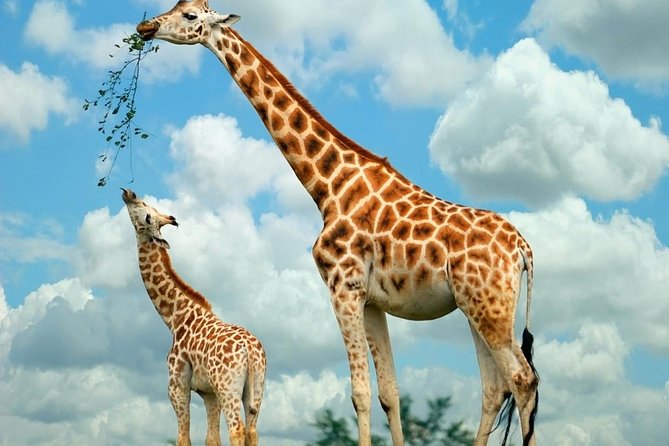
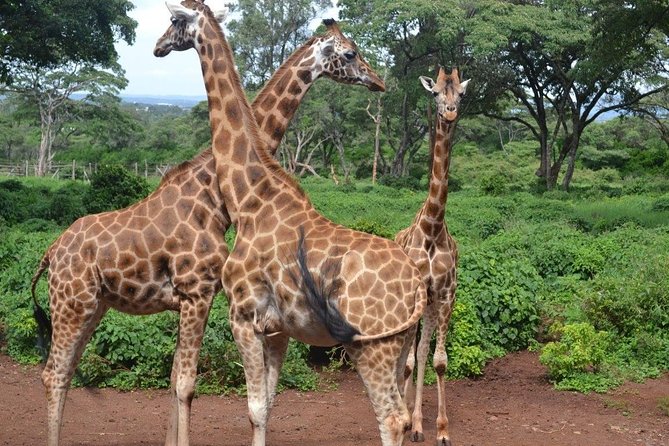
A day with giraffes, elephants, and beads feels like a mini safari. This tour strings together three big Nairobi stops with door-to-door pickup and a tight schedule that keeps logistics easy. You get close views of Rothschild’s giraffes and rescued elephants, plus a look at how Kazuri makers turn clay into famous beads.
I especially like the human scale, the way the day is set up to feel personal. The group size is limited to 15 for more direct service, so you are not just standing in a crowd with no chance to ask questions.
One thing to consider before you commit: the elephant-orphanage visit requires an extra Nairobi National Park fee of $45 per person. It’s not included in the base price, so plan your budget accordingly.
In This Review
- Key things to know before you go
- Nairobi’s giraffes, elephants, and beads in one tight day
- Door-to-door pickup and small-group flow
- Stop 1: Giraffe Centre and the Rothschild’s giraffes feeding wall
- Don’t skip the nature trail to the Gogo River
- Stop 2: David Sheldrick Wildlife Trust and elephant feeding time
- The Nairobi National Park fee is mandatory
- Stop 3: Kazuri beads and pottery, where craft supports community work
- Lunch is optional and at your own cost
- Price and logistics: what you really get for $95
- Who this tour suits best, and who should think twice
- What to bring for comfort and better photos
- Should you book this Nairobi tour?
Key things to know before you go
- Small-group feel (15 max per group), even if the overall activity can involve larger numbers
- Included entrance fees at the Giraffe Centre and David Sheldrick Wildlife Trust, so arrival is faster
- Giraffe Centre trail option up to the Gogo River, not everyone walks it
- Orphanage feeding window in late morning, with keepers ready with milk bottles
- Kazuri factory tour showing pottery and bead-making steps, with local craft shopping built in
- Duration can stretch in real life, with some days running longer depending on timing and breaks
The Giraffe Centre sits inside many itineraries. Others
Nairobi’s giraffes, elephants, and beads in one tight day
This is the kind of Nairobi tour that works when you only have a few days and you want the highlights without turning your day into a taxi scavenger hunt. You start early, you move efficiently between sites, and you get the best kind of close-up experience, animals that are cared for and observed rather than just spotted from far away.
You also get variety in one loop. The giraffes feel calm and gently interactive. Then you shift to the emotion and education side of the elephant orphanage. And you end with a creative stop where craft and conservation connect through local work.
Door-to-door pickup and small-group flow
You’ll be picked up from your Nairobi accommodation, which sounds simple until you try to coordinate taxis between parks, attractions, and factories. The tour keeps the driving, timing, and handoffs in one plan, so you spend more time looking and less time figuring out routes.
The schedule starts at 8:00 am, and the listed duration is about 5 hours. In practice, you should give yourself a little buffer, because a day like this can run longer once you account for entry timing, walking, photo time, and any optional lunch stop.
The guide quality matters here, and the names that pop up with this tour include Stephen, Wellington Mkenya, and Kelvin. What I like about that pattern is consistency: these guides are described as friendly and welcoming, and they do the practical work of keeping the day smooth while explaining what you’re seeing.
Stop 1: Giraffe Centre and the Rothschild’s giraffes feeding wall
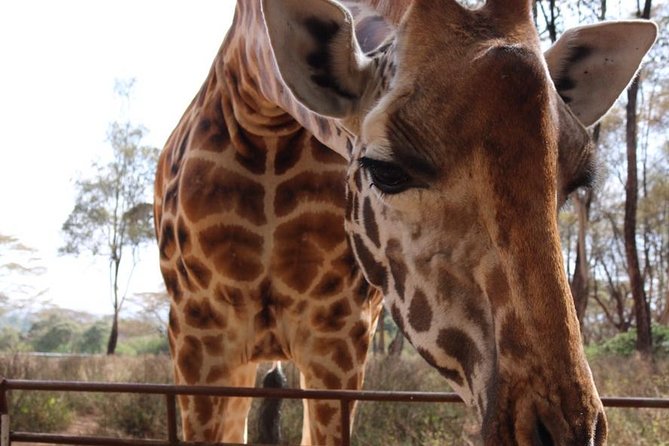
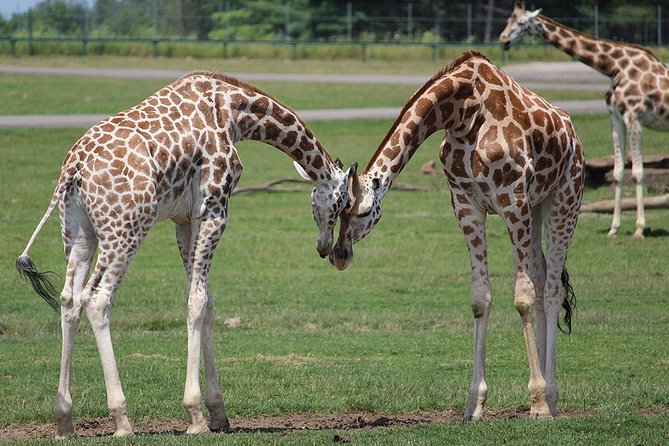
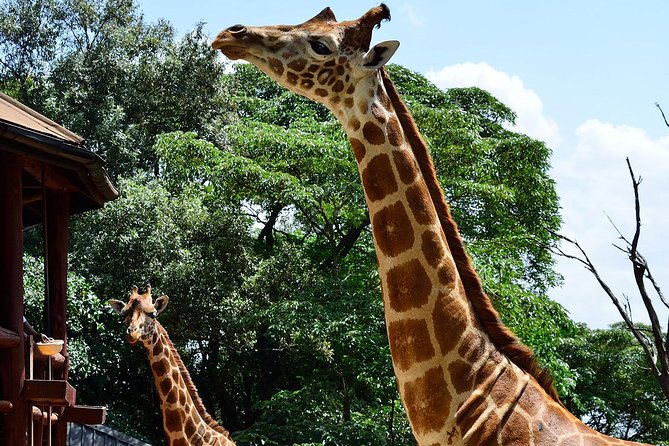
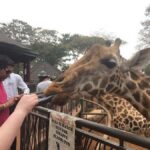
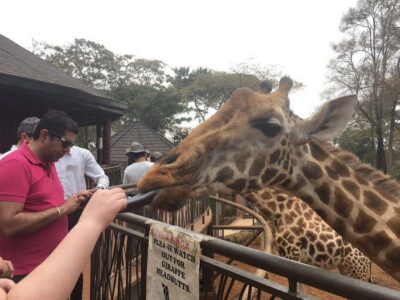
The Giraffe Centre is one of Nairobi’s best “get close fast” animal experiences. You are not just standing at a viewing distance. You are learning about giraffes while they show curiosity, and you can watch them move toward the feeding area behind a protecting wall.
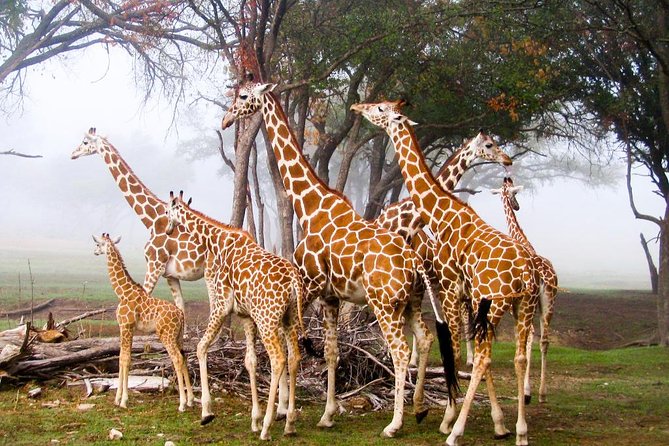
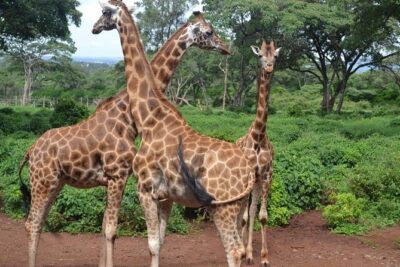
This center is linked to conservation education and the African Fund for Endangered Wildlife. The story most people remember starts with Daisy Rothschild, a rescued giraffe calf from Soi on the Western Kenya border. Daisy and her family are part of the broader Rothschild’s giraffe narrative, tied to semi-wild living patterns you’ll hear about during your visit.
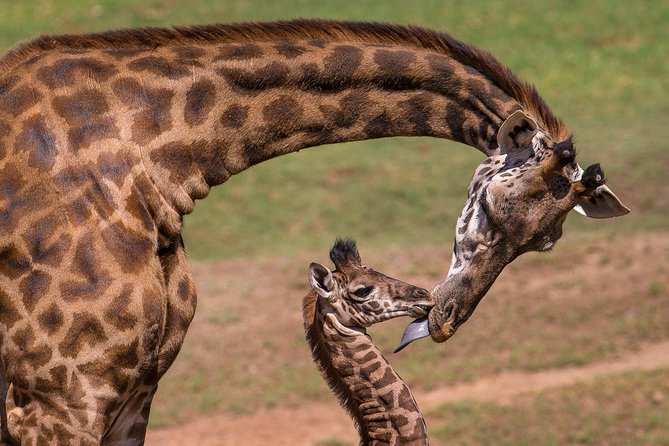
What I love most is the combination of facts and behavior. Giraffes are not just “pretty,” and a good guide helps you notice how they eat, how they approach, and how they settle in their own rhythm. You’ll see daily interactions that are very different from the quick sightings you might get while traveling elsewhere.
Don’t skip the nature trail to the Gogo River
A big upgrade at the Giraffe Centre is the nature trail. The standout suggestion is to walk it up until the Gogo River area, because it’s the kind of part most short visits skip. You’ll get a calmer pace and a more outdoorsy feel, which makes the feeding-time excitement land better.
If you’re traveling with kids, this trail is also a nice way to stretch the visit without adding another stop. It turns the experience from a single photo moment into a mini walk with education along the way.
Potential drawback: this is an outdoor visit, and you’ll be standing and walking. If you’re sensitive to sun or heat, plan light layers and water, even though food and drinks are not included on the tour.
Further bookings at the elephant nursery
Stop 2: David Sheldrick Wildlife Trust and elephant feeding time
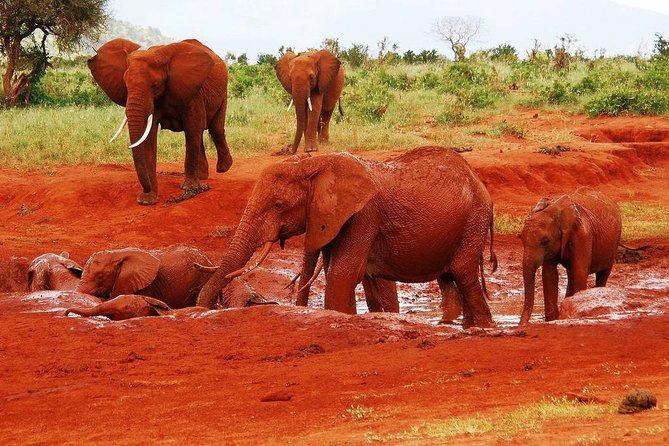
Next comes the David Sheldrick Wildlife Trust, a stop built around a very specific experience window. There’s a scheduled walk through the center in late morning, and it takes place in an open area with a rope fence around the viewing space.
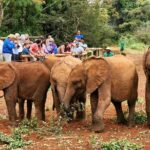
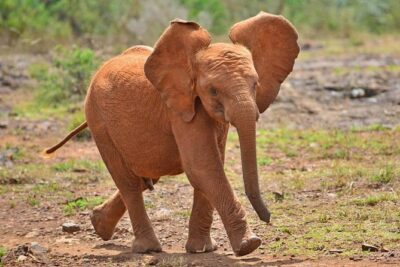
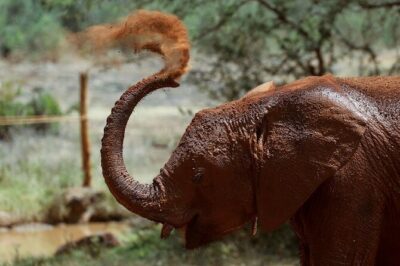
The magic moment is how the youngest elephants come out to greet their keepers. You’ll see keepers ready with large bottles of milk, and you can watch the feeding process for a short period. It’s described as about 10 to 15 minutes, with the elephants slurping and then shifting into water play once feeding wraps up.
This is also where the educational side gets real. You should expect to learn what brought each elephant to the orphanage and how old they were when they arrived. That context matters, because it turns a cute “baby elephant” moment into something you understand in terms of rescue, care, and conservation.
Photo tip, without turning it into a chore: focus on action and routine rather than trying to catch every frame. The elephants move, the keepers move, and the whole thing is timed. When you let the moment play out, you’ll usually get better shots than by constantly changing positions.
The Nairobi National Park fee is mandatory
Here’s the practical point: you’ll pay an extra $45 per person for the Nairobi National Park fee to access the elephant orphanage. The tour includes admission tickets for the attraction portions, but the park requirement still adds cost.
If you do the math, the base price is $95 per person, and the effective cost for the elephant stop becomes closer to $140 per person once that fee is added. For many people, that’s still good value because you’re getting a whole packaged day with transport, guides, and timed access. For budget travelers, it’s the one line item you should not ignore.
Stop 3: Kazuri beads and pottery, where craft supports community work
The final stop is Kazuri, known for bead-making and pottery made from clay. This part of the day shifts gears from animals to hands-on craft, and it often feels surprisingly satisfying because you see the process, not just the finished product.
You’ll be shown the stages of how beads and pottery go from start to finish. Even if you are not shopping, watching the work flow gives you a better sense of what you’re buying. Kazuri is also tied to local community employment, which is why souvenir time here has a purpose beyond collecting something pretty.
Lunch is optional and at your own cost
If you need lunch, your guide can take you to nearby restaurants, but food and drinks are not included. That’s not a dealbreaker, but you’ll want to plan something realistic for the middle of the day so you do not end up hungry at the final shopping stop.
One more practical note: the Kazuri visit is listed as about 1 hour, and the “free admission ticket” is part of the attraction value. Use that hour to ask questions and look closely at how different bead shapes and finishes are made.
Price and logistics: what you really get for $95
The posted price is $95 per person, and the structure is what makes it feel fair. You’re not paying extra for every entrance on arrival at each site, because entrance fees are included for the Giraffe Centre and David Sheldrick Wildlife Trust. You also get a professional guide and pickup and drop-off from your accommodation.
Where people can get surprised is the elephant-orphanage park fee. Since that $45 per person is mandatory, you should budget for it at checkout or when you finalize payment.
You also get value from the way the day is designed: you visit multiple Nairobi must-sees in one route. That saves time and stress versus trying to line up separate taxis, tickets, and timing windows on your own. If you’re short on time, the convenience is part of the cost, and it’s usually worth paying for.
Group discounts are listed as a feature. If you’re traveling with friends or family, ask about the discount because shared transport costs can make a big difference when you’re adding the park fee.
Who this tour suits best, and who should think twice
This is a strong match for first-time Nairobi visitors who want big animal experiences without the heavy planning. It’s also a good choice if you like structured days with a guide who keeps things moving and makes the education part understandable.
If you’re traveling with kids, note the rule that children must be accompanied by an adult. Also, remember that both animal stops are outdoors in parts, and you’ll likely stand in viewing areas at set times.
It might be less ideal if you want maximum free time at a single location. This tour packs three stops into about half a day on paper, and the rhythm can feel fast if you prefer slow travel.
What to bring for comfort and better photos
This is not a hiking tour, but you do have walking and waiting. I’d plan for sun and heat at least at one of the animal sites, and wear shoes you can stand in comfortably.
Practical items:
- A hat and sunscreen for the outdoor portions
- A small water bottle, since food and drinks are not included
- A light layer if you get cooler at certain times of day or in shaded areas
- Your camera ready for short action windows, especially around elephant feeding and water play
Also, keep your expectations grounded. This is not the wild. The value is proximity and care, not wilderness scale. When you frame it that way, the experience lands better.
Should you book this Nairobi tour?
I think you should book if you want a high-value Nairobi highlights day with minimal hassle. The biggest reasons are the included entrance fees at major stops, the hotel pickup and drop-off, and the guide-led explanations that make both giraffes and elephants feel more than just a photo.
I’d hesitate if your budget cannot handle the extra $45 Nairobi National Park fee or if you really need lots of unstructured time. The schedule is built to hit three distinct experiences, and that means you trade spontaneity for efficiency.
If you’re deciding, here’s the simple test: if you’d rather pay a set price for a guided plan than manage transport and timed entrances on your own, this tour makes sense. If you’re the type who wants to linger, you can still do it, just plan a flexible day and pack extra comfort.
More Tour Reviews in Nairobi





Back at the Elephant Nursery




Longer at the Giraffe Centre

Everything else we hold on Nairobi
- 7 Days Private 4 star lodges Safari by LandCruiser from Nairobi★ 5.0 · 3 reviews
- 5 Days/4 Nights Kenya Safari★ 4.5 · 3 reviews
- Safari Park Hotel Show & Dinner Experience In Nairobi Tour★ 3.6 · 3 reviews
- Day safari to Olpejeta Rhino conservancy★ 5.0 · 3 reviews
- 7 Days Breathtaking Kenya Wildlife Private Safari★ 5.0 · 3 reviews
- Overnight Amboseli National Park Safari from Nairobi★ 5.0 · 3 reviews
Giraffe Centre Tours, compared.
 ★ 4.8Nairobi: National Park & Optional Elephants & Giraffe CenterFrom $80874 reviews
 ★ 4.5Elephant Orphanage and Giraffe Center Tour with OptionsFrom $35457 reviews
 ★ 4.6Nairobi National Park, Elephant Orphanage and Giraffe CentreFrom $40365 reviews
 ★ 5.0Tour: Giraffe Center and Nairobi National ParkFrom $176299 reviews
 ★ 4.5From Nairobi: Elephant Orphanage and Giraffe Center Day TripFrom $90235 reviews
 ★ 4.5Elephant Orphanage & Giraffe Centre TourFrom $95225 reviews
 ★ 5.0Nairobi national park and Giraffe centerFrom $175171 reviews
 ★ 4.5Day tour to Giraffe Center and Karen Blixen MuseumFrom $95168 reviews
Appears in these lists